The Best Least Damaging Hair Extension Options for Healthy Hair
What Are the Least Damaging Hair Extensions?
If you've been wondering whether hair extensions can give you the length and volume you want without wrecking your natural hair, the short answer is: absolutely. The least damaging hair extensions - including clip-in extensions, tape-in extensions, and halo extensions - are designed to add fullness without the stress that comes with more permanent methods. The key is choosing the right type of hair extensions for your hair and knowing how to care for them properly.
Quick Answer
Clip-ins, tape-ins, and halo extensions are the least damaging hair extension methods because they avoid heat, harsh adhesives, and excessive tension on your natural hair. Clip-ins are best for occasional wear, tape-ins for everyday wear with minimal maintenance, and halos for zero-commitment volume.
We hear this concern constantly from customers - nobody wants to trade their natural hair health for a few months of added length. That's exactly why we've spent over 18 years helping people find extension methods that work with their hair, not against it.
"The most common mistake we see is people choosing extensions based on how they look in photos without considering how they'll interact with their specific hair type. A method that works beautifully on thick hair can cause real problems on fine hair. We'd rather point you to what actually works for you than sell you something that won't."
- Priyanka Swamy, Founder of Perfect Locks
In this guide, we'll walk you through each low-damage extension method, compare them side by side, and help you figure out which one makes the most sense for your hair type and lifestyle. Whether you have fine or thinning hair or thick curls that need a specific approach, there's a gentle option that fits.
Least Damaging Hair Extensions Overview
What Causes Hair Extension Damage?
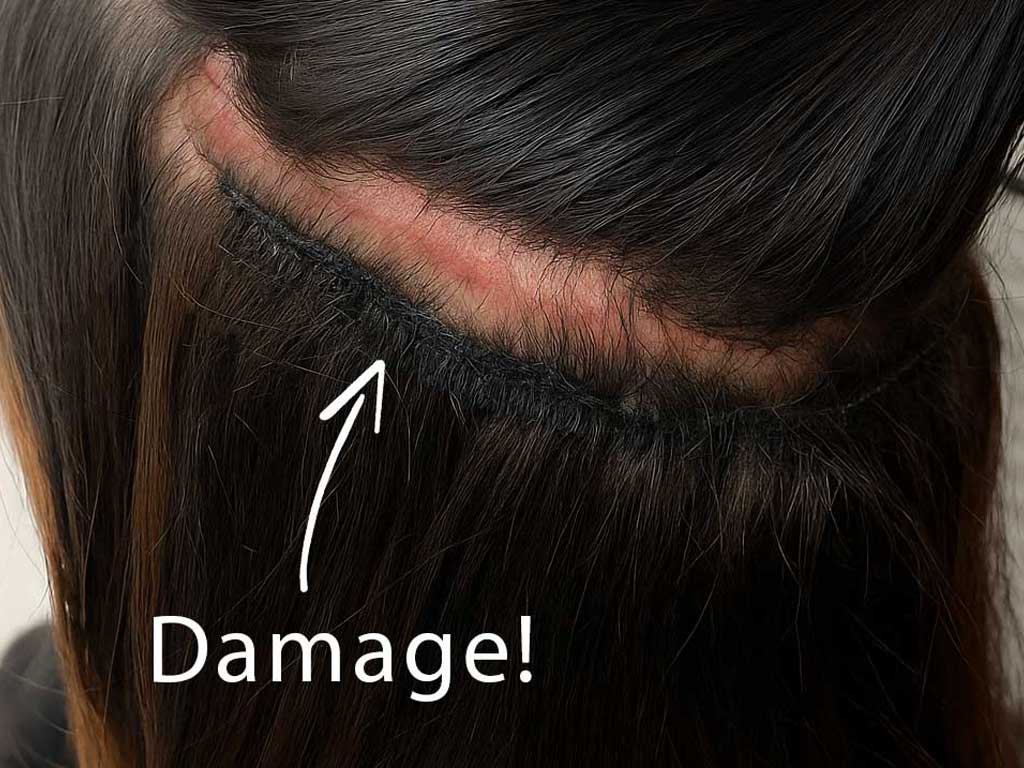
Before we get into the safest methods, it helps to understand what actually causes damage in the first place. Hair extensions themselves aren't inherently harmful - it's the application method, the weight, and the aftercare (or lack of it) that create problems.

The Main Factors
Weight and tension are the biggest culprits. Extensions that are too heavy pull on your hair follicles constantly, which over time can lead to traction alopecia - a form of hair loss caused by sustained pulling. This is why choosing the right gram weight for your hair density matters just as much as choosing the method.
Heat and chemical adhesives weaken your natural hair at the bond point. Fusion (keratin bond) extensions, for example, use heat to melt keratin around your strands. When done by a skilled stylist, the damage is manageable. When done poorly, it can cause significant breakage.
Improper installation and removal account for the majority of horror stories you read online. Pulling out tape-ins without proper solvent, sleeping in clip-ins, or letting sew-ins stay in too long without maintenance - these are all user errors, not inherent flaws in the extensions themselves.
Signs your extensions are causing damage: persistent headaches after installation, visible thinning at attachment points, excessive shedding when you remove them, or soreness at the roots. If you notice any of these, have a professional assess your setup immediately.
The Least Damaging Hair Extension Methods Compared
Not all extension methods carry the same risk. Here's how the gentlest options stack up against each other and against more permanent methods. For a deeper dive into every method available, see our complete guide to types of hair extensions.
| Feature | Clip-Ins | Tape-Ins | Halo | Micro-Ring |
|---|---|---|---|---|
| Damage Level | Very Low | Low | Minimal | Low-Moderate |
| Application | DIY (minutes) | Professional (1-2 hrs) | DIY (seconds) | Professional (2-3 hrs) |
| Wear Time | Daily removal | 6-8 weeks | Daily removal | 3-4 months |
| Uses Heat/Glue | No | Medical-grade tape | No | No |
| Best For | Occasional wear | Everyday wear | Beginners | Long-term wear |
| Fine Hair Friendly | Yes | Yes | Yes | Not ideal |
| Lifespan | 12+ months | 6-12 months | 12+ months | 6-9 months |
Clip-In Hair Extensions: Best for Occasional Wear

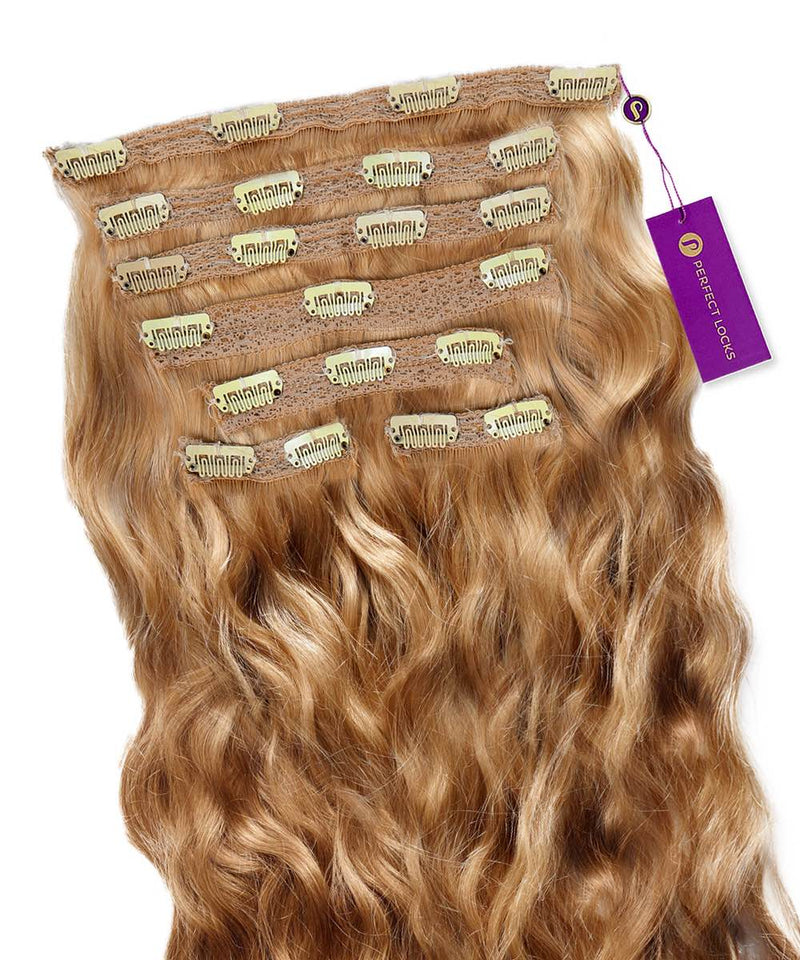
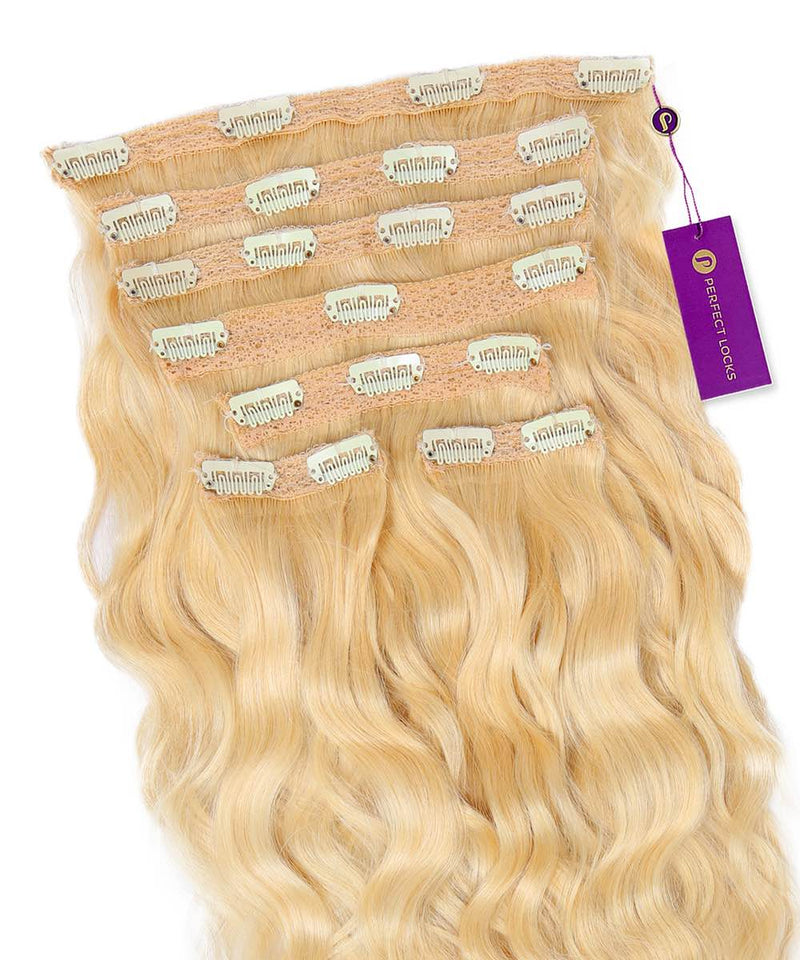
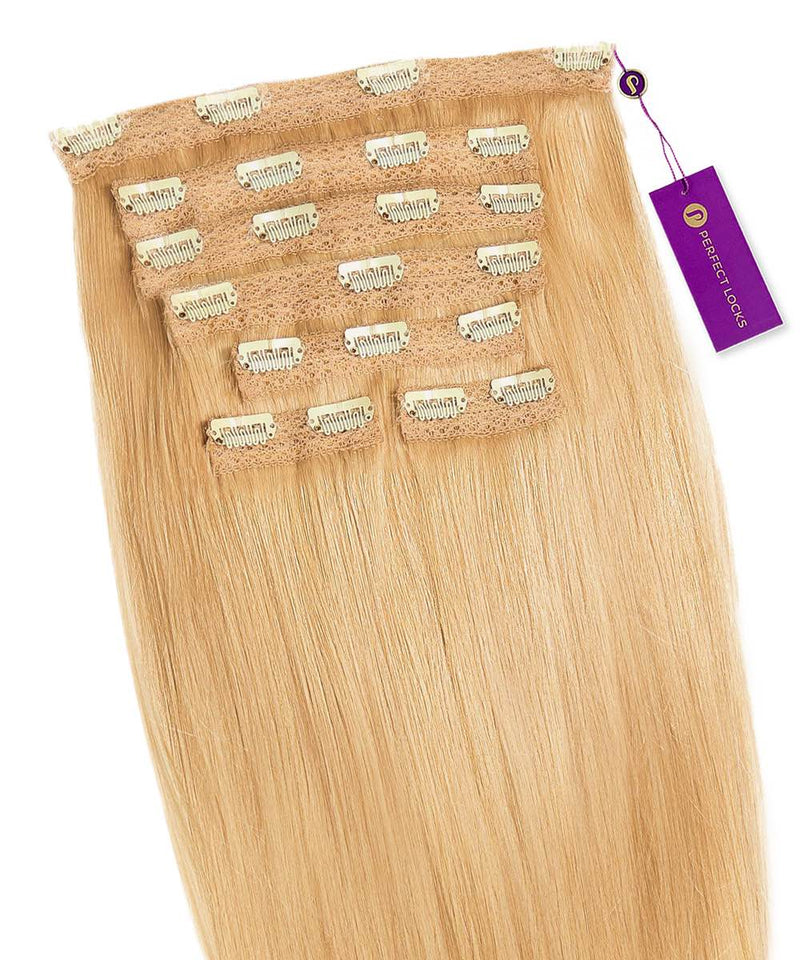
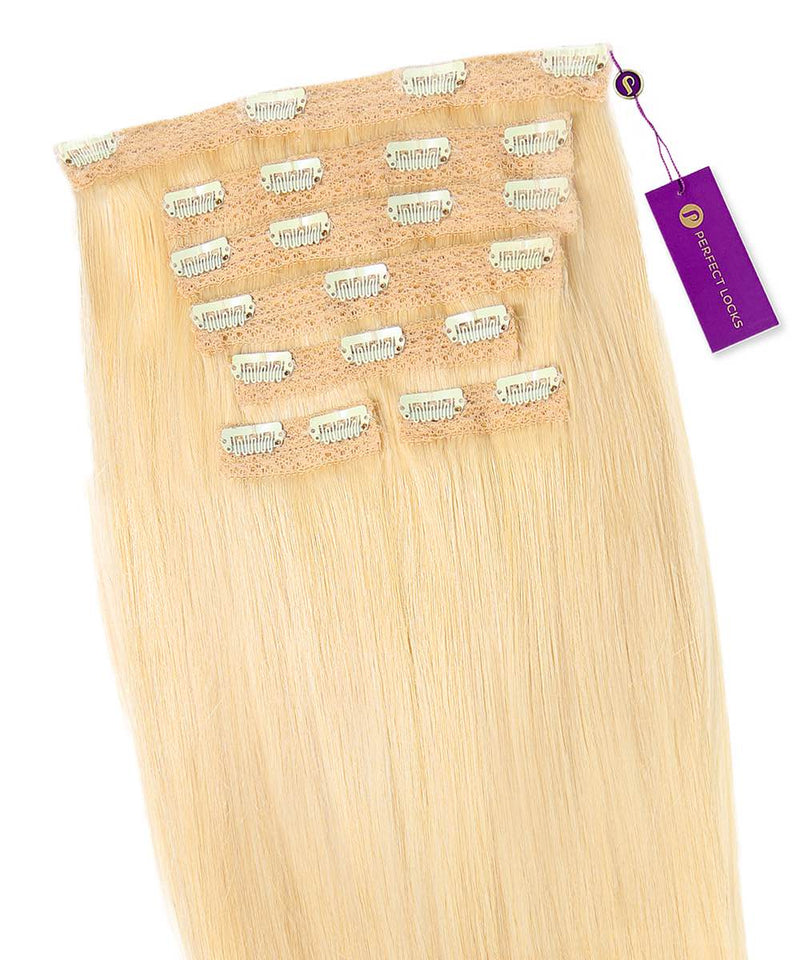
Clip-in hair extensions are the gentlest option available because they go in and come out the same day. There's no long-term tension, no adhesives, and no heat involved. You clip them in near the root, style as usual, and remove them before bed.
Pros
- Zero commitment - apply and remove in minutes
- No heat, glue, or chemicals required
- Longest lifespan (12+ months with proper care)
- Can DIY at home with no training
- Available in seamless weft for thinner profiles
Cons
- Not suitable for overnight or multi-day wear
- Clips can feel noticeable in very fine hair
- Need to reapply daily if wearing consistently
- Can shift during high-activity days
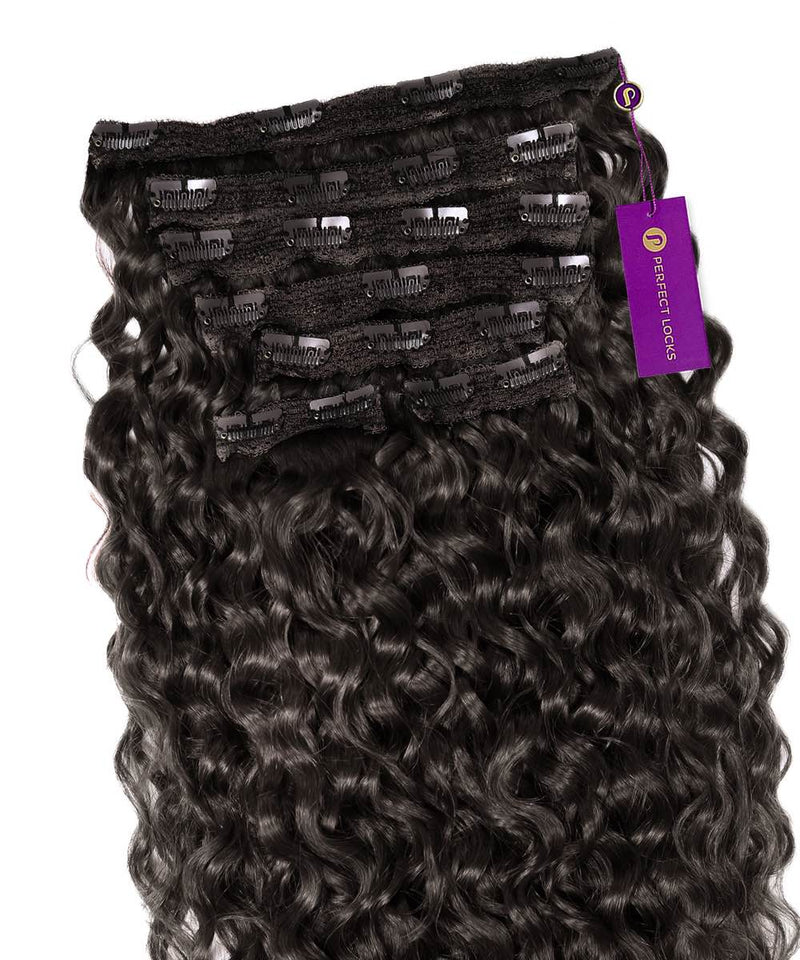
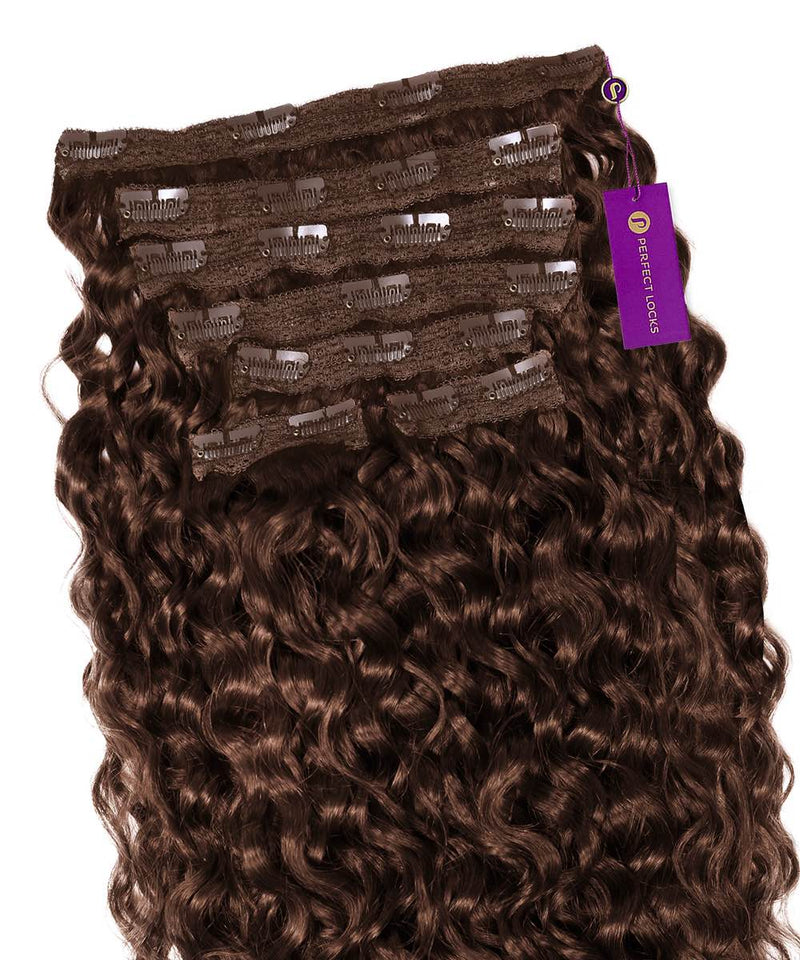
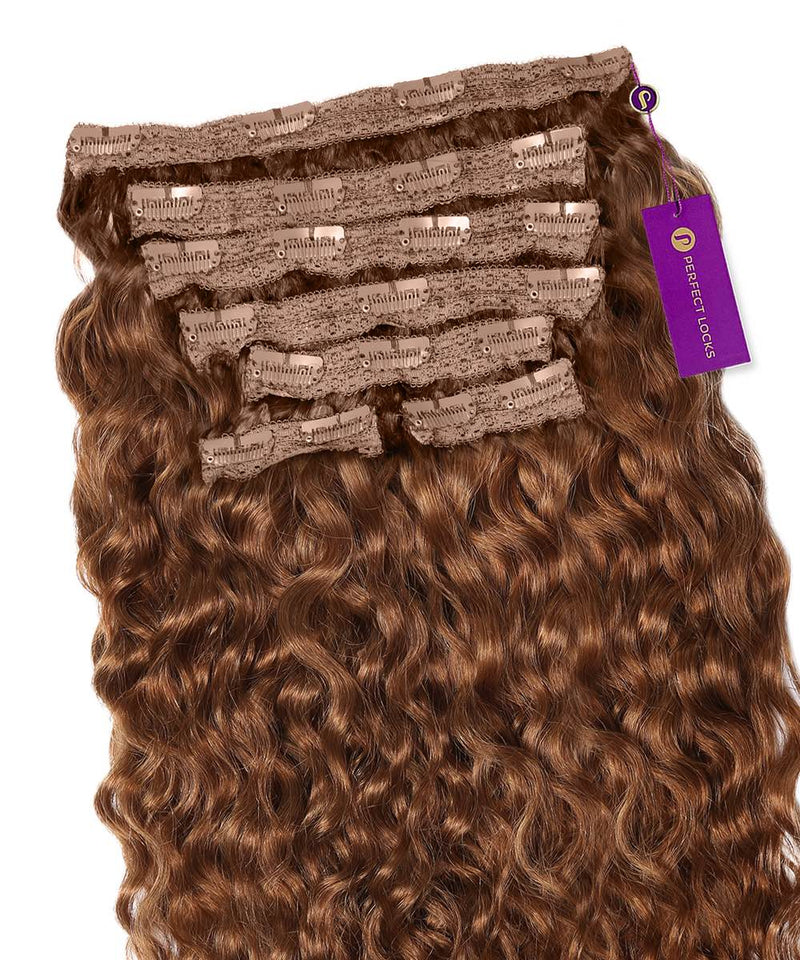
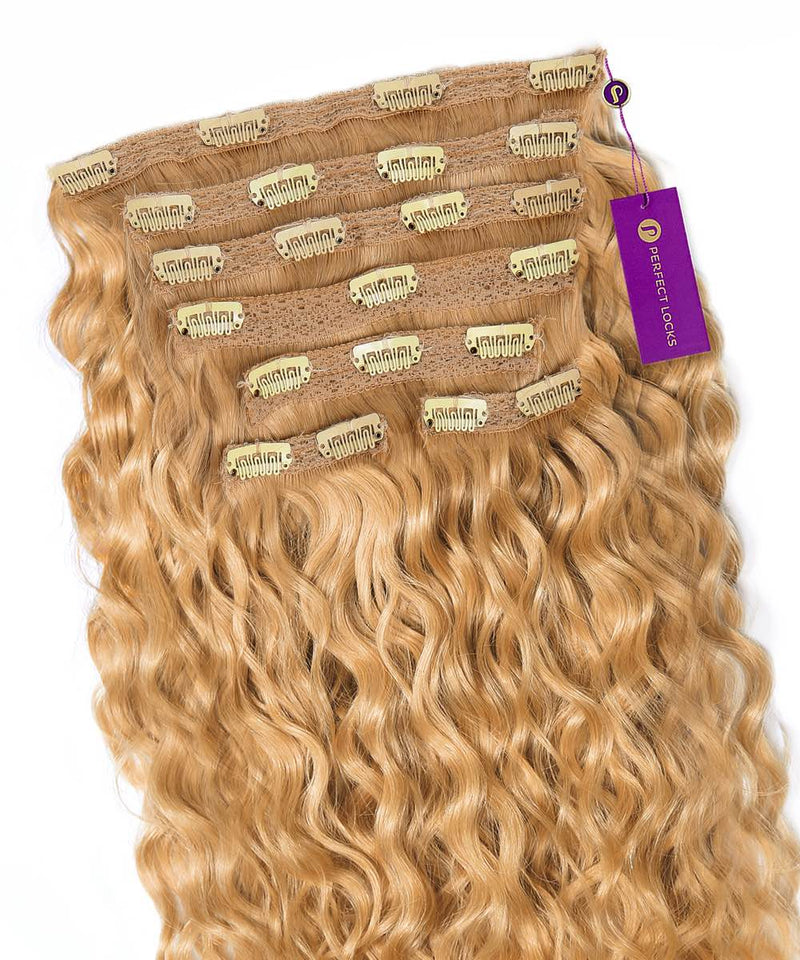
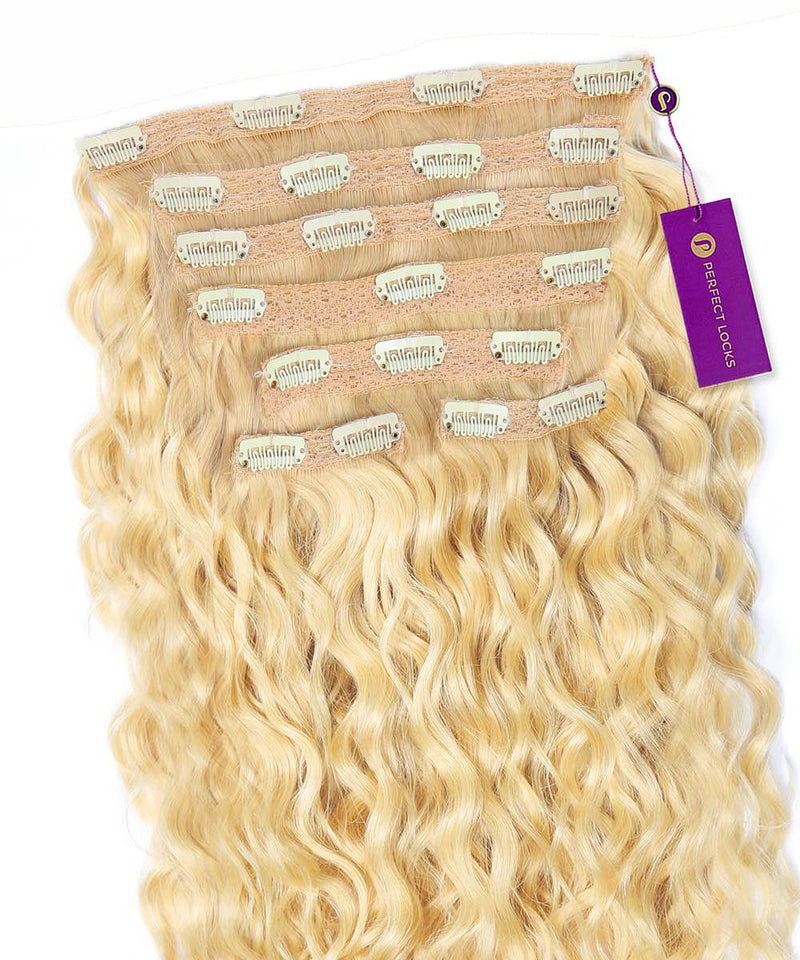
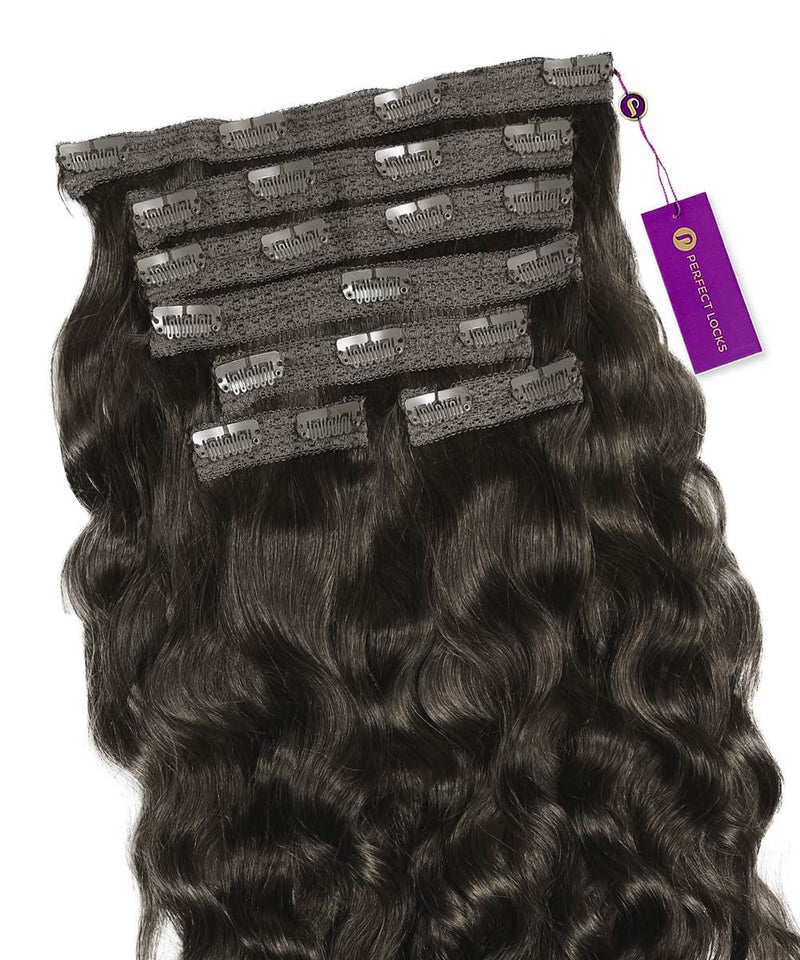
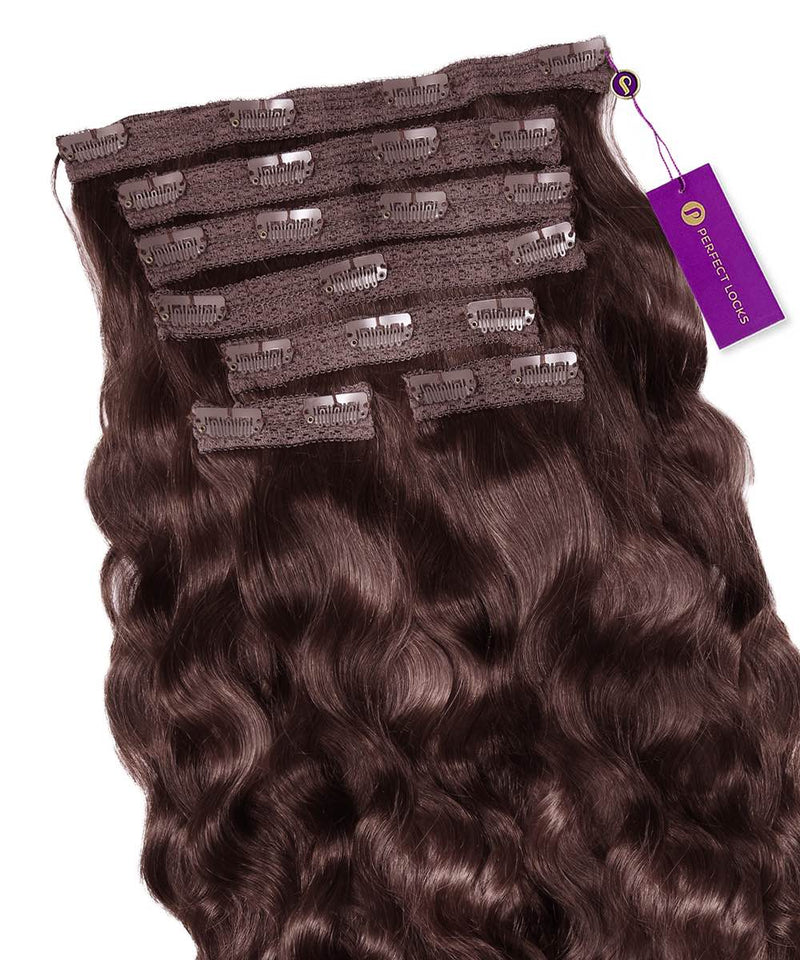
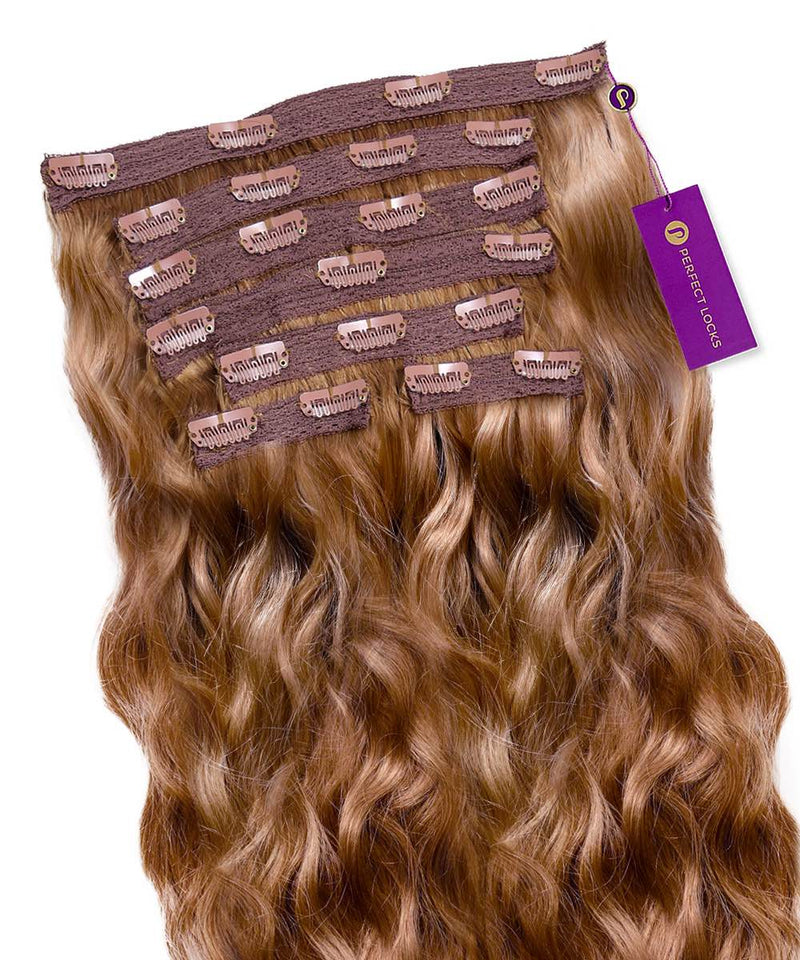
Our clip-ins use silicone-lined clips that grip securely without pulling. The silicone creates friction with your hair rather than clamping down on it, which distributes the weight more evenly and reduces tension at any single point. For an even lower profile, our seamless clip-in extensions use a thinner weft that lies flatter against your head.
For a step-by-step walkthrough, see our complete clip-in extensions guide.
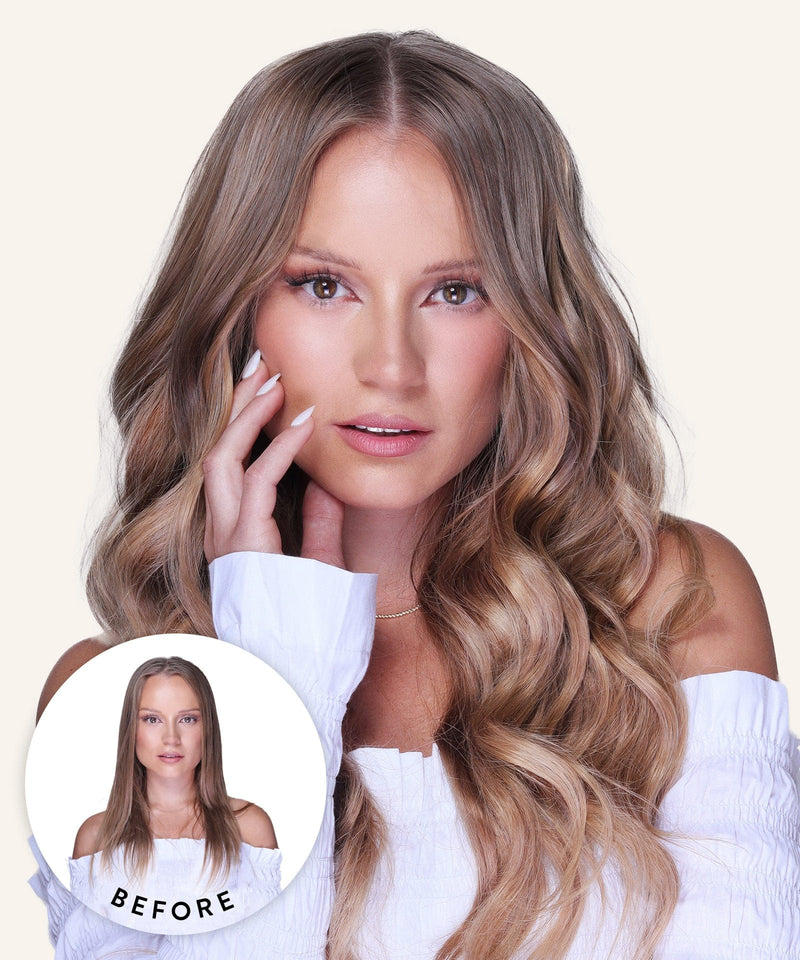
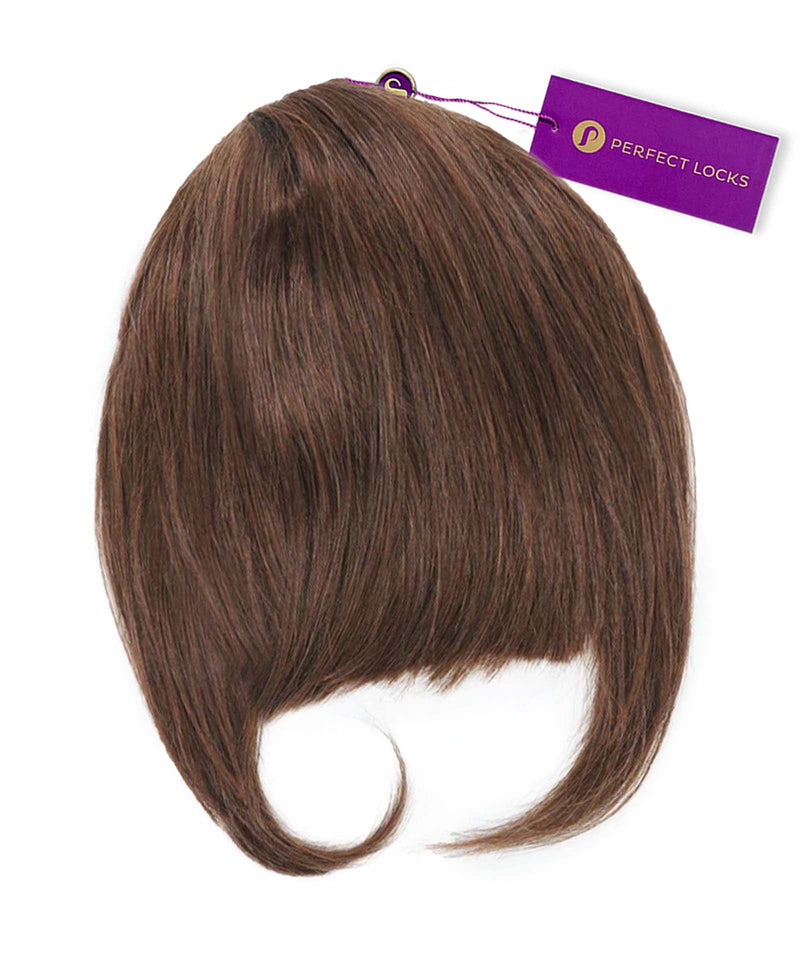
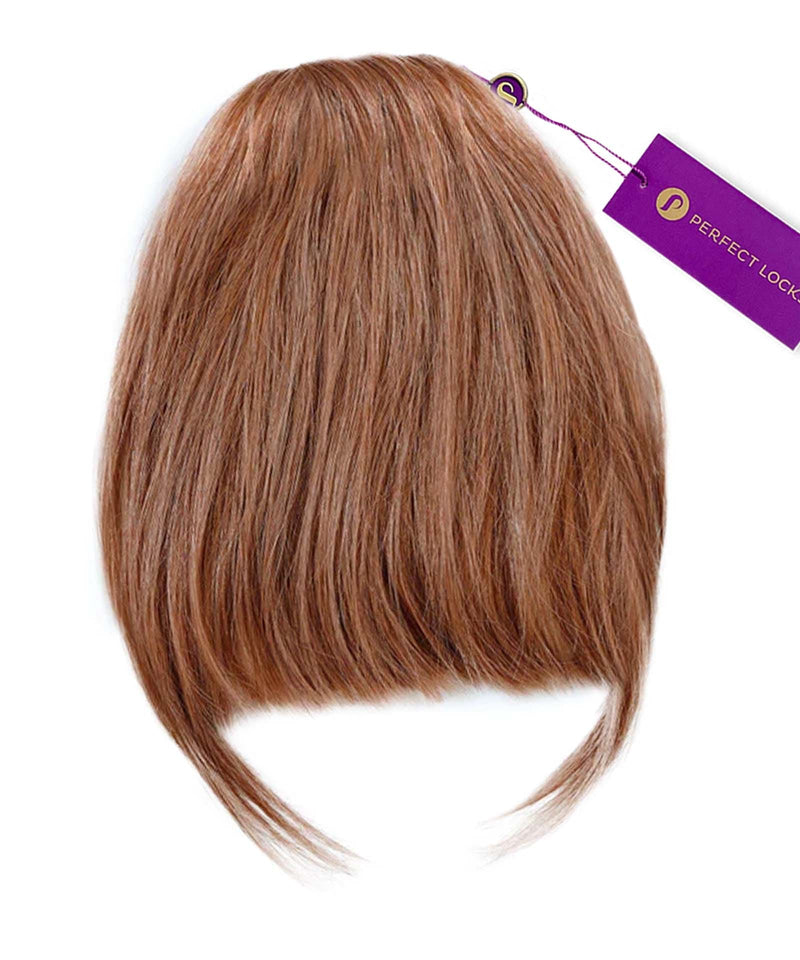
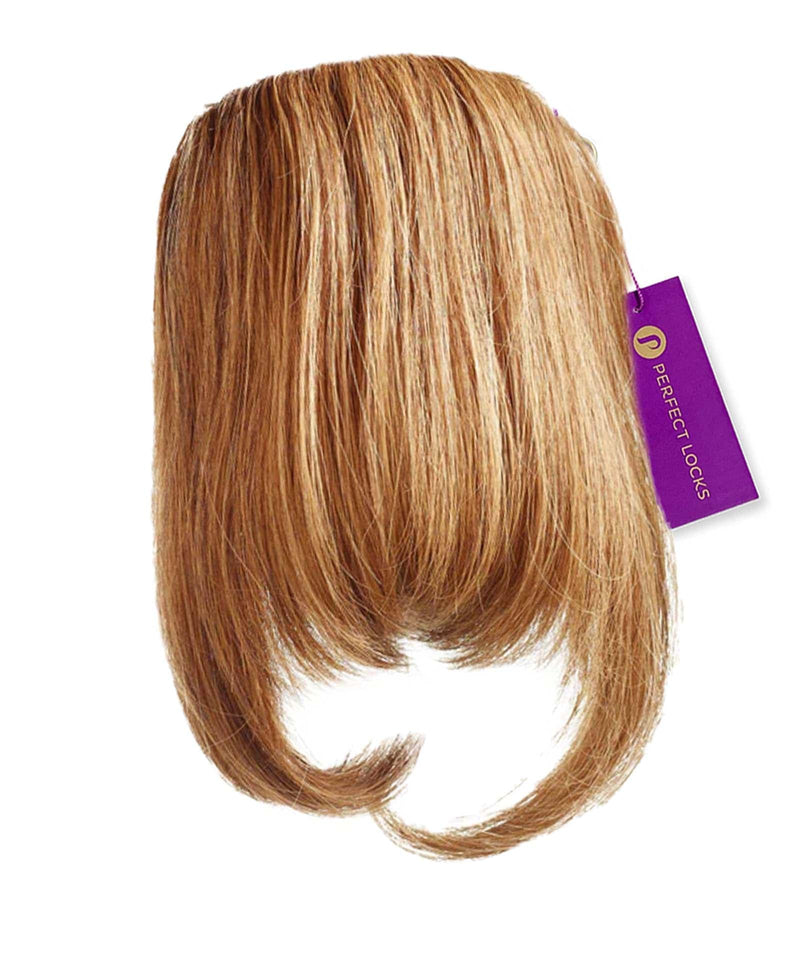
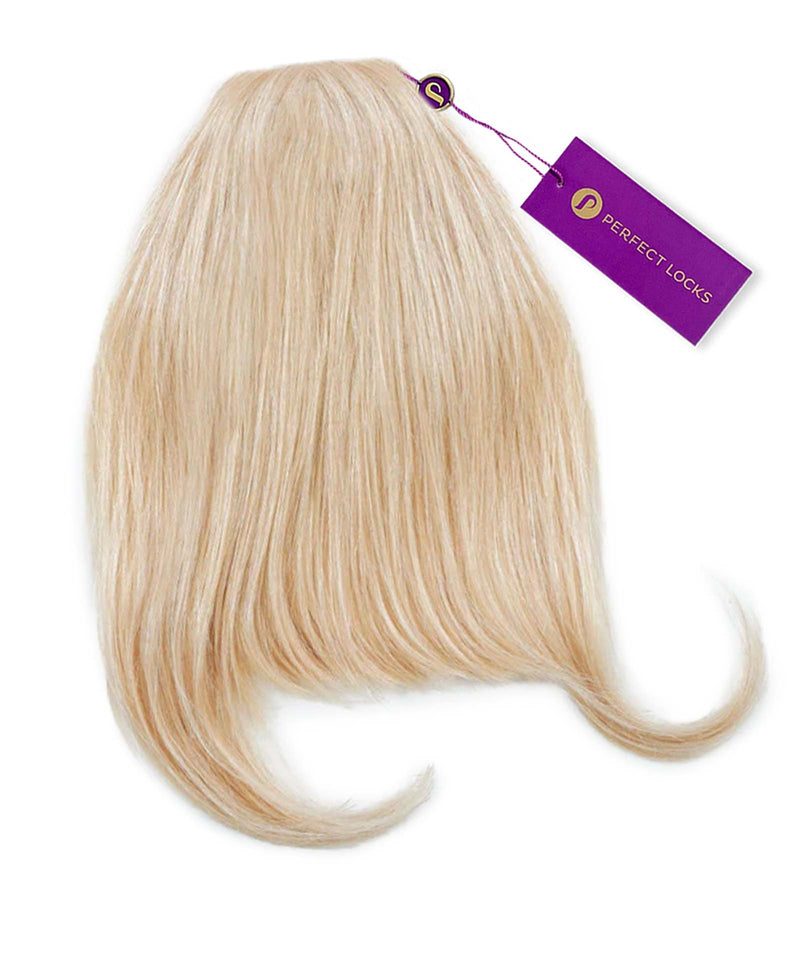
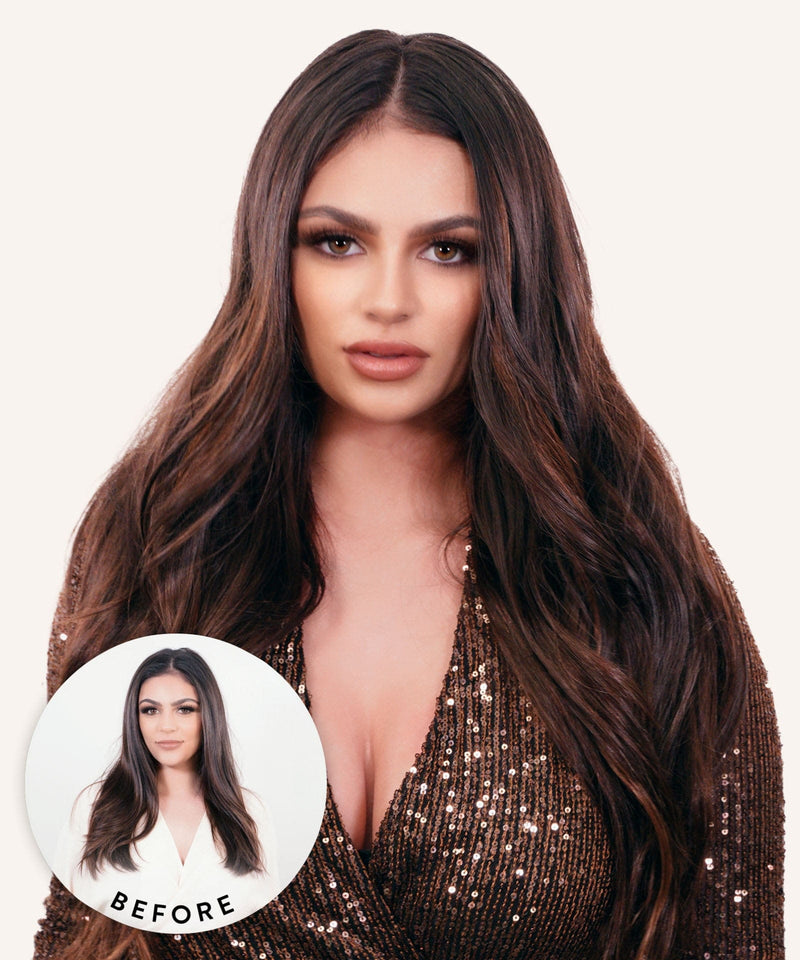
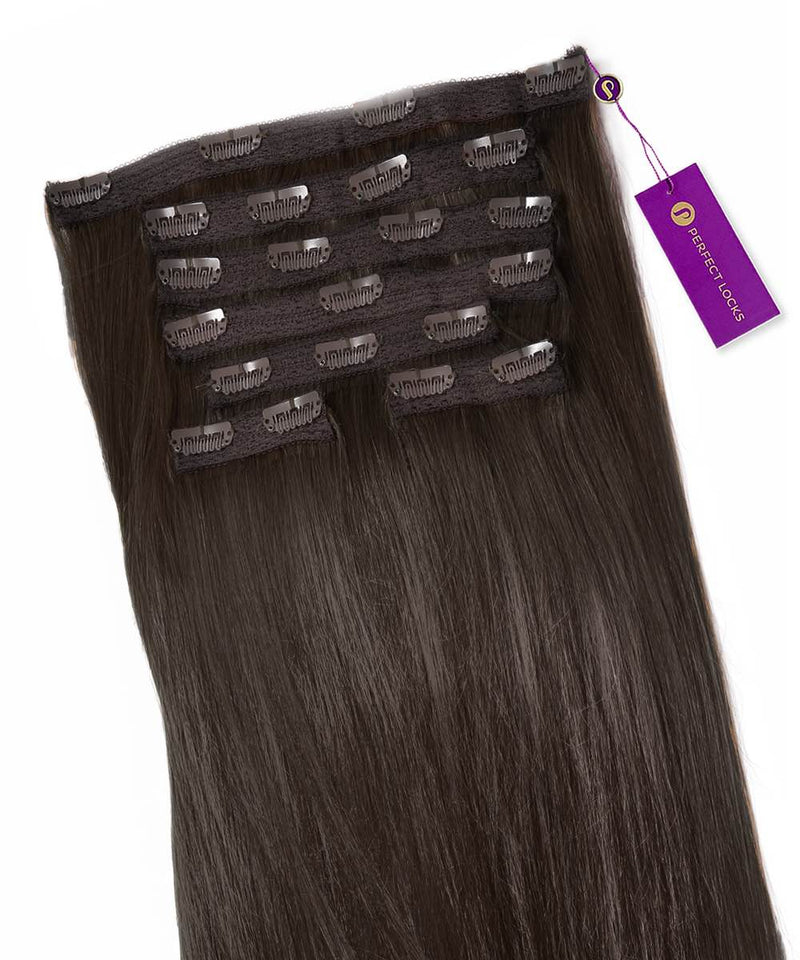
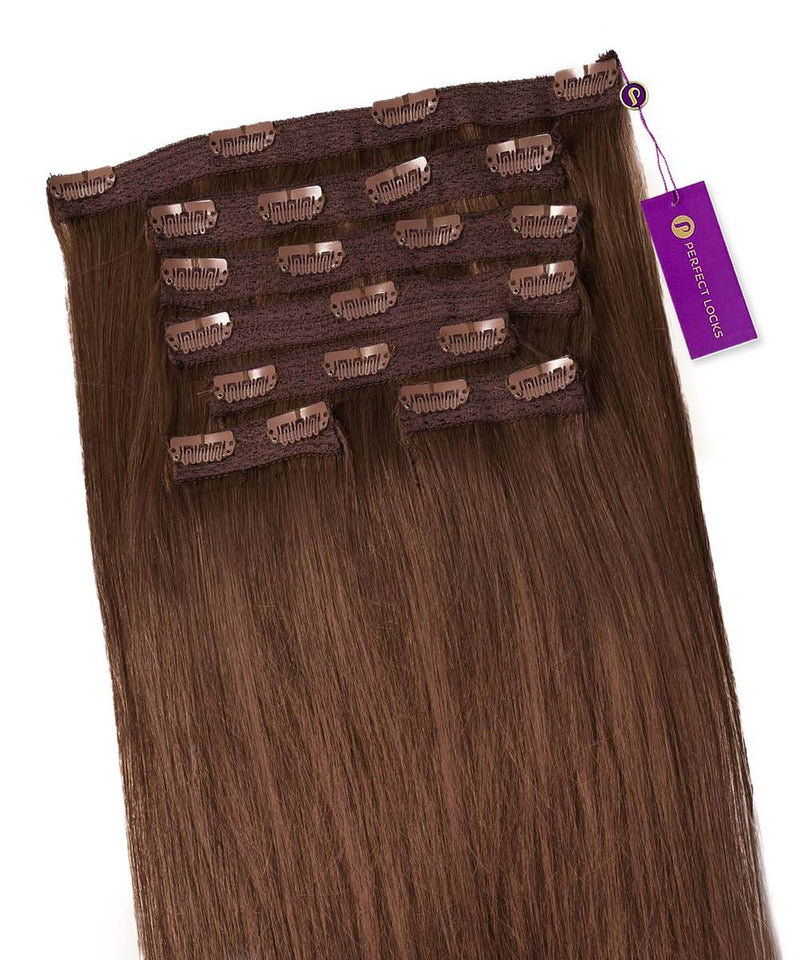
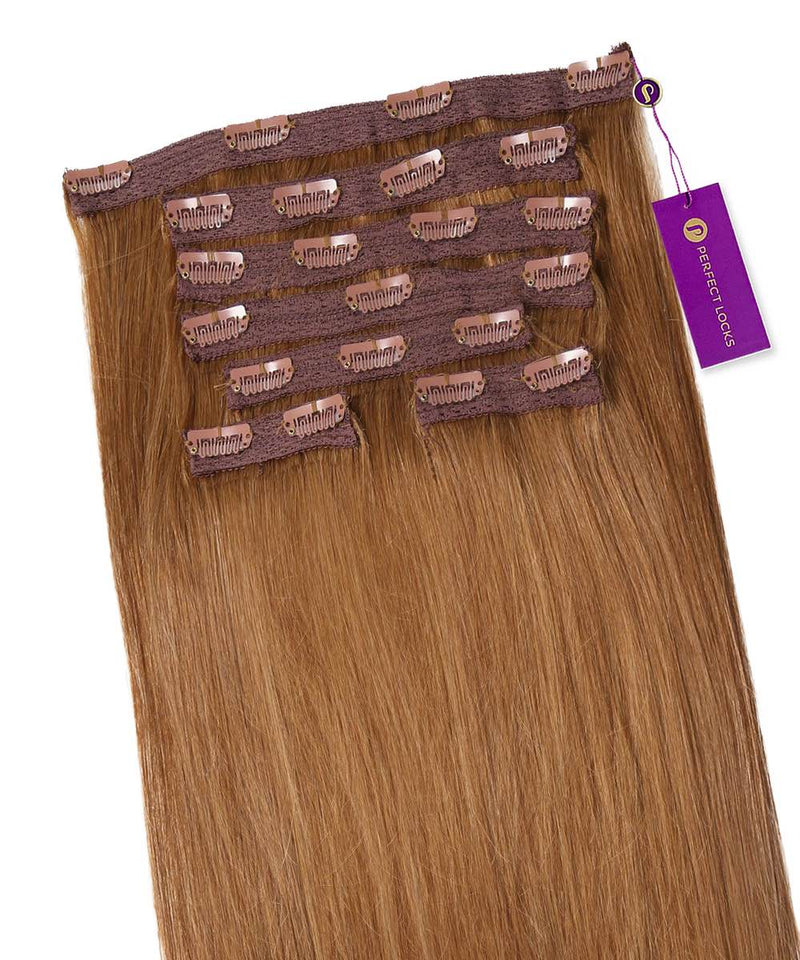
Clip-In Hair Extensions
Your hair, but the version you've always wanted. Clip-in hair extensions snap in for instant length and volume and co...
Tape-In Hair Extensions: Best for Everyday Wear

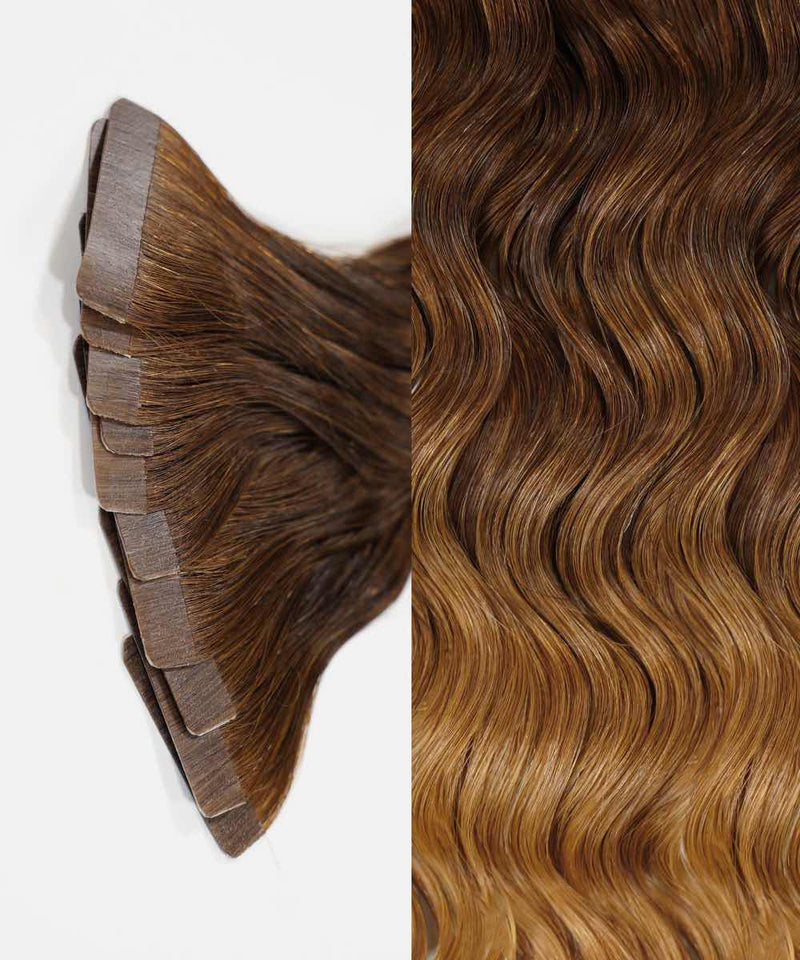
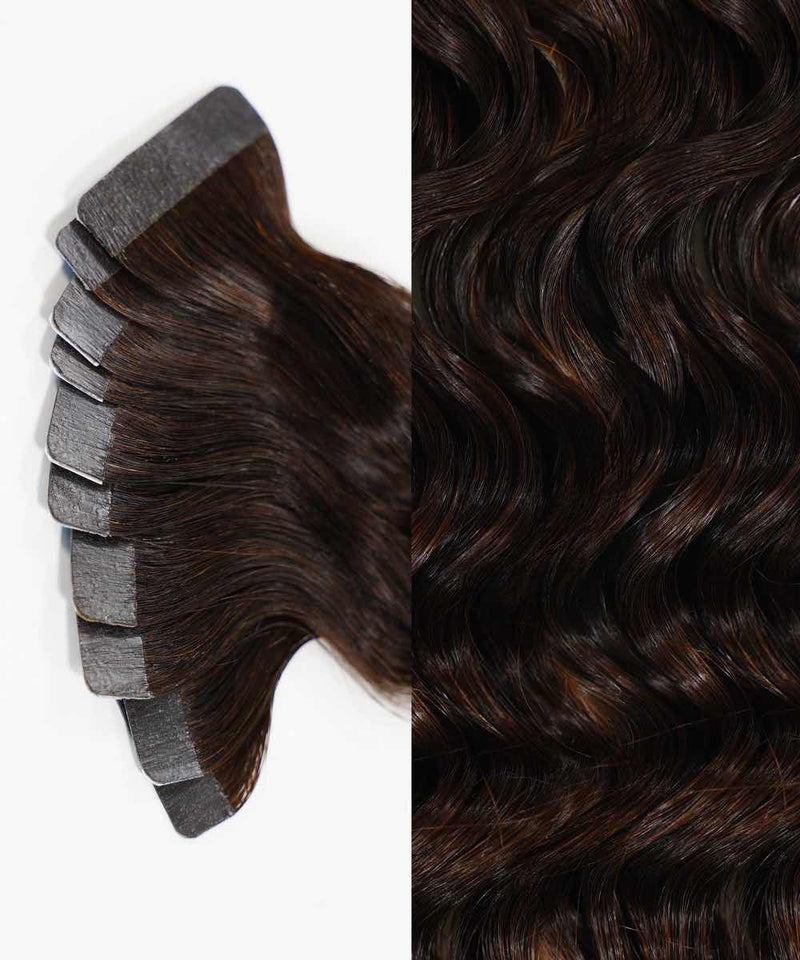
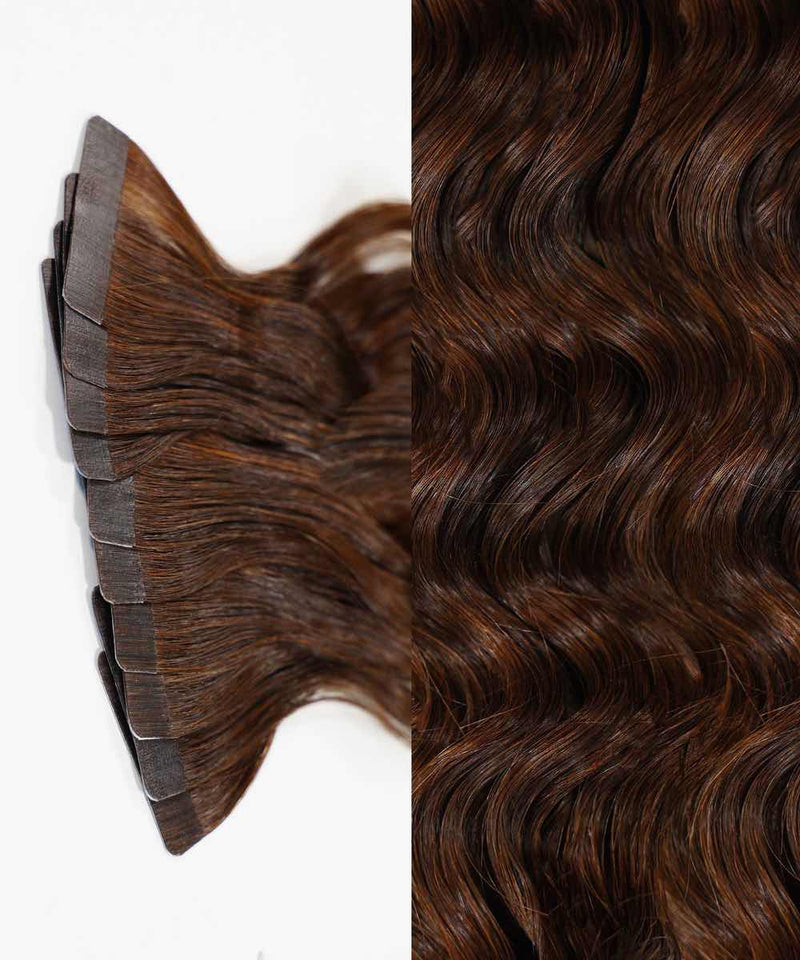
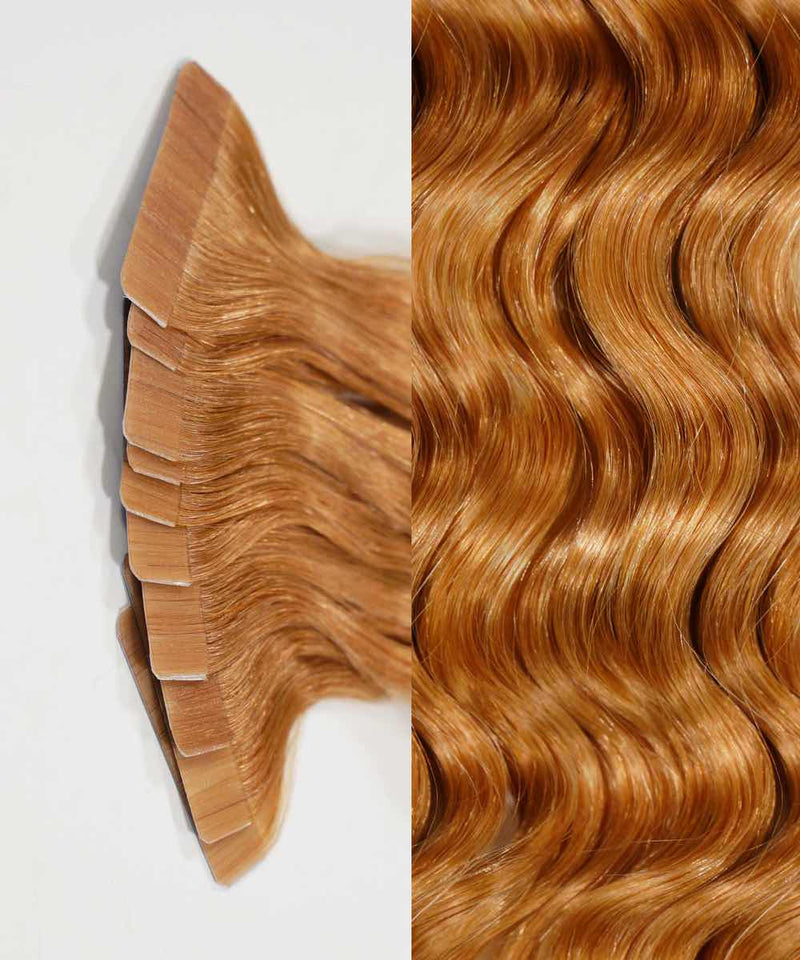
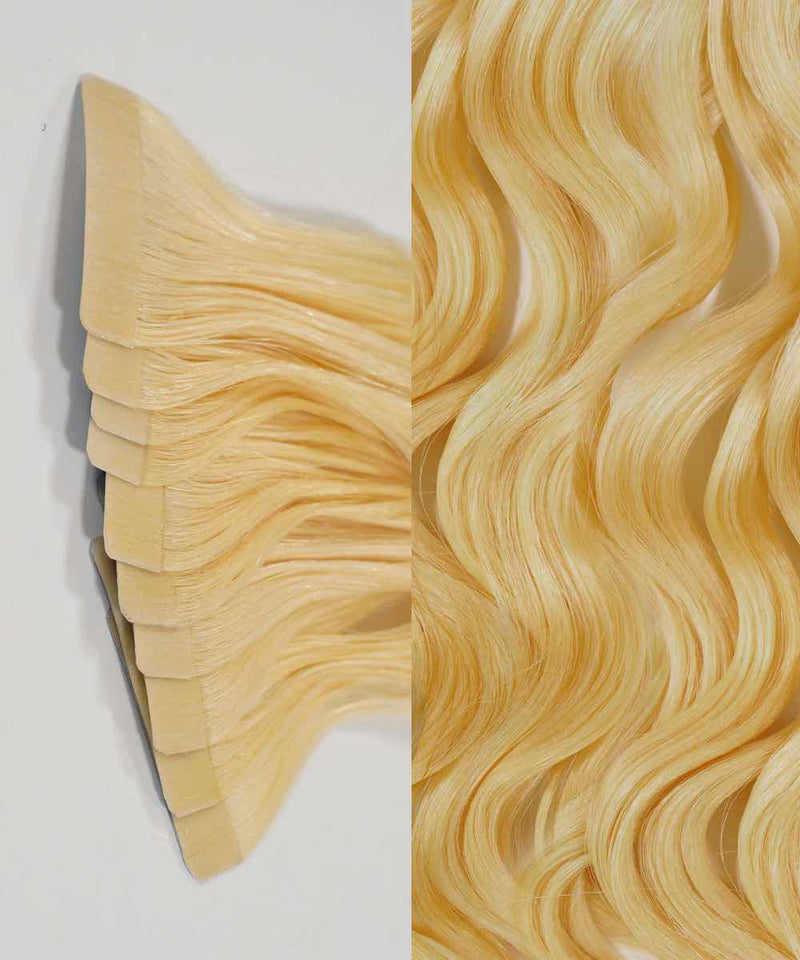
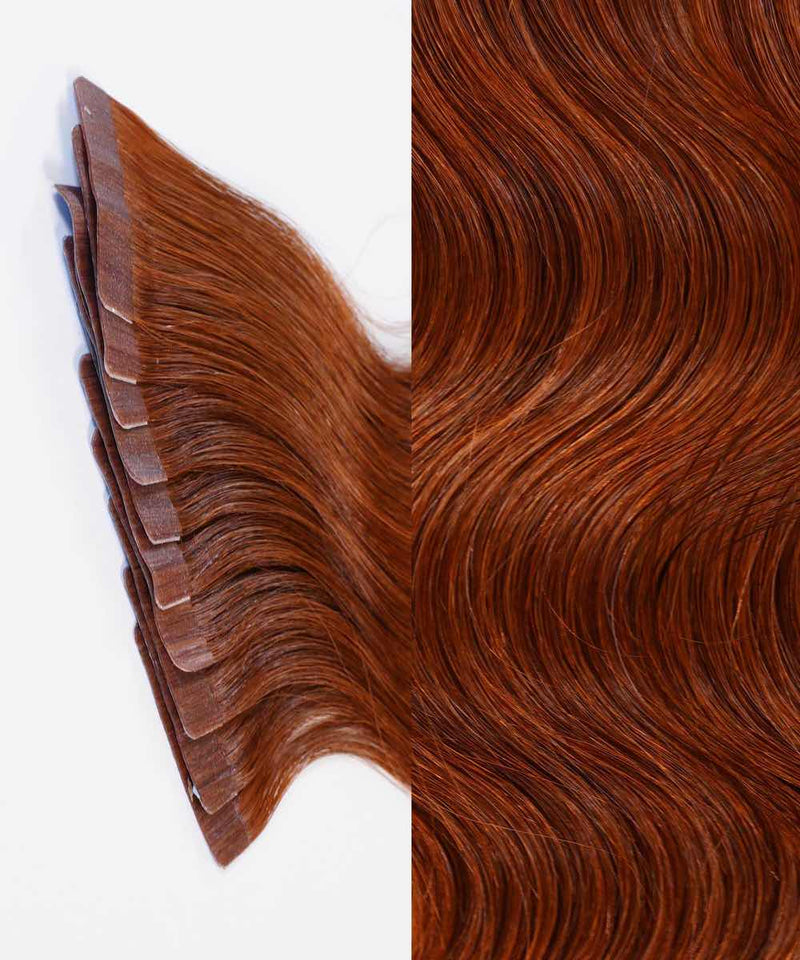
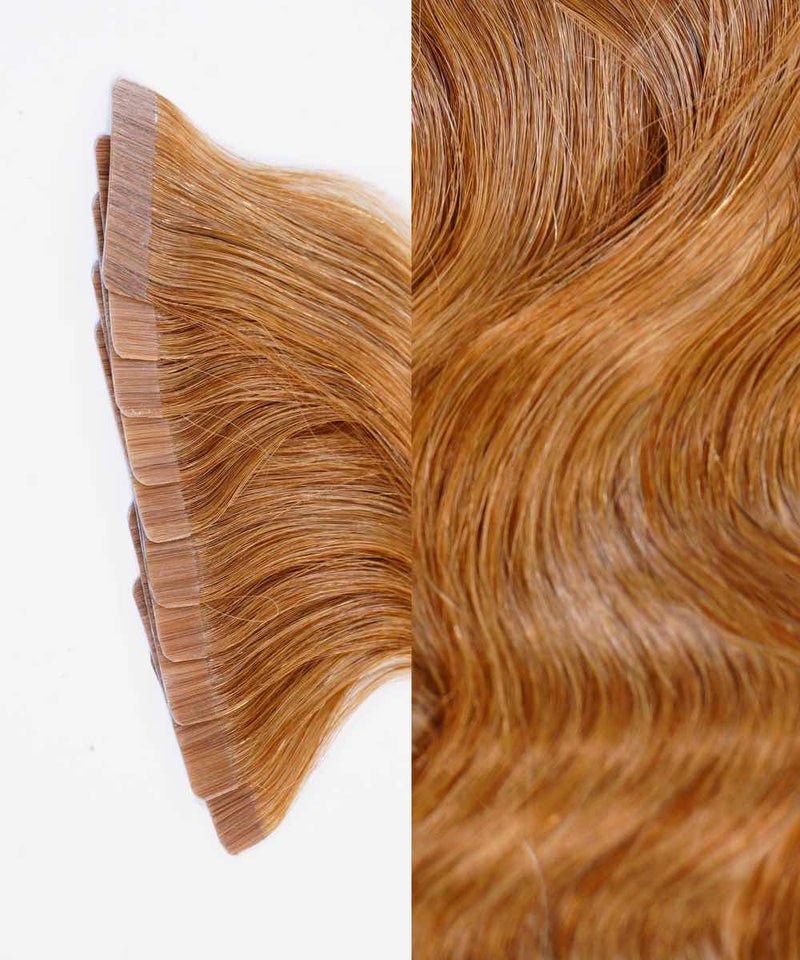
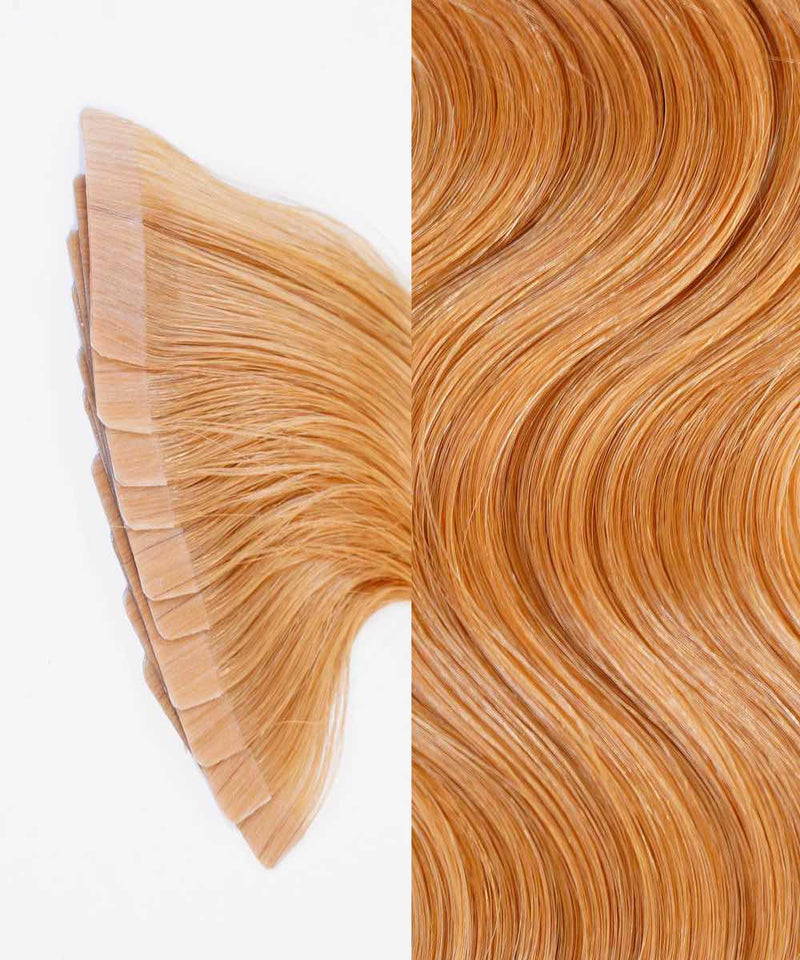
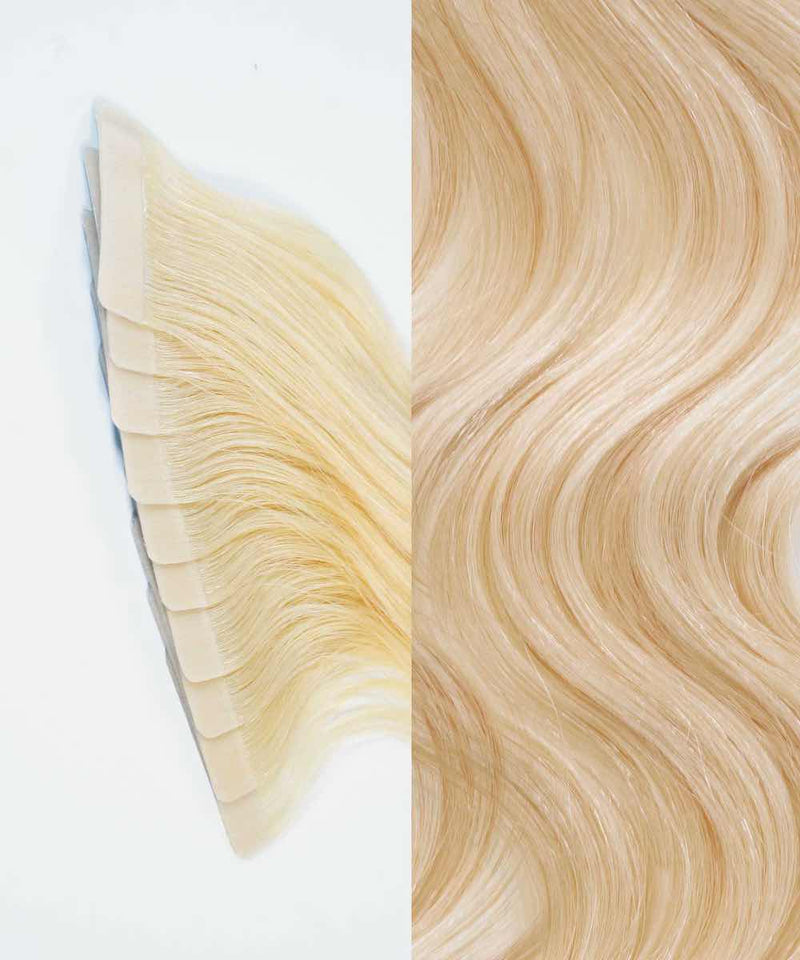
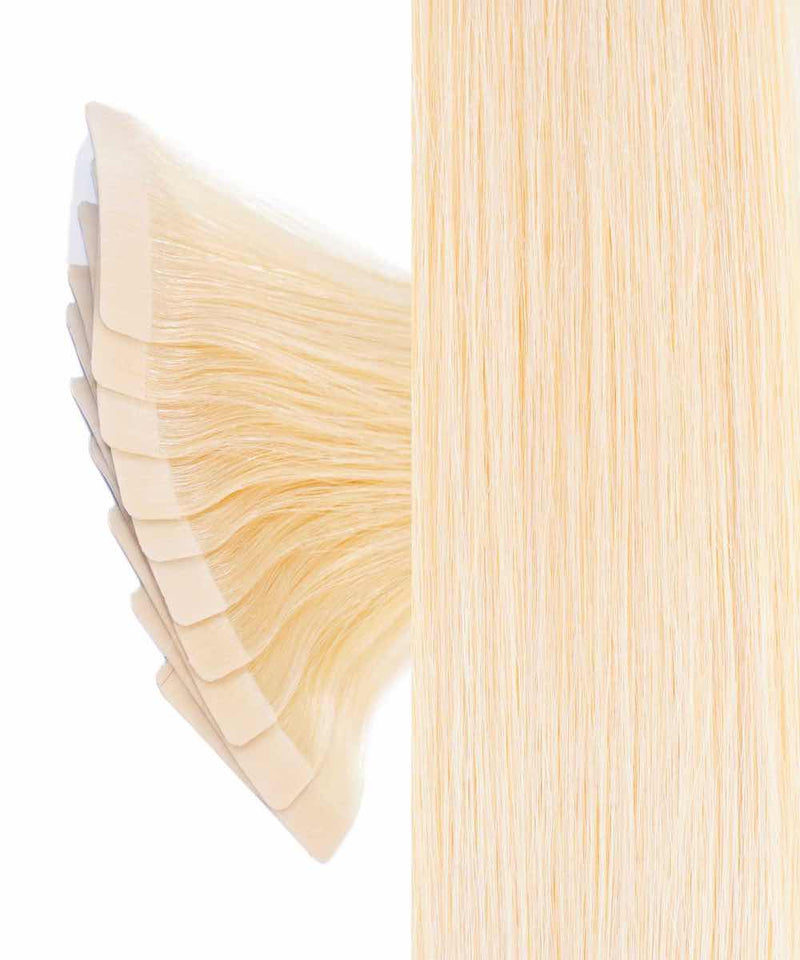
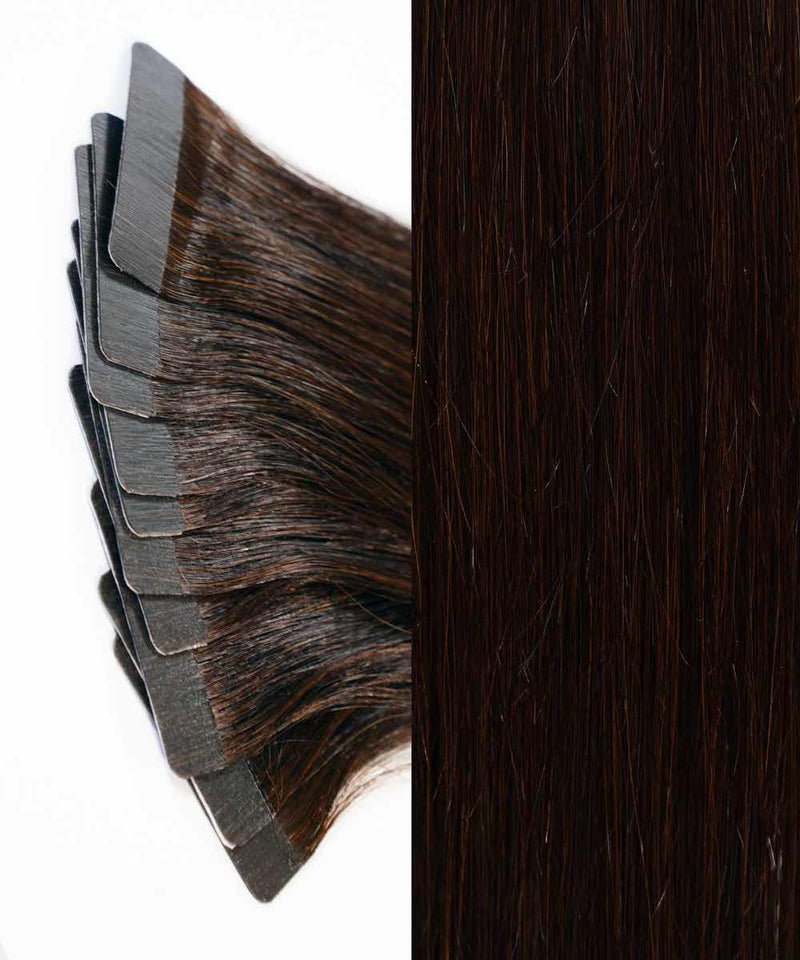
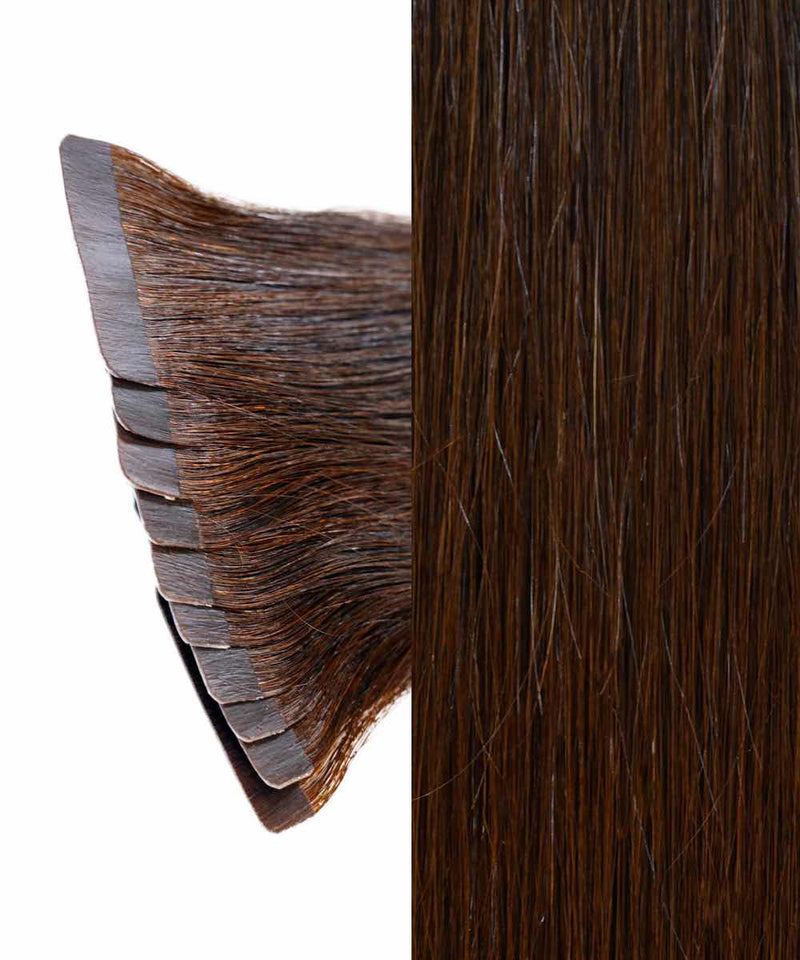
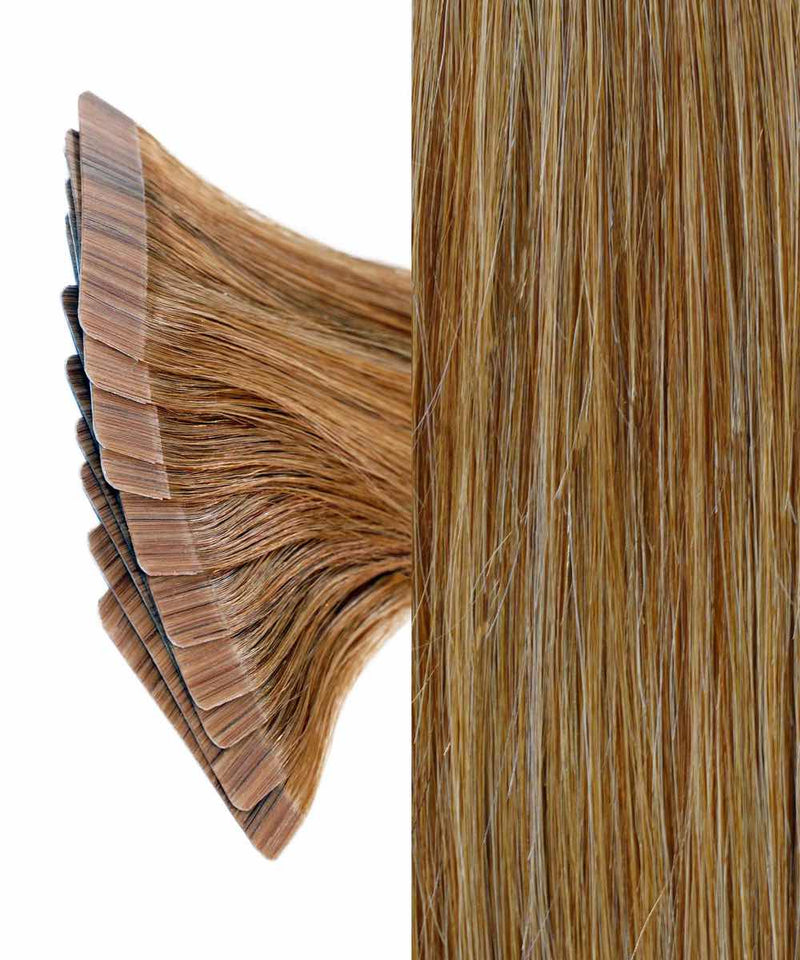
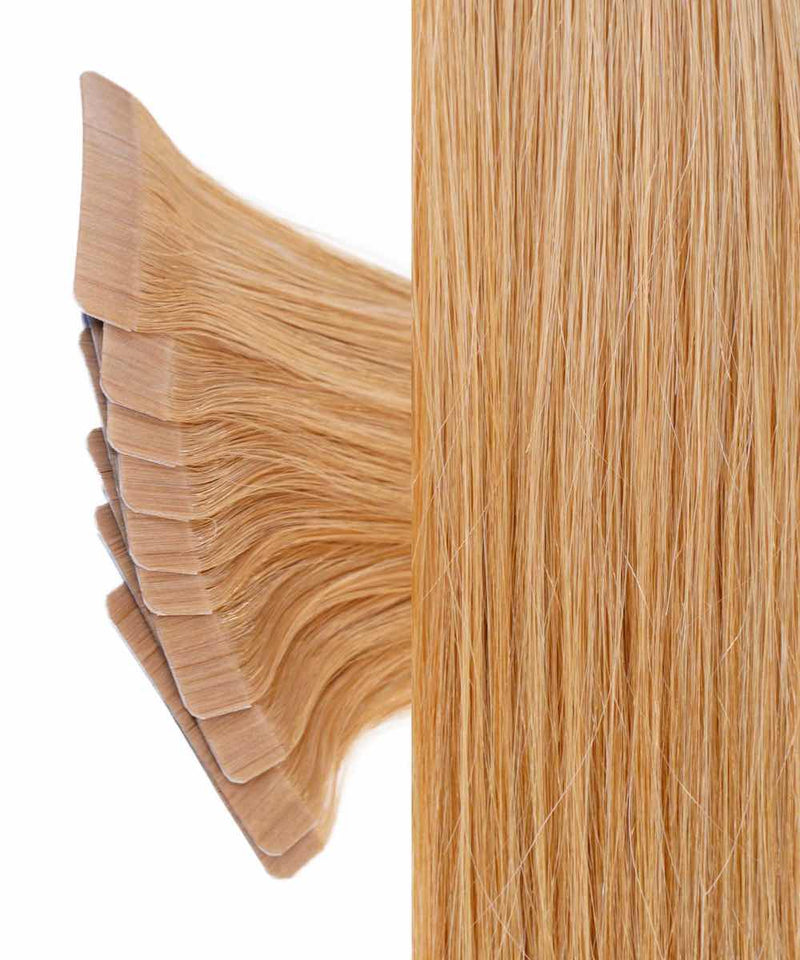
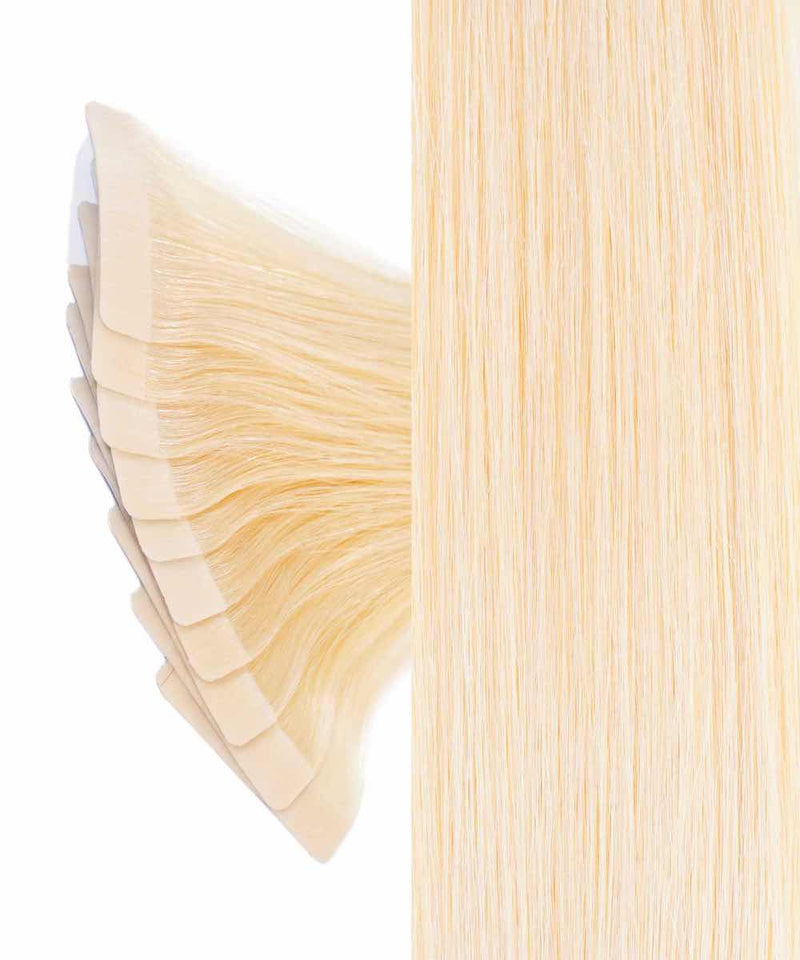
Tape-in hair extensions hit a sweet spot between convenience and longevity. They use thin, medical-grade adhesive strips to sandwich a small section of your natural hair between two weft hair extensions. The result lies completely flat, which is why they're often called the most natural-looking semi-permanent option.
Pros
- Lightweight - won't pull on fine or thin hair
- Lies flat for invisible blending
- Stays in place for 6-8 weeks between moves
- No heat required during application
- Can be reused 2-3 times with new tape
Cons
- Requires professional application for best results
- Need repositioning every 6-8 weeks
- Oil-based products can weaken the adhesive
- Improper removal can cause breakage
The key to keeping tape-ins damage-free is proper removal. Never pull them out yourself - use a professional-grade adhesive remover that dissolves the bond gently, then slide the wefts out without tugging. For everything you need to know about installation, care, and removal, see our tape-in extensions guide.
Our invisible tape-in extensions take this a step further with a thinner, more flexible tape strip that's virtually undetectable even in updos and high ponytails.
Tape In Hair Extensions
Wake up with gorgeous hair every morning. Our tape in hair extensions stay in for weeks, feel weightless, and look co...


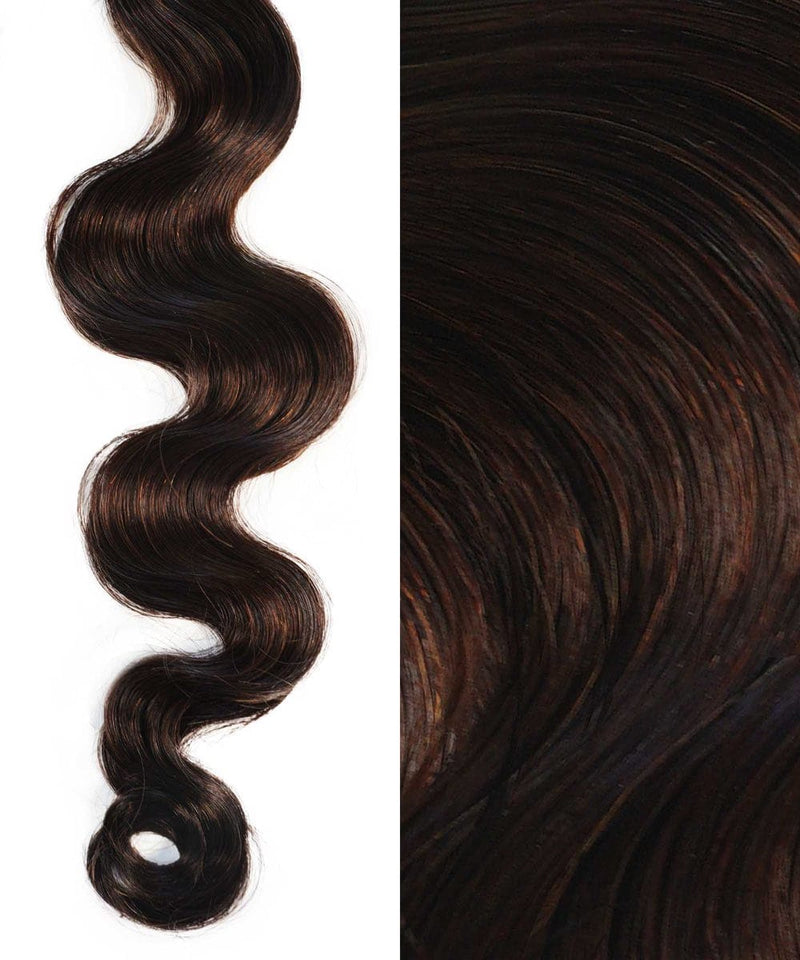
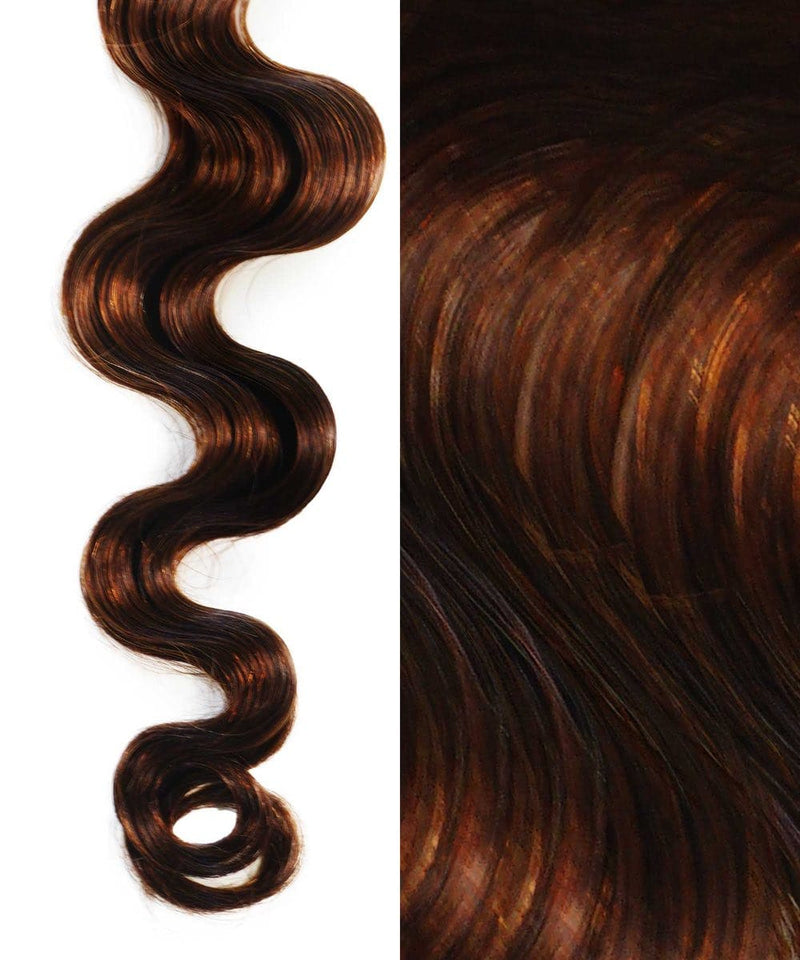
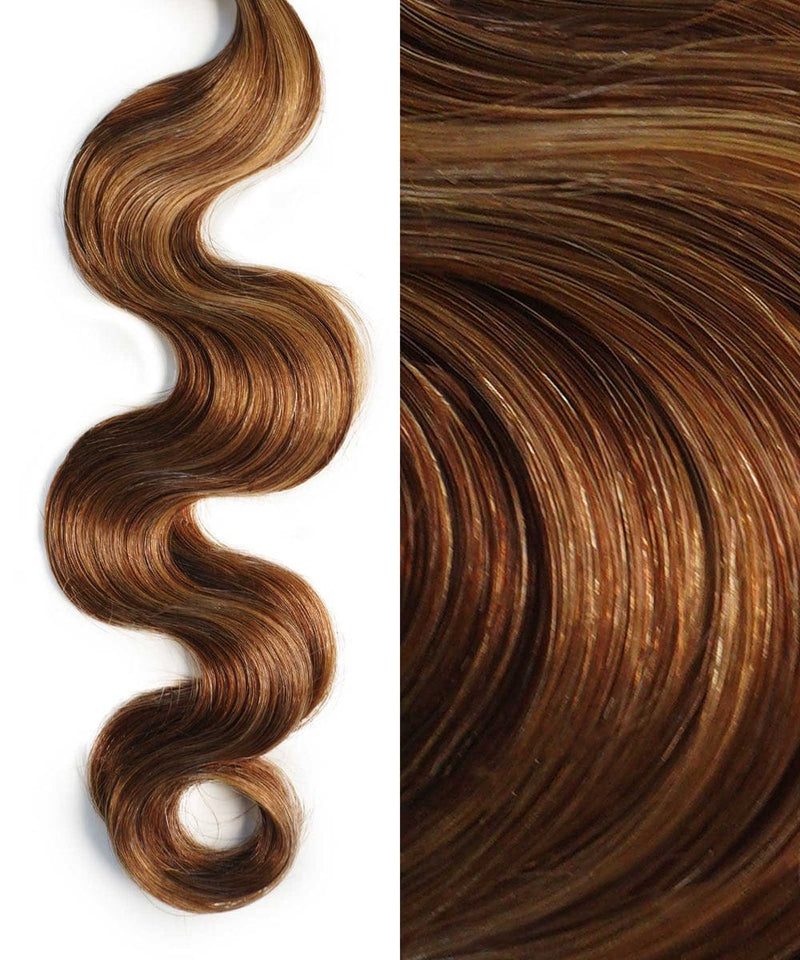
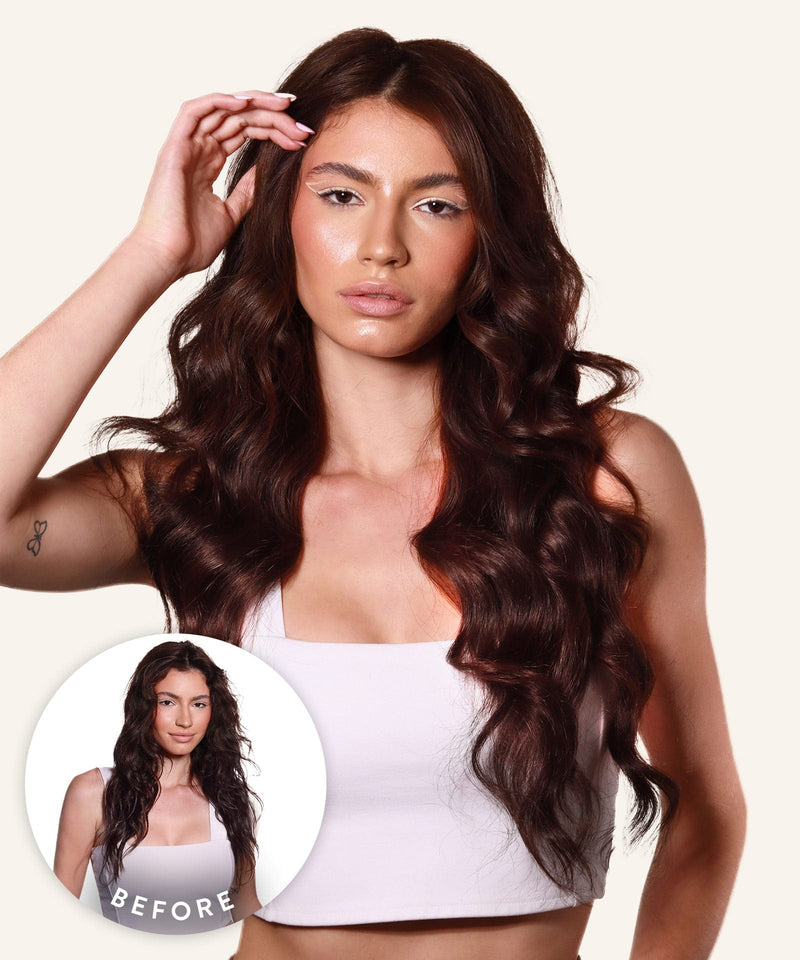
Halo Hair Extensions: Best for Zero-Damage Wear
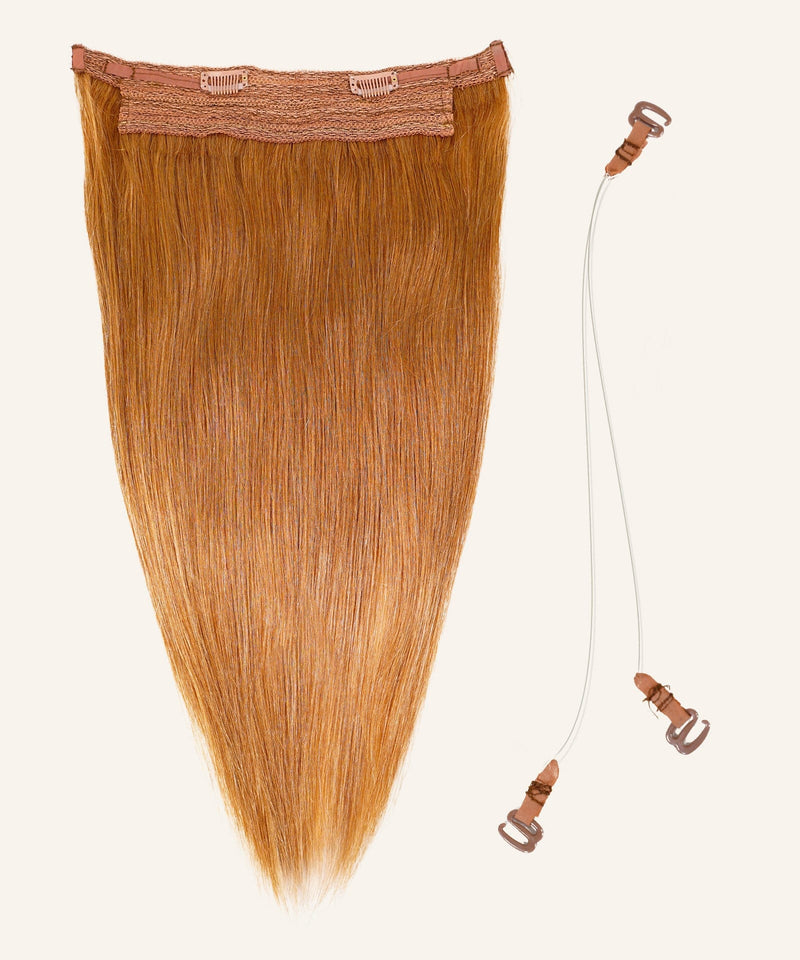
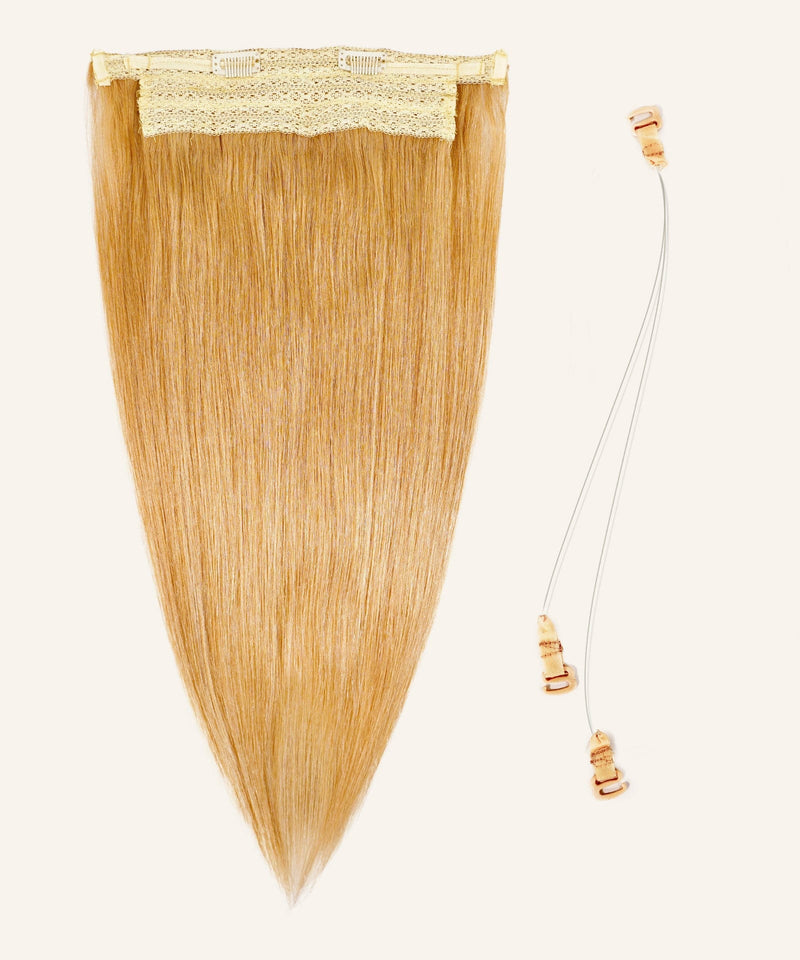
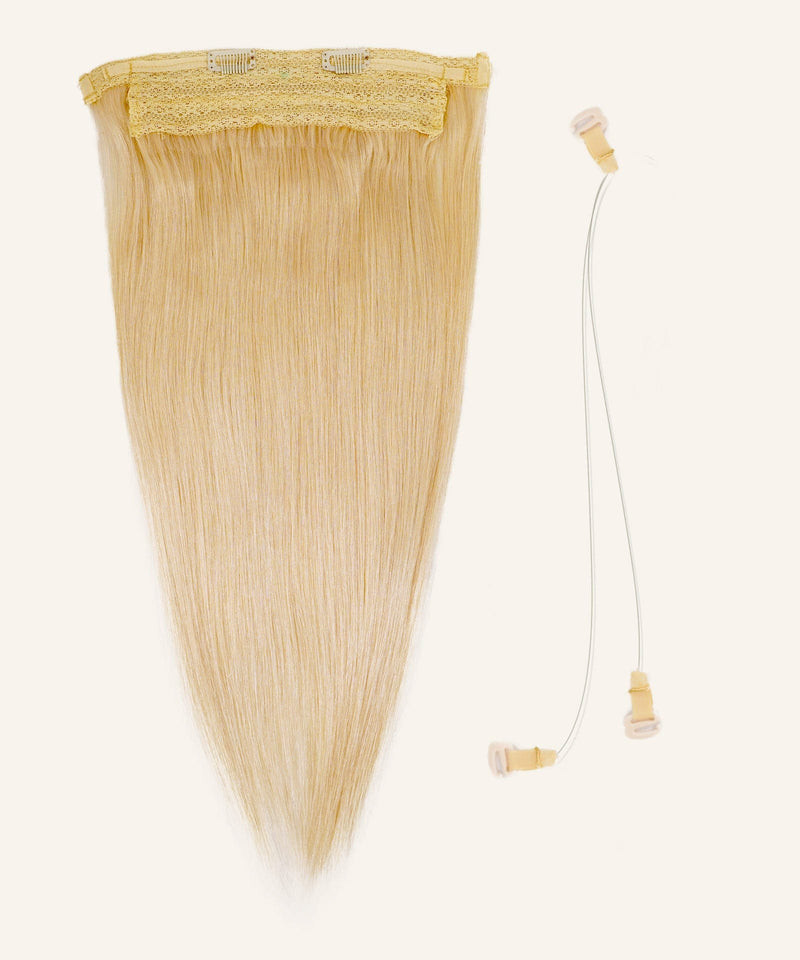
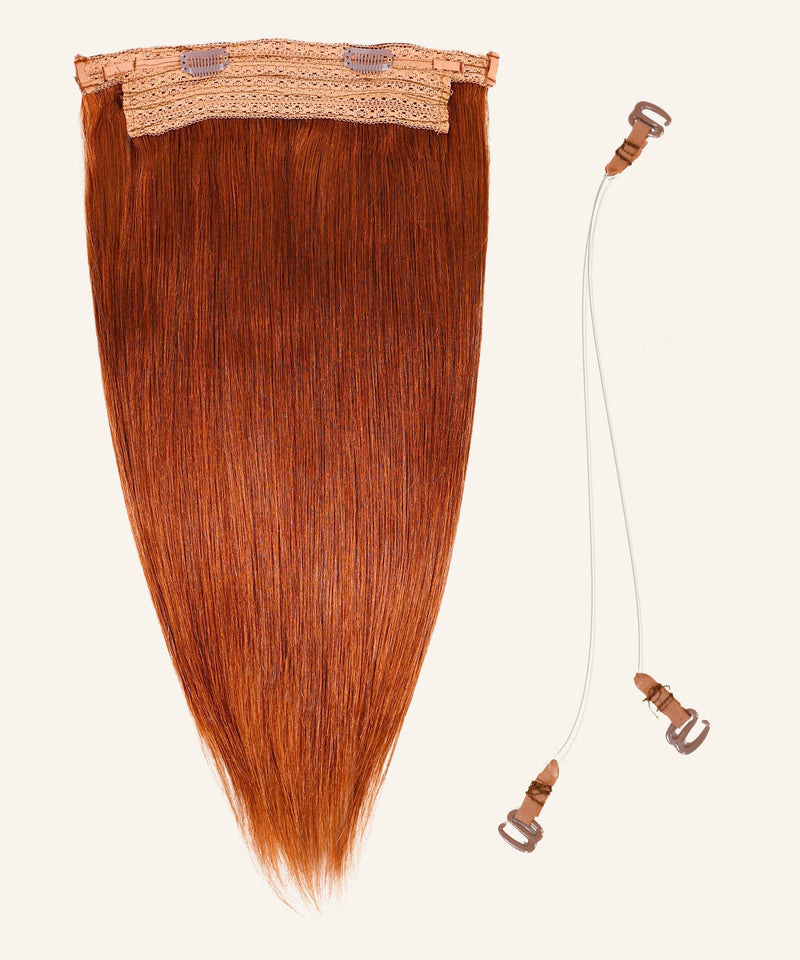
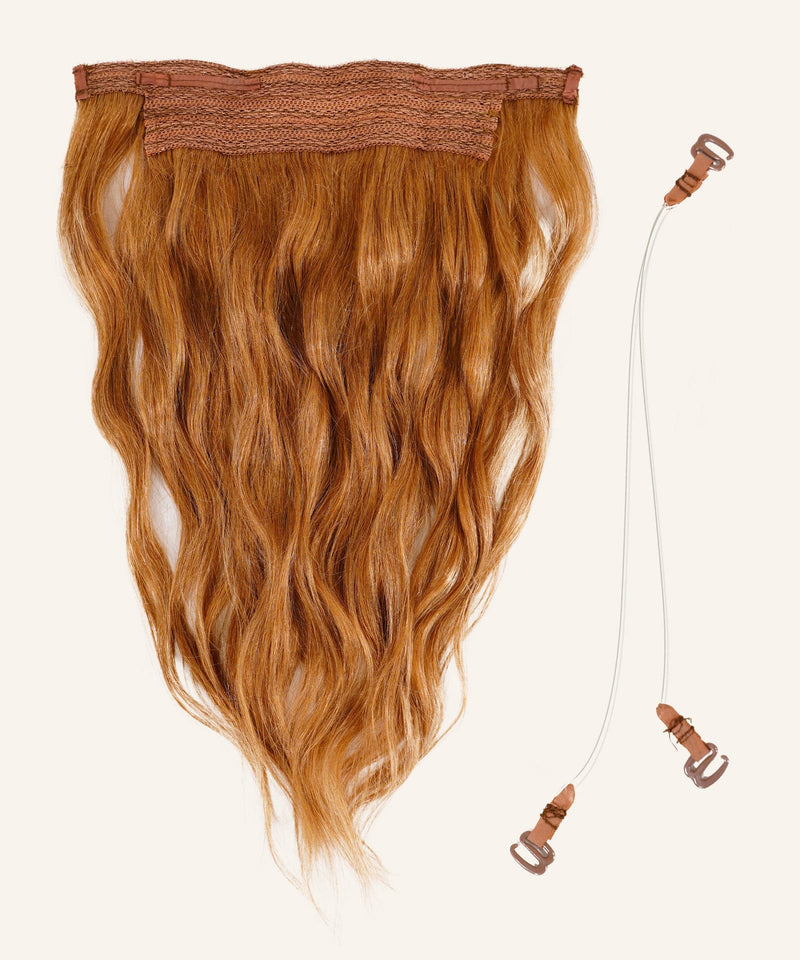
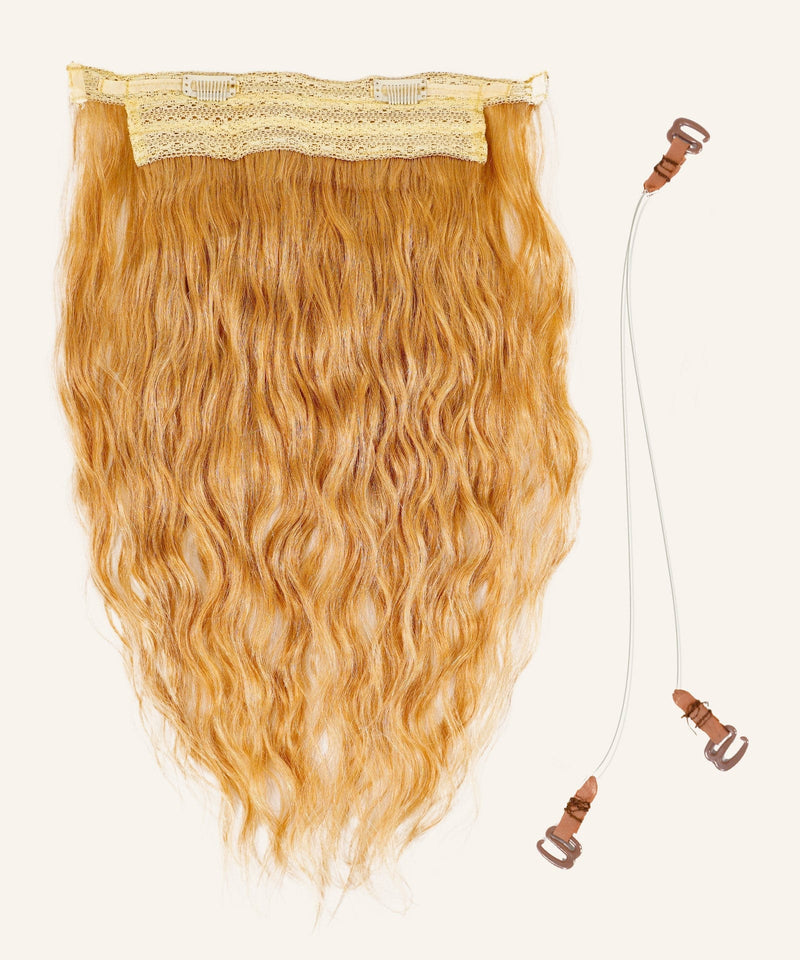
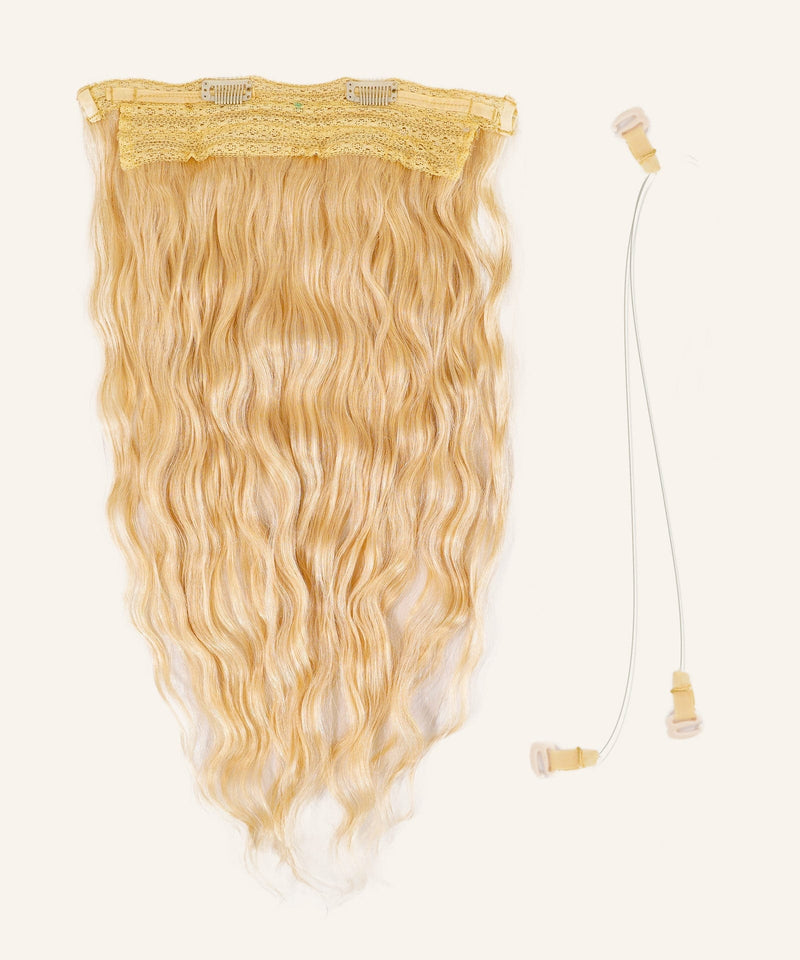
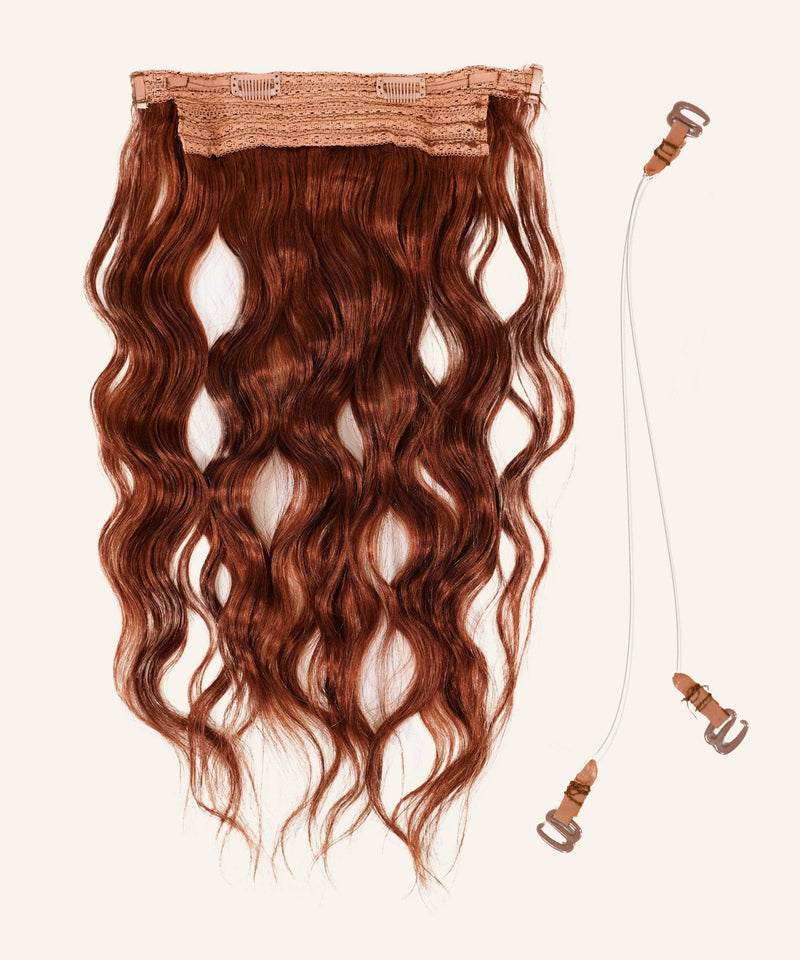
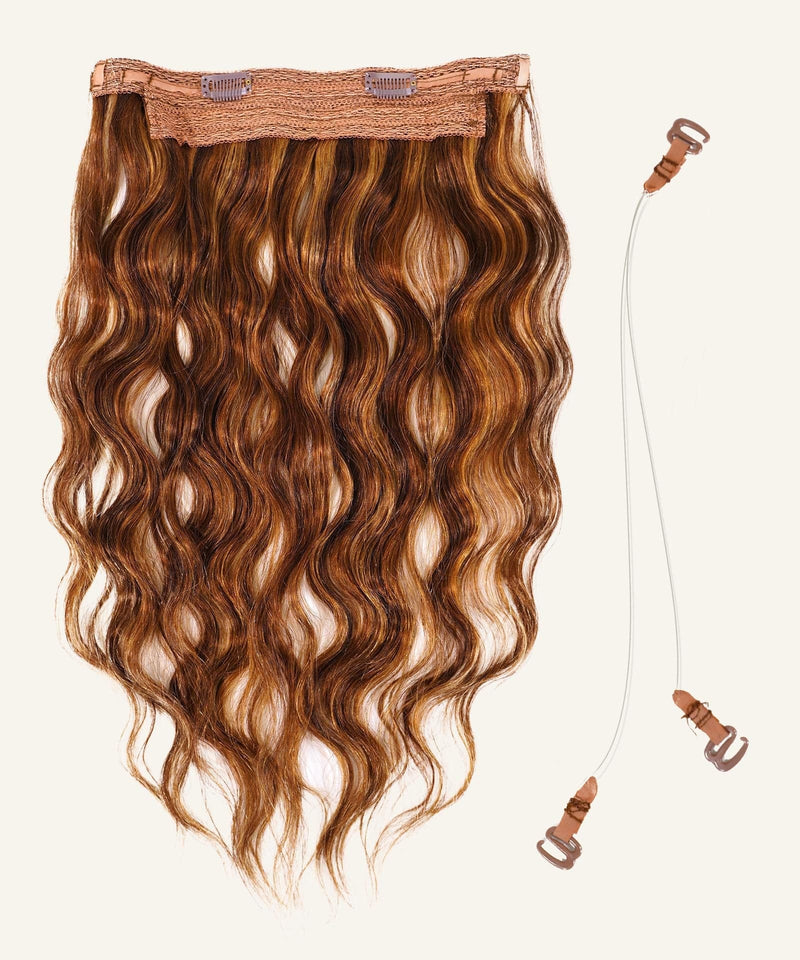
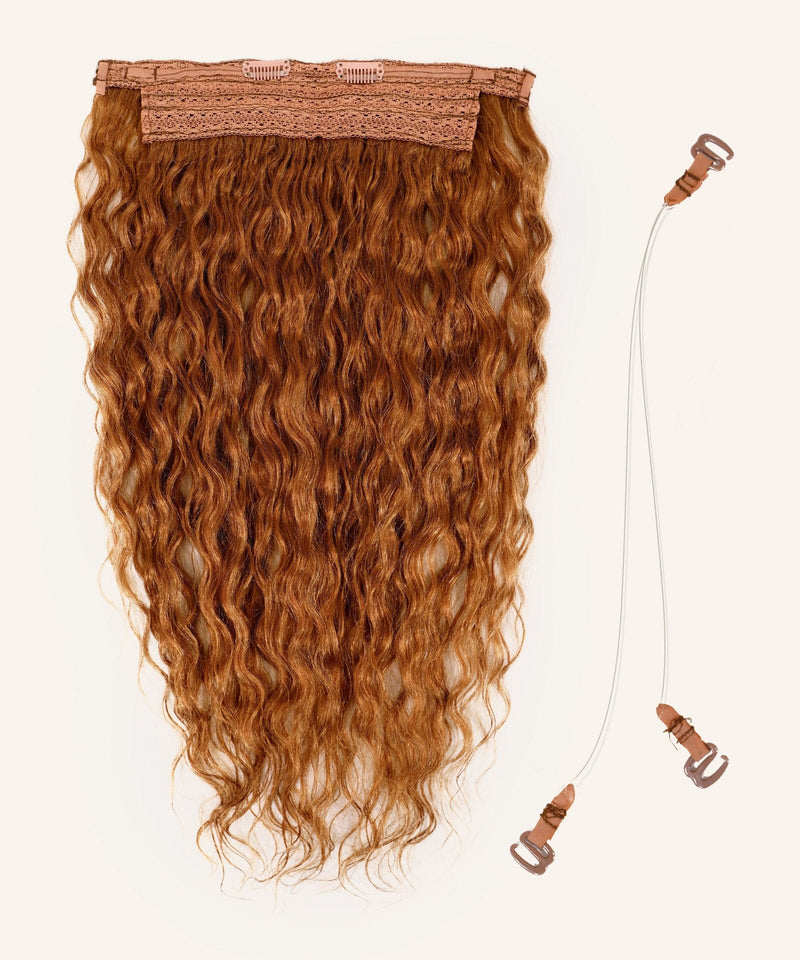
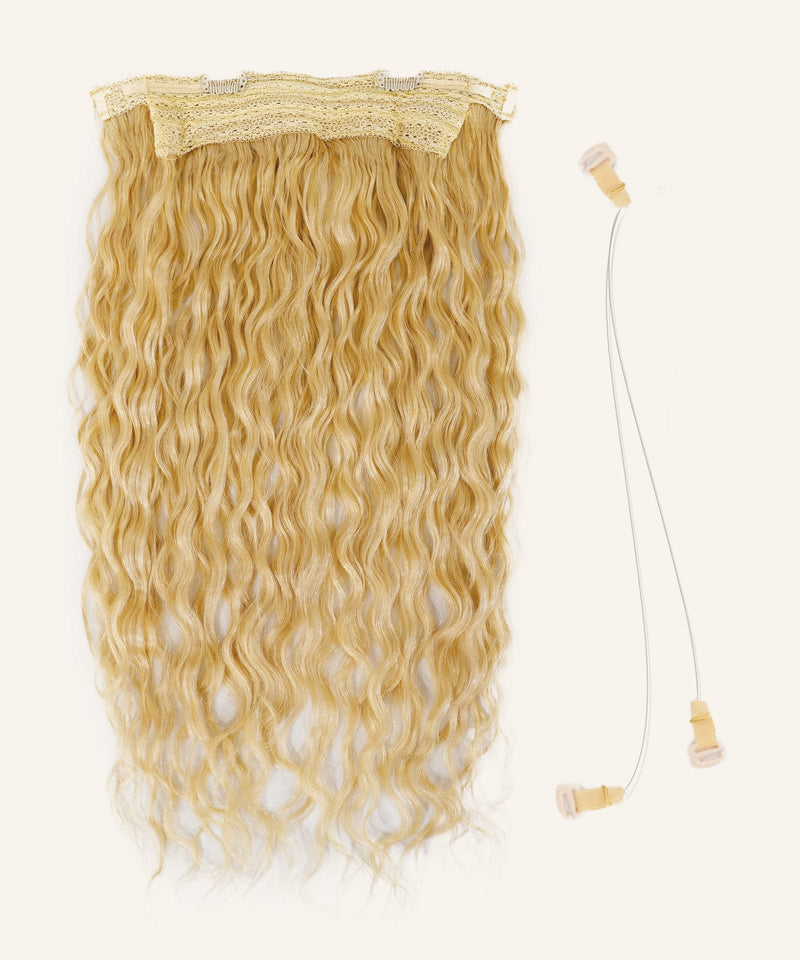
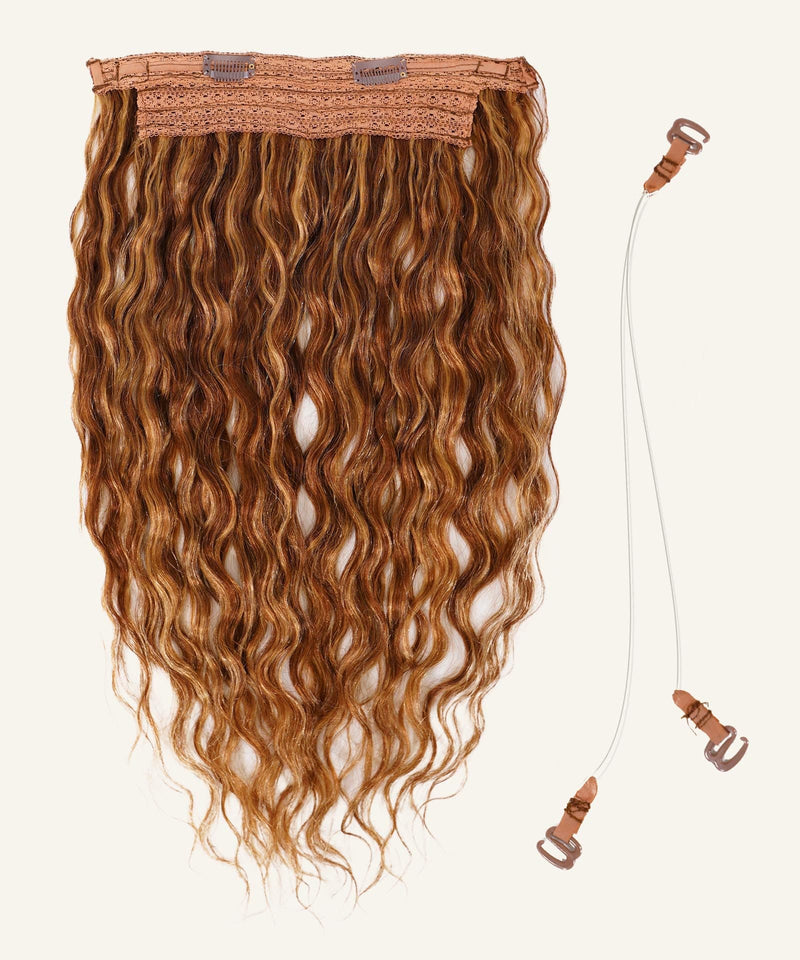
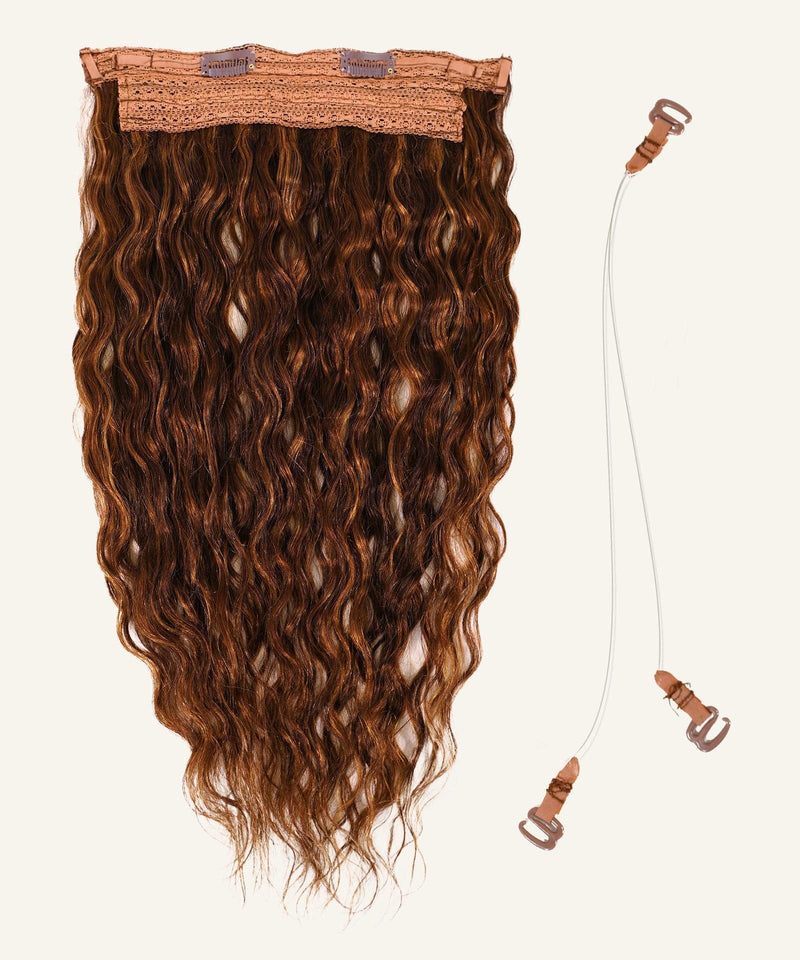
If your top priority is doing absolutely no harm to your natural hair, halo extensions are your answer. They sit on a transparent wire that rests on top of your head like a headband, hidden under your natural hair. No clips, no tape, no adhesive, no tension on individual strands.
Pros
- Truly zero damage - nothing attaches to your hair
- Apply in under 30 seconds
- Perfect for fine or thinning hair
- No professional installation needed
- Adjustable wire fits any head size
Cons
- Less secure than clip-ins or tape-ins in wind or activity
- Single weft means less versatility for updos
- Wire can shift if not positioned correctly
- Daily removal required
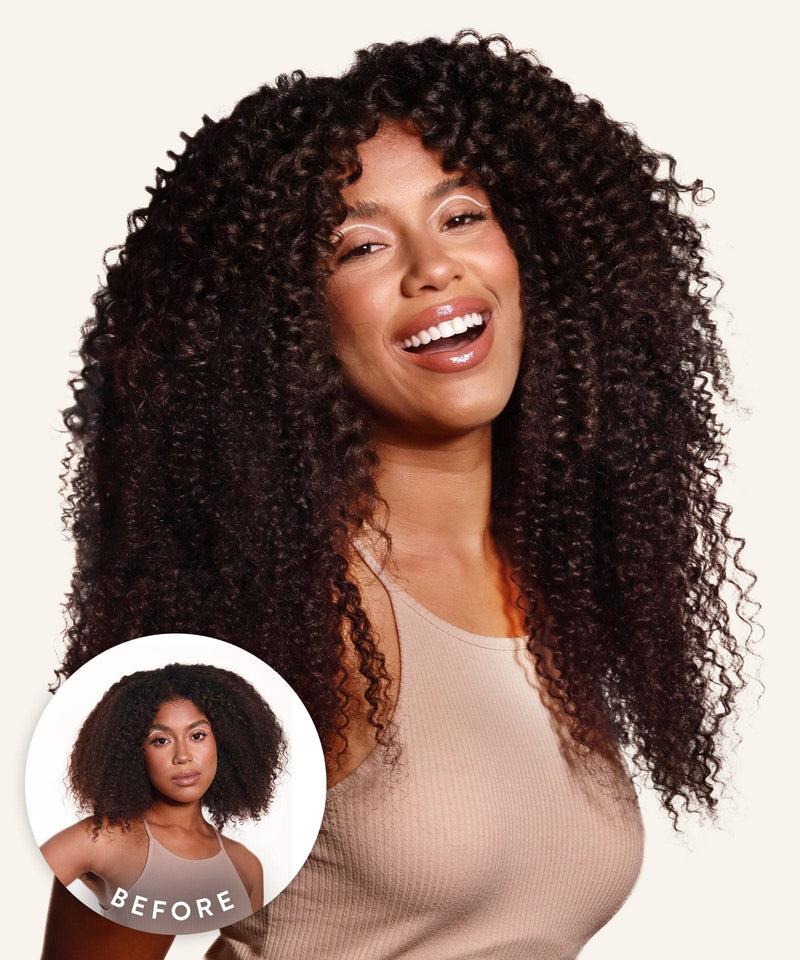
We were actually the first company to offer halo extensions designed specifically for textured and curly hair extensions. Most halos on the market are made for straight hair, which leaves a lot of people out. Our textured halos match natural curl patterns from 3A through 4C so the blend looks seamless.
Pro tip: If your halo tends to slip, try teasing the crown area slightly before placing the wire. This creates a little grip that holds the wire in place all day without any clips.
For a complete walkthrough of fitting, styling, and care, see our halo hair extensions guide.
Halo Hair Extensions
The easiest transformation in hair extensions - literally seconds to put on, seconds to take off, zero damage. Our Pe...
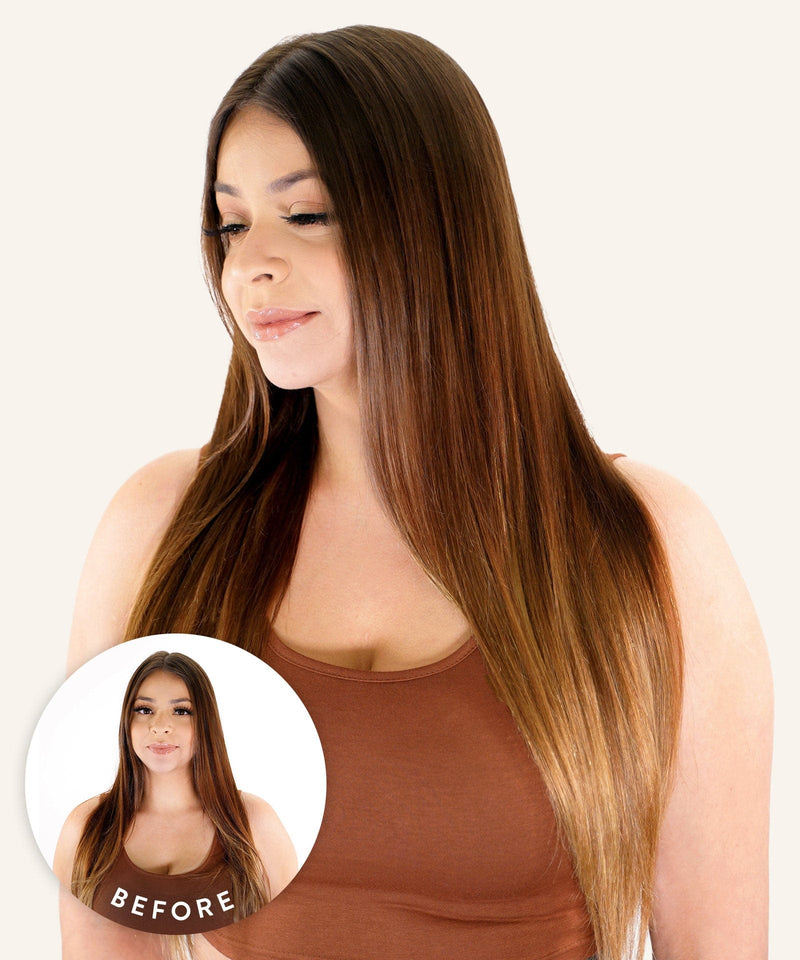



Micro-Ring (Micro-Link) Extensions: Best for Long-Term Wear

Micro-ring extensions - also called micro-link or micro-bead extensions - are attached strand by strand using tiny metal or silicone-lined rings that are clamped around your natural hair. No heat, no glue. They're a solid low-damage option for people who want semi-permanent extensions and have medium to thick hair.
Pros
- No heat or adhesives used during application
- Can last 3-4 months between adjustments
- Extensions can be reused and repositioned
- Natural movement since each strand hangs independently
Cons
- Not recommended for fine or thin hair (rings add weight at the root)
- Rings can loosen and slip if not maintained
- Application takes 2-3 hours
- Requires professional application and removal
The important caveat here: micro-rings are not the best choice for fine or thinning hair. The rings, while small, concentrate weight on individual strands rather than distributing it across a weft. For fine hair, clip-ins, tape-ins, or halos are significantly gentler options. Read more about method-specific considerations in our beginner's guide to hair extensions.
Which Method Is Best for Your Hair Type?
The "least damaging" method depends entirely on what you're working with. Here's what we recommend based on the hair types we see most often.

Fine or Thin Hair
If you have fine or thinning hair, weight distribution is everything. Methods that spread the load across a wider area - like tape-ins and halos - are far safer than point-attachment methods like micro-rings or fusion bonds.
Our top recommendations for fine hair, in order: halo extensions (zero tension), seamless clip-ins (lightweight with thin wefts), and tape-ins (flat and distributed). For a detailed breakdown with gram weight recommendations, see our complete thin hair extensions guide.
Weight guide for fine hair: Stick to 100-120g for clip-ins and 80-100g for tape-ins. Going heavier than this on fine hair adds unnecessary stress to your roots, even with gentle methods.
Thick Hair
Thick hair can handle more weight and tension, which means nearly all low-damage methods work well. The challenge with thick hair is usually blending - you need enough extension hair to match your density without looking flat at the bottom. Clip-ins in the 160-220g range or double-drawn tape-ins typically give the best results. Micro-rings also work well on thick hair since the individual strands can support the ring weight without strain.
Curly and Textured Hair
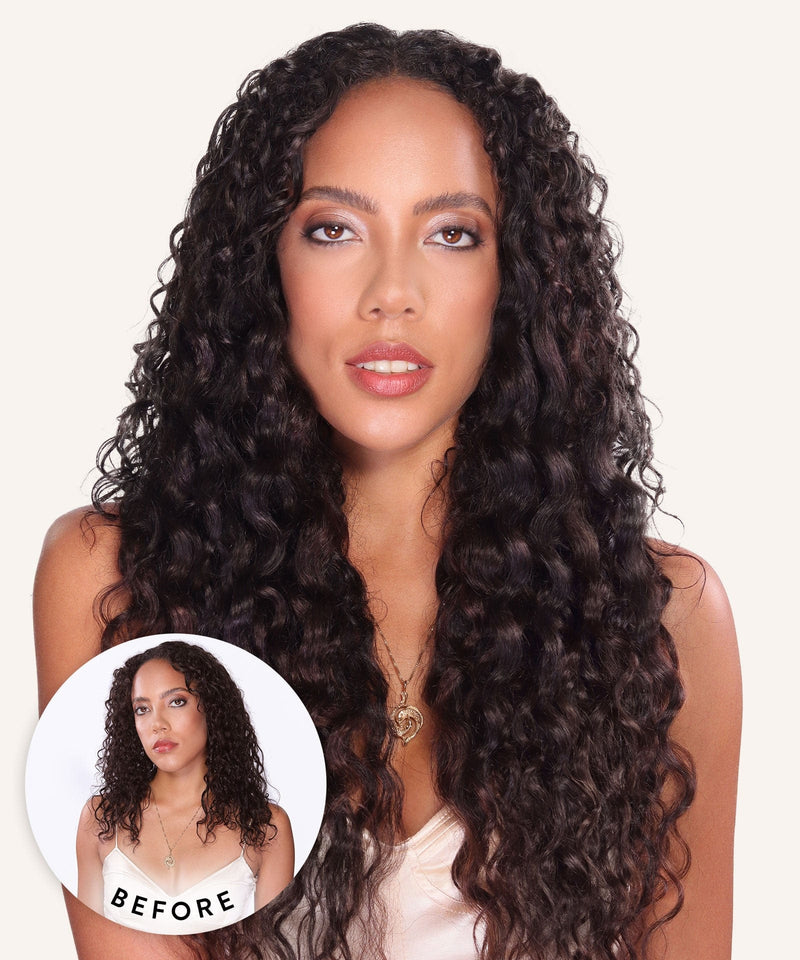
Curly and textured hair (types 3A through 4C) needs extensions that match your specific curl pattern - otherwise the blend will always look off, no matter how good the application is. Curly clip-in extensions and curly halos are the gentlest options for textured hair because they avoid the manipulation and tension that can disrupt natural curl patterns.
Our curly clip-in collection is specifically designed to match natural curl textures, and we offer free color and texture matching consultations to make sure you get a seamless blend. Take our quiz or send us a photo and we'll help you find your match.
How to Prevent Damage from Hair Extensions
Even the gentlest extension method can cause problems with poor habits. Here are the care practices that actually matter.
Before Installation
Start with healthy, clean hair. Extensions applied to damaged or overly product-laden hair won't hold well and can mask problems that get worse over time. If your hair is already compromised, consider giving it a few weeks of deep conditioning treatment before adding extensions.
During Wear
Remove clip-ins and halos before bed
Sleeping in removable extensions creates friction and tangling that damages both the extensions and your natural hair. Think of it like taking off your jewelry before bed - a 30-second habit that prevents real problems.
Wash extensions 1-2 times per week maximum
Use sulfate-free, paraben-free shampoo and a lightweight conditioner on the mid-lengths and ends only. Avoid getting conditioner near tape-in bonds or clip mechanisms.
Brush gently from ends to roots
Use a loop brush or wide-tooth comb, starting at the tips and working up. Never brush aggressively from root to tip - this pulls on attachment points and creates tangles rather than removing them.
Limit heat styling
Human hair extensions can handle heat, but repeated high-temperature styling shortens their lifespan. Keep tools under 350°F and always use a heat protectant. This applies to all types of human hair extensions, including 100% Remy hair.
How to Wash & Care for Hair Extensions
Removal and Maintenance
Never force extensions out. Clip-ins should unclip easily - if they're pulling, you need to detangle first. Tape-ins require professional-grade solvent to dissolve the adhesive before sliding off. Micro-rings should only be removed by a stylist who can open the beads without crimping your hair.
For tape-ins specifically, schedule repositioning appointments every 6-8 weeks. Waiting longer lets the bonds grow too far from your roots, which shifts the weight distribution and increases tension on the attachment point.
For a full breakdown of how to remove every extension type safely, see our hair extension removal guide.
Professional Application vs. DIY
Clip-ins and halos are fully DIY-friendly - they're designed for home use and don't require any training. Tape-ins, micro-rings, and any bonded method should be installed by a professional, at least the first time. The cost of professional installation pays for itself in damage prevention.
If you're new to extensions entirely, our beginner's guide walks through what to expect from your first experience, how to choose between methods, and what to look for in a stylist.
Not sure which method is right for you? We offer free color and texture matching consultations. Send us a photo of your hair and tell us what you're looking for, and we'll recommend the best method and weight for your specific situation. Take our matching quiz or reach out directly - we look at every request personally.
Why Hair Quality Matters as Much as Method
Even the gentlest application method won't protect your hair if the extensions themselves are low quality. Cheap synthetic extensions are heavier per strand, tangle more easily (creating pull), and can't be heat-styled, which limits blending options.
All of our extensions are made from 100% ethically sourced Remy human hair - meaning the cuticles are aligned in one direction, which dramatically reduces tangling and matting. Less tangling means less pulling, less brushing force, and less damage to your natural hair over the life of the extensions.
We only sell hair we'd wear ourselves. That's been the standard since we started this family business in Walnut Creek, California back in 2007, and it hasn't changed. For more on what makes Remy hair different and why it matters for damage prevention, see our types of hair extensions guide.
Frequently Asked Questions
What are the least damaging hair extensions for fine hair?
Halo extensions are the absolute safest for fine hair since they don't attach to your hair at all. Seamless tape-ins are the best semi-permanent option - they distribute weight across a wide, flat surface rather than concentrating it at a single point. Lightweight clip-ins (100-120g) are also a great choice for occasional wear. Avoid micro-rings and fusion bonds on fine hair, as they concentrate too much weight on individual strands. See our thin hair guide for detailed recommendations.
Do clip-in hair extensions damage your hair?
When used correctly, clip-in extensions cause virtually no damage. The key rules: remove them every night before sleeping, don't clip them into the same exact spot every day (rotate slightly to distribute tension), and make sure you're using the right gram weight for your hair density. Problems only arise from leaving them in too long or using clips that are too tight.
Are tape-in extensions bad for your hair?
Tape-in extensions are one of the lowest-damage semi-permanent methods available. They use medical-grade adhesive that's gentle on hair, and the flat weft distributes weight evenly. The only risk comes from improper removal - never pull tape-ins out without dissolving the adhesive first. Always use a proper remover or have your stylist handle it.
How long can you wear hair extensions without damaging your hair?
It depends on the type. Clip-ins and halos should be removed daily. Tape-ins can stay in for 6-8 weeks before needing repositioning. Micro-rings last 3-4 months between adjustments. The general rule: the longer an extension stays attached, the more important regular maintenance becomes. Skipping maintenance appointments is the number one cause of preventable extension damage.
Can hair extensions cause permanent hair loss?
In rare cases, yes - a condition called traction alopecia can develop from prolonged, excessive tension on hair follicles. This is almost always the result of extensions that are too heavy, installed too tightly, or left in far too long without maintenance. With properly fitted, lightweight extensions and regular care, permanent hair loss is extremely unlikely. If you notice thinning at your attachment points, remove the extensions and consult a stylist before reinstalling.
What's the difference between Remy and non-Remy hair extensions?
Remy hair keeps all cuticles aligned in the same direction, which prevents tangling and matting. Non-Remy hair has mixed cuticle directions, so it tangles more - and more tangling means more brushing force and more potential damage to your natural hair. Remy hair costs more upfront but lasts longer and is genuinely gentler on your hair over time. All Perfect Locks extensions use 100% Remy human hair.
How do I choose the right extensions if I'm not sure what will work?
We offer free consultations for exactly this reason. find your perfect match for a quick recommendation, or send us a photo of your natural hair and we'll suggest the best method, weight, length, and color match. We look at every request personally because getting the right fit is the single most important factor in preventing damage.
Find Your Perfect Low-Damage Extension

The safest hair extensions are the ones that match your hair type, your lifestyle, and your willingness to maintain them. Clip-ins and halos offer the lowest possible risk for occasional wear. Tape-ins give you everyday fullness with minimal maintenance. And all of them, when made from quality Remy human hair and cared for properly, will leave your natural hair just as healthy as the day you started.
We've been helping people find the right extensions since 2007, and we genuinely care about getting this right for you. Every set we sell comes with a 30-day return policy, and our team is available for free consultations anytime you need guidance.
Take the Quiz - Find Your Match
Budgeting for your new look? See our complete guide to how much hair extensions cost, with price ranges for every method.