Fusion Hair Extensions - The Complete Guide
What Are Fusion Hair Extensions?
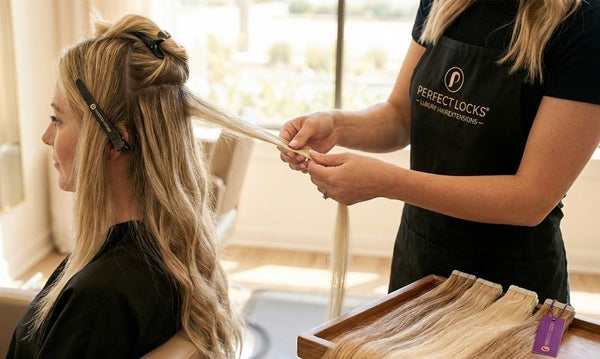
Fusion hair extensions are individual strands of hair bonded to your natural hair one by one. Unlike wefted extensions like clip-ins or tape-ins where multiple hairs attach to a base, fusion extensions connect each strand to a small section of your own hair using a keratin-based bond. Fusion hair extensions can add length and volume to your natural hair, creating a seamless, natural look.
This strand-by-strand application is what makes fusion extensions look incredibly natural. There are no wefts to hide, no clips to feel, and no telltale lines. The hair moves exactly like your own because each strand is individually attached. The bonds are small and flexible, making them comfortable for long-term wear.

You'll also hear these called bonded extensions, keratin extensions, or pre-bonded extensions. The different types - I-tip, U-tip, and K-tip - refer to the shape of the bond at the tip of each strand. They come in two main variations: hot fusion uses heat to melt keratin bonds, while cold fusion uses small clamps or beads to secure the hair without heat, making it gentler for fine hair.
Fusion extensions are a premium option - the most natural-looking method available, but also the highest investment in both cost and time.
"Fusion extensions are the gold standard for natural-looking results, but they're not the right choice for everyone. They require a significant investment in both time and money, plus ongoing salon visits. We always want our customers to understand all their options before committing - sometimes a simpler method like tape-ins or seamless clip-ins gives you exactly what you want with a lot less commitment."
- Priyanka Swamy, Founder of Perfect Locks
Quick Answer
Fusion hair extensions are individual strands bonded to your natural hair one-by-one using keratin. They come in two types: hot fusion (U-tip, K-tip) uses heat to melt the bond, while cold fusion (I-tip) uses micro-rings with no heat. Fusion extensions last 3-6 months, cost $500-$2,000+, and require professional installation. They're the most natural-looking method but also the highest maintenance and cost.
Types of Fusion Extensions
All fusion extensions work on the same principle - attaching individual strands to your natural hair - but the bond type and application method vary. The two main categories are hot fusion (using heat to melt keratin bonds) and cold fusion (using micro-rings or beads with no heat). Both are professionally applied and deliver long-lasting results.
How to Install I-Tip Fusion Extensions Using the Cold Micro Bead Method
No Heat Required
I-Tip Extensions (Micro-Ring / Cold Fusion)
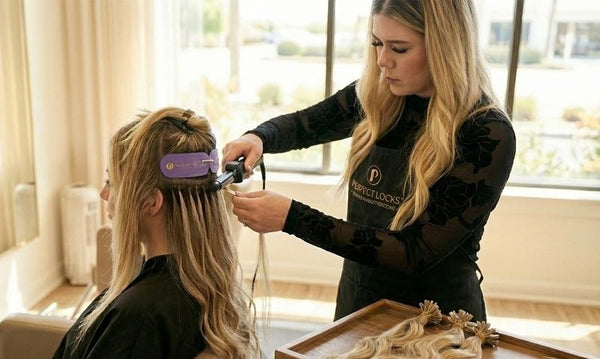
I-tip extensions have a small, stick-shaped tip that slides through a tiny silicone-lined metal ring. Your stylist threads your natural hair through the ring, inserts the I-tip, then clamps the ring closed. No heat or glue is involved in this application method.
Because no heat is involved, this method is especially gentle for heat-sensitive or fine hair.
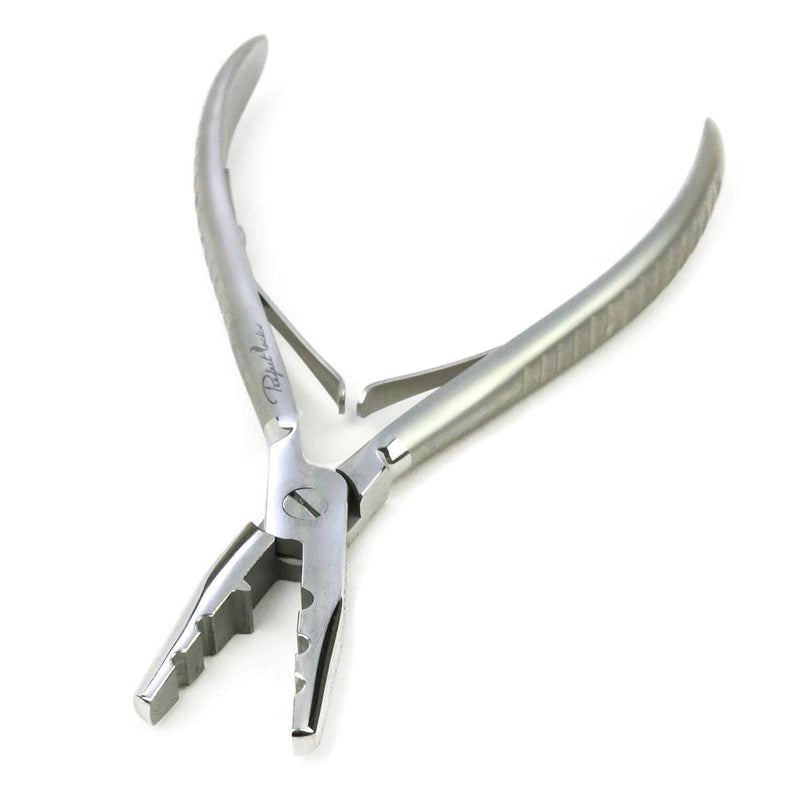
Best for: Those avoiding heat or wanting a reusable option. When it's time for maintenance, the same extensions can be reinstalled with new rings. Browse our I-tip collection.
Advantages: No heat damage risk. Extensions are reusable across multiple applications. Rings can be adjusted as hair grows rather than requiring full removal, and removal is as simple as opening the rings.
Considerations: Rings may be visible on very thin hair or near the hairline. Fine, silky hair may not grip well inside the ring. Application takes 2-3 hours for 100-150 strands.
Hot Fusion I-Tip Hair Extension Installation
U-Tip Extensions (Heat Fusion)
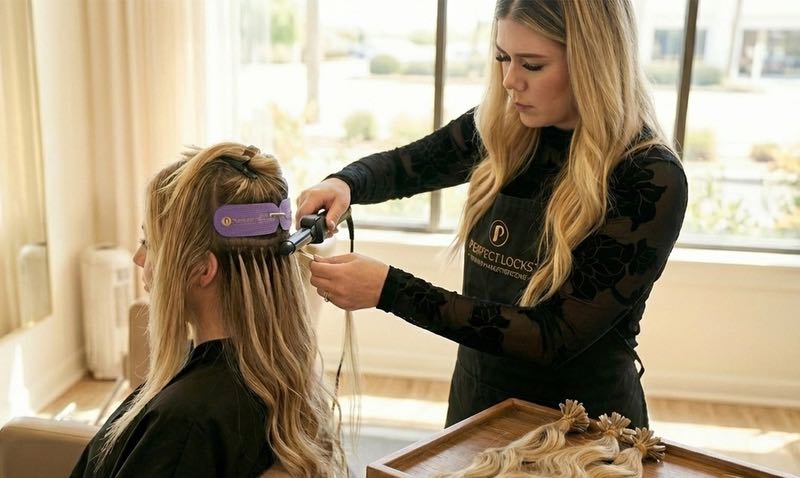
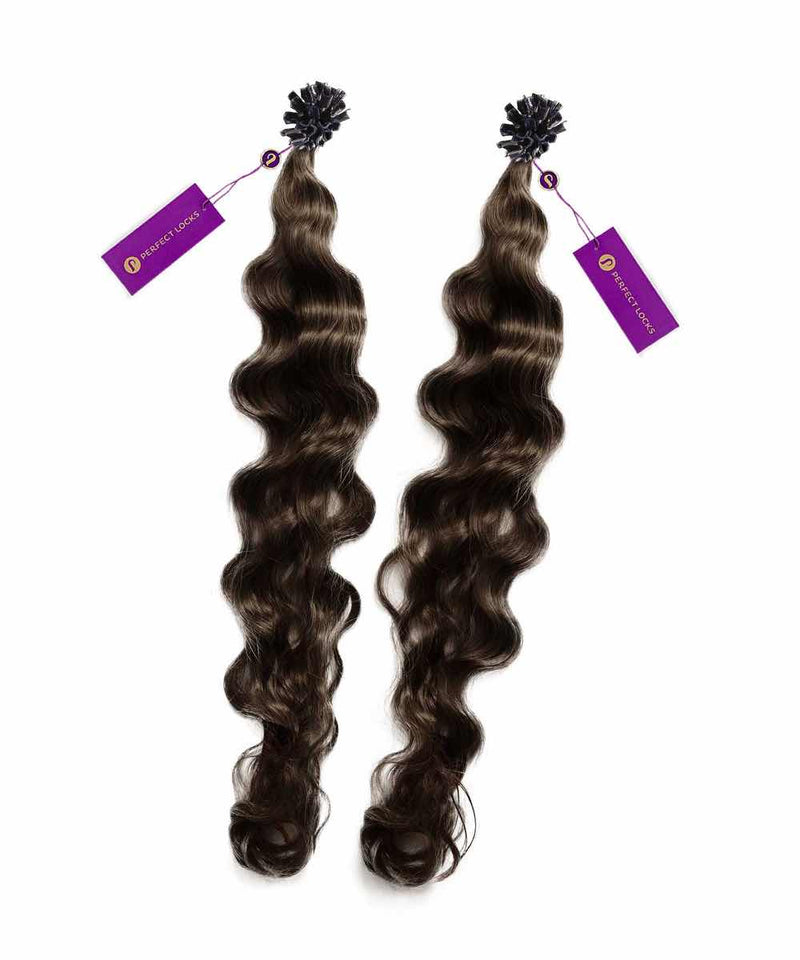
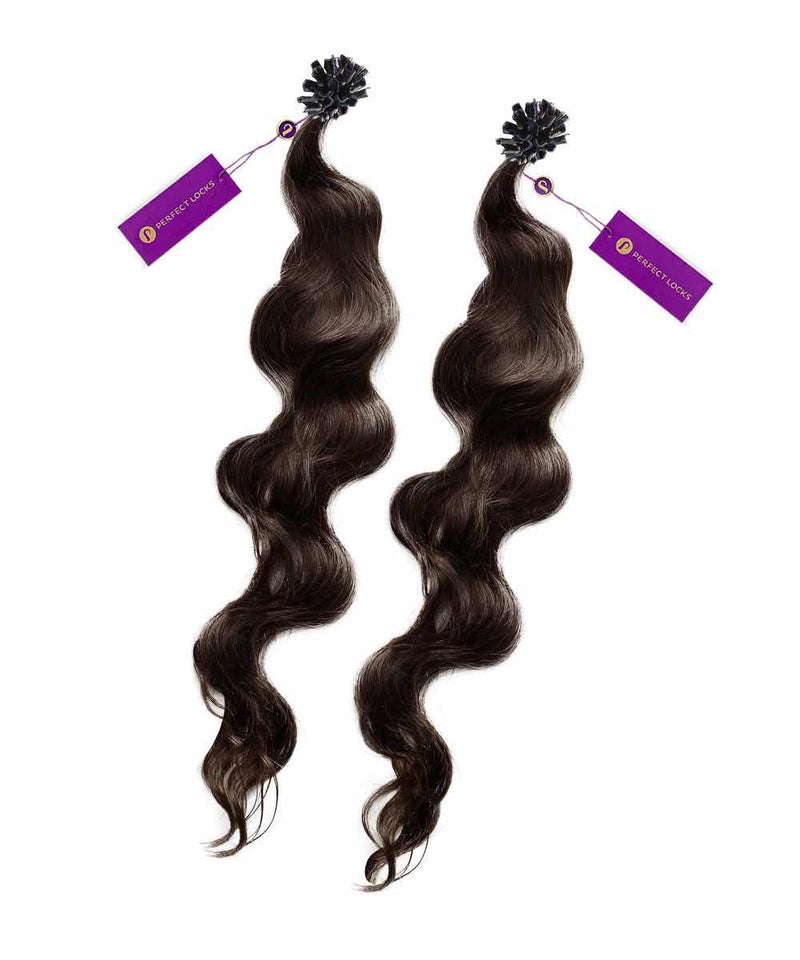
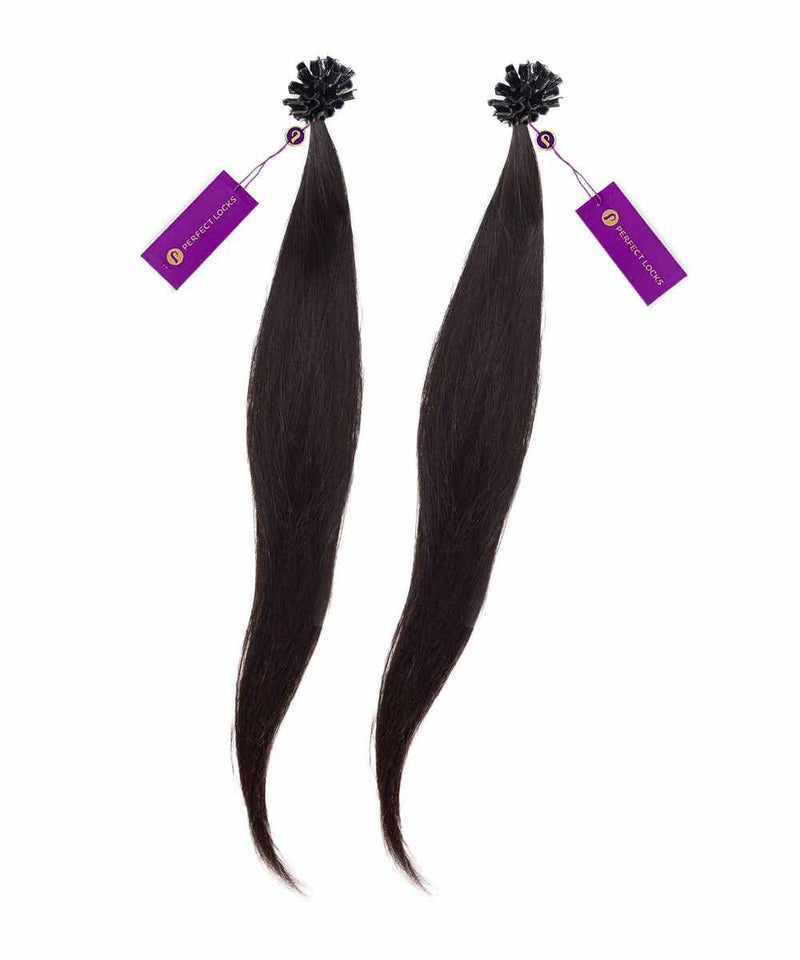
U-tip extensions are the original hot fusion method. They feature a U-shaped keratin bond at the tip, which is melted using a specialized heat tool to fuse the extension to your natural hair. Once the keratin cools, it hardens around both strands for a secure hold.
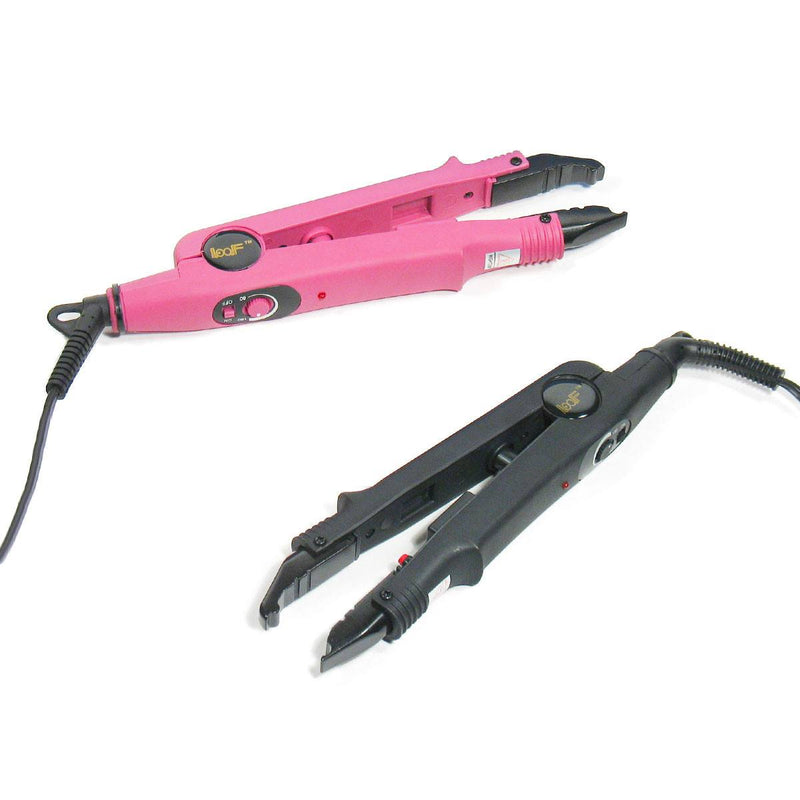
Advantages: Extremely secure bonds that hold through swimming, exercise, and daily life. Small, flexible bonds allow natural movement. Lies relatively flat against the head.
Considerations: Heat is applied near your natural hair during installation. Bonds aren't reusable - you need new keratin tips for reinstallation. Removal requires a dissolving solution.
Shop our U-tip collection for heat fusion options.
K-Tip Extensions (Premium Fusion)
K-tip extensions are considered the premium option. They have a flat, thin keratin tip that creates the smallest, most invisible bond. Like U-tips, they're applied with heat, but the flatter shape lies even closer to the scalp.
Advantages: Virtually undetectable bonds that sit close to the scalp, allowing maximum natural movement and the ability to wear high ponytails and updos without visible attachment points.
Considerations: Highest cost of all fusion methods. Longest installation time (3-5 hours). Like U-tips, bonds require heat and aren't reusable.
Quick Comparison
| Feature | I-Tip | U-Tip | K-Tip |
|---|---|---|---|
| Application | Micro-rings (cold fusion, no heat) | Heat fusion (hot fusion) | Heat fusion (hot fusion) |
| Bond Visibility | Small ring visible | Small bump | Flattest / least visible |
| Reusable | Yes | No | No |
| Install Time | 2-3 hours | 2-4 hours | 3-5 hours |
| Removal | Open rings | Bond remover | Bond remover |
| Best Hair Types | Fine to medium | Medium to thick | Medium to thick |
| Lifespan | 2-4 months (beads adjusted) | 3-6 months | 3-6 months |
Fusion Hair Extensions Pros and Cons
Fusion extensions have earned their reputation as the gold standard for natural-looking results, but they come with tradeoffs that are important to understand before committing. Here's an honest breakdown.
Pros
- Most natural-looking extension method available
- Strand-by-strand application means no wefts to hide
- Secure for active lifestyles - swimming, exercise, daily life
- Long-lasting (3-6 months between applications)
- Versatile styling including updos and ponytails
- Customizable placement for length and volume where needed
- Comfortable - weight distributed across hundreds of bonds
Cons
- Highest cost of any extension method ($500-$2,000+)
- Professional application required - cannot DIY
- Longest installation time (2-5 hours for full head)
- Regular maintenance appointments every 6-8 weeks
- Heat exposure with hot fusion methods (U-tip and K-tip)
- Not ideal for very fine or thin hair
- Professional removal required - no at-home option
The Most Natural-Looking Result
This is the number one reason people choose fusion over other methods. Because extensions are applied strand by strand rather than in wefts or panels, the result is incredibly natural. The bonds sit flat against the scalp, and since each strand moves independently, your hair flows and falls just like it would naturally. You can wear high ponytails, updos, braids - basically any style - without worrying about bonds or tape showing.
Longest Lasting Semi-Permanent Option
Hot fusion extensions can last 4-6 months with proper care, which is significantly longer than tape-in extensions (4-6 weeks between moves) or clip-ins (daily application). If you want to install once and not think about your extensions for months, fusion delivers that better than any other method. If longevity is your priority, our permanent hair extensions collection gathers every method that lasts three months or more.
Total Styling Freedom
Because the bonds are tiny and applied close to the root, you can style fusion extensions exactly like your natural hair. Curl them, straighten them, blow them out, pull them into a top knot. There are no wefts to work around and no clips to hide. This is a major advantage over other methods where certain styles can expose the attachment points.
Great for Adding Volume to Thick Hair
If you already have thick hair and just want more length or fullness, fusion is an excellent match. The strand-by-strand application means extensions blend seamlessly into dense hair without adding the bulk that weft-based methods sometimes create. The weight is distributed evenly across your head rather than concentrated in a few spots.
Higher Cost and Time Commitment
Between the hair itself, the longer installation time, and the fact that you need a skilled professional, fusion extensions are among the more expensive methods. We're always upfront about this because we'd rather you make an informed decision than be surprised by the total investment. The tradeoff is longevity - when you divide the cost across 4-6 months of wear, the per-month cost often comes out comparable to methods that need more frequent maintenance.
Not Ideal for Very Fine or Thin Hair
While cold fusion (micro-link) can work for finer hair types, hot fusion with keratin bonds can be too heavy for very fine or thin hair. The weight of individual bonds, multiplied across a full head, can create tension that leads to breakage over time. If you have thin or fine hair, we'd generally recommend tape-ins or halos first, or a partial fusion install focusing only on areas with enough density to support the bonds.
Pro Tip: If you love the idea of fusion but have fine hair, ask your stylist about a partial install with cold fusion I-tips. Using fewer bonds in strategic placement areas gives you the natural look without overloading delicate hair. Our thin hair guide covers this in detail.
Professional Removal Required
You cannot remove fusion extensions at home without risking serious damage. A stylist uses a special solution to break down the keratin bonds, then carefully slides each strand off. Attempting to pull, cut, or dissolve the bonds yourself is one of the fastest ways to damage your natural hair. This is another cost and time factor to plan for.
Who Are Fusion Extensions Best For?
Based on the thousands of fusion installs we've seen over the years, fusion extensions tend to work best for people who meet most of these criteria:
Fusion Is a Great Fit If You...
- Want the most natural, undetectable result possible
- Have medium to thick hair density
- Are comfortable committing to professional installation and removal
- Want extensions that last 4-6 months without daily effort
- Need full styling versatility (updos, ponytails, braids)
- Have the budget for a premium method
- Lead an active lifestyle (gym, swimming, sports)
Consider Other Methods If You...
- Have very fine or thin hair (try tape-ins or halos)
- Want something you can put in and take out yourself (try clip-ins)
- Swim frequently in chlorine or saltwater
- Prefer a lower upfront cost
- Don't want to commit to salon visits for maintenance and removal
- Need extensions for a single event (try clip-ins or halos)
Hair Types That Work Best
Fusion extensions are generally best suited for medium to thick, healthy hair. The individual bonds need enough natural hair to attach to without causing stress on fine or fragile strands.
Important for fine hair: If you have thin or fine hair, we'd honestly recommend exploring other methods first. Cold fusion hair extensions (I-tips) are less damaging than hot fusion methods, but even these can cause breakage on very fine hair. Our thin hair guide covers options like seamless clip-ins, tape-ins, and halos that put less stress on delicate strands.
If you do have fine hair and still want fusion, I-tips with micro-rings tend to be gentler than heat-bonded methods. Work with a trained stylist experienced in fine hair who will use fewer, strategically placed strands rather than overloading your hair.

Lifestyle Considerations
Fusion extensions require commitment:
- Initial installation: $500-$2,000+ depending on your area and strand count
- Maintenance appointments every 6-8 weeks
- Full removal and reinstallation every 3-6 months
- Daily care routine to protect the keratin bond
If you want flexibility to take extensions in and out yourself, or you're not ready for ongoing salon visits, clip-in extensions give you control over when you wear them with zero commitment.
How to Choose Fusion Extensions
Texture Matching
Your extensions should match your natural hair texture for seamless blending. Straight extensions won't blend with wavy hair, and wavy extensions will look out of place on straight hair.
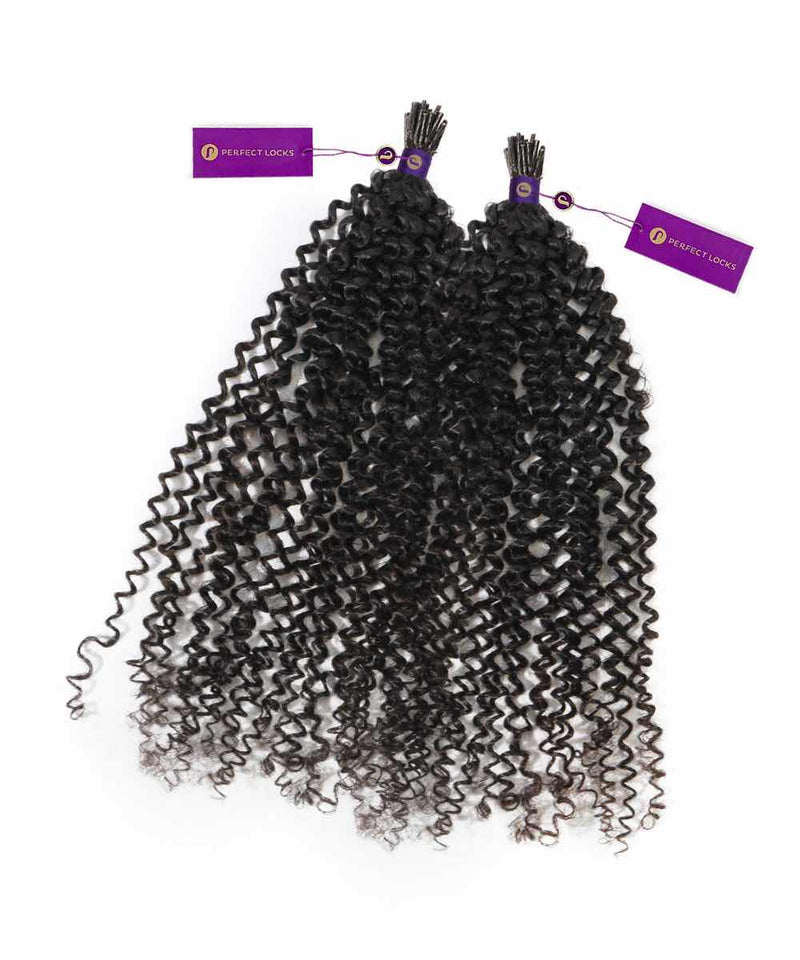
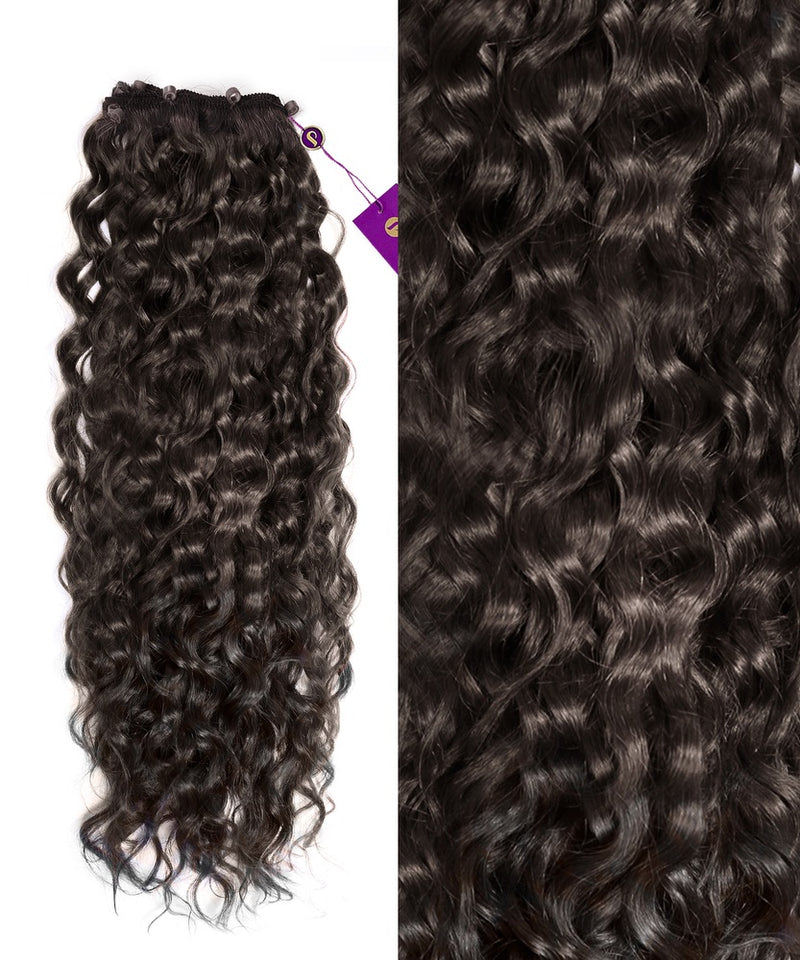
If you have naturally curly or textured hair, look for extensions that match your curl pattern. We have a curly hair extensions collection if you'd like to see what proper texture matching looks like.
How Many Strands Do You Need?
- 100-150 strands: Adding volume to already decent-length hair
- 150-200+ strands: Significant length and volume (full head application)
Your professional hairstylist will recommend a strand count based on your natural density and goals. Thinner hair needs fewer strands to avoid overloading; thicker hair can handle more.
Color Matching
Because fusion bonds are placed throughout your head, color matching is critical. A mismatch will be obvious from multiple angles.
If you're unsure about your color, we offer free color matching consultations at Perfect Locks. Take our quiz or send us a photo in natural lighting and we'll help you find your match.
Human Hair vs. Synthetic
For fusion extensions, always choose 100% human hair. Synthetic hair can't withstand the heat from hot fusion tools and won't blend or style like your natural hair.
Look for Remy human hair - hair where all the cuticles are aligned in the same direction, which prevents tangling and keeps extensions smooth and natural-looking. At Perfect Locks, we only sell 100% ethically sourced Remy human hair because we believe quality matters for both results and integrity.
I-Tip vs. U-Tip: Which Should You Choose?
If you're deciding between our I-tip and U-tip collections, consider:
- Choose I-tips if: You have fine or heat-sensitive hair, want reusable extensions, or prefer a heat-free application method.
- Choose U-tips if: You want the most secure bond for an active lifestyle, don't mind heat application, and prioritize longevity over reusability.
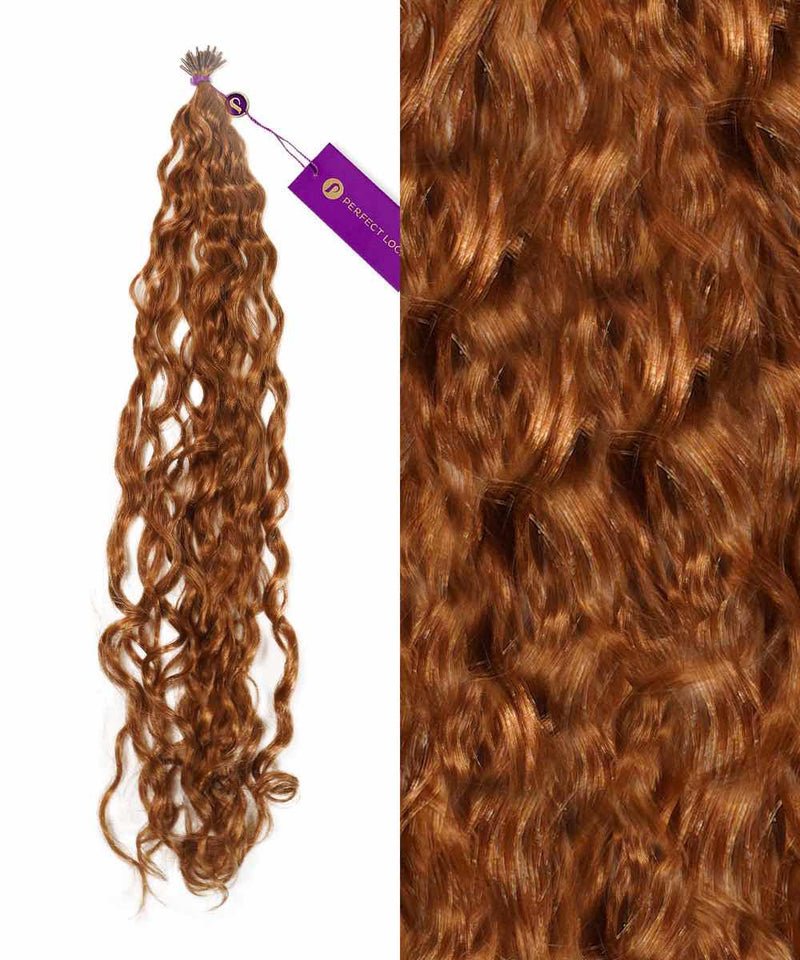
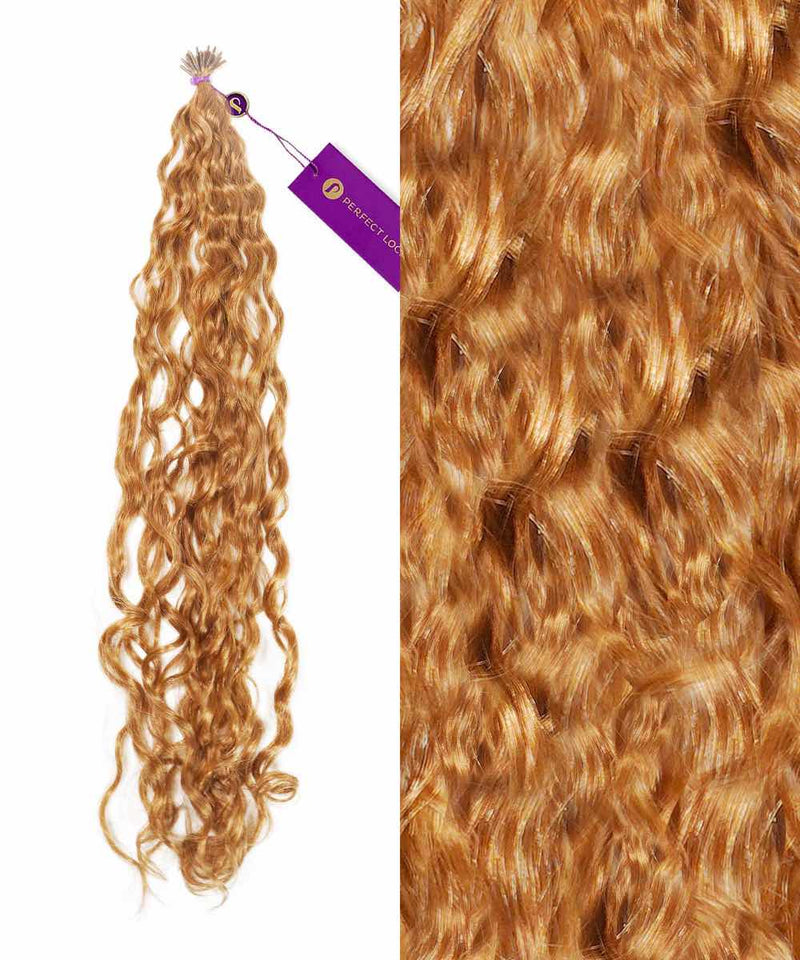
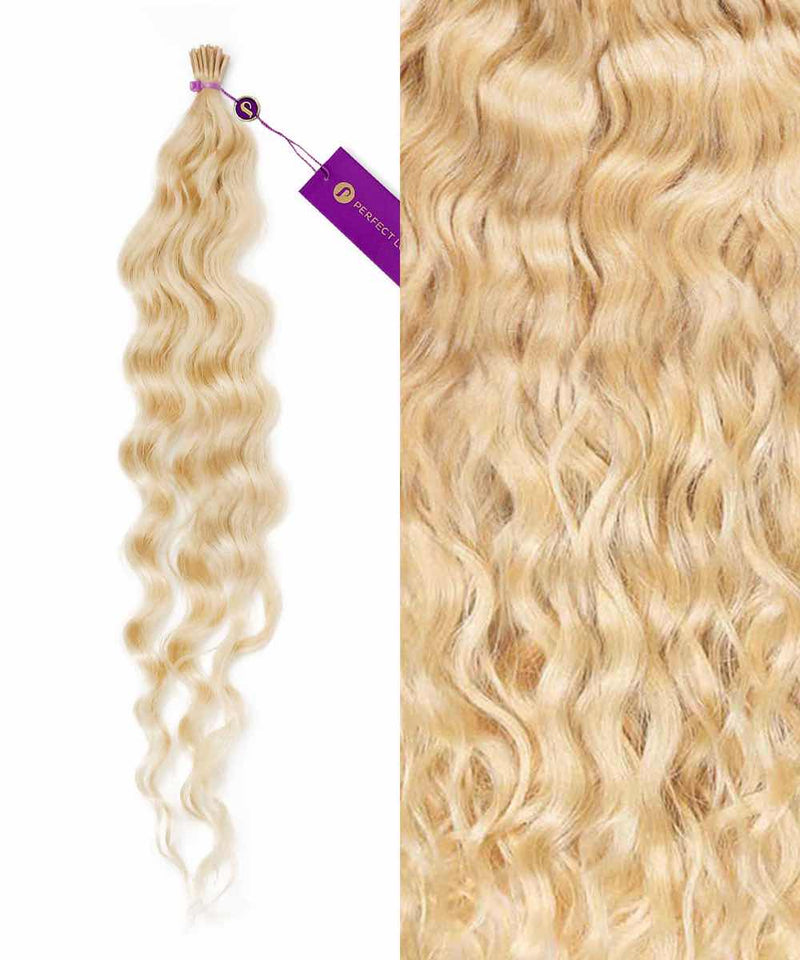
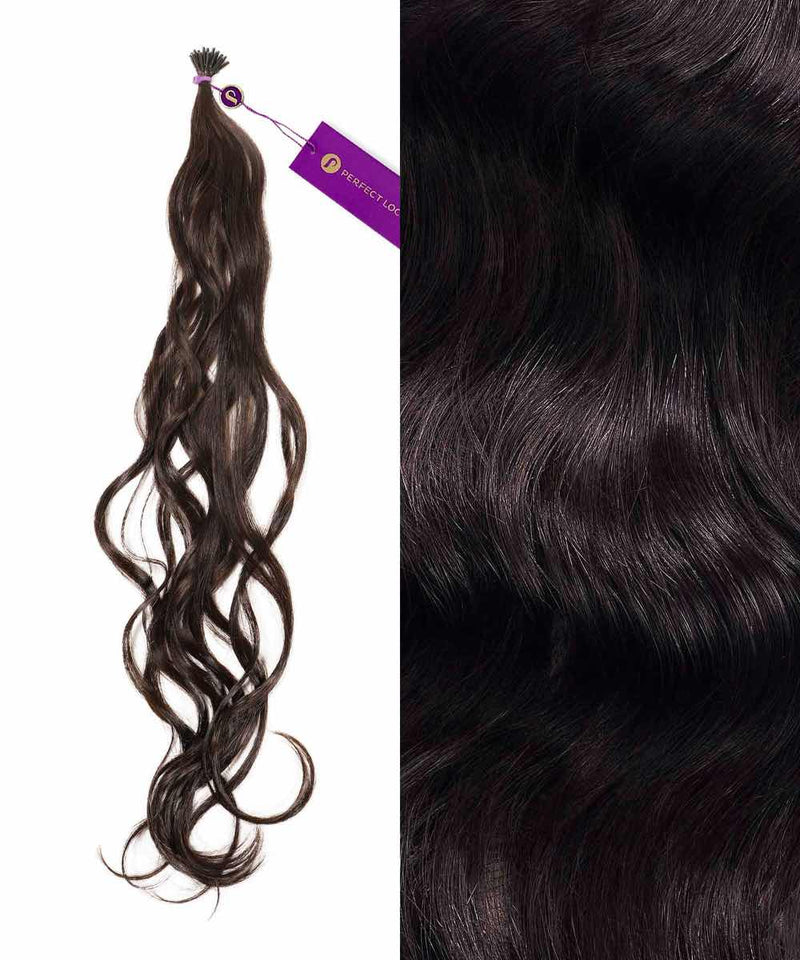
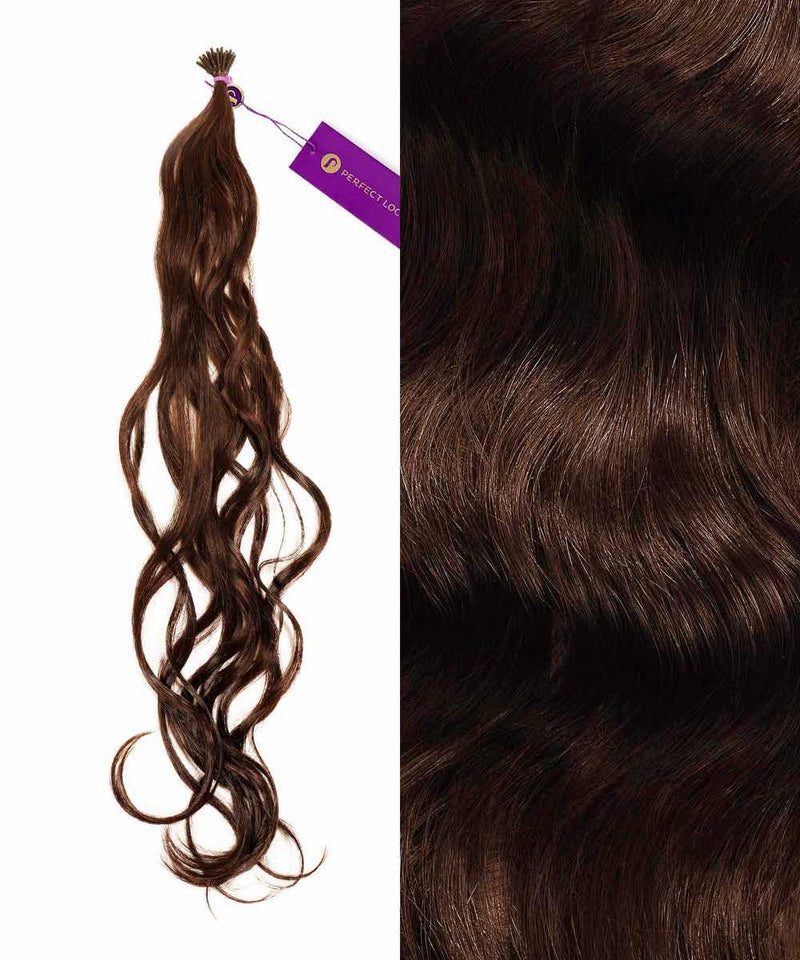
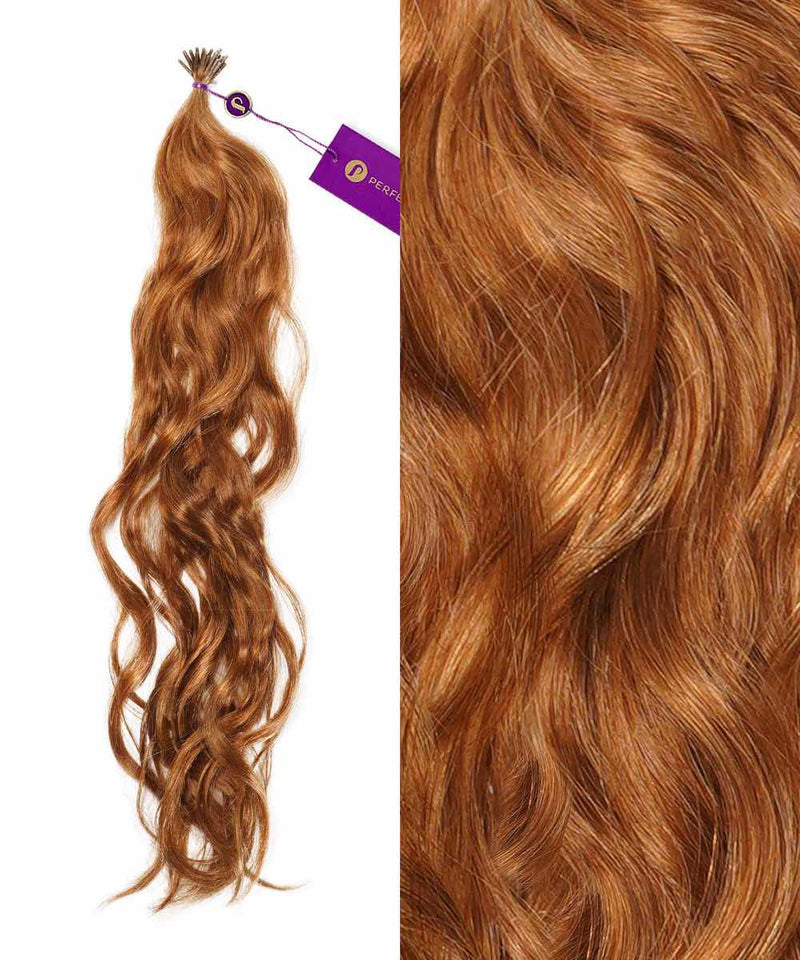
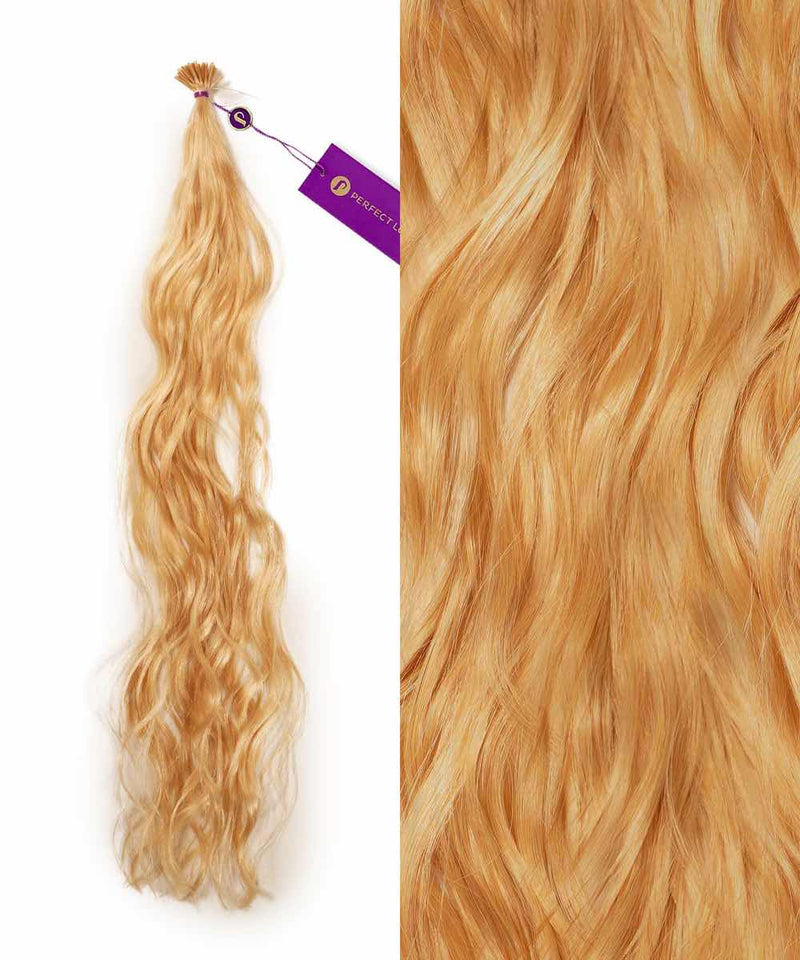
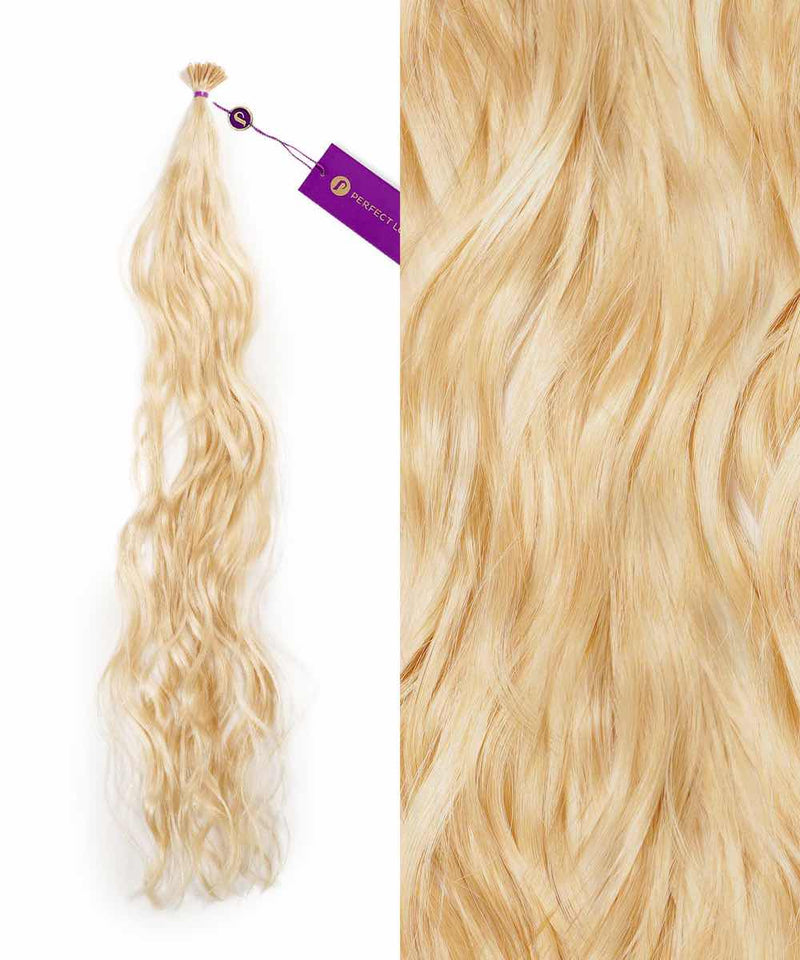
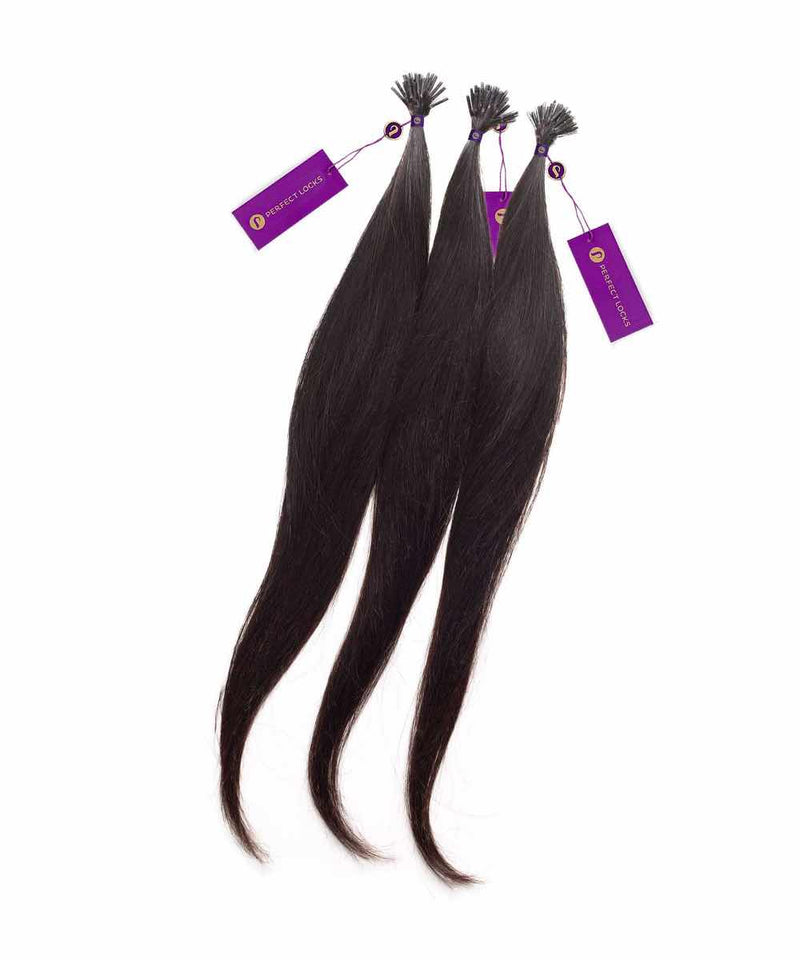
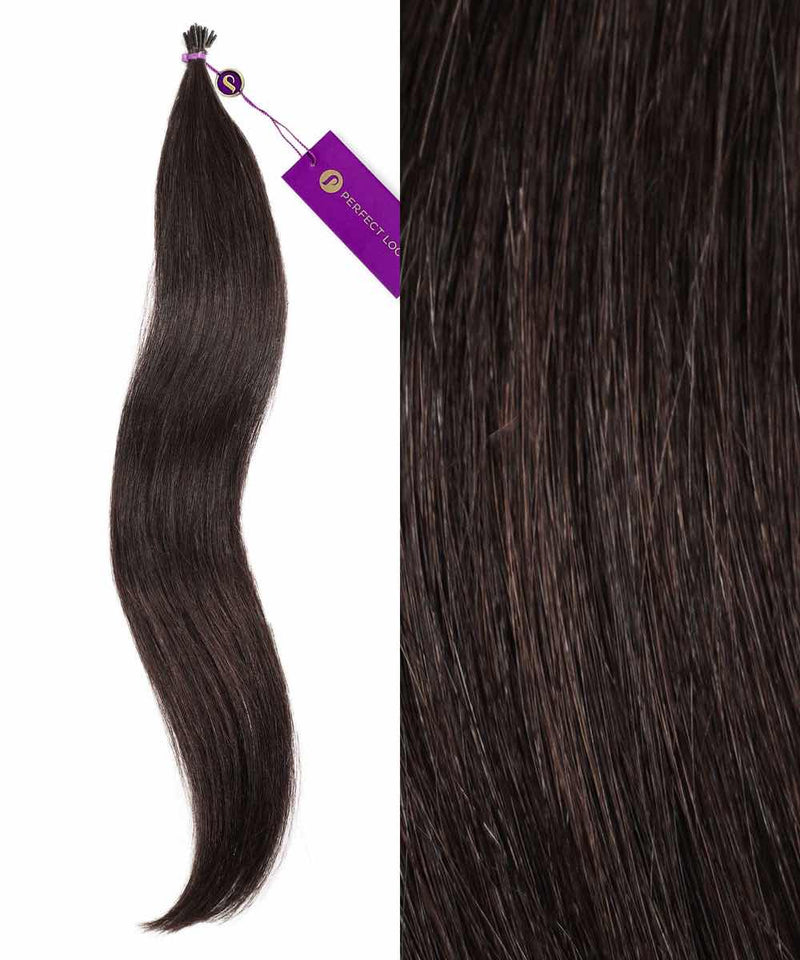
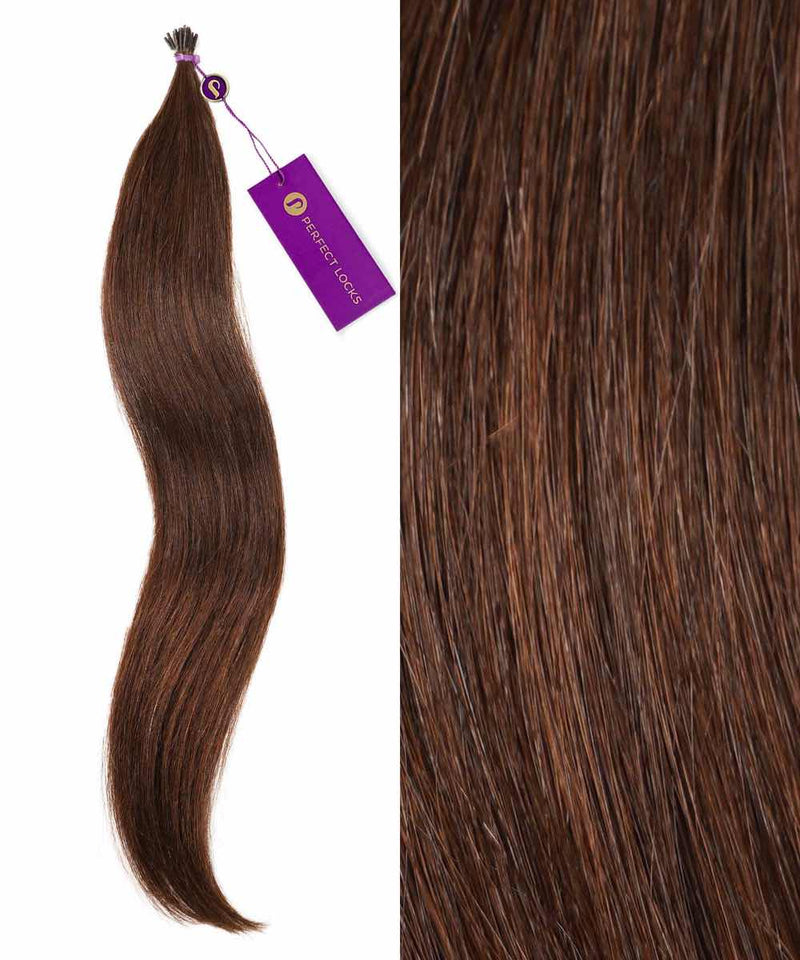
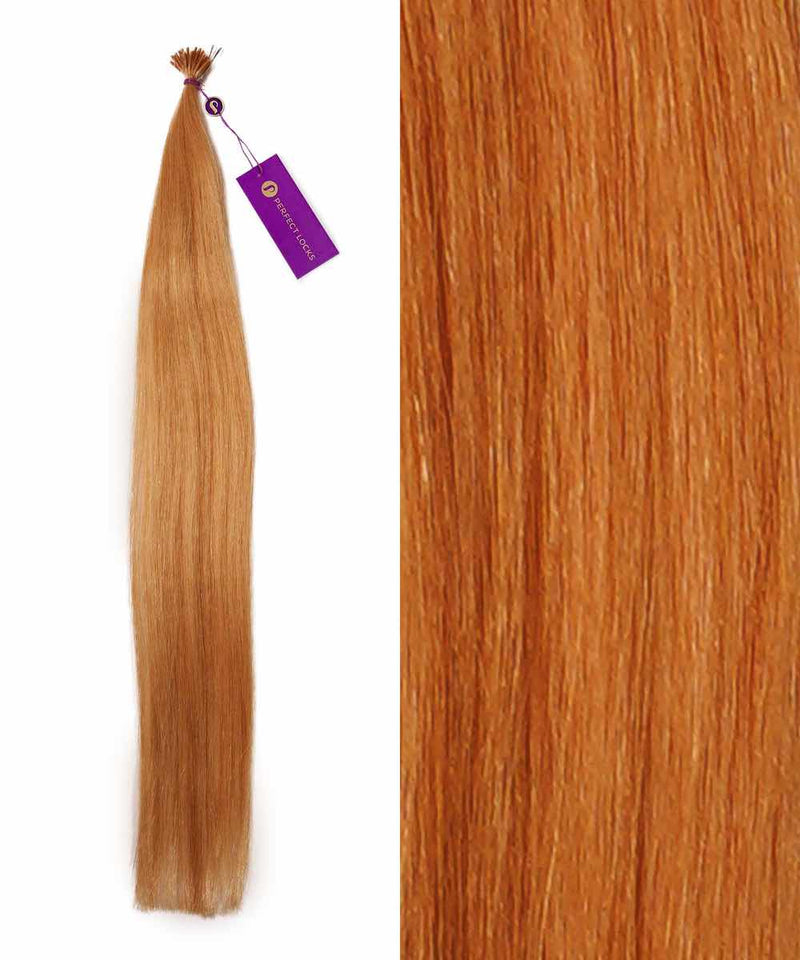
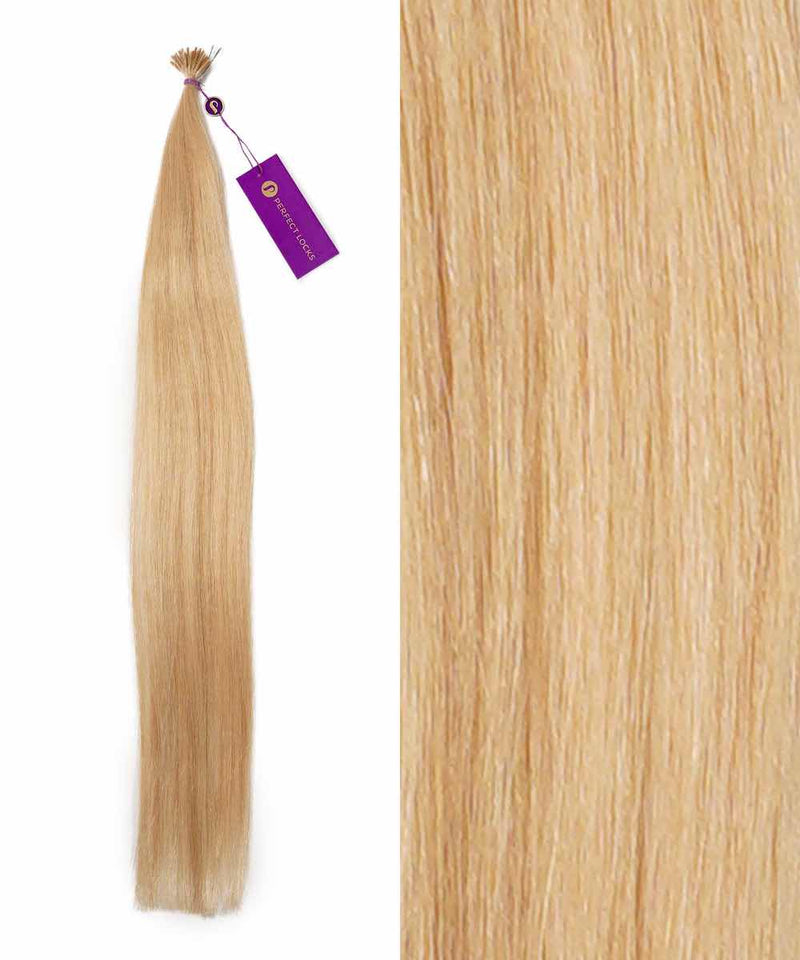
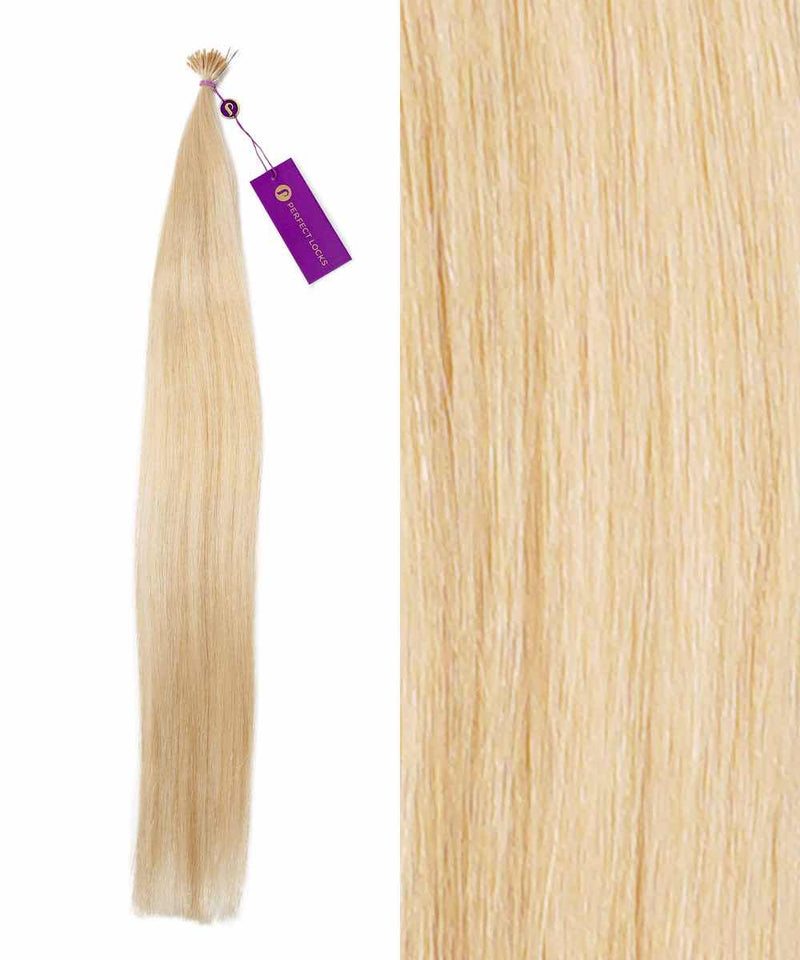
I-Tip Extensions (Cold Fusion)
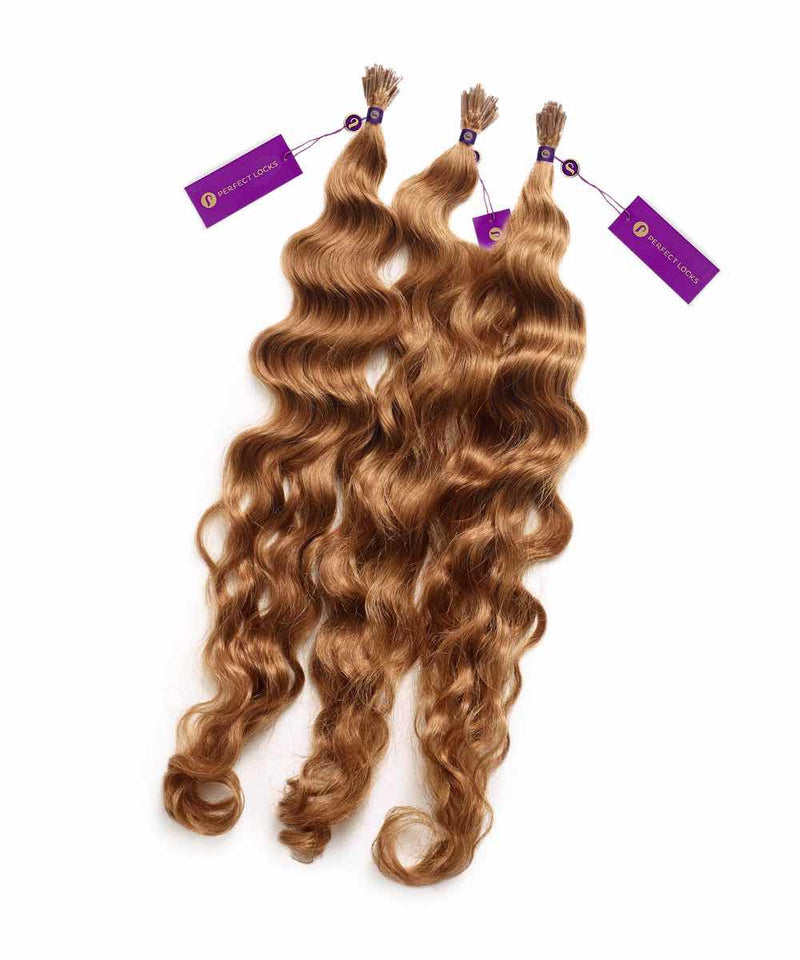
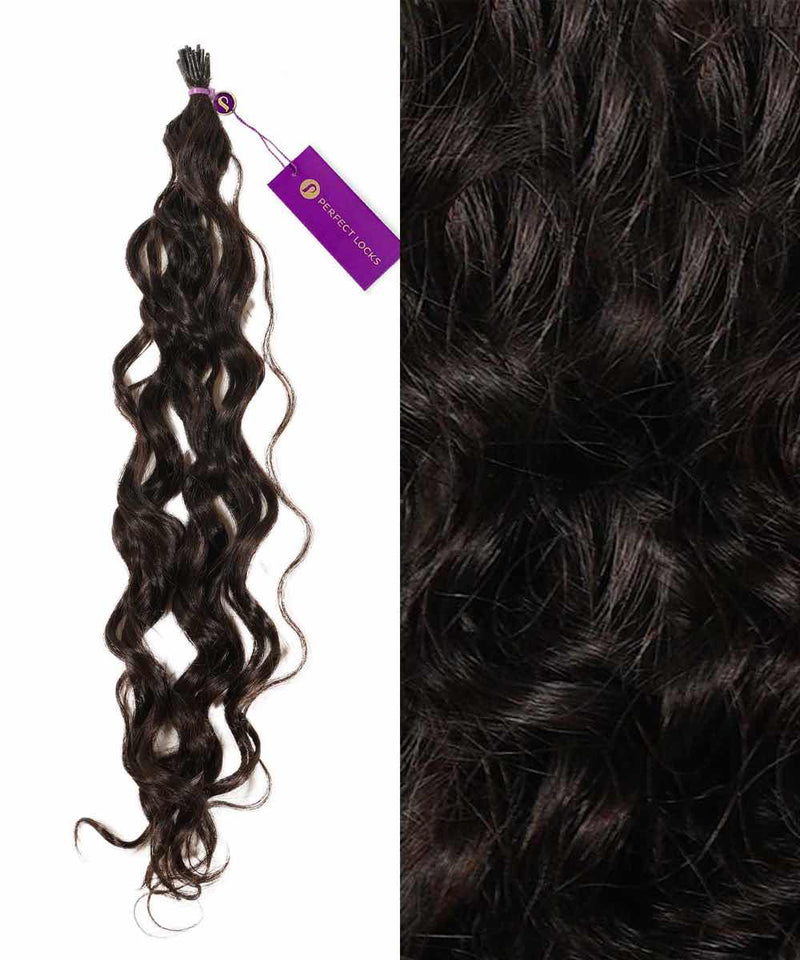
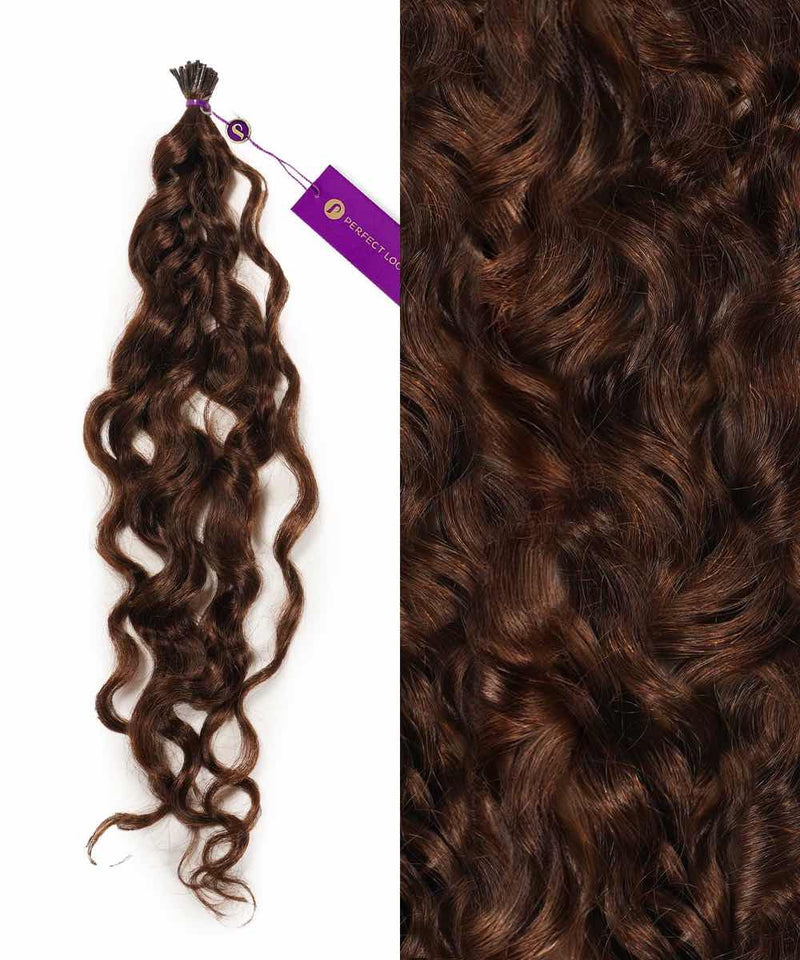
Cold fusion bonding at its best. Silicone-lined micro beads attach each strand individually with no heat and no glue....
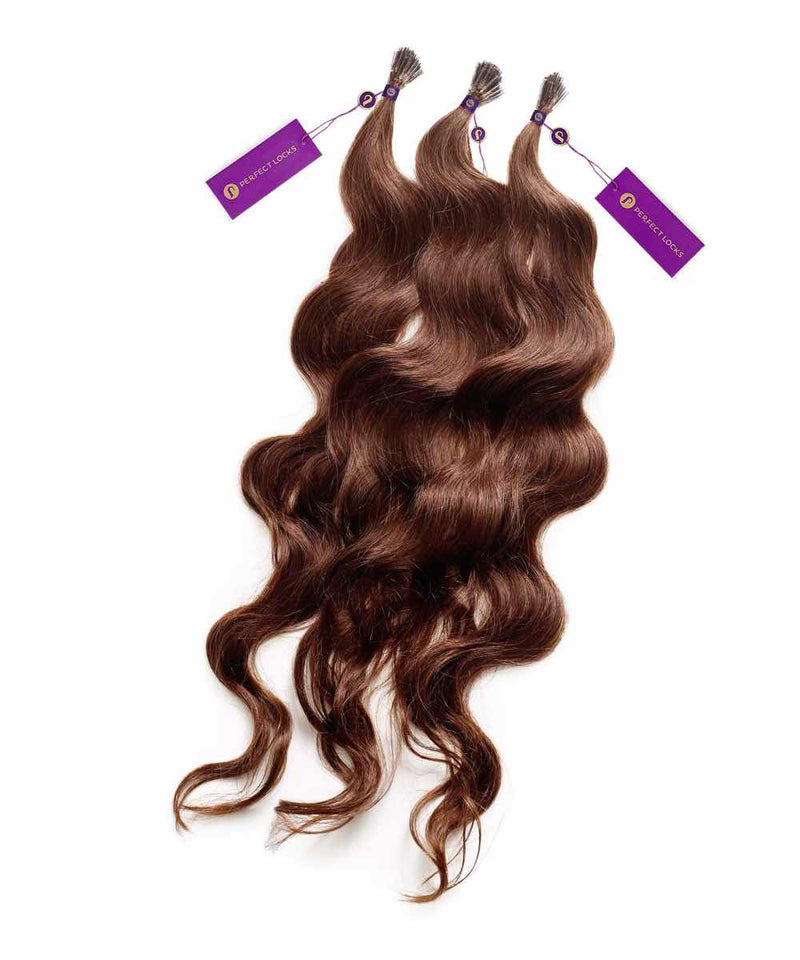
U-Tip Extensions (Hot Fusion)
Premium Italian keratin tips heat-bonded to your natural hair strand by strand. The generous bond sits flat, moves fr...
The Fusion Extension Installation Process
Fusion extensions require professional installation by a trained stylist - this isn't a DIY method. Here's what to expect during your salon appointment:
Consultation
Your stylist assesses your hair type, discusses your goals, and determines how many strands you need. They'll also match your color and texture to ensure a natural look.
Sectioning
Hair is divided into small sections throughout the head. The placement pattern ensures even coverage and natural-looking results.
Bonding
Each extension strand is attached individually. For I-tips, a micro-ring is clamped around both hairs. For U-tips and K-tips, heat melts the keratin bond around your natural hair.
Blending
Once all strands are placed, your stylist cuts and blends the extensions with your natural hair for a seamless finish.
Expect the full application process to take 2-5 hours depending on the method and number of strands.
Hot Fusion U-Tip Hair Extension Installation
Caring for Fusion Extensions
Proper care extends the life of your extensions and protects your natural hair. Here's what you need to know:
Daily Care
- Brush carefully. Use a soft bristle brush or loop brush designed for extensions. Start at the ends and work up. Hold the hair above where you're brushing to prevent pulling on bonds.
- Be gentle around bonds. Don't pull, twist, or pick at attachment points.
- Avoid conditioner on bonds. Oils and conditioners can break down keratin bonds or cause micro-rings to slip. Apply products from mid-length to ends only.
Washing
- Don't overwash. Two to three times per week is enough. Daily washing stresses the keratin bond and strips moisture.
- Use sulfate-free products. Sulfates dry out extensions and weaken keratin bonds.
- Wash gently. Keep hair in its natural falling position - don't pile it on your head and scrub, which creates tangles around bonds.
- Never sleep with wet hair. Wet bonds and wet tangles can lead to matting and breakage. Dry thoroughly before bed.
Styling
- Heat styling is fine on the hair itself. You can curl, straighten, and blow-dry just like your natural hair.
- Keep heat away from bonds. Don't press hot tools against keratin bonds - the heat can affect them.
- Swimming is okay with precautions. Wet hair with fresh water before chlorine or salt water, rinse immediately after, and condition well.
Sleeping
- Braid loosely or tie in a low ponytail to prevent tangles
- Use a silk or satin pillowcase to reduce friction
- Never sleep with wet hair
How Long Do Fusion Extensions Last?
With proper care, fusion extensions last 3-6 months before needing full removal and reinstallation. The timeline depends on:
- Your hair growth rate. As your hair grows, bonds move away from your scalp. Most people need maintenance every 6-8 weeks to address grow-out.
- Your care routine. Following proper washing, brushing, and sleeping habits extends lifespan significantly.
- Hair quality. 100% Remy human hair from reputable sources lasts longer and stays smoother than lower-quality hair.
- Method type. Hot fusion (keratin bond) extensions typically last 4-6 months before removal. Cold fusion (micro-link) extensions need bead adjustments every 6-8 weeks, but the hair itself can be reused through multiple reinstalls if it's high-quality Remy human hair.
Signs it's time for maintenance: If you notice bonds growing more than 1-1.5 inches from your scalp, matting near the roots, or bonds starting to feel loose, it's time for a touch-up.
Fusion vs. Other Extension Methods
Not sure if fusion is right for you? Here's how fusion compares to other popular methods:
Fusion vs. Tape-In Extensions
Tape-in extensions are wefted and applied in 1-2 hours. They're easier to maintain, more affordable, and many people learn to reinstall them at home after the first professional application.
Choose fusion if: Maximum natural appearance is your top priority and you're comfortable with higher cost and longer salon time.
Choose tape-ins if: You want semi-permanent results with easier maintenance and lower cost. Browse our tape-in collection.
Fusion vs. Clip-In Extensions
Clip-ins are completely DIY - you put them in and take them out yourself. There's no commitment, no salon visits, and no damage risk from bonds.
Choose fusion if: You want to wake up with full hair every day without daily application.
Choose clip-ins if: You want flexibility, lower cost, or only need extended length for special occasions. Shop our clip-in collection.
Fusion vs. Halo Extensions
Halo extensions use a wire that sits on top of your head - no attachment to your natural hair at all. They go on in under 60 seconds and cause zero damage.
Choose fusion if: You need permanent, always-on volume and length.
Choose halos if: You want instant transformation with zero commitment or damage. Perfect for fine or fragile hair.
Fusion vs. Sew-In Weaves
Sew-ins involve braiding your natural hair and sewing wefted extensions onto the braids. They work particularly well for coarser textures that hold braids.
Choose fusion if: You need versatile styling (ponytails, updos) and have straight or wavy hair.
Choose sew-ins if: You want protective styling benefits and your hair braids well.
Not Ready for Fusion? Consider These Alternatives
Types to Consider

Fusion I-Tips
Best for: Those wanting the absolute most natural look and willing to invest time and budget for maximum results.
- Wear Time
- 10-12 weeks between maintenance
- Application
- 3-5 hours
- No heat damage
- Most natural movement

Beaded Wefts
Best for: Stylists specializing in beaded row installations who want to save time and ensure consistency.
- Wear Time
- 6-8 weeks between maintenance
- Application
- 2-3 hours
- Pre-looped saves time
- Consistent results

Fusion U-Tips
Best for: Those wanting ultimate natural movement and willing to invest in premium, long-lasting extensions.
- Wear Time
- 10-12 weeks between maintenance
- Application
- 3-5 hours
- Most natural look
- Exceptional movement
Frequently Asked Questions
Are fusion hair extensions damaging?
When applied and removed by a skilled stylist using quality hair, fusion extensions cause minimal damage. The most common issues come from DIY removal, inexperienced application, or leaving bonds in too long past their recommended lifespan. We recommend having your stylist assess your hair density and condition before committing to a full install.
Can I do fusion extensions at home?
No. Fusion extensions require professional tools and training. Attempting DIY fusion can seriously damage your hair through improper bond placement or bonding too close to the scalp. If you want something you can apply yourself, consider clip-in extensions.
How many strands of fusion extensions do I need?
Typically 100-150 strands add volume, while 150-200+ strands deliver significant length and fullness. Your stylist will recommend the right amount based on your natural density and goals.
How much do fusion extensions cost?
The total cost depends on how many strands you need (typically 100-200 for a full head), the length and quality of hair, and your stylist's installation fee. The hair itself generally ranges from $200-$600 depending on length, with installation adding $200-$500 on top. Initial installation typically ranges from $500-$2,000+ total. While the upfront cost is higher than other methods, the 4-6 month lifespan means your per-month cost can be competitive with tape-ins that need moving every 4-6 weeks.
Can I color or heat-style fusion extensions?
Yes - as long as they're made from 100% human hair. You can curl, straighten, blow dry, and even color our fusion extensions just like your natural hair. The only caution is to keep direct heat away from the keratin bonds themselves, as extreme heat can weaken them. Apply heat to the mid-lengths and ends, not the root area. It's best to color before installation or touch up roots while wearing extensions.
Do fusion extensions work on fine hair?
They can with an experienced stylist, but we often recommend other methods first. I-tips (cold fusion) tend to work better than hot fusion methods for fine hair since no heat is involved near the bond. A partial install with fewer, strategically placed strands can give fine hair the natural look without overloading. Read our complete guide to extensions for thin hair for detailed recommendations.
How often do fusion extensions need maintenance?
Every 6-8 weeks for a check-up and any needed adjustments. Full removal and reinstallation typically happens every 3-6 months.
What's the difference between I-tip and U-tip fusion extensions?
I-tip extensions have a straight, stick-shaped keratin tip and are used for both hot and cold fusion methods. U-tip extensions have a U-shaped or nail-shaped keratin tip designed specifically for hot fusion application. Both create excellent results - the choice often comes down to your stylist's preference and your hair type.
What is the difference between hot fusion and cold fusion hair extensions?
Hot fusion uses heat to melt keratin bonds, while cold fusion uses micro-rings or beads with no heat involved. Cold fusion is gentler and better for fine or heat-sensitive hair, while hot fusion creates extremely secure bonds ideal for active lifestyles. Cold fusion extensions need bead adjustments every 6-8 weeks; hot fusion typically lasts 4-6 months before full removal.
Can I wash my hair with fusion extensions?
Absolutely. Use a sulfate-free shampoo and keep conditioner away from the bond area (apply it from mid-length to ends only). We recommend washing 2-3 times per week rather than daily, and always being gentle around the roots. Our extension care products are formulated specifically for this.
How do I know if my hair is thick enough for fusion?
A good stylist will assess your hair density before recommending fusion. Generally, if you can grab a ponytail that feels at least as thick as a quarter coin in diameter, you likely have enough density for a full fusion install. If your hair is on the thinner side, a partial install or an alternative method like tape-ins might be better. Send us a photo and we'll give you an honest recommendation - reach out for a free consultation.
Fusion extensions deliver stunning results, but they're not the only path to beautiful hair. The best extension method depends on your hair type, lifestyle, budget, and how much maintenance you're willing to commit to.
At Perfect Locks, we've been helping women find their perfect hair match since 2007. We're a family business based in Walnut Creek, California, and we take pride in offering 100% ethically sourced Remy human hair with a 30-day return policy. We'd rather point you toward what actually works for your hair than sell you something that won't.
Not sure where to start? Take our quiz for personalized recommendations, or reach out for a free consultation. Send us a photo and we'll give you honest advice - we look at every request personally.
Shop Our Fusion Extensions
Strand-by-strand extensions bonded with premium Italian keratin for the most natural-looking long-term result of any ...

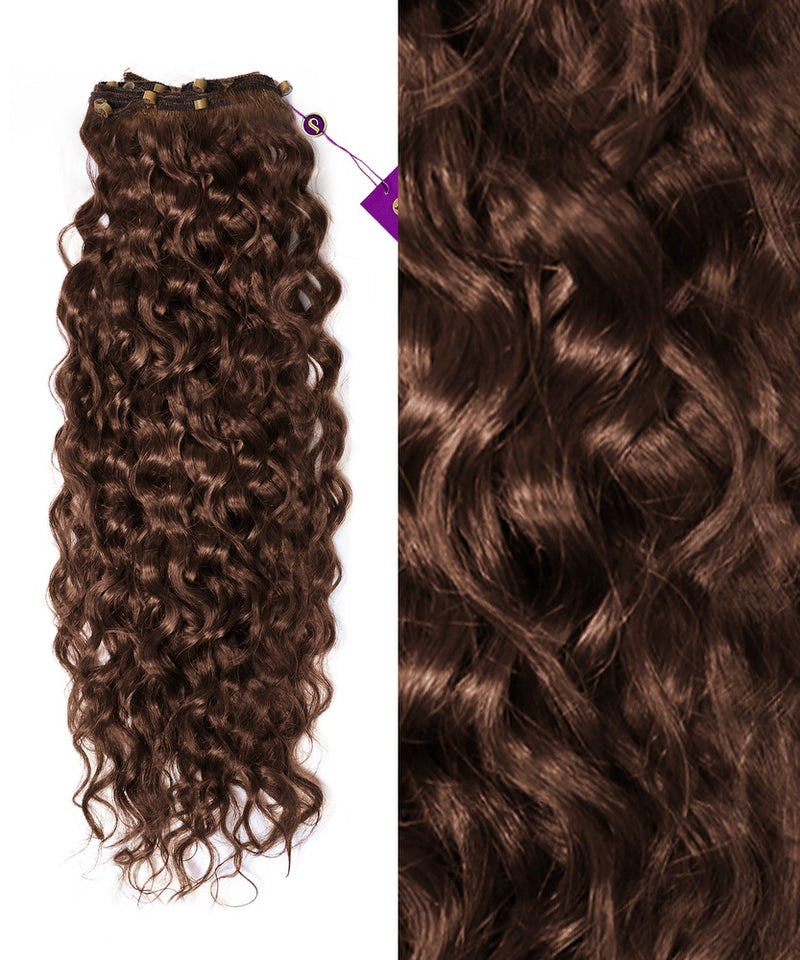
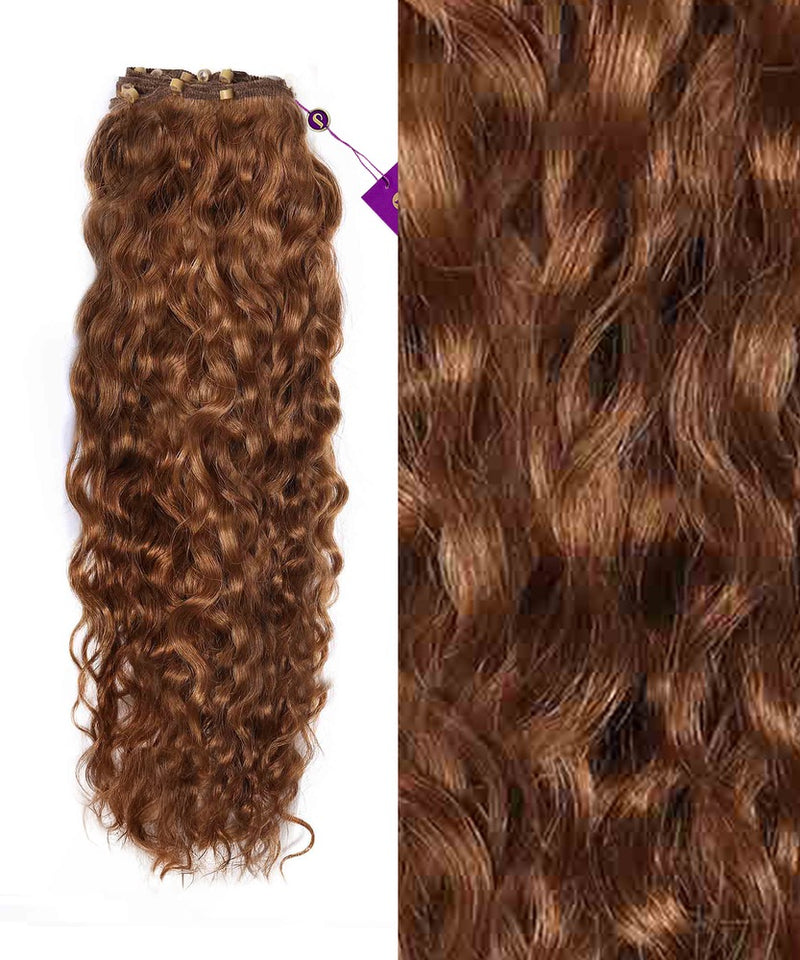
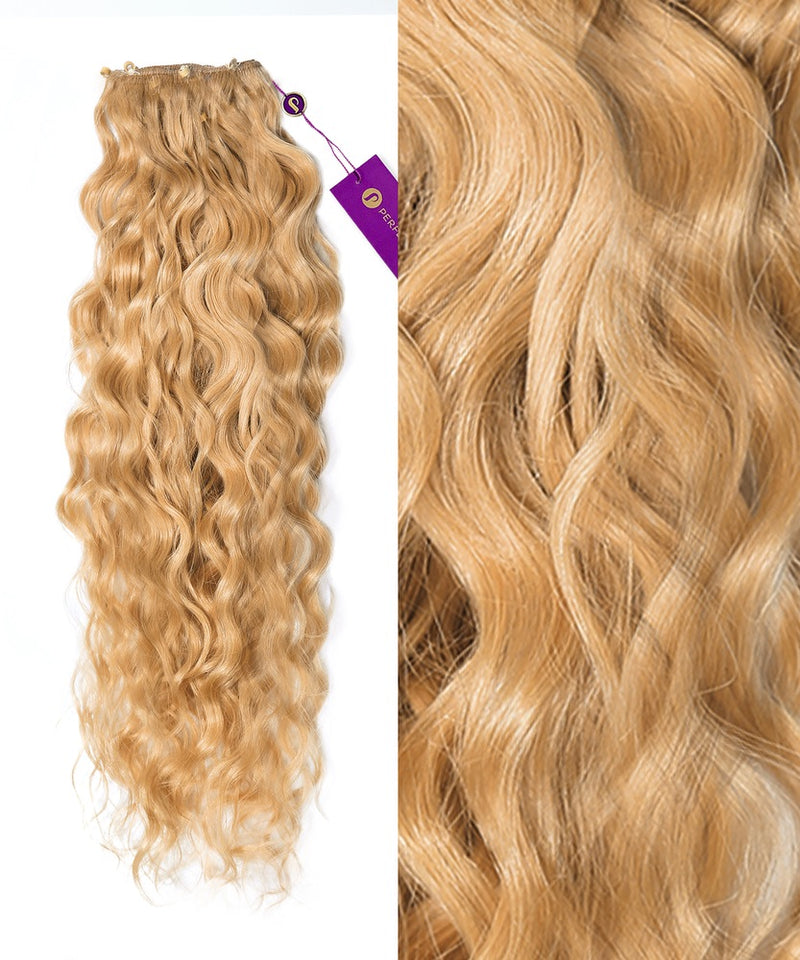
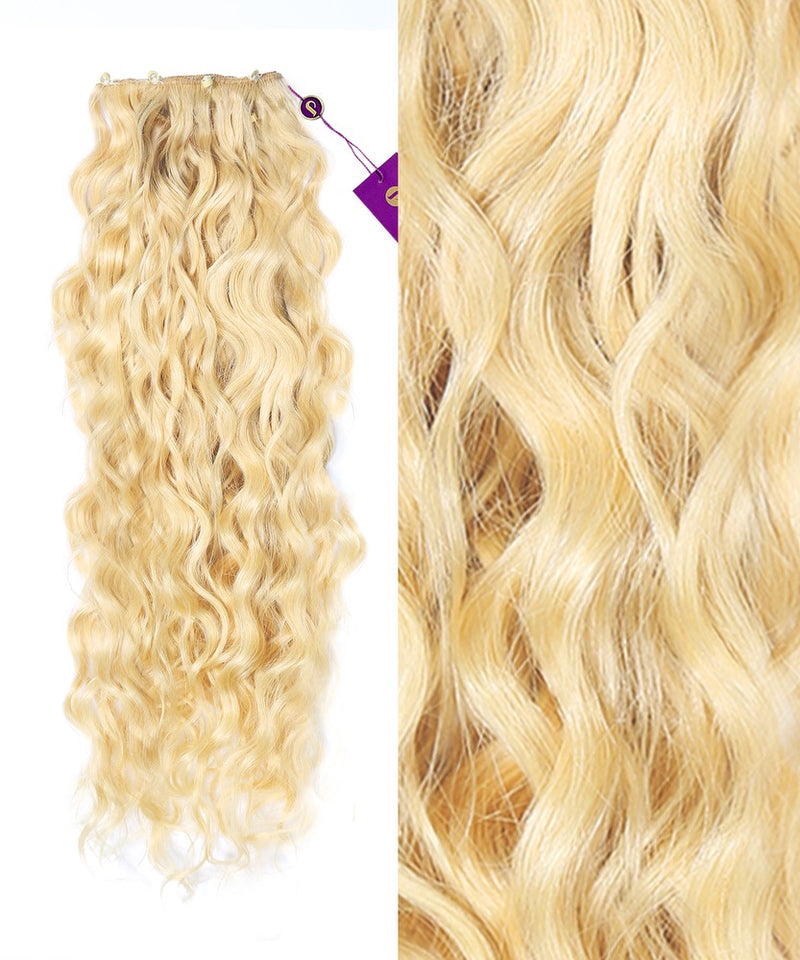
Prefer a different method? Explore these alternatives:
- Seamless Clip-In Extensions - Best for beginners and daily flexibility
- Tape-In Extensions - Semi-permanent with easy maintenance
- Halo Extensions - Zero damage, instant transformation
- Curly Hair Extensions - For textured hair types
Fusion Hair Extensions