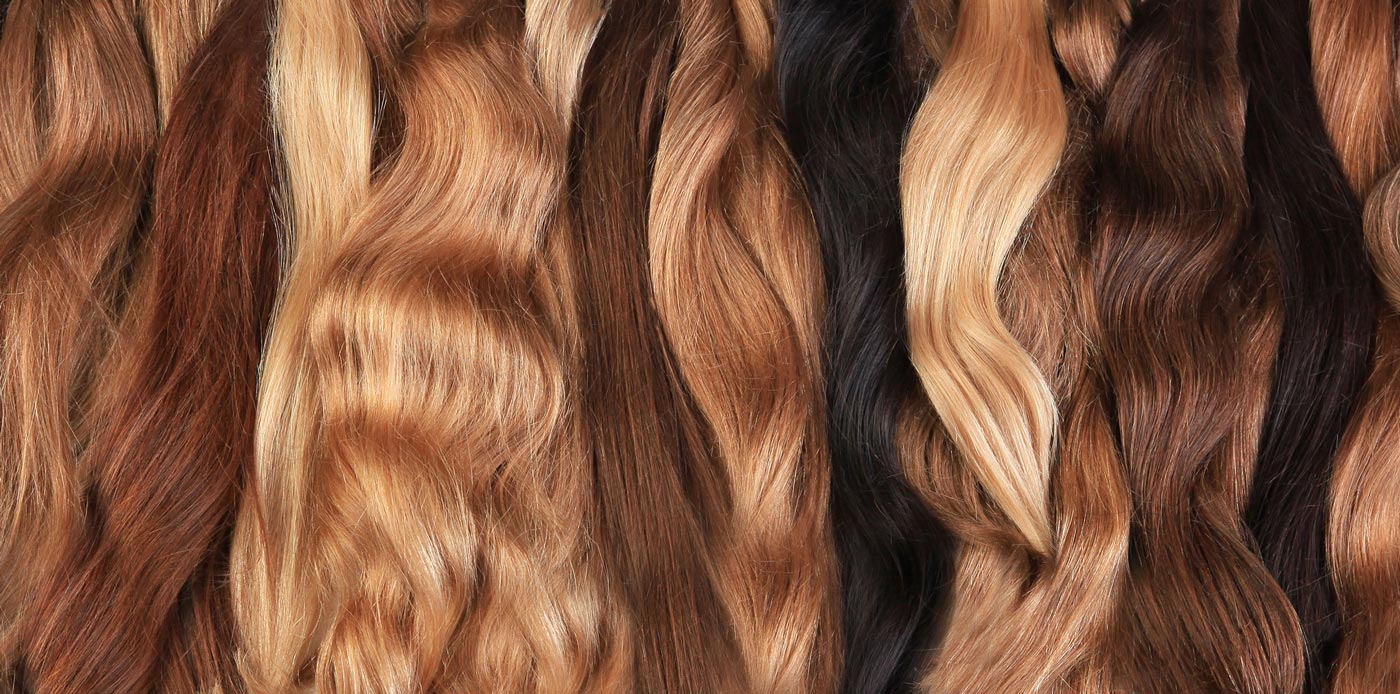
As women, we grow up yearning for long, luscious hair. We watched Disney movies full of Princesses with tresses tumbling down castle towers and we were convinced that great hair was the way to a great life.
…Then we grew up.
Having great hair is definitely a plus but we were unlikely tricked into believing this as little girls. Having flawlessly flowing locks is far from reality. Let’s talk split ends, frizz, and a lack of length, shall we? Fortunately, we also grew up in an era where a solution is always right around the corner and that solution is tape-in extensions.
What are Tape In Hair Extensions?
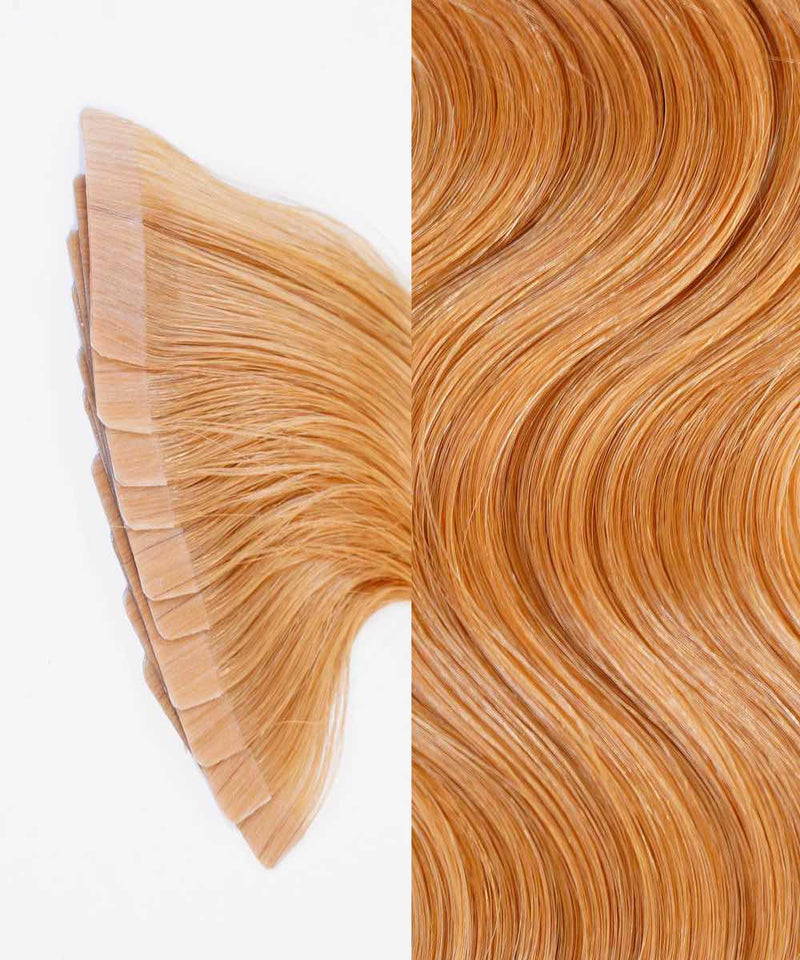
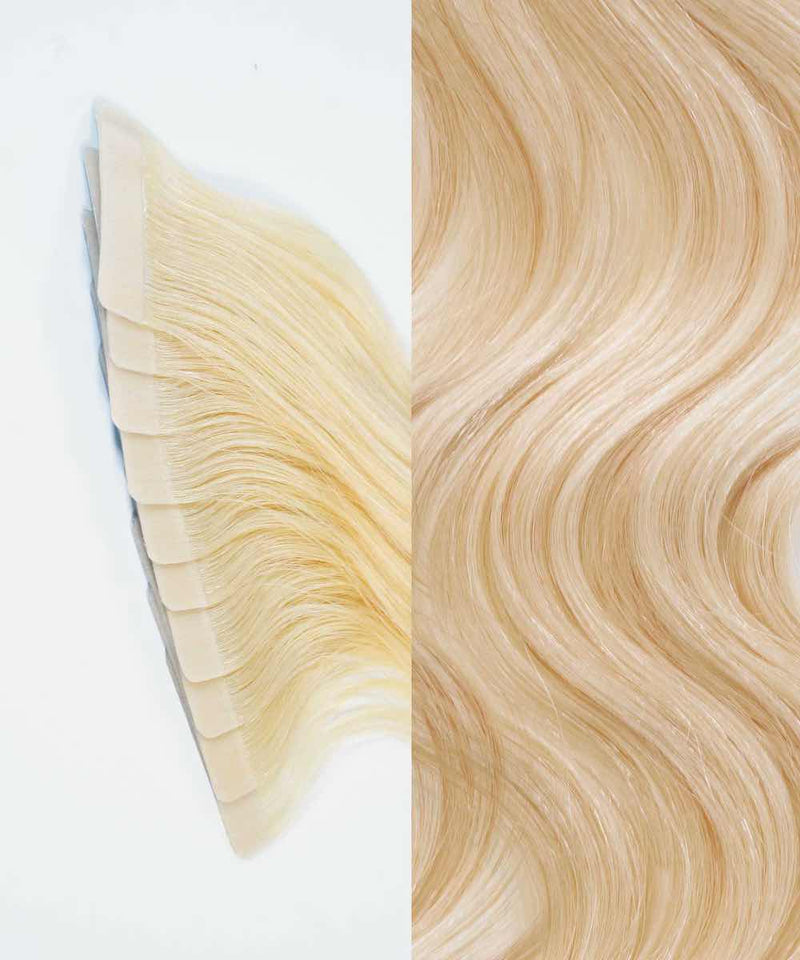
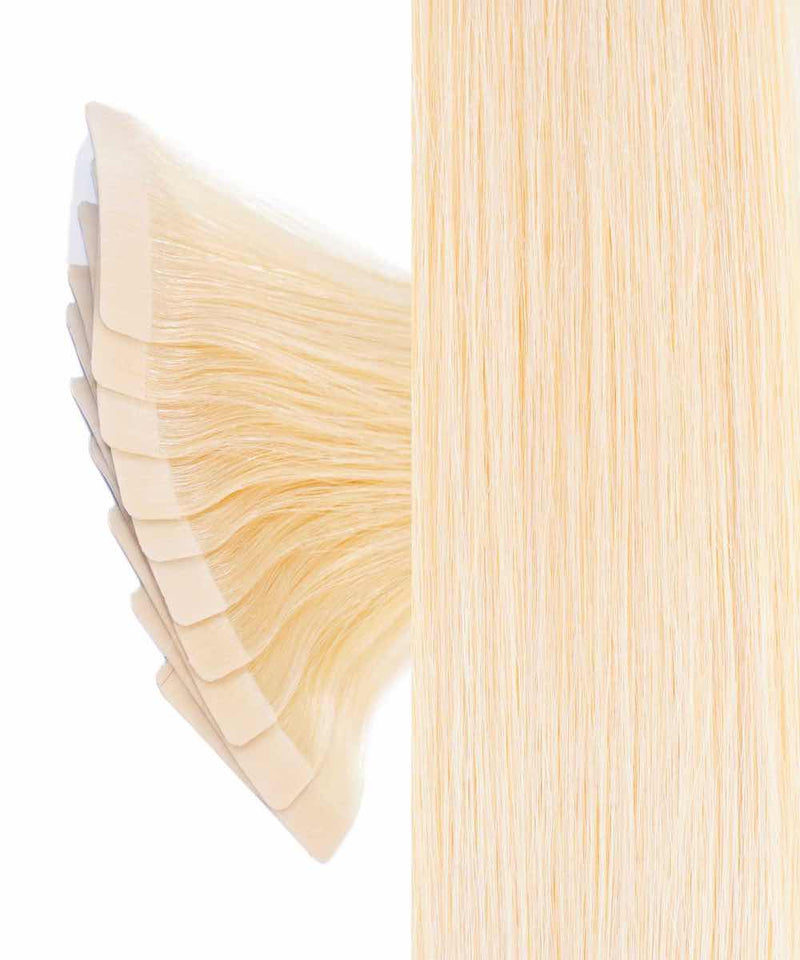
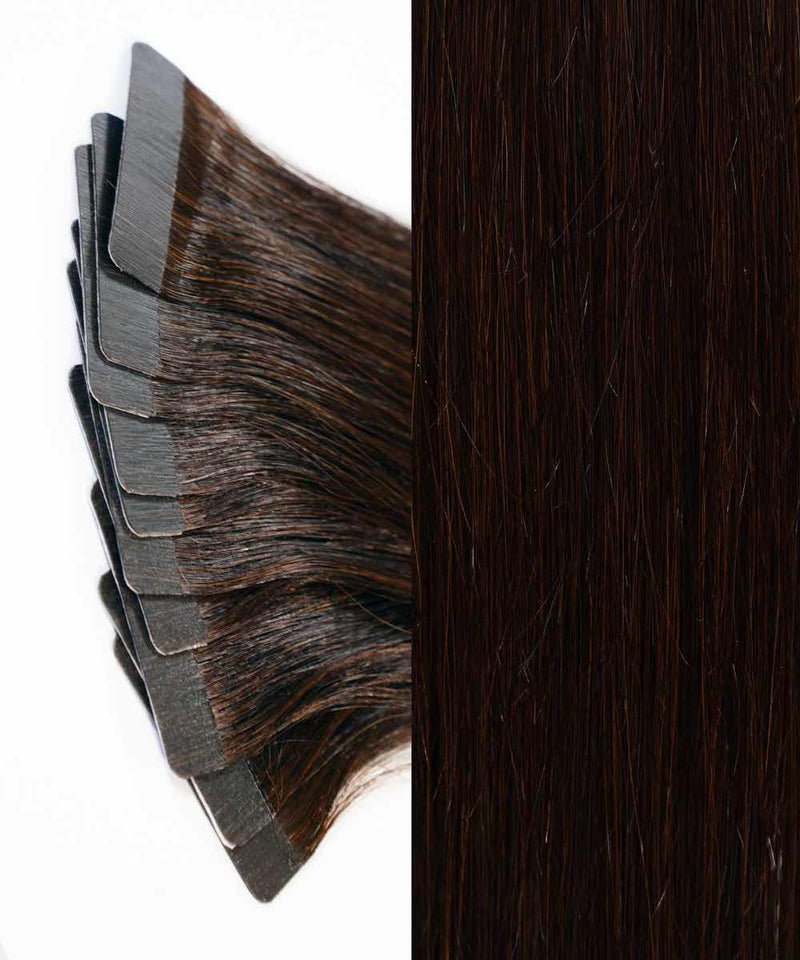
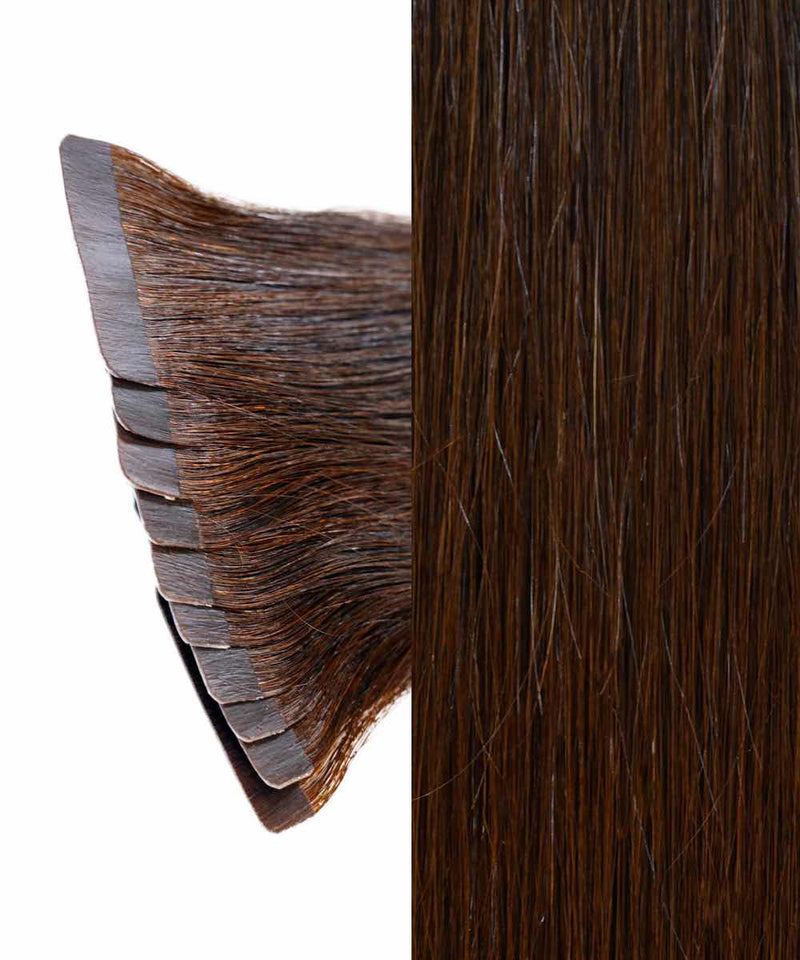
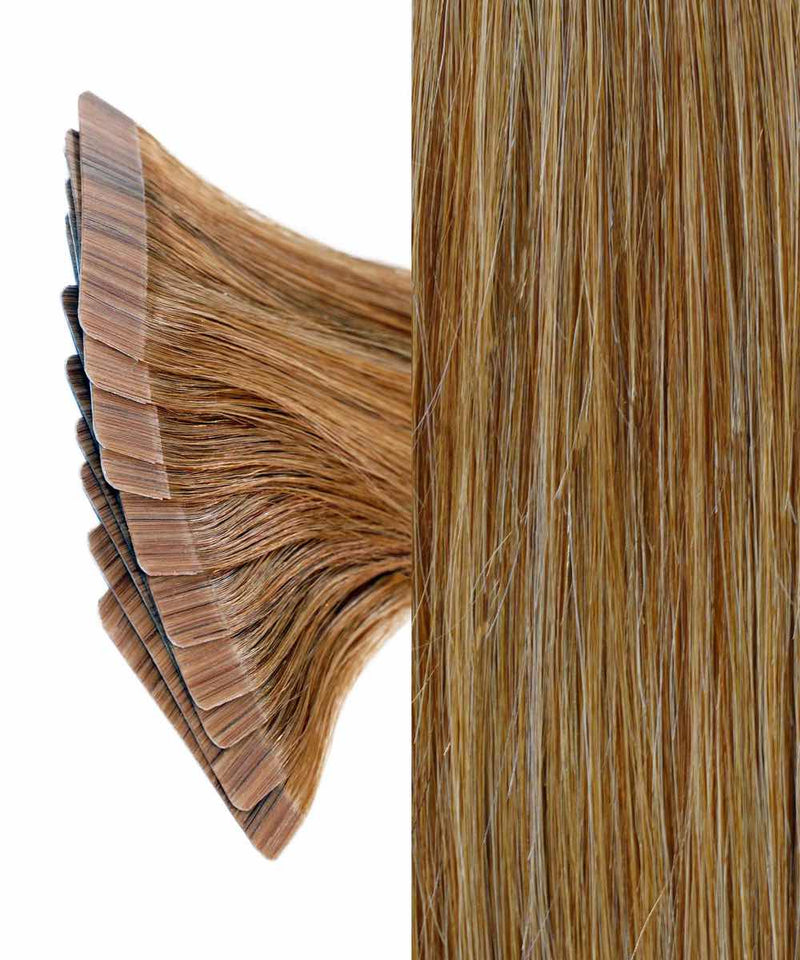
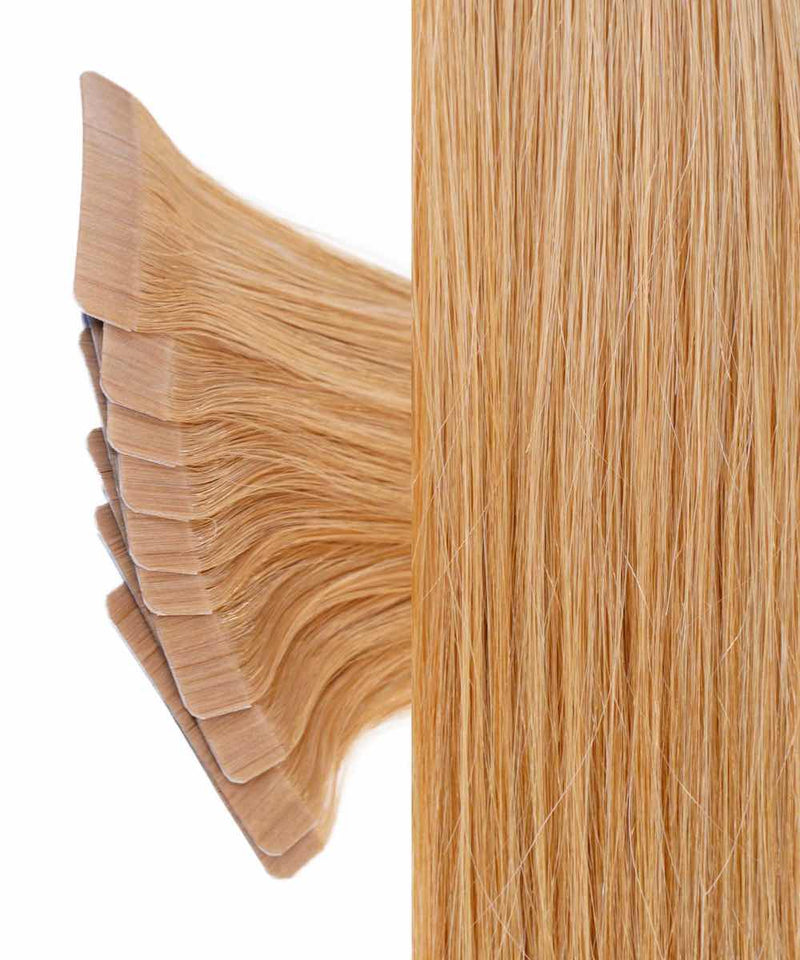
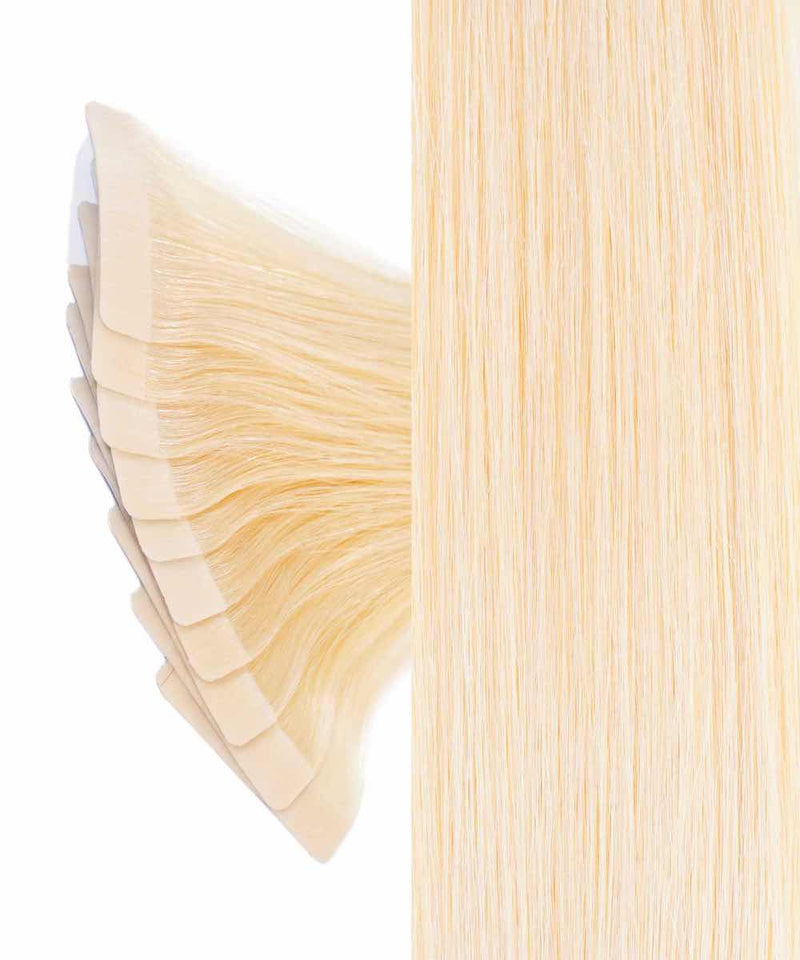
So, what are these beautiful strips of hair that have taken over the beauty industry? Tape in extensions are unlike all the rest. They’re a healthier and safer alternative to hair extensions that don’t put an abundance of stress on your scalp. Instead of sewing in strips of hair into your roots or tacking hair extensions on with some toxic glue, you’re simply sticking them on like a sticker – a really, strong, non-slip, durable sticker!
Tape in hair extensions are designed to give a natural, flawless look and feel. They’re partially-permanent, meaning you don’t have to attach them every morning nor do you have to commit to them for an entire year. They last approximately 5-6 weeks on average but with proper maintenance and hair care, you can rock tape-in hair extensions for up to two months. So, what’s the secret? We’ve got it.

Achieve Easy, Seamless Style
If you're like most people, you probably have a lot of things to do and don't have too much time focusing only on your hair. That's why tape-ins are such a great option! They are easy to use and last for weeks at a time. And, there are a few things you can do to make sure your extensions last even longer. If you're in need of the best tape-ins? Click below!
How to properly install tape-in hair extensions
Now that you have your high quality extensions, you’ll need to decide how to install them. For many women who opt to use hair extensions in adding length and volume to their hair, tape extensions are a popular choice because they are relatively easy to install. They can also last 6 weeks or more before reinstallation depending on the person’s hair growth.
Keep in mind that it is important for your tape-in extensions to be installed correctly in order to avoid damage to your own hair. For this reason, it is advisable that you have a professional stylist install your extensions for you. Your hairstylist is trained to apply your tape-ins while ensuring that they preserve your own hair. A stylist is very helpful especially if you are still new to wearing hair extensions. Just bring your high-quality tape-ins to a hair salon near you and your stylist can do the work for you.
Choosing high quality tape hair extensions
When you decide to get tape extensions that you want to last long, the first thing you need to do is to get the right hair extensions from the start. You’d want to make sure that the hair extensions you buy are of good quality. Choosing low quality extensions will only lead you to waste your precious time, money, and effort down the road.
High quality tape hair extensions have good durability but are still comfortable for everyday use. They feel light on your real hair so you don’t even notice them. If you’re looking for high quality tape in hair extensions, look no further!

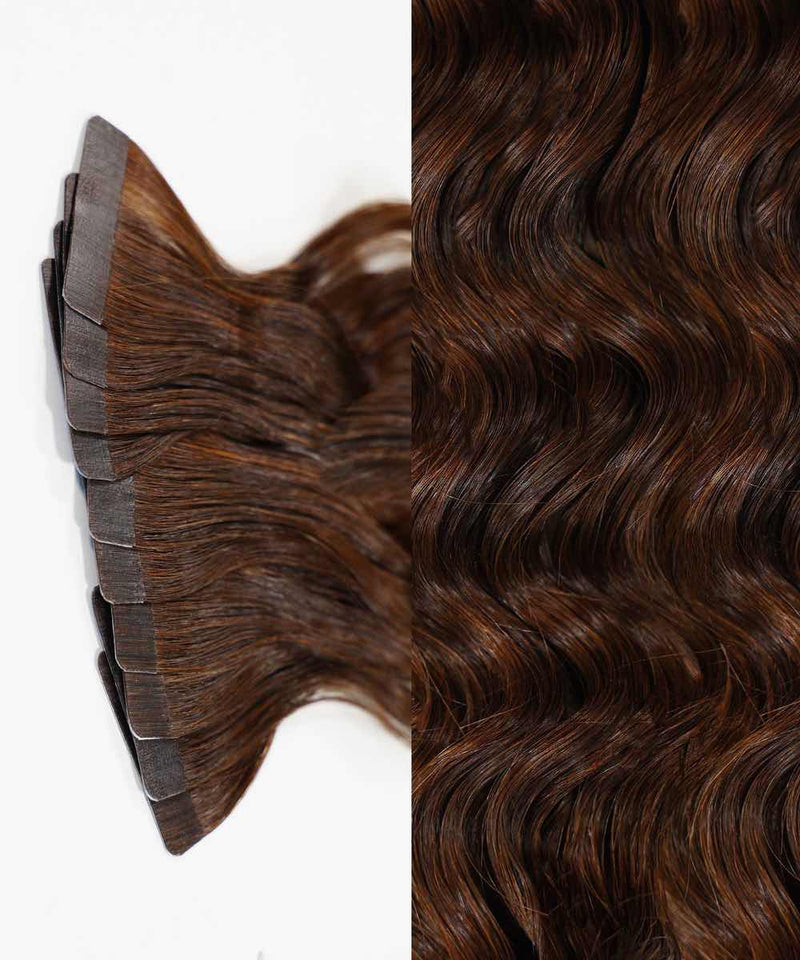
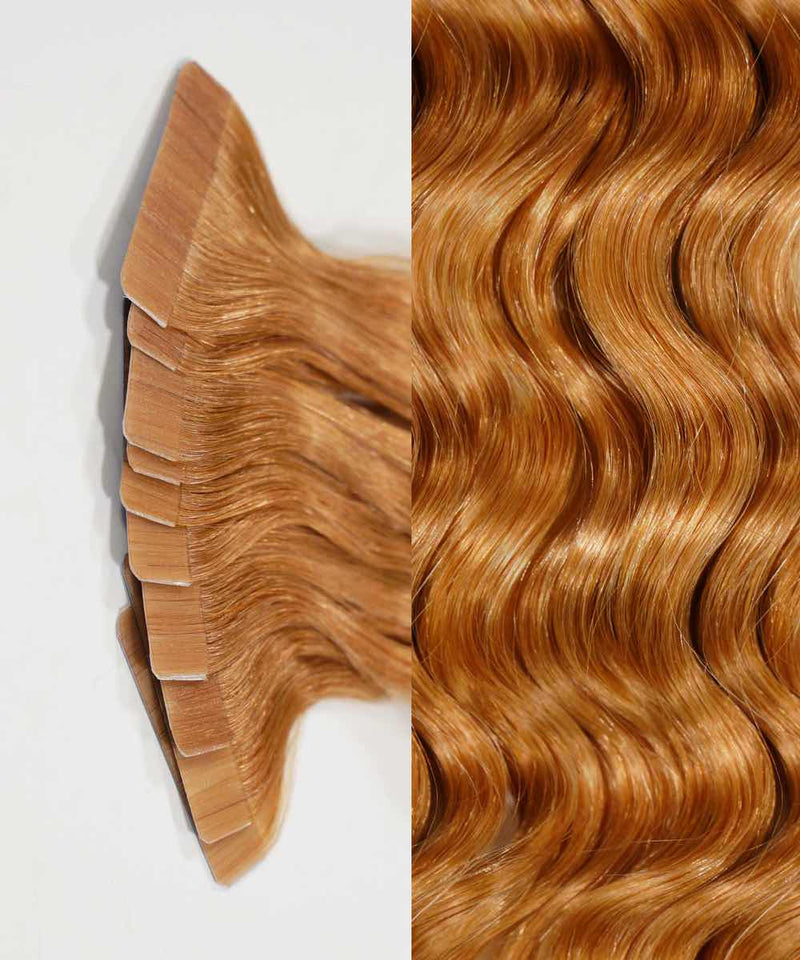
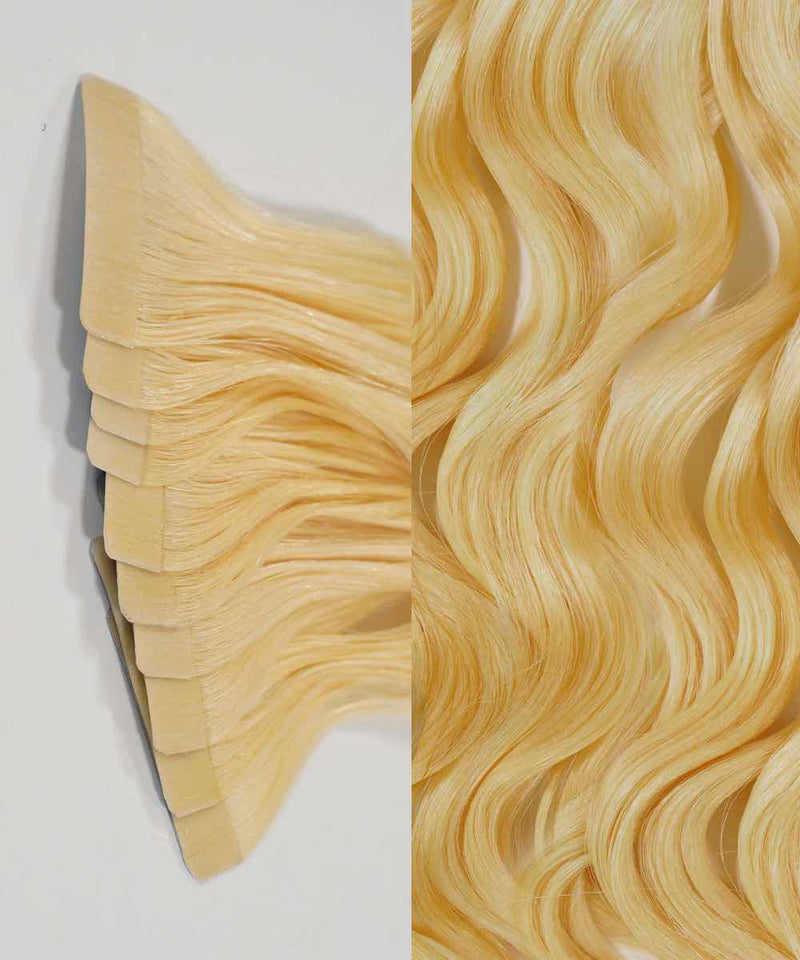
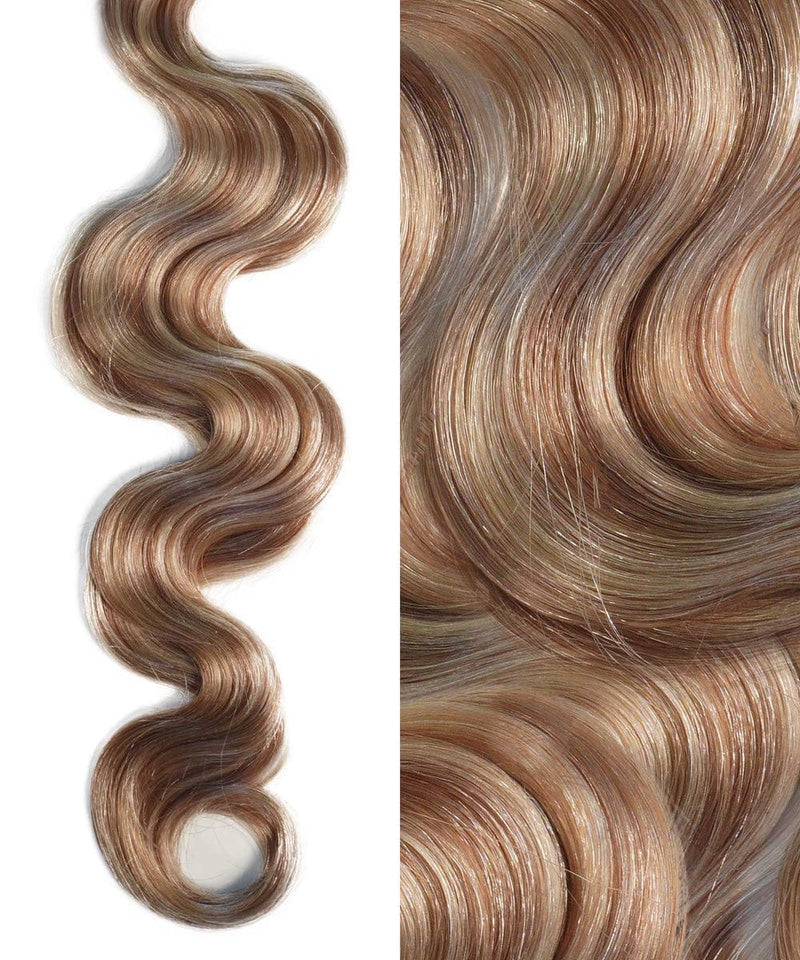
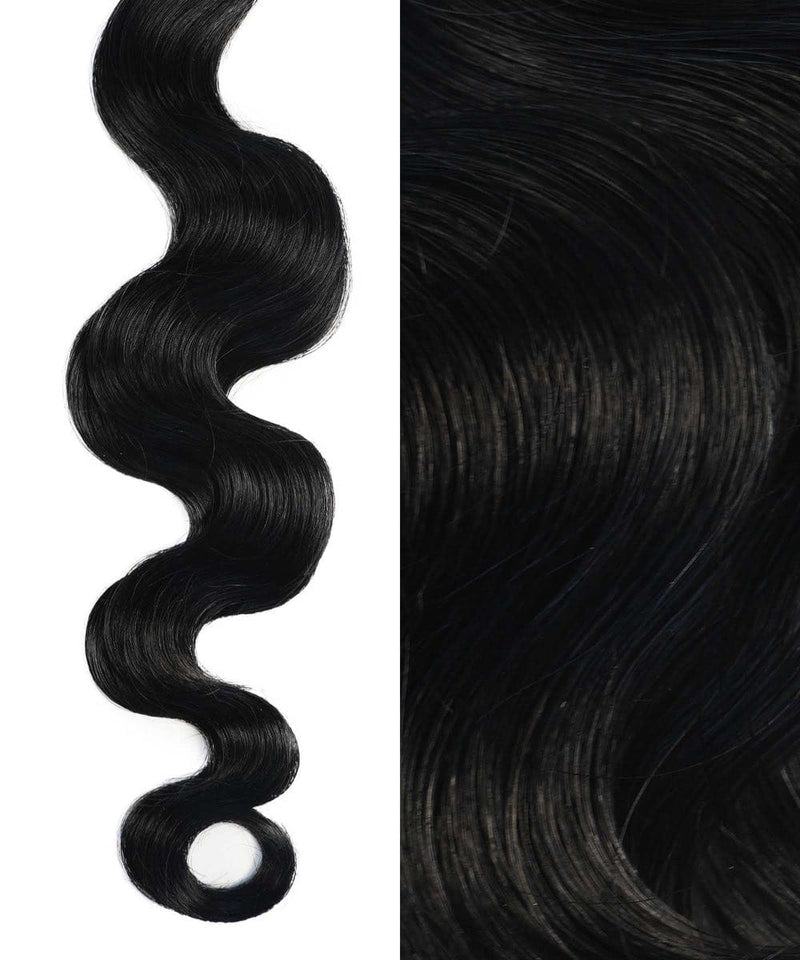
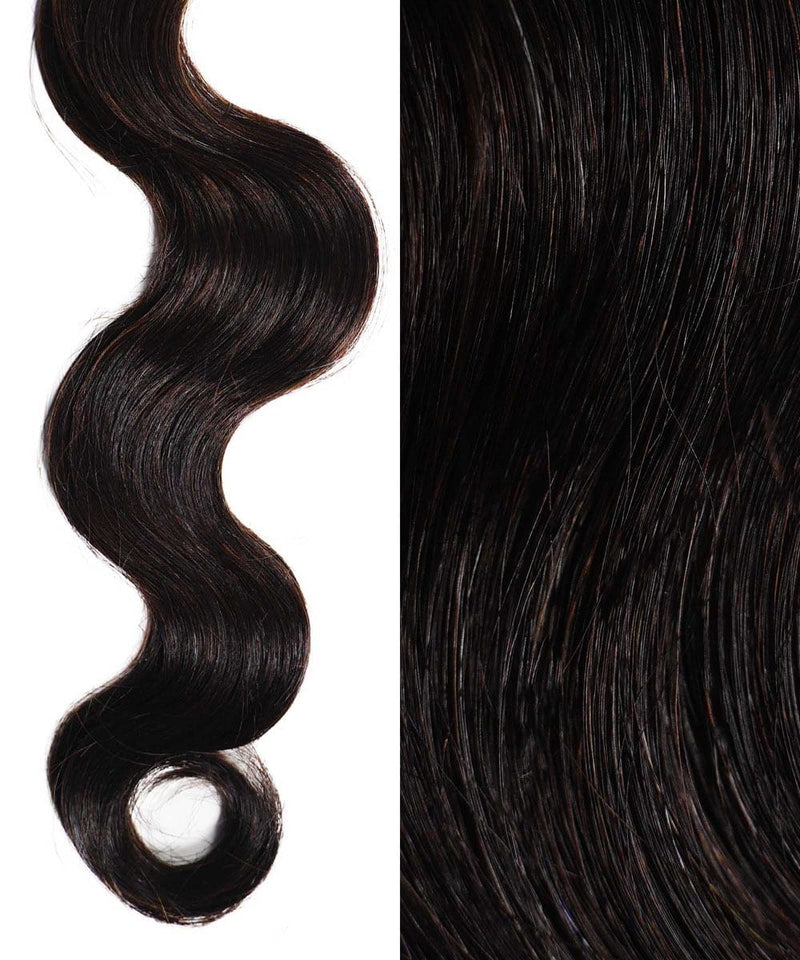
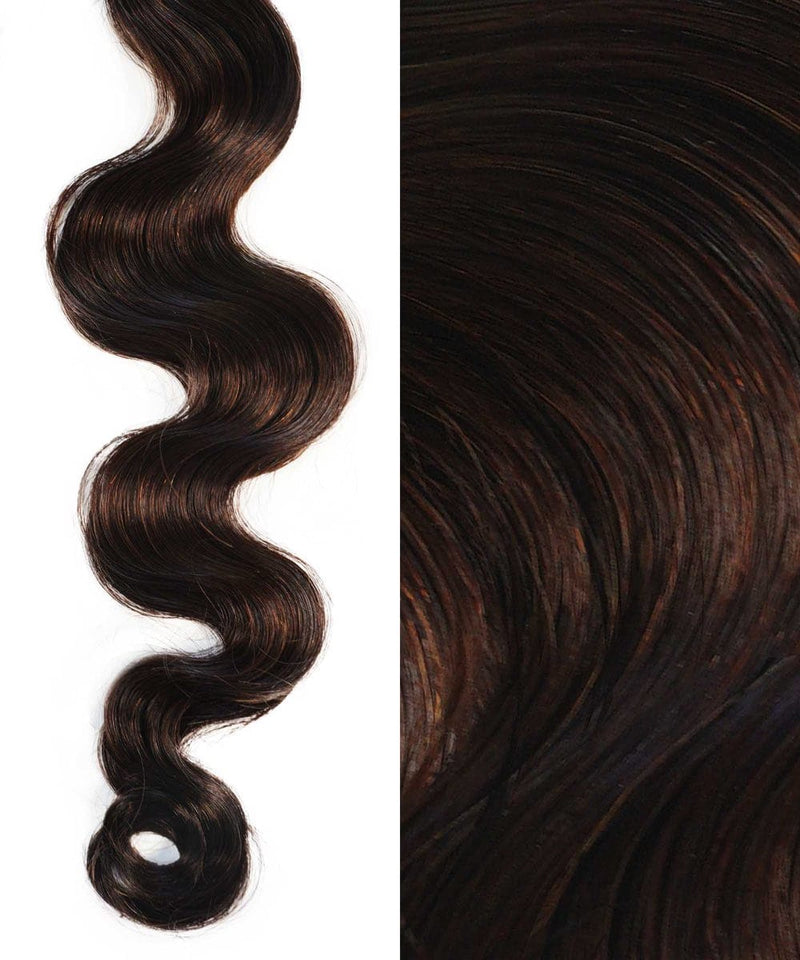
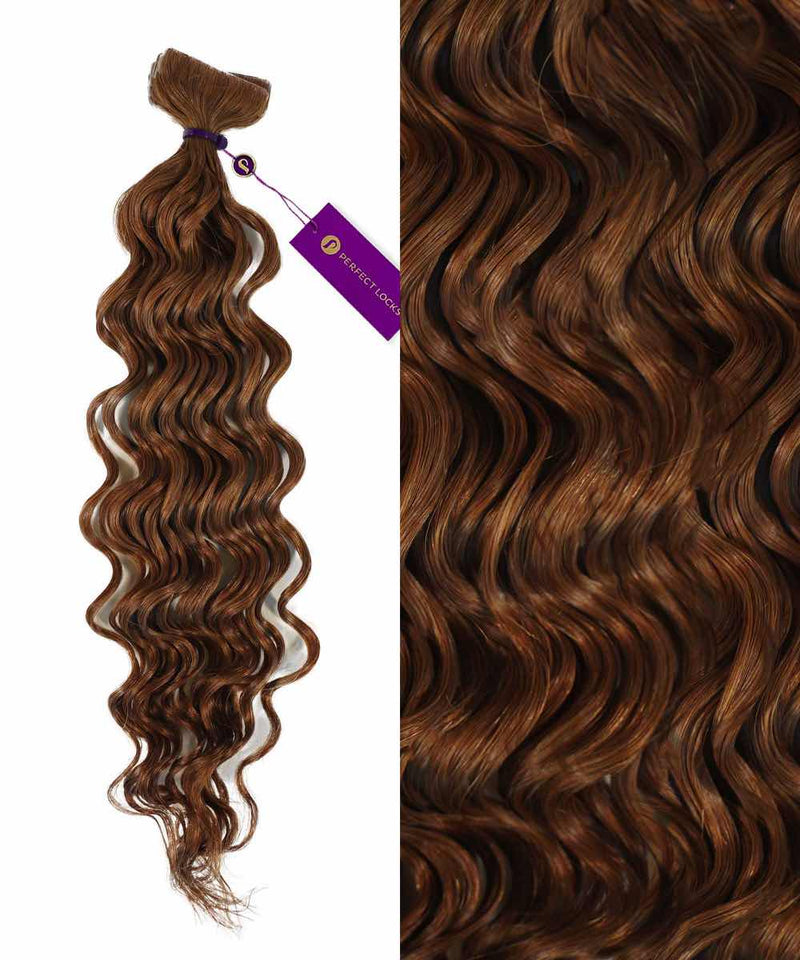
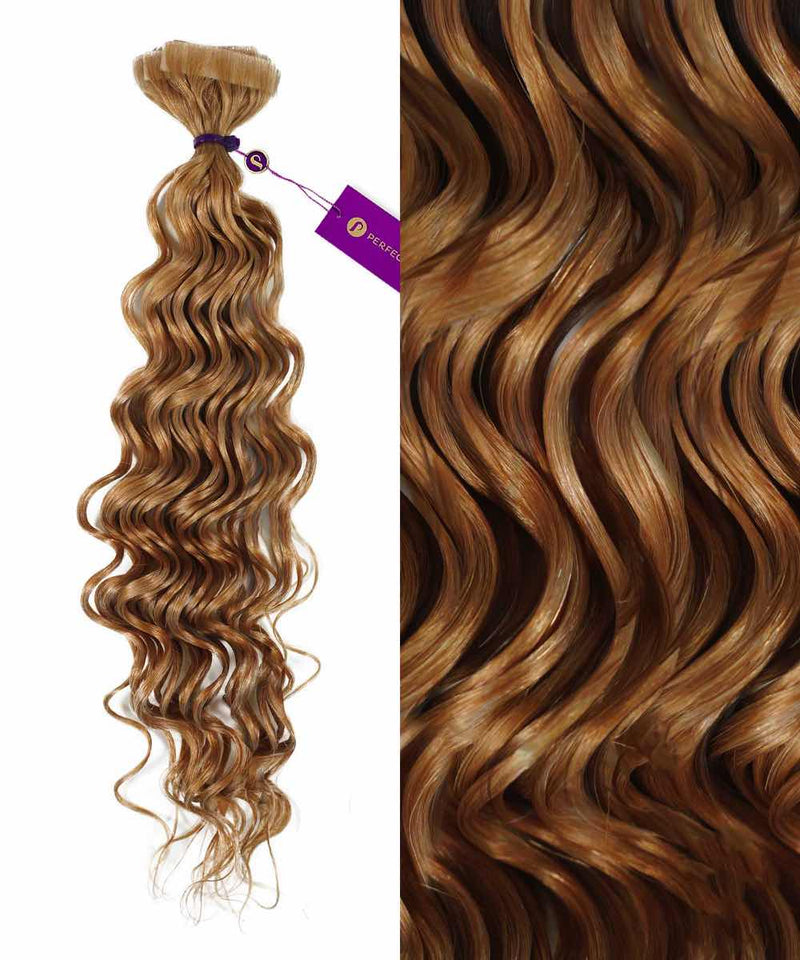
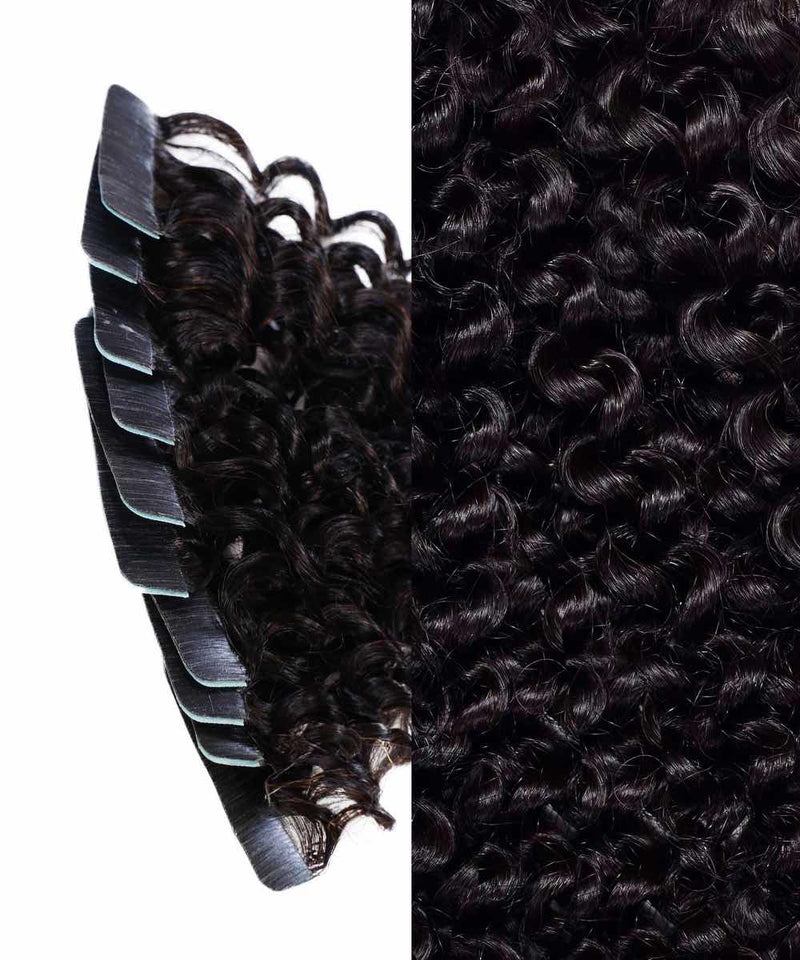
Curly Tape-In Hair

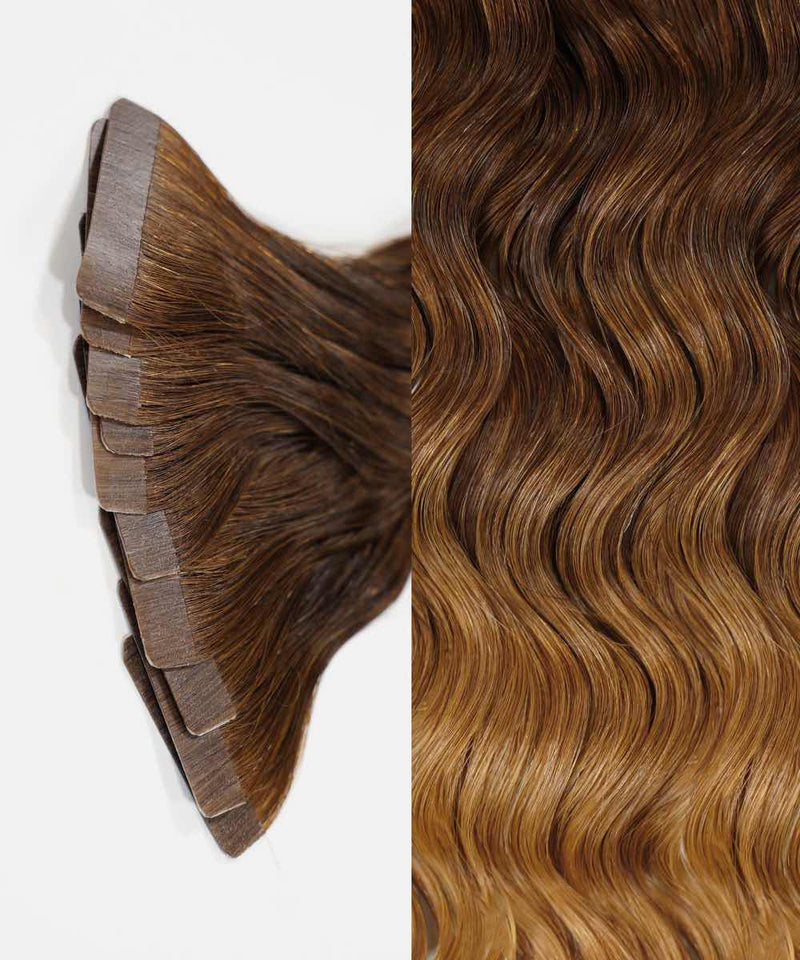
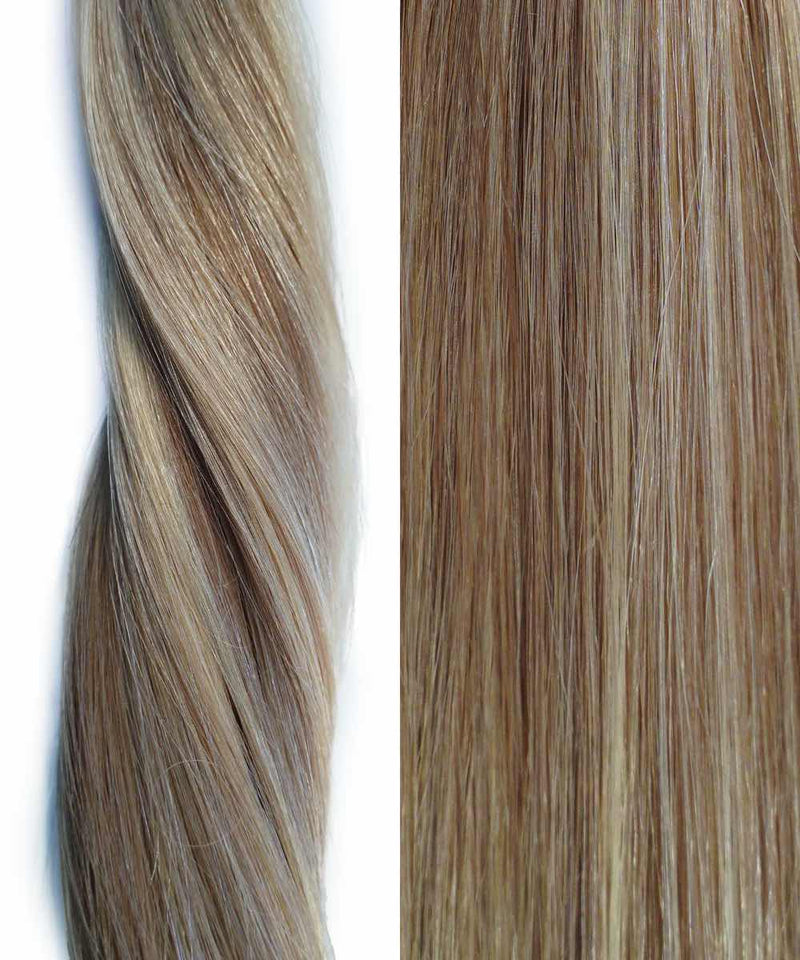
Ombre Tape-In Hair

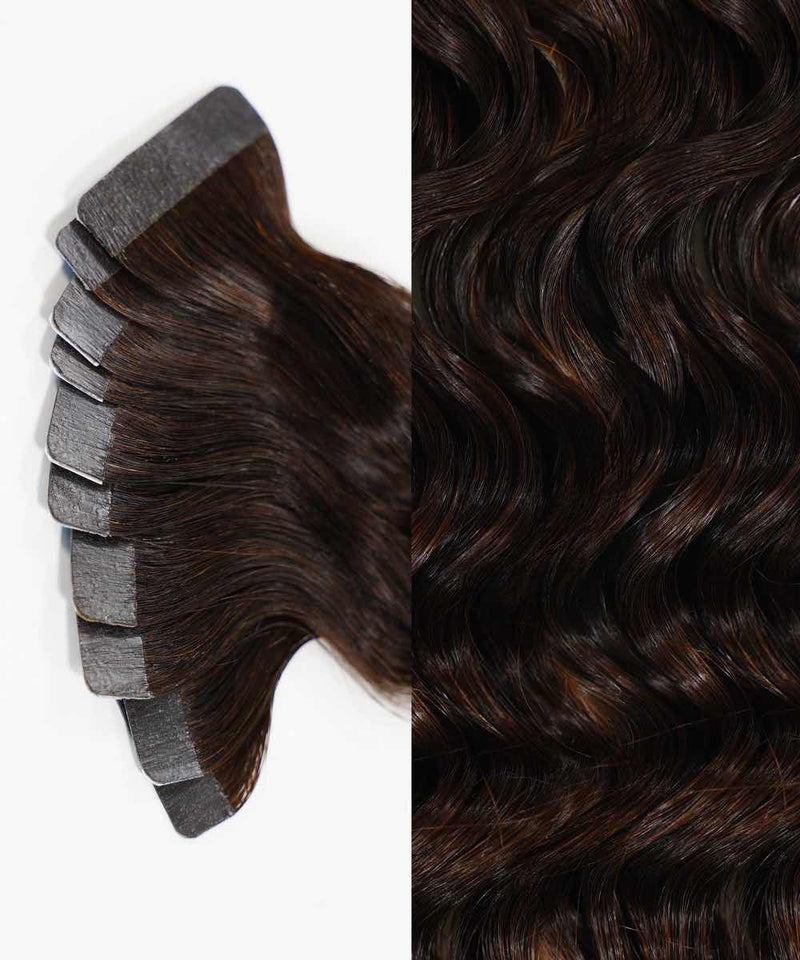
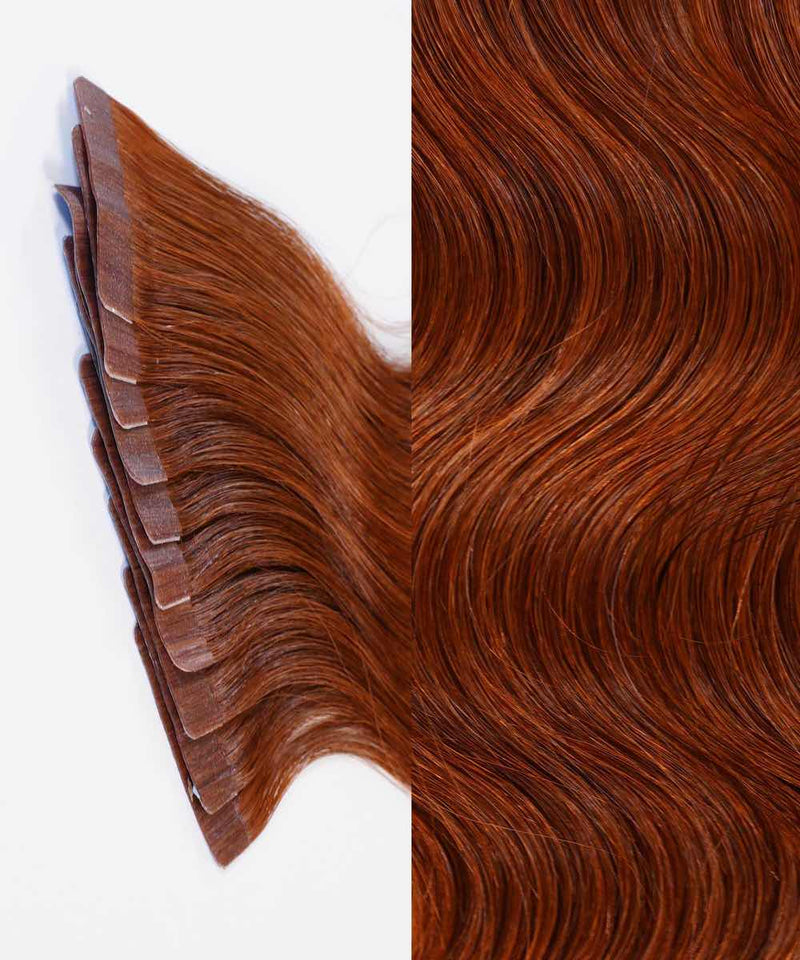
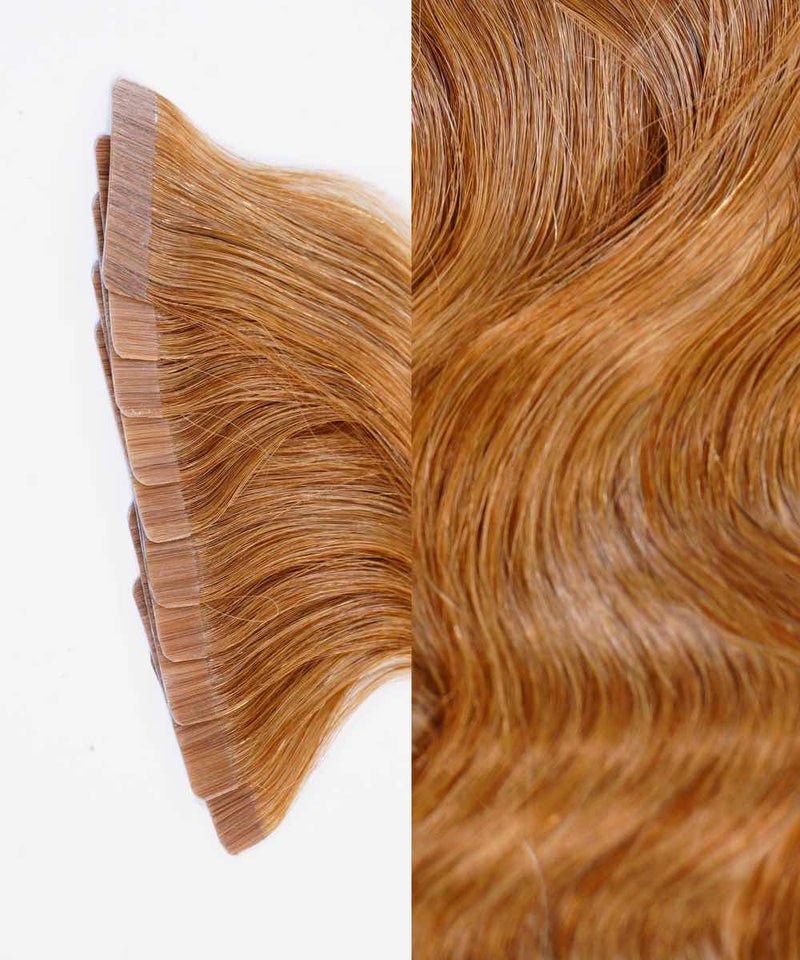
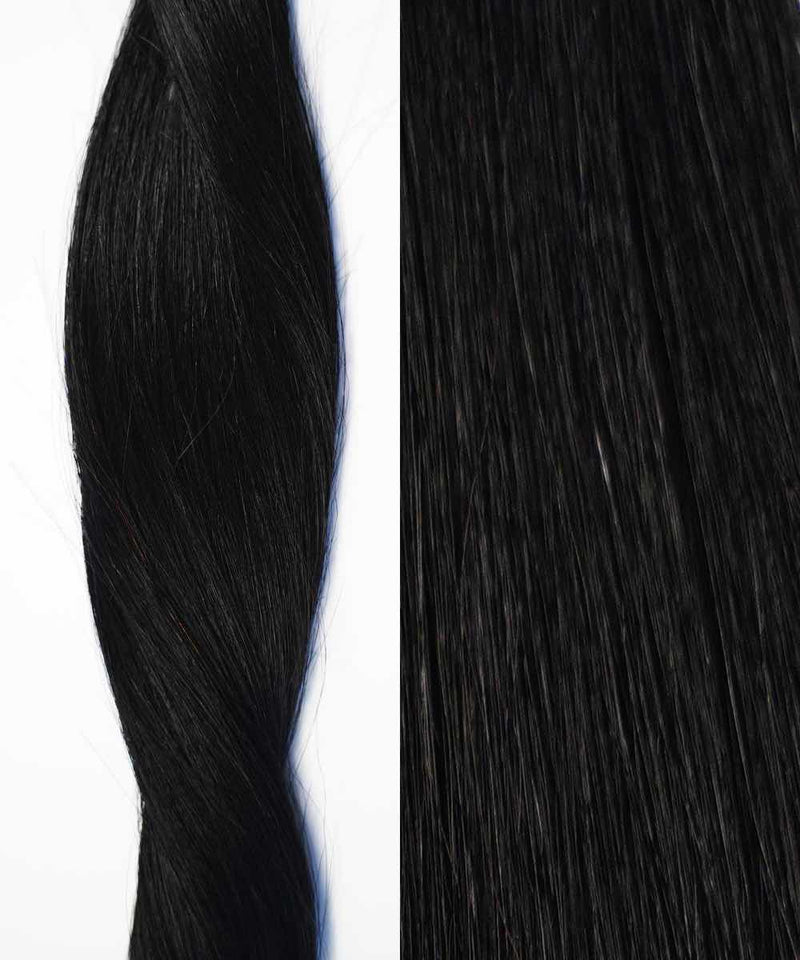
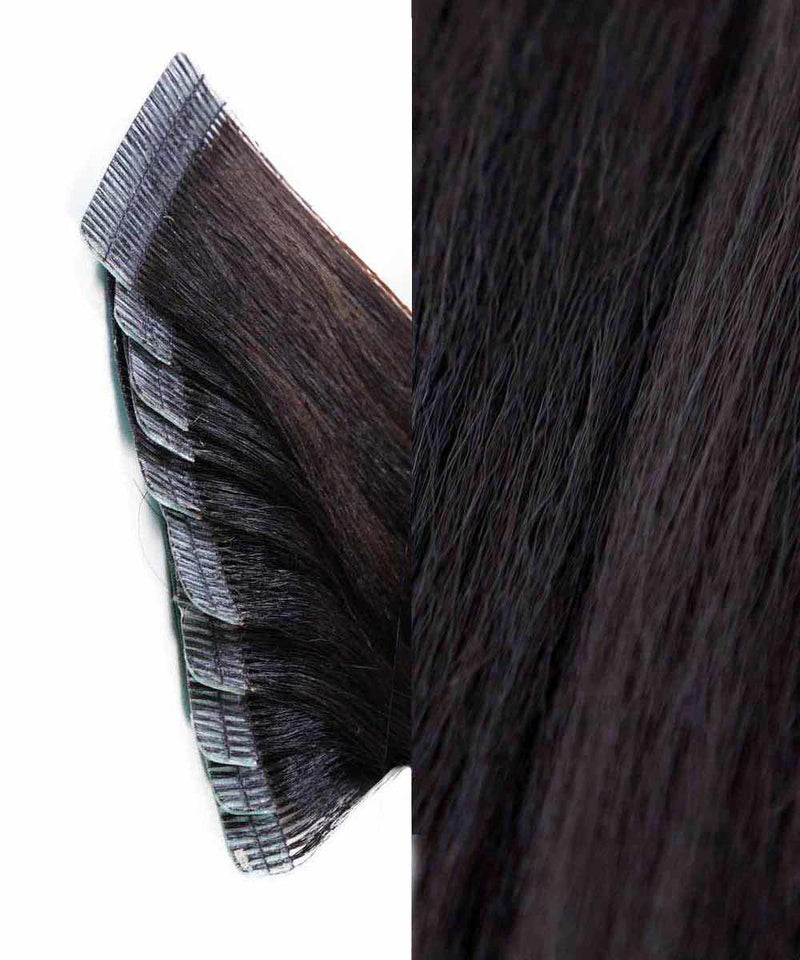
Textured Tape-In Hair
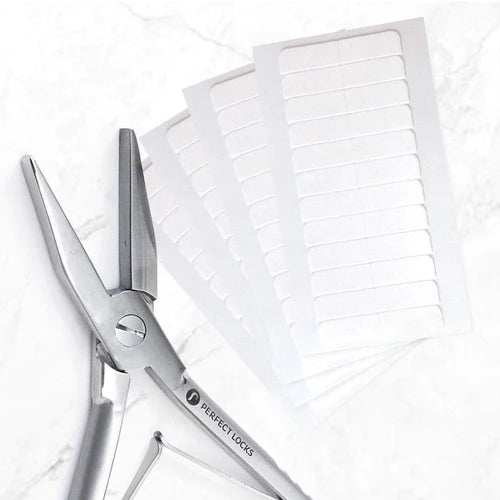
Tape-In Supplies
Everything you need to install, remove, and care for your tape-in hair extensions.
Even if you aren’t new to hair extensions, it’s still an advantage to know how to install them the right way. Here are some tips on how to do so:
Start by selecting the right tools. You will need a tail comb, some pliers, scissors, and a mirror that’s positioned well so you can see your back. You will also need to prepare a variety of hair extensions in your desired style.
You can consult with a licensed hairstylist to determine the best placement for the extensions based on your hair texture.
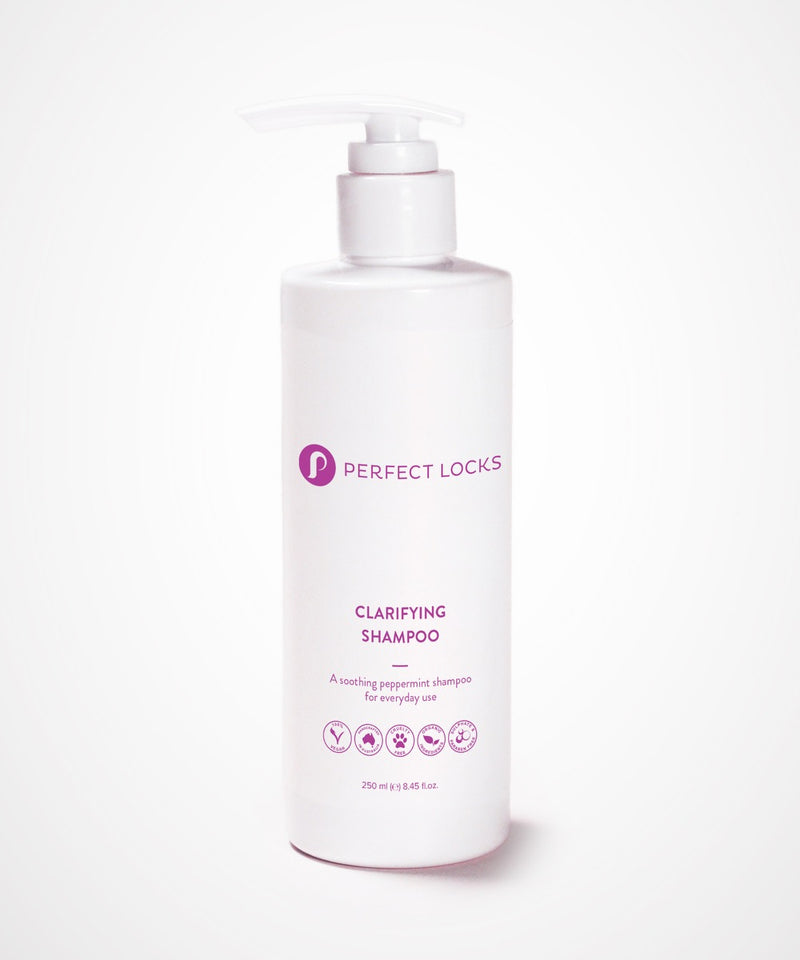
Wash and dry your hair. Since you will be using adhesive to stick your extensions, it’s important to have your own hair clean from any oils and dirt. You can use a clarifying shampoo for hair extensions to clean your locks before applying your tape-ins.
Part your hair in horizontal sections to give way to where you want to apply the tape. Use your tail comb and your handy mirror to create a seamless section of hair.
Peel the adhesive seal attached to your extensions. Then, using the pliers, carefully attach the extensions to the sections of your natural hair. You can create a “sandwich” by placing your extensions above and under your parted hair. Note that the tape-ins are usually 1.5 inches wide. Be sure not to put the tape too close to your hair roots since this can lead to excessive pulling and breakage of your real hair.
If you want a stronger hold, you can use a hot iron to apply heat briefly to your extensions. However, it’s good to note that many people find applying heat as unnecessary, especially if you already have great quality extensions on hand.
Repeat the steps above as you work your way up in sections and in the sides of your head. Do this until you reach your desired hair volume.
Finally, use the scissors if you want to trim any excess tape in extension material for that perfect blend of extensions and real hair.
Now that you know the proper steps to install tape-in extensions, you can probably see why it’s best to have your hairstylist do it for you. Installing the weft on your own can take a lot of time to make sure that you’re doing it right.
With the proper care and installation, tape-in hair extensions can help you achieve the look you desire without damaging your natural hair.
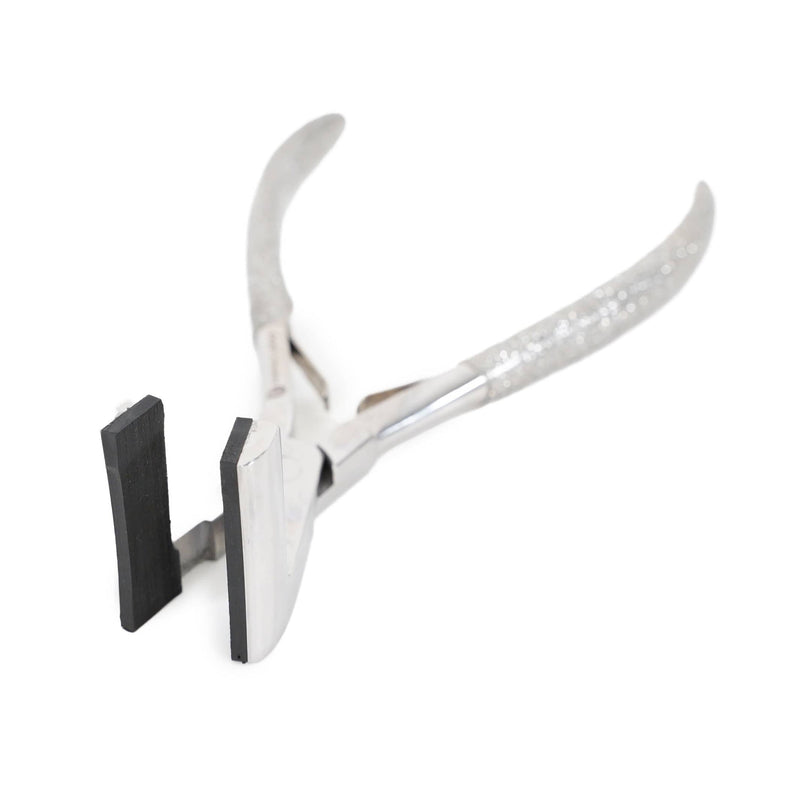


Tape-In Hair Extension Pliers (Upgraded Version)
Perfect Locks HQ
635 Ygnacio Valley Rd
Walnut Creek CA 94596
United States

How long can tape-in hair extensions last?
If you take care of them well, tape-in hair extensions will last around 6 to 8 weeks (2 months) before you will need to have them removed, re-taped and reapplied by your hairstylist.
A visit to your hair salon is needed at this point because you'll need to re-adjust your tapes as your hair has grown. Your hairdresser will need a pack or two of high-quality replacement tape to compete the reinstallation process. Needless to say, with proper maintenance and hair care, you can enjoy your tape-in extensions for a few more days or weeks, even.
Here are other tips to follow to ensure that your tape-in extensions can last longer:
1. Wash Your Hair Before Installation
Before the installation of your tape-in extensions, shampoo your hair with a clarifying shampoo. This will enable a clean installation of your tape bonds, ensuring that they are not affected by any chemicals, oils, or buildups. We wouldn’t want to make mistakes from the very beginning.
2. Don't Wash Your Hair Right Away After Installation
After getting your tape-ins installed, it is recommended that you wait 24 hours to 48 hours before washing your hair. This will enable the tape bonds to settle and bond to your hair, so that your extensions won’t easily fall off.
3. Brush Your Tape in Hair Extensions Properly
While brushing your hair seems like such a simple, mundane task, it’s actually much more elaborate than you may think. This is especially true when wearing tape in hair extensions. Here are some things to remember the next time you brush your tape in tresses:
Brush your extensions at least twice a day (morning and night).
Brush your hair before the showering as it becomes weaker when wet. It also helps remove any tangles which will make it easier to bathe.
Remember to always brush from the bottom up to deter tangles, pulling, and stress.
Always use a hair extension brush as it uses loops to gently glide through your hair, which will prolong the life of your extensions.
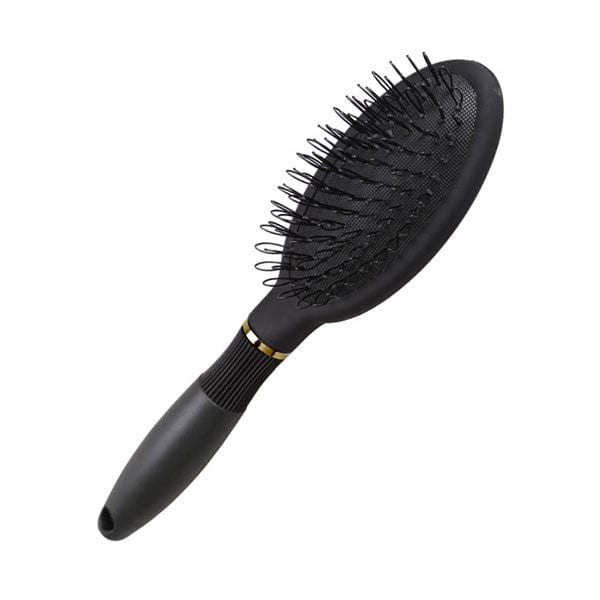


Hair Extension Loop Brush
Perfect Locks HQ
635 Ygnacio Valley Rd
Walnut Creek CA 94596
United States
4. Don't Wash Your Hair Everyday
It is not recommended to wash your hair everyday. The natural oils your scalp produces are removed from your hair when you over wash them. We recommend washing your hair for only twice or thrice a week. Since you're massaging and scrubbing near the tape bonds, it may also cause the tape to loosen, so make sure to be gentle.
When washing your hair, tilt your head backwards in the shower and let the water just run through your hair. This will lessen the chances of your hair getting tangled while washing.
5. Use Of High Quality Products Are Important
It’s not just brushing that could make your tape-in hair extensions last longer. Let’s not forget about this one as it is very important. Using the right and high quality products can make your extensions look beautiful and extend its lifespan.
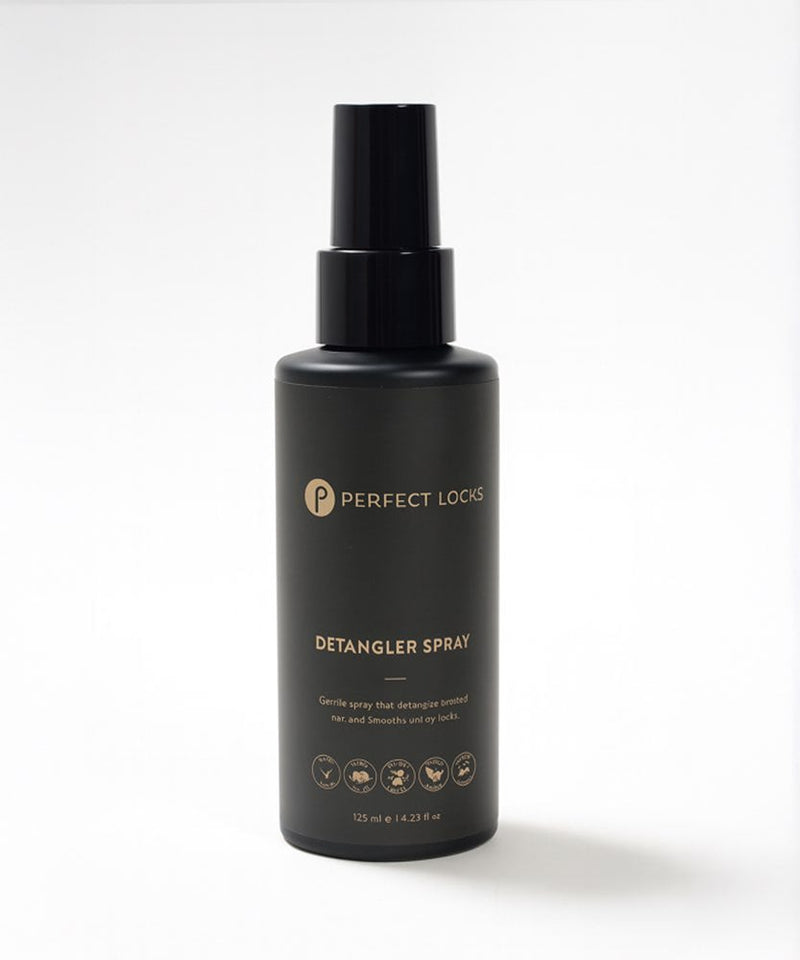
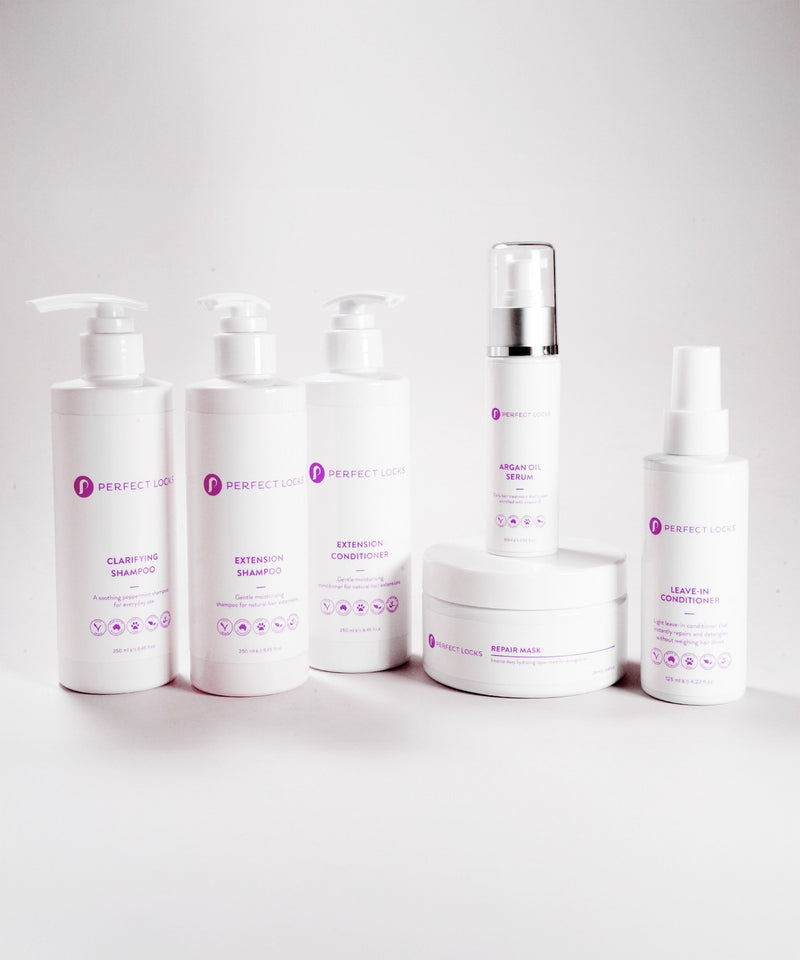
Make sure to use sulfate-free shampoo and conditioner to avoid damaging the hair and extensions. Using regular products can dry the hair as it can strip moisture and natural oils of the hair which could lead to damage.
Use a leave in condition to deter tangles.
When using conditioner, condition from the mid-shaft down to the ends only.
Do not use conditioner on your scalp as this could loosen the grip of your tape bonds.
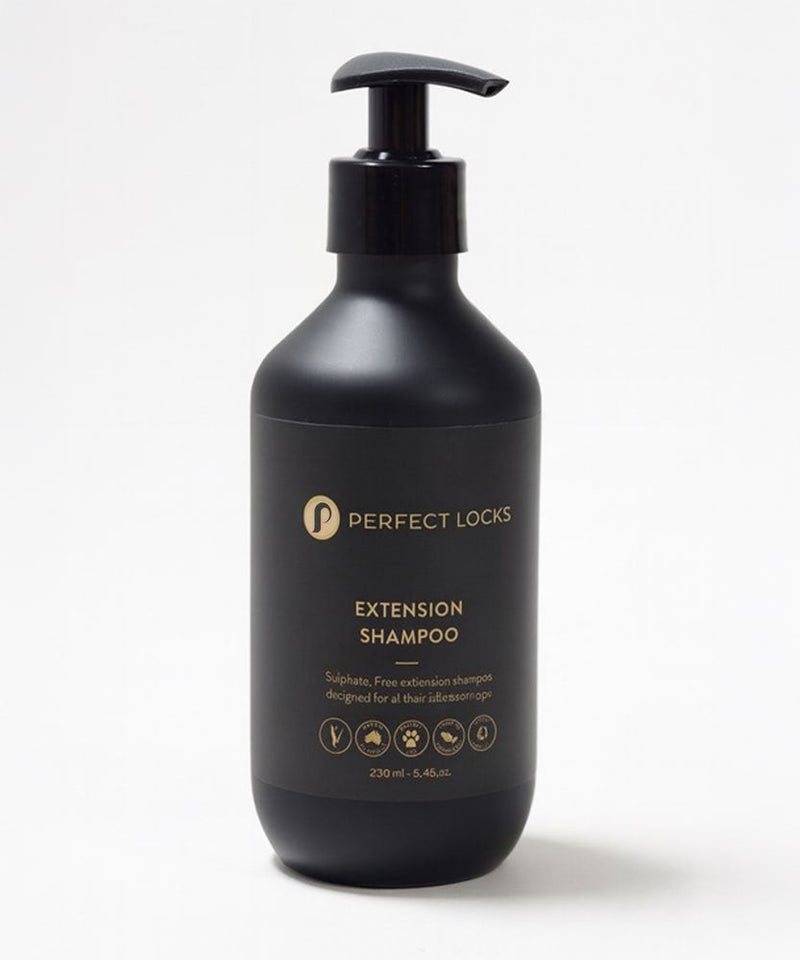
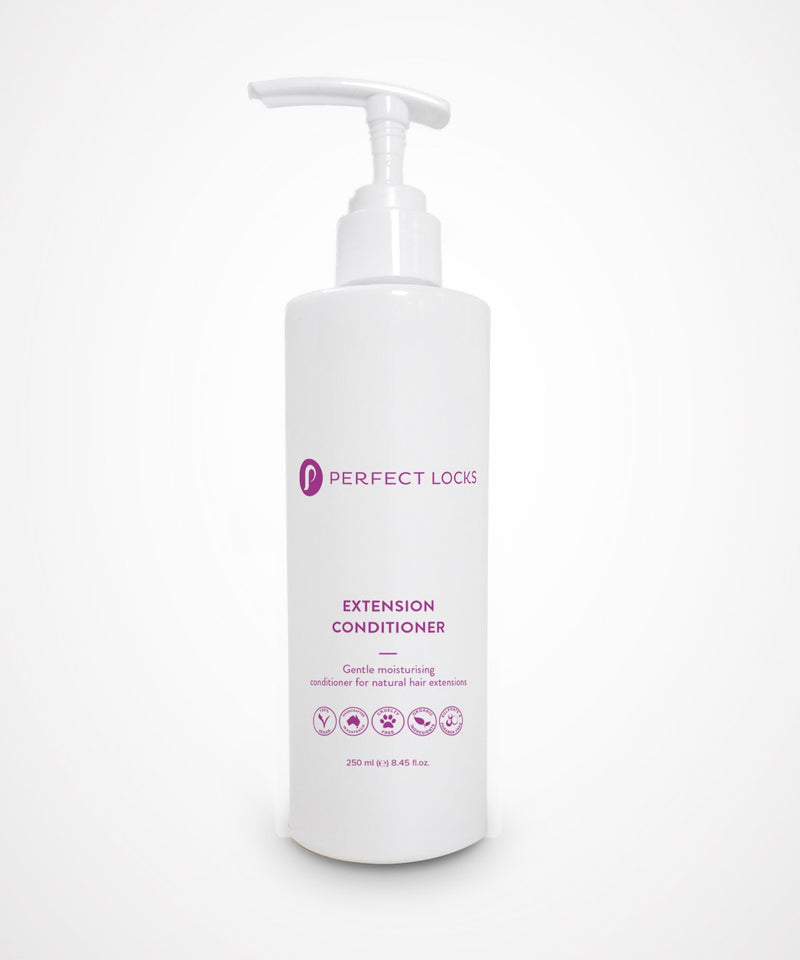
6. Never Sleep With Wet Extensions
Ensure to dry your hair and extensions before going to bed. It is never a good idea to sleep with wet hair extensions because it is possible to harm both the roots of your natural hair and the extensions. When they are wet, your hair and the tape's adhesive can both become quite fragile.
7. Brush Before Sleeping And Tie Your Hair Up
Tape in hair extensions are not like clip-ins. They stay in for up to 6 weeks or even more, so don't pick, poke or prod them at the end of the day.
Make sure to lightly brush your hair to get rid of any tangles before going to bed. After that, style your hair or put your hair up in loose braids, pigtails, or a loose ponytail. This will protect your extensions and keep them from tangling and pulling while you're sleeping, relieving stress or pressure on the hair.
You can also use a bonnet or silk pillowcase if you want to make sure your hair and tape-in extensions don't become tangled or frizzy.
Perfect Locks’ Satin-Silk Pillowcase protects your hair extensions from tugging while you are on your beauty rest. Shop now to feel the difference of 100% ultra soft satin-silk!
8. Avoid Excess Use Of Heat Styling Tools and Styling Products
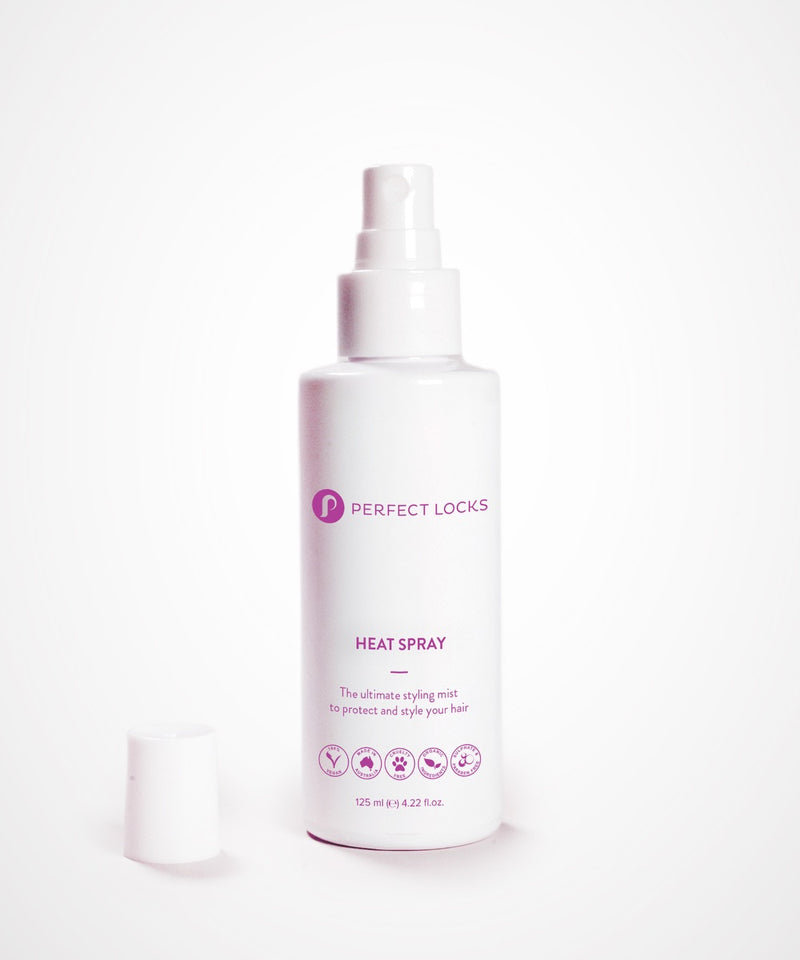
When styling your hair using heated equipment, be sure to exercise caution. Use a thermal spray protectant first because flat irons, curling irons, and other heat styling tools can melt the tape-in adhesives and potentially harm hair. Avoid using a blow dryer since it can damage or melt the adhesives, which would cause your hair extensions to fall out. Additionally, heat can often damage your hair, so use it carefully. After taking a bath, let your hair naturally air dry rather than using a blow dryer.
You should avoid using any styling products that contain alcohol or sulfate as they can weaken the adhesive bond.
Avoid rubbing oil products to your roots or scalp. Scalp oils can also loosen the tape bond if used too heavily or too often. If you do want to apply serums or oils to keep the shine of your extensions, limit applying them on mid length up to your hair ends.
You can use leave-in conditioners to help keep your hair from tangling and frizzing, and prevent split ends. However, similar to serums, it’s best not to apply conditioner to your scalp since they can weaken the tape.
If you're going to be using curling or flattening iron, ALWAYS use a heat protectant spray. When you use heat often, it shortens the lifespan of your extensions.
9. Apply Natural Oils
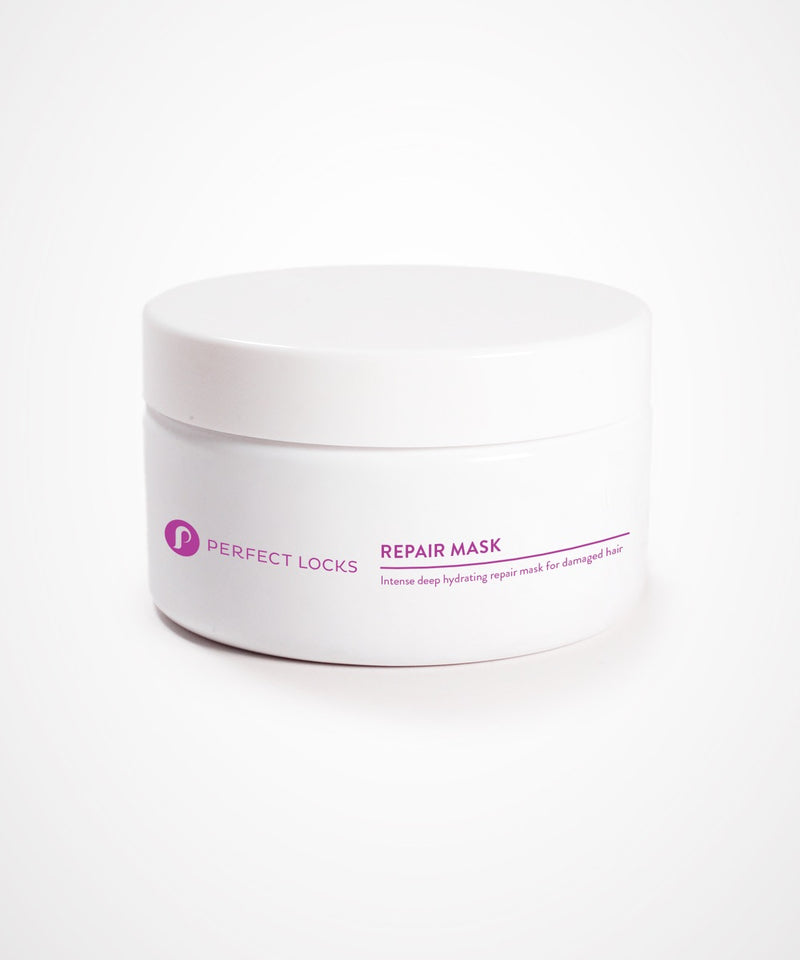
Extensions do not receive the nutrients and natural oils that our scalp produces that maintain the moisture and hydration of our natural hair. You can use natural oils like argan, coconut oil, and macadamia oil to restore moisture and maintain the quality of the extensions. Apply them halfway between the middle and the ends, keeping them away from the roots.
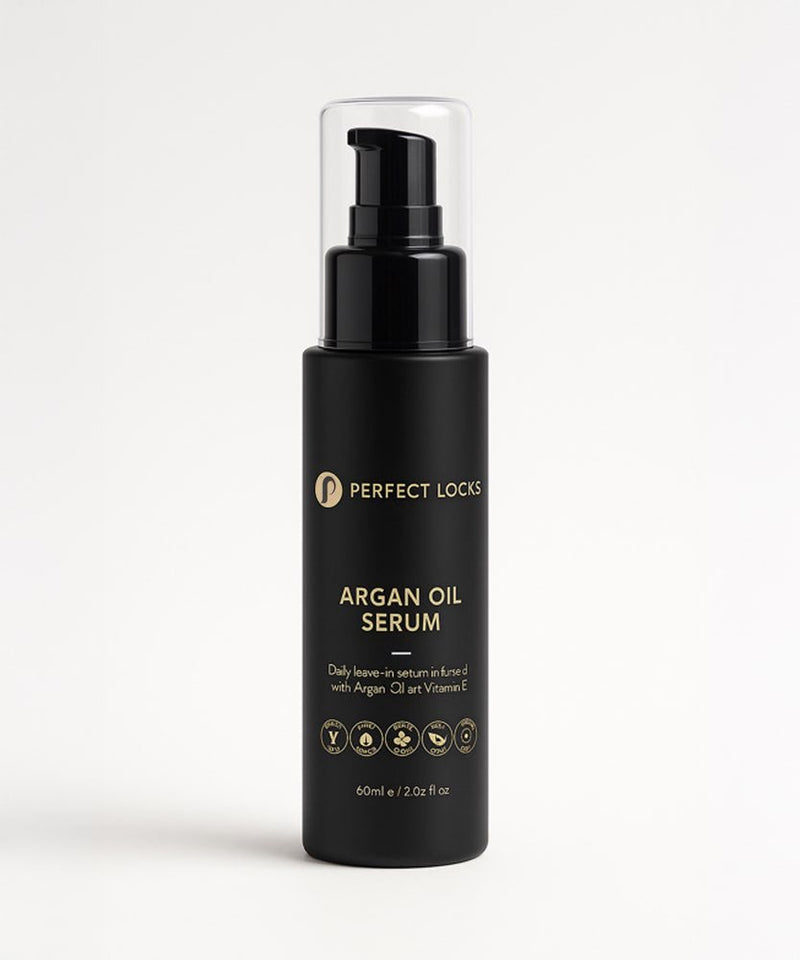
Perfect Argan Oil Hair Serum
Perfect Locks HQ
635 Ygnacio Valley Rd
Walnut Creek CA 94596
United States
10. Don’t Color Your Extensions On Your Own
Although hair extensions can be colored, it is not advisable to dye them yourself. If you intend to do this, be sure to seek professional assistance. Never use bleach or lightener on hair extensions; this cannot be stressed enough. Don't go more than two shades darker when adding color. To see how the hair would look with a new color, always start with a test strand.
11. Maintaining Your Tape-In Hair Extensions
If you want to make your extensions last longer, there are some things you can do to touch them up along the way. After all, your hair isn’t going to stop growing, so the longer you have your tape in extensions, the more touch ups you should be doing.
- Visit your hairstylist to reapply tape strips when extensions grow away from your roots every two to three months.
- Make sure to use high quality products for your hair and extensions.
- If you want to maintain your hair looking lovely and healthy over time, make sure you follow the aftercare instructions your hairstylist will provide you.
While maintaining tape-in hair extensions is exceptionally easy, these hair care tips will make them last longer. So, if you want them for longer than 5-6 weeks (and who doesn’t?), this is the way to do it.
Perfect Locks has everything you need to keep your tresses worthy of a Disney movie. Shop today and keep those locks luscious.


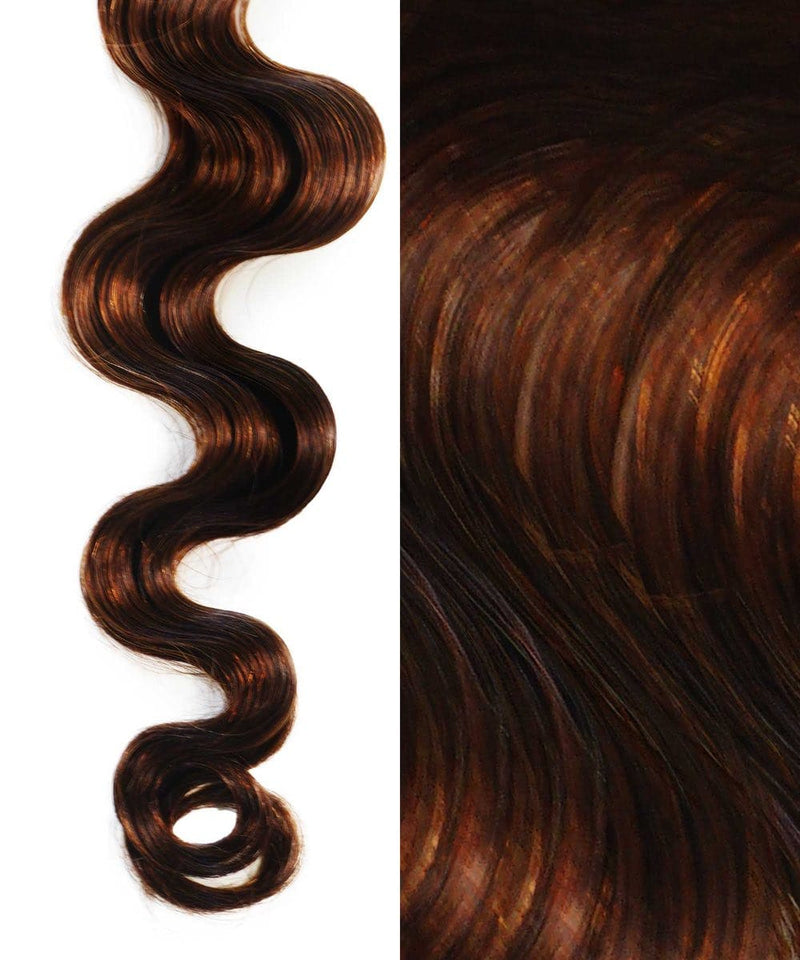
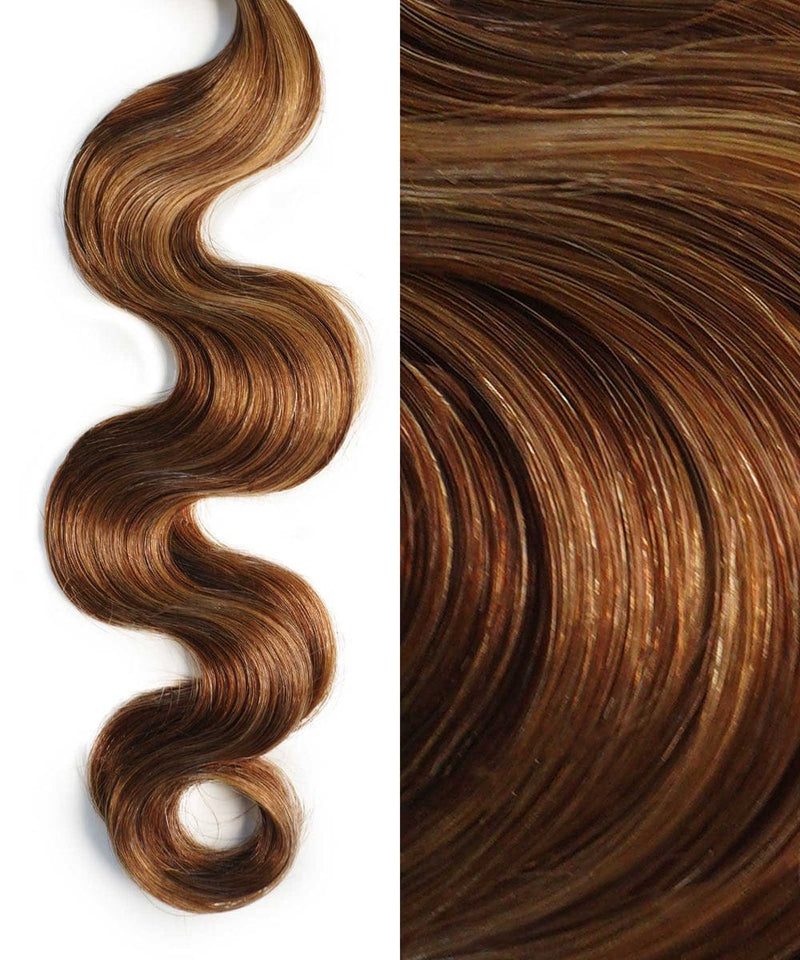
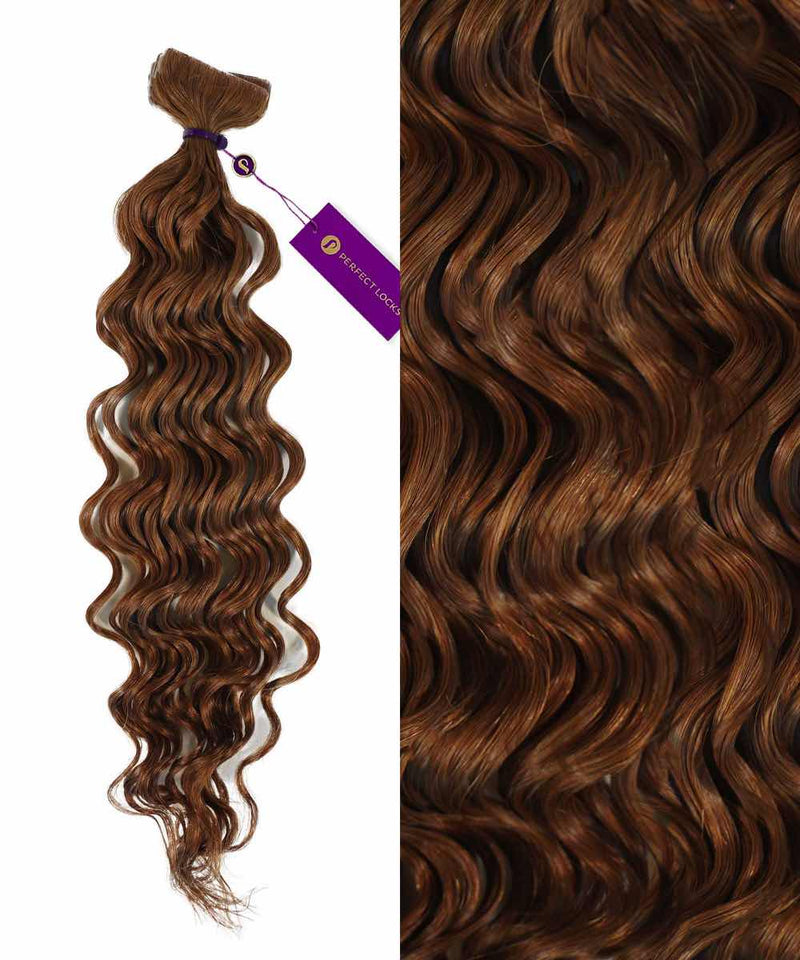

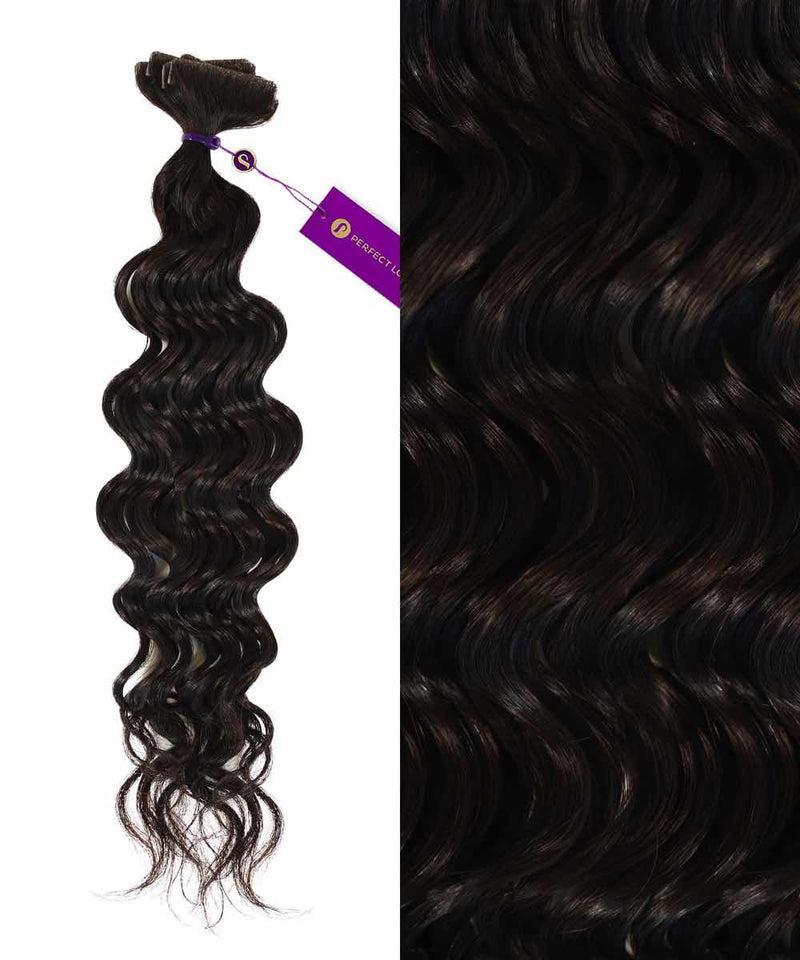

Frequently Asked Questions
What's the best shampoo for tape-in extensions?
If you're thinking about getting tape-in extensions, there's one thing you need to know: they require a different kind of shampoo than your regular old drugstore variety. No, you can't just use whatever's sitting in your shower caddy. They are often loaded with sulfates and harsh chemicals that will damage the bonds that keep your extensions in place.
Instead, you need to invest in a gentle, sulfate-free shampoo that will cleanse your hair without stripping it of its natural oils. Remember that those extensions aren't connected to your scalp, so they're more prone to damage if you strip them with harsh shampoos.
How do you shampoo your tape-in extensions correctly?
If you're considering tape-in extensions, you have to know that they need to be shampooed in a very specific way to avoid damaging the bonds and ruining your investment. Some may even advise you to shampoo your hair upside down. Of course, this is entirely up to you. But, it will help if you do not rub your scalp with too much shampoo. Here are some tips for shampooing to make your hair extensions last longer:
First, wet your hair thoroughly and apply a small amount of shampoo to your scalp. Gently massage the shampoo into your scalp, then rinse thoroughly. Never "ball and lather" or roughly scrub while you are shampooing.
Next, tilt your head forward and shampoo your hair from the roots to the tips, using a downward motion. When you're finished shampooing, gently squeeze excess water from your hair (don't wring it out), then apply conditioner starting only from mid-length to your hair ends.
Rinse the conditioner out with cool water, then blot your hair dry with a towel. It’s advisable to air dry your hair since using heat may damage the tape and cause your extensions to slip.
If you like using dry shampoo in the summer to give your hair a break, you can absolutely use dry shampoo with tape-ins and it won't hurt them. But, if you prefer washing your hair with water, use Perfect Locks’ sulfate-free shampoo and conditioner to keep your extensions lasting longer. Check out our hair care mega bundle set!
Can you swim and workout with tape-in hair extensions?
Sweating, running, jogging, biking or any other kind of workout won't hurt your tape extensions at all. If you're planning on swimming with hair extensions, there are a few things you need to keep in mind.
While clip-in extensions have to be taken out, tape hair extensions can be worn when swimming in the pool or ocean. However, it is best not to drench your hair for too long in the water to help protect your tape-ins. And when you’re done swimming, make sure to be very gentle when drying your hair.
If you’re swimming in the pool or in the sea, remember that the chlorine or the salt is not good for your extensions. To help with this, you can apply a leave-in conditioner before you take a dip as this can protect your hair from the chlorine or salt. You can also wear a swimming cap to protect the tapes from damage.
If you have any loose strands of hair, it's best to tie them back or clip them up so they don't get tangled.
Finally, although you can keep your tape-in hair extensions while swimming, regular swimming means that you will also need to wash your hair often. You want to keep this in mind since washing your extensions too often can cause the tapes to slip.
It’s great that tape extensions still allow you to enjoy a swim. And, taking these precautions will help ensure that your tape-ins stay in good condition even after a dip in the pool or ocean.
Summary
Many women find tape-in hair extensions a great option to save time and money. And, when you take care of your tape extensions, you can get more of your money’s worth since they are reusable. By following these simple tips, you can prolong the life of your tape extensions and enjoy beautiful, long-lasting hair.
Take charge of your hair extension journey. Shop Perfect Locks’ tape-in extensions for beautiful, long-lasting hair that stands out!