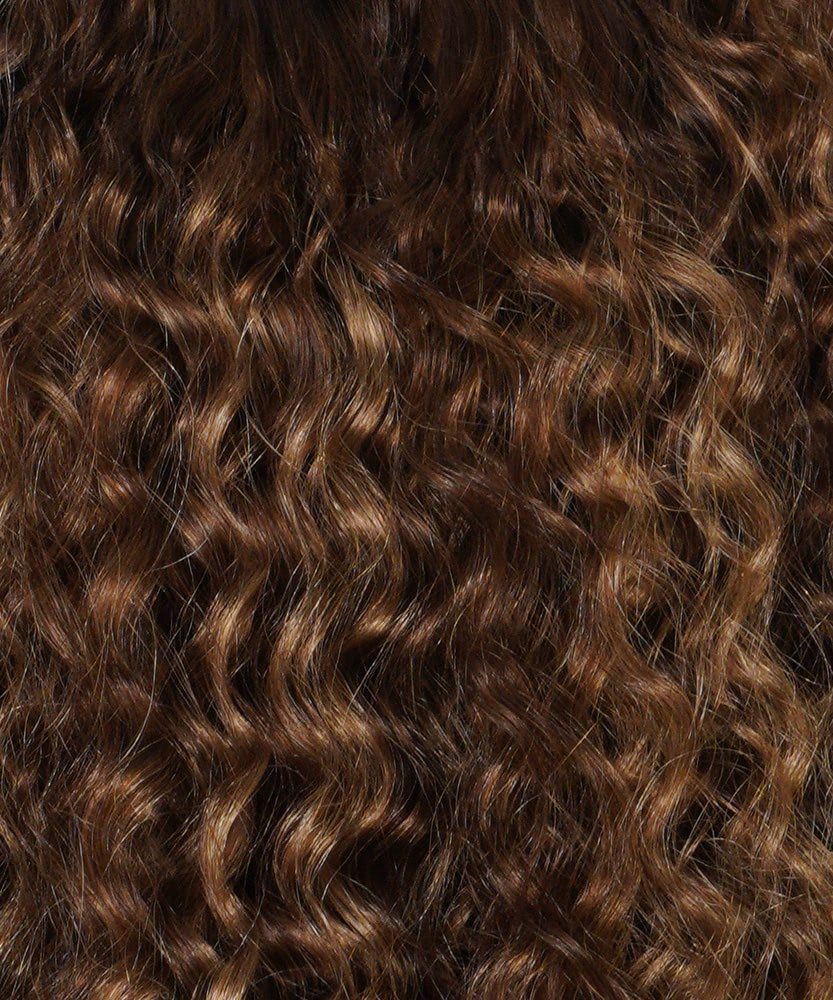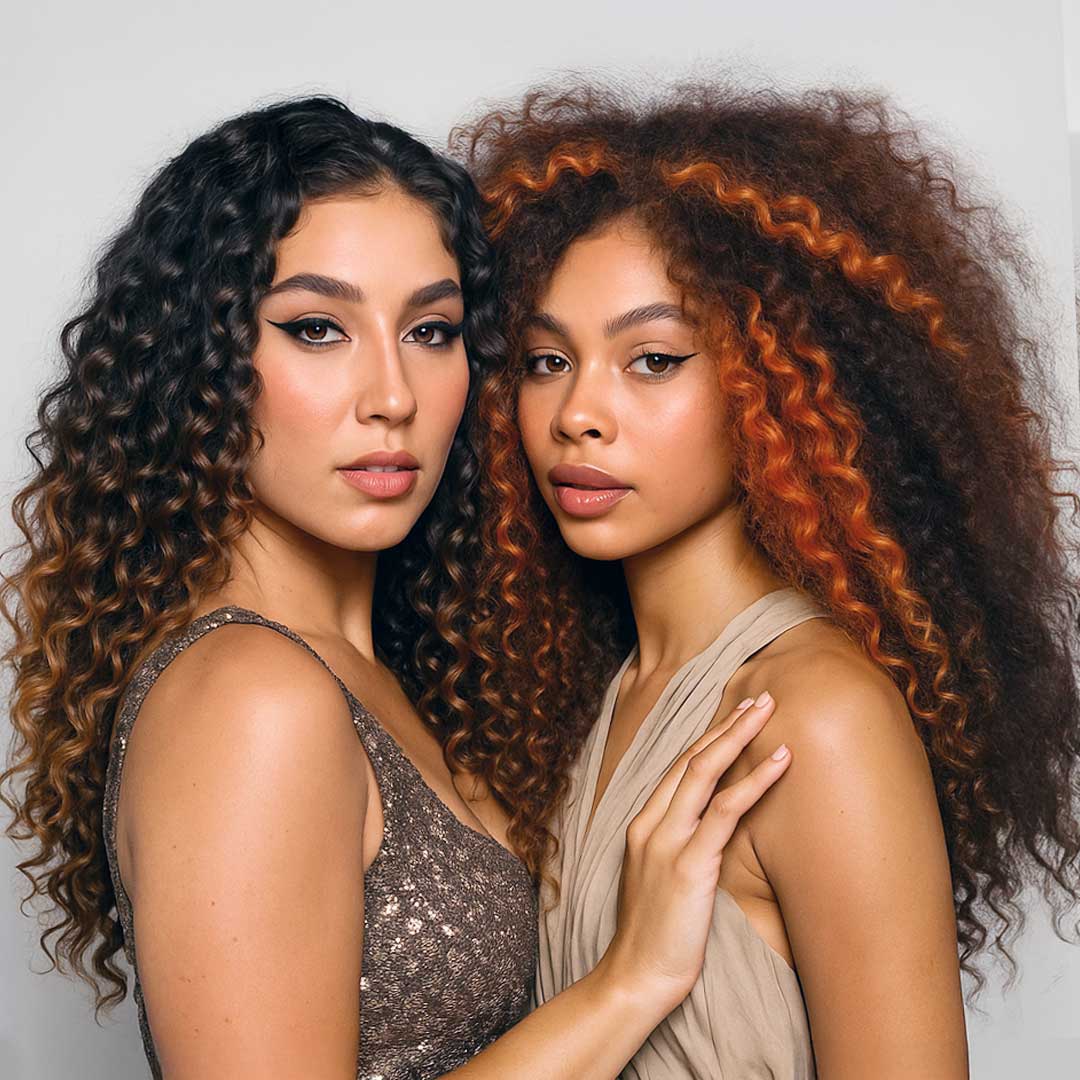
Curly and Textured Hair Extensions: The Professional's Guide
Textured extension work is its own discipline. A stylist who can match a 3B client's curl pattern, choose the right attachment method for coily hair, and blend extensions without flat-ironing the client's natural texture books a clientele most salons cannot serve. This guide covers the professional side of curly and textured hair extensions: pattern matching, method selection by curl type, installation adjustments, and the product specifications that make or break a textured install.
It is also where we can help more than most brands. Perfect Locks carries textured options across every major method, including hand-tied rows in Kinky Curly, Tight Curly, and Relaxed Straight - patterns most extension lines simply do not make.

Start With the Curl Pattern, Not the Method
The most common textured-install mistake is choosing the method first and forcing the texture to fit. Work the other way: identify the client's curl pattern, then choose from the methods that suit it.
Use the standard typing system as a shared vocabulary: wavy (2A to 2C), curly (3A to 3C), and coily (4A to 4C), plus two patterns that matter commercially and get overlooked: Relaxed Straight for chemically relaxed clients, and Kinky Straight for blown-out natural hair. Matching the pattern means the extension moves, shrinks, and responds to moisture the way the client's hair does - which is the difference between an install that blends on wash day and one that needs heat styling to survive it. If you want a refresher on identifying patterns, our hair texture guide covers the full system.
Method Selection by Curl Type
| Method | Best curl range | Professional notes |
|---|---|---|
| Clip-ins | 2A to 4C | The lowest-commitment texture match; ideal for pattern testing before a semi-permanent install |
| Tape-ins | 3A to 3C | Adhesive grips well on looser patterns; on 4-type coils, grip weakens - move those clients to sew-in or hand-tied |
| Sew-in wefts | 3A to 4C | The classic protective install; cornrow foundations pair naturally with coily hair |
| Hand-tied rows | 2A to 4C, plus relaxed | Thinnest track, lowest tension; available in six textures including Kinky Curly and Relaxed Straight |
| Fusion / K-tip | 3A to 3C | Strand-by-strand blending for curly clients who want maximum invisibility |
| Halo | 2A to 4C | Zero-tension option for fragile or transitioning hair; no attachment points at all |
The Textured Range, Method by Method
Curly clip-in extensions
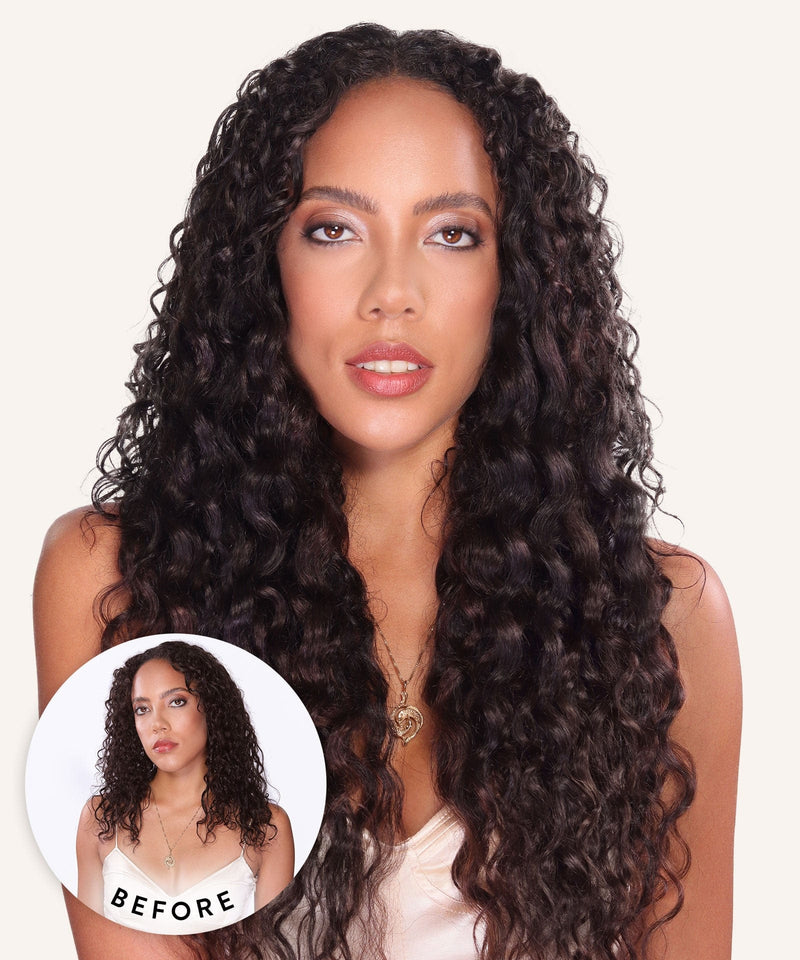
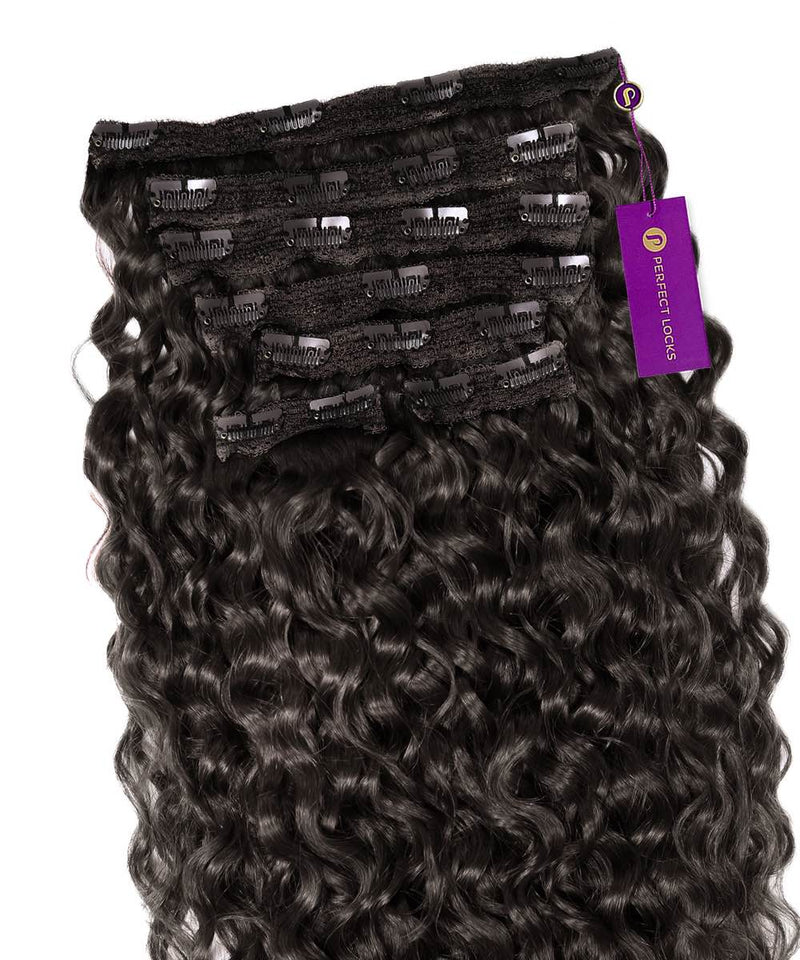
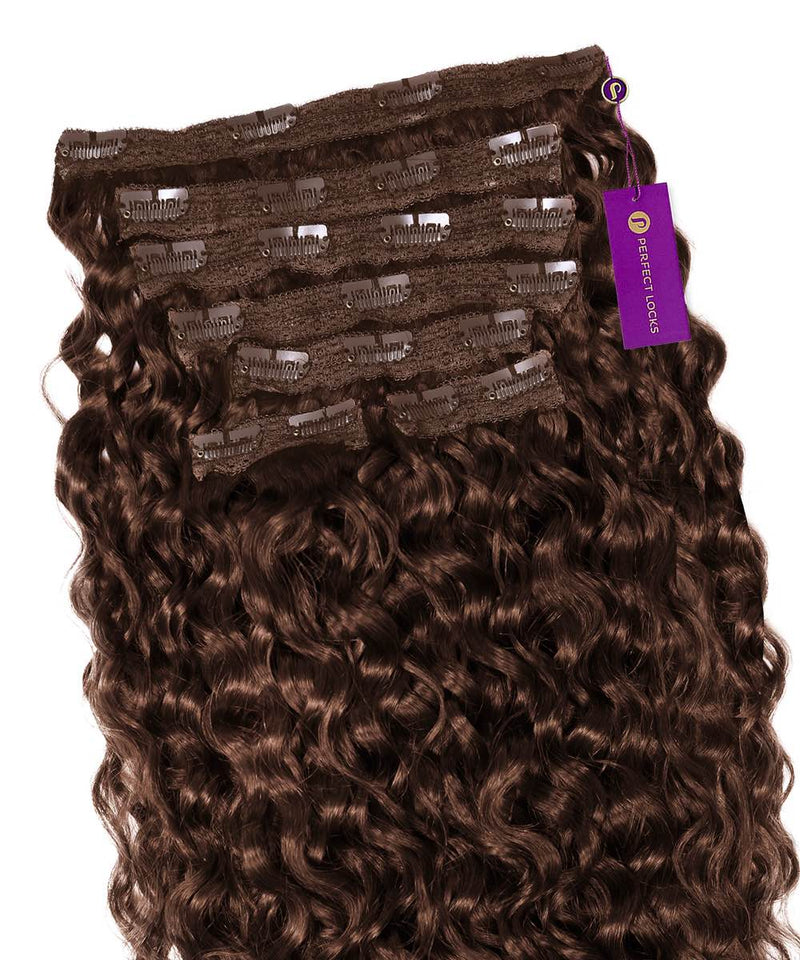
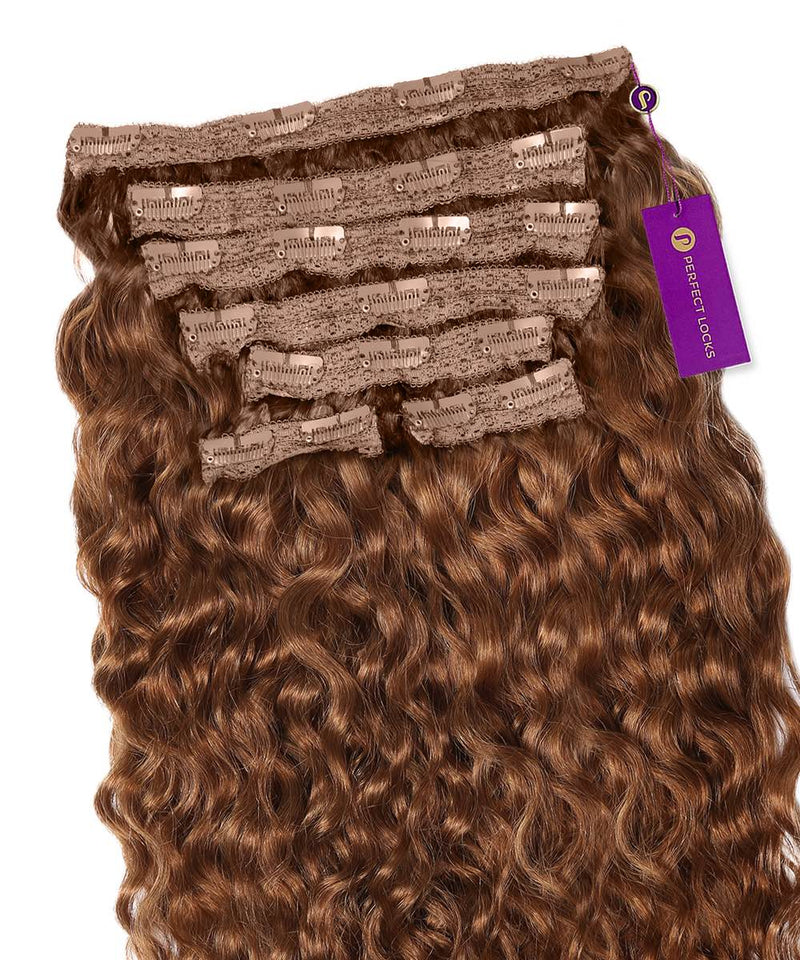
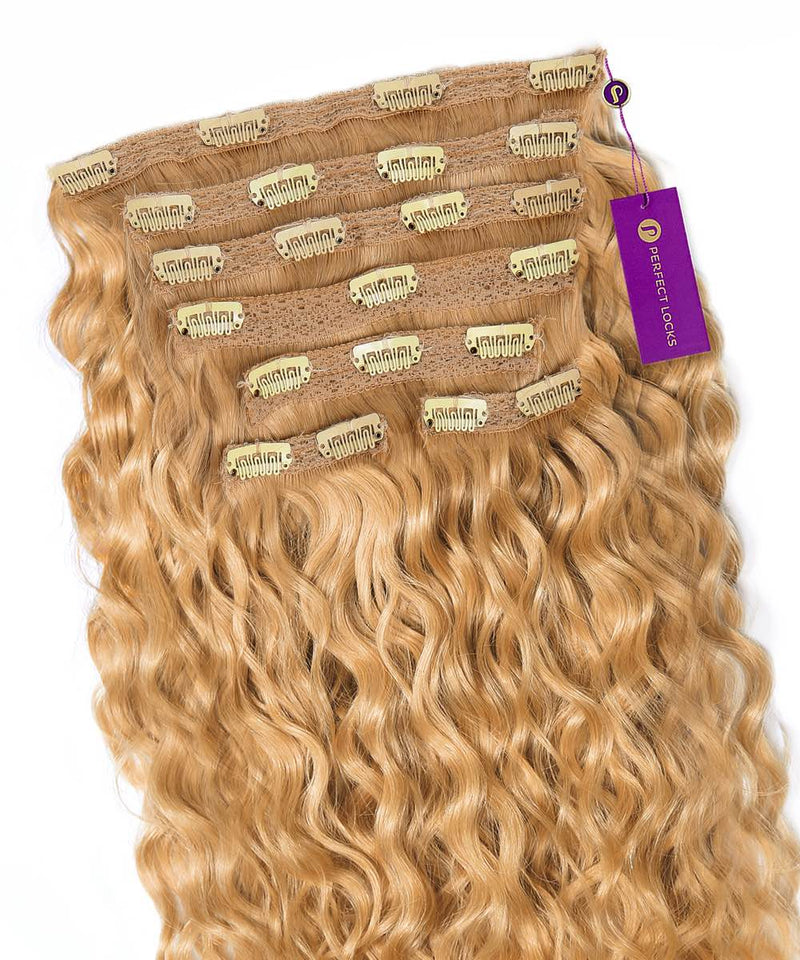
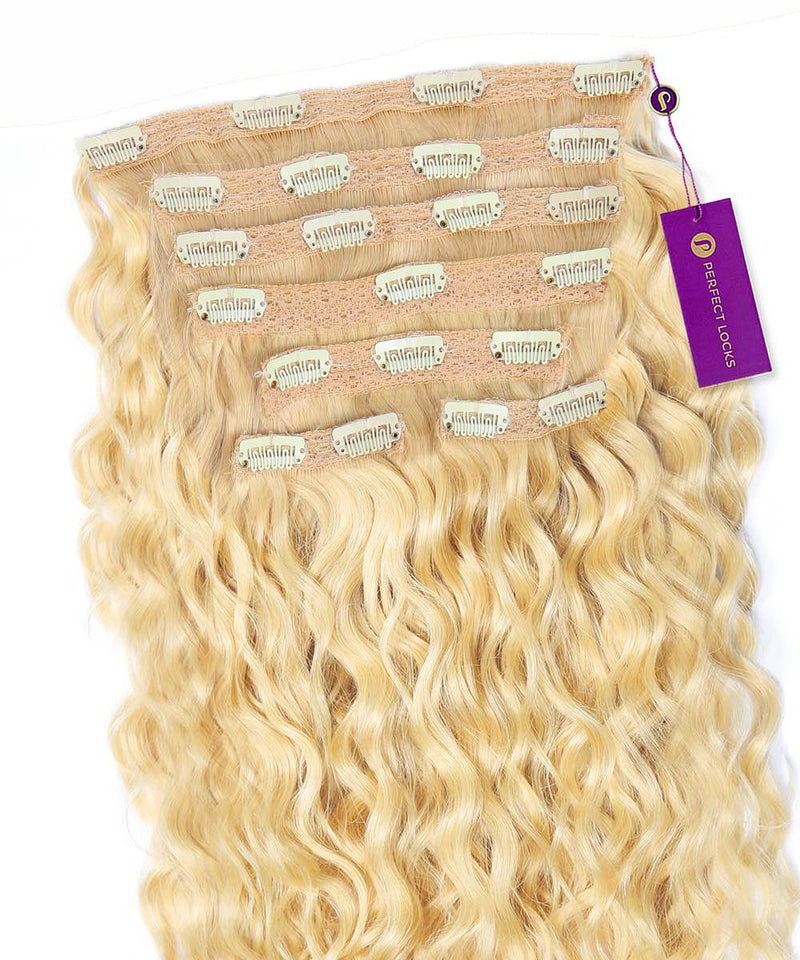
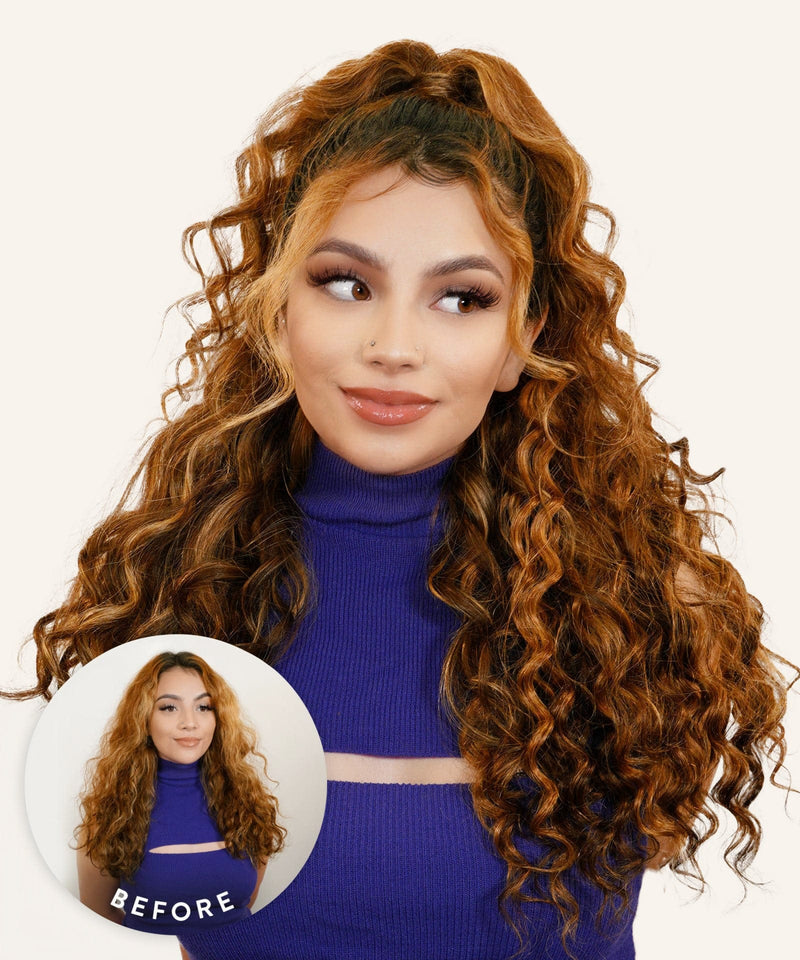
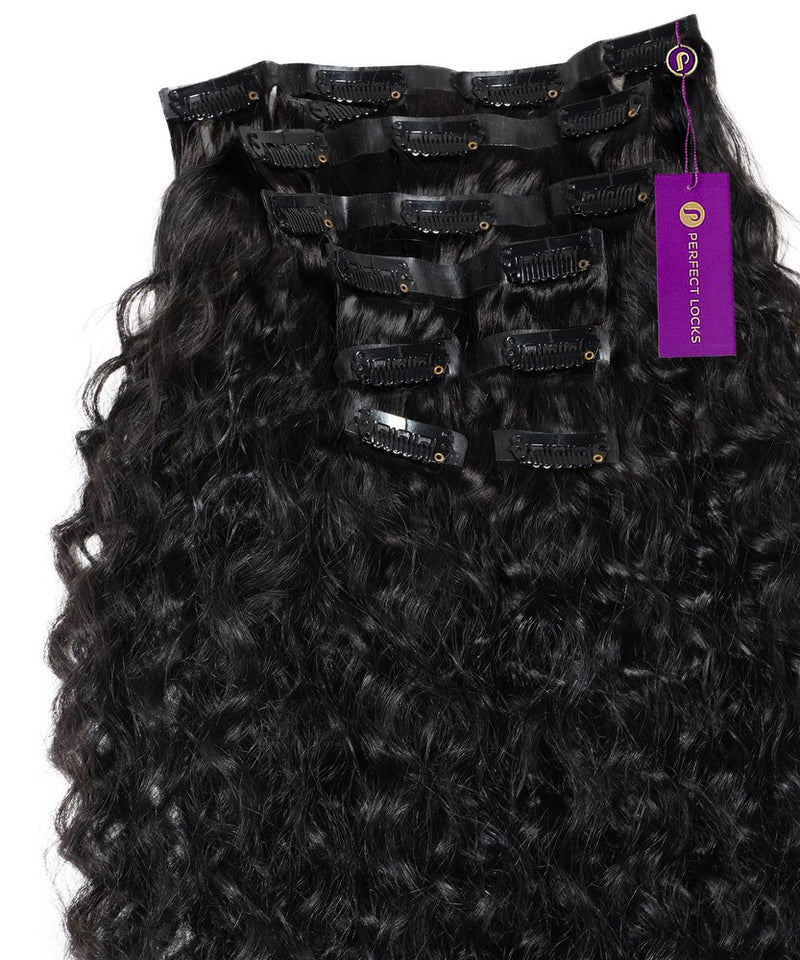
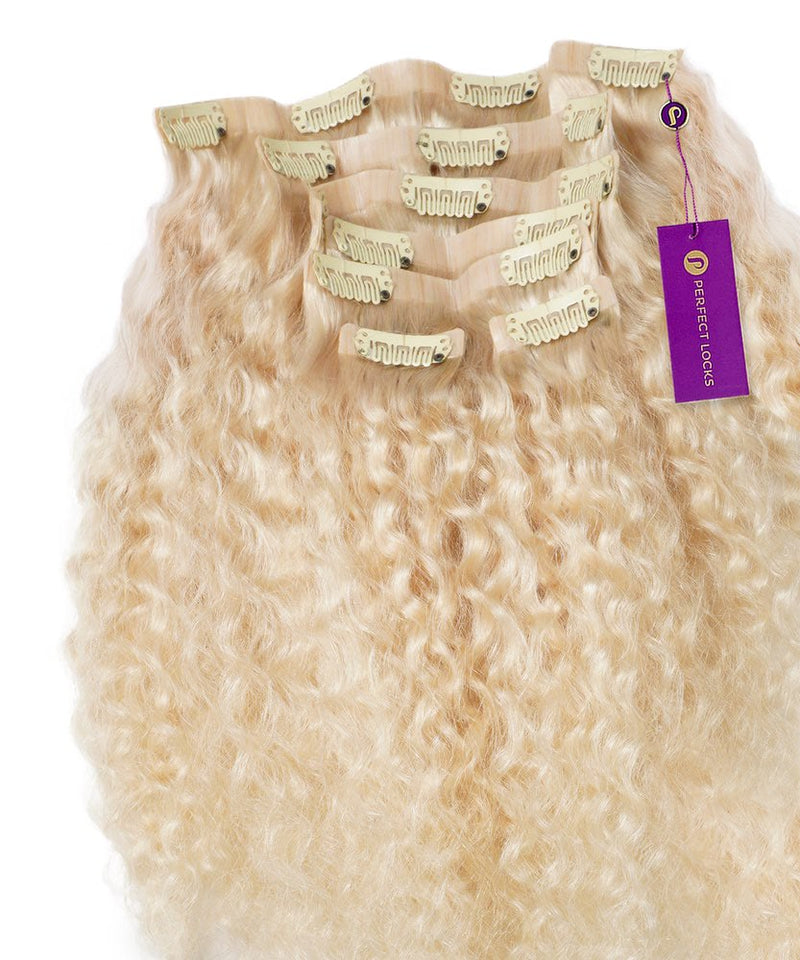
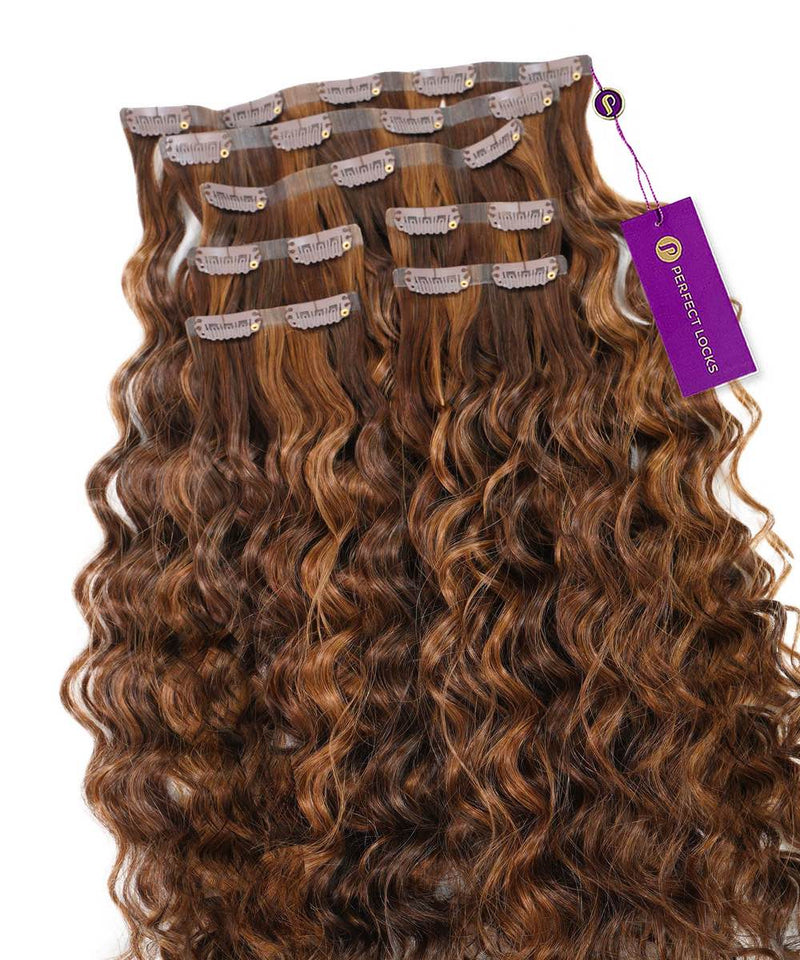
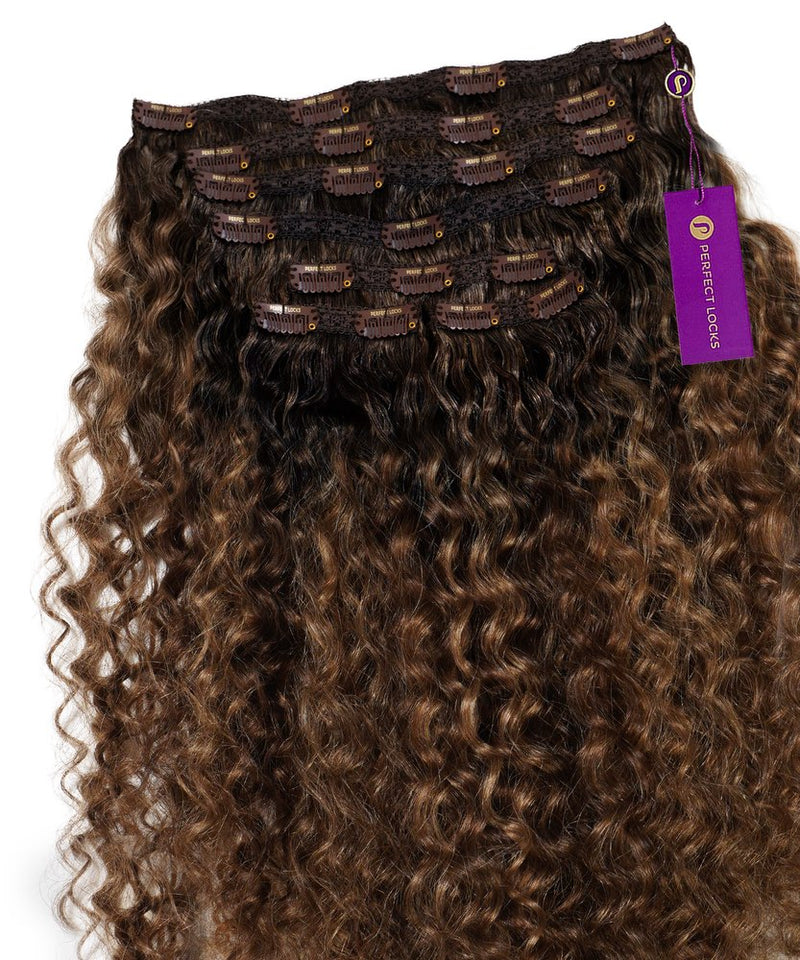
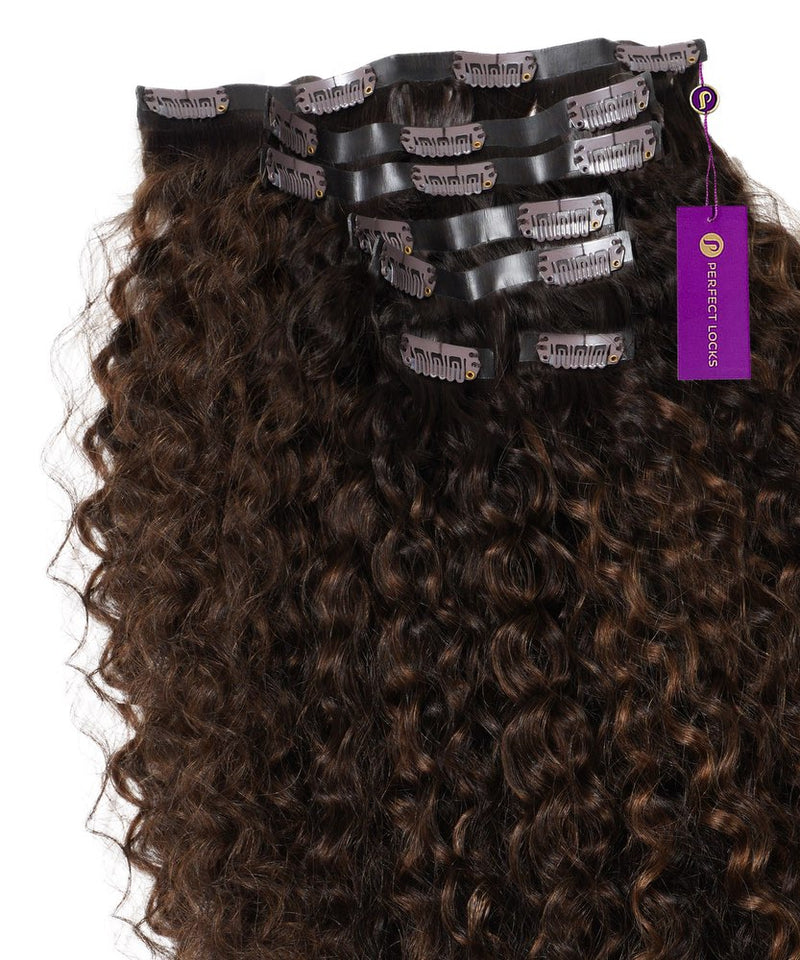
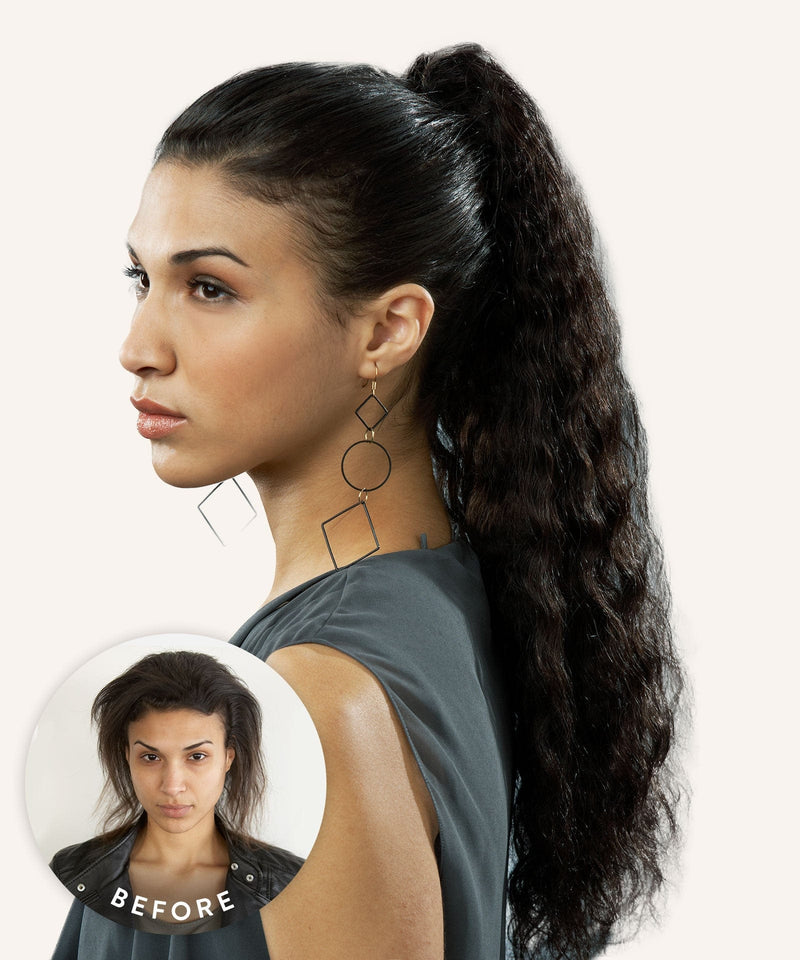
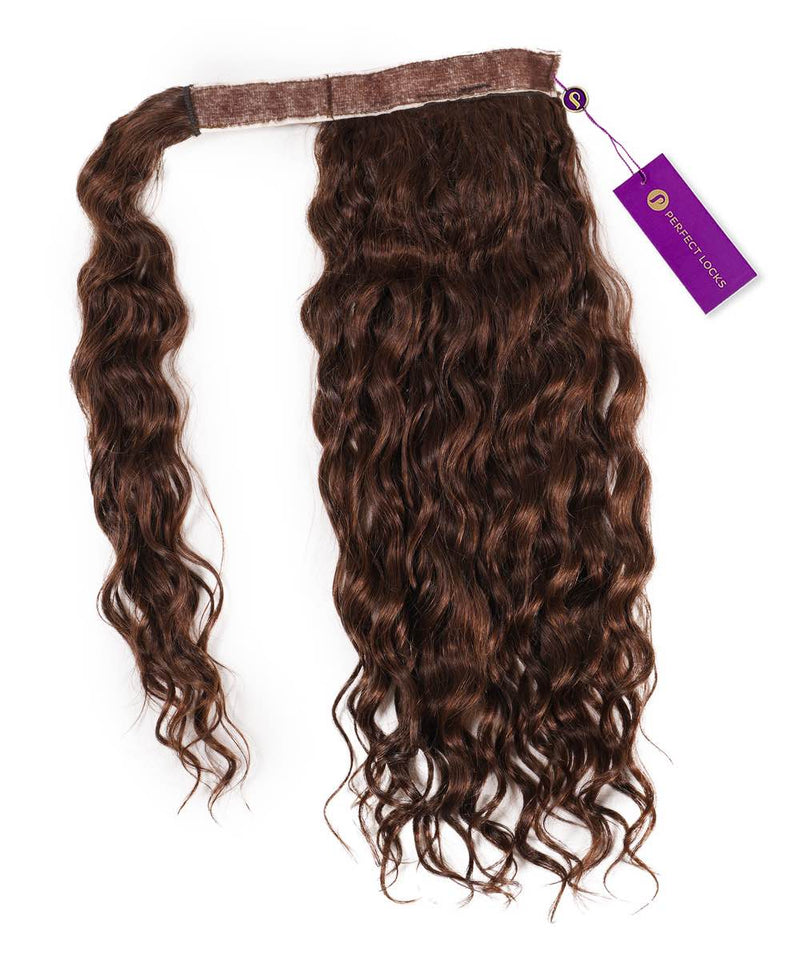
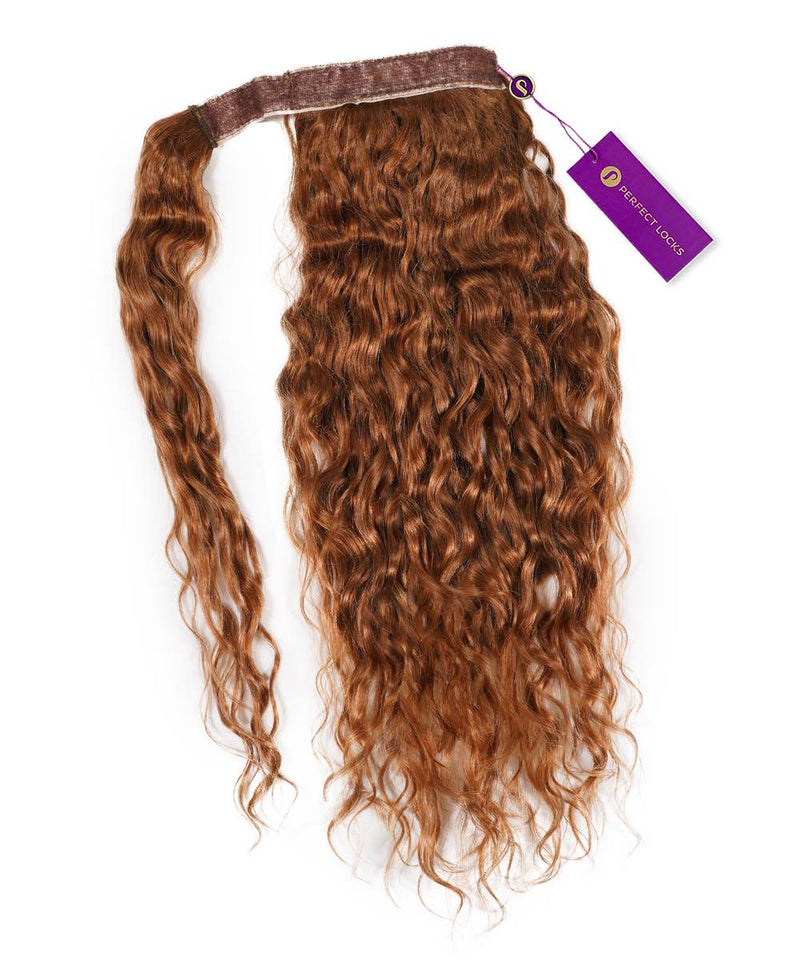
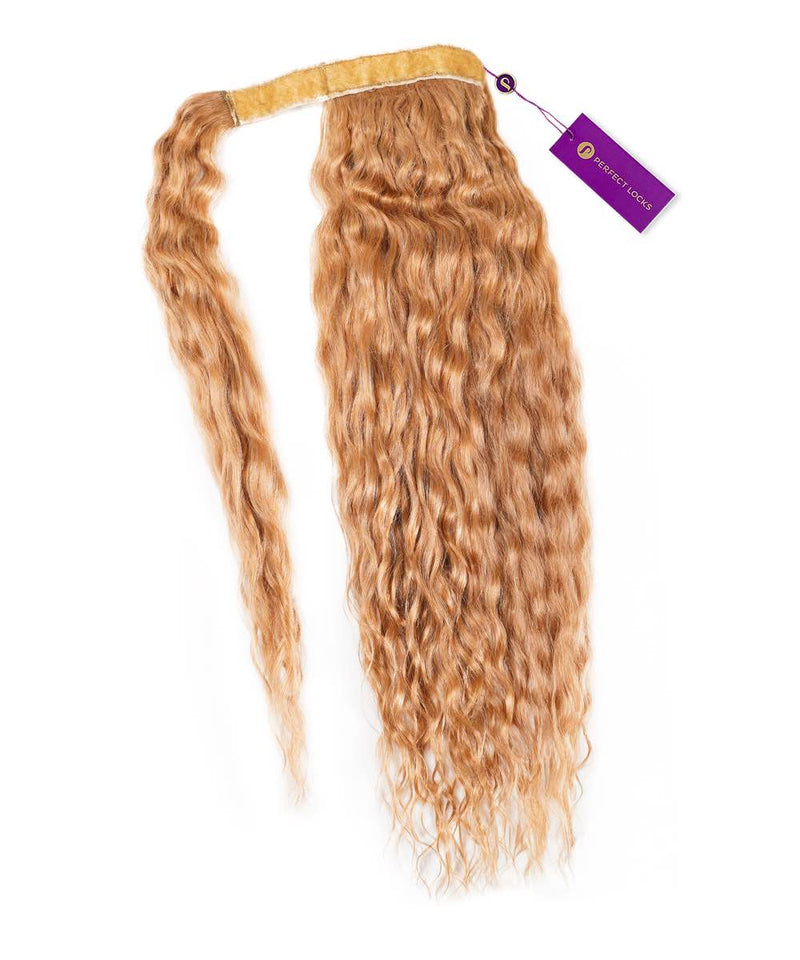
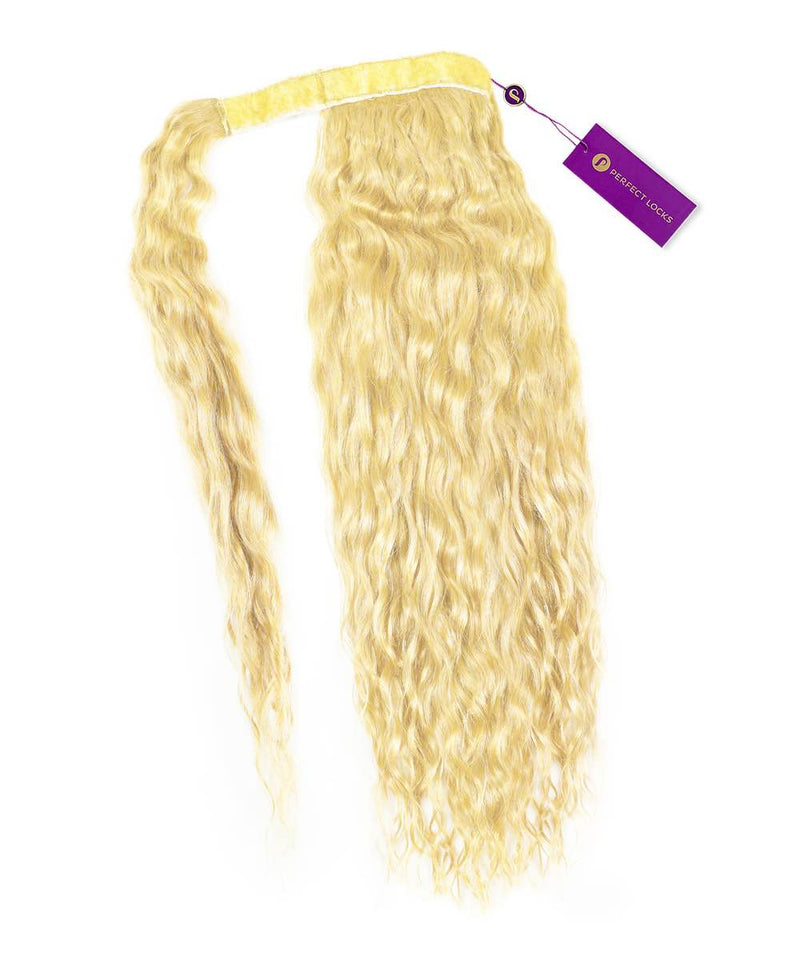
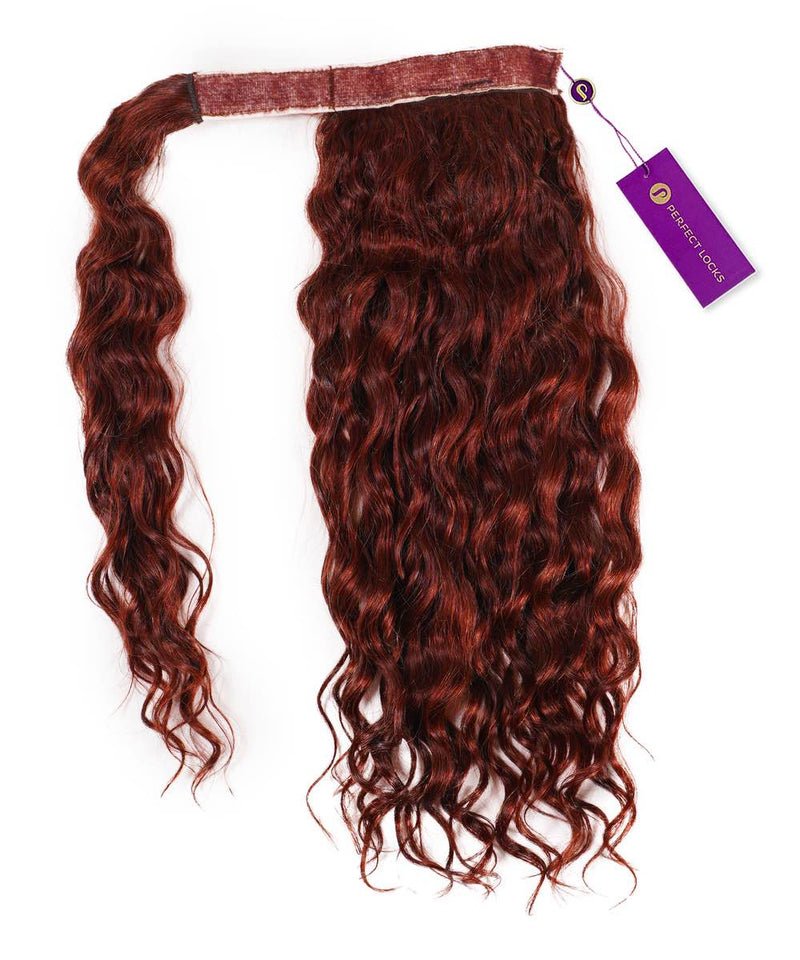
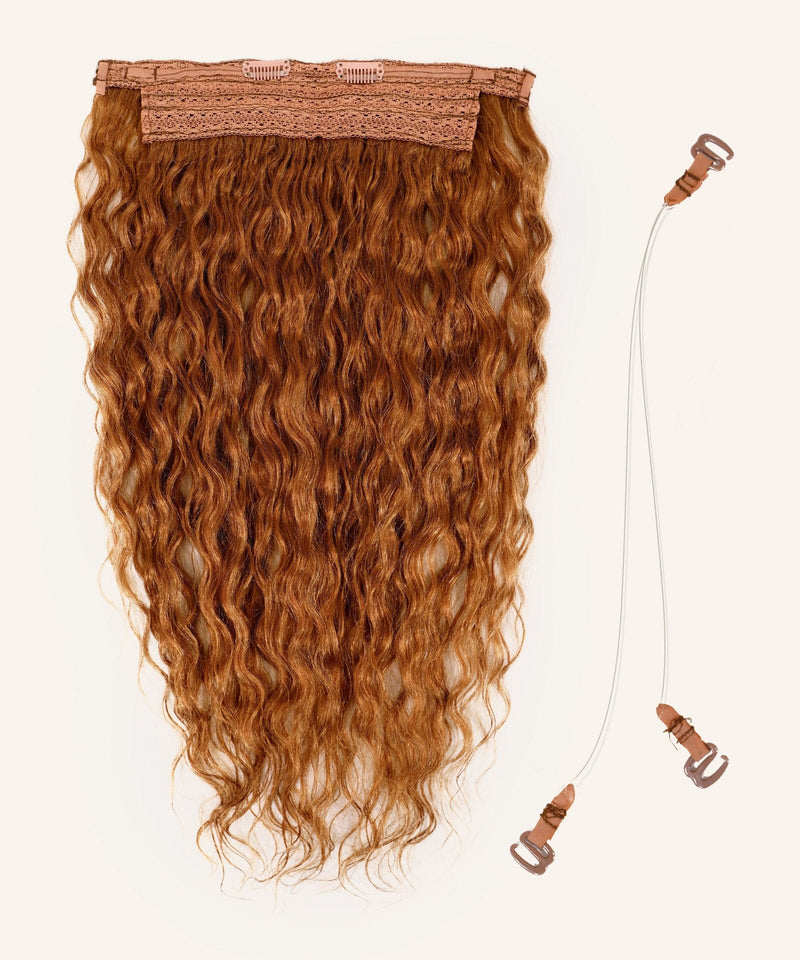
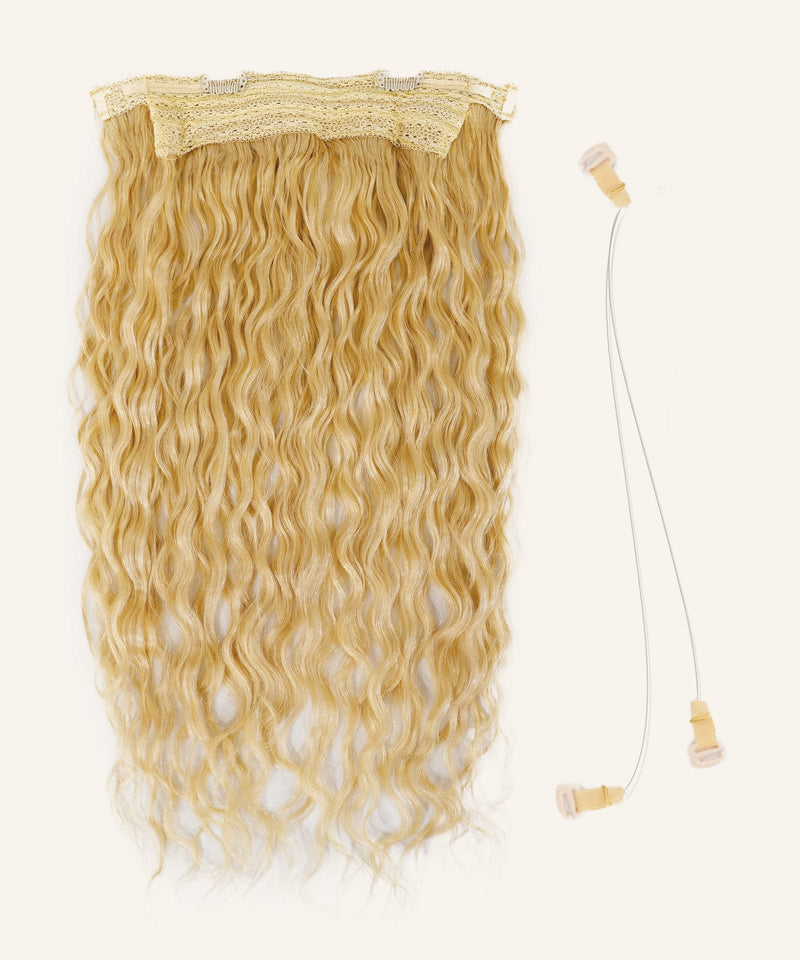
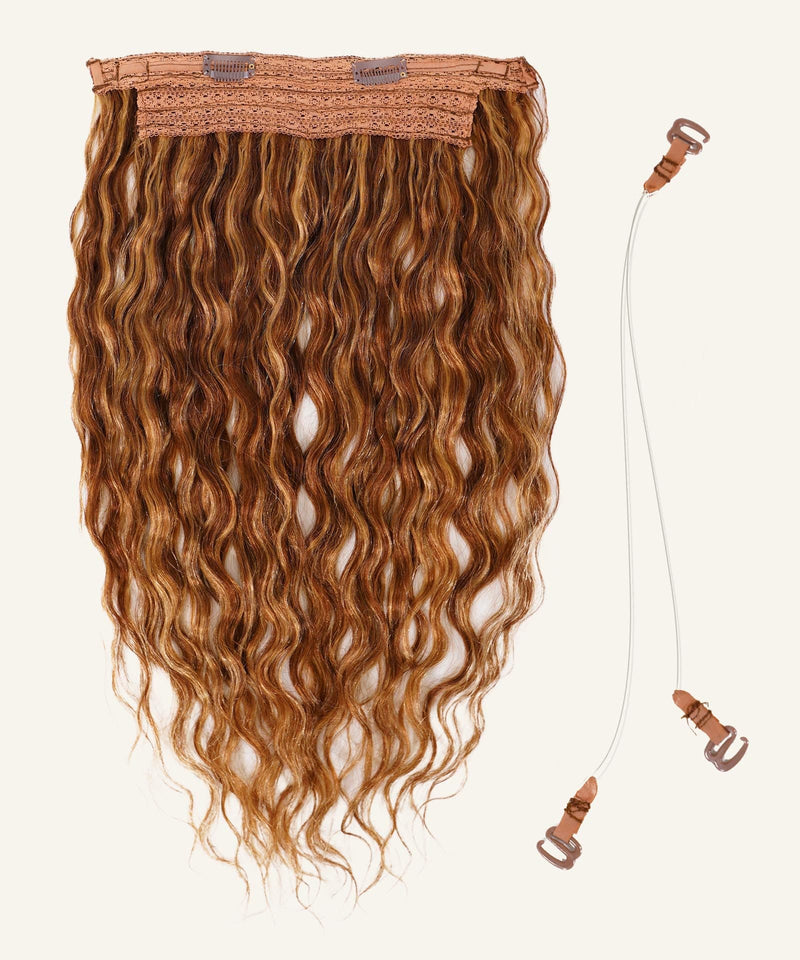
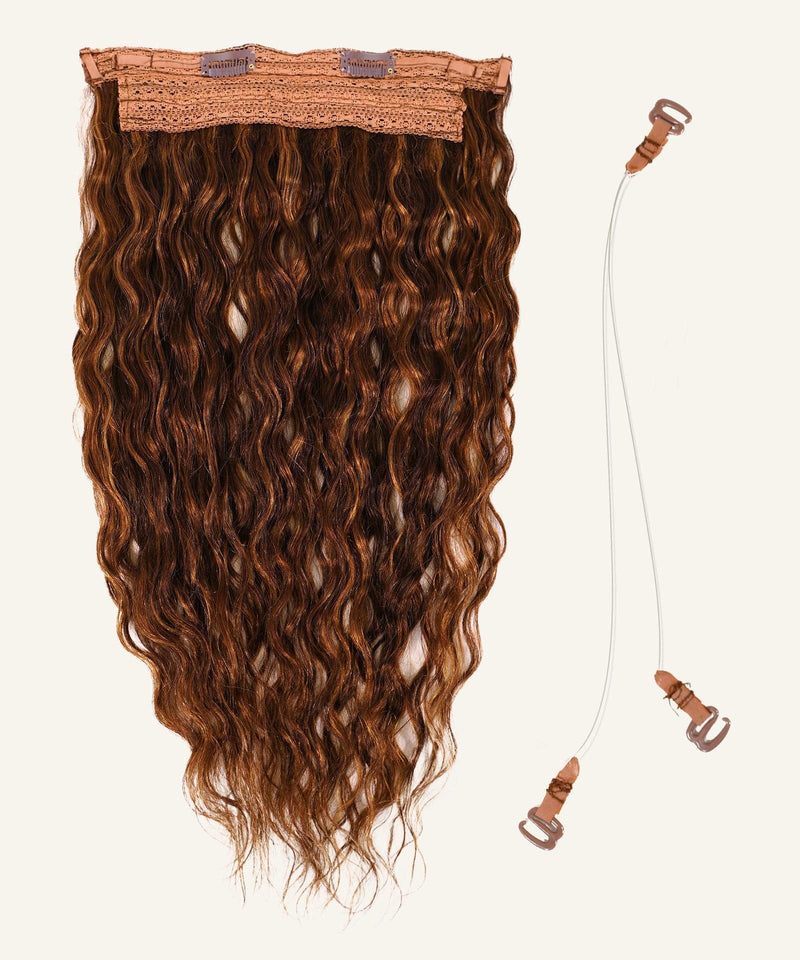
Clip-ins are where most textured clients start, and where you should start pattern-matching a new client. Our curly clip-in hair extensions run from loose curl through kinky curly and kinky straight, which lets you test a pattern match at a consultation before the client commits to a semi-permanent method. For coily clients specifically, a kinky curly clip-in set doubles as an occasional-wear option that respects protective styling schedules.
Curly Clip-In Hair Extensions
Curly volume, instantly. Natural, unprocessed curls with real depth and definition - not heat-styled or chemically cr...


Curly tape-in extensions
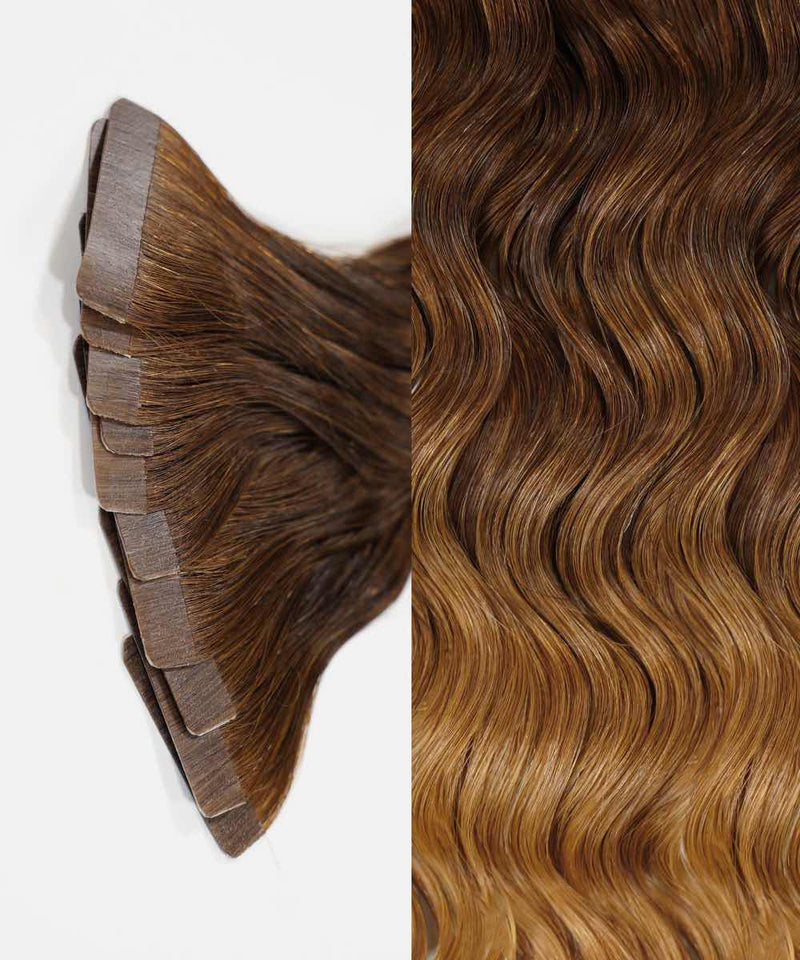
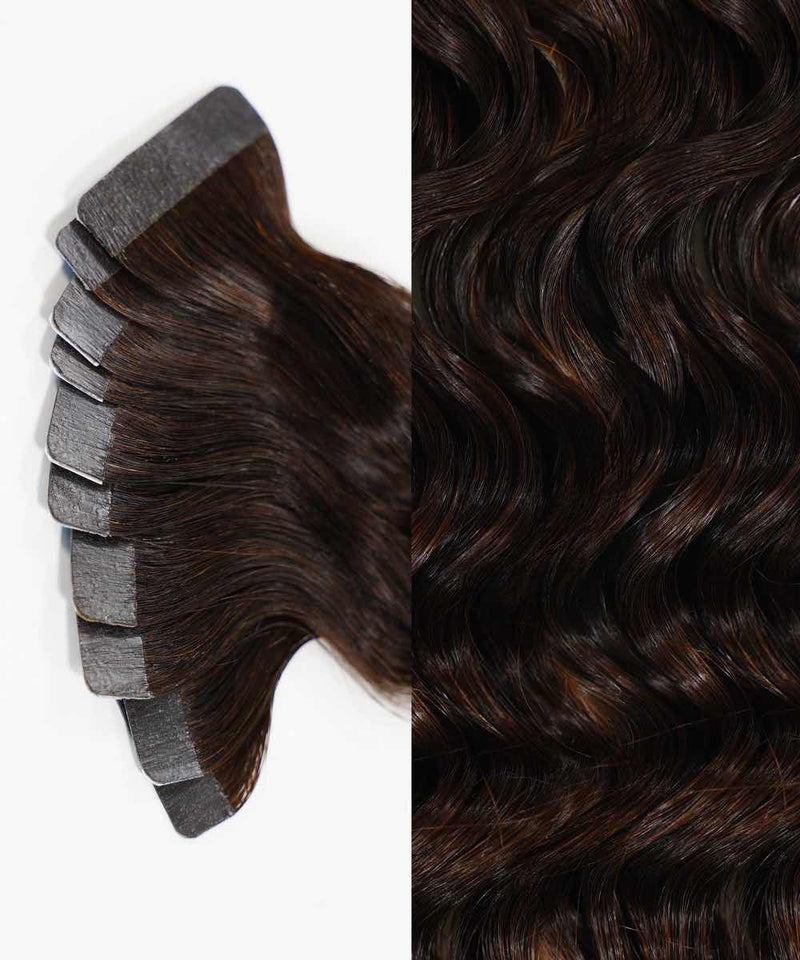
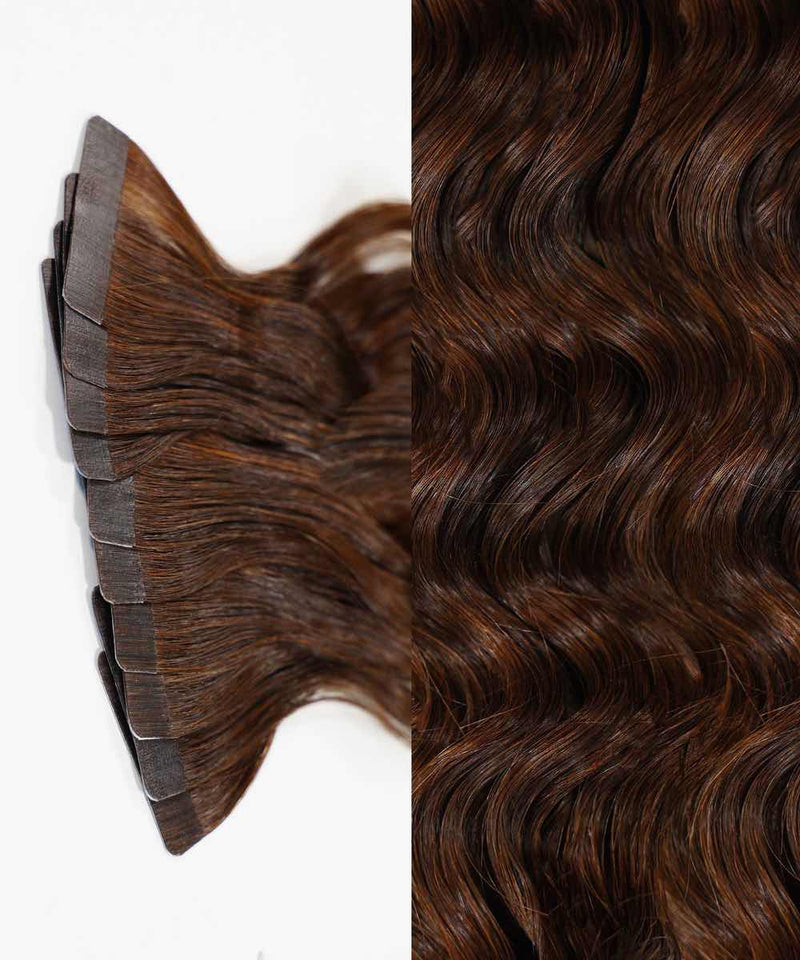
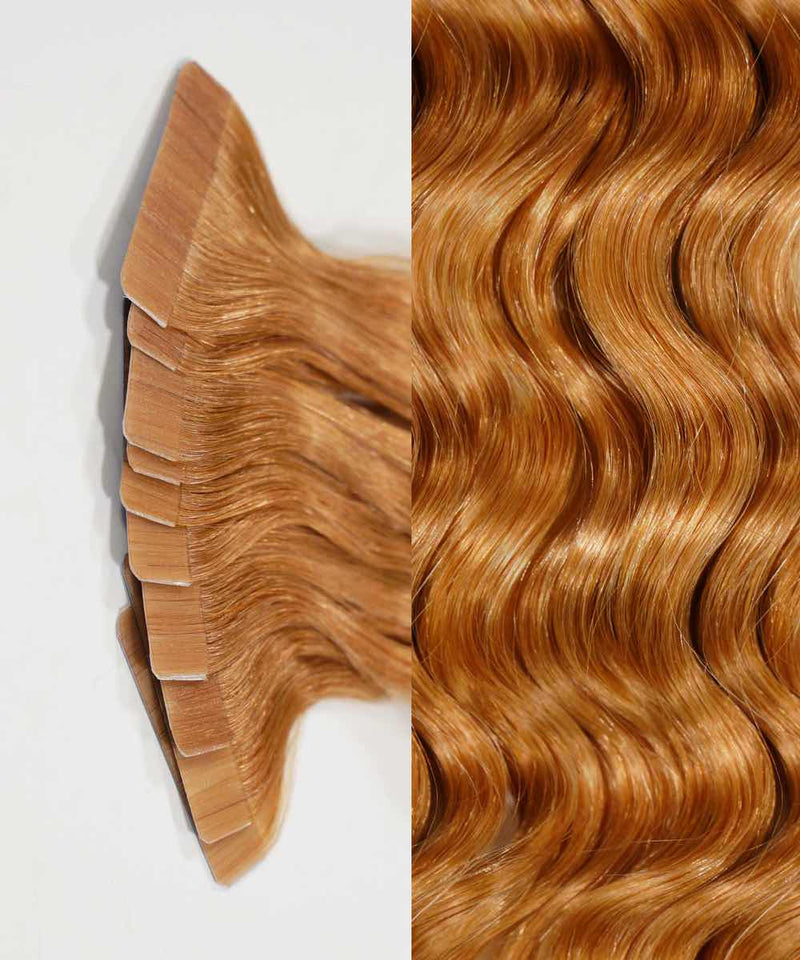
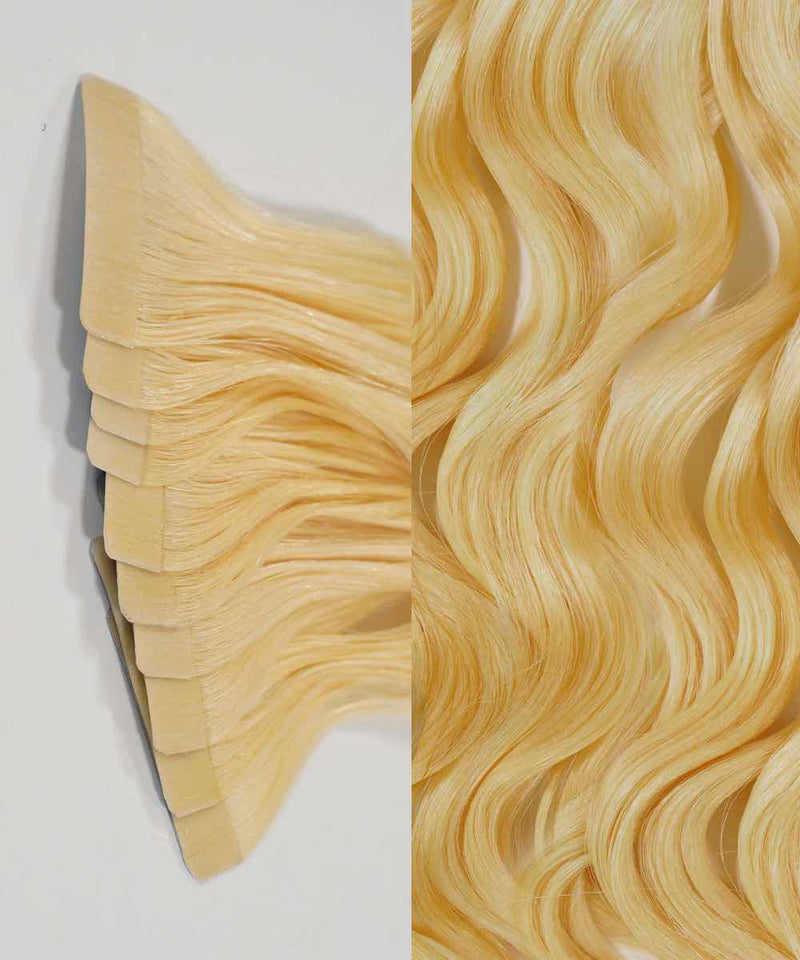
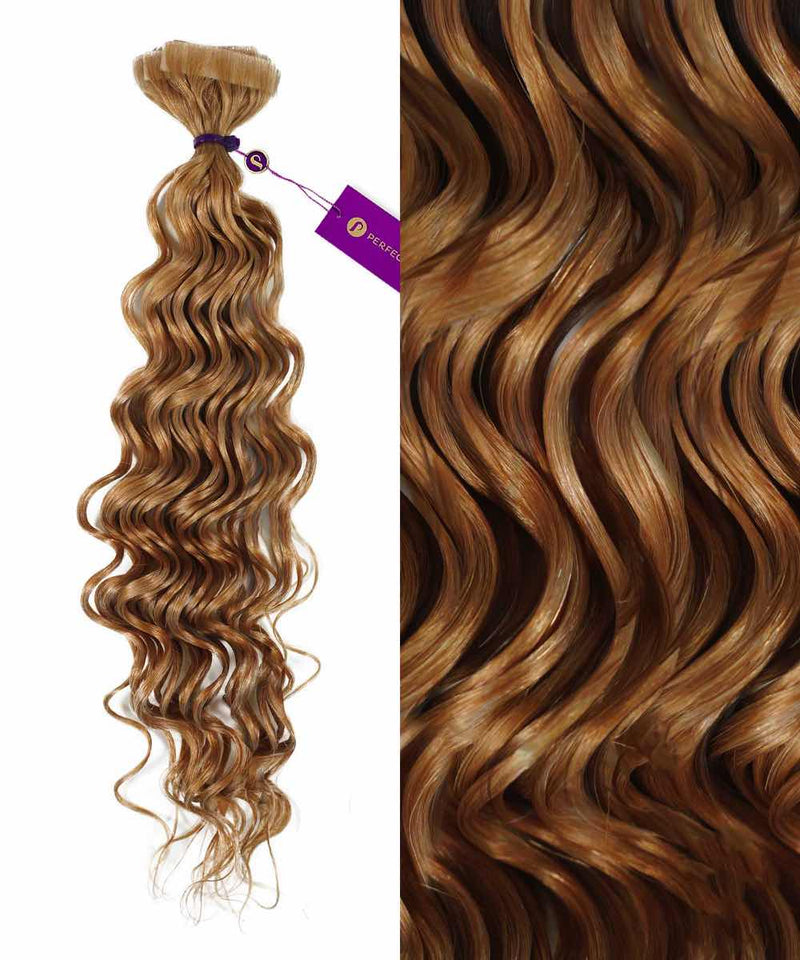
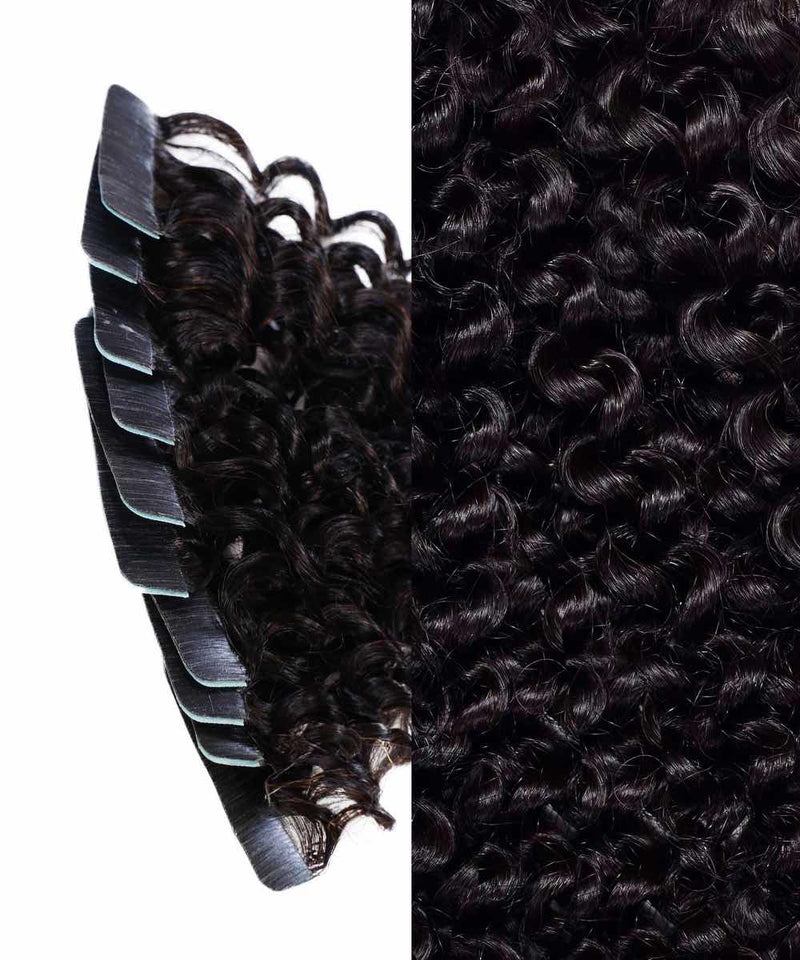
Tape-ins and texture have a more complicated relationship than most brands admit. Our curly tape-in extensions perform beautifully on 3A to 3C patterns: the bonds lay flat, the curl masks the tape line, and move-ups run on the standard 6 to 8 week cycle. On 4-type coils, be honest with clients: adhesive grip weakens on tight curl patterns and the natural oils coily hair needs will shorten bond life further. For those clients, a sew-in or hand-tied install protects both the investment and the hair.
Curly Tape In Hair Extensions
Finally, tape-ins that actually match natural curls. Soft, natural curl patterns that blend with your own texture - n...





Curly wefts and sew-ins
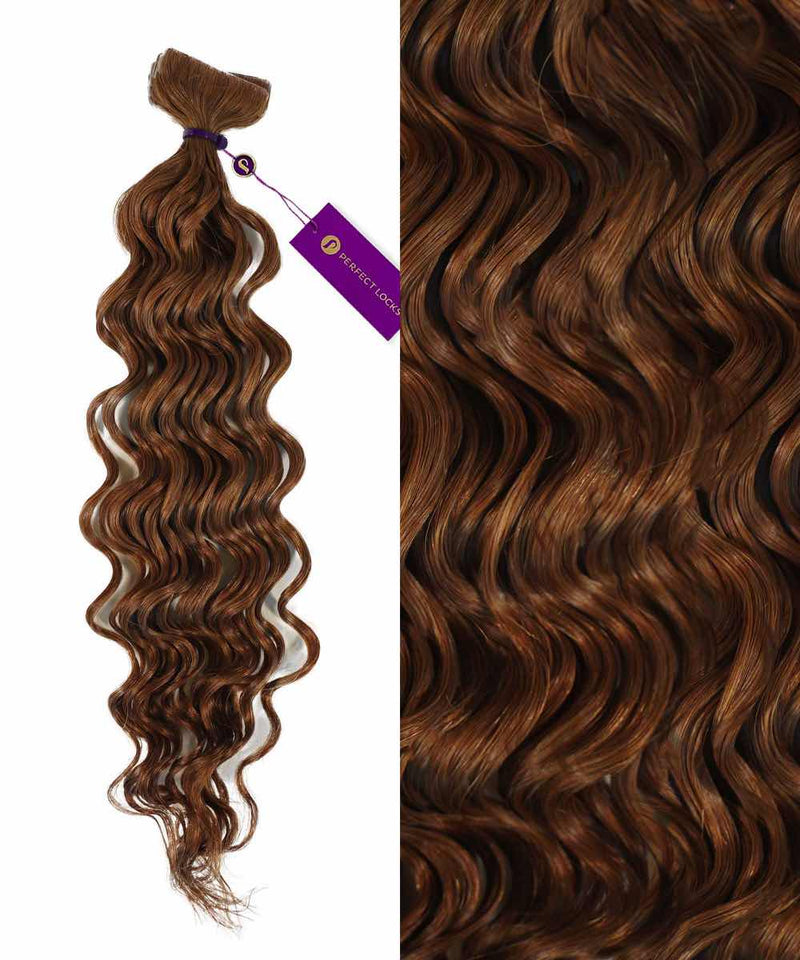
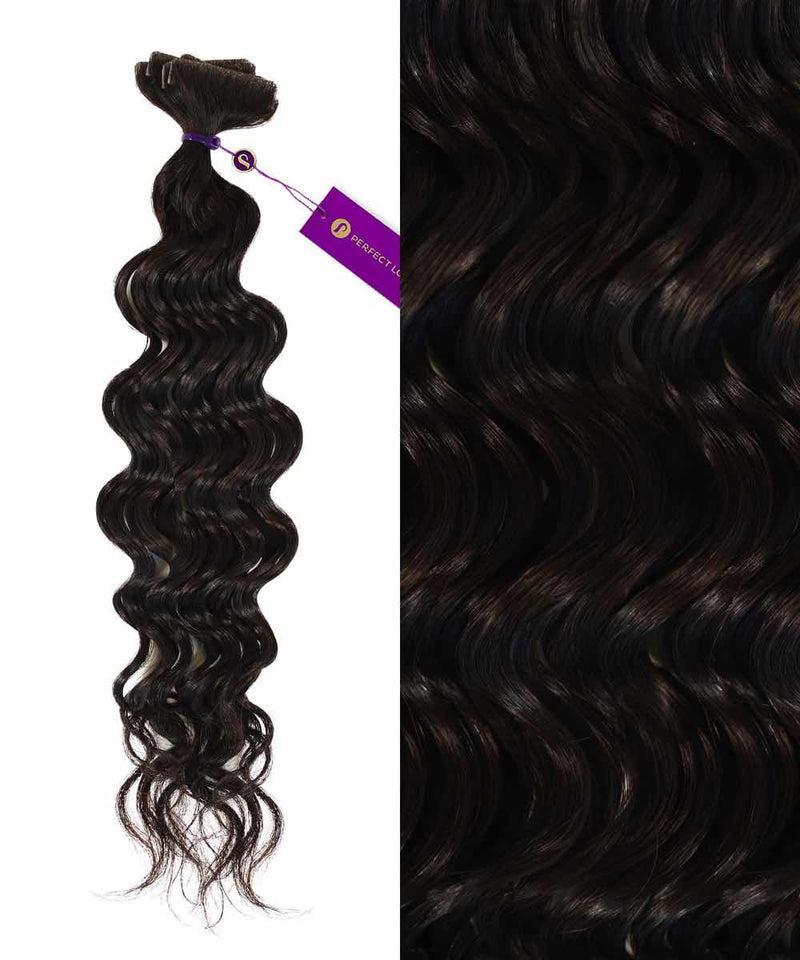
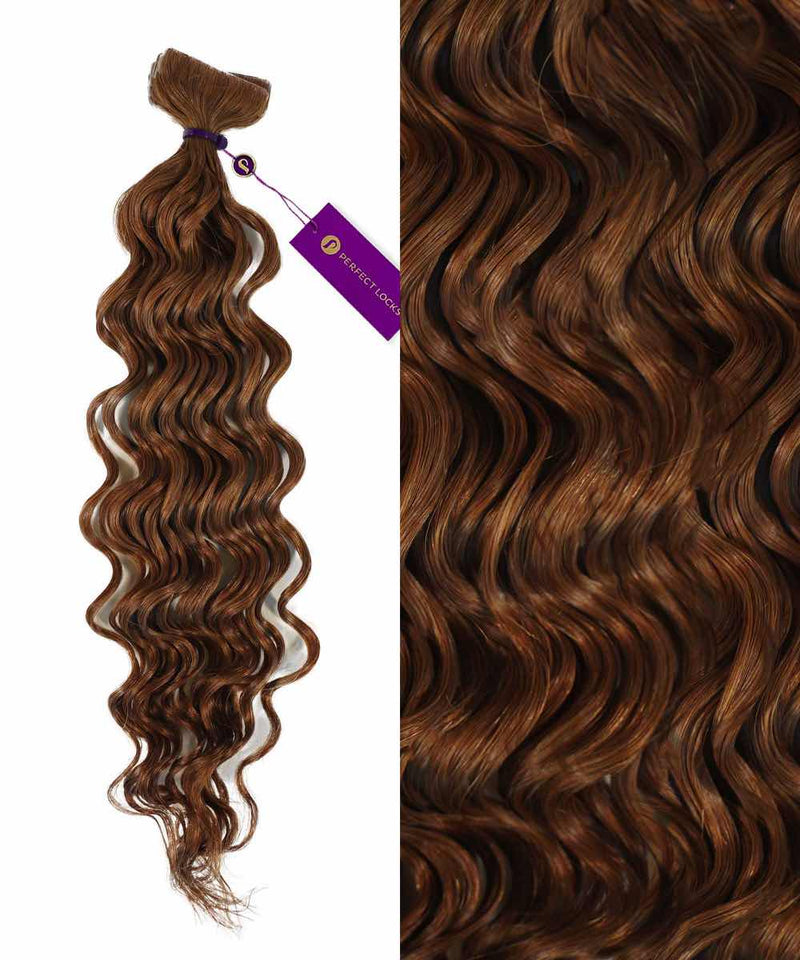
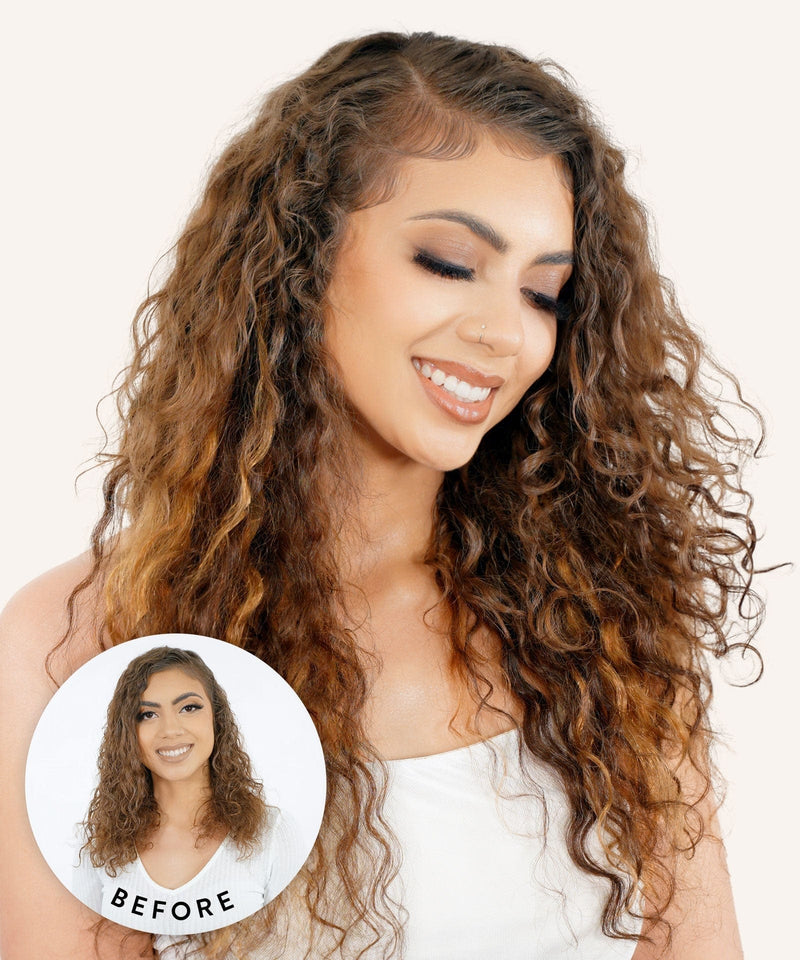
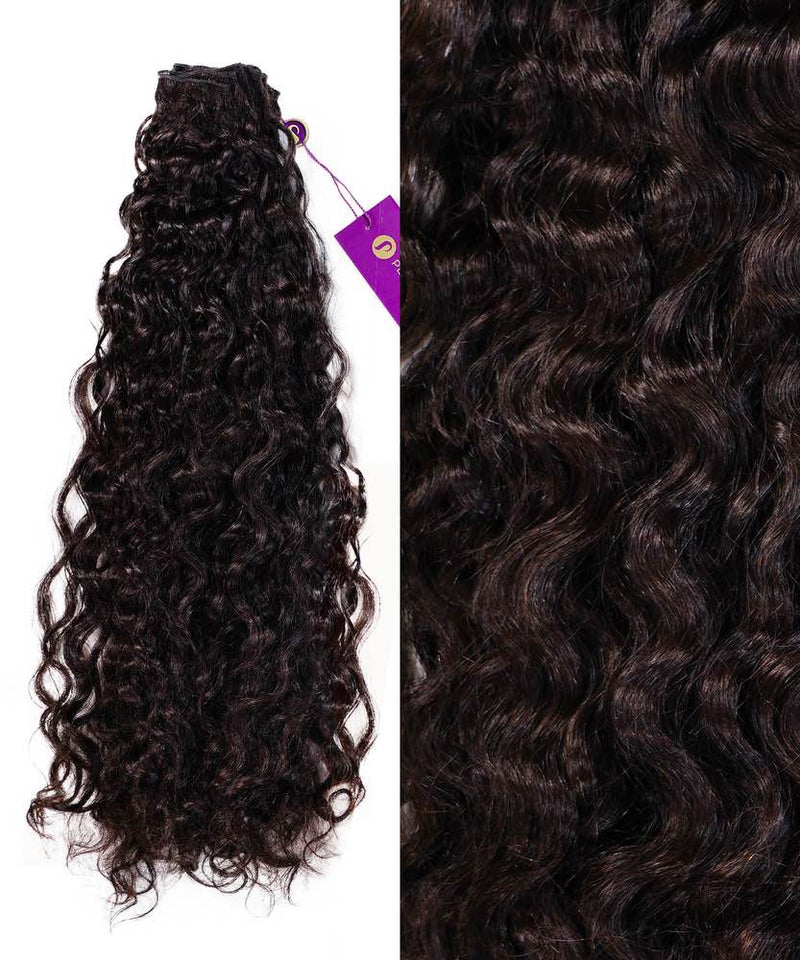
The sew-in remains the backbone of textured extension work, and curly weft extensions on a braided foundation are still the most secure option for 4-type hair. Match the weft's curl to the leave-out, not the other way around - the leave-out has to blend down onto the weft on wash day, unstyled.
Curly Weft Hair Extensions
Volume and beautiful curl definition for sew-in installations. Natural curls that maintain their pattern wash after w...

Hand-tied rows for textured hair
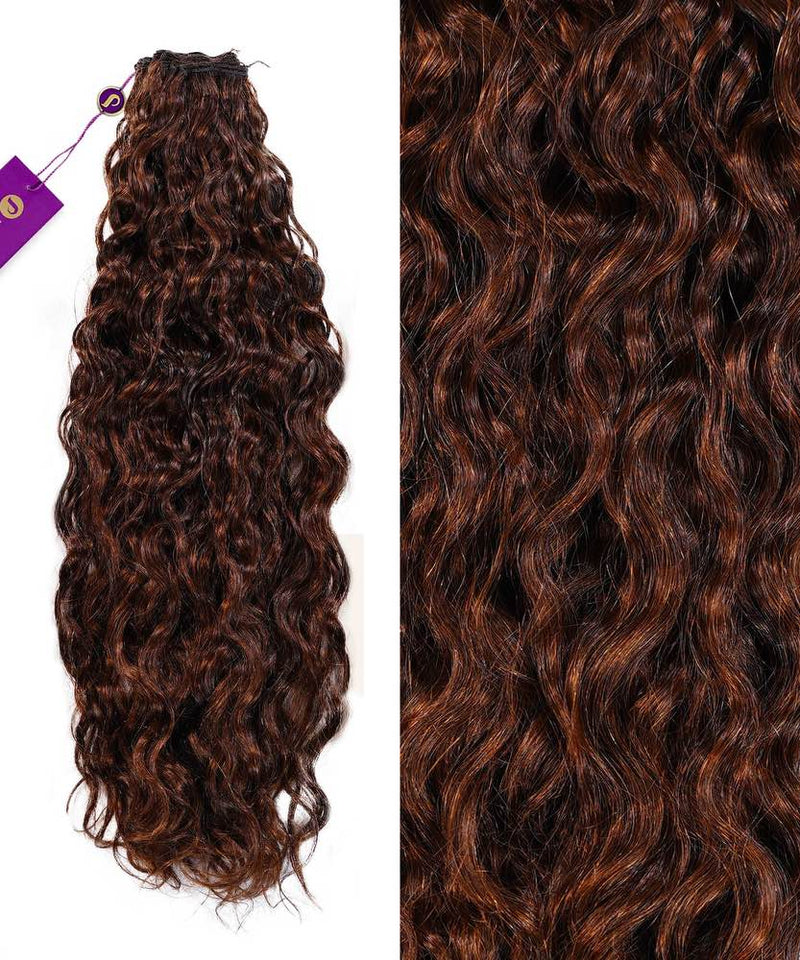
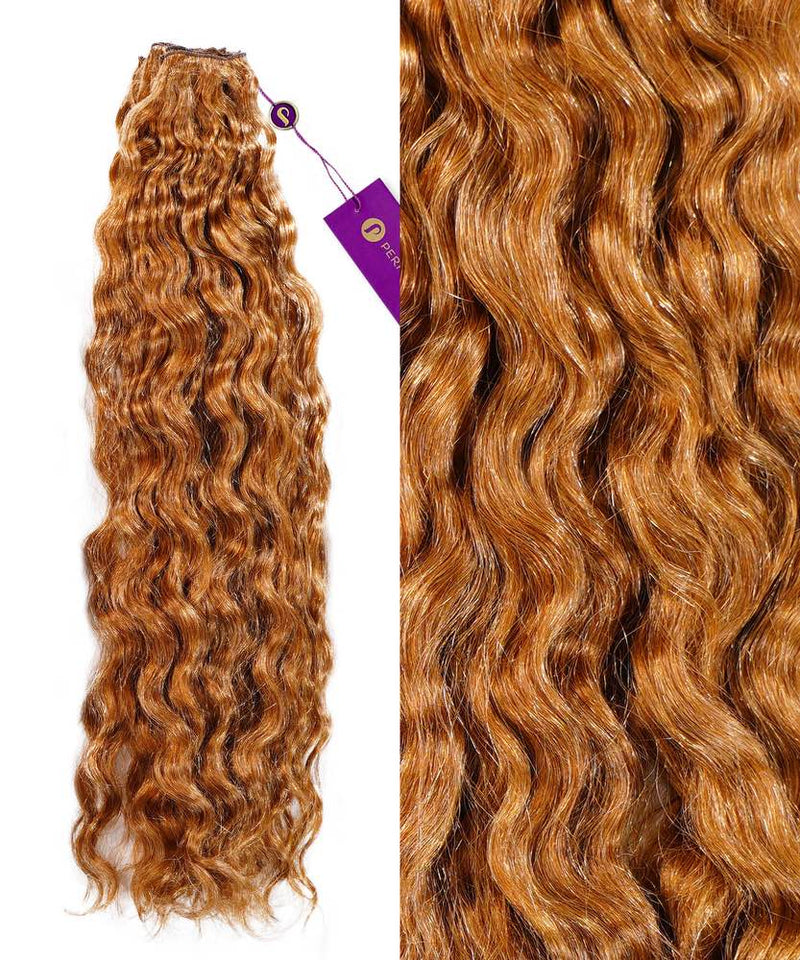
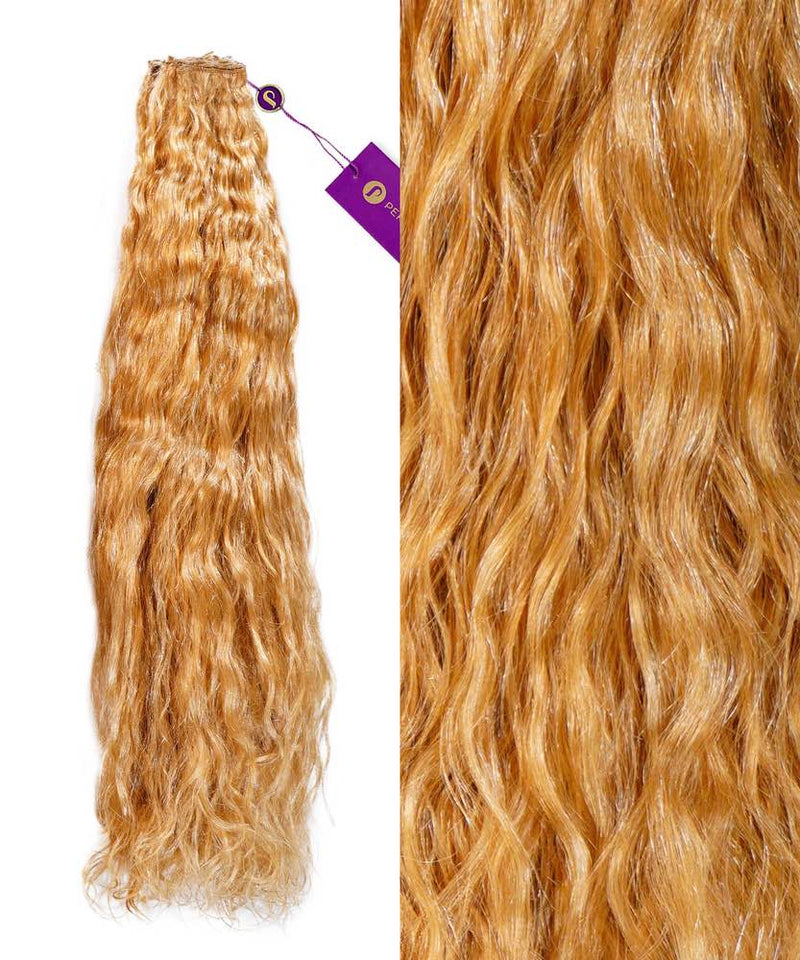
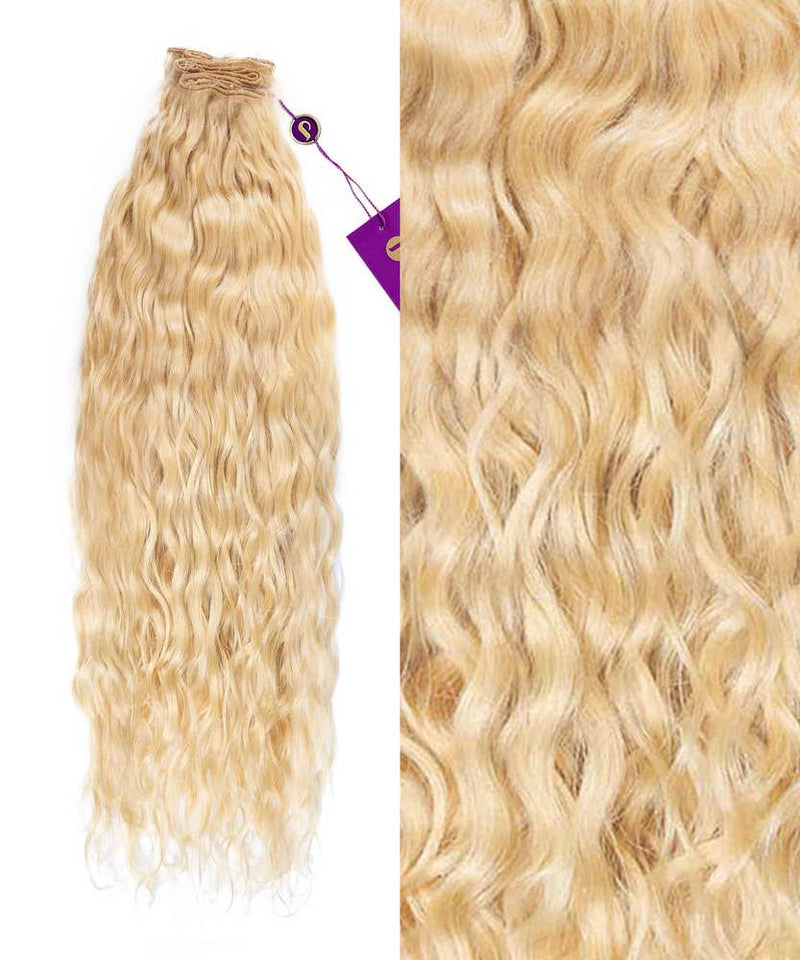
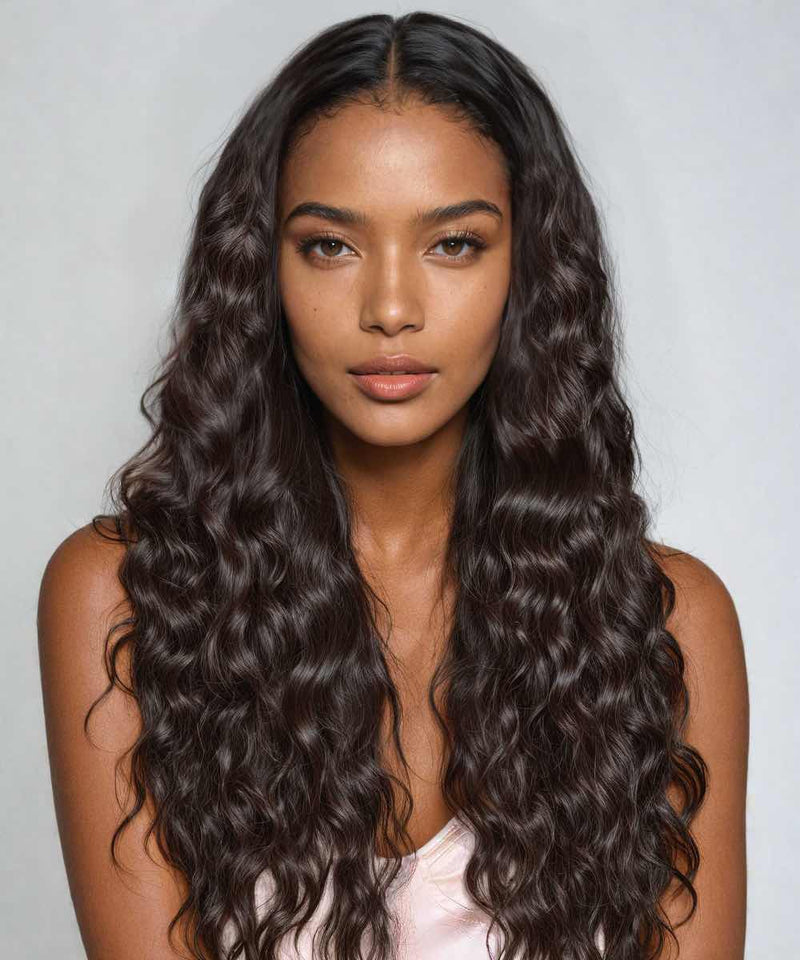
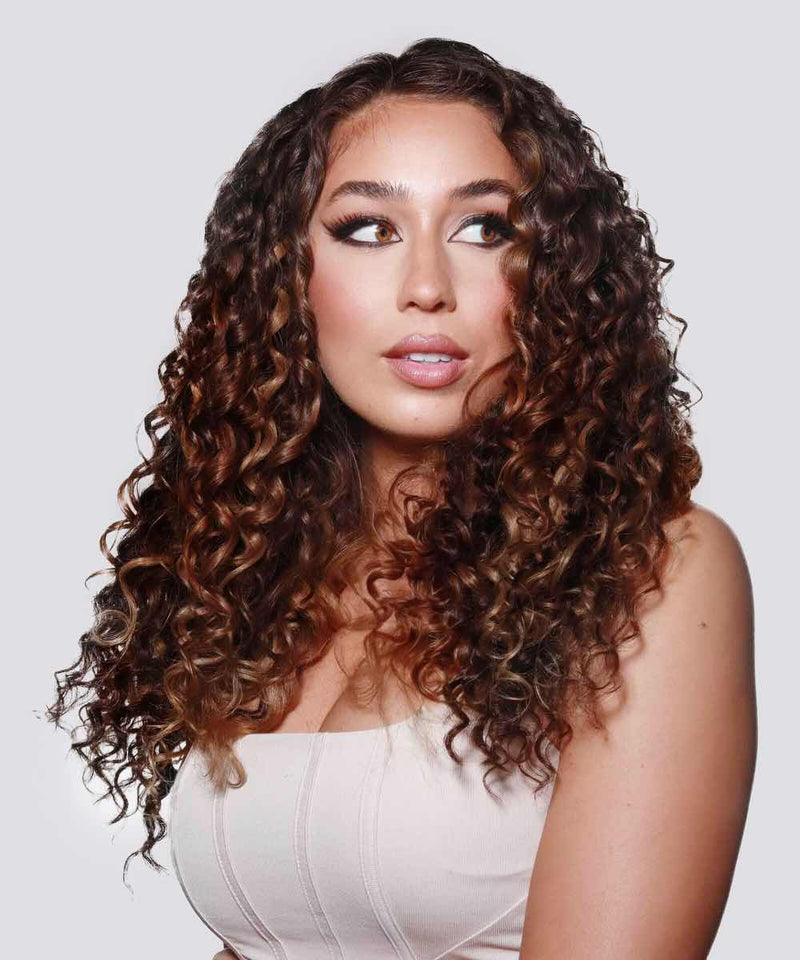
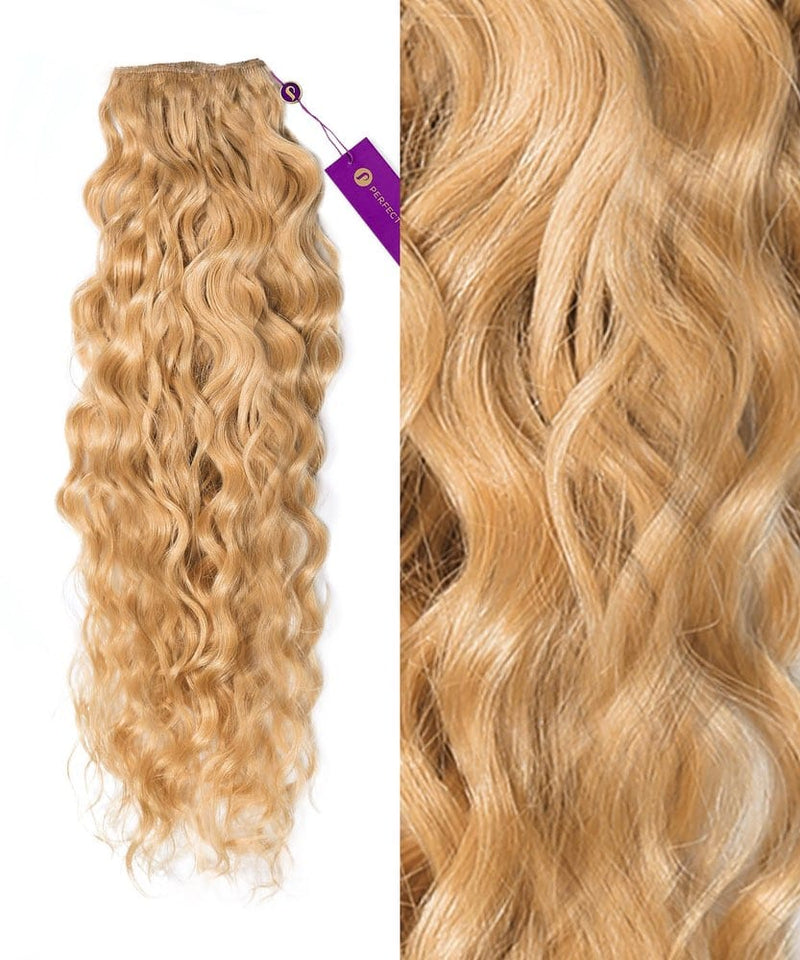
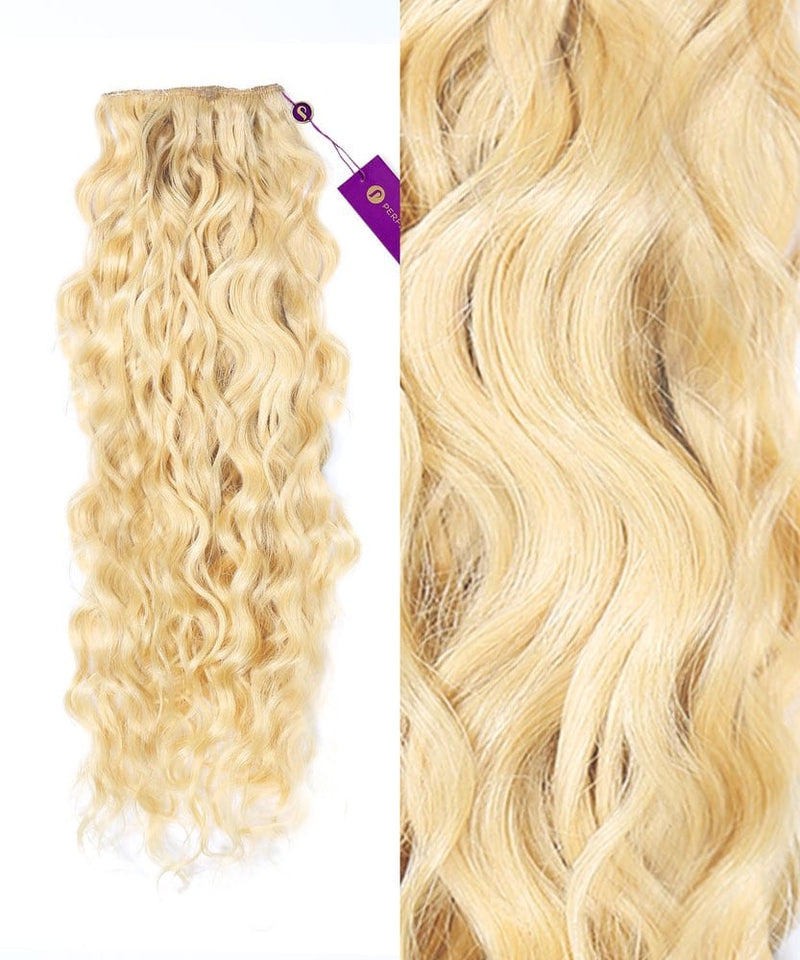
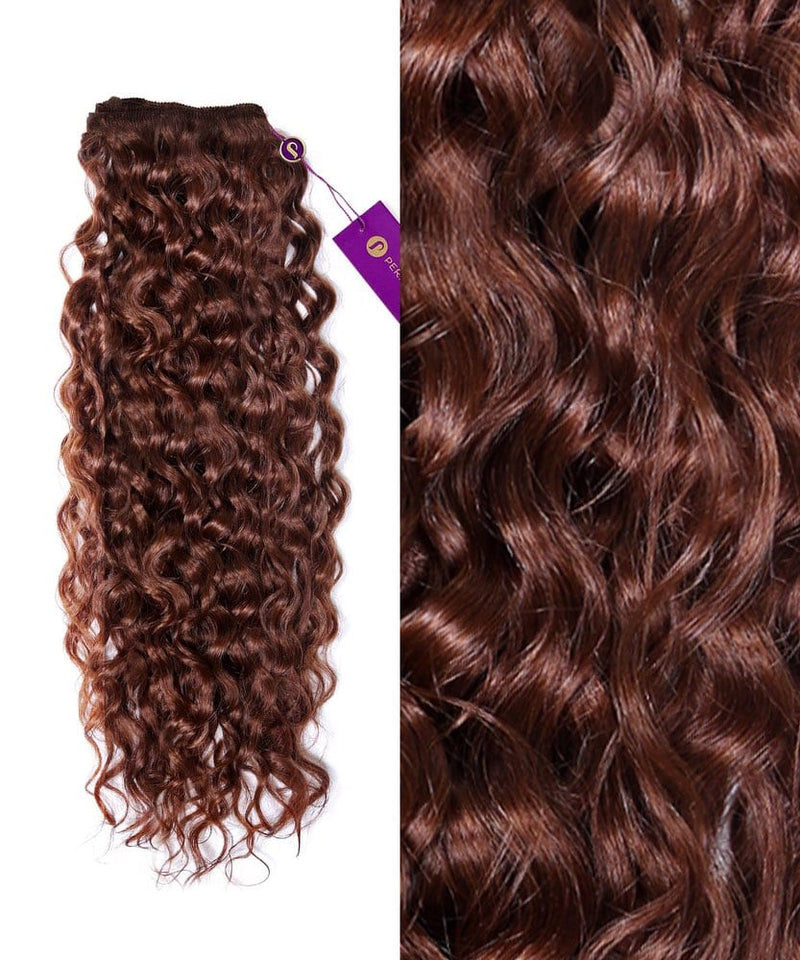
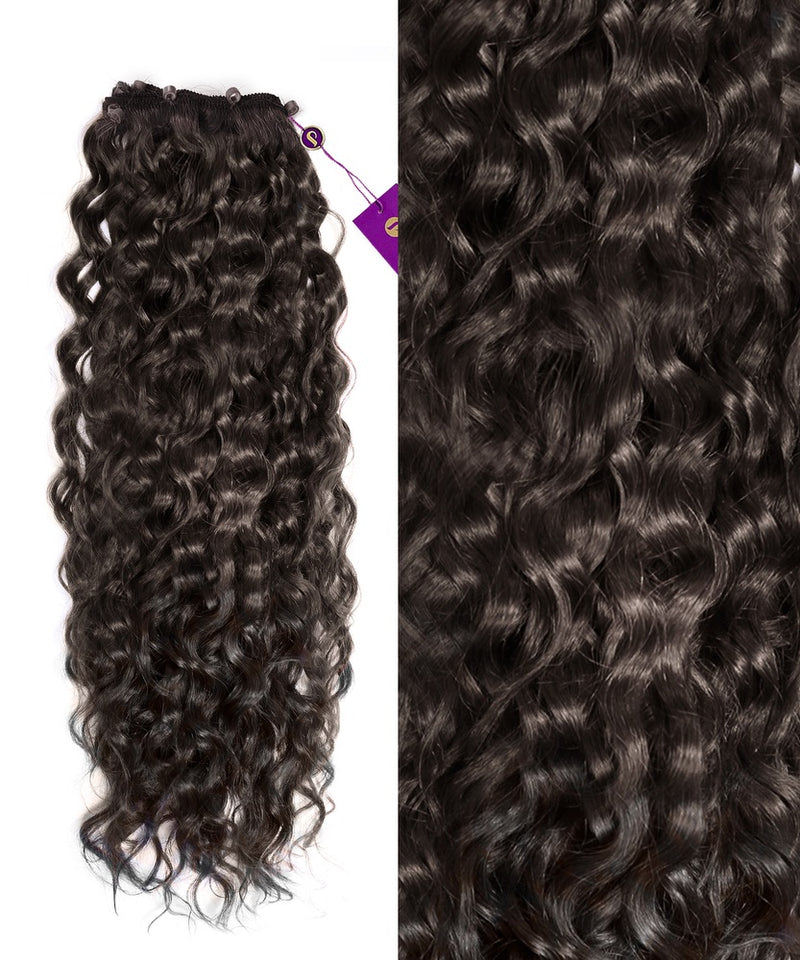
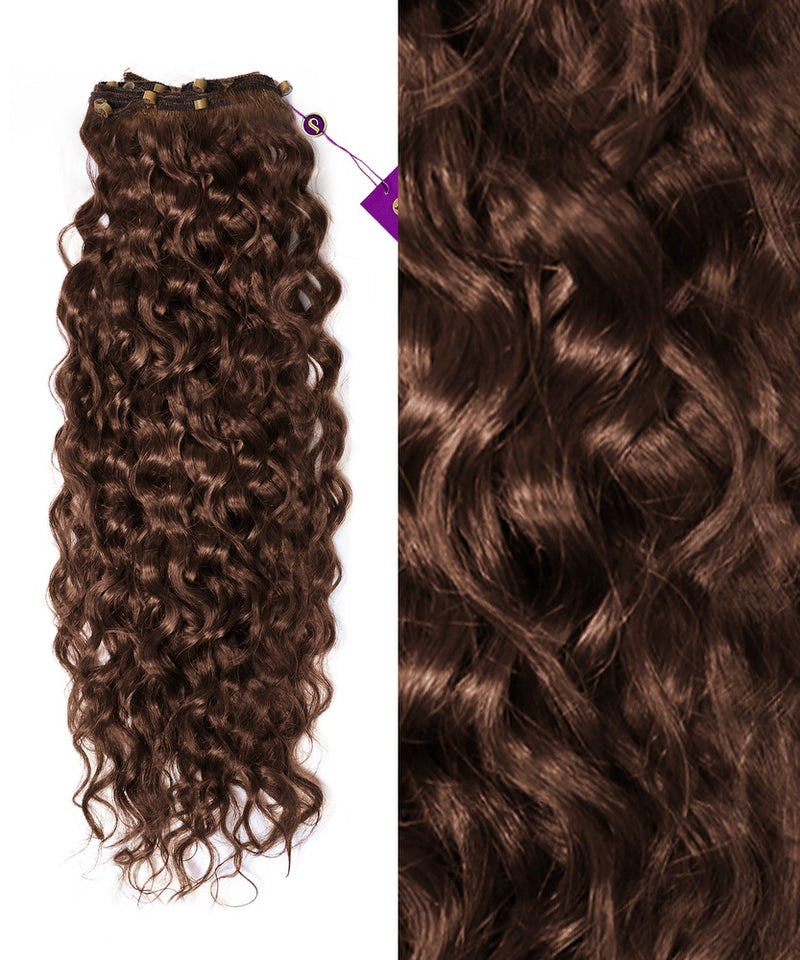
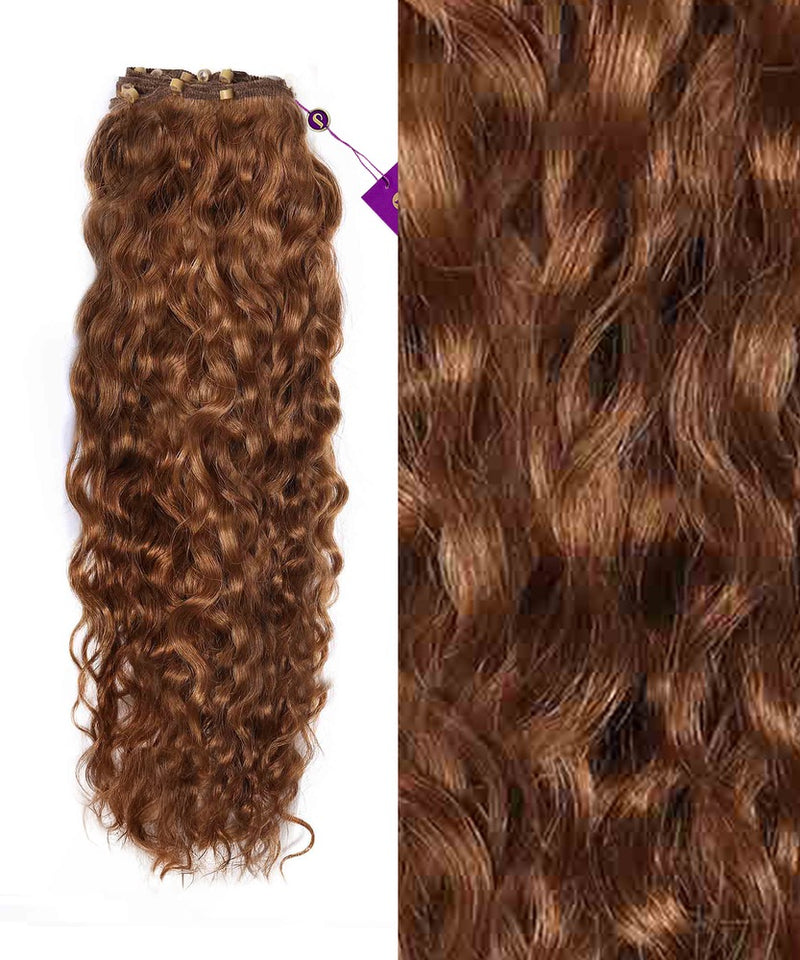
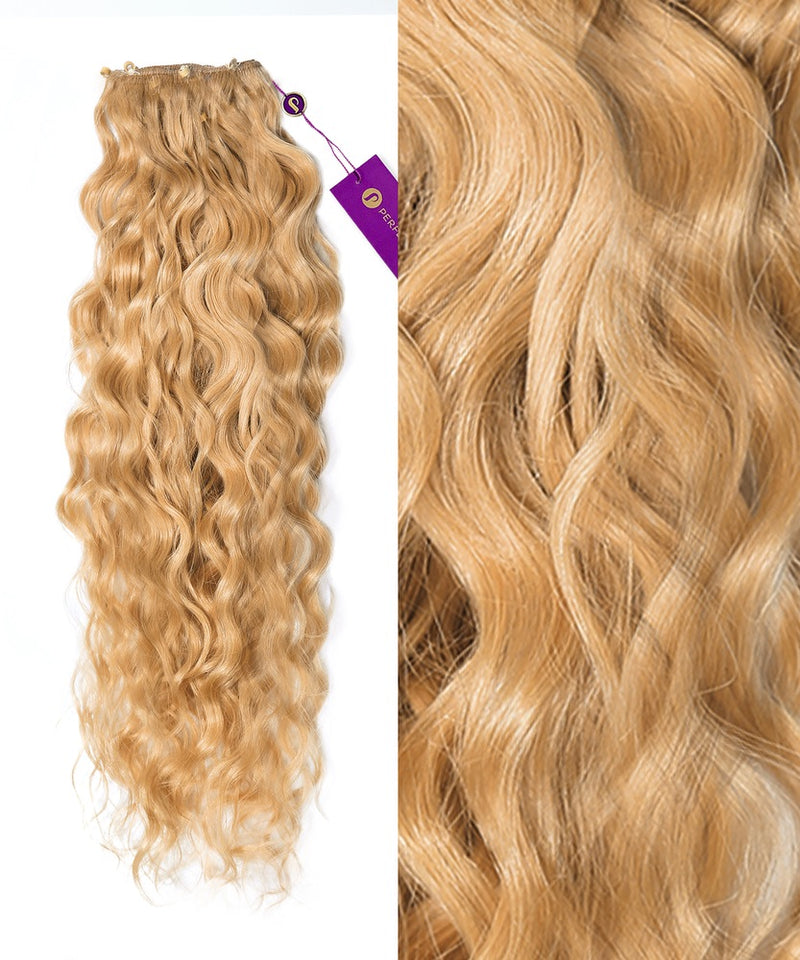
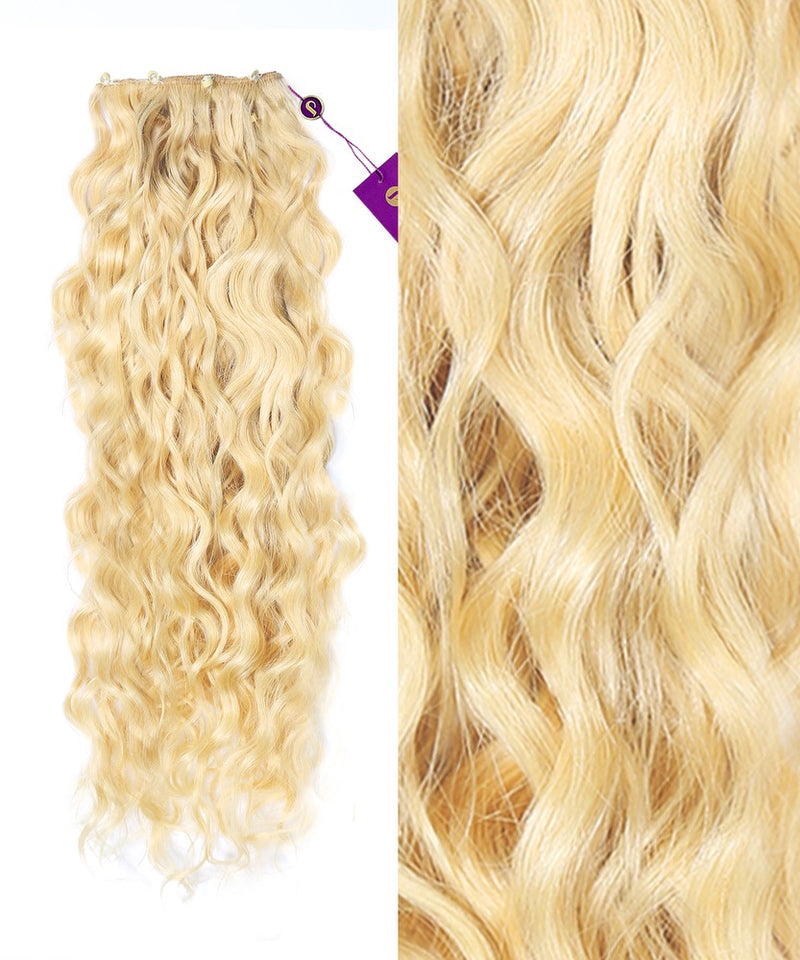
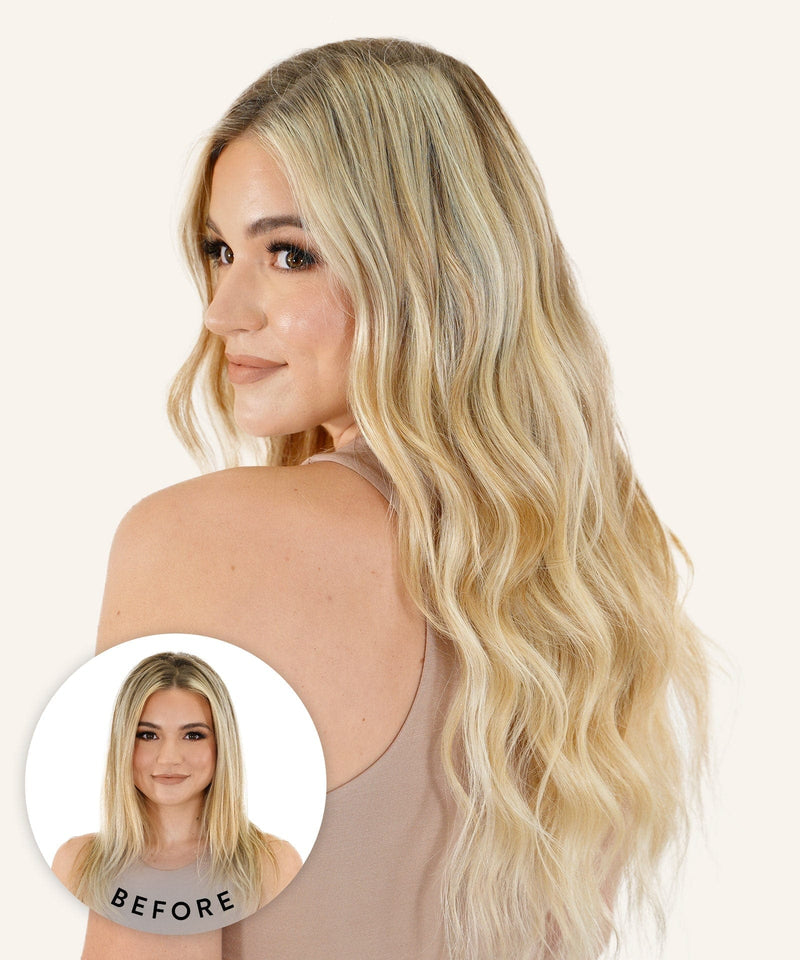
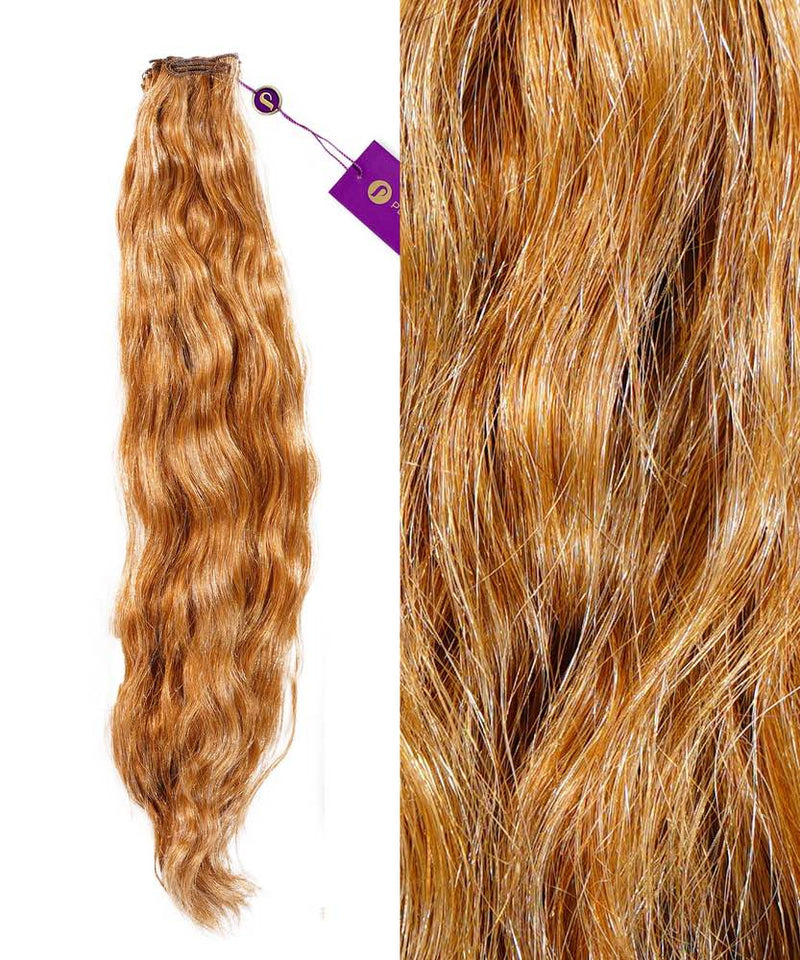
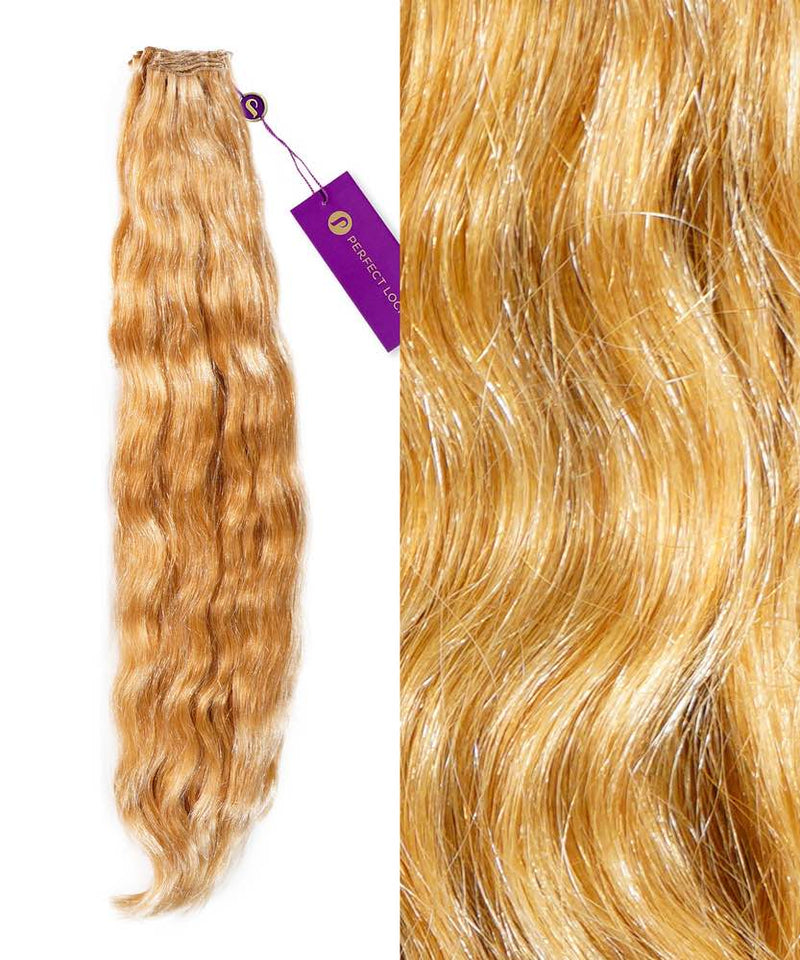
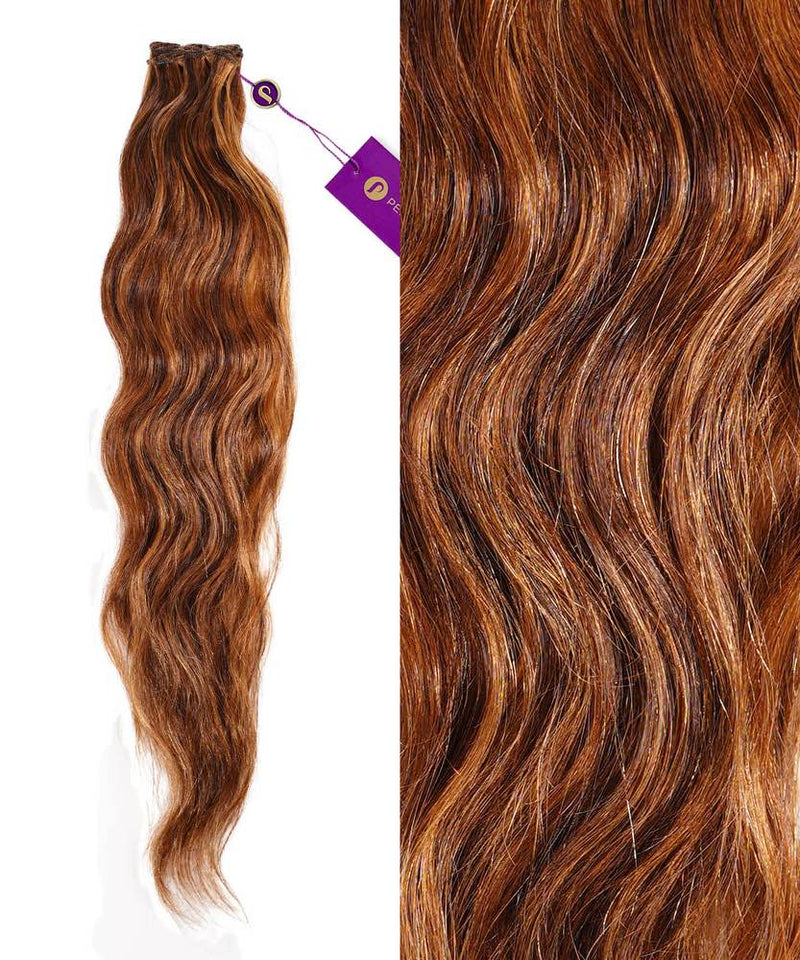
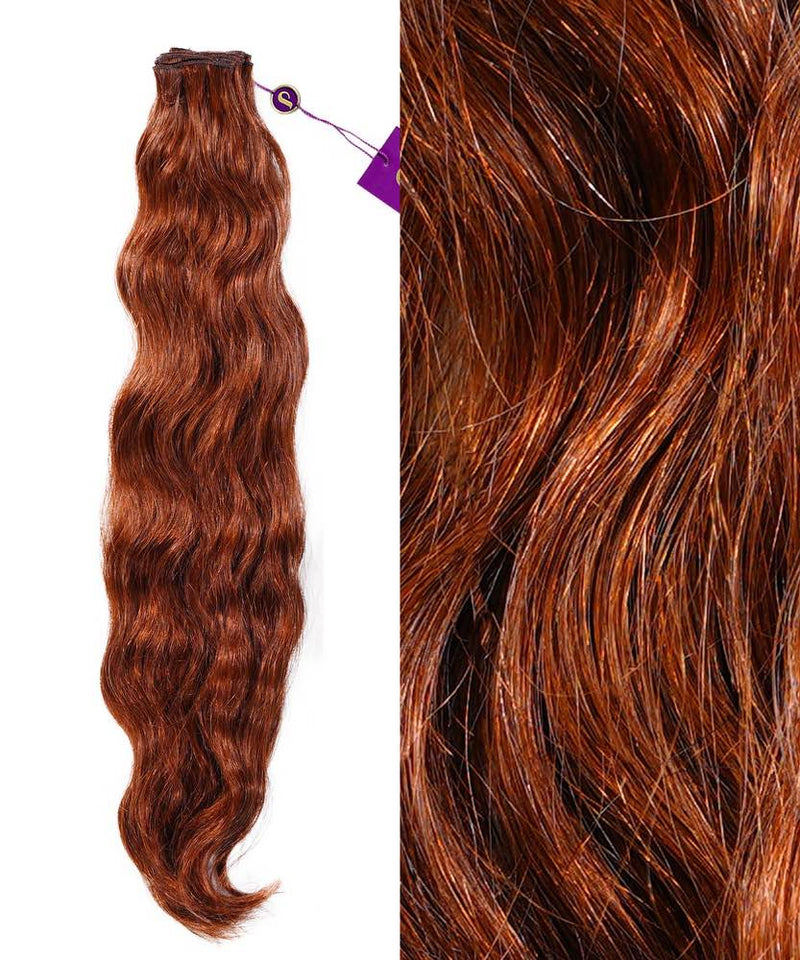
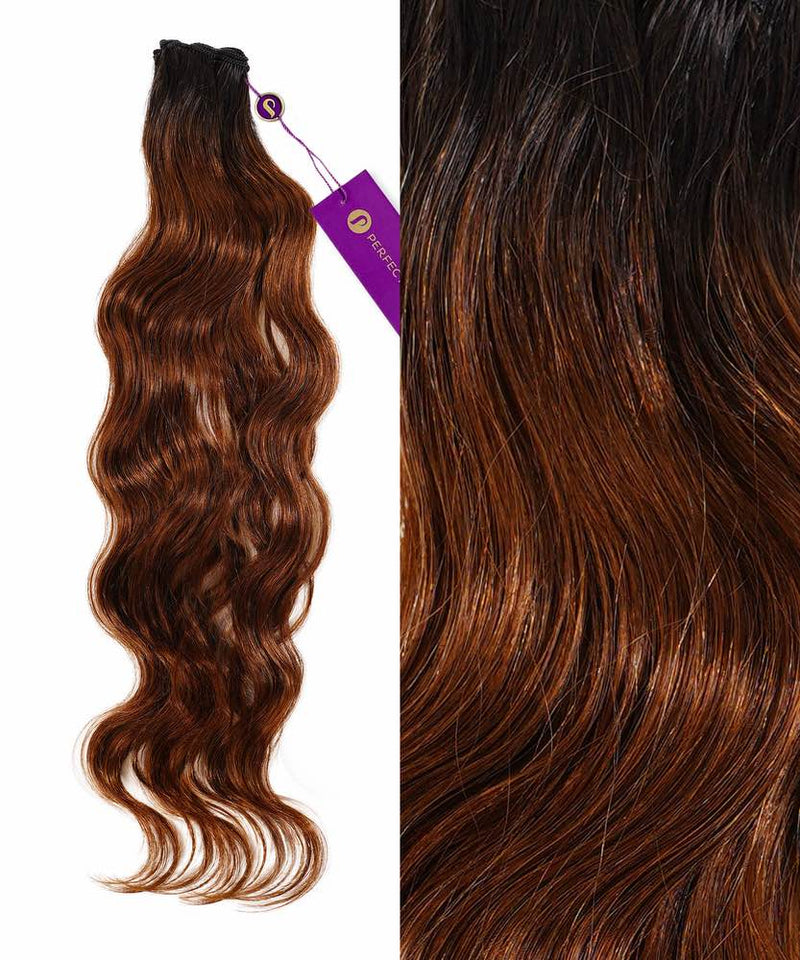
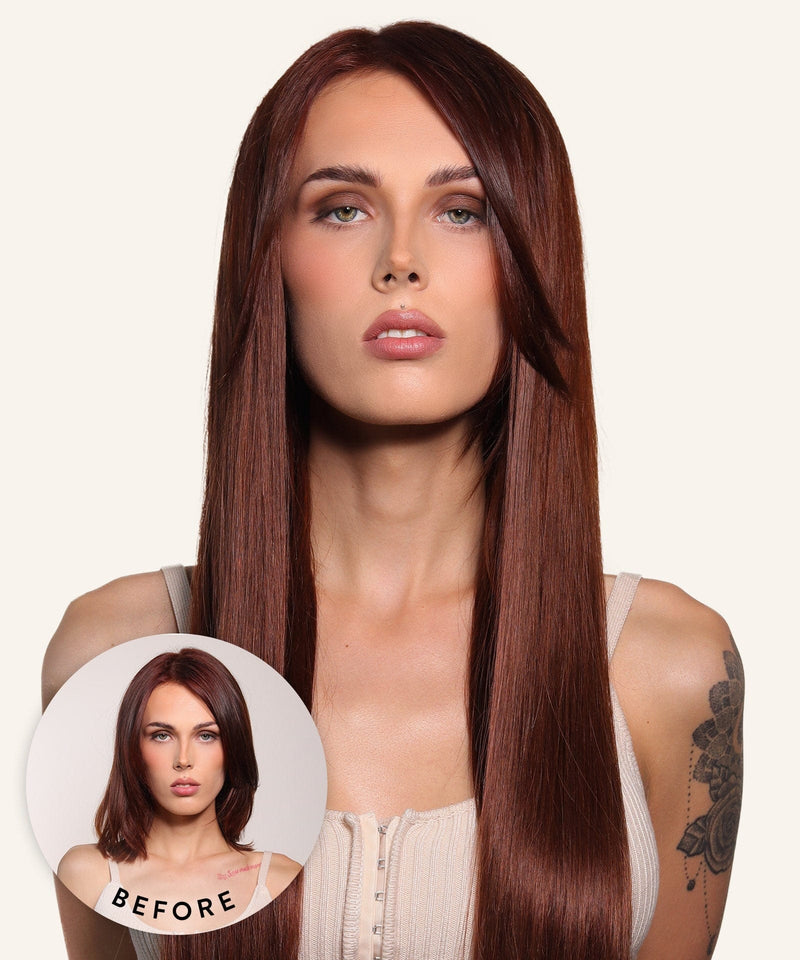
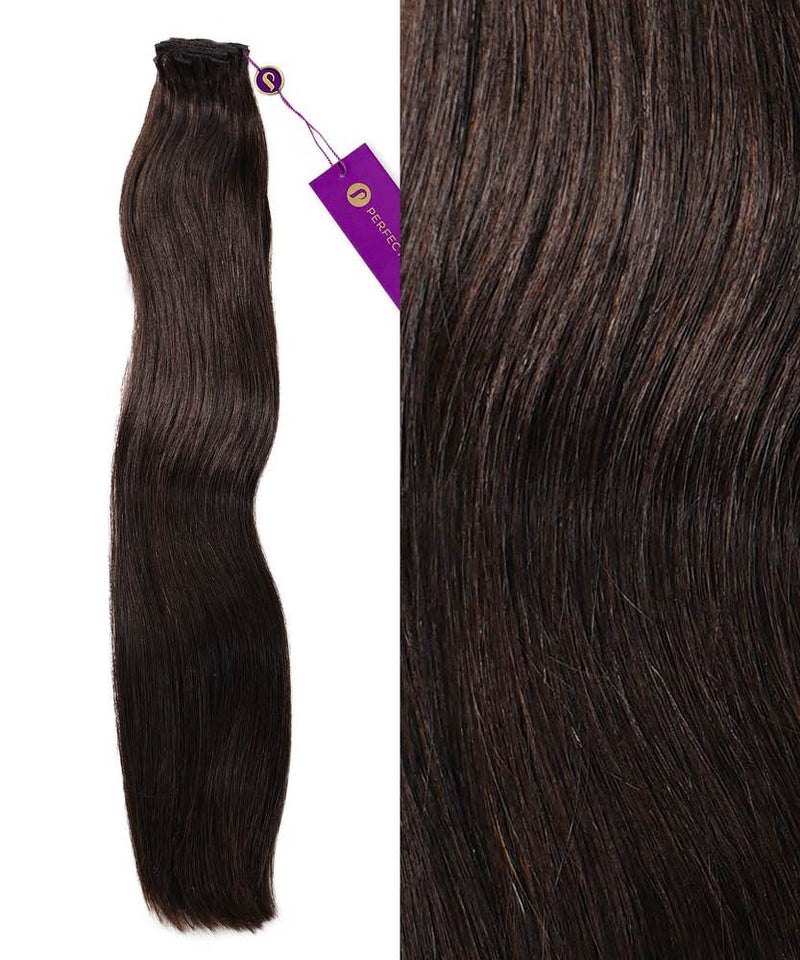
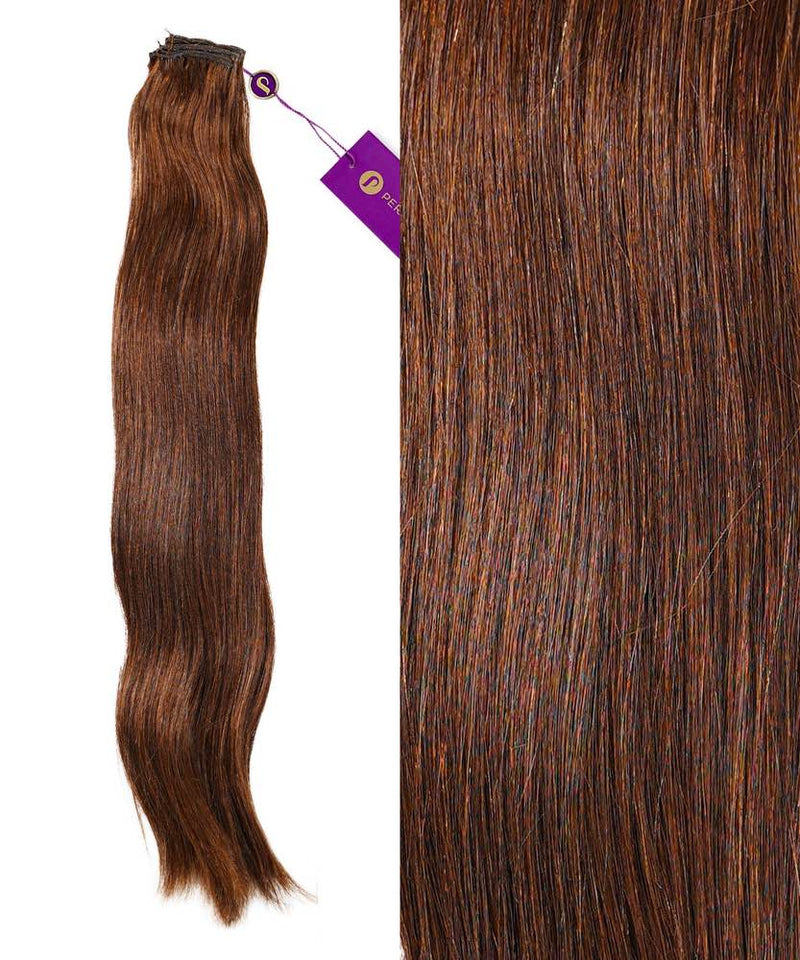
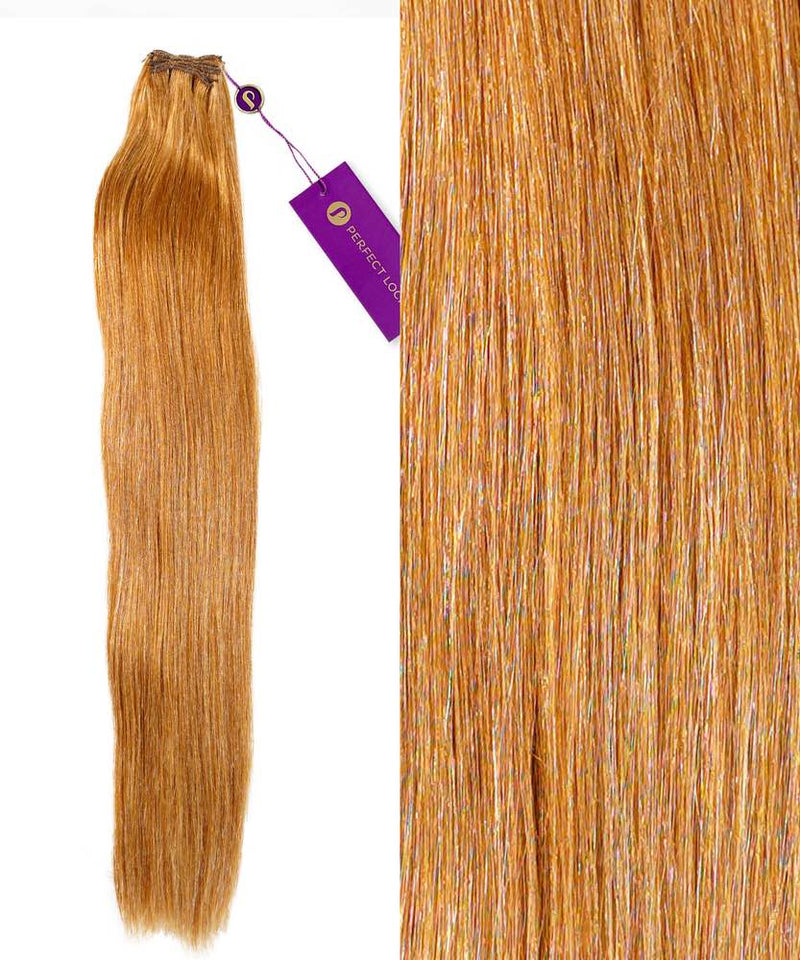
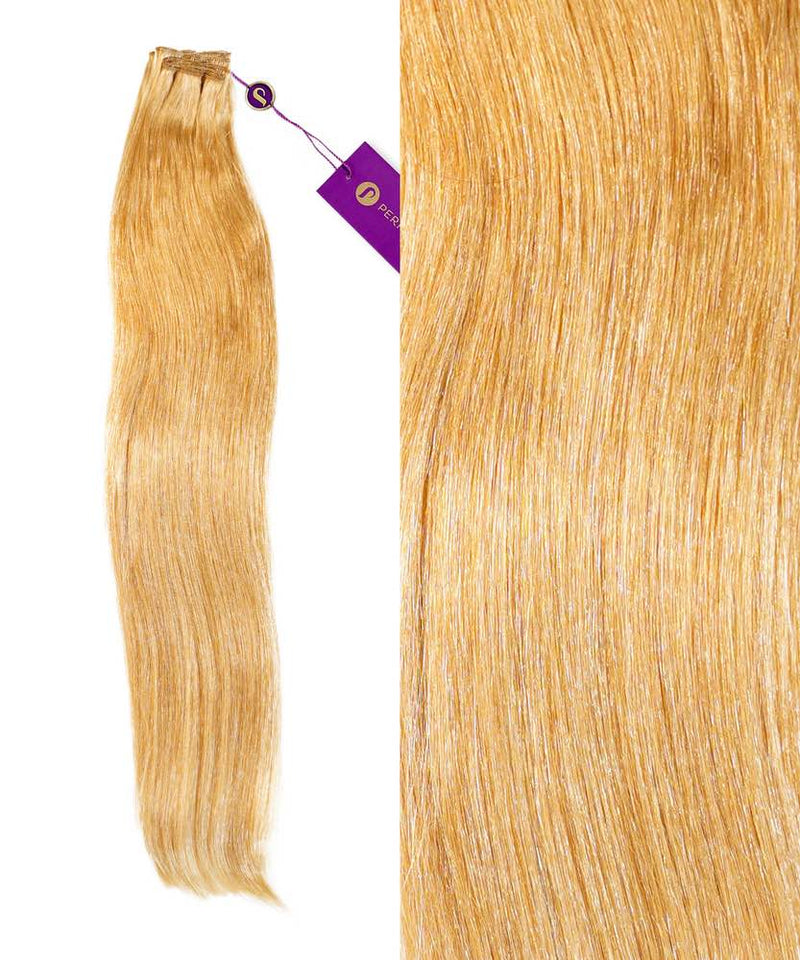
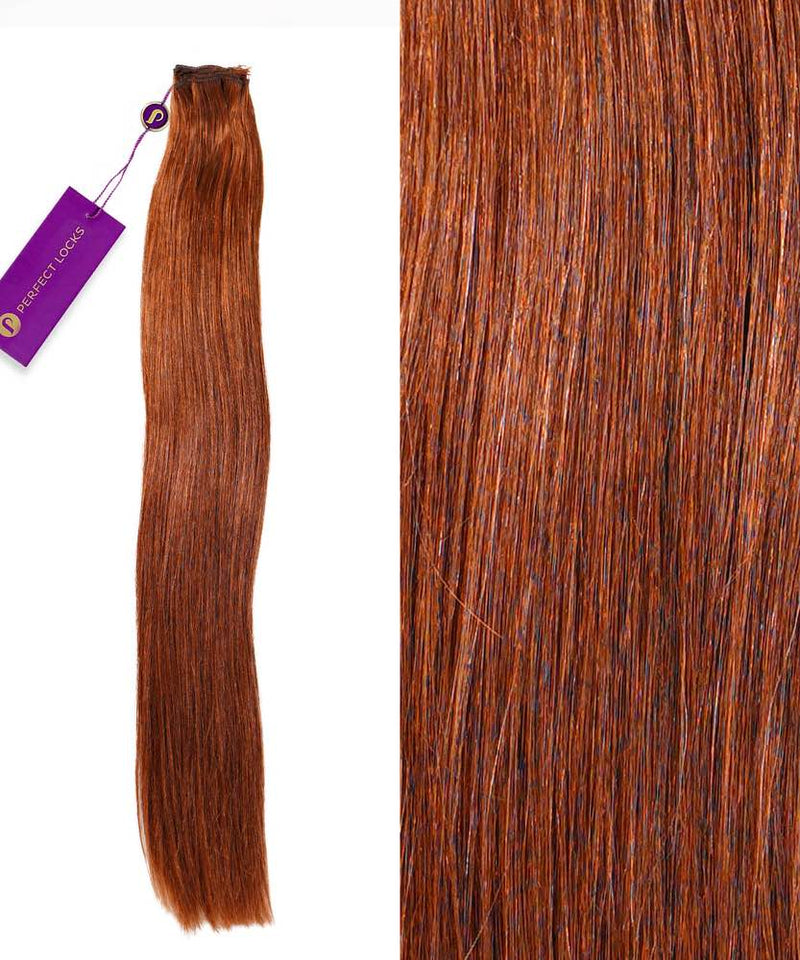
This is the gap in most competitors' lines and the reason textured hand-tied work books out. Our hand-tied rows come in six textures - Straight, Wavy, Curly, Tight Curly, Kinky Curly, and Relaxed Straight - so beaded-row installs are no longer a straight-hair-only service. Relaxed Straight deserves special attention: it matches chemically relaxed hair rather than bone-straight virgin hair, which means relaxed clients stop flat-ironing their extensions to blend. The full method breakdown is in our hand-tied weft extensions guide.
Hand-Tied Weft Extensions
The extension stylists request by name. Each strand in our hand-tied weft extensions is individually knotted to a bas...
Curly fusion
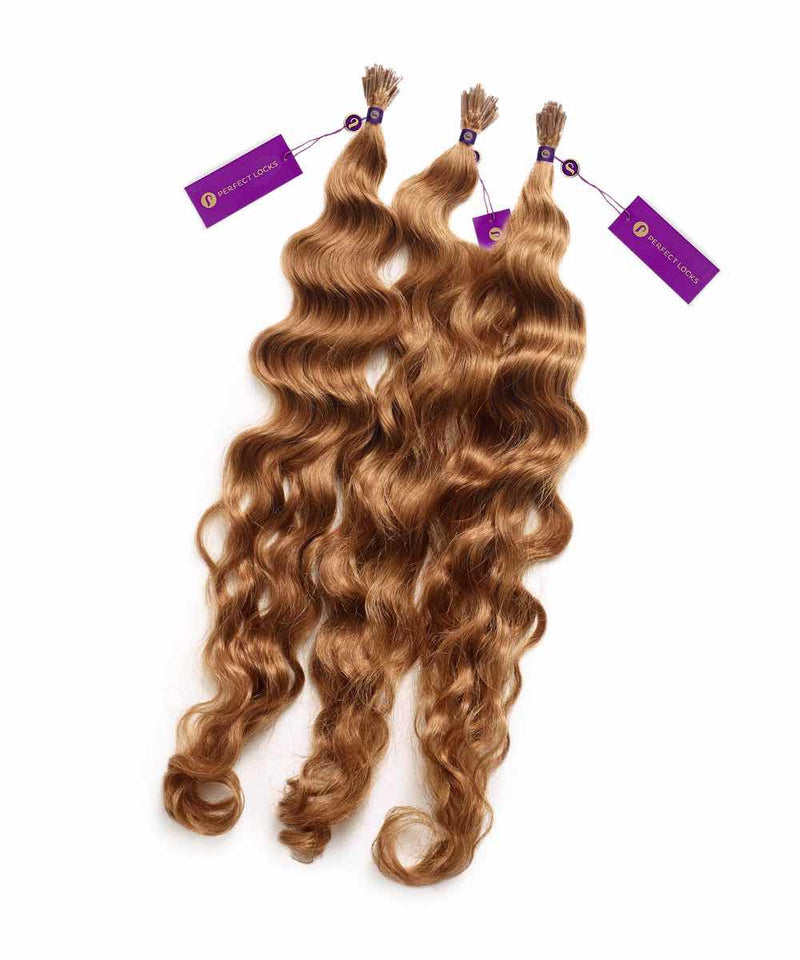
For curly clients who want strand-level invisibility, curly fusion extensions blend individual curls into the natural pattern. Keep bonds small and rows staggered; curl shrinkage will expose a straight-line placement pattern that would stay hidden in straight hair.
Curly halo
We were the first company to offer halo extensions for textured hair, and they remain the zero-tension answer for clients whose hair cannot take attachment points: transitioning clients, postpartum shedding, traction-sensitive hairlines. Nothing clips, bonds, or braids - the halo rests on the head and the client's hair covers it.
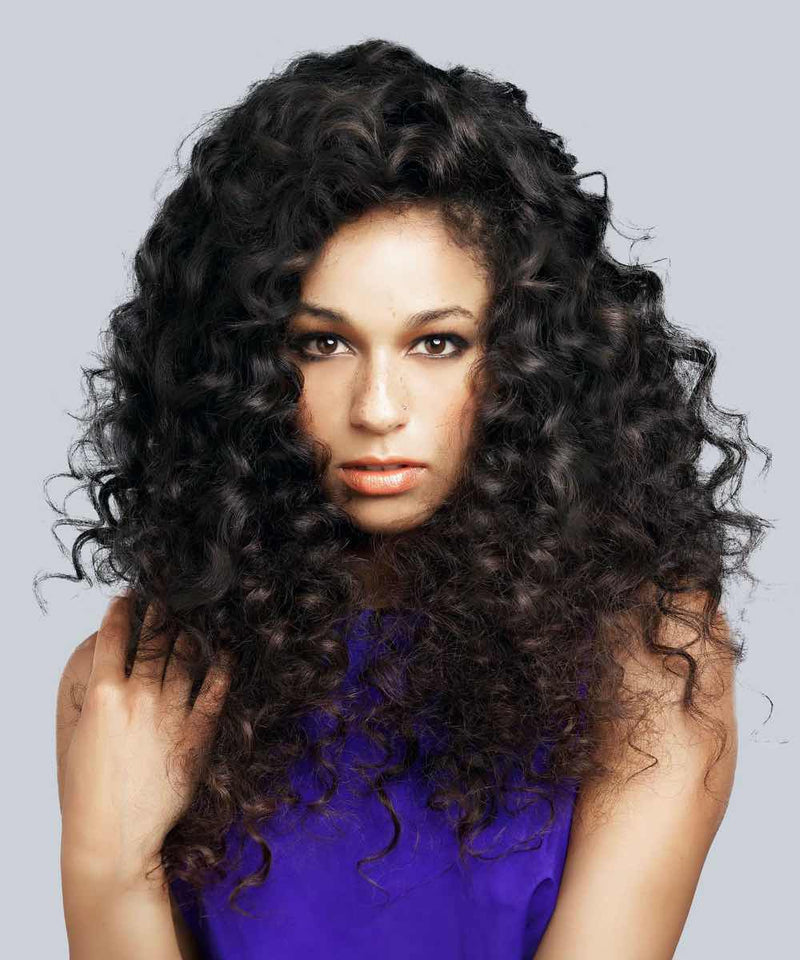
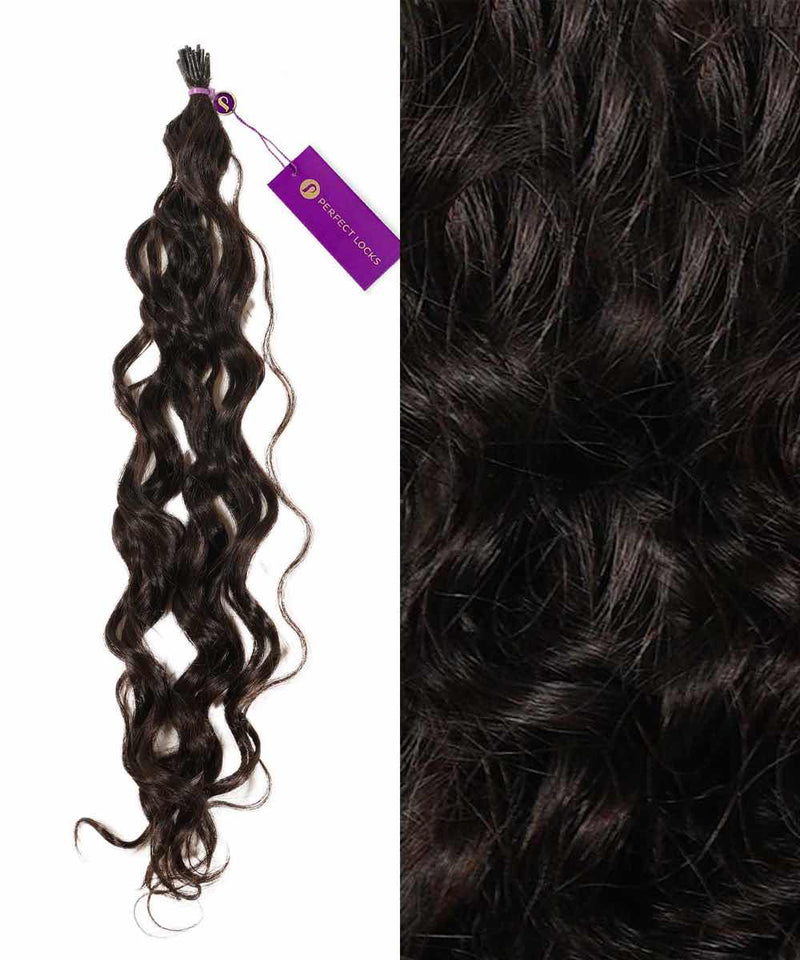
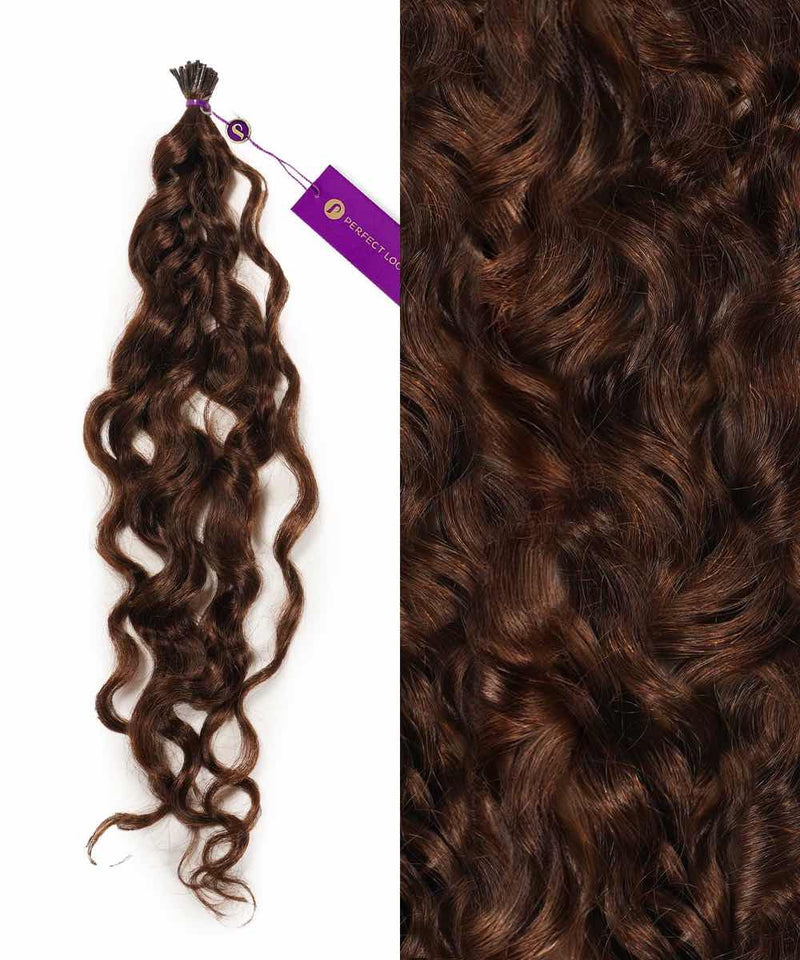
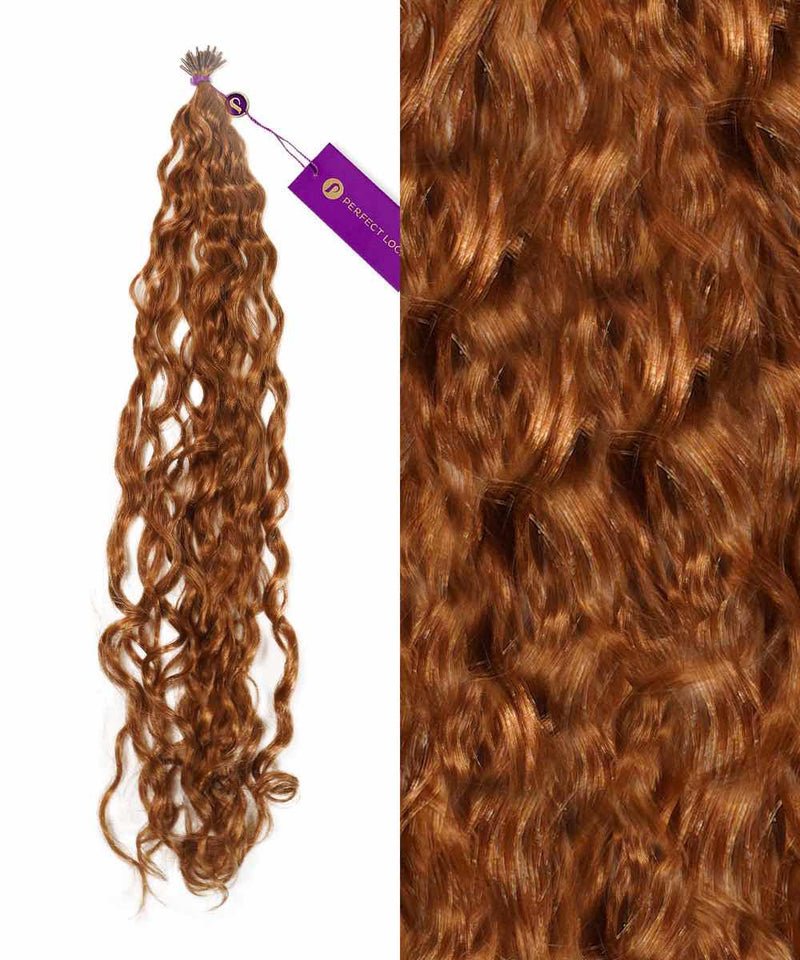
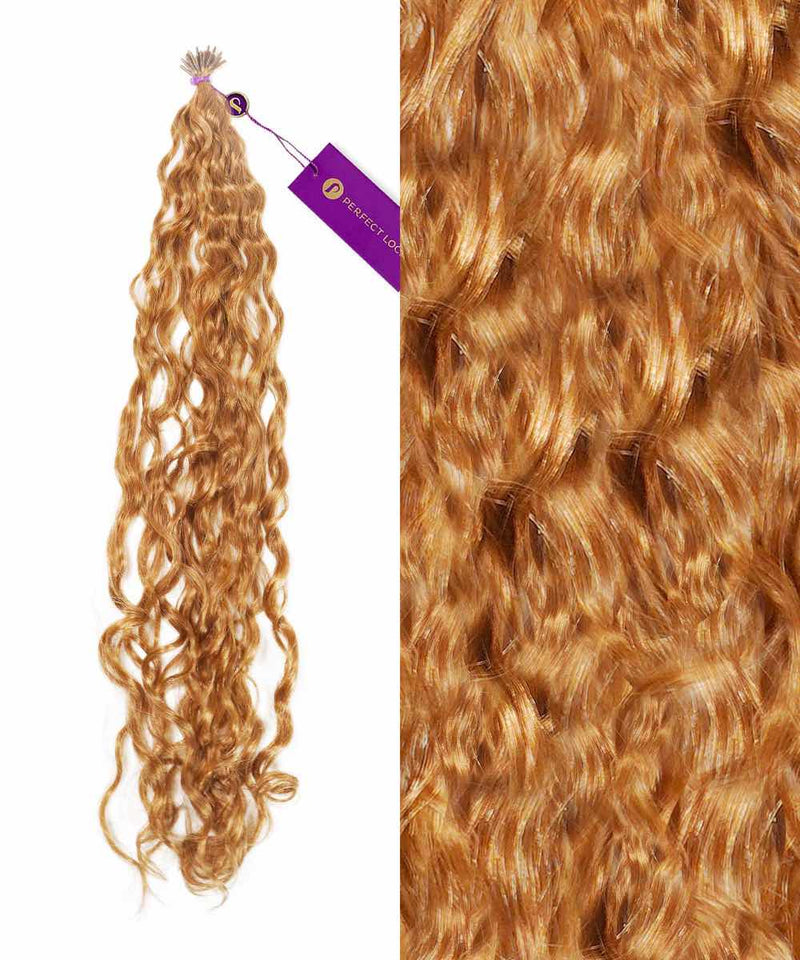
The full textured range across all methods lives in our curly hair extensions collection, with the coily-specific range in kinky curly hair extensions.
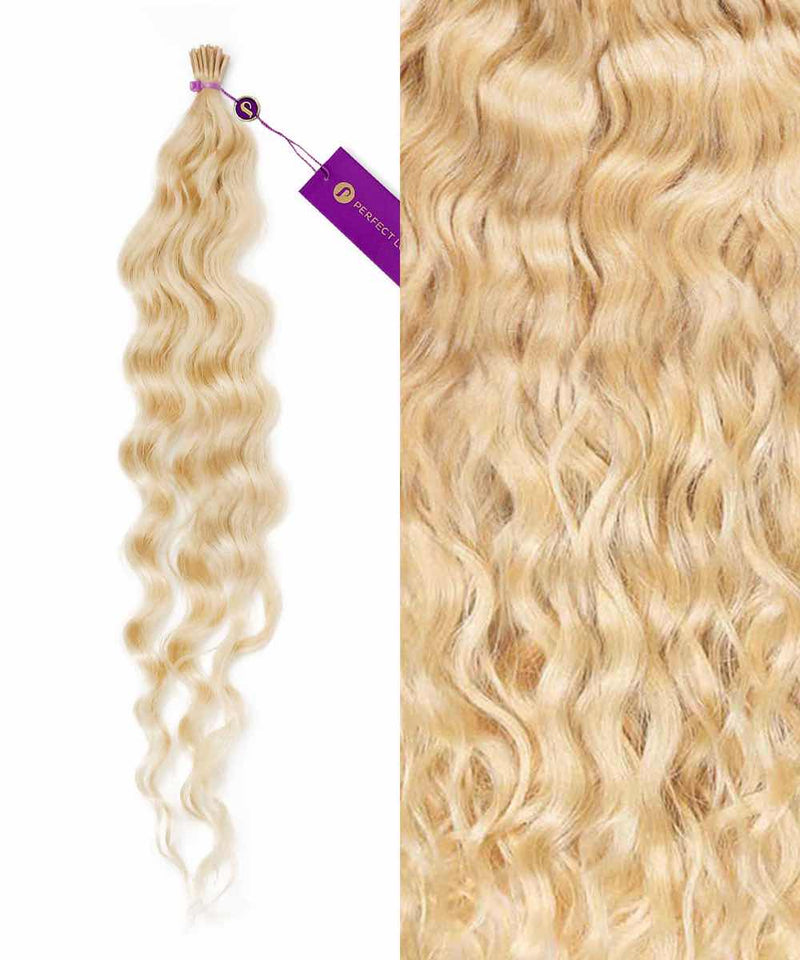
Curly Hair Extensions
Curls that actually look like curls - bouncy, defined, and full of life. Not the stiff, crunchy kind that fool nobody...
Installation Adjustments for Textured Hair
Blend dry, cut dry. Curl shrinkage means a wet cut lies. Dry-cut the install in the client's natural state, and diffuse rather than tension-dry when blending.
Respect the moisture routine. Textured hair needs oils and leave-ins that adhesive methods dislike. This is a method-selection input, not an aftercare afterthought: a client who deep-conditions weekly is a better sew-in or hand-tied candidate than a tape-in candidate.
Mind tension on coily hair. Coily strands are the most fragile of the curl types despite looking robust. Beaded foundations should sit looser than they would on straight hair, and braided foundations should never pull at the hairline. Our installation guides cover foundation work per method.
Have the maintenance conversation before the install. Textured installs live or die on the client's wash-day routine. Our guide to the curl care talk covers how to set expectations without talking clients out of the service.
For Stylists: Build the Textured Side of Your Book
Textured extension work is underserved in most markets, which makes it a differentiator you can own. The Perfect Locks Pro program gives licensed stylists 20% off every order across the full textured range, and our training classes cover textured install technique alongside certification.
Frequently Asked Questions
Can you use tape-in extensions on 4C hair?
It is usually the wrong tool. Tape adhesive grips best on looser patterns (3A to 3C); on 4-type coils the bond surface is smaller and the moisture routine coily hair requires degrades adhesive faster. For 4C clients, sew-in wefts on a braided foundation or hand-tied rows on a beaded foundation hold securely without fighting the hair's needs.
Does the extension curl pattern need to match the client's exactly?
Within one step, yes. A 3C client can wear a 3B or kinky curly texture convincingly because adjacent patterns diffuse together, but a two-step mismatch (3A extensions on 4B hair) needs daily heat styling to blend, which defeats the purpose. When in doubt, match the pattern the client wears day to day rather than their wash-day pattern.
What are kinky straight extensions for?
Kinky straight matches natural hair in a blown-out state: straightened, but with the body and slight texture natural hair keeps after a blowout. Silky straight extensions look artificially sleek next to blown-out hair; kinky straight blends invisibly. It is the right call for clients who wear blowouts between protective styles.
What extensions work for chemically relaxed hair?
Relaxed Straight textures, which match the movement of relaxed hair rather than bone-straight virgin hair. We carry Relaxed Straight in hand-tied rows, which pairs the lowest-tension install method with the right pattern for relaxed clients - important, since relaxed hair is more processing-fragile than natural hair.
Which install method is gentlest on fragile or transitioning textured hair?
The halo, because it has no attachment points at all, followed by hand-tied rows on a loosely set beaded foundation. Transitioning clients with two textures on one head are also strong halo candidates, since nothing bonds to the demarcation-weakened mid-lengths.