Hand-Tied Weft Extensions: The Complete Guide
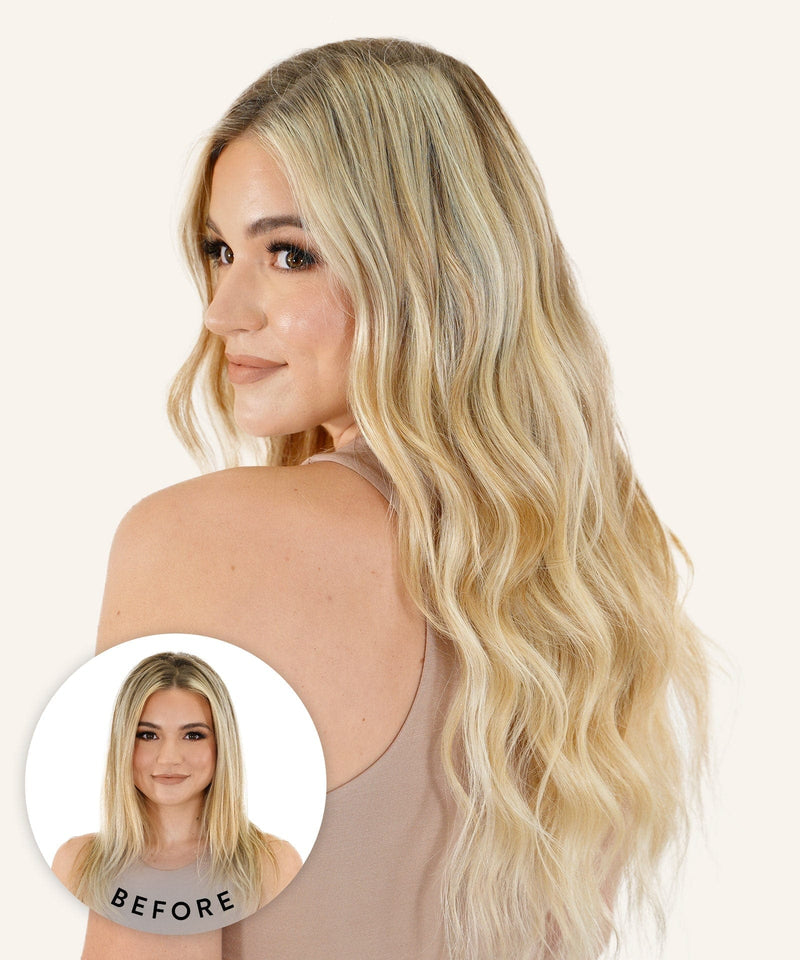
Hand-tied weft extensions are panels of hair sewn entirely by hand onto a thread track roughly 3 to 4 times thinner than a machine weft. The thin, flexible track lays flat against the head and installs with beads - no glue, no heat - which makes hand-tied wefts the go-to method for natural movement, fine hair, and long-term wear.
This guide covers how they are built, how they compare to machine and hybrid wefts, how they are installed, what they cost, and how to choose between our six textures - including the curl patterns most extension brands do not carry.
Hand-Tied Weft Specifications at a Glance
| Line | Weight | Textures | Lengths | Colors | Price per weft |
|---|---|---|---|---|---|
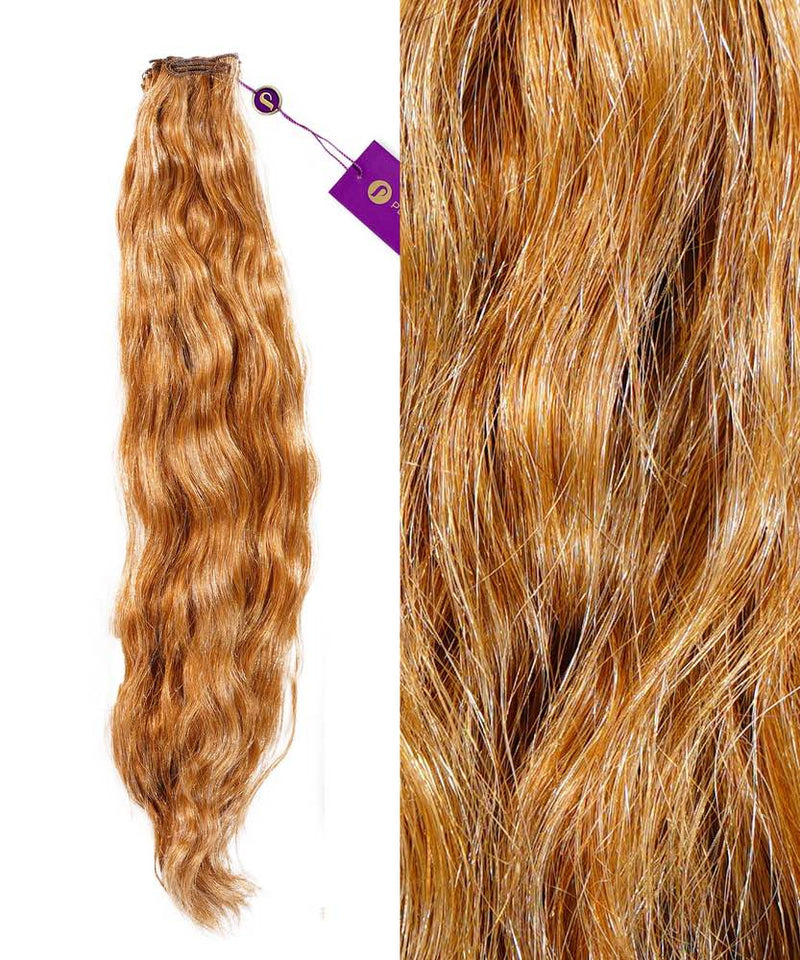
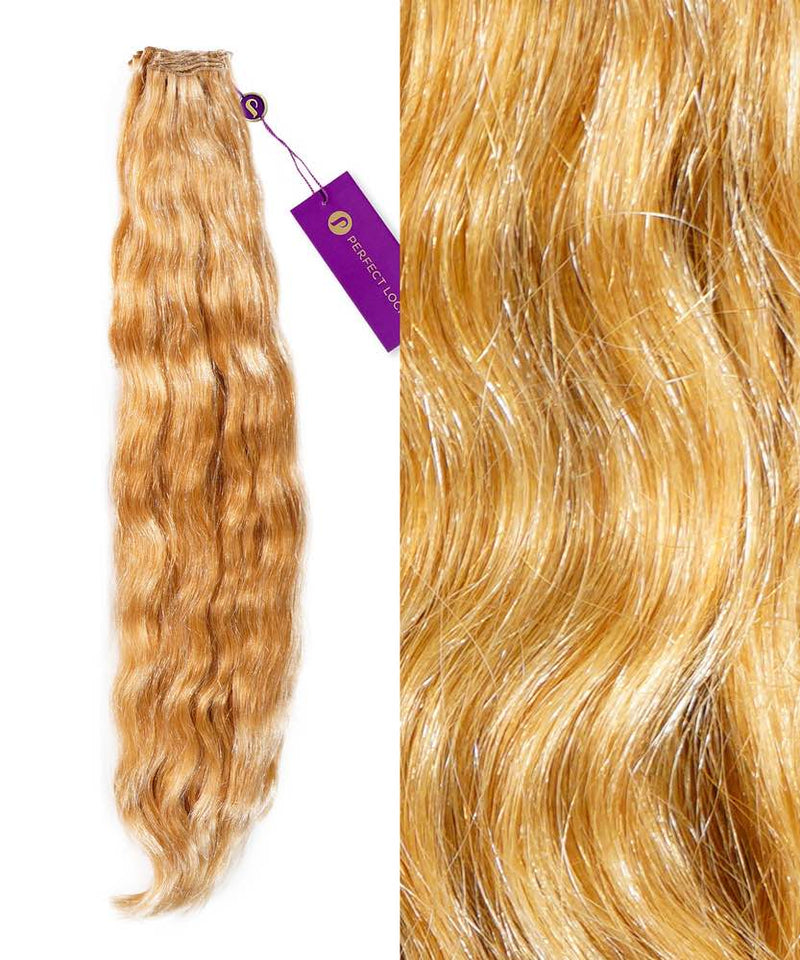
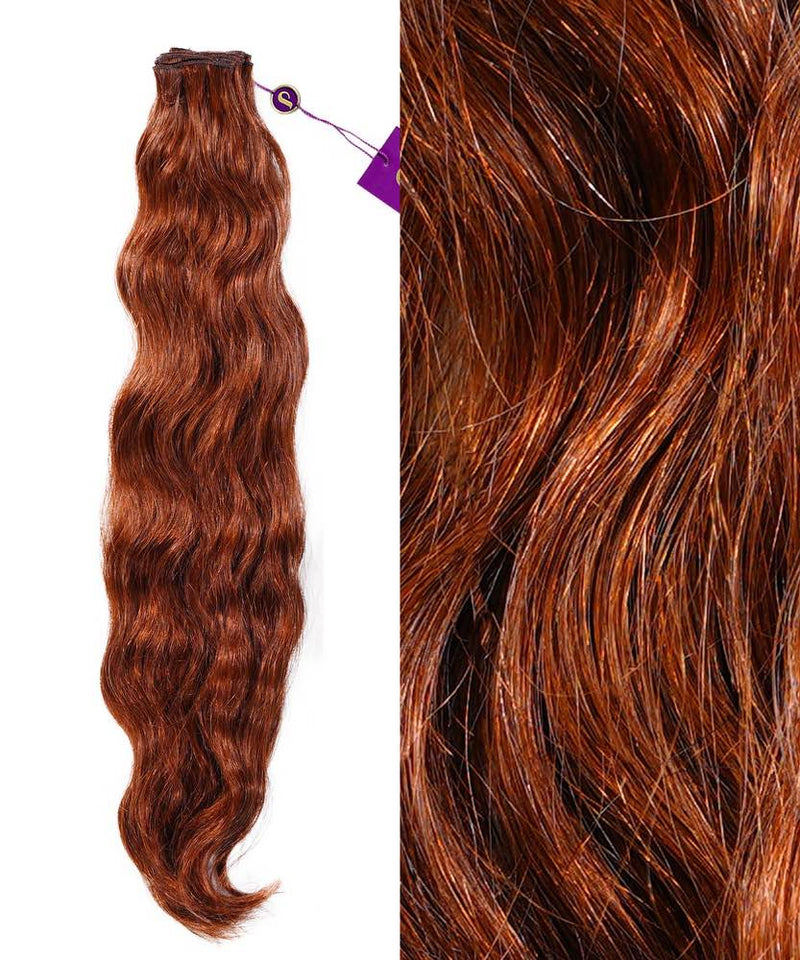
| Hand-Tied Weft Rows | 2 oz (57 g) per row | Straight, Wavy, Curly, Tight Curly, Kinky Curly, Relaxed Straight | 16" to 24" depending on texture | Up to 12 shades including rooted and highlighted blends, colored with our ammonia-free PigmentPlus+ process | $165 to $260 |
| Virgin Hand-Tied Wefts | Single drawn virgin Remy | Straight, Wavy, Curly | 16" and 20" | Natural Black (1B), ready for custom color | $199 to $259 |
Most full installs use 2 to 3 rows, with up to 4 for thicker hair or maximum volume, and a single row working well for accent volume. Your stylist will confirm quantity at consultation based on your natural density and the result you want. For a deeper quantity breakdown by method, see our hair extensions quantity guide.
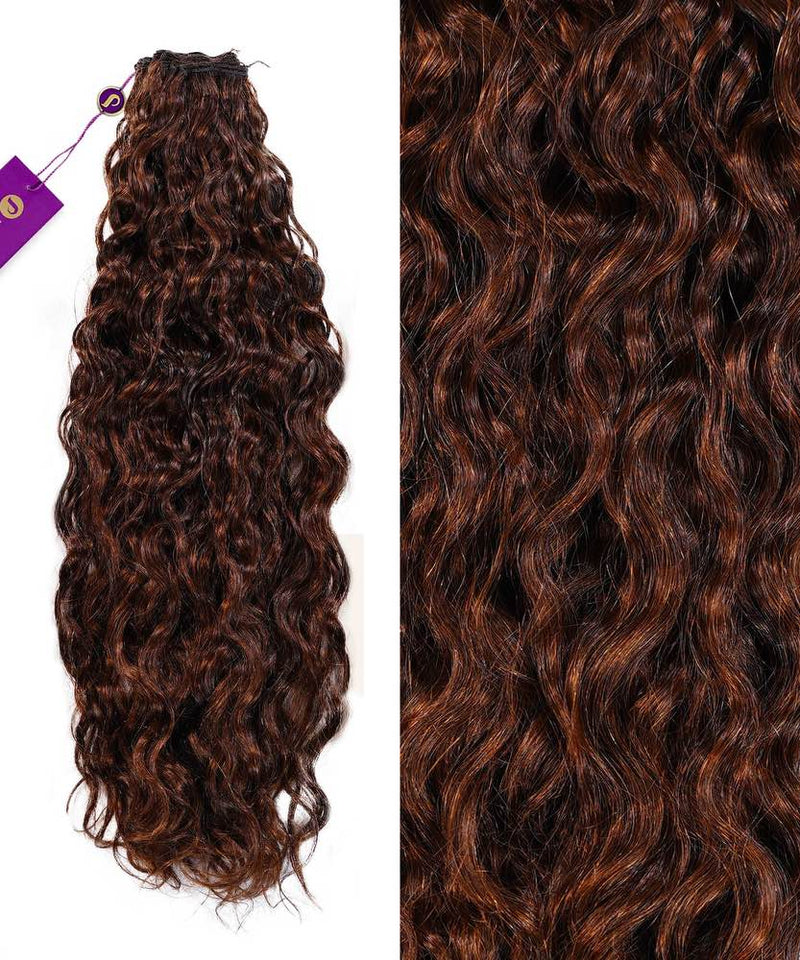
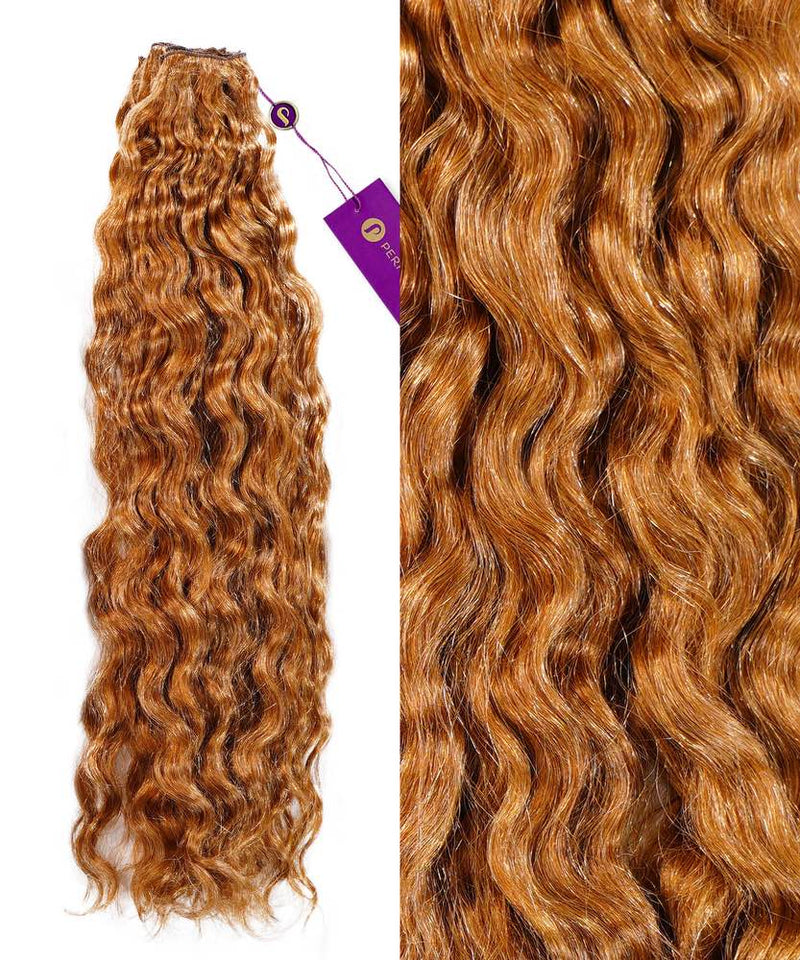
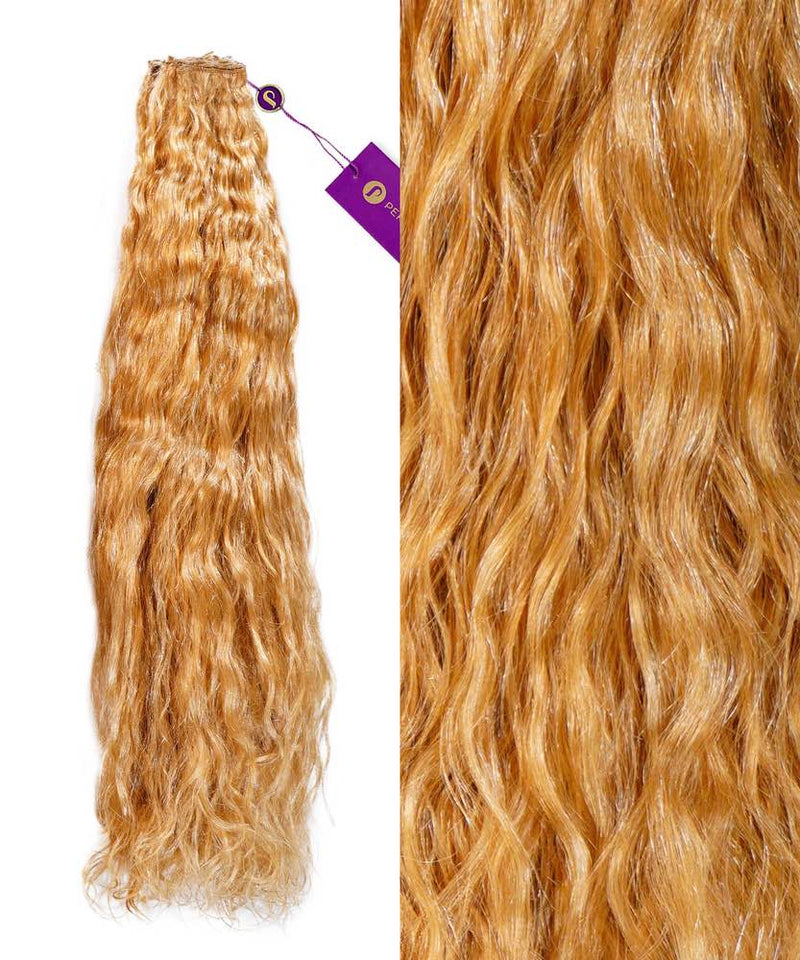
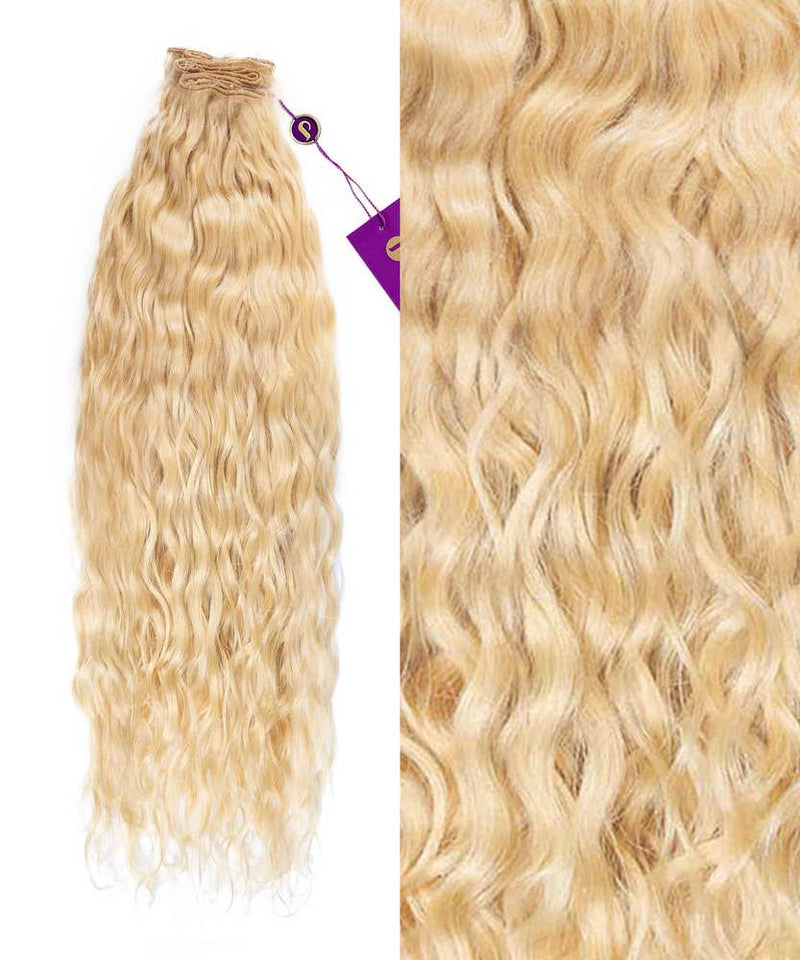
Hand-Tied Weft Extensions
The extension stylists request by name. Each strand in our hand-tied weft extensions is individually knotted to a bas...
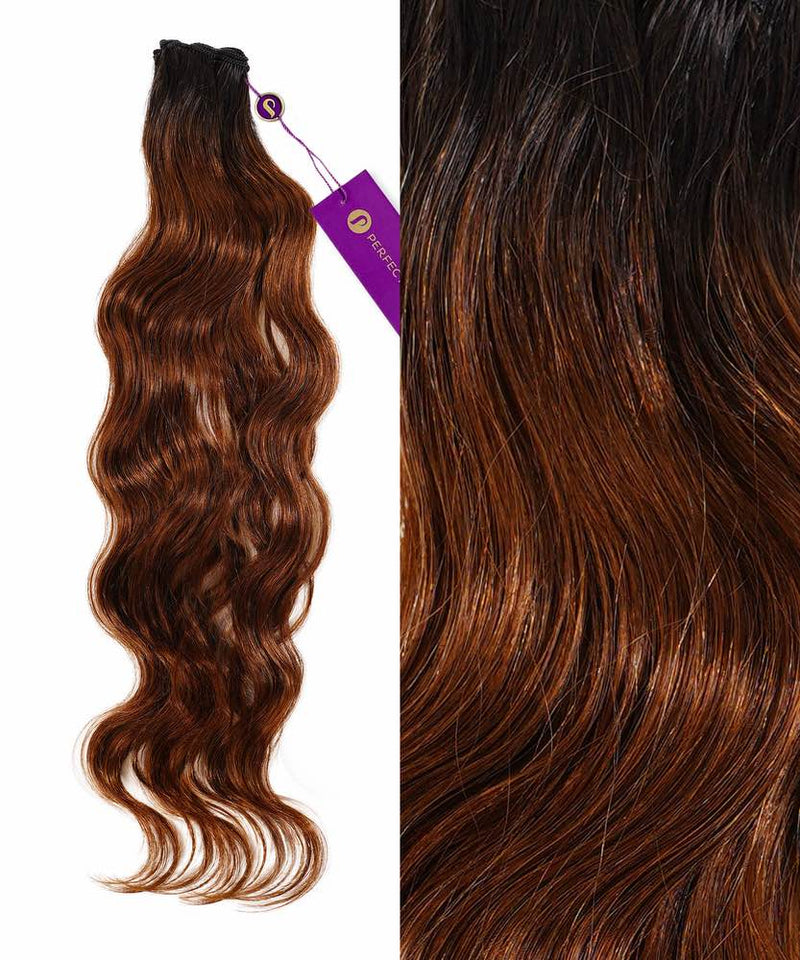
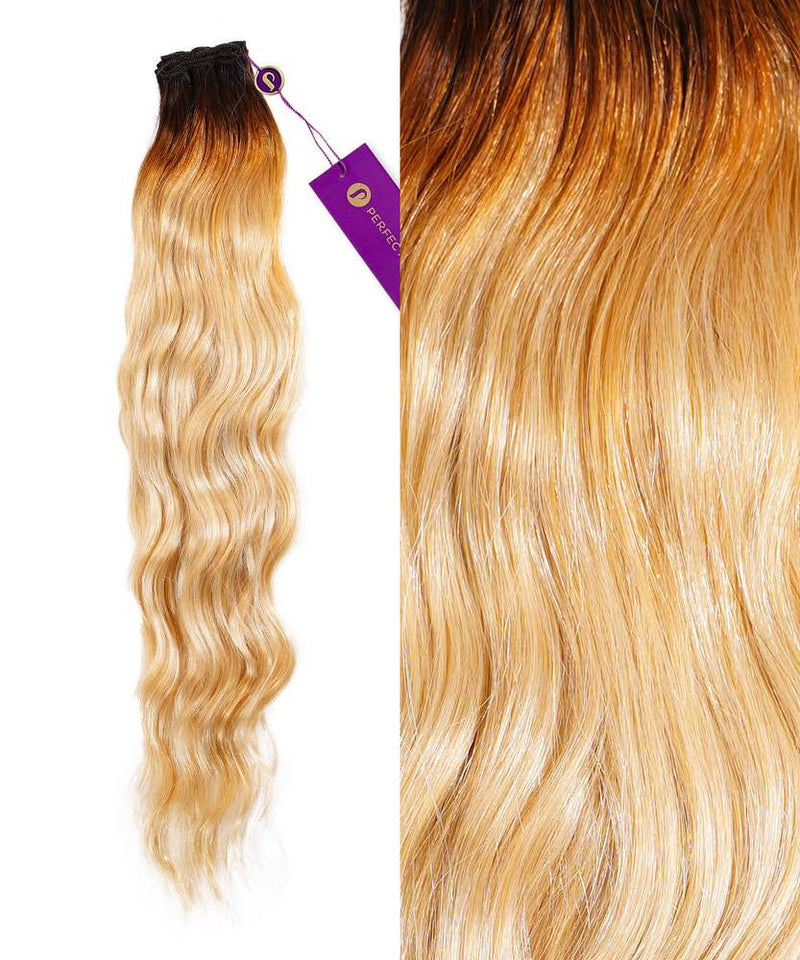

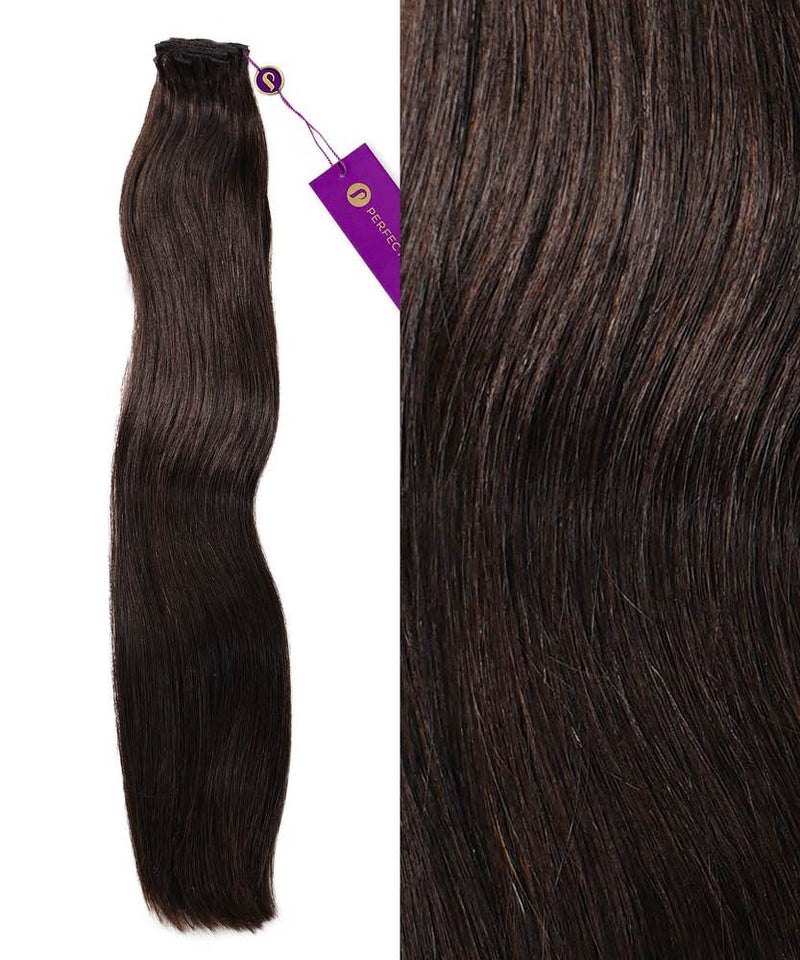
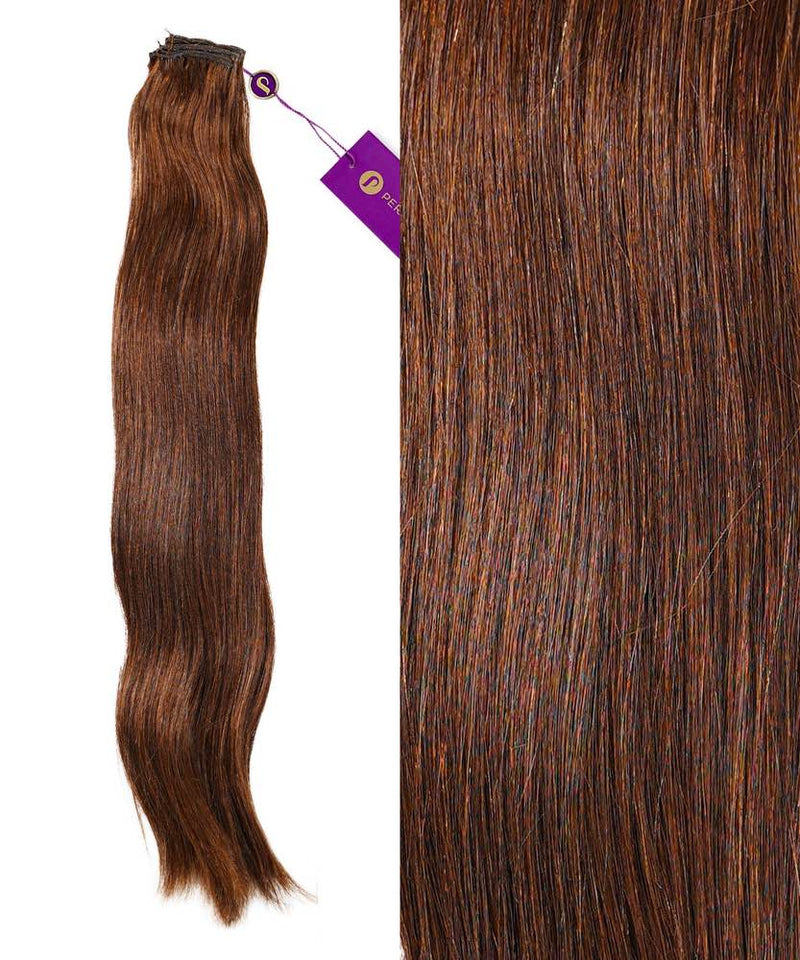
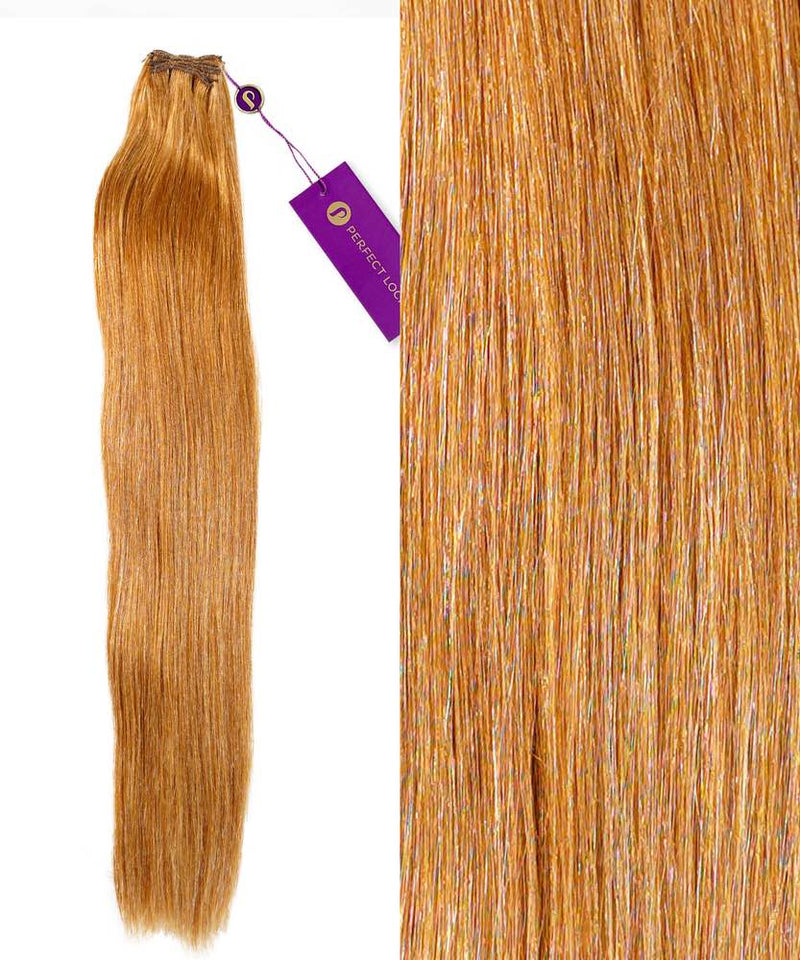
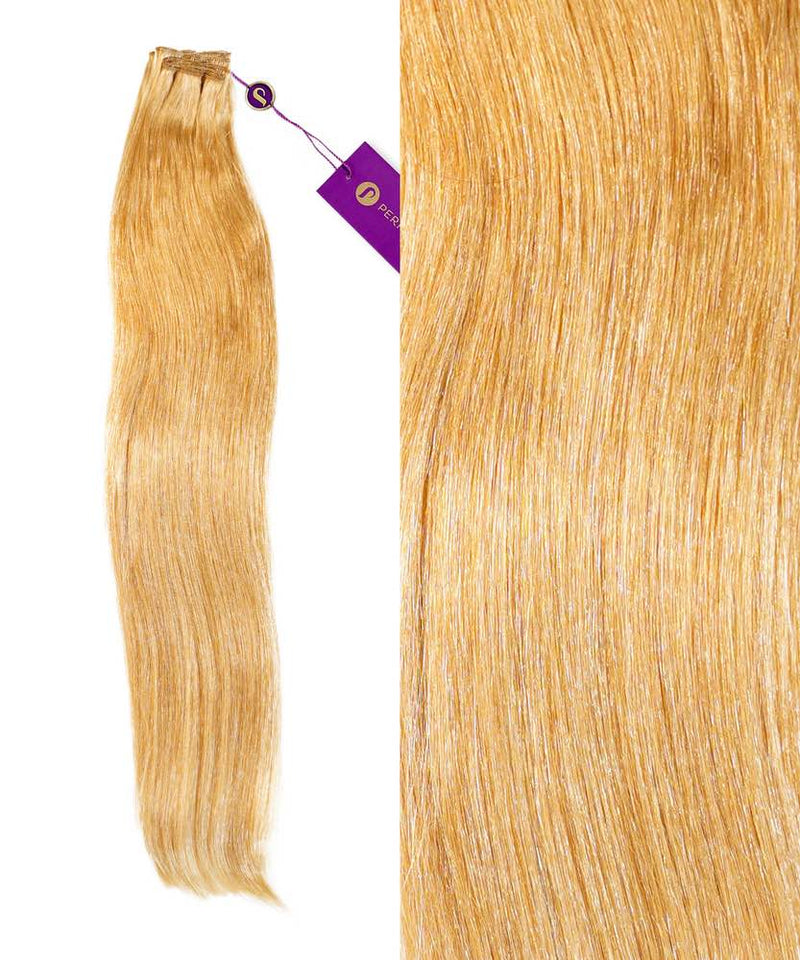
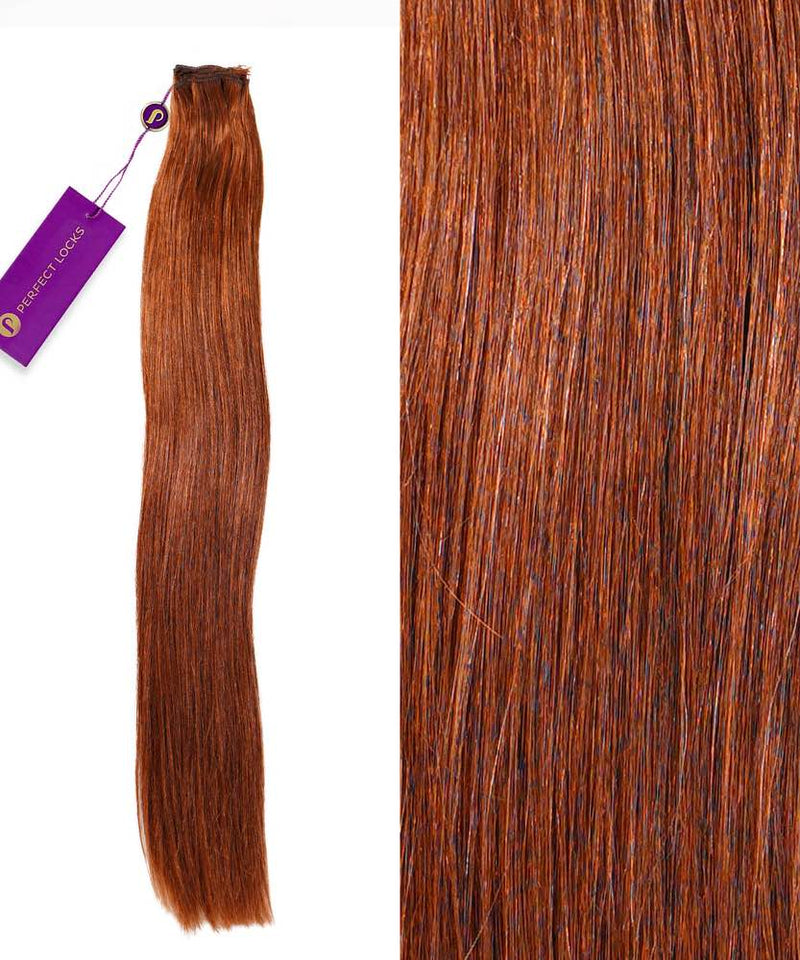

What Makes a Weft Hand-Tied
Machine wefts are sewn by machine, which produces a thicker, denser track at the top of the panel. Hand-tied wefts are knotted strand by strand onto a fine thread by hand. Less material in the track means three things that matter on the head: the weft lays flatter, it weighs less for the same coverage, and it flexes with the hair instead of sitting rigid.
That thinness is why hand-tied wefts can be placed closer to the crown without showing, why they suit fine and thinning hair that would strain under a machine weft, and why a well-placed install stays undetectable in a high ponytail.

Hand-Tied vs Machine vs Hybrid Wefts
| Factor | Hand-tied | Machine | Hybrid (genius-style) |
|---|---|---|---|
| Track thickness | Thinnest, lays flattest | Thickest and most rigid | Between the two |
| Weight for equal coverage | Lightest | Heaviest | Light |
| Can the weft be cut? | Yes, if the cut edge is sealed first | Yes, anywhere | Yes, anywhere |
| Best suited to | Fine to medium hair, closest-to-scalp placement | Thick hair, budget installs | Stylists who want cut-anywhere convenience with low bulk |
| Typical install | Beaded rows or sew-in | Sew-in or beaded rows | Beaded rows |
On cutting hand-tied wefts, celebrity stylist Alba Randolph puts it plainly: "If you cut the weft, it needs to be sealed or else it will shed. Since it's a hand-tied weft, you would need to put a sealant and give it 24 hours to dry prior to installation." Sealed correctly, cutting lets your stylist layer rows precisely to your head shape.
For a fuller comparison of every weft type, our weft hair extensions guide covers machine, hybrid, and beaded constructions side by side.
Who Hand-Tied Wefts Suit Best
Ideal candidates
- Fine or thinning hair that needs a lightweight, low-tension option
- Anyone who wants long-term wear with natural movement
- High-ponytail and updo wearers who need invisible placement
- Clients who found machine wefts heavy or uncomfortable
- Anyone avoiding glue and heat on their natural hair
Consider other options if
- You want a DIY method you can apply at home - see clip-in hair extensions instead
- You want the lowest upfront cost; hand-tied installation is specialized work and priced accordingly
- Your density is very low; extremely sparse hair may not anchor the rows securely
Hand-Tied Wefts for Curly, Coily, and Textured Hair
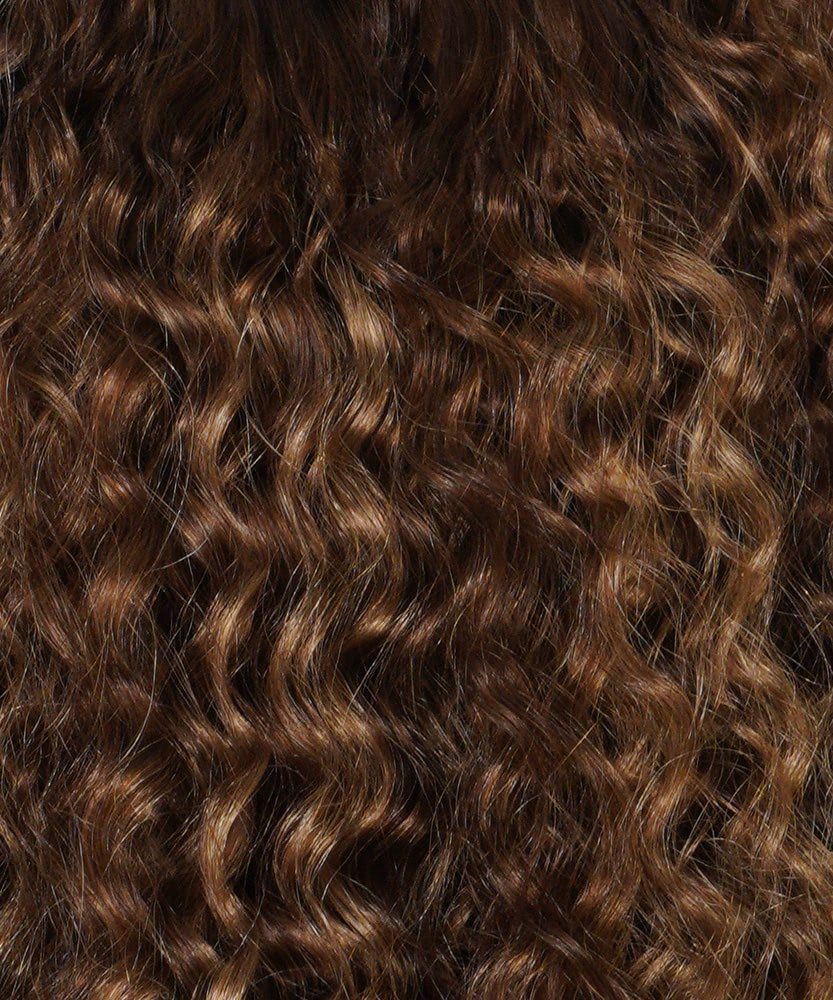
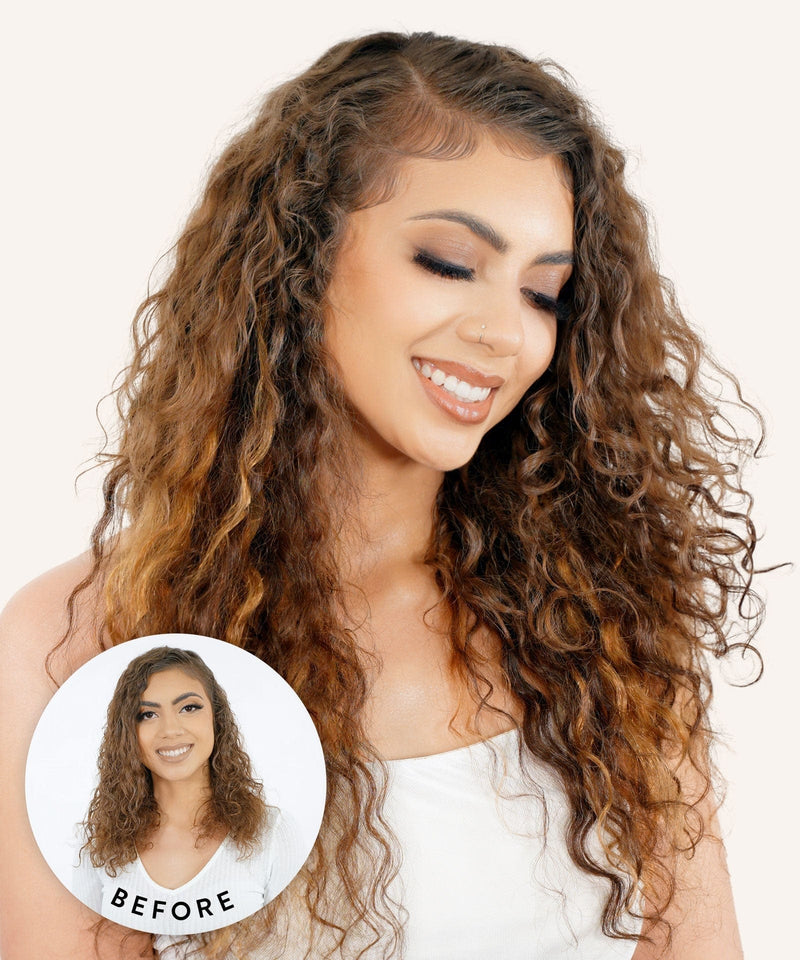
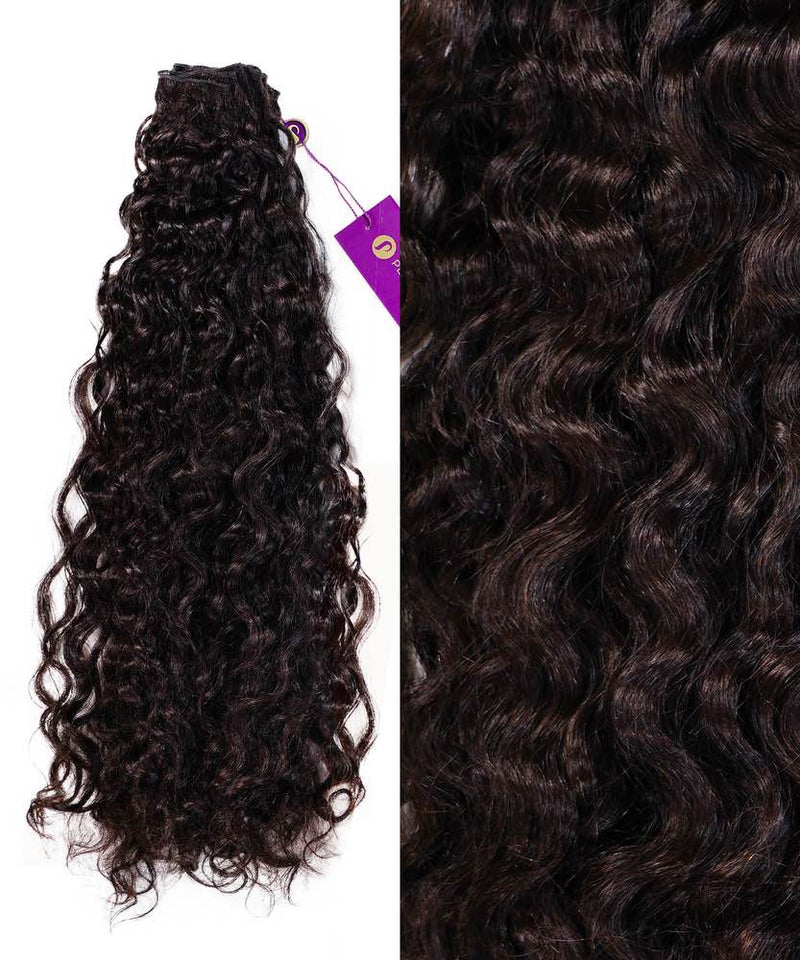
Most extension brands build their hand-tied lines around straight and wavy European textures. Ours run the full spectrum: Straight, Wavy, Curly, Tight Curly, Kinky Curly, and Relaxed Straight, so the weft matches your actual curl pattern instead of fighting it.
Texture matching is the difference between extensions that blend and extensions that need daily heat styling to disguise. A Kinky Curly hand-tied row moves, shrinks, and responds to moisture the way 4-type natural hair does. Relaxed Straight is cut to match chemically relaxed hair rather than bone-straight virgin hair, which blends with a fresh relaxer without flat-iron maintenance. If you are between patterns, our hair texture guide walks through identifying yours.
For method selection across the full textured range, from curly clip-ins to tape-ins and fusion, see our professional guide to curly and textured extensions.
How Hand-Tied Wefts Are Installed
The two standard methods are beaded rows and sew-in, and neither uses glue or heat.
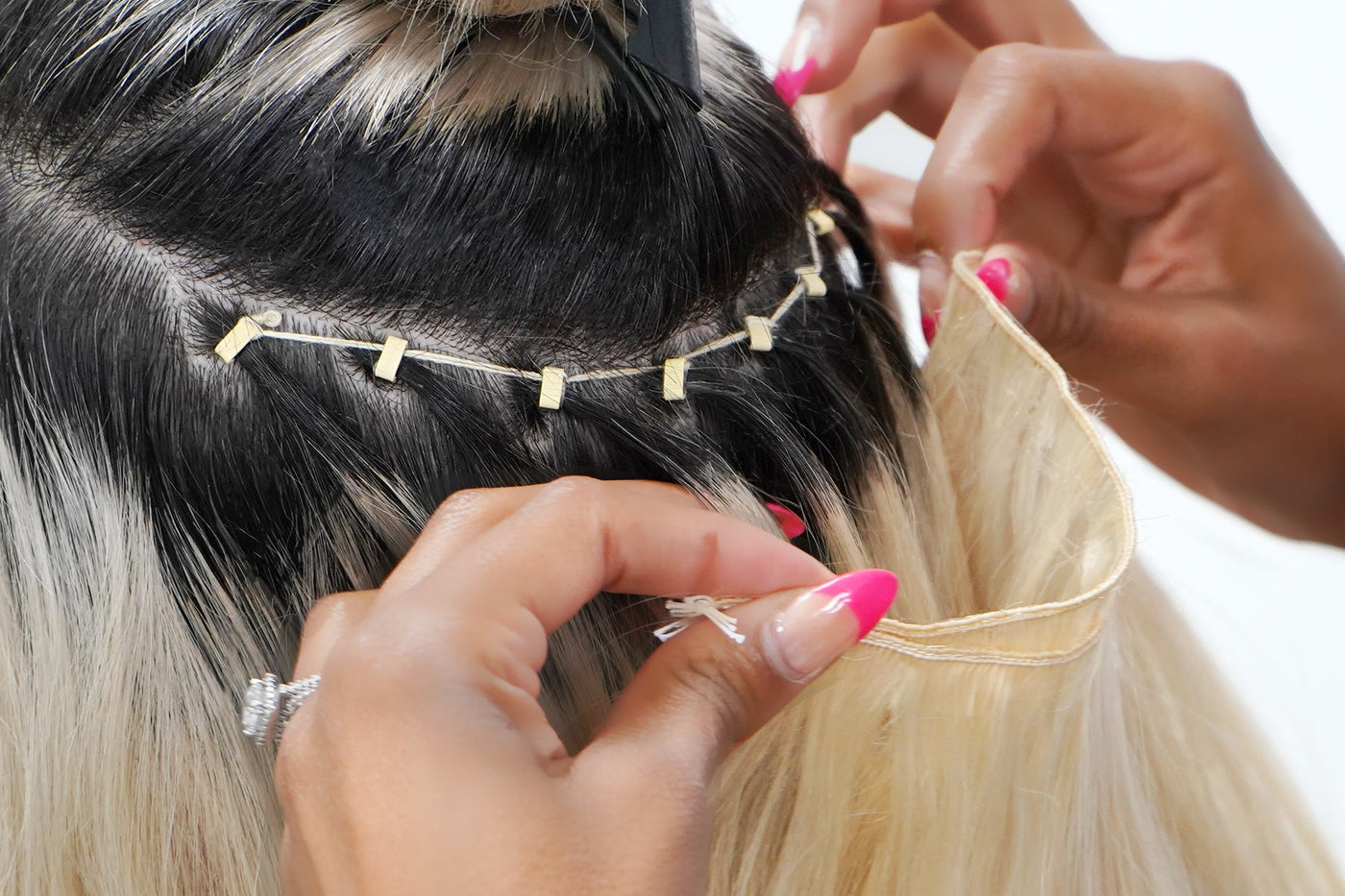
Beaded rows. Your stylist creates an anchor row of small beads and thread across the head, then sews the hand-tied wefts to that row and secures them with pliers. The thin track lets the row sit close to the scalp without visible bulk. This is the method behind most "invisible" and "natural beaded row" installs.
Sew-in. The stylist braids narrow cornrows and sews the weft directly to the braid with a C-curved needle and thread. This is the traditional route and pairs especially well with textured hair. Our installation guides cover both methods step by step.

What Hand-Tied Weft Extensions Cost
Two numbers make up the real cost: the hair and the install. The hair runs $165 to $260 per row from our range, and most full installs use 2 to 3 rows. Installation is skilled, specialized work priced by your market and your stylist's experience; our hair extensions cost guide breaks down typical salon pricing by method.
The economics favor hand-tied over time: because the hair lasts 12 to 18 months through multiple move-up appointments, you are reusing the same wefts rather than repurchasing, which makes the per-month cost of good hand-tied hair lower than cheaper methods that need replacing.

Maintenance, Move-Ups, and Lifespan
Move-up appointments come every 6 to 8 weeks. Your stylist opens the beads, slides the rows up to account for new growth, and re-secures them; the hair itself is not replaced.
Washing. Use sulfate-free, paraben-free products, wash in downward smoothing motions, and squeeze water out with a microfiber towel rather than rubbing. Air dry when you can.
Brushing. A loop brush or soft paddle brush, starting from the ends, holding the hair below the bead row so nothing tugs on the track.
Heat and styling. The hair is cuticle-intact Remy, so it tolerates heat styling up to 350 F with a heat protectant and returns to its natural texture after washing. Ponytail or braid the hair for sleep and workouts, and keep it up when swimming; a clarifying wash afterward removes chlorine.
With that routine, the wefts last 12 to 18 months of daily wear.
"Hand-tied wefts changed the game for our clients with finer or thinner hair who wanted a longer-term extension option. The thinness of the weft is the key - it lies so flat against the head that even people with fine hair can wear them without any visible bulk. Combined with ethically sourced Remy hair, they're one of our most premium options."
- Priyanka Swamy, Founder of Perfect Locks
For Stylists: Certification and Pro Pricing
If you are a licensed stylist adding hand-tied installs to your menu, our PLM Hand-Tied Certification Kit ($275) pairs with our Bay Area training classes, and the Pro program takes 20% off every hair order with no minimums. Hand-tied work commands some of the highest service pricing in extensions, and stylists who specialize in it book out.
Frequently Asked Questions
What is a hand-tied weft extension?
A hand-tied weft is a panel of hair extension sewn by hand onto a very thin, flexible thread track, typically 3 to 4 times thinner than a machine weft. The thin track allows the extension to lie flat against the head, creating a more natural look and feel than thicker machine weft extensions. They install with beads, without glue or heat.
How many rows of hand-tied wefts do I need?
Most full installs use 2 to 3 rows of 2 oz (57 g) each, roughly 115 to 170 g of hair, with 4 rows (about 230 g) for thicker natural hair or maximum-volume results. One row works for accent volume. Your stylist confirms the count at consultation based on your density and goal.
How long do hand-tied weft extensions last?
The extension hair lasts 12 to 18 months with proper care through multiple move-up appointments. Move-ups are needed every 6 to 8 weeks to account for new natural growth; the beads are repositioned rather than the hair being replaced, which makes hand-tied wefts one of the most cost-effective semi-permanent options over time.
Are hand-tied extensions good for fine hair?
Yes. Hand-tied wefts are one of the best options for fine hair specifically because of their lightweight construction. The thin track and lower weight put less tension on fine natural hair than thicker machine wefts, so wearers who found traditional sew-ins heavy usually find hand-tied wefts comfortable and undetectable.
Do hand-tied wefts work on curly or coily hair?
Yes, when the weft texture matches the natural curl pattern. We carry hand-tied rows in Curly, Tight Curly, and Kinky Curly, plus Relaxed Straight for chemically relaxed hair, so textured installs blend without daily heat styling. Sew-in installation on braided rows is a particularly secure match for coily hair.
Can you feel hand-tied extensions?
Hand-tied extensions installed with beads are much less detectable by touch than clip-in or machine weft extensions. The flat, thin track and close-to-scalp bead placement make a well-done install genuinely difficult to detect, even running your hands through the hair, and most wearers forget they are in after a day or two.