


Damage-Free Hairstyles: 8 Protective Styles for Healthy Hair
Healthy hair shouldn't cost you style. The styles that protect your hair (from breakage, split ends, heat damage, and friction) also happen to be some of the most versatile, photographed, and stylist-approved looks of the year. Done right, you get gorgeous hair and a stronger foundation for everything you wear next.
This guide covers eight protective hairstyles that work across every texture, from waves to coils. Each one comes with a stylist tip, a real-world tutorial, and where applicable, how to wear it beautifully with extensions. At the end, we'll cover the four daily habits that quietly make the biggest difference in long-term hair health.

- Eight protective hairstyles that minimize breakage across every hair type
- A heatless waves technique that works overnight (no curling iron required)
- The plopping method curly girls use to skip frizz and lock in definition
- How to wear each style with clip-ins, tape-ins, halos, or wefts
- Four daily habits that make damaged hair recover faster
- FAQs answered by our stylist team with 20+ years of extension experience
In twenty years of working with women's hair, I've watched the same pattern play out a thousand times: people choose styles that look good for one day and damage their hair for the next six months. The truth is, the styles that protect your hair are often the most beautiful ones. They photograph better, they hold longer, and they let your hair grow stronger underneath. This guide is the same advice I give my own clients when they sit in my chair.
- Priyanka Swamy | Read her story
Hair Plopping: The Secret to Perfect Curls
If you're a curly-haired queen looking for a damage-free way to define your curls, hair plopping is the technique worth learning first. Plopping is a simple, heat-free method that enhances your natural curl pattern, reduces frizz, and gives you the bouncy, defined curls that most products promise but rarely deliver on their own.
What is hair plopping?
Plopping involves wrapping your wet hair in a soft cotton t-shirt or microfiber towel so your curls dry in a scrunched, lifted position. The fabric absorbs excess water without roughing up the cuticle the way a regular terrycloth towel does. The result: minimized frizz, less breakage, and curls that hold their shape for days.
Apply your leave-in conditioner and curl cream while your hair is still soaking wet, then plop for 20-30 minutes. Removing the plop too early kills definition; leaving it too long flattens the roots.
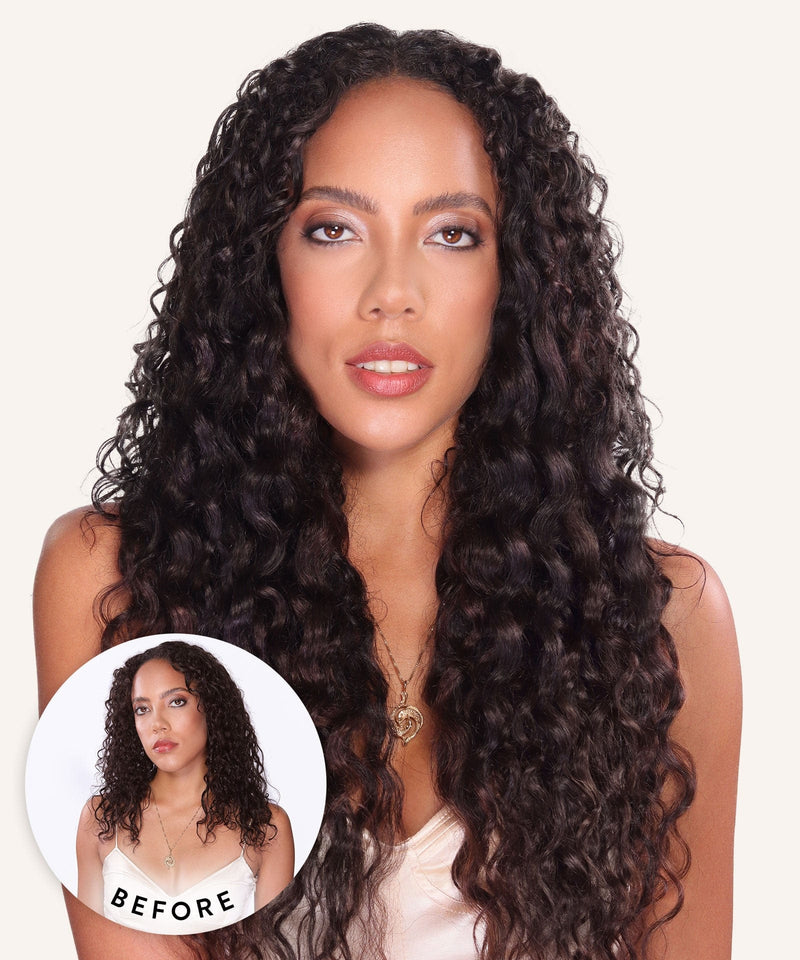
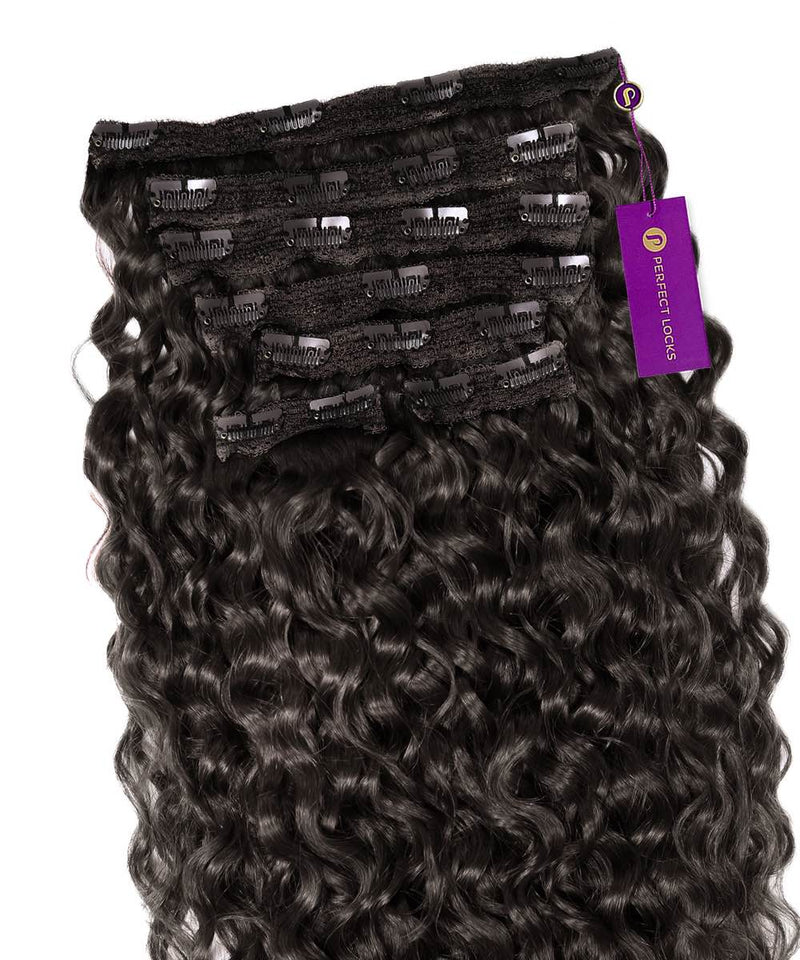
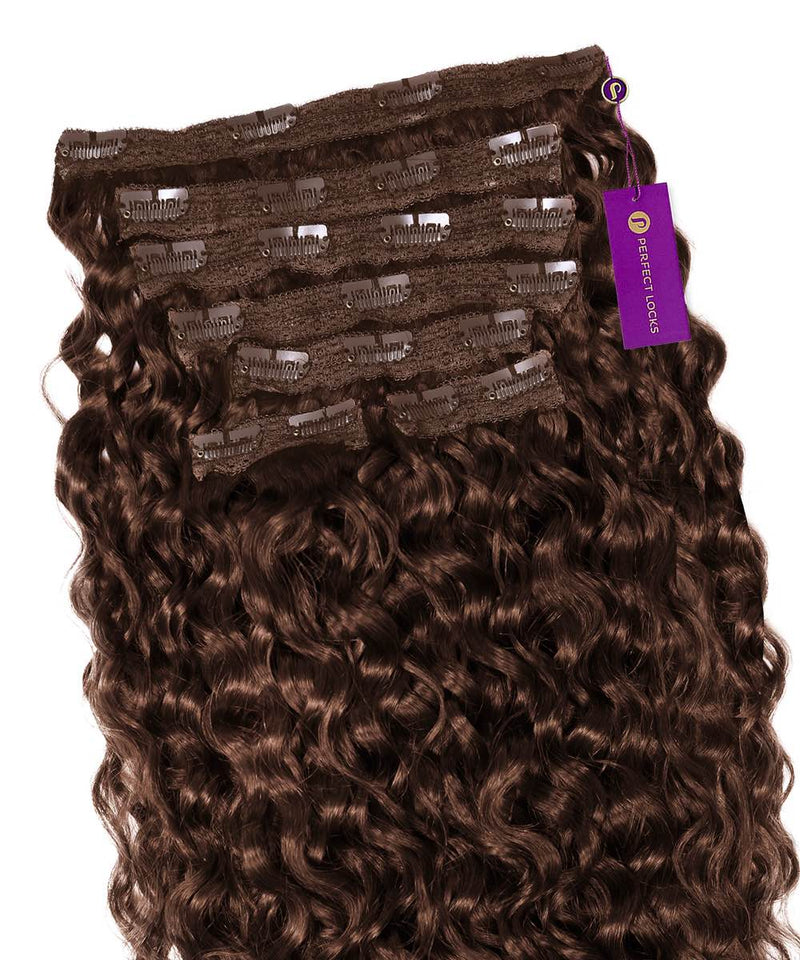
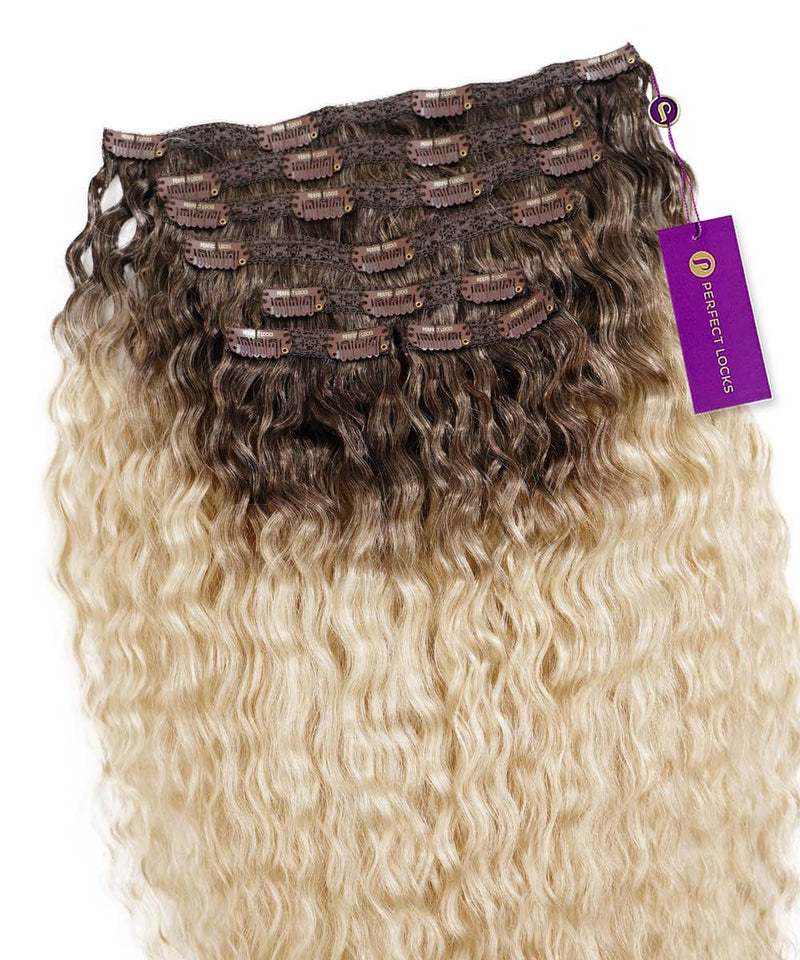
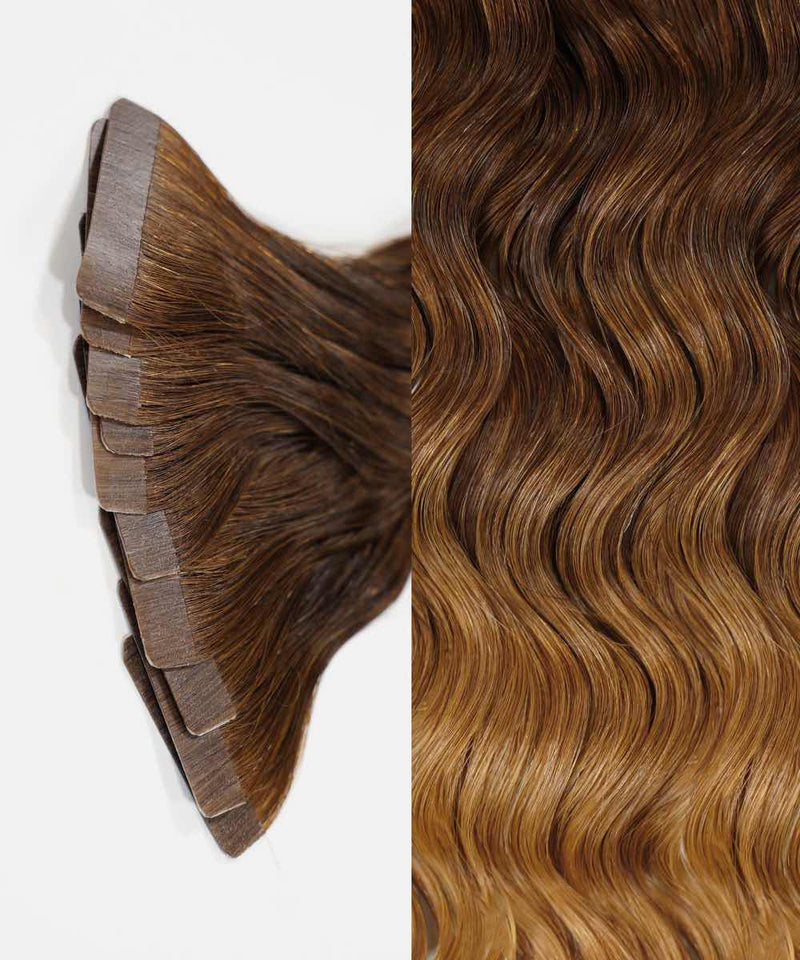
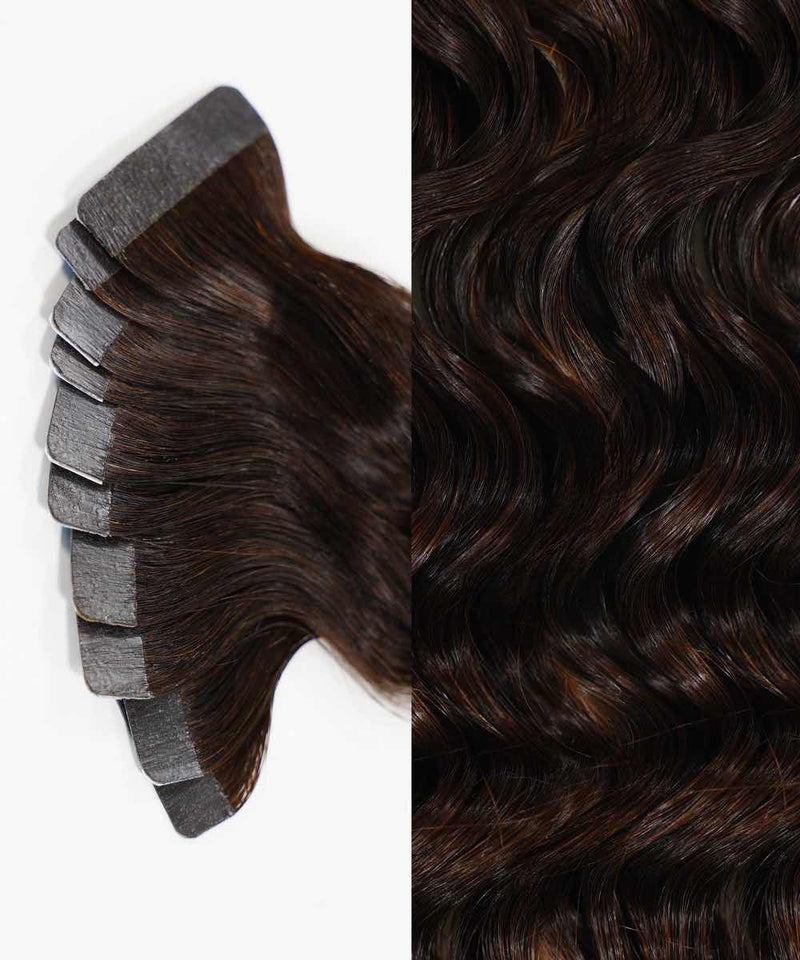
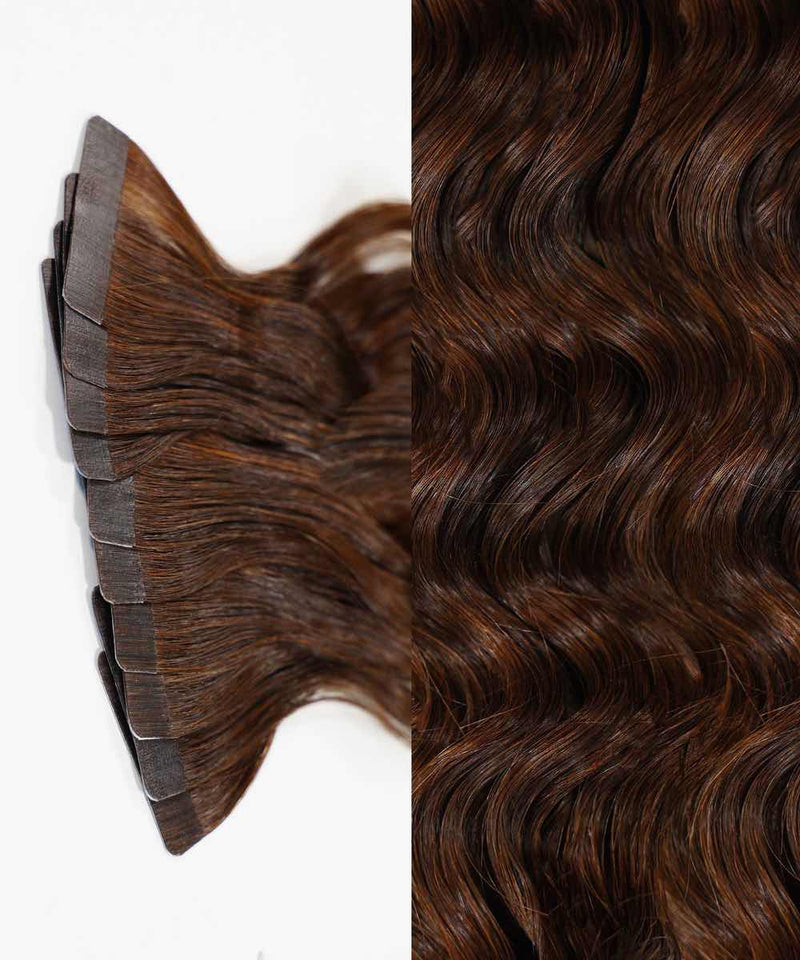
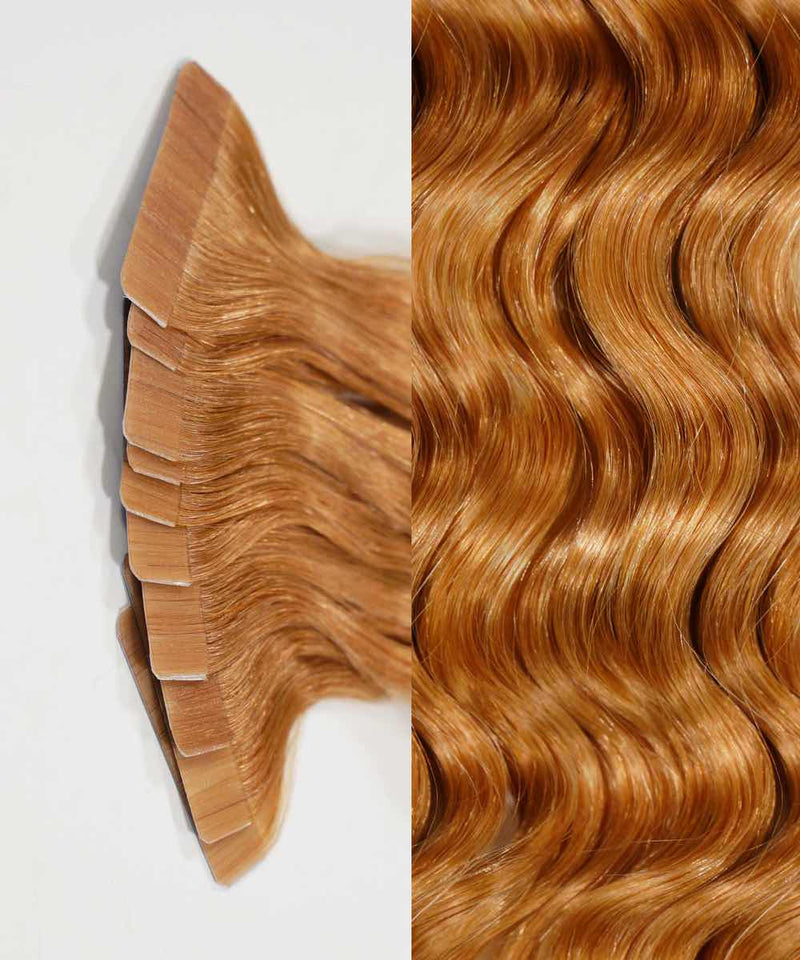
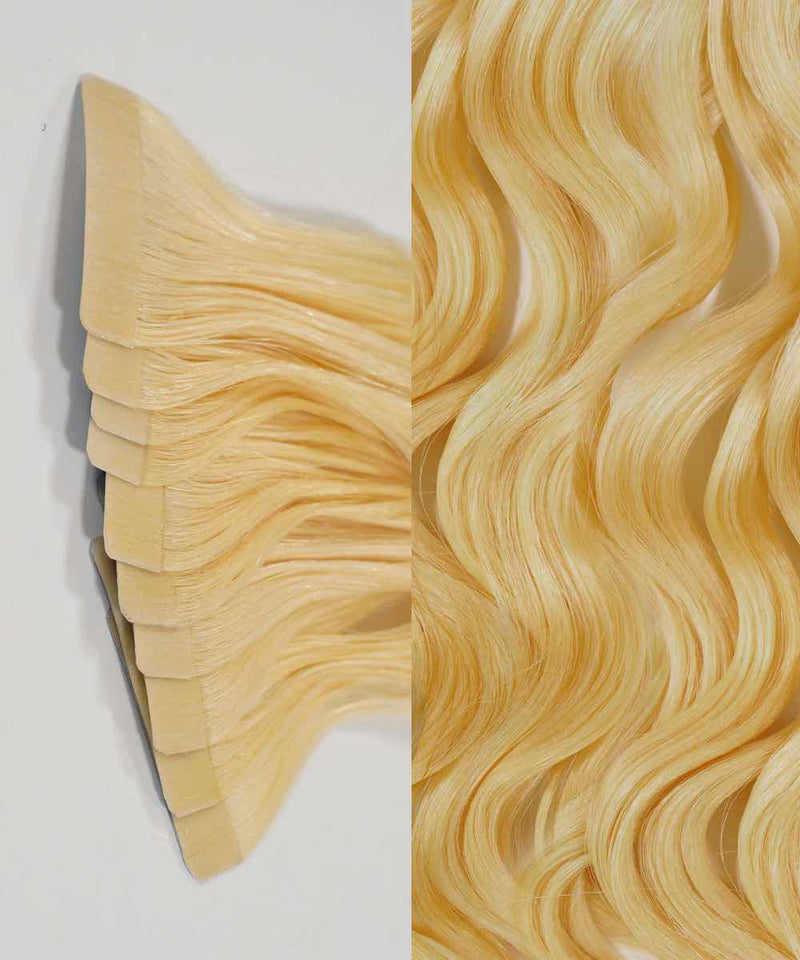
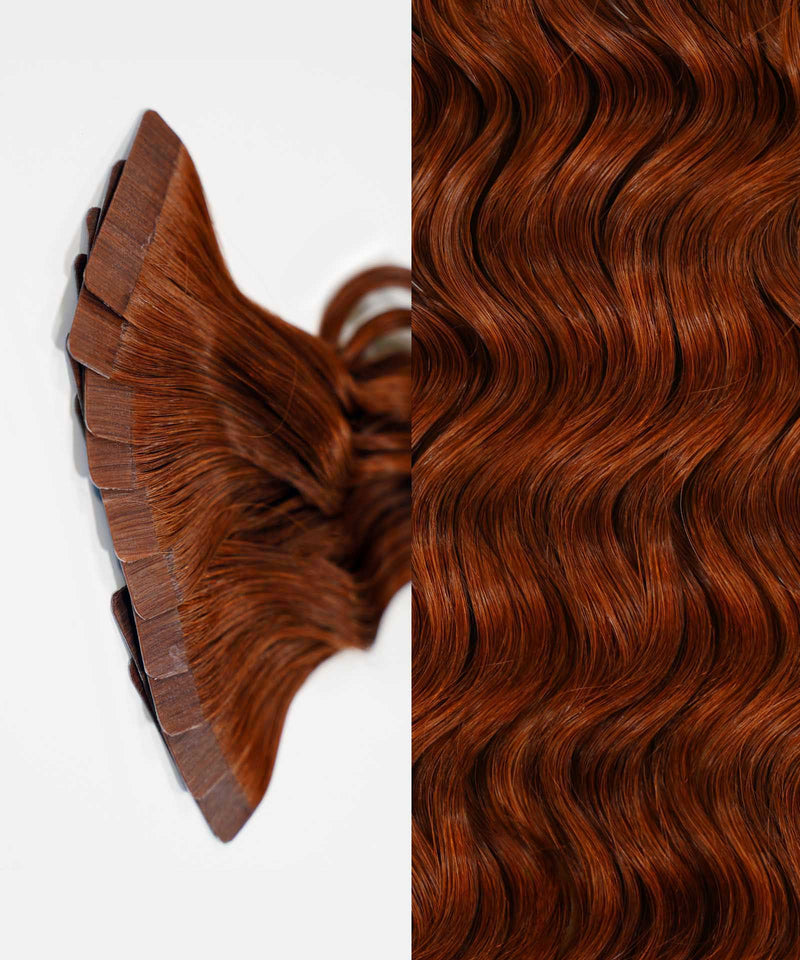
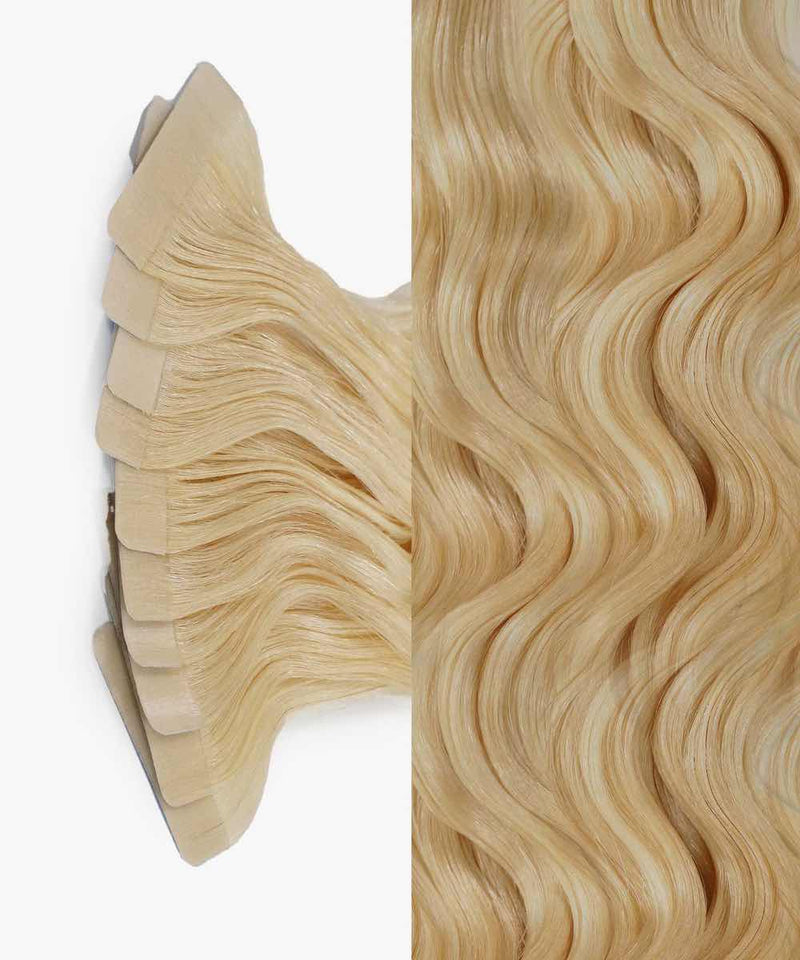
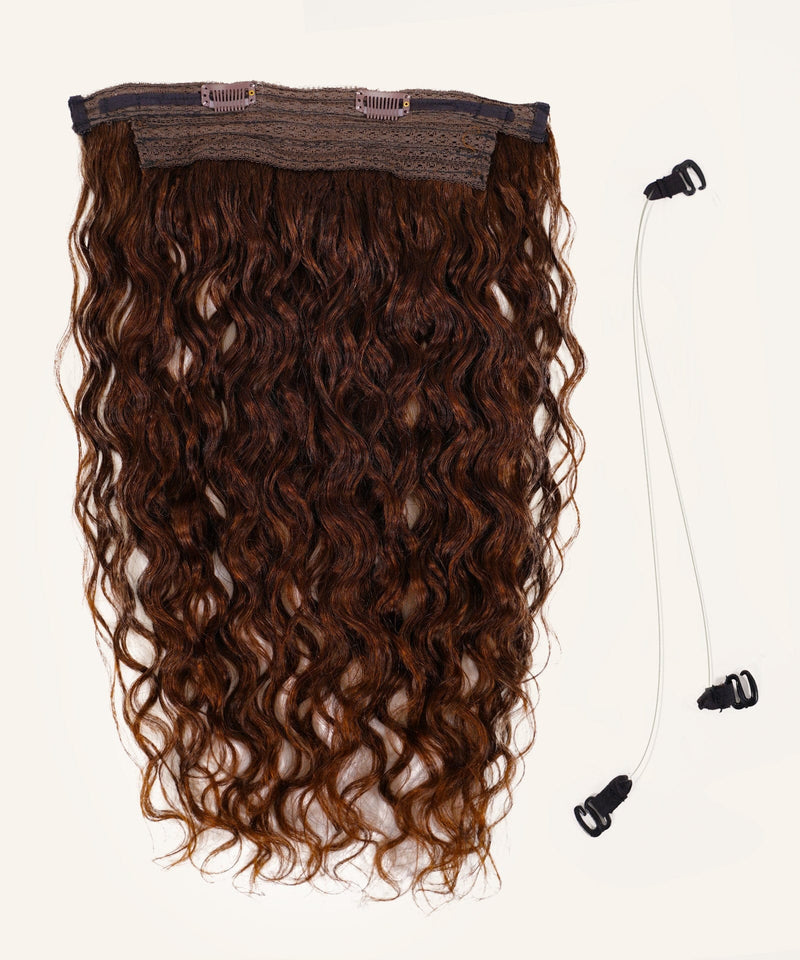
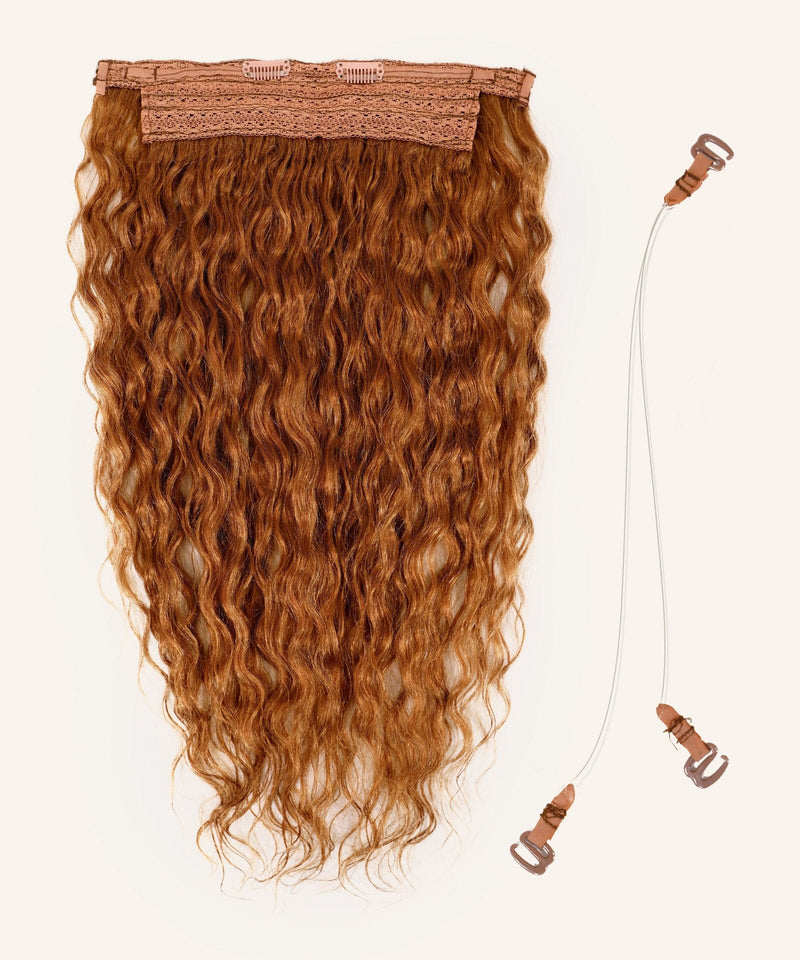
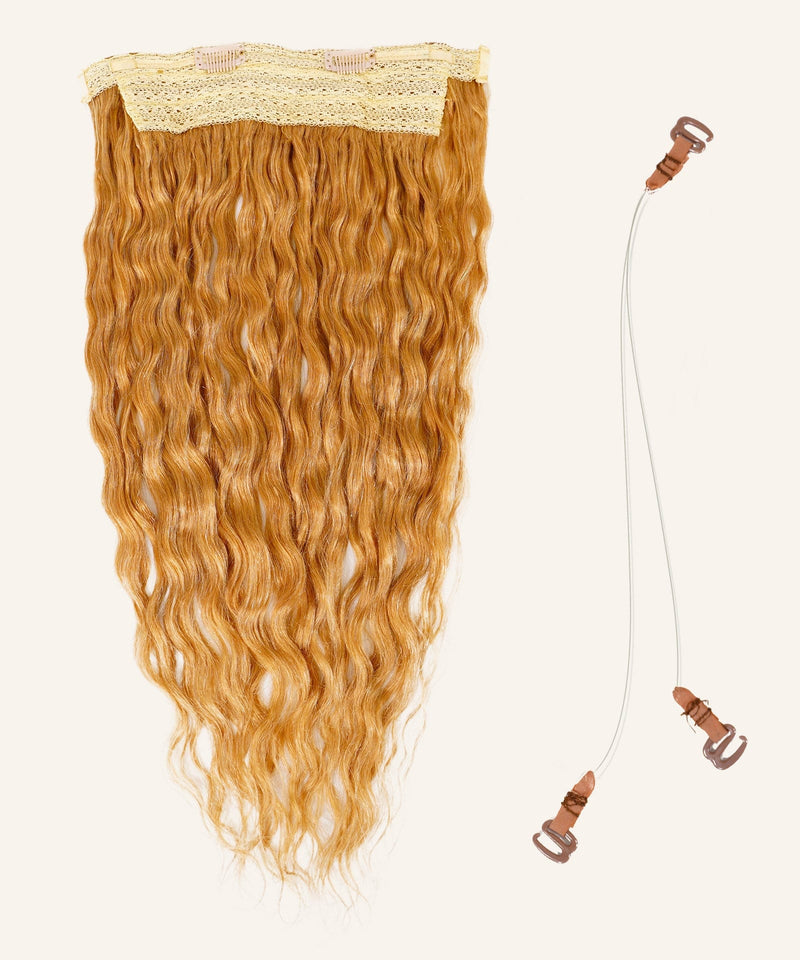
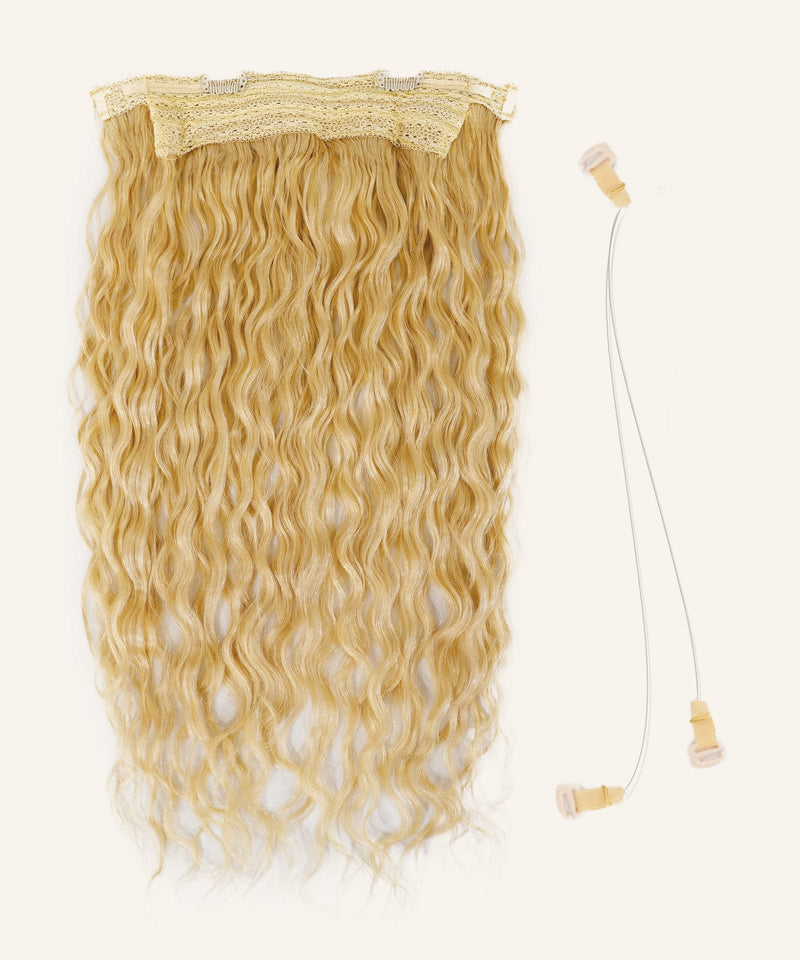
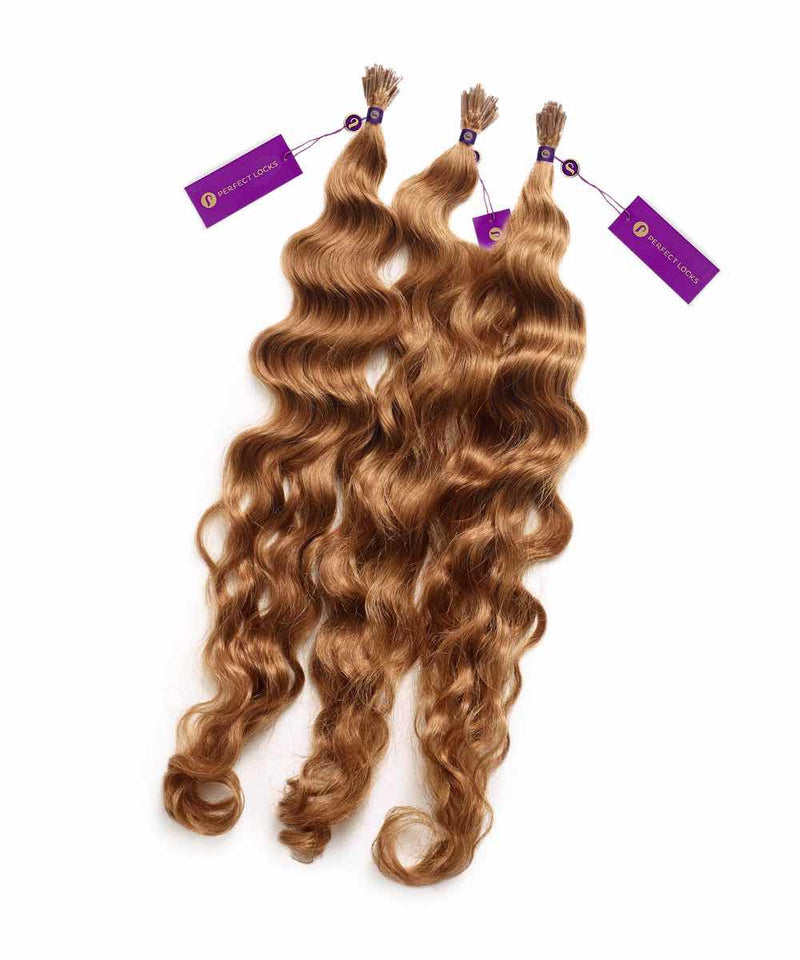
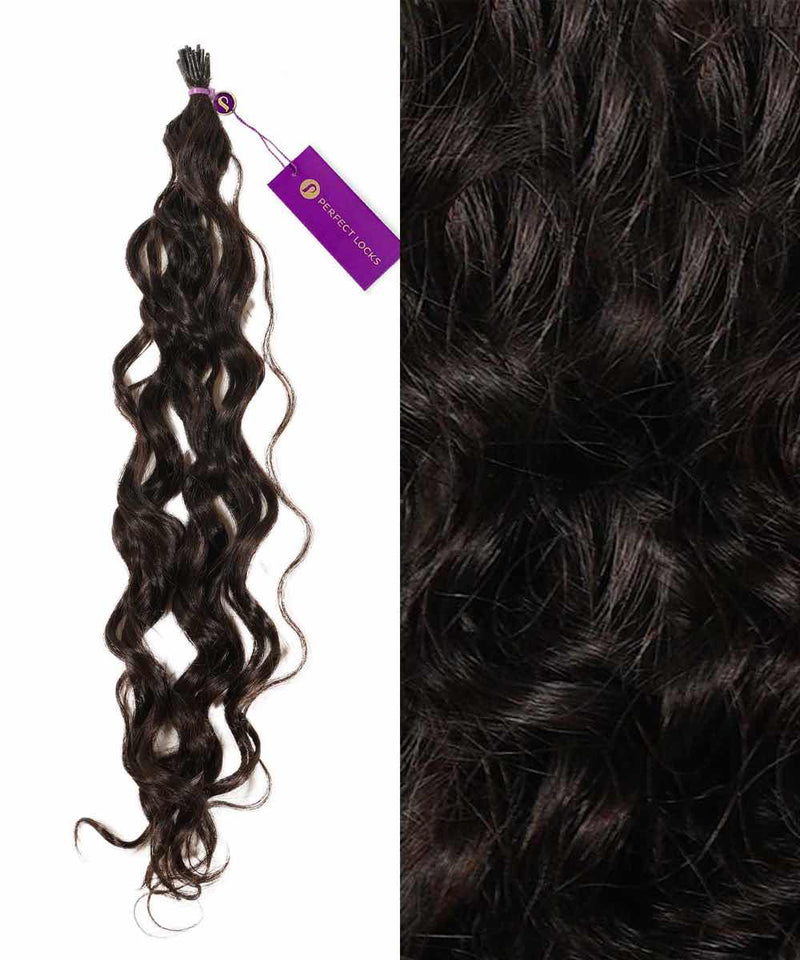
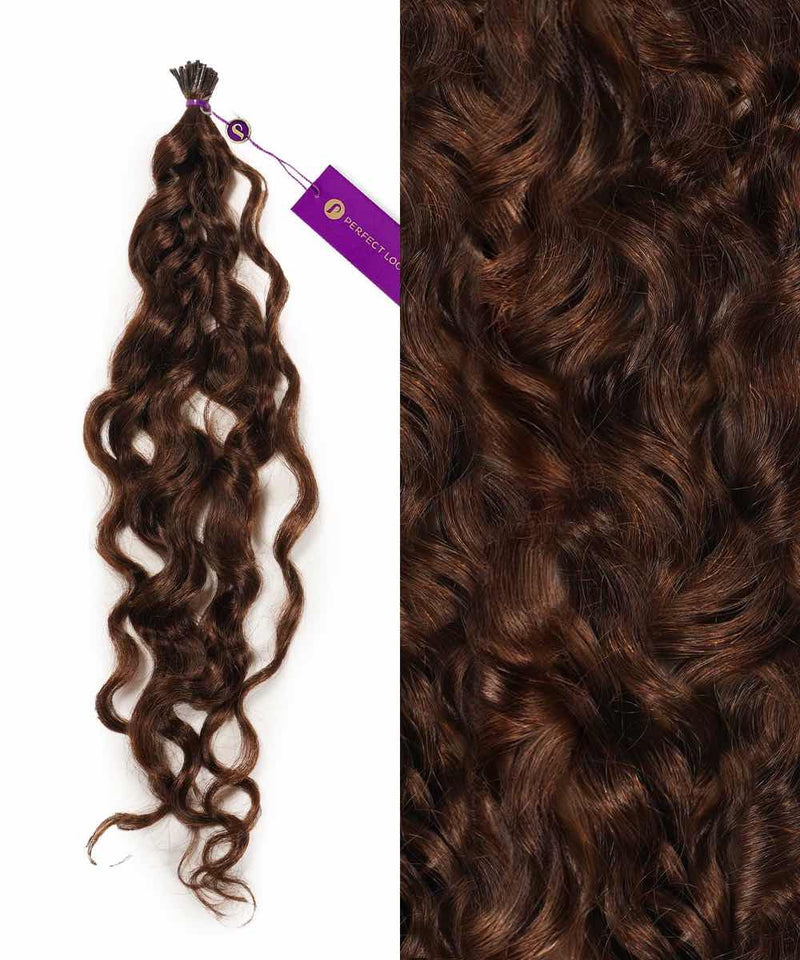
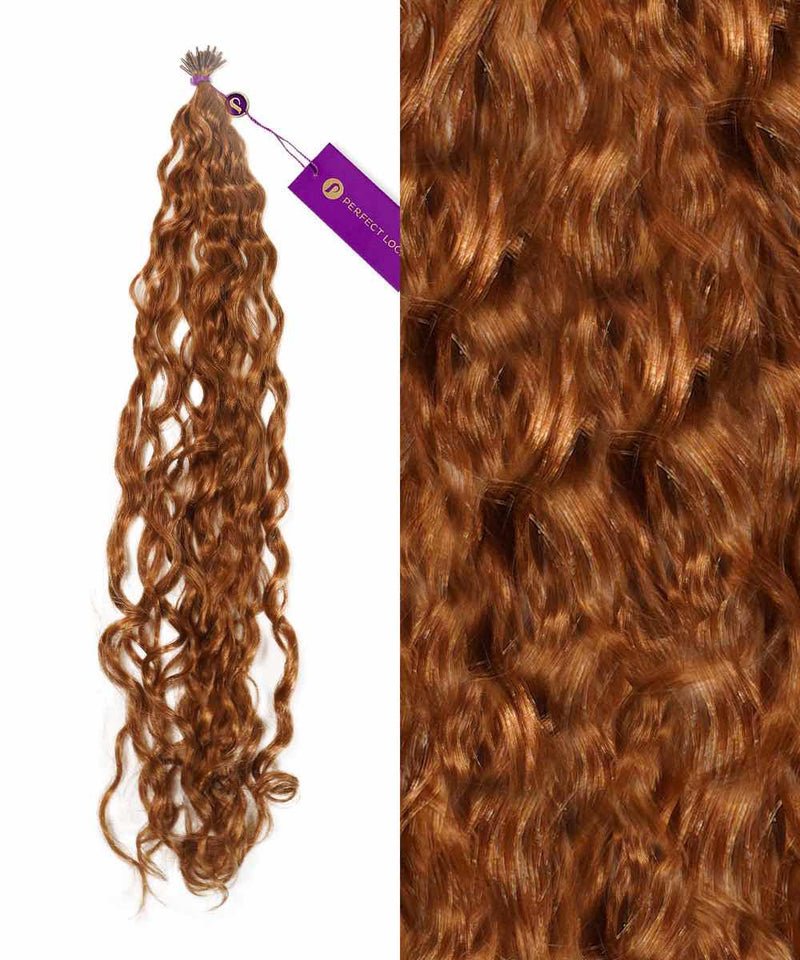
Wearing curly extensions? Curly clip-ins and curly tape-ins benefit from the same plopping method to keep their pattern intact between washes. Shop curly hair extensions →
The Classic Bun: Effortlessly Elegant
The classic bun is timeless for a reason. By keeping your ends tucked away, you minimize the daily friction that causes split ends and breakage. For a modern take, try a messy low bun at the nape of your neck or a sleek high bun pinned with a silk scrunchie.
Apply a leave-in conditioner or lightweight hair oil before styling to keep strands moisturized and shiny. Always reach for a silk or satin scrunchie over an elastic with a metal band, which catches and snaps hair where it loops.
Wearing extensions? A bun is one of the safest styles for tape-ins and wefts, since the tension is distributed evenly and ends are protected. Shop tape-in extensions →
Protective Braids: Style with a Twist
Braids protect your hair while looking polished, and they work across every texture. From classic French braids to box braids, there's a braid style for every occasion, length, and skill level. Braids reduce daily manipulation, lock in moisture, and remove the temptation to reach for heat tools.
Braids should never hurt. If your scalp feels tight after braiding, the tension is too high and you risk traction alopecia along the hairline. Loosen the front sections especially.
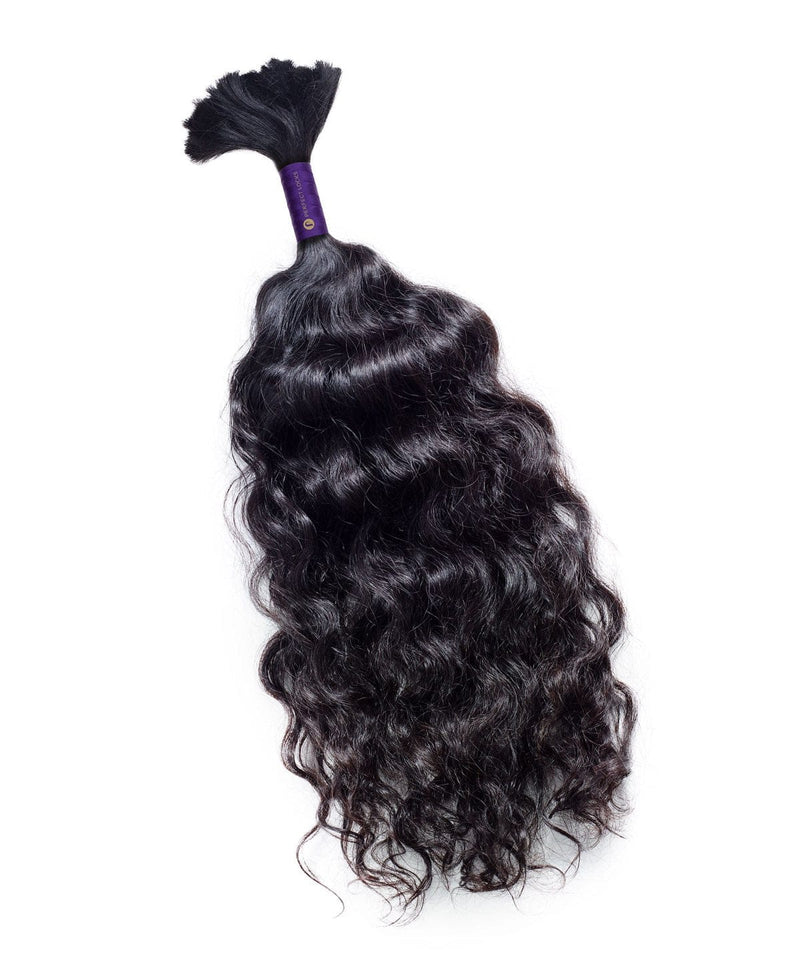
Wearing extensions? Braiding hair lets you build braids with added length, volume, or color without damaging your natural hair underneath. Shop bulk hair →
Loose Waves: Heatless and Gorgeous
You don't need heat to get beautiful waves. The overnight method (whether you use a headband, a robe tie, or loose braids before bed) gives you bouncy, damage-free waves by morning. This is the best alternative to the curling iron habit that quietly fries your ends over time.
Wave-setting works best on damp (not soaking) hair with a light texturizing spray. Sleep on silk or satin to lock in the pattern and avoid frizz.
Wearing extensions? This technique works beautifully with tape-ins and clip-ins. Heatless waves applied to a full set give you that "I woke up like this" beach hair without the heat damage. Shop tape-in extensions →
Low Ponytail: Sleek and Simple
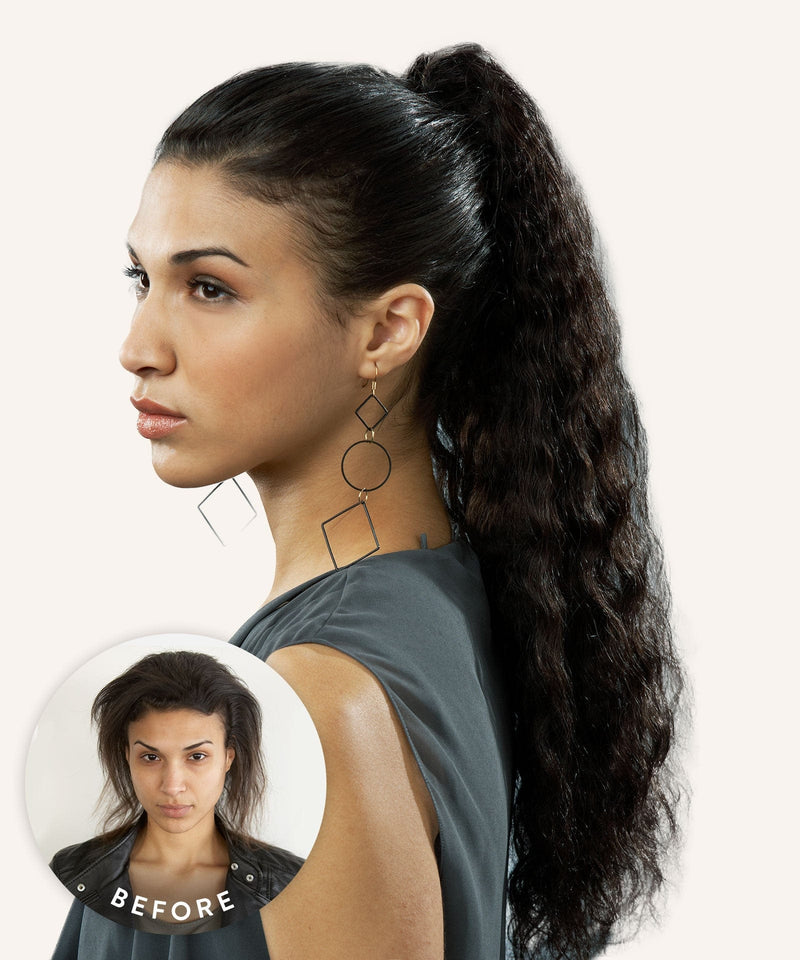
A low ponytail is the polished-but-effortless style that works for every occasion. It's gentle on your hair because the tension sits low rather than pulling at the crown, where breakage tends to start. Tie with a soft silk ribbon or fabric-covered elastic to minimize friction.
Smooth flyaways with a lightweight hair serum or a clean mascara wand brushed through with a touch of edge control. The example above is done on Type 4 natural hair, but the technique works across all textures.
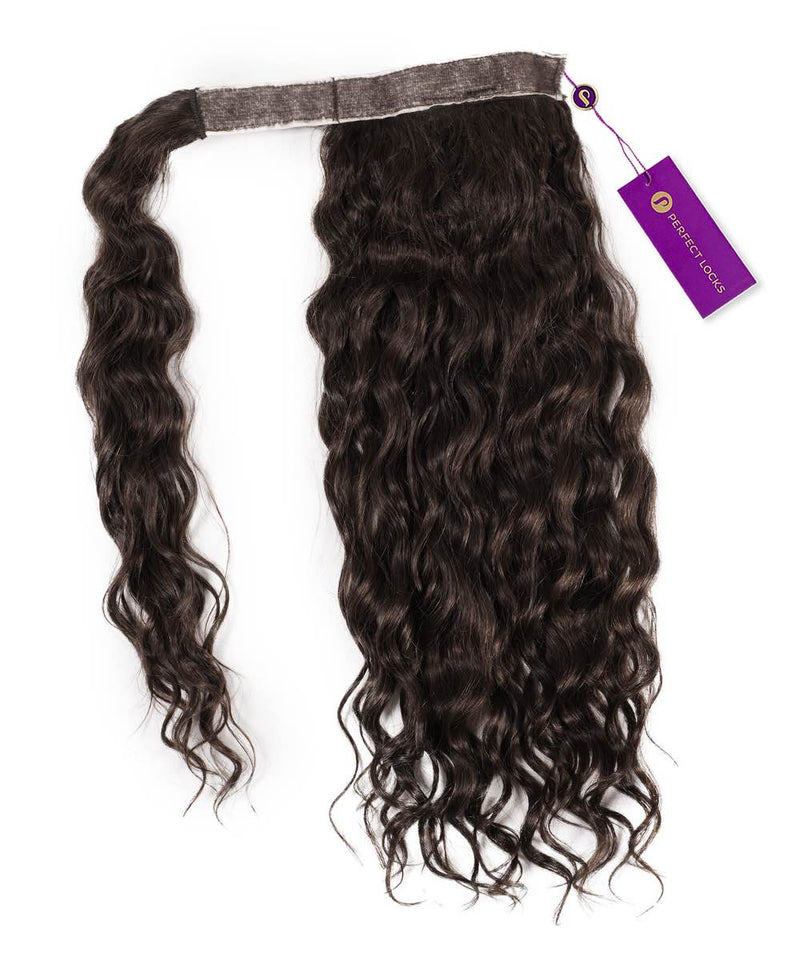
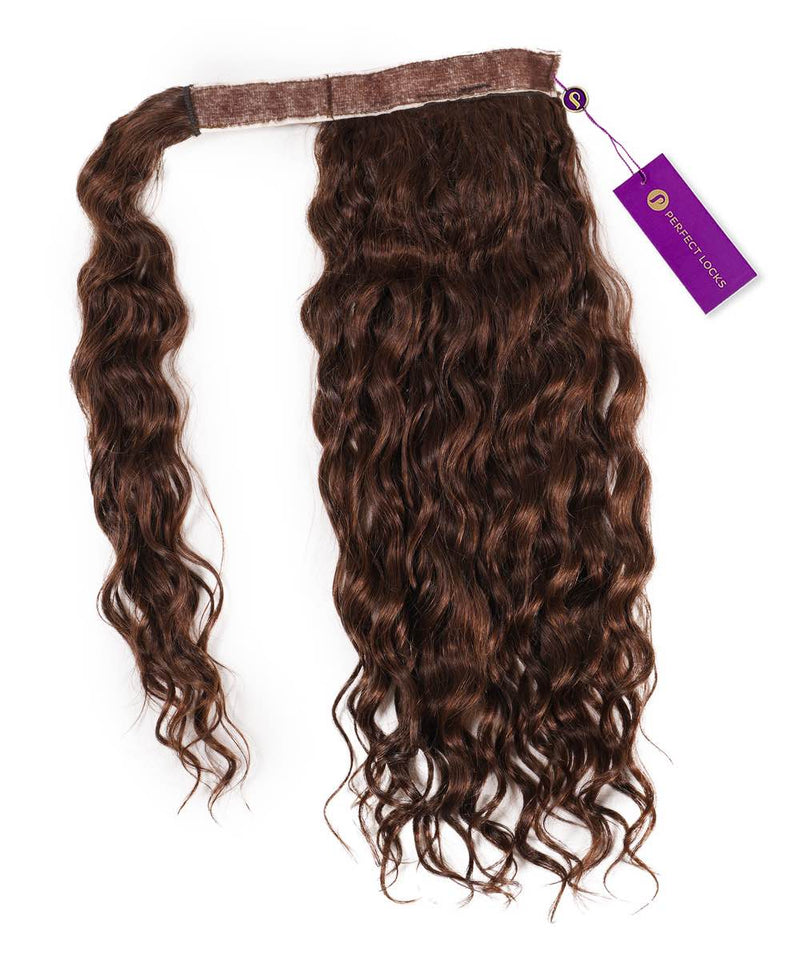
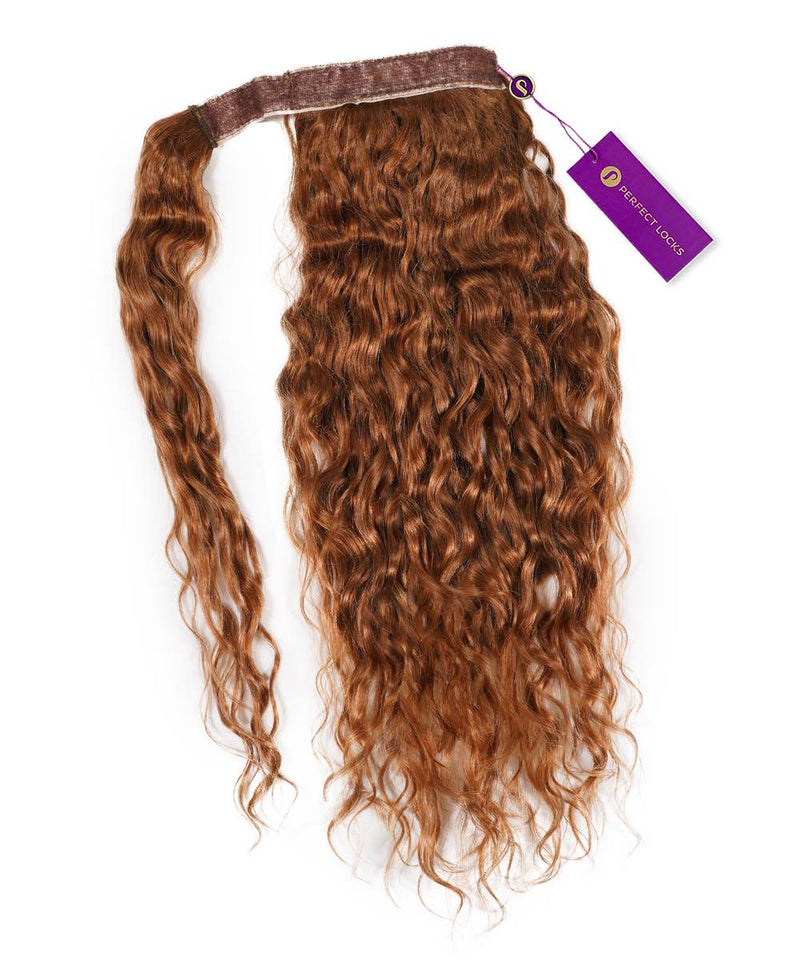
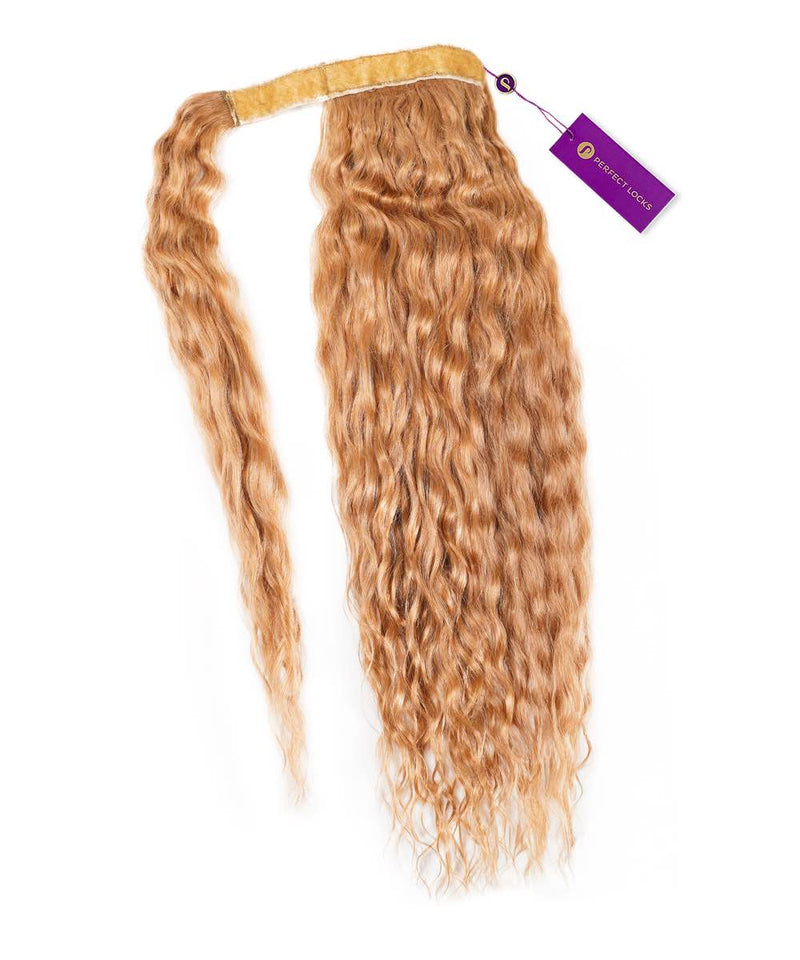
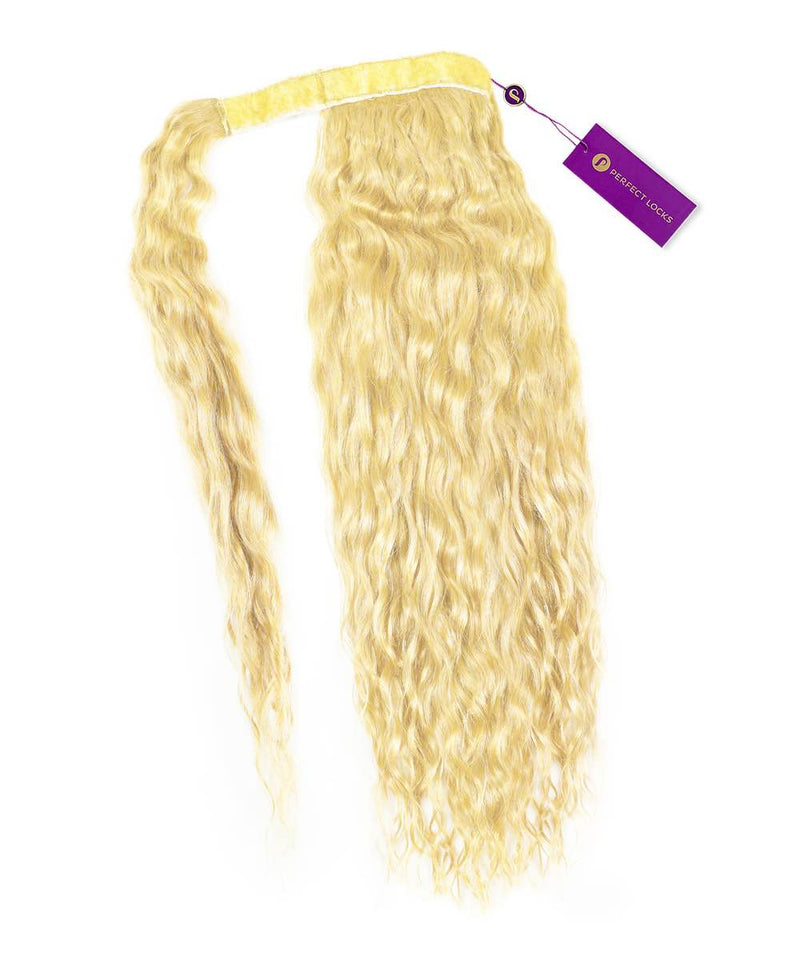
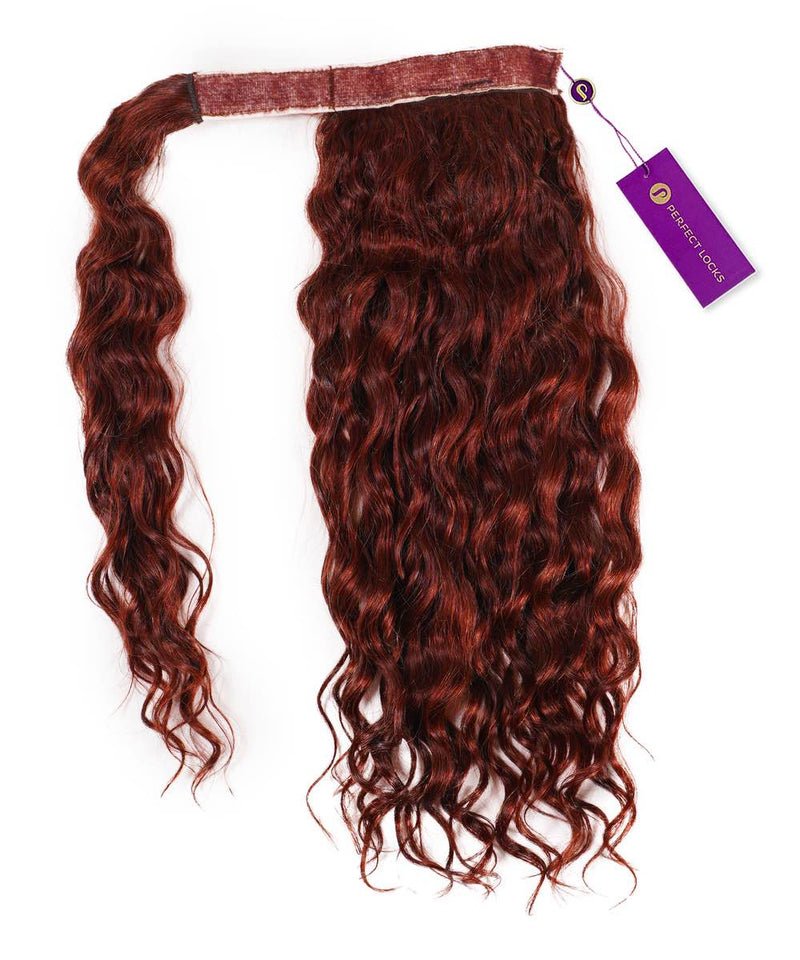
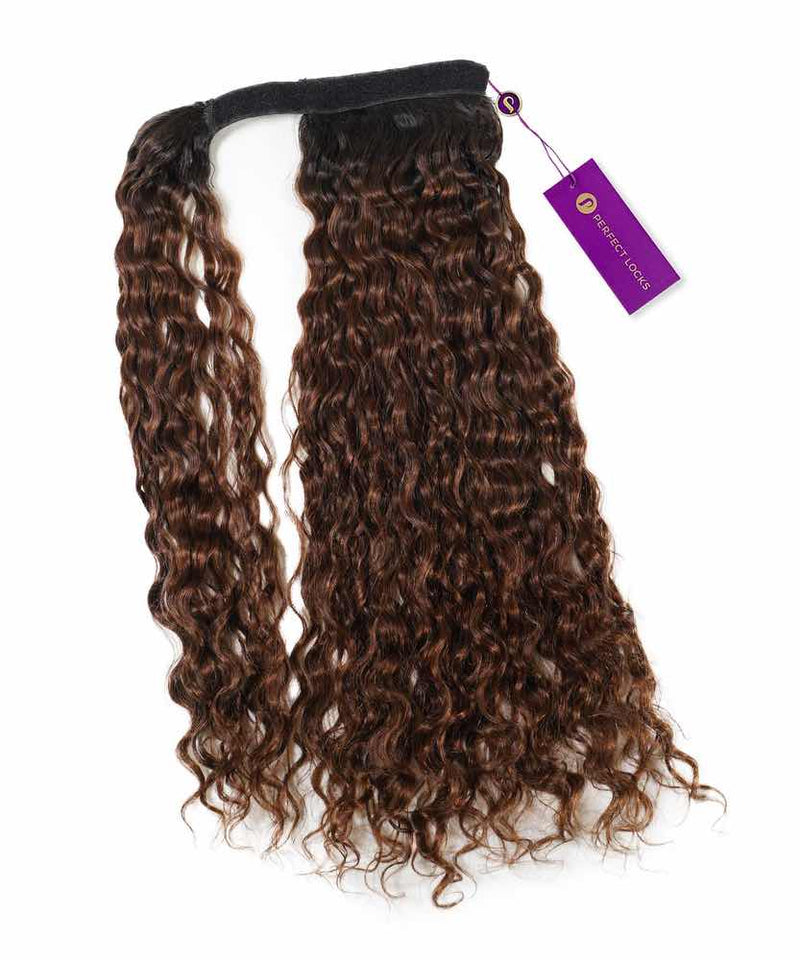
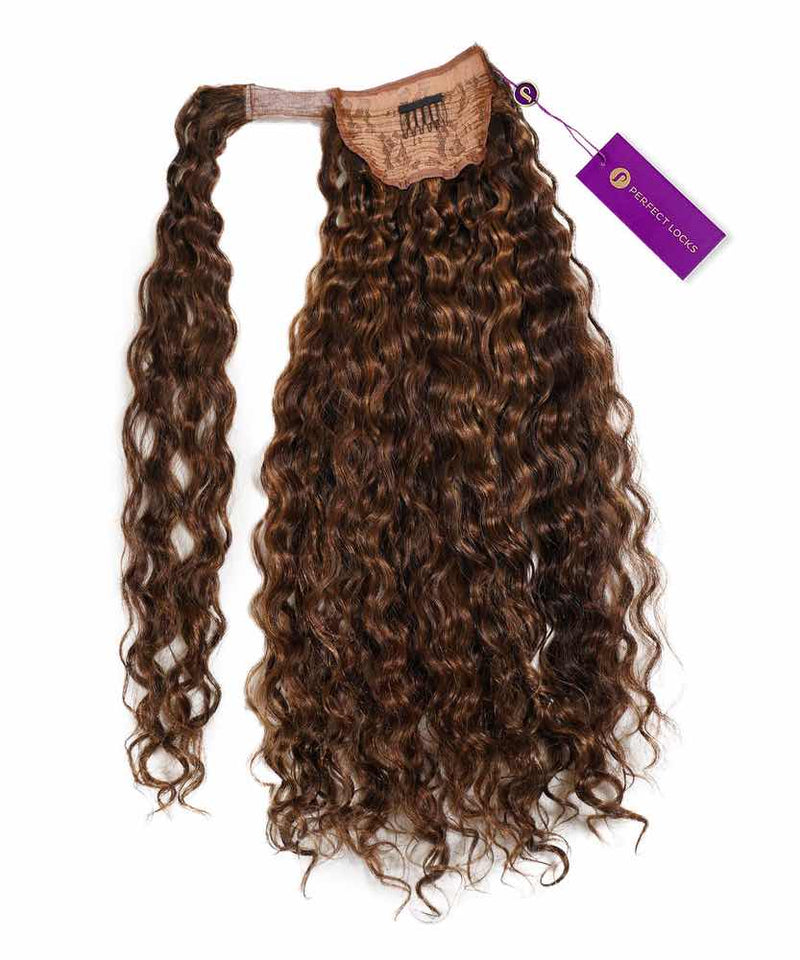
Wearing extensions? A clip-in ponytail is the fastest way to add length and volume to this look. Wrap your natural hair into a low pony, secure the clip-in around the base, and finish with a ribbon. Shop ponytail extensions →
Twist & Clip with Ponytails
Part damp hair into sections, twist each section into a loose ponytail, and secure with a hair clip toward the front. Repeat with two more sections along the crown and the back of your head. The result is air-dried texture with serious definition and zero heat.
This method works best on hair that's already been treated with a leave-in conditioner. The twists set the pattern; the conditioner keeps it from frizzing as it dries.
Hair Wraps and Scarves: Fashion Meets Function

Hair wraps and scarves protect your hair from sun, wind, friction, and pillow-pull while sleeping. They're trending again in fashion (every editorial summer shoot uses one) and they double as a styling tool when you need to disguise a second-day wash.
Always reach for silk or satin, never cotton. Cotton absorbs the natural oils your hair needs and creates friction. A silk pillowcase does the same job overnight if a wrap isn't your style.
Half-Up, Half-Down: The Best of Both Worlds
Half-Up Half-Down Tutorial
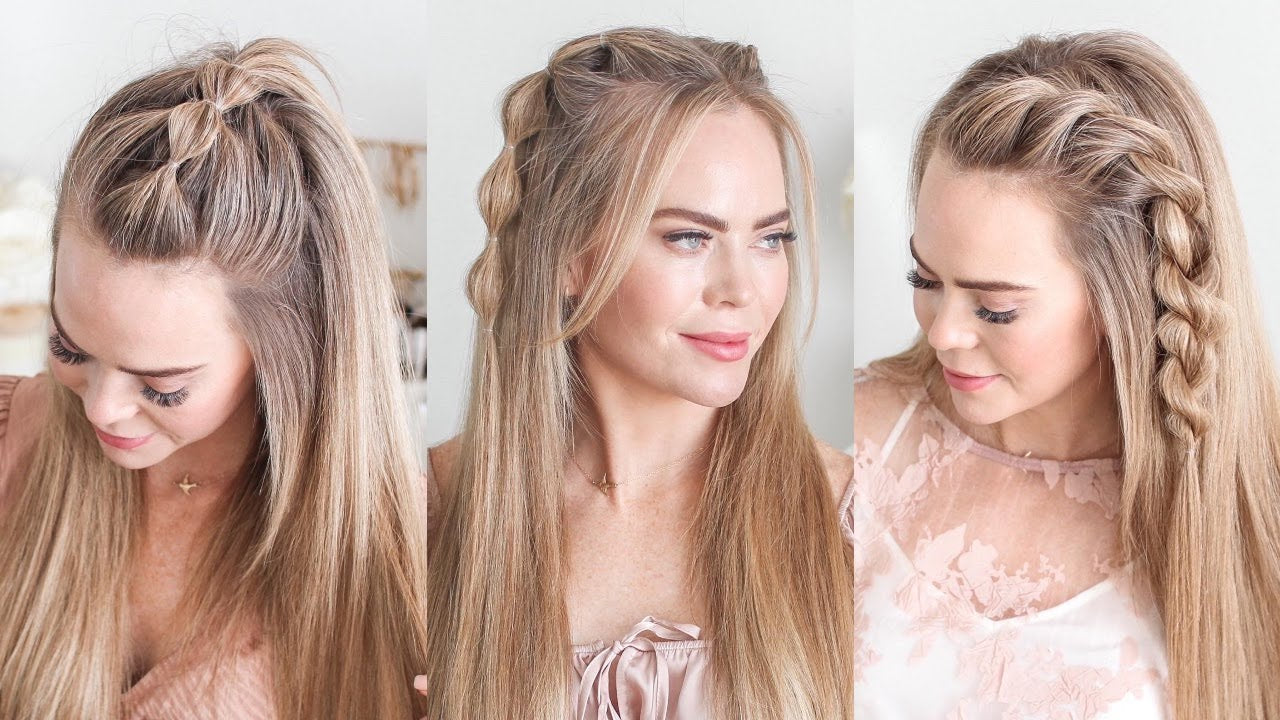
When you can't decide between up and down, the half-up half-down style splits the difference and protects the most fragile sections of your hair. Pulling the top section away from your face means less friction on the crown (where breakage tends to start), while letting the lengths show off your texture below.
Add a clip, ribbon, or barrette at the gathering point. The hardware does the work; the hair stays low-tension.
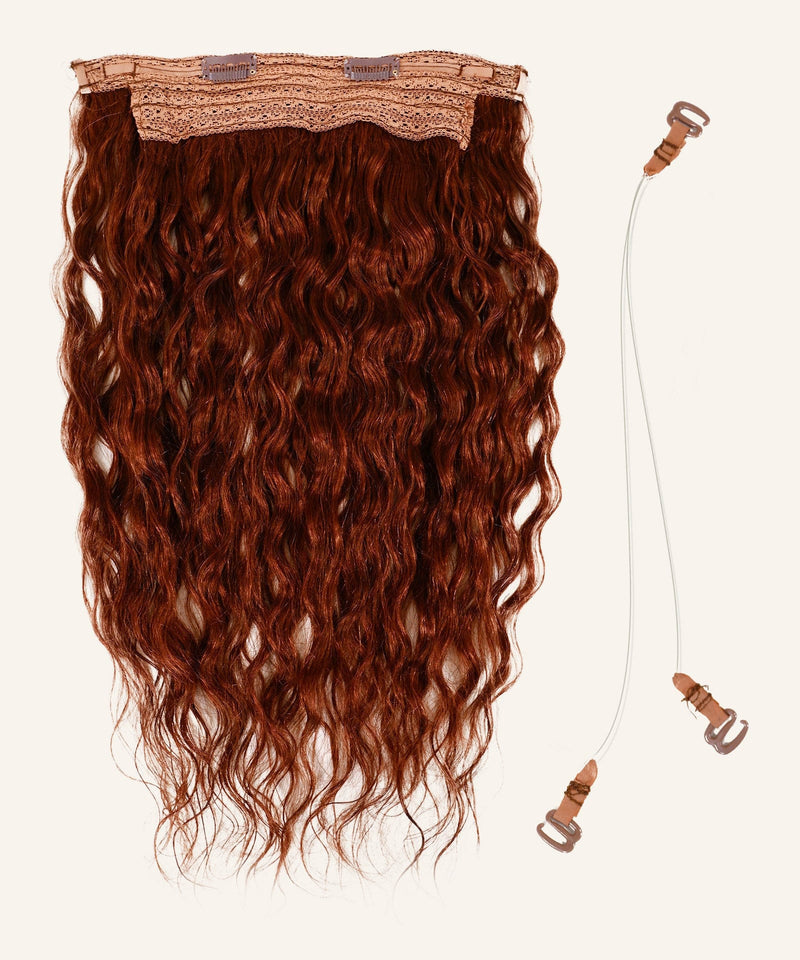
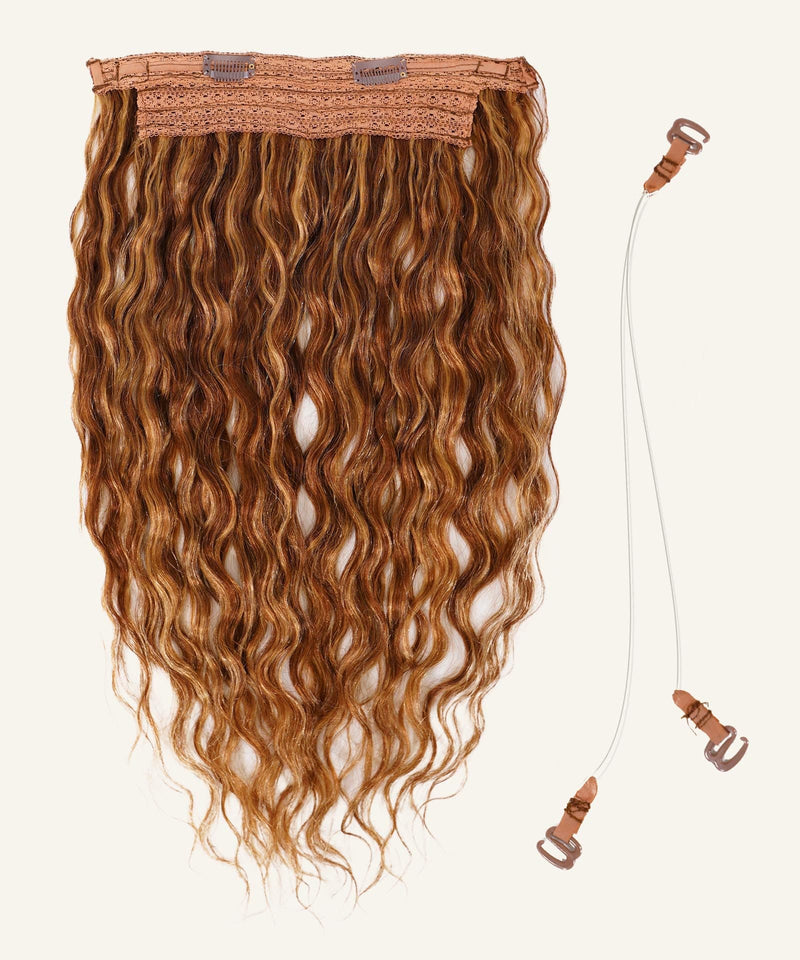
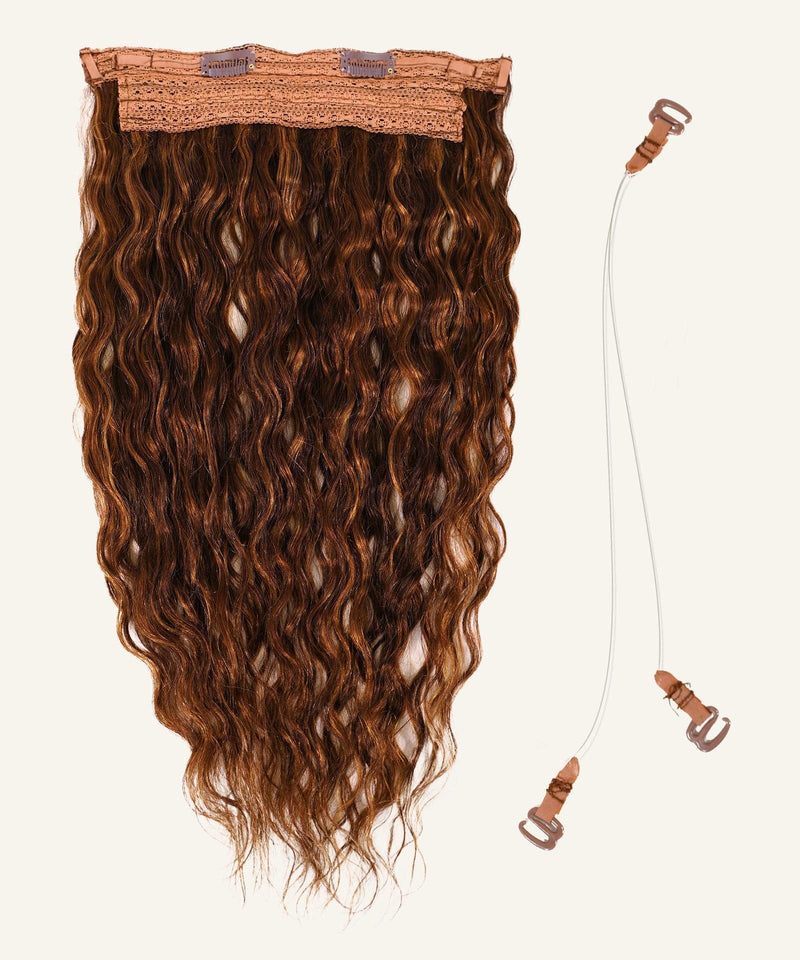
Wearing extensions? This is the easiest style to wear with halos and clip-ins. Both methods blend seamlessly into a half-up style because the attachment point is hidden by the gathered top section. Shop halos → | Shop clip-ins →
Final Tips for Damage-Free Hair
The styles above protect what you do with your hair. These four habits protect everything else.
-
Limit heat styling. Flat irons, curling wands, and high-heat blow dryers do cumulative damage. When you do use them, always apply a heat protectant first, and keep the temperature under 365°F (185°C) for fine hair, 410°F (210°C) for thicker hair.
-
Trim every 6-8 weeks. This isn't a sales pitch from your stylist. Split ends travel up the hair shaft if you ignore them, and a quarter-inch trim every two months prevents you from losing three inches later.
-
Deep condition weekly. A real deep conditioning treatment (left on for 15-20 minutes, ideally with heat) restores moisture that daily washing strips. Once a week is enough for most hair; twice a week for color-treated or curly hair.
-
Detangle gently. Use a wide-tooth comb or a detangling brush, and always start from the ends. Working top-down piles tangles on top of each other and rips through them. Always detangle on damp (not soaking wet) hair with a slip product.







Frequently Asked Questions
Are hair extensions damaging to your natural hair?
When applied correctly and maintained well, quality hair extensions are not damaging. The damage people associate with extensions almost always comes from poor installation, improper removal, or skipping care steps. Tape-ins, clip-ins, and halos are among the gentlest methods because they distribute tension evenly. The key factors are: choosing the right method for your hair type, working with a trained stylist for installations, and following maintenance guidelines like avoiding sulfates and brushing carefully.
Can you do protective styles with hair extensions?
Yes, and stylists often recommend it. Buns, braids, low ponytails, and half-up styles all work with extensions and actually help them last longer between wash days. The key is to secure the style without pulling at the attachment point (the tape, the clip, or the bead row). If you have tape-ins or wefts, avoid styles that put direct tension on the bonds.
How do you sleep without damaging your hair?
Three steps protect hair overnight: sleep on a silk or satin pillowcase to reduce friction, tie hair into a loose braid or low pineapple at the top of your head (never a tight ponytail), and avoid going to bed with soaking wet hair, which is at its most fragile when fully saturated. If you wear extensions, this routine is essential, not optional.
What is the best heatless way to get waves?
The overnight robe-tie method gives the most consistent results. Damp hair is wrapped around a long fabric tie (or a sock, or a soft headband) in two sections, secured at the ends, and left overnight. The next morning you have soft, bouncy waves with no heat exposure. For tighter curls, use thinner sections; for looser waves, thicker sections.
How often should I take protective styles down?
Braids and twists should come down every 4-6 weeks at most, ideally with a deep conditioning treatment in between. Leaving protective styles in too long can cause matting at the roots and breakage during takedown. Daily styles like buns and ponytails should come down every night to relieve tension and let your scalp breathe.
Which extensions work best for someone with damaged hair?
If your hair is fragile or recovering from damage, the gentlest options are clip-ins and halos because they don't bond to your hair at all. Tape-ins are the next gentlest because the weight distributes evenly across the tape rather than pulling at single points. Avoid fusion or bonded methods until your hair is healthier.
Not Sure Which Extensions Are Right for You?
Take our quick quiz to get a personalized recommendation based on your hair type, lifestyle, and styling preferences.
Take the Quiz