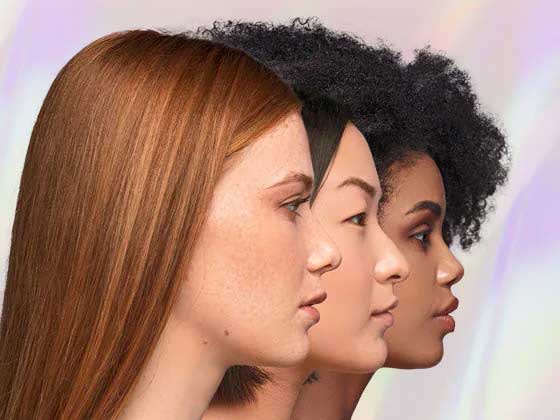
The New Year is here, and for many women that means one thing: resolutions, and usually fitness resolutions. Everyone is ready to exercise! And yet, with treadmills and metabolisms firing up, the heat is also rising on scalps and hair – and this can be disastrous for your virgin Indian Perfect Locks hair extensions. No sweat, though; you can still have it all by simply using a little inside knowledge about how to preserve and save your hair weave while exercising.
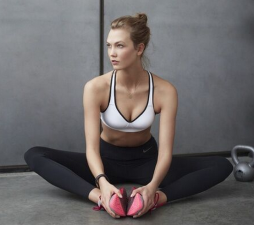
First and foremost, keep hair extensions as dry as possible by sweeping them away from your neck and forehead. Salty sweat is acidic and can dry out and damage your virgin Indian hair extensions. So pull tresses into topknots, buns, or ponytails – not low ones, to keep hair off the neck - or clip or hair away. If wrapping your locks to keep them dry, keep hair in place with two separate wraps or scarves: one made of breathable mesh or satin (to secure hair in the wrap), topped by a simple cotton bandanna that absorbs and wicks away sweat. This tip will especially keep your head warm in winter!
Buns and Updos, Quick & Sexy
|

|
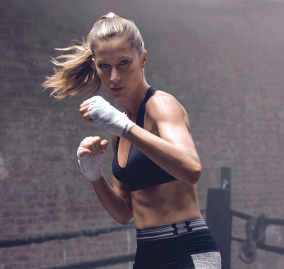
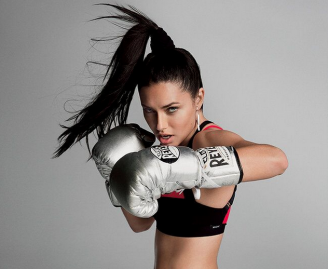
However, when styling hair extensions for the gym, don’t pull too hard. Severe ponytails will slowly but surely pull out your hair extensions, and too much tugging on sewn-in tracks is a surefire way to loosen your braids or weaving base, frizzing up your look and cutting your style short. Aim for loose, sexy gym styles that let hair breathe and sweat evaporate.
Hight Ponytail Are Powerful
 |
 |
Furthermore, avoid or shorten trips to the sauna or steam room, and try to wear a swimming or bathing cap to stop frizz before it starts. Moisture will poof out any hairstyle over time.
If you have them, make sure to remove clip-on hair extensions before working out. It sounds simple, but many ladies just refuse to do it. Fight this urge! Removing clip-on hair pieces is the easiest way to keep the hair from getting sweaty, dirty, or matted, and cuts down on the amount of washing and handling you need to do on your tracks.
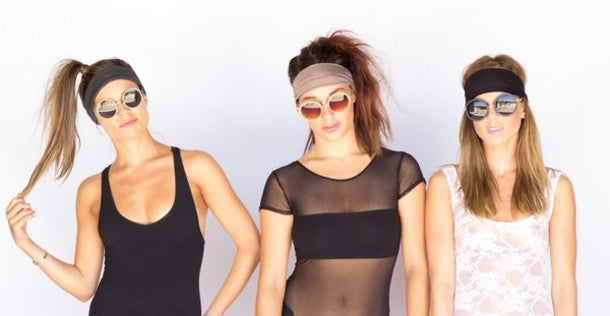
Headbands Are Still In
Also avoid bonding or gluing in hair when you plan to be active. Chemical bonding glues can react badly with sweat and under heat, so you don’t want to chance it; save these types of weaves for weekends or other short-term applications when you won’t be exercising.
On the other hand, though, fusion applications can be fine for active women, so long as you are especially careful when pulling fusion hair into ponytails. The edges of your hair are the first to loosen, and you don’t want to speed up this process, so be gentle!
Of course, these are the same tips you should follow for any kind of hair extensions, whether sewn-in wefts, individual braids, net weaves, or partial lace wigs. Your Perfect Locks hair extensions are an investment in your beauty, just like your hours in the gym or on the track. So why let one beauty move ruin the other? Keep your whole look together by protecting your hair weaves and pieces, and you’ll start 2011 on the right foot (and strand).
Gym-Proofing Your Extensions: The Complete Guide
Working out with hair extensions - whether clip-ins or semi-permanent - is completely doable with a few adjustments to how you style and protect your hair. Here's what actually works.
"We hear from so many active women who feel like they have to choose between their fitness routine and wearing extensions. You absolutely don't. The key is prepping your hair before you work out rather than trying to fix it after. A few minutes of preparation saves an hour of detangling."
- Priyanka Swamy, Founder of Perfect Locks
Before Your Workout
Braid or twist your hair: A loose braid or two-strand twist protects extension hair from the tangling that free-hanging hair experiences during high-movement exercise. A low braid is the simplest approach - it keeps hair contained, prevents friction between strands, and takes 30 seconds to do.
Use a satin or silk scrunchie: Elastic bands create creases and cause breakage in extension hair. Satin or silk scrunchies secure the style without damage. Never use rubber bands on extension hair.
Apply a light anti-humidity product: Sweat contains salt that dries out extension hair. A light anti-humidity spray or serum applied before working out creates a barrier that reduces the impact of sweat on the hair's moisture level.
Remove clip-ins if doing intense cardio: For high-intensity workouts involving significant head movement - running, jumping, inverted exercises - remove clip-in extensions beforehand. It takes 2 minutes and saves both the extensions and your workout focus. Store them in a small zip bag in your gym bag.
After Your Workout
Don't let sweat dry in your hair: Salt from dried sweat causes dryness and eventual brittleness in extension hair. Rinse your hair (or at minimum your scalp) within a few hours of working out. For semi-permanent extensions, a quick diluted shampoo-and-rinse at the scalp is better than leaving sweat to sit.
Detangle before washing: If your hair got tangled during the workout, detangle with your fingers or a wide-tooth comb before getting it wet. Wet tangled extension hair tightens into knots that are much harder to work through.
Reapply moisture: A light leave-in conditioner spray after rinsing replenishes the moisture that sweat and activity removed.
Gym Hairstyles That Work with Extensions
Low braid: The simplest and most protective. Works with any extension method.
Low bun: Gather everything into a low bun at the nape. The bun protects ends from friction and keeps the style secure through movement. Secure with a satin scrunchie.
High ponytail: Works well with tape-in extensions and sew-ins, but check that clip-ins are well-secured before pulling into a high ponytail - the upward tension can loosen clips that aren't fully anchored.
Protective style during workout period: If you work out 4-5 times a week, a protective style like box braids during an active period makes ongoing management much easier. The style protects your extension hair from constant sweat exposure and reduces daily styling time to zero.
Frequently Asked Questions
Can you work out with hair extensions?
Yes - with proper preparation. Braid or twist your hair before working out, use a satin scrunchie rather than an elastic band, apply an anti-humidity product beforehand, and rinse within a few hours after working out to prevent sweat from drying in the hair. For very intense workouts, removing clip-in extensions beforehand is the safest option.
Does sweat ruin hair extensions?
Sweat doesn't ruin extensions immediately, but consistently leaving sweat to dry in extension hair causes dryness and brittleness over time - salt is dehydrating to hair. The solution is rinsing after workouts, not avoiding exercise. Regular rinsing and consistent moisturizing keeps extension hair healthy through an active lifestyle.
What hairstyle should I wear to the gym with extensions?
A low braid or low bun secured with a satin scrunchie is the most protective gym style for extension wearers. It contains the hair, prevents tangling from movement and sweat, protects the ends, and keeps clip-in wefts secure. High ponytails work well with tape-ins and sew-ins but can strain clip-in attachment points.
How often should you wash extensions if you work out regularly?
If you work out daily or near-daily with significant sweating, rinse your scalp (for semi-permanent methods) or wash your clip-ins every 5-7 days rather than the typical 15-20 wear schedule. Accumulated sweat salt causes more damage than frequent gentle washing with sulfate-free shampoo. Prioritize rinsing over letting sweat sit.

Author and Founder of Perfect Locks LLC
Priyanka Swamy, the visionary founder of Perfect Locks LLC, is a passionate advocate for empowering women and promoting cultural diversity. With an unwavering commitment to ethical sourcing and quality craftsmanship, she redefined the hair extension market and created a supportive community that celebrates individuality.
Priyanka's dedication to sustainability and social responsibility continues to inspire positive change within the industry. Her journey with Perfect Locks remains an inspiration, unlocking the true potential and confidence of countless individuals worldwide.