


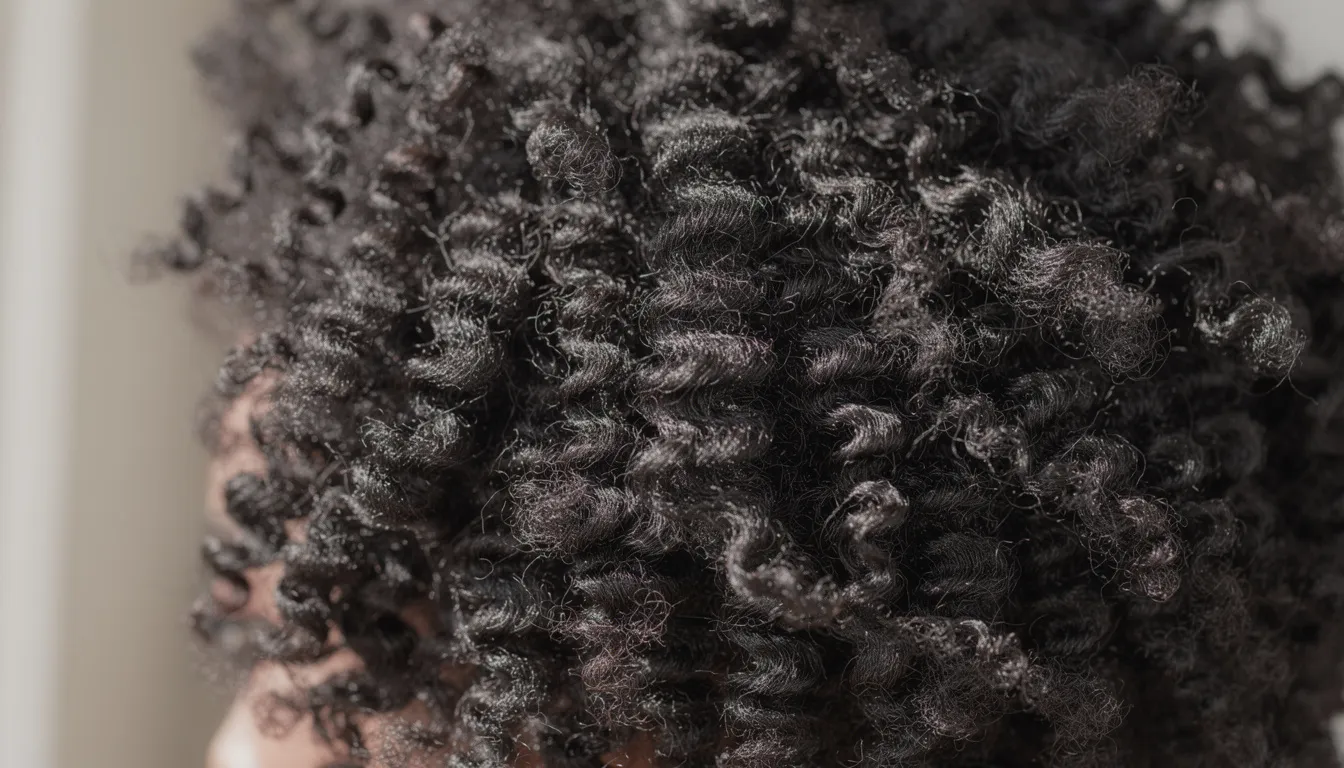
4C Hair Care: A Complete Guide to Styling & Extensions
If you've ever wondered why your hair shrinks to half its length after wash day or why your strands seem to drink up moisture faster than you can apply it, you're likely working with 4C coils. This hair type is stunning, versatile, and demands a care approach that honors its unique structure. In this guide, we'll break down everything you need to know about caring for, growing, and styling 4C hair - plus how to find extensions that actually blend with your natural texture.
Not Sure Which Extensions Are Right for You?
Take our quick quiz to get a personalized recommendation based on your hair type, lifestyle, and styling preferences.
Take the QuizQuick answer: what 4C hair is and how to care for it
4C hair is the tightest, most shrinkage-prone texture within the Type 4 category, featuring a zig-zag or "Z" pattern with minimal visible curl definition in its natural state. This hair type often shrinks 70-75%, meaning shoulder-length stretched hair may look like a compact afro when dry. The strands are fragile, naturally dry, and need consistent moisture, gentle handling, and protective styling to thrive.
At Perfect Locks, we focus on texture-matching hair extensions for Black women and wigs that respect and blend with 4C hair rather than fight against it. Here's what matters most for 4C care:
- Moisture is everything - hydrate daily with water-based products and seal with oils
- Low manipulation protects fragile strands - limit combing and restyling
- Protective styles preserve length - tuck ends away to prevent dryness and breakage
- Gentle detangling prevents damage - always work on damp, conditioned hair

What is type 4C hair?
The hair typing system categorizes textures from Type 1 (straight) through Type 4 (coily), with each type having subcategories. Within Type 4, you'll find 4A, 4B, and 4C - with 4C representing the tightest coil pattern of them all.
4C texture features tight, springy coils that form a "Z" pattern rather than defined ringlets. When dry, it often looks like a soft cotton halo with little individual curl definition. Here's what makes this hair type distinct:
- Shrinkage is significant - up to 70-75% of actual length. A 10-inch strand may appear as just 3 inches when not stretched
- Density and volume are high - 4C hair often appears fuller than other hair types, ranging from fine and soft to coarse and wiry
- Dryness is common - because the coils are so tight, natural oils from the scalp struggle to travel down the bends of the hair shaft
- Tangling happens easily - the tight curl pattern creates more opportunities for strands to wrap around each other
- Frizz is part of the package - the texture naturally resists smooth, sleek appearances without significant manipulation
When wet, 4C hair may show slightly more definition, but it typically lacks the visible ringlets you'd see in looser curl types. Many people have mixed textures across their head - perhaps 4B at the nape and 4C at the crown - so care should be based on how your hair behaves, not just its label.
4C vs. other curl types (4A, 4B and beyond)
Understanding the difference between 4A, 4B, and 4C helps set realistic expectations and guides your product choices. While all Type 4 hair is coily, the subtypes behave quite differently.
| Feature | 4A | 4B | 4C |
|---|---|---|---|
| Curl pattern | S-shaped coils | Z-shaped zigzag | Tight Z-pattern, minimal definition |
| Coil size | Pencil-sized spirals | Pen spring width | Varies - often tighter than 4B |
| Shrinkage | 60-70% | 65-75% | 70-80%+ |
| Texture feel | Defined, springy | Dense, fluffy | Cotton-like, delicate |
| Definition | Visible curl clumps | Less defined coils | Little to no visible curl pattern |
| Common challenges | Frizz, dryness | Tangles, single strand knots | Breakage, extreme dryness, shrinkage |
| Best extension match | Kinky curly | Kinky curly, coily | Afro kinky, kinky straight |
Here's how to think about these distinctions:
- 4C vs. 4B: 4B hair has more visible S or zig-zag curls with slightly less shrinkage. 4C is tighter, more compact, and tends to be frizzier with less definition
- 4C vs. 4A: 4A features looser, well-defined S-shaped coils that form visible ringlets and retain more shine naturally
- 4C needs the richest products: Of the three subtypes, 4C typically requires the heaviest creams and butters along with the most protective styling
- Compared to Type 3 curls: 4C has much tighter coils, naturally less shine, and a higher risk of breakage if handled roughly

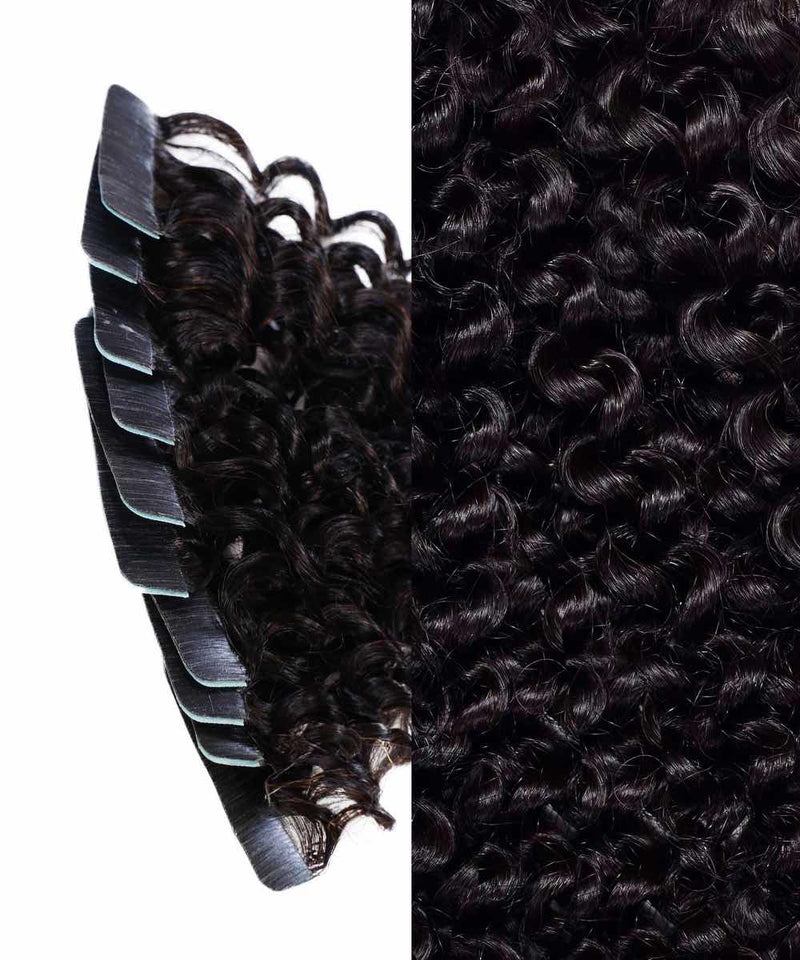
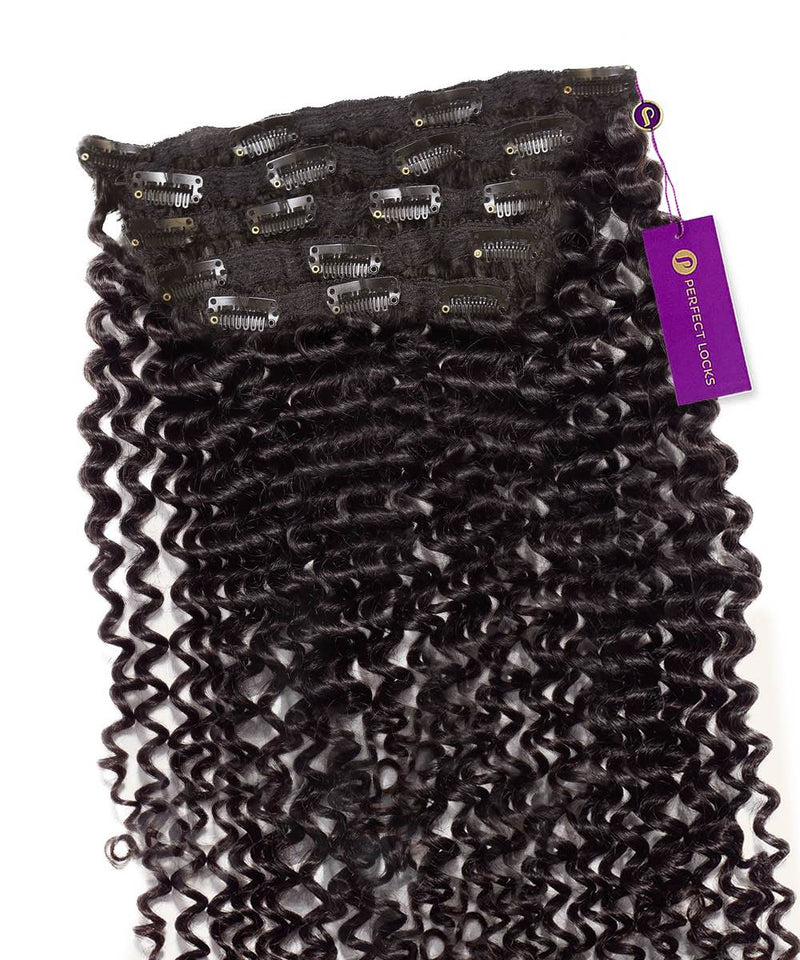
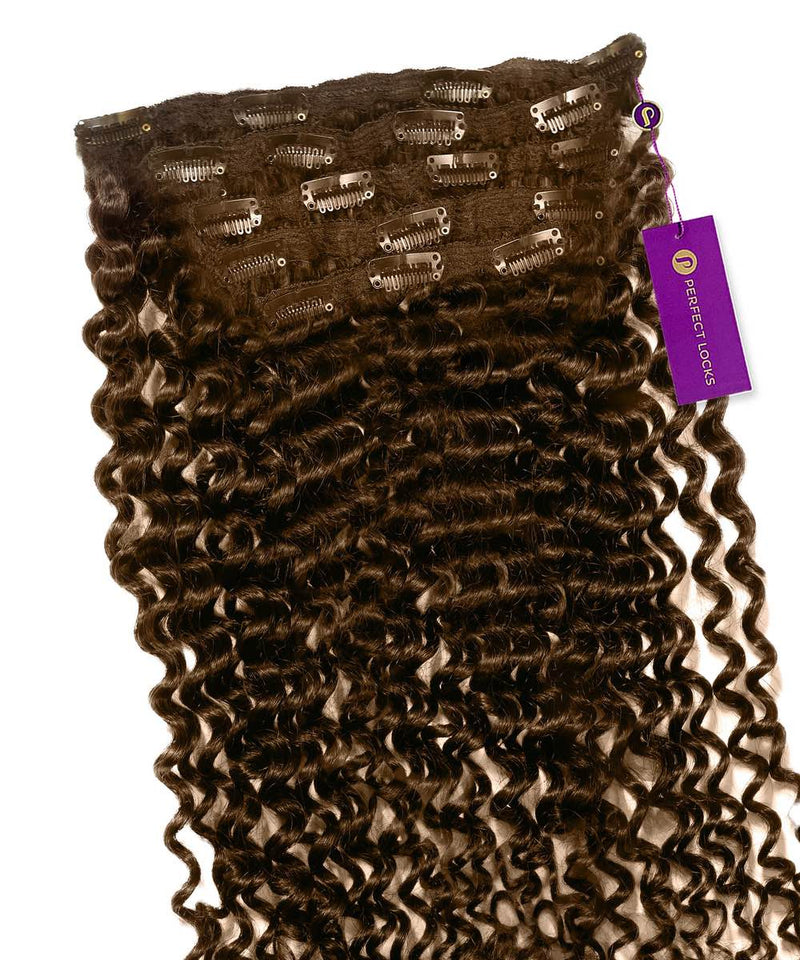
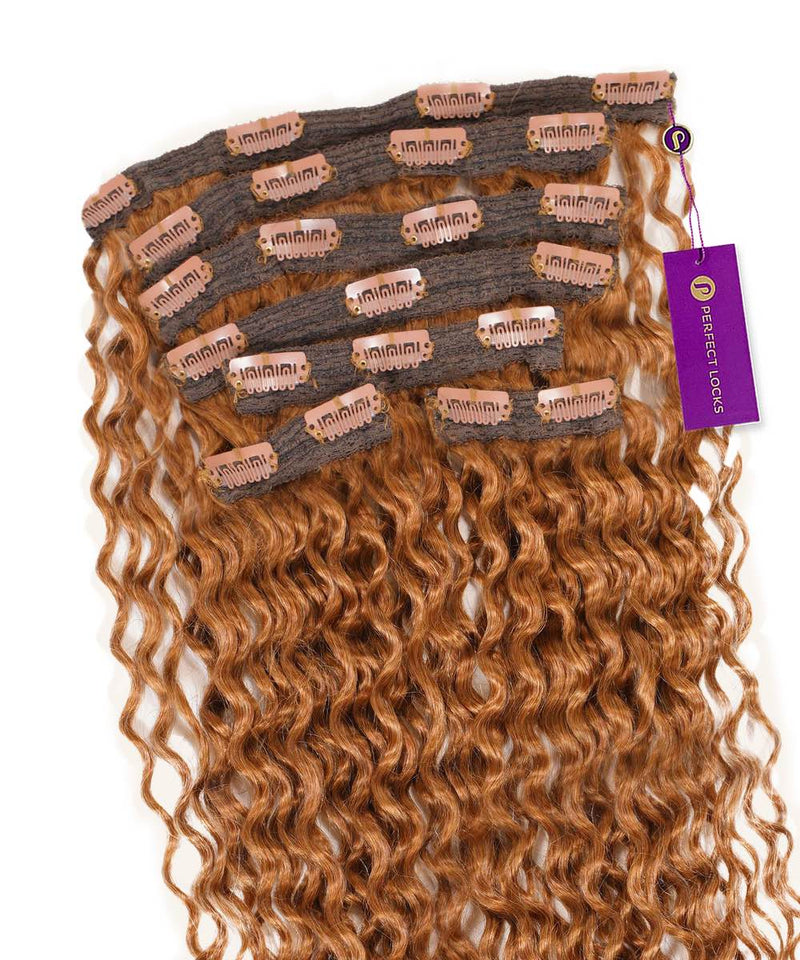
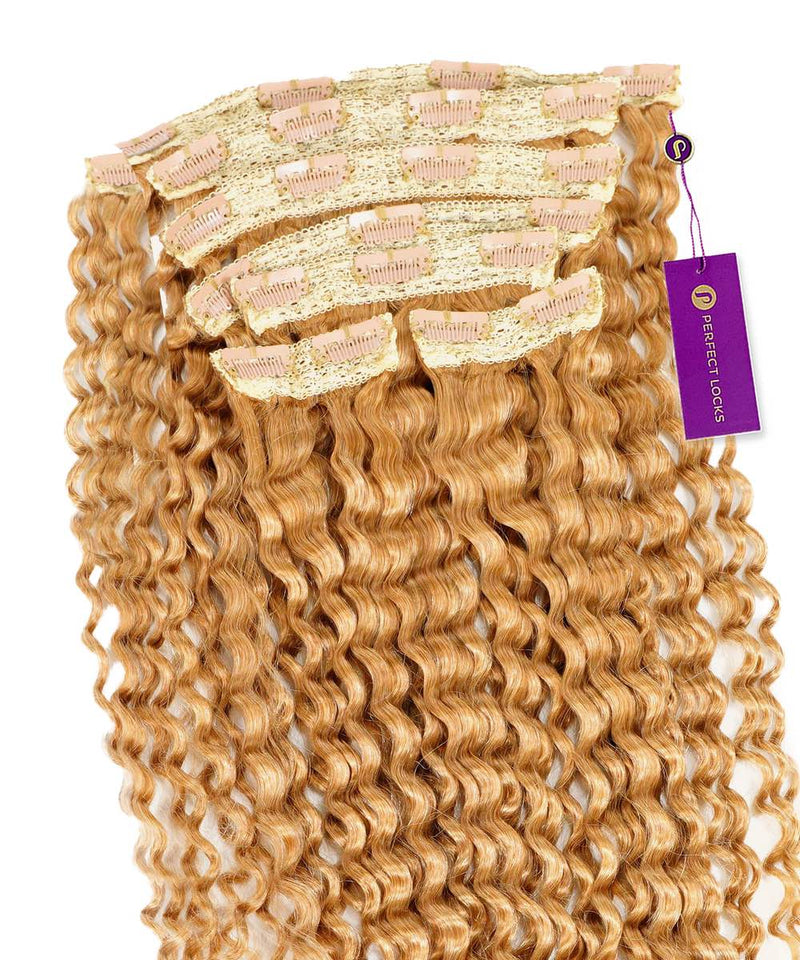
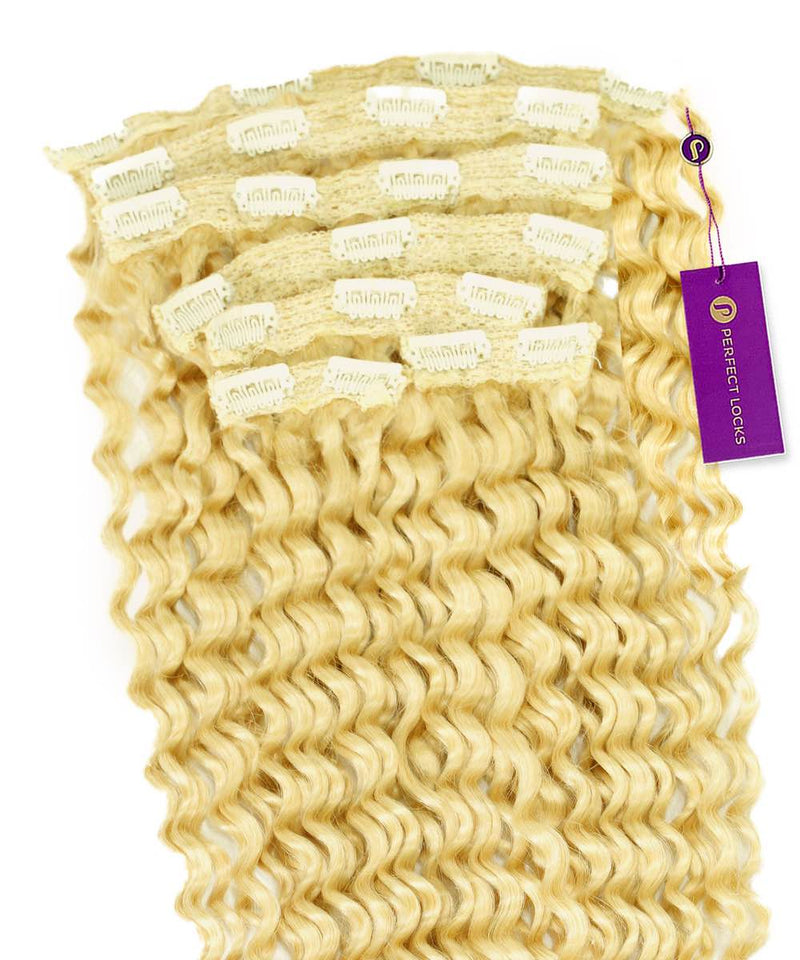
Knowing your subtype helps when shopping for texture-matching extensions. Our textured clip-ins and kinky curly tape-ins are specifically designed to blend with 4B-4C patterns, making proper identification valuable for seamless styling.
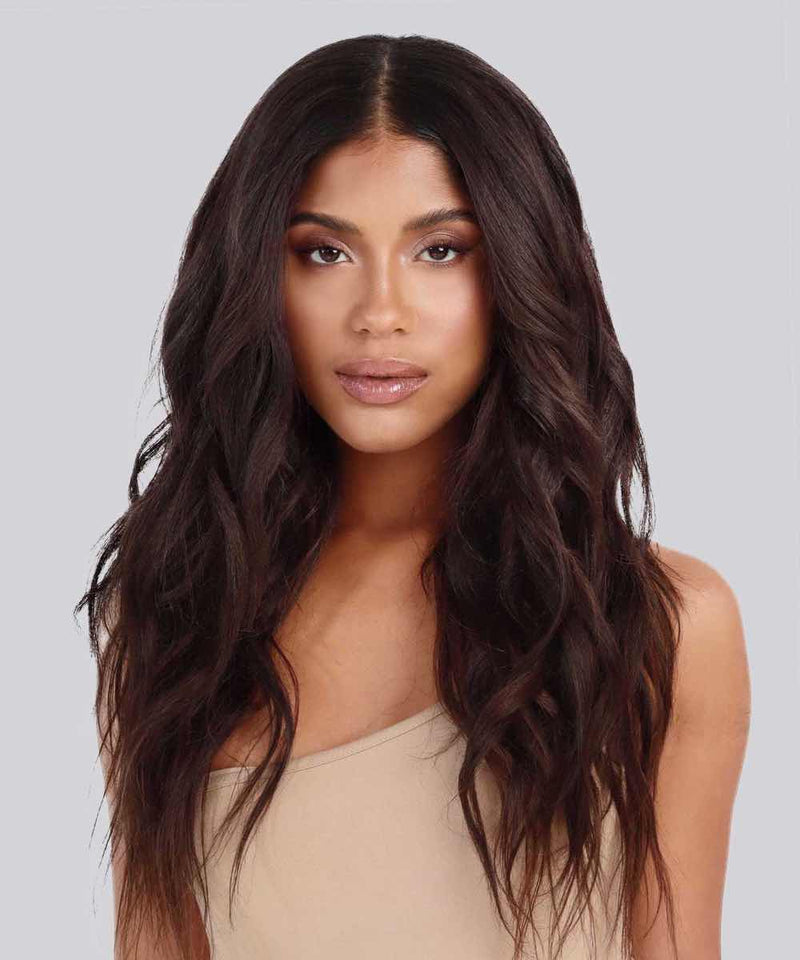
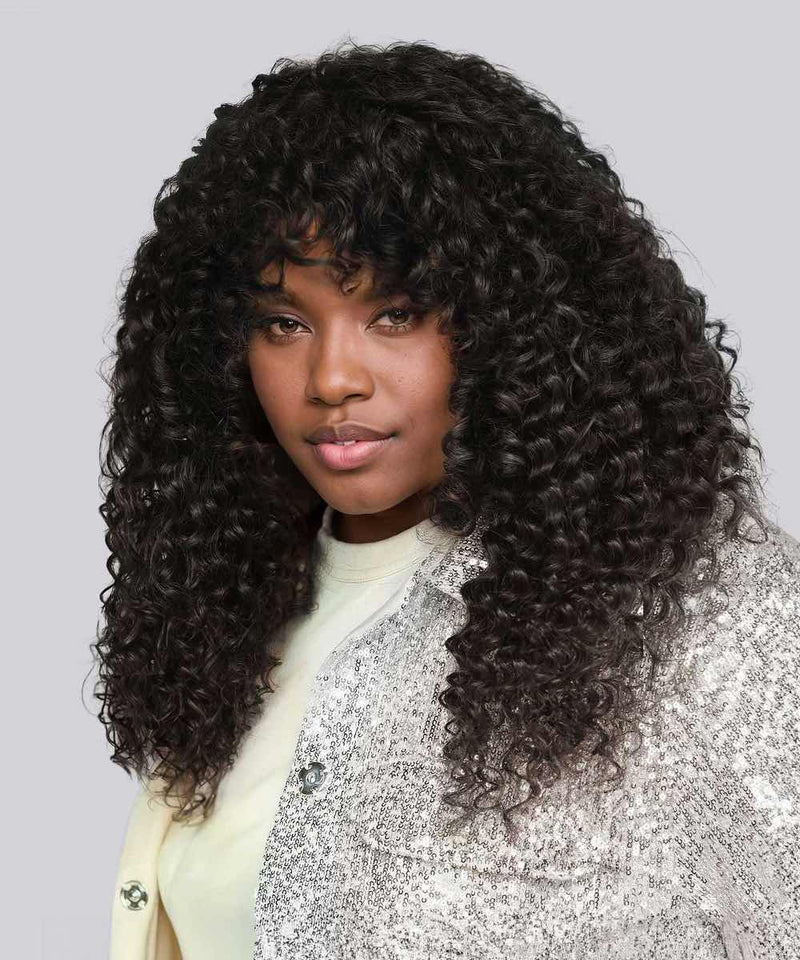
Textured Hair Extensions
Your natural texture, amplified. From kinky curly to relaxed straight, every texture we carry is achieved through a c...
How to care for 4C hair (daily and weekly routine)
Consistent, gentle routines matter more than occasional intensive treatments for 4C hair. Building habits that protect and hydrate your strands daily will outperform any single deep conditioning session.
"4C hair isn't difficult - it's just different. Once you understand what your coils actually need, everything changes. We hear from customers all the time who spent years fighting their texture before realizing that gentle handling and consistent moisture were the missing pieces. Your hair isn't the problem - the approach just needs to match the texture."
- Priyanka Swamy, Founder of Perfect Locks
4C hair benefits from less frequent full wash days - typically every 7-10 days - to avoid stripping natural oils from already dry strands. Here's a practical hair routine framework:
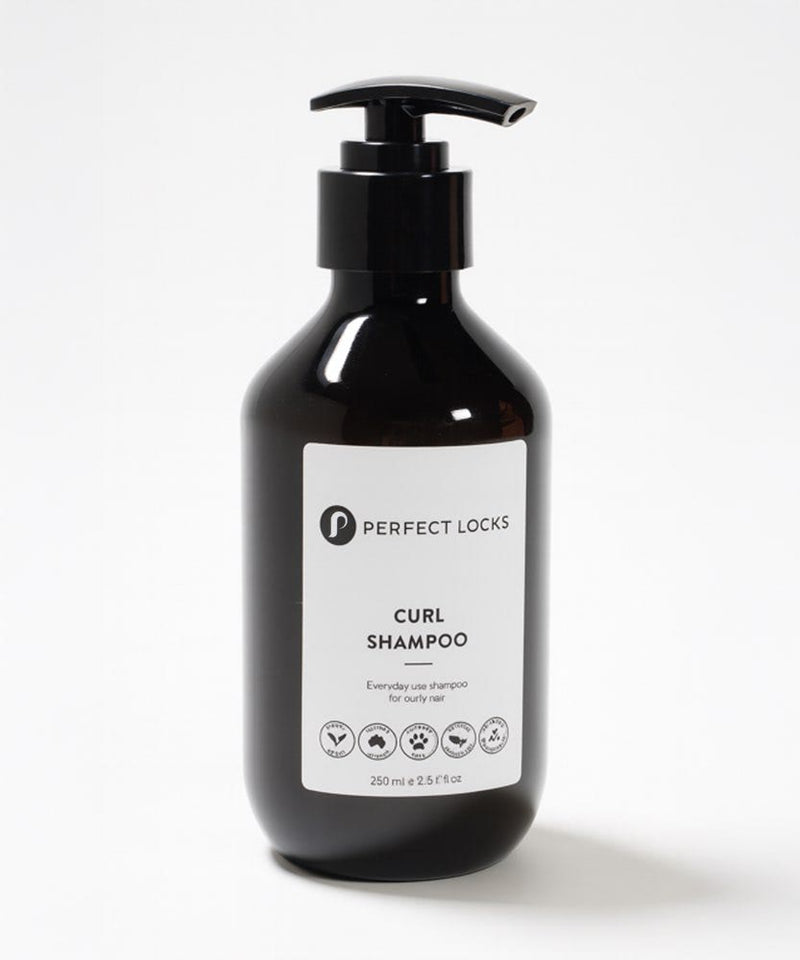
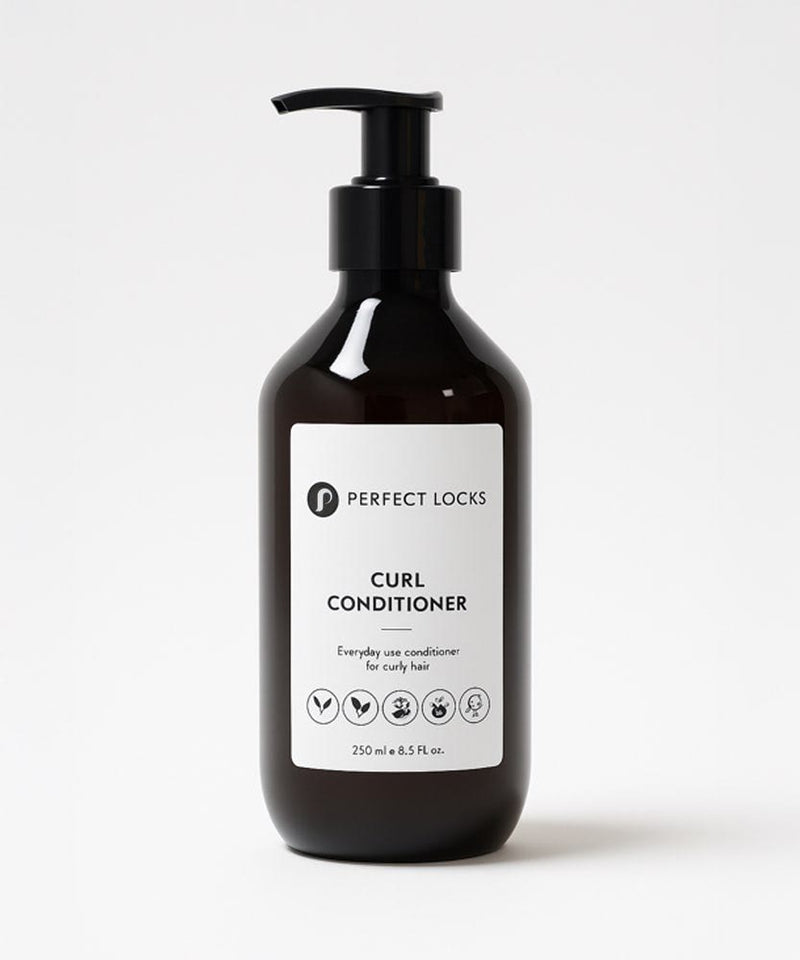
How to Take Care of 4C Hair
Weekly routine
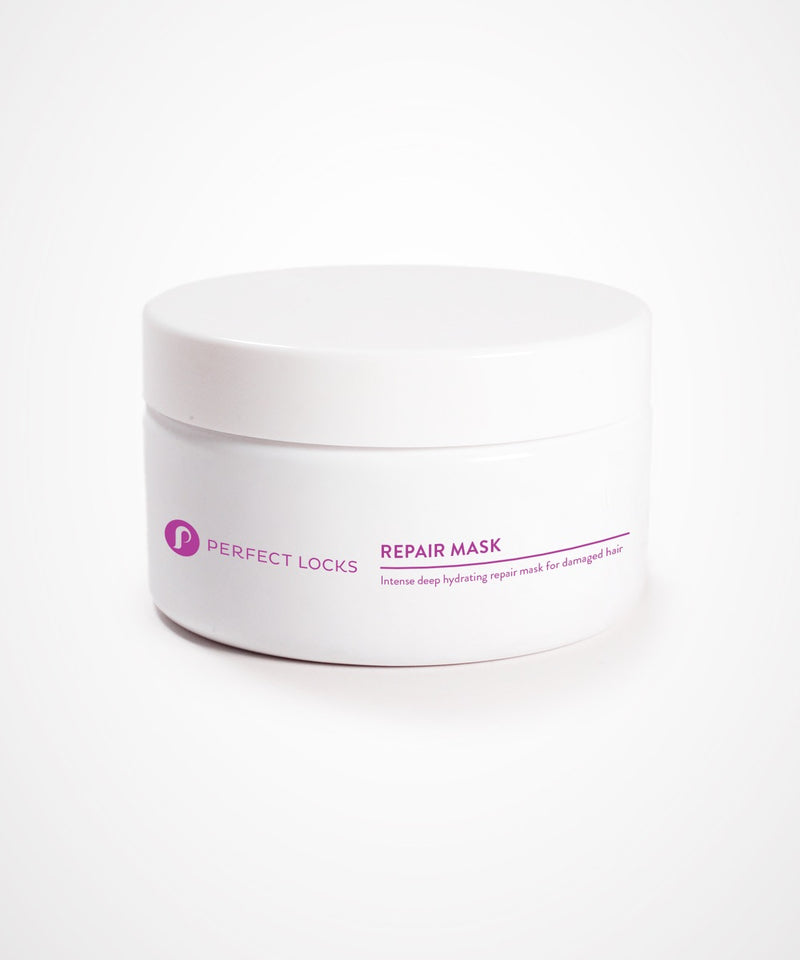
- Pre-poo treatment: Apply coconut oil, castor oil, or a nourishing mask before shampooing to protect strands
- Gentle cleansing: Use a sulfate-free shampoo or co-wash to clean without stripping moisture
- Deep conditioner: Apply a rich conditioning treatment for 15-30 minutes under a heat cap or steamer
- Careful detangling: Detangle on damp, conditioned hair with lots of slip, using fingers or a wide-tooth comb from ends to roots
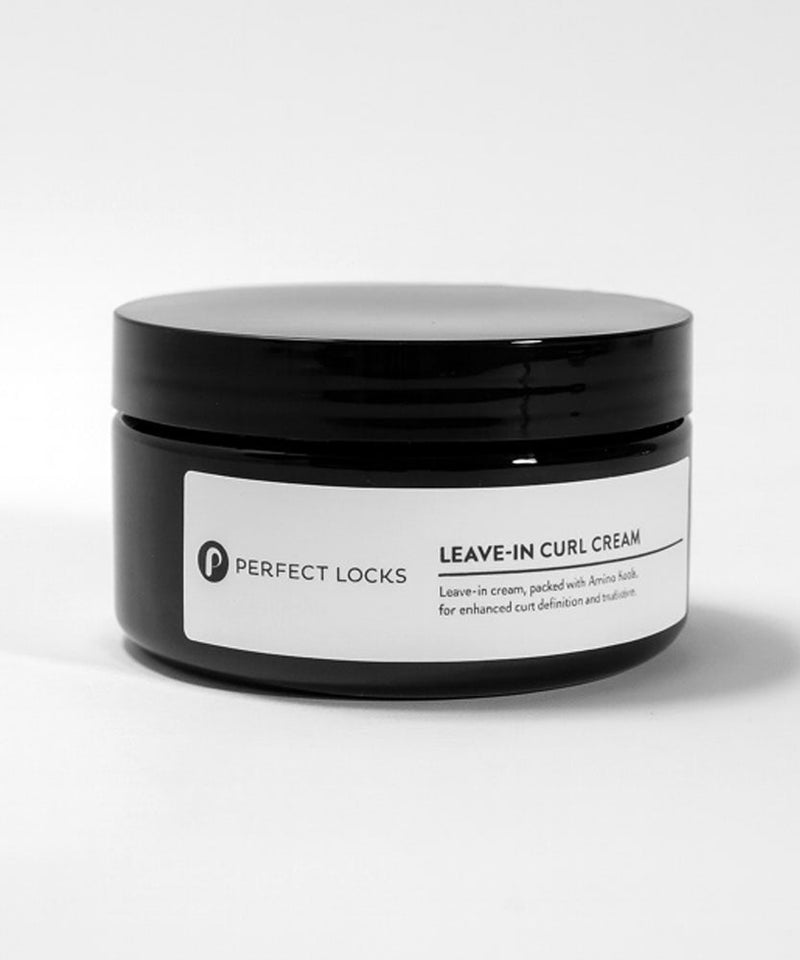
- Leave-in and seal: Apply leave-in conditioner, then lock in hydration with an oil or butter

Daily maintenance
- Refresh moisture: Spritz with a water-based leave-in spray and smooth a light oil over strands
- Nighttime protection: Wear a satin or silk bonnet, scarf, or sleep on a silk pillowcase to reduce friction and morning tangles
- Minimal manipulation: Avoid over-combing or restyling daily
Monthly care
- Trim as needed: Every 8-12 weeks, remove split ends to prevent damage from traveling up the shaft
- Clarifying wash: Use a clarifying shampoo once a month to remove product buildup
- Scalp treatment: Massage scalp with nourishing oils to promote circulation and healthy follicles
Styling 4C hair: techniques that work
4C hair is incredibly versatile despite - or because of - its unique texture. From sleek updos to voluminous afros, this hair type holds styles well and offers creative freedom once you understand its natural tendencies.
Protective styles for 4C hair
Protective styling keeps your ends tucked away from friction, weather, and manipulation. For 4C hair, this isn't optional - it's essential for retaining length. Great protective options include:
- Twists and twist-outs: Two-strand twists protect hair while setting a stretched curl pattern. Unravel for defined, elongated coils
- Braids and braid-outs: Cornrows, box braids, and simple three-strand braids work well. Braid-outs create wavy, stretched definition
- Bantu knots: Small coiled knots that can be worn as-is or unraveled for a curly, voluminous look
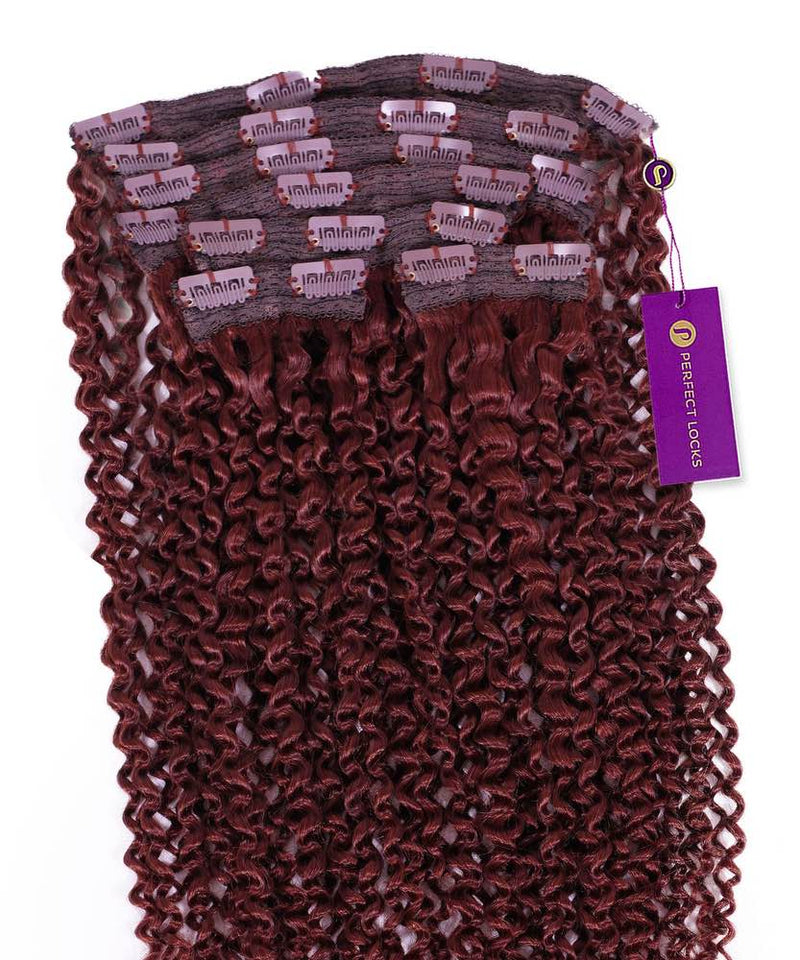
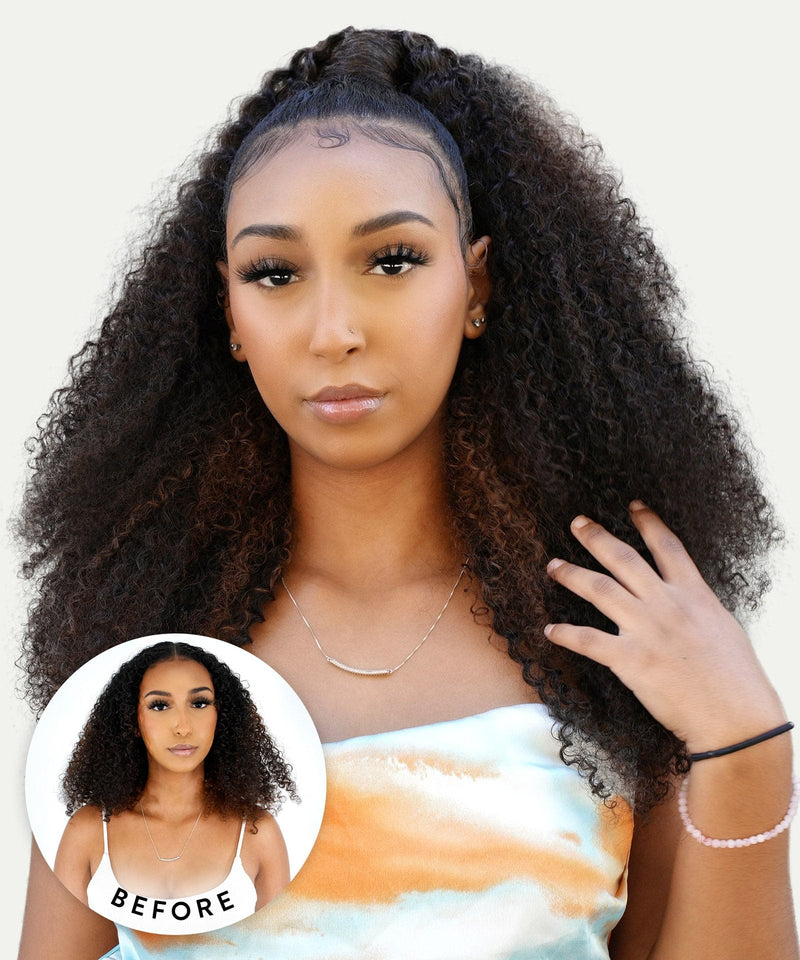
- Wigs and extensions: Textured clip-ins, sew-ins, and wigs give your natural hair a complete break while you enjoy length and style variety
- Updos and buns: Low-manipulation styles that keep ends protected from rubbing on clothing
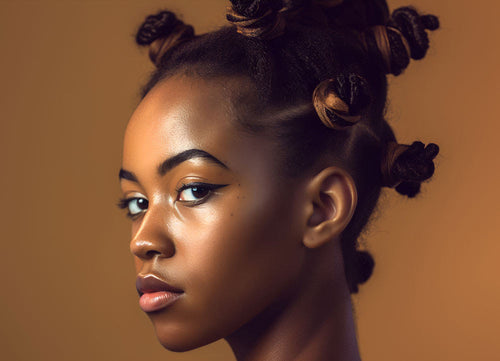
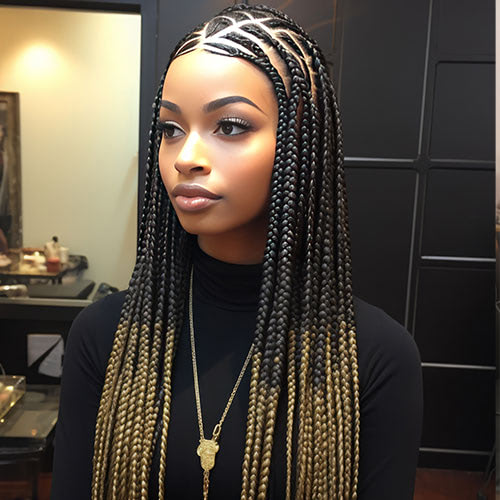

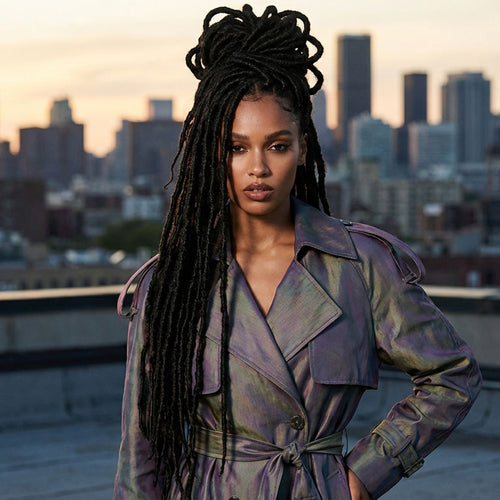
When installing protective styles, avoid excessive tension - tight braids and cornrows can cause traction alopecia, especially around delicate edges.
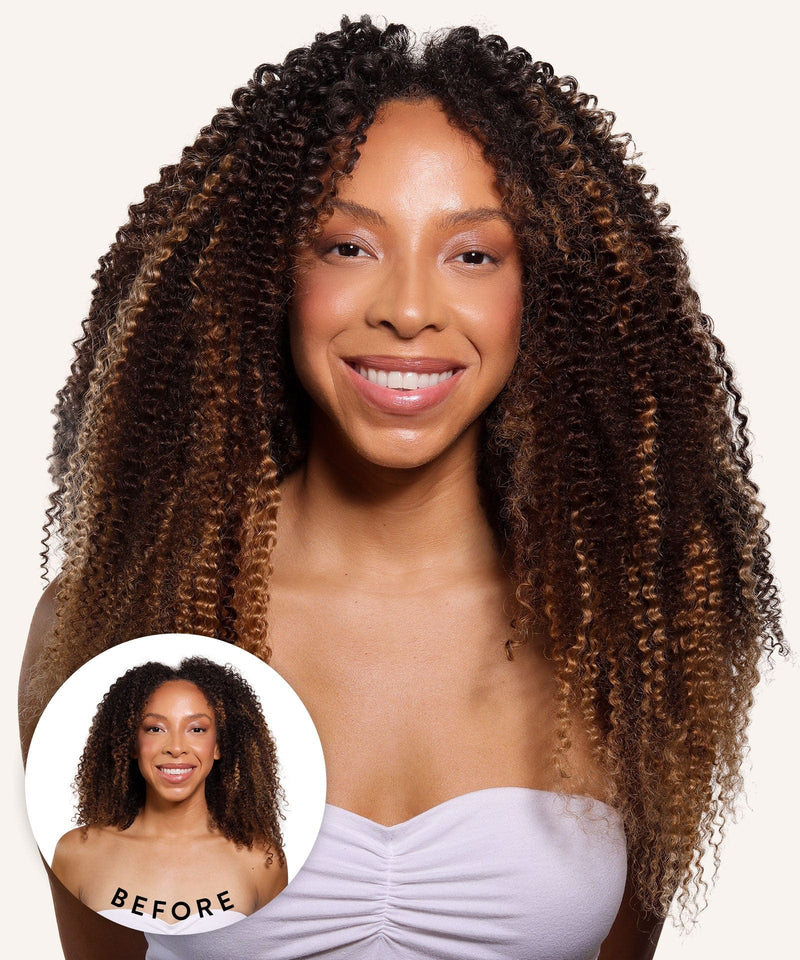
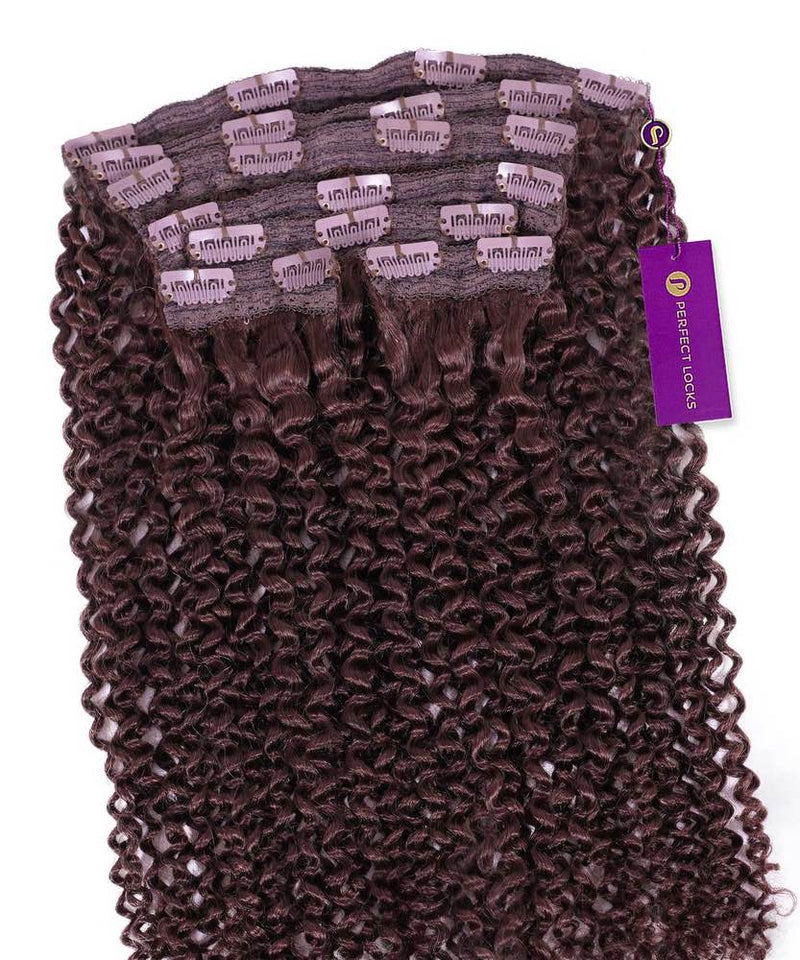
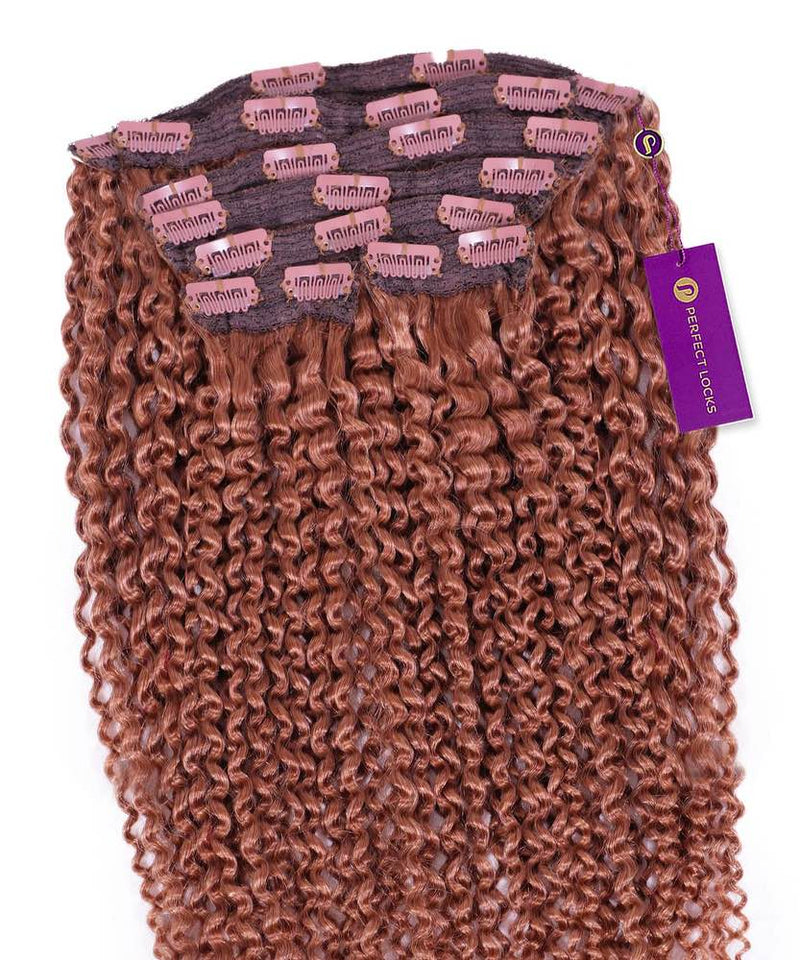
Kinky Hair Clip Ins
Clip-in extensions designed specifically for kinky hair textures. Instant length and volume that actually matches you...






Wash-and-go on 4C hair
Wash-and-gos are more challenging on 4C hair than looser curl types, but they're possible with the right approach. Keep expectations realistic: 4C wash-and-gos typically produce a soft, undefined afro rather than defined ringlets.
To maximize definition, apply styling gel or cream to soaking wet hair in small sections (shingling method). Use products with strong hold to encourage curl clumping. Accept that some frizz and puffiness is natural for this texture. Consider a defining brush or Denman brush to help coils group together. Refresh with water and a light oil mixture on day two and beyond.
Stretched styles without heat
Stretching 4C hair shows off its true length without permanent alteration. Heat-free methods include:
- Banding: Wrapping hair elastics down the length of ponytail sections overnight
- African threading: Wrapping thread tightly around sections to elongate
- Twist-outs and braid-outs: Setting hair in twists or braids while damp, then unraveling when dry
- Roller sets: Using perm rods or flexi-rods on damp hair for stretched curls

Heat styling 4C hair safely
If you want sleek, straight styles occasionally, protect your strands. Always apply heat protectant before using any hot tools. Use the lowest effective temperature - start around 300°F and increase only if needed. Limit heat styling to once a month or less for overall hair health. Follow up with deep conditioning to restore moisture. Consider a silk press from a professional stylist for special occasions.
Frequent high-heat use leads to heat damage, where the curl pattern loosens permanently and strands become prone to breakage.
Growing 4C hair: retention over speed
4C hair grows at the same average rate as other hair types - roughly half an inch per month. The challenge is that shrinkage hides growth, and the fragile texture is prone to breakage. Length retention, not growth speed, is where most 4C routines need focus.
Why length retention matters more than growth
Your hair is likely growing. The question is whether it's breaking at the same rate. Breakage culprits include dryness leading to brittle ends that snap, rough handling during detangling, tight styles causing traction damage, single-strand knots (fairy knots) that catch and break, and friction from cotton pillowcases and clothing.
Healthy scalp practices support the hair you're growing. This includes gentle cleansing to prevent buildup, scalp massage with oils like jojoba or castor oil to promote circulation, and avoiding heavy, pore-clogging products that suffocate follicles.
Reducing breakage strategies
- Fewer comb-throughs per week - finger-detangle whenever possible
- Protective styles that last weeks instead of daily restyling
- Consistent moisturizing and sealing routines to prevent dryness at the ends
- Regular trims to remove knots before they cause splits to travel up the shaft
Lifestyle factors that affect growth
- Adequate protein, iron, and vitamins in your diet
- Staying hydrated
- Managing stress, which affects hair growth cycles
What to avoid
- Frequent chemical relaxers that weaken strand structure
- Harsh color treatments without proper conditioning
- Repeated high-heat straightening without heat protection
Using protective styles with or without extensions gives your hair a break while still enjoying full, versatile looks - just ensure proper installation and removal to avoid tension damage.
Products and ingredients that support 4C growth
No topical product can change your genetic growth rate, but the right ingredients reduce breakage and support a healthier scalp environment.
Scalp-supporting oils for regular massage:
- Castor oil for thickness and follicle nourishment
- Peppermint oil (diluted) for stimulating circulation
- Rosemary oil (diluted in a carrier) for promoting growth
- Jojoba oil as a carrier that mimics natural sebum
Deep conditioning ingredients that help:
- Shea butter for intense moisture
- Honey for humectant properties
- Aloe vera for soothing and hydration
- Ceramides to reinforce the cuticle and improve elasticity
Protein considerations:
- Light protein treatments every 4-6 weeks benefit hair that's been colored or heat-styled
- Over-using protein can make 4C hair brittle - balance with moisture
- Signs you need protein: excessive elasticity, mushy feeling when wet
What to avoid in products:
- High alcohol content (drying alcohols like SD alcohol)
- Harsh sulfates that strip moisture
- Heavy mineral oil that sits on strands without penetrating
If you're wearing extensions or wigs, use extension-safe, sulfate-free products to maintain both your natural locks and your human hair pieces.
Frequently asked questions about 4C hair
How can I tell if my hair is 4C?
Check your curl pattern on freshly washed, product-free wet hair. 4C hair shows tight, tiny coils or cottony tufts with major shrinkage - often 70% or more. If your wet hair appears much shorter than when you stretch it, and you see zig-zag patterns rather than defined ringlets, you likely have 4C. Many people have multiple textures, so examine different sections of your head.
How do I define my 4C curls?
4C hair naturally has less definition than other curl types, but you can enhance what's there. Try shingling with leave-in and gel, working product through small sections. Finger coils create individual defined curls when you wrap sections around your finger. Twist-outs and braid-outs also produce stretched, defined curls by setting hair in twists or braids overnight. Styling creams that encourage clumping help coils group together for more visible patterns.
Can I relax or straighten 4C hair without damage?
Repeated chemical relaxing or high-heat straightening weakens 4C strands over time, increasing breakage risk significantly. If you want stretched styles without permanent alteration, try low-manipulation stretching methods: banding, African threading, braid-outs, or twist-outs create elongated looks temporarily. If you do use heat, always apply heat protectant, use lower temperatures, and limit frequency. Maintain protein and moisture balance to support strand strength.
How do I slick my 4C hair and lay edges safely?
Start with a moisturizing leave-in on your edges and hairline. Apply gel or edge control with your fingers, then use a soft brush (not a hard-bristle brush) to smooth hair in the direction you want. Tie a silk or satin edge scarf over your edges for 10-15 minutes to set the style without excessive product. Avoid daily harsh brushing or overusing hard-hold products, which can cause breakage and traction alopecia over time. Give your edges regular breaks from manipulation.
Why does my 4C hair feel dry no matter what I do?
4C hair's tight coil pattern makes it difficult for natural scalp oils to travel down the hair shaft. Combat this with the LOC or LCO method (liquid, oil, cream) to layer moisture effectively. Use water-based products as your first layer, seal with oils, and protect with creams or butters. Sleep on satin to prevent moisture loss overnight, and avoid products with drying alcohols.
How often should I wash 4C hair?
Most 4C hair does well with washing every 7-10 days. Washing too frequently strips natural oils from already dry strands. However, if you use heavy products or have an active lifestyle, you may need to wash more often. Focus on scalp cleansing and let the suds rinse through your lengths rather than scrubbing the hair itself.
4C hair and extensions: blending natural coils
4C wearers often struggle to find extensions and wigs that truly match their texture. Mismatched textures create obvious demarcation lines where the extension meets natural hair - a frustrating problem when you've invested in quality pieces.
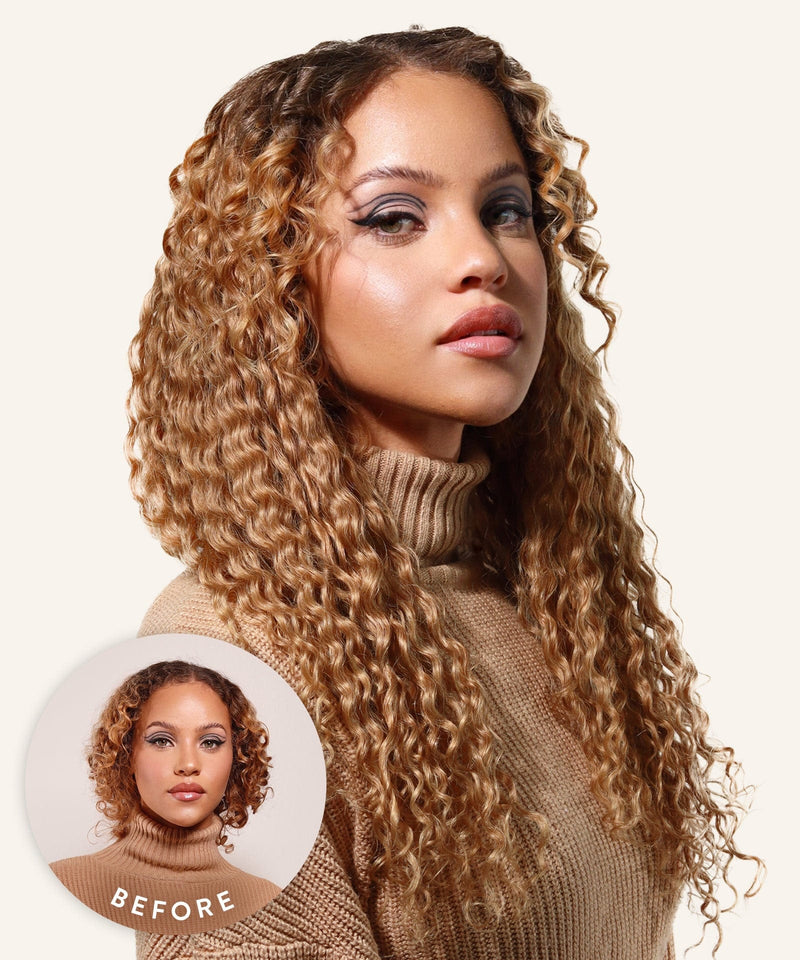
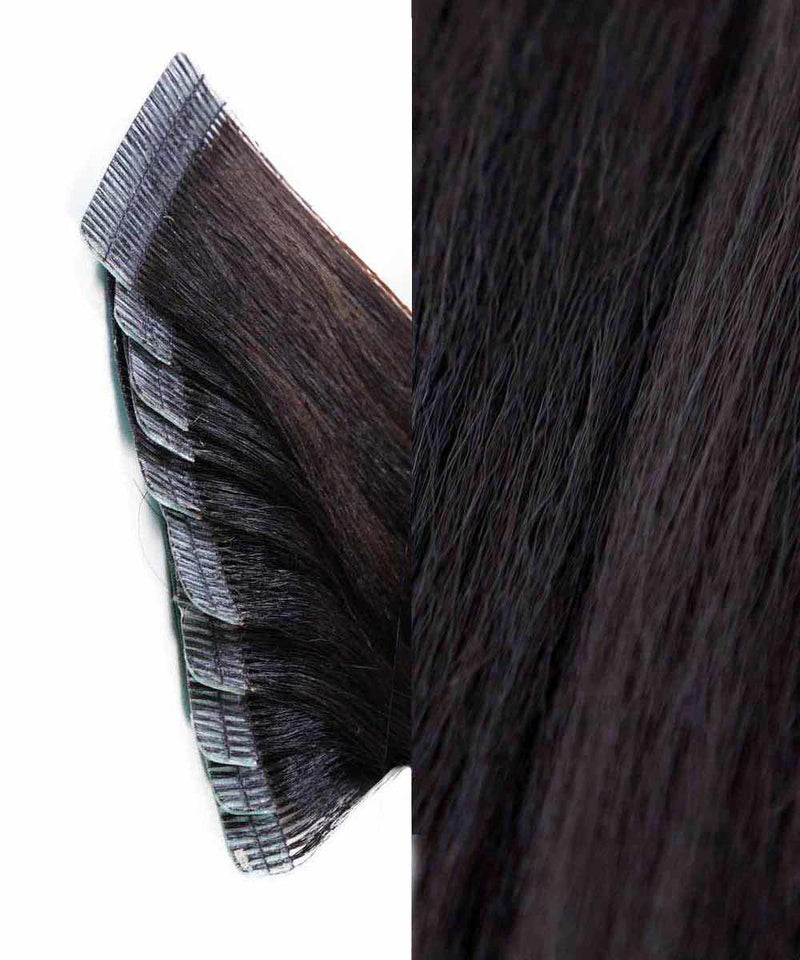
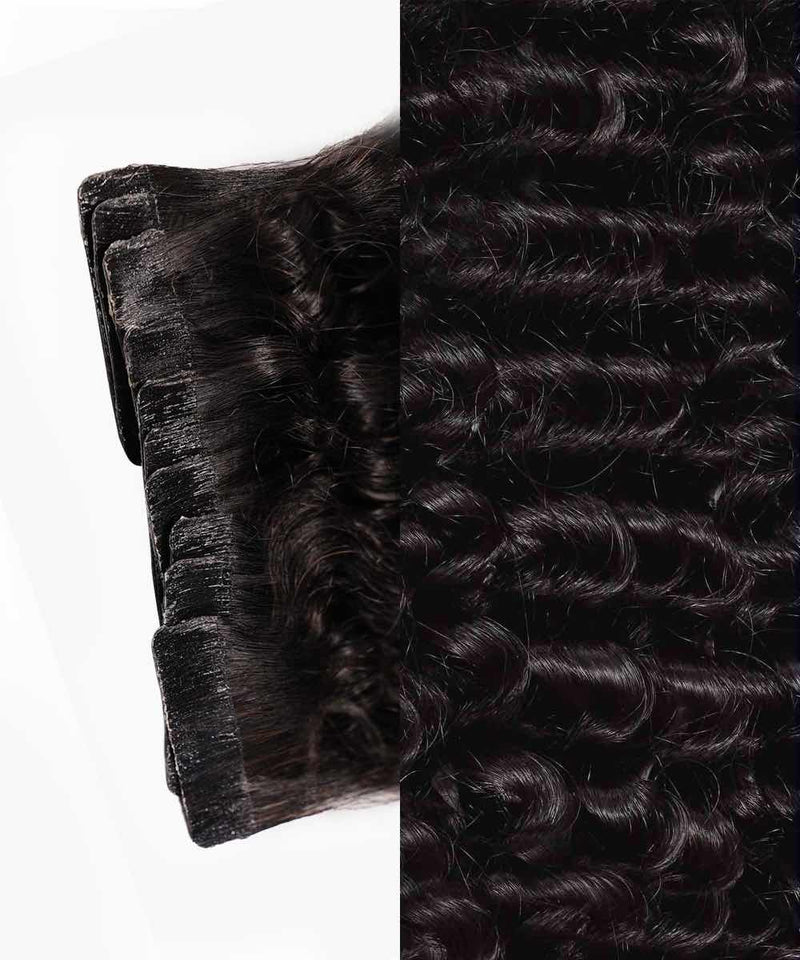
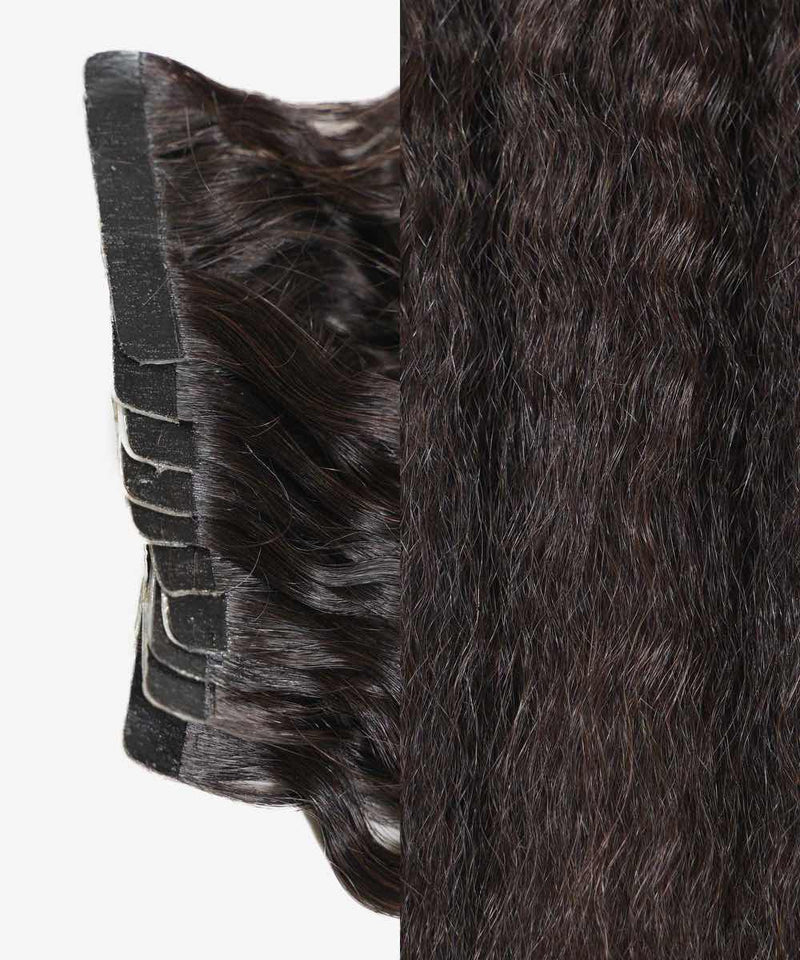
Texture-matched extensions - kinky curly clip-ins, afro-textured tape-ins, and textured wigs - can blend seamlessly with 4B-4C hair when properly selected. The key is matching both the coil pattern and the color to your natural strands.
Textured Tape-In Hair Extensions
Tape-ins that finally match your natural texture. Kinky, curly, and relaxed patterns that blend without heat straight...
How to find your match
- Use our Perfect Match quiz for texture and shade guidance
- Book a free consultation for personalized recommendations
- Compare your stretched hair to texture samples before purchasing
Styling options with extensions
- Add volume to your 4C afro without manipulation
- Create longer twist-outs or braid-outs with added length
- Wear a textured wig over cornrows for a complete protective style
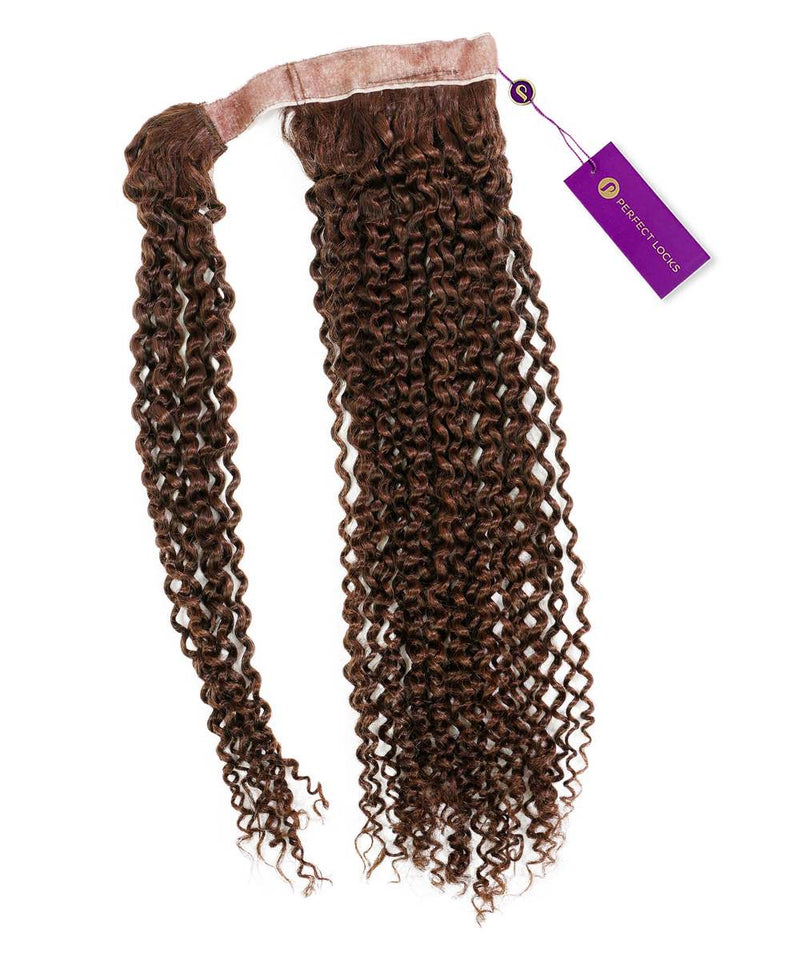
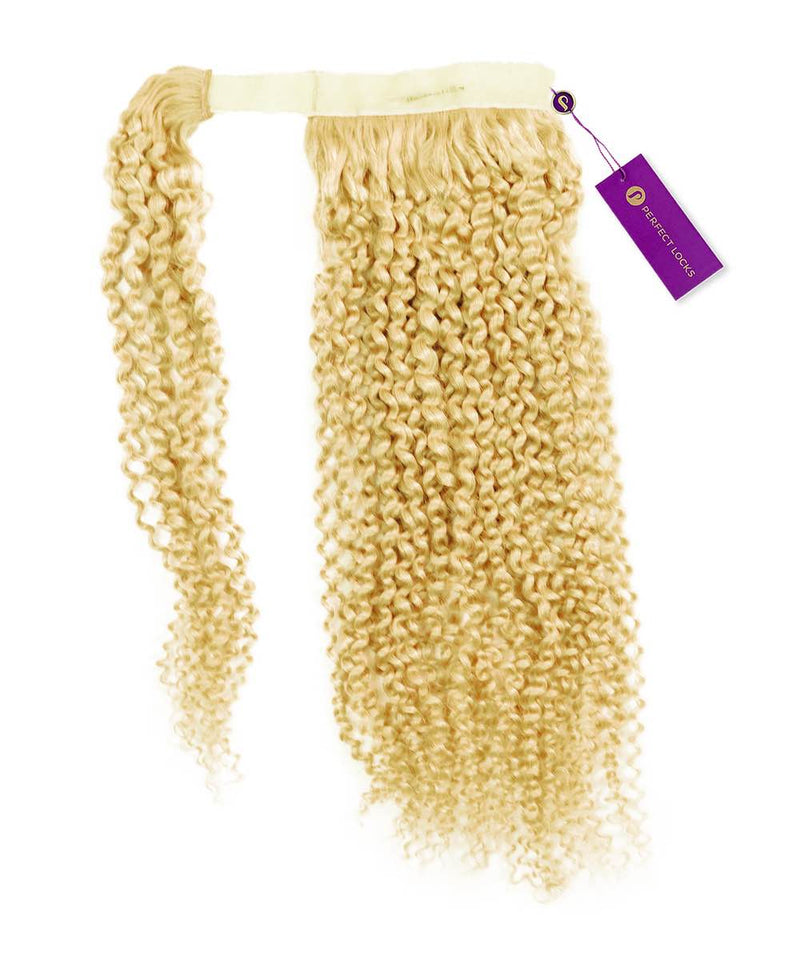
- Use textured ponytail pieces for quick, elevated looks
Installation best practices
- Use low-tension braids or cornrows under wigs
- Section carefully for clip-ins to distribute weight evenly
- Avoid overly tight sew-ins on delicate edges
- Give your natural hair moisture underneath installed pieces
We use 100% Remy human hair in our extensions, allowing heat and styling flexibility when necessary. However, we still recommend low-heat methods to preserve both the extension and your natural 4C hair underneath.
Whether you're looking for your perfect texture match or want guidance on caring for textured extensions, our team has been helping customers with 4B-4C hair since 2007. We'd rather help you find the right match than sell you something that won't blend.
For more on finding extensions that work with your natural texture, check out our curly hair extensions guide, our post on clip-ins for short 4C hair, or our 4B hair care guide if you have mixed textures.
Find extensions that blend with your 4C coils
Your 4C hair deserves extensions that celebrate your texture rather than fight against it. At Perfect Locks, we've spent nearly 20 years helping customers find their perfect match - and that includes being honest when something won't work.
Ready to find your match? Take our Perfect Match quiz or shop textured extensions.
Questions about texture matching or caring for your 4C hair? Reach out to our team - we genuinely enjoy helping customers find extensions that work.
Looking for a texture match? Our curly hair extensions come in curl patterns from wavy to kinky coily.






