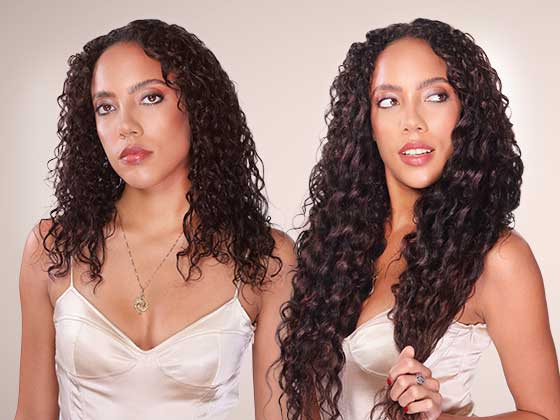
Frizzy hair is a BIG no no! (especially in the summer) All that humidity and heat prevent you from living your best life! Frizzy hair is one of the most common things a woman can go through, and we just want to tame it. Most importantly, we also want to find ways to prevent it!
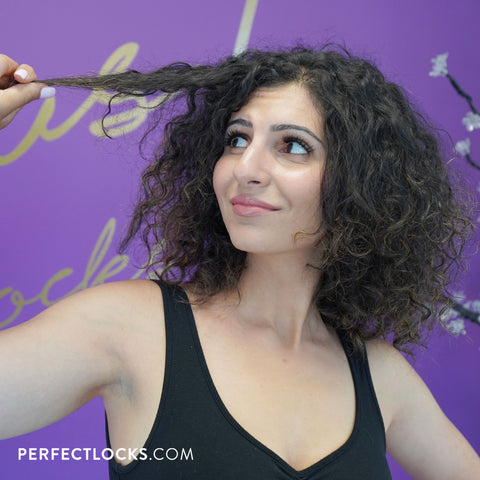
MAIN CAUSES OF FRIZZY HAIR
Let’s start with the 3 main causes of frizzy hair! Or what I like to call them the Frizzy Hair Trinity!
1. Humidity
Humidity is one of the top causes of frizzy hair! It usually occurs when your hair is dry, the cuticle of the hair is rough and humid weather. This is definitely key ingredients to a perfect recipe of frizzy hair. Due to the hair being dry, the outer layer of your hair takes in all the moisture from the air. Which then causes the hair to expand and frizz.

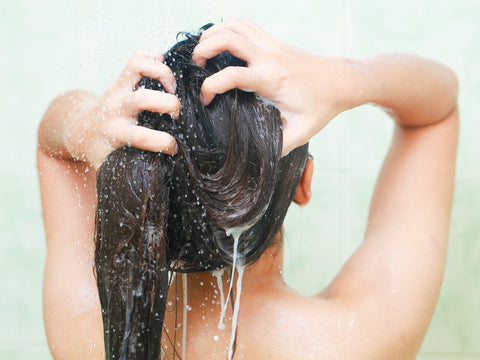
2. Hot Water
I know us women love to take really hot showers, however, hot water is another factor to frizzy hair. Washing your hair in extremely hot water can strip your hair of their natural oils. These natural oils keep your hair moisturized and smooth, giving it a healthier look. If you are prone to frizz, I suggest washing your hair in cooler temperatures.
3. Chemicals
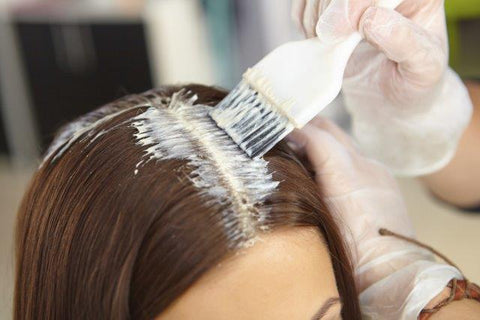
Hair dye, bleach, straighteners, and relaxers tend to disrupt the hair’s cuticle. This causes it to become dehydrated, rough, and frizzy. Try limiting your usage on these items, so your hair can live a frizz-free life!
Now that you know some of the most common factors for frizzy hair; you’re probably wondering, `How do I prevent frizzy hair?’ We got you, sis!
HOW TO CONTROL YOUR FRIZZ
1. Oils
Oils are a really good way to prevent frizzy hair and maintain healthiness! They penetrate the cuticle and can significantly reduce cuticle damage. This also helps keep your hair from expanding excessively when wet. Some oils that are great to use are, argan oil, macadamia oil, marula oil, and so much more.
2. Deep Condition
Deep conditioning is the BEST way to prevent frizzy hair! While deep conditioning your hair, only do so once a week. Deep conditioners seal the hair cuticle and also prevents humidity from getting into the hair. It also adds extra moisture to your hair!
3. Sulfate-Free Hair Products
Sulfate free products will become your new hair bestie! Sulfate products will dry out your hair completely! They cause the hair to soak up unwanted moisture, which will make your hair frizz up. Aim for more products that are sulfate free, paraben free, and high in glycerin.
4. Microfiber Towels/ T-shirts
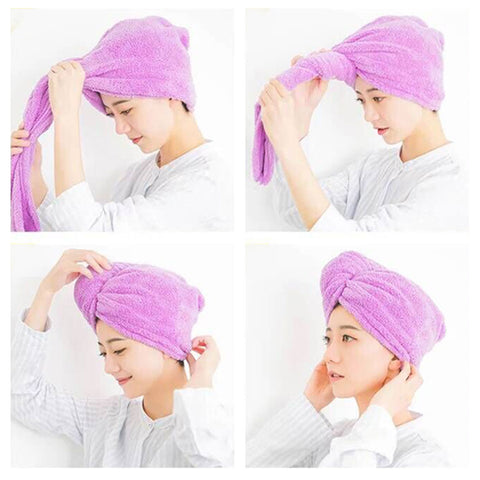
Microfiber towels and T-shirts are 10x better than any normal towel. They soak up moisture without creating frizz and it cuts down on drying time!
5. Silk Pillowcases
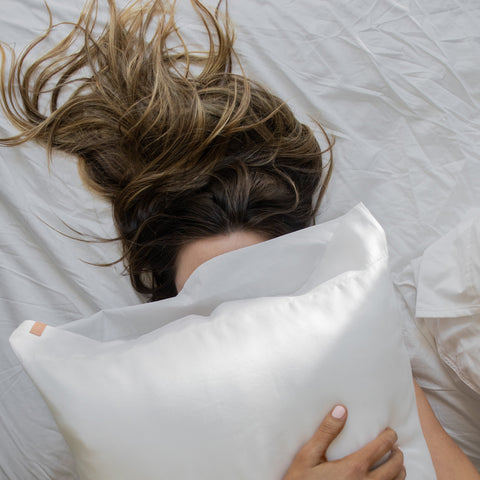
Silk pillowcases are a blessing in disguise! They prevent hair breakage and most importantly, frizz! The fabric doesn’t absorb as much moisture as cotton pillowcases. An added plus is that silk pillowcases also help prevent acne breakouts!
Having frizzy hair is no bueno! But after following these steps, you will be frizz free in no time!
Comment below by telling us your favorite way to tame your hair! Add a picture and you may be featured on the Perfect Locks Instagram page, @perfectlocks!
How to Tame Frizzy Hair: Science-Based Solutions
Frizz happens when your hair's cuticle layer lifts and allows moisture from the air to enter the hair shaft unevenly. In humid weather, there's more airborne moisture to cause this - which is why summer and rainy climates make frizz so much worse. Every solution to frizz works by addressing this mechanism: either sealing the cuticle, repelling excess moisture, or providing so much moisture that the hair doesn't need to draw from the air.
"The most common frizz mistake we see is layering multiple products in an attempt to control it, which often makes it worse through product interaction and buildup. Start with one good frizz-fighting product, understand why it works, and build from there rather than using everything at once."
- Priyanka Swamy, Founder of Perfect Locks
The Best Anti-Frizz Products and Why They Work
Anti-humidity serums: These coat the hair shaft with an anti-humidity film (usually silicone-based) that physically blocks moisture from entering. Apply a small amount to dry or nearly-dry hair before going outside. Best for: already-straight styles that need to stay smooth in humidity.
Glycerin-free styling products: Glycerin is a humectant that draws moisture from the air - helpful in low-humidity environments, disastrous in high humidity where it pulls in too much moisture and causes massive frizz. In humid climates, switch to glycerin-free curl creams, gels, and leave-ins. Check ingredients lists carefully.
Argan or jojoba oil as a finishing step: A few drops of lightweight oil applied over your finished style creates a light moisture barrier. Not enough to make hair look oily, but enough to reduce how much humidity affects the cuticle.
Strong-hold gel with a defined finish: For curly or wavy hair in humid climates, a strong-hold gel applied to soaking wet hair and then left to dry without touching creates a "cast" that locks the curl in place and resists humidity. Scrunch out the crunch once completely dry for soft, defined, frizz-resistant curls.
Managing Frizz on Hair Extensions
Hair extensions can be more prone to frizz than natural hair in humid conditions because they lack the scalp's natural oils that would otherwise help seal the cuticle. Here's how to manage frizz in clip-in extensions and other extension methods:
Apply a light smoothing serum or argan oil to your extensions before installing on humid days. Run the serum through the lengths and ends with your hands, not a brush. Avoid glycerin-containing leave-ins on extension hair in humid weather. A light hairspray misted over your full style after finishing creates an additional humidity barrier that holds for several hours.
If you're wearing curly or wavy extensions, the same principle applies as for curly natural hair: defined curls resist humidity better than undefined waves. Apply curl cream to the extension hair while it's damp, scrunch to encourage the curl to clump, and let dry completely before going out.
Overnight Prevention: Setting Up for a Frizz-Free Morning
What you do at night has a significant impact on how your hair behaves in humidity the next day:
Apply a lightweight leave-in conditioner or smoothing serum to your hair before bed. Sleep on a silk or satin pillowcase (or in a silk bonnet) to prevent the friction that roughens the cuticle and promotes frizz. In the morning, don't touch frizz-prone areas with dry hands - mist lightly with water first, then smooth with a serum. The damp serum application is far more effective than applying serum to already-frizzy dry hair.
Frequently Asked Questions
Why does humidity cause frizzy hair?
Humidity causes frizz because hair is hygroscopic - it absorbs moisture from the air. In humid conditions, the hair shaft swells unevenly as it absorbs ambient moisture, which causes the cuticle to lift and individual strands to separate and expand. Hair that's already dry or porous (from heat damage, chemical processing, or simply dryness) absorbs humidity faster and frizzes more dramatically.
What is the best anti-frizz product for humid weather?
An anti-humidity serum or spray applied as a finishing step is the most effective single product for controlling frizz in humidity. For curly or wavy hair, a strong-hold gel applied to soaking wet hair creates a frizz-resistant structure as the hair dries. In all cases, check that your leave-in conditioner or styling products don't contain glycerin in the first few ingredients - glycerin worsens frizz in high-humidity environments.
How do you get rid of frizzy hair in humidity?
The most effective approach combines: well-moisturized hair as a baseline (frizz-prone hair is often dehydrated), an anti-humidity finishing product to seal the cuticle, and avoiding glycerin in your products in humid weather. For already-frizzy hair mid-day, mist lightly with water to soften the frizz, apply a small amount of serum, and smooth - don't rub.
Do hair extensions get frizzy in humidity?
Yes - human hair extensions respond to humidity the same way natural hair does. Extensions may actually be more prone to frizz because they lack natural scalp oils that help seal the cuticle. Anti-humidity serums and finishing products work on extension hair the same way they do on natural hair. Keeping extensions well-conditioned (regular deep conditioning) also significantly reduces humidity-related frizz.

Author and Founder of Perfect Locks LLC
Priyanka Swamy, the visionary founder of Perfect Locks LLC, is a passionate advocate for empowering women and promoting cultural diversity. With an unwavering commitment to ethical sourcing and quality craftsmanship, she redefined the hair extension market and created a supportive community that celebrates individuality.
Priyanka's dedication to sustainability and social responsibility continues to inspire positive change within the industry. Her journey with Perfect Locks remains an inspiration, unlocking the true potential and confidence of countless individuals worldwide.