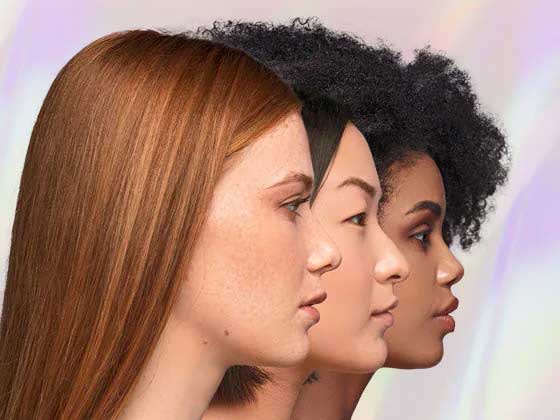
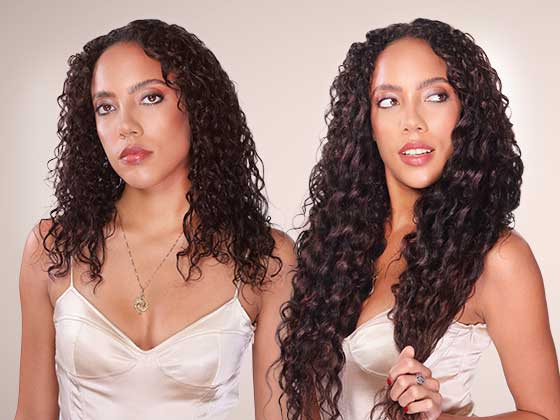
Whether it's your natural hair or you're wearing our wavy hair extensions, a solid wavy hair routine is what stands between you and beautiful, defined waves every day. Wavy hair sits right in the sweet spot between straight and curly - which sounds like the best of both worlds, and it can be. But without the right care approach, wavy hair has a frustrating tendency toward frizz, stringiness, and uneven texture. We've put together this complete wavy hair care guide so you know exactly what to do, and when.
"Wavy hair is one of my favorite textures to work with because it's so responsive to good care. A simple routine change - like switching from a terry cloth towel to a microfiber one - can completely transform how your waves look. Small habits make a big difference."
- Priyanka Swamy, Founder of Perfect Locks
Understanding Wavy Hair: Types 2A, 2B, and 2C
Not all wavy hair is the same. Before building your routine, it helps to know which wavy hair type you have, since each behaves a little differently.
Type 2A is the loosest wave - soft, fine, and prone to going flat at the roots. It benefits from lightweight products and minimal manipulation.
Type 2B has more defined S-waves that start at the mid-lengths. It's more prone to frizz than 2A and responds well to curl creams and light gels.
Type 2C has tight, well-defined waves that border on curly. It's the most frizz-prone of the three and needs the most moisture.
Wavy Hair Routine: Washing and Cleansing
Wavy hair requires a consistent hair care routine. Make sure to use a good detangling brush or a loop brush if you wear hair extensions. Wash your wavy hair with shampoo and conditioner at least two to three times a week.
Much like straight hair, natural oils can travel down the hair shaft easily, weighing it down and making the hair appear stringy and flat. Washing with enough frequency keeps oils under control. As with all hair types, use sulfate-free products to safely cleanse the hair and properly restore moisture without stripping the natural oils your waves need to stay defined.
How to Style Wavy Hair Without Frizz
The styling process for wavy hair is where most people go wrong. Rough handling when the hair is wet breaks up the wave pattern and causes frizz before you've even started. The key principles are: be gentle, use product while soaking wet, and let it dry undisturbed.
Rinse with cool water
Finish your shower rinse with cool or cold water. This closes the hair cuticle and helps your waves clump together rather than frizzing out as they dry. It sounds small but it genuinely makes a visible difference.
Scrunch out excess water - don't rub
Step out of the shower and use a microfiber towel or an old cotton t-shirt to gently scrunch the water out of your hair. Never rub with a terry cloth towel - the rough texture disrupts the wave pattern and causes significant frizz. Squeeze upward in a scrunching motion and let the towel absorb water passively.
Apply product while soaking wet
Apply your leave-in conditioner and any styling product (cream, gel, or mousse) while your hair is still dripping. This is called applying to "soaking wet" hair, and it's the single most effective way to define wavy hair. The water helps distribute product evenly and activates the wave pattern as it dries.
Scrunch upward to encourage wave formation
After applying product, scrunch your hair upward toward the scalp repeatedly to encourage clumping. You're essentially helping your waves find their pattern before they dry. Work in sections if your hair is thick.
Air dry or use a diffuser
Let your hair air dry completely without touching it - this is the hardest part but the most important. If you're in a rush, use a diffuser attachment on low heat to speed things up while maintaining the wave pattern. High heat and direct airflow will cause frizz.
Wavy Hair Care: Products That Actually Work
Product choice makes a significant difference for wavy hair. Here's what each category does and who it's best for:
Leave-in conditioner: Essential for all wavy types. Apply to soaking wet hair before any stylers. Look for lightweight formulas that won't weigh down 2A waves.
Curl cream or wave cream: Best for 2B and 2C types. Adds moisture and definition without a crunchy finish. Works well as a standalone styler or layered under a gel.
Gel: Great for all wavy types when used correctly. Gives definition and hold, and creates a "cast" as the hair dries that locks waves in place. Scrunch out the crunch once completely dry to reveal soft, defined waves.
Mousse: Lighter than gel, great for fine 2A waves that need hold without weight. Apply to soaking wet hair and scrunch upward.
Wavy Hair Care Routine for Extensions
If you're wearing wavy human hair extensions, the care principles are similar but with a few extra considerations. Human hair extensions don't have the scalp's natural oils to rely on, so they need a little more conditioning attention - especially on the ends.
Wash wavy clip-in extensions separately every 2-3 wears with a gentle sulfate-free shampoo. Apply a lightweight conditioner from mid-shaft to ends, let it sit for 5 minutes, then rinse thoroughly. Air dry by laying flat on a clean towel or hanging on an extension hanger. Use a loop brush (never a regular paddle brush) when the hair is dry.
Refreshing Wavy Hair Between Washes
One of the great things about wavy hair is that it often looks better on day 2 or 3 after washing. Here's how to refresh wavy hair without starting over:
- Lightly mist your waves with water from a spray bottle to reactivate the wave pattern
- Scrunch in a small amount of leave-in conditioner or a refresh spray
- Allow to air dry, or gently diffuse on low heat
- For flat roots, flip your head upside down and scrunch upward while lightly misting
Frequently Asked Questions About Wavy Hair Care
How often should you wash wavy hair?
Most wavy hair types do best washed 2-3 times per week. Washing too often can strip the natural oils that help waves clump and stay defined, but waiting too long causes product buildup and scalp issues. Fine wavy hair (2A) may need washing more frequently, while thick 2C waves can often go 3-4 days between washes.
Why is my wavy hair so frizzy?
Frizz in wavy hair usually comes from one of three things: lack of moisture, too much manipulation when wet, or the wrong products. Start by adding a leave-in conditioner to your routine, switch to a microfiber towel, and avoid touching your hair while it dries. If humidity is the issue, a gel or light anti-humidity spray can help seal the cuticle.
Should wavy hair be brushed?
Only when wet and with the right tool. Brushing wavy hair when dry breaks up the wave pattern and causes frizz. If you need to detangle, use a wide-toothed comb or a detangling brush on wet hair with conditioner in it. On dry hair, only use your fingers to gently separate waves.
What is the best hair treatment for wavy hair?
A weekly deep conditioning treatment is the most impactful regular treatment for wavy hair. Apply a moisture-rich mask from mid-shaft to ends, cover with a plastic cap for 20-30 minutes (with gentle heat if possible), then rinse thoroughly. Monthly protein treatments can also help strengthen the wave pattern and reduce breakage.
How do I get more defined waves?
The key is applying product to soaking wet hair and letting it dry completely without touching. Use a curl cream or light gel scrunched upward into the hair, then air dry or diffuse on low heat. Once fully dry, scrunch out any crunch to reveal soft, defined waves. Plopping (wrapping wet hair in a t-shirt for 20-30 minutes before air drying) can also intensify wave definition.
Can I use wavy hair extensions if my natural hair is straight?
Absolutely - and this is one of the most popular ways to wear wavy hair without heat. Our wavy human hair extensions can be worn alongside straight or slightly wavy natural hair. The key is blending them properly, which our team can help with during a free color and texture consultation.
Wavy hair is genuinely one of the most beautiful textures to work with, and once you understand how to care for it, the results are stunning. Whether you're enhancing your natural waves or experimenting with our wavy extensions, we're here to help you find your perfect approach.

Author and Founder of Perfect Locks LLC
Priyanka Swamy, the visionary founder of Perfect Locks LLC, is a passionate advocate for empowering women and promoting cultural diversity. With an unwavering commitment to ethical sourcing and quality craftsmanship, she redefined the hair extension market and created a supportive community that celebrates individuality.
Priyanka's dedication to sustainability and social responsibility continues to inspire positive change within the industry. Her journey with Perfect Locks remains an inspiration, unlocking the true potential and confidence of countless individuals worldwide.