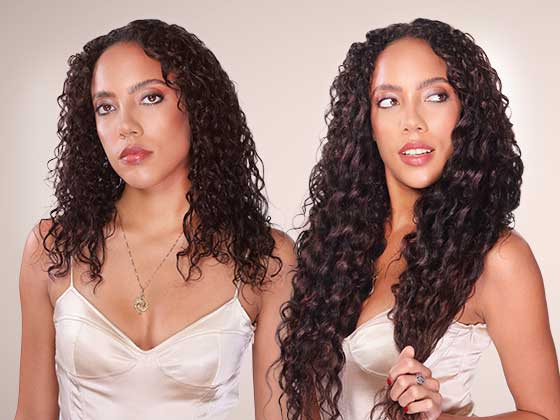
It's a common misconception-even among professional stylists-that treatments like Olaplex and K18 are universally beneficial for all types of hair. While these products are excellent for repairing and strengthening natural hair, they can actually cause more harm than good when used on hair extensions. At Perfect Locks, we've received numerous reports from customers and stylists alike, describing how extensions became dry, brittle, and even broke off after these treatments were applied.

So why exactly are these popular treatments unsuitable for hair extensions? The answer lies in both the formulation of these products and the unique nature of hair extensions themselves.
The Protein Problem
Bond-repair treatments such as Olaplex and K18 are loaded with proteins and active ingredients designed to rebuild broken bonds within natural hair. Natural hair is alive at the root, has a steady supply of nutrients, and can typically handle these treatments-sometimes even thriving because of them.
Hair extensions, on the other hand, are not the same. Although they may be made from 100% human hair, they are no longer connected to a living scalp and therefore lack the ability to repair or regenerate. They’ve also undergone a meticulous hair manufacturing process, aligning the cuticles in a specific direction for optimal shine, softness, and longevity. Introducing high levels of protein into this delicate balance can disrupt the cuticle alignment, leading to dryness, frizz, tangling, and even irreversible damage to the hair shaft.
Less Resilient, More Vulnerable
Unlike your natural hair, extensions are significantly less resilient to chemical and environmental changes. Once damaged, they can't recover in the same way that natural hair can. Overloading them with protein-rich treatments often leads to brittleness and breakage, shortening the lifespan of your investment.
Warning Signs of Too Much Protein

The Right Way to Care for Hair Extensions
To ensure your extensions stay soft, tangle-free, and looking beautiful wear after wear, it's essential to use products formulated specifically for extensions. That's why we created a complete line of hair care products tailored to the needs of Perfect Locks extensions.
Our curated collection supports healthy hair habits and extends the life of your extensions-whether you're looking for everyday hydration or deep moisture for textured hair. From sulfate-free cleansers to nourishing masks and detangling sprays, each product is made with your extensions in mind.
Two Lines for All Needs
We proudly offer two specialized care lines:
-
Everyday Hydration - Perfect for regular use to maintain softness and manageability.
-
Deep Hydration for Textured Hair - Designed to provide intense moisture and care for curls, coils, and waves.
No matter your hair type or texture, using the right product is the key to preserving the health, look, and feel of your extensions.
Why Bond Repair Treatments Behave Differently on Extensions
The chemistry behind why K18 and Olaplex can harm extensions comes down to what these treatments are designed to do. Both work by targeting disulfide bonds in the hair's keratin structure - the bonds that are damaged by bleaching, heat, and chemical processing. In natural hair, repairing these bonds strengthens the hair shaft and reduces breakage.
Extensions present a different situation entirely. Our 100% Remy human hair is collected with the cuticle intact and has not been chemically processed to alter its texture. The disulfide bonds in extension hair are already intact. When a bond repair treatment is applied, it has nothing to repair - and in some formulations, the chemistry can interact with the hair's structure in ways that cause brittleness rather than strength.
"We've seen this happen enough times that it's one of our most common service calls. A stylist applies Olaplex or K18 with the best intentions and the extensions come out dry, stiff, or even breaking. The products simply aren't formulated for hair that hasn't been chemically processed. Stick to moisture-based treatments for extensions - they're what the hair actually needs."
- Priyanka Swamy, Founder of Perfect Locks
What to Use Instead: Extension-Safe Treatments
Extensions benefit from moisture and protein in the right balance - just not from bond repair chemistry. Here's what actually works:
Deep conditioning masks: A moisture-rich deep conditioning treatment is the single most beneficial thing you can do for extension hair. Apply from mid-shaft to ends (not at the bonds or attachment points), leave on for 15-30 minutes with gentle heat if possible, and rinse thoroughly. Do this once a week for extensions that are in regular use.
Hydrolyzed protein treatments: Unlike K18 and Olaplex, which target disulfide bonds specifically, hydrolyzed protein treatments work by temporarily filling in gaps in the cuticle - a process that works on both natural and extension hair. Look for treatments containing hydrolyzed keratin, hydrolyzed silk, or hydrolyzed wheat protein. Use monthly, not weekly, as over-protein can make extension hair stiff.
Argan oil and lightweight serums: A small amount of argan oil on the lengths and ends of extensions - not at the roots or attachment points - seals the cuticle, adds shine, and prevents dryness between wash days. This is particularly important for clip-in extensions that are removed and re-installed regularly.
Sulfate-free shampoo and conditioner: The foundation of extension care. Sulfates strip the hair of moisture, which extensions - lacking natural scalp oils - can't replace on their own. Always use sulfate-free formulas on extension hair.
Extension Care by Method
The right care routine varies slightly depending on which extension method you use:
Clip-in extensions: Wash every 15-20 wears with sulfate-free shampoo and a good conditioner. Air dry flat rather than hanging. Deep condition monthly. Store on a hanger or in a box between uses.
Tape-in extensions: Wash every 7-10 days. Apply conditioner from mid-shaft to ends only - never near the tape bonds, as conditioner weakens the adhesive. Avoid oil-based products near the bonds for the same reason.
Weft / sew-in extensions: Wash every 1-2 weeks. Dilute shampoo and apply to the scalp and roots. Let it rinse through the wefts rather than scrubbing. Condition mid-lengths to ends. Dry completely before covering.
Frequently Asked Questions
Can you use K18 on hair extensions?
We recommend against it. K18 is designed to repair disulfide bonds in chemically damaged hair. Extension hair - particularly 100% Remy human hair that hasn't been chemically processed - doesn't have the same damage pattern that K18 is formulated to address. Multiple customers and stylists have reported extensions becoming dry, brittle, or breaking after K18 application. Stick to moisture-based treatments and hydrolyzed protein treatments instead.
Can you use Olaplex on hair extensions?
The same caution applies as with K18. Olaplex is a bond multiplier - it works by linking broken disulfide bonds back together. On extension hair with intact bonds, the chemistry can interfere with the hair's structure and cause brittleness. If you want to use Olaplex, consult with a stylist experienced with extensions before applying, and do a strand test first.
What treatments are safe for hair extensions?
Moisture-rich deep conditioning masks, hydrolyzed protein treatments (used monthly, not weekly), argan oil, and lightweight leave-in conditioners are all safe and beneficial for extension hair. The goal is moisture and cuticle sealing - not bond repair. Always apply treatments from mid-shaft to ends and avoid attachment points (tape bonds, clips, beads) where product can cause slippage or buildup.
Why do hair extensions get dry and brittle?
Extensions get dry because they have no natural scalp oils to draw from. Every wash removes moisture that your natural hair replenishes naturally, but extensions cannot replenish on their own. This is why consistent deep conditioning and moisture-based care is more important for extensions than for natural hair. Heat styling without heat protection, washing with sulfate shampoos, and insufficient conditioning all accelerate drying.
How often should you deep condition hair extensions?
Once a week is ideal for extensions in regular use. Apply a moisture-rich deep conditioning mask from mid-shaft to ends, leave on for 15-30 minutes (with a plastic cap and gentle heat for better penetration), then rinse thoroughly. This frequency keeps extensions soft, manageable, and looking their best throughout their lifespan.

Author and Founder of Perfect Locks LLC
Priyanka Swamy, the visionary founder of Perfect Locks LLC, is a passionate advocate for empowering women and promoting cultural diversity. With an unwavering commitment to ethical sourcing and quality craftsmanship, she redefined the hair extension market and created a supportive community that celebrates individuality.
Priyanka's dedication to sustainability and social responsibility continues to inspire positive change within the industry. Her journey with Perfect Locks remains an inspiration, unlocking the true potential and confidence of countless individuals worldwide.