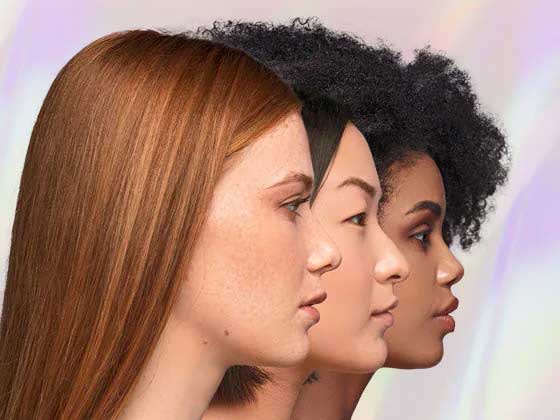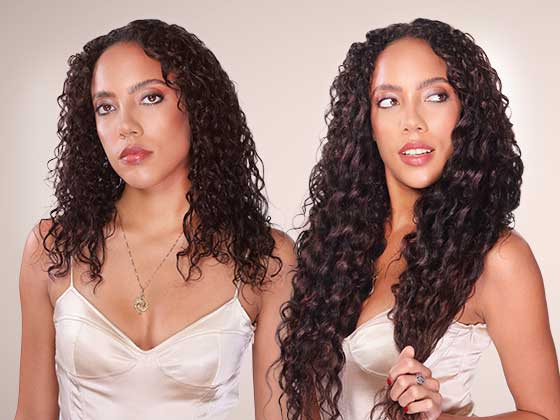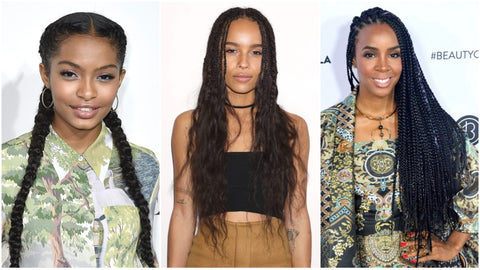
If you're thinking about braids, you're already making one of the smartest choices in hair care. Braids are one of the most versatile, low-manipulation protective hairstyles out there - and understanding how to prepare for them makes all the difference between a style that thrives and one that leaves your hair worse off. Whether you're planning box braids, cornrows, feed-in braids, or bohemian braids with extensions, here are five things we think everyone should know before getting braids.
"Braids are one of the most beautiful forms of self-expression, and when done right they protect your natural hair while you wear them. The key is preparation - a little effort before your appointment makes your braids last longer and come out healthier."
- Priyanka Swamy, Founder of Perfect Locks
We've worked with thousands of customers over the past 20 years who use braiding extensions alongside or instead of clip-ins or tape-ins. The questions we get most often aren't about the style itself - they're about everything that happens before and after. So let's walk through it.

1. Prepare Your Hair for Installation
Starting with a great foundation will help your protective style last as long as possible and lead to an easy installation. Your hair will be braided up for about a month, so it's important to make sure that your scalp is properly clarified and the hair is conditioned well. A dirty scalp can clog and damage your pores, stunting your hair growth and defeating the purpose of the protective style. Clarifying the scalp gives you a fresh canvas to work with. After clarifying, restore the moisture your hair has lost - deep conditioning is non-negotiable here.
Braided styles require less frequent wash times, so your hair needs all the moisture it can get going in. Think of it like loading up before a long road trip. Your hair is going to be under tension for weeks, and the more moisture it starts with, the more resilient it will be throughout the wear.
How long does your hair need to be for braids?
One of the most common questions we get is about minimum hair length for braids. As a general rule, you need at least 2 inches of natural hair for most braid styles - though some cornrow patterns can be done on shorter hair. For box braids with extensions, your natural hair just needs to be long enough for the braiding hair to anchor to. If you're unsure, consult your stylist before booking so they can advise based on the specific style you want.
2. Take Care of Your Hair at Night
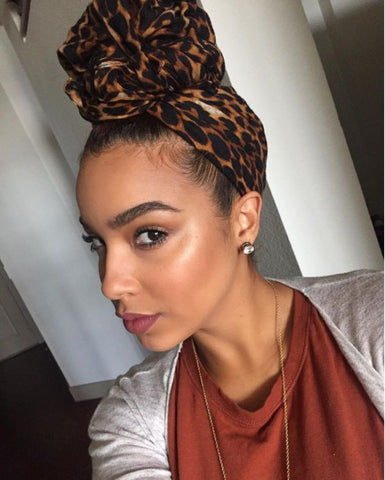
Just like you would care for your hair when it's out, braids are no exception. To keep your braids fresh and lasting longer, be sure to wrap your hair with a nice silk or satin head wrap every night. This prevents friction - which is the number one cause of major frizzing while you sleep. The frizz isn't just cosmetic; constant friction weakens the braid structure and can cause breakage at the roots over time.
If you don't want to wrap your hair up, sleeping on a silk or satin pillowcase is a solid alternative. Cotton pillowcases are rough on braids and absorb moisture from your hair as you sleep. A satin pillowcase protects your edges from frizzing, which delays the need for a touchup and keeps your style looking fresh far longer.
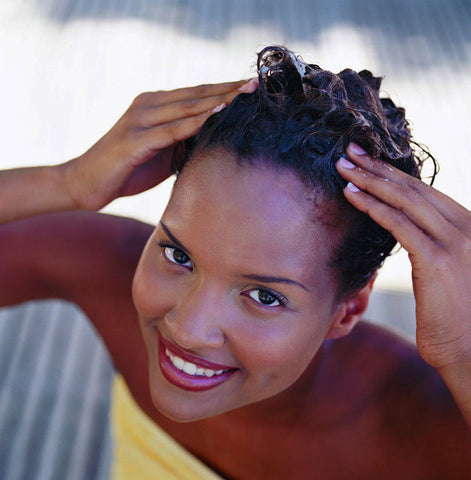
3. Moisturize Your Scalp Consistently
Because your braids don't need to be washed as often as your natural hair, your scalp can become dry quickly. A dry scalp gets itchy, and itching can lead to scratching - which leads to frizzing and potential damage along the braid partings. Regular scalp moisturizing is the fix.
Use a lightweight oil like jojoba, peppermint-infused oil, or a dedicated braid spray to refresh your scalp every 2-3 days. Apply directly to the partings using the nozzle tip and gently massage. Avoid heavy creams or butters that can cause buildup in your braids - stick to oils or water-based sprays that absorb cleanly.
How to wash braids without ruining them
You can and should wash your braids, but technique matters. Use a diluted sulfate-free shampoo in a spray bottle and apply directly to your scalp. Let it run down the braids, then rinse thoroughly while squeezing (never rubbing) the braids downward. Follow with a lightweight leave-in conditioner on the ends. Let braids air dry completely before wrapping - damp braids wrapped up will develop an odor and can mildew at the roots.
4. Know How Long Box Braids Last - and Plan Around It
Most braid styles last 4-8 weeks with proper care, though this varies based on your hair texture, braid size, and how well you maintain them. Smaller braids tend to last longer than larger ones. Here's a general timeline:
Signs your braids are still going strong
- Roots have some new growth but braids are still defined
- No significant frizzing along the length
- Scalp is clean and not irritated
- Ends are intact and not unraveling
Signs it's time to take them down
- More than 1 inch of new growth pulling at the roots
- Significant frizzing that can't be refreshed
- Scalp buildup or persistent itching
- Braids starting to unravel or thin out
Keeping braids in too long is one of the most common mistakes we see. Past the 8-week mark, the tension from grown-out roots can cause traction alopecia - a form of hair loss caused by persistent pulling on the follicle. If you want to maintain length and hair health, stick to the recommended wear time.
5. Take Them Down Carefully - Your Natural Hair's Health Depends on It
The takedown process is just as important as the install. Rushing this step is how people end up with breakage, matting, and months of setback. Here's the right approach:
Apply a detangling oil or conditioner first
Saturate the braids with a slippery detangling oil or diluted conditioner before you start cutting or unraveling. This lubricates the new growth at the root and makes the process much gentler on your hair.
Cut the extension hair carefully
If you used braiding hair extensions, cut below the point where your natural hair ends before unraveling. Trying to unravel extensions that are tightly intertwined with long sections of natural hair leads to unnecessary breakage.
Unravel slowly, not all at once
Work in sections. Unravel each braid from the bottom up, holding the root gently as you go. Never pull. Your natural hair has been coiled and compressed - treat it as delicate as it comes out.
Finger detangle before washing
Once all braids are out, finger detangle in sections before getting in the shower. This removes the shed hair that's built up during wear (this is normal and not a sign of hair loss) and prevents it from matting once wet.
Follow up with a deep conditioning treatment
Your hair has been in a protective style and needs some TLC. Do a deep conditioning mask - ideally with heat - immediately after the takedown and wash. Then give your hair 1-2 weeks of low-manipulation care before reinstalling.
Frequently Asked Questions About Braids
How long does your hair need to be for cornrows?
Cornrows can typically be done on hair as short as 1.5 to 2 inches. Longer hair may give your stylist more to work with, especially for complex patterns. If you're adding extensions to your cornrows, the length of your natural hair matters less since the extension hair provides the bulk of the braid.
Can you wash box braids?
Yes, and you should. Washing your braids every 2-3 weeks keeps your scalp clean and prevents buildup that can lead to irritation and odor. Use a diluted sulfate-free shampoo applied directly to the scalp, let it rinse through the braids, and allow them to fully air dry afterward.
How long do box braids last?
Box braids typically last 4-8 weeks with proper care. Smaller braids tend to last longer than jumbo braids. After 8 weeks, the new growth can put too much tension on the roots, so it's best to take them down before that point.
Do braids help hair grow?
Braids don't directly stimulate hair growth, but they do create conditions for length retention. By keeping your ends tucked away and reducing daily manipulation, your hair experiences less breakage - which means you hold onto the length you grow during the wear period.
What type of hair is used for box braids?
Most box braid styles use kanekalon synthetic braiding hair, which is lightweight and affordable. For a more natural look and feel, human hair braiding extensions blended with your natural hair can create a more seamless, realistic result - though at a higher cost. At Perfect Locks, we carry bulk human hair specifically designed for braiding applications.
How do I keep my edges from thinning with braids?
The biggest culprit for edge thinning is braids that are too tight, especially around the hairline. Always tell your stylist if you feel pain during installation - some tension is normal, but pain is not. Avoid styles that pull the edges back severely, and use an edge-protecting serum or butter along your hairline while the braids are in.
How much does it cost to get box braids done professionally?
Professional box braid installation typically ranges from $150 to $400 or more, depending on size, length, and your location. Smaller, longer braids take more time and will cost more. When you factor in the 6-8 weeks of wear you get from a good braid install, the per-day cost is quite reasonable compared to other styles.
If you have questions about which hair extensions work best alongside braided styles, or you're exploring other hair extension options that complement natural hair care, we're always here to help. Reach out for a free consultation - we love helping women find the right approach for their hair goals.

Author and Founder of Perfect Locks LLC
Priyanka Swamy, the visionary founder of Perfect Locks LLC, is a passionate advocate for empowering women and promoting cultural diversity. With an unwavering commitment to ethical sourcing and quality craftsmanship, she redefined the hair extension market and created a supportive community that celebrates individuality.
Priyanka's dedication to sustainability and social responsibility continues to inspire positive change within the industry. Her journey with Perfect Locks remains an inspiration, unlocking the true potential and confidence of countless individuals worldwide.