Hair Toppers for Women: The Complete Guide
If your hair is thinning at the crown, along the part, or at the hairline, a hair topper can restore your confidence without the commitment of a full wig. Toppers are designed to sit exactly where you need coverage — blending with your natural hair around the sides and back while adding density and length on top. This guide covers everything you need to choose the right one for your hair type, coverage needs, and lifestyle.
Quick Answer
A hair topper is a small hairpiece that clips onto the top of your head to cover thinning or loss at the crown, part, or hairline. Unlike a full wig, it blends with your natural hair on the sides and back. Human hair toppers look the most natural, can be heat styled and colored, and last one to three years with proper care.
What Is a Hair Topper?
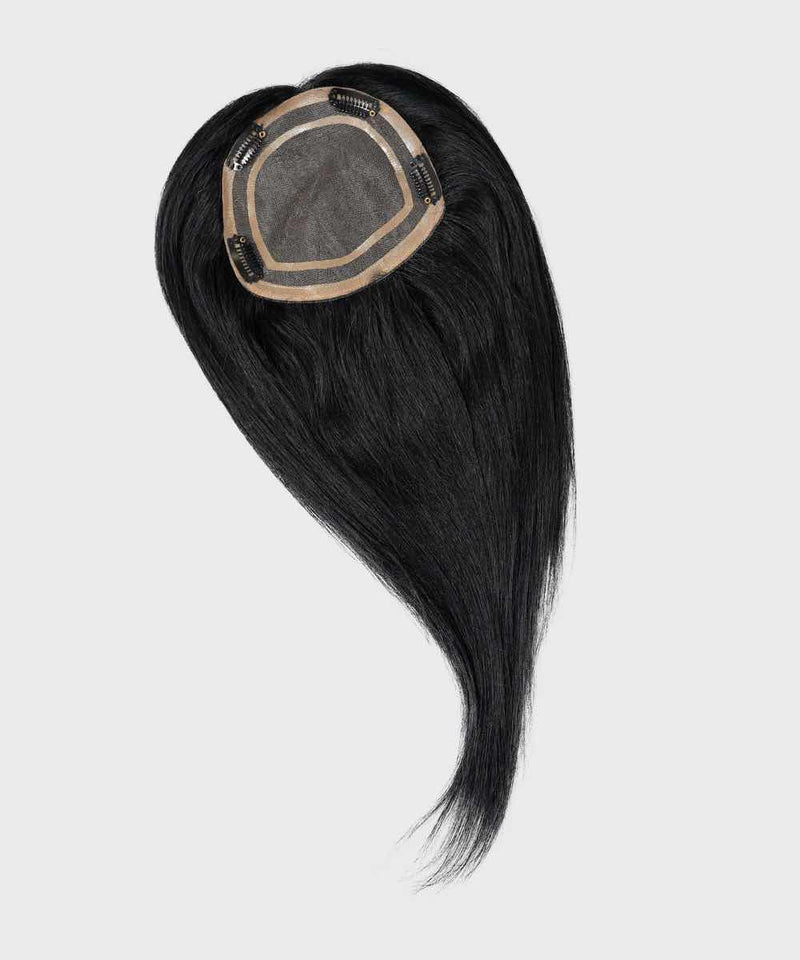
A hair topper — sometimes called a wiglet, crown topper, or hairpiece — is a partial hairpiece with a small base that sits on top of the head and clips into your natural hair. The base covers the thinning area while the hair falls naturally around it, blending seamlessly with your own hair on the sides and back.

Toppers were designed specifically for women experiencing hair loss or thinning at the top of the head — the area most commonly affected by androgenic alopecia (female pattern hair loss), postpartum shedding, and diffuse thinning from stress or hormonal changes. Because they only cover the area that needs it, they feel much lighter and more natural than a full wig.
"So many women come to us thinking a wig is their only option, and most of the time it isn't. If your hair is thinning on top but healthy around the sides and back, a topper gives you back your part line and your volume while letting your own hair do the rest. We'd rather point you to what works than sell you something that won't."
- Priyanka Swamy, Founder of Perfect Locks
Hair Topper vs. Wig: What's the Difference?
The main difference is coverage. A wig covers your entire head and replaces all of your visible hair. A topper covers a specific area — typically the crown or top — and relies on your natural hair for the rest. If you still have healthy hair on the sides and back and only need coverage on top, a topper is almost always the better option. It's lighter, more breathable, easier to style, and blends more naturally. If your thinning is extensive or you prefer full coverage, our human hair wigs guide covers that option in detail.
Hair Topper vs. Hair Extensions: What's the Difference?
Extensions add length and volume to existing hair by attaching wefts or strands to your natural hair. They work best when you have enough density at the roots to conceal the attachment points. If your thinning is at the scalp level — particularly at the crown or part — extensions won't solve the problem since there's not enough hair to attach to or hide the method. Toppers are specifically engineered for scalp-level thinning. For borderline cases, our extensions for thin hair guide can help you decide which approach fits your situation.
Hair Topper vs. Halo: What's the Difference?
A topper clips onto the crown to cover a specific thinning area. A halo rests on an invisible wire around your head with no clips at all, adding all-over volume and length rather than targeted coverage. The simple test: if you can see scalp at your crown or part, you want a topper. If your hair is fine or flat all over but your scalp isn't showing, a halo is usually the better fit - and because it has no clips, it puts zero tension on fragile hair. Our Perfect Crown halo was the first halo made for textured hair, and you can see toppers, halos, and wigs side by side in our comparison tool.
Types of Hair Toppers
By Hair Type
Human Hair Toppers
Human hair toppers are the gold standard. They look indistinguishable from natural hair, can be washed and heat styled just like your own hair, and blend effortlessly with your natural texture. At Perfect Locks, our crown toppers are made from 100% Remy human hair — the cuticles are kept intact and aligned so the hair moves naturally, resists tangling, and lasts significantly longer than synthetic alternatives. Human hair toppers typically last one to three years with proper care.
Synthetic Hair Toppers
Synthetic toppers cost less upfront but have meaningful trade-offs. They cannot be heat styled, have a shorter lifespan (typically three to six months with daily wear), and have a noticeably different sheen that can make blending with natural hair more difficult. For everyday wear or anyone who wants to match their topper to their own styled hair, human hair is the better long-term investment.
By Base Type
Monofilament Base
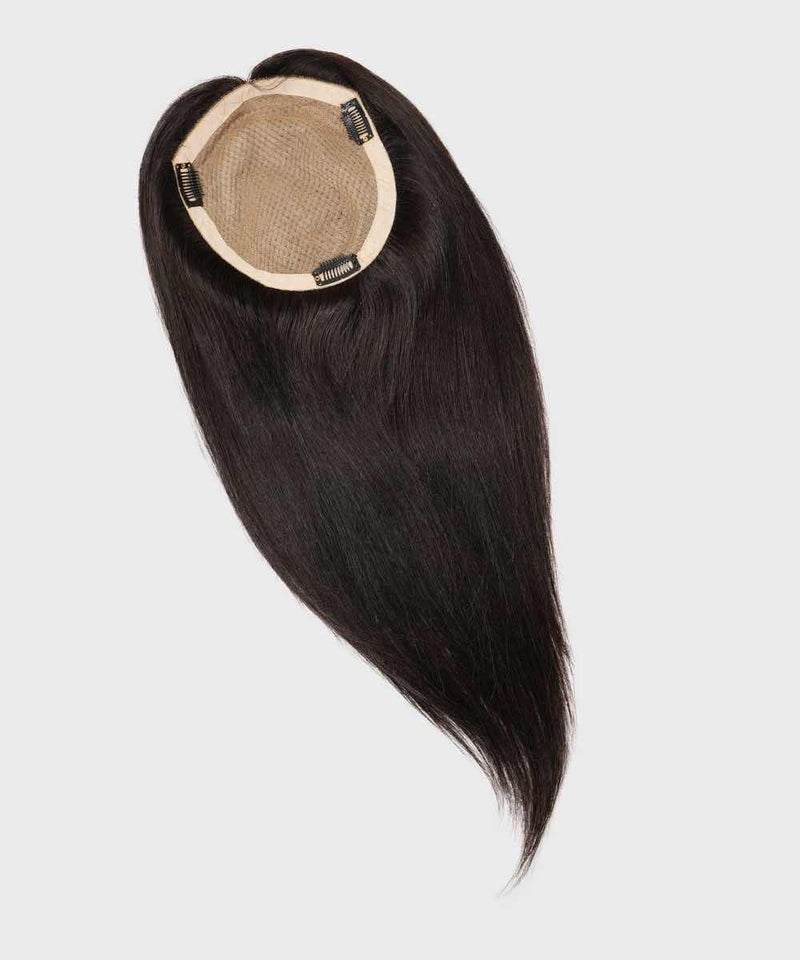
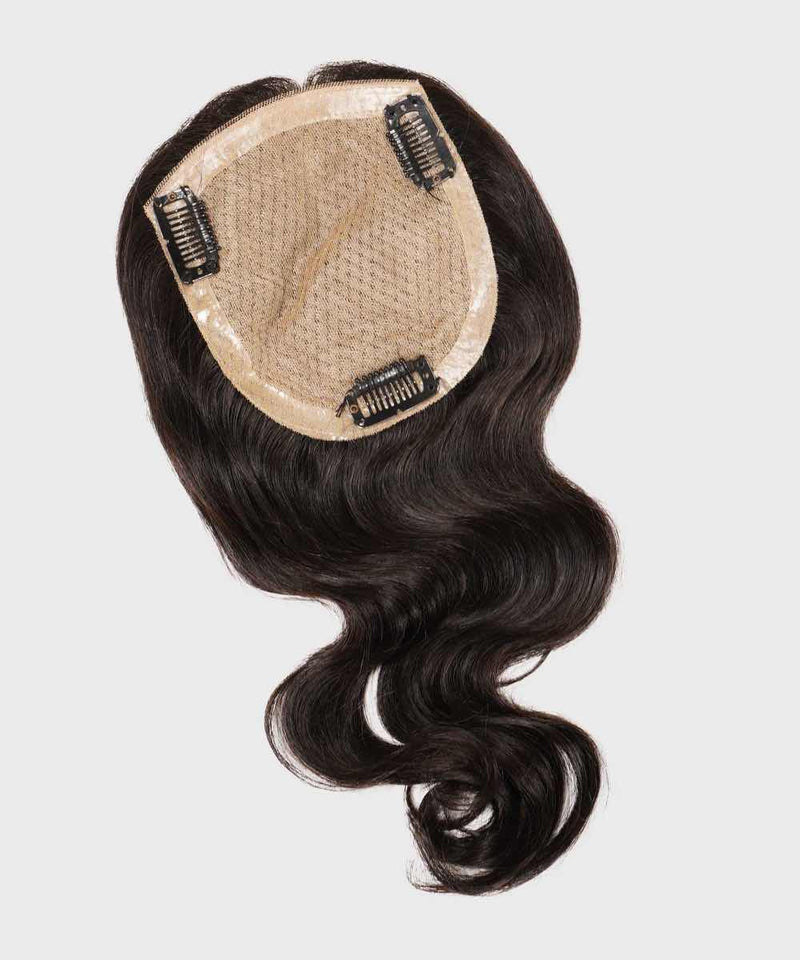
A monofilament base is made from a thin, breathable mesh where each hair strand is individually hand-sewn. This creates the most natural-looking scalp appearance — the skin shows through the mesh just like a real scalp — and allows you to part the hair in any direction. It's the most comfortable base type for sensitive scalps and the most realistic-looking option overall.
Lace Base
Lace bases are even more lightweight and breathable than monofilament, with a nearly invisible edge at the perimeter. They're particularly good for hairline toppers where the edge of the base needs to blend seamlessly at the front. The trade-off is that lace is more delicate and requires careful handling.
Wefted / Skin Base
Wefted bases have hair sewn onto rows of material, similar to a traditional weft extension. They're typically less expensive and more durable than monofilament, but the parting is fixed and the base is more visible on the scalp. Best suited for women who don't need to change their part direction frequently.
Types to Consider

Toppers
Best for: Perfect for those experiencing crown thinning, wanting targeted volume, or needing discreet coverage for specific areas.
- Wear Time
- Daily on/off
- Application
- 1-3 minutes
- Targets specific thinning areas
- Natural integration with existing hair

Wigs
Best for: Perfect for protective styling, medical hair loss, dramatic transformations, or those who love changing their entire look regularly.
- Wear Time
- Daily on/off or temporary install
- Application
- 2-5 minutes
- Complete style transformation
- Protects natural hair

Tape-Ins Best Seller
Best for: Active lifestyles with regular salon access. Perfect for those who want long-term, daily wear extensions.
- Wear Time
- 4-6 weeks between maintenance
- Application
- 1-2 hours
- Completely undetectable when applied correctly
- Reusable for multiple applications
How to Choose the Right Hair Topper
Step 1 - Identify Your Coverage Area
Before anything else, identify exactly where you need coverage. Stand in front of a mirror and note whether your thinning is at the crown, along the part line, at the front hairline, or across a wider area of the top. Take a photo from directly above — it gives the clearest view of your actual coverage needs and helps you compare toppers more accurately.
Step 2 - Measure Your Base Size
This is the most important step and the one most people skip. A topper base that's too small won't cover the thinning area. One that's too large will cover hair that doesn't need covering and sit awkwardly. To measure your base size, use a soft measuring tape or a piece of string to measure the length and width of your thinning area from edge to edge. Add about half an inch on each side for a natural blend.
| Base Size | Coverage Area | Best For | Hair Loss Pattern |
|---|---|---|---|
| Small (2" x 3" - 3" x 4") | Crown / part line only | Mild thinning, volume at roots | Diffuse thinning at part |
| Medium (4" x 4" - 5" x 5") | Crown to mid-scalp | Moderate thinning, wider coverage | Top of head, widening part |
| Large (6" x 6" - 7" x 7") | Front to back of crown | Significant thinning, full top coverage | Extensive crown loss, androgenic alopecia |
| Hairline / Fringe | Front hairline only | Receding hairline, adding bangs | Frontal thinning, temple recession |
Step 3 - Match Your Hair Texture
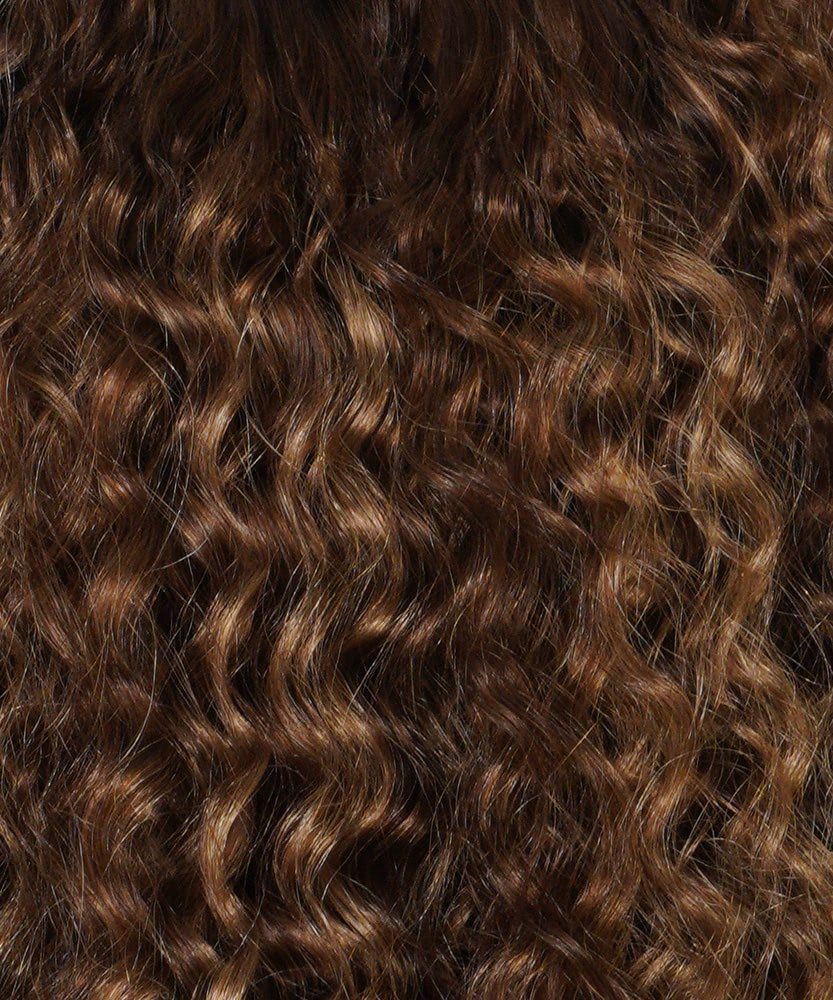
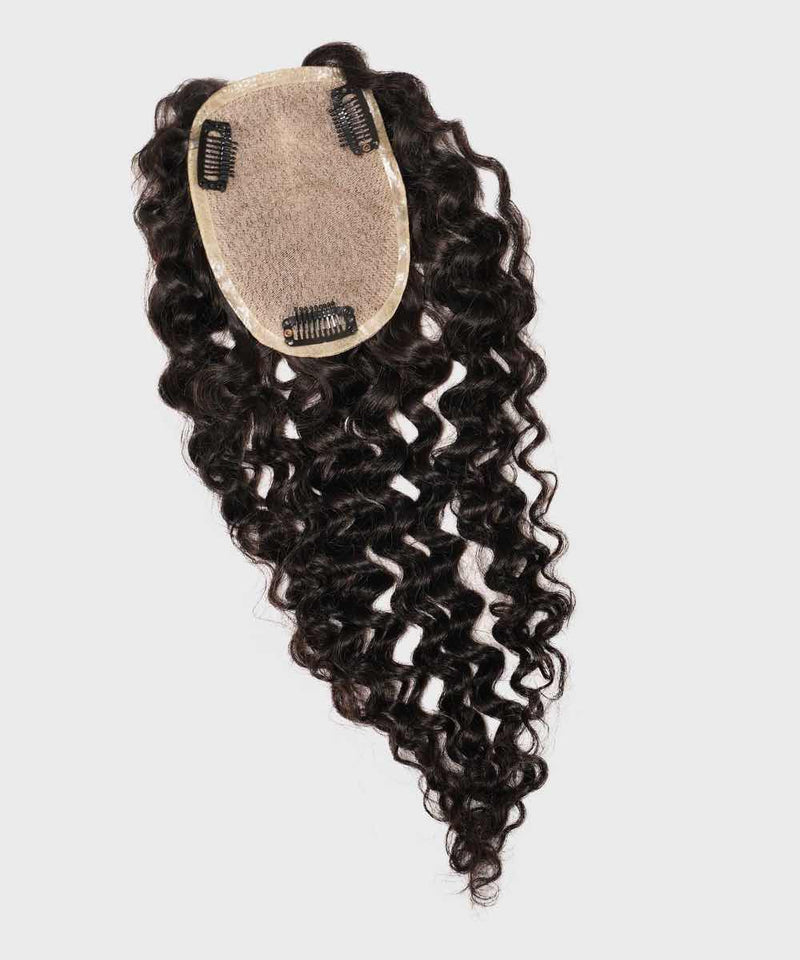
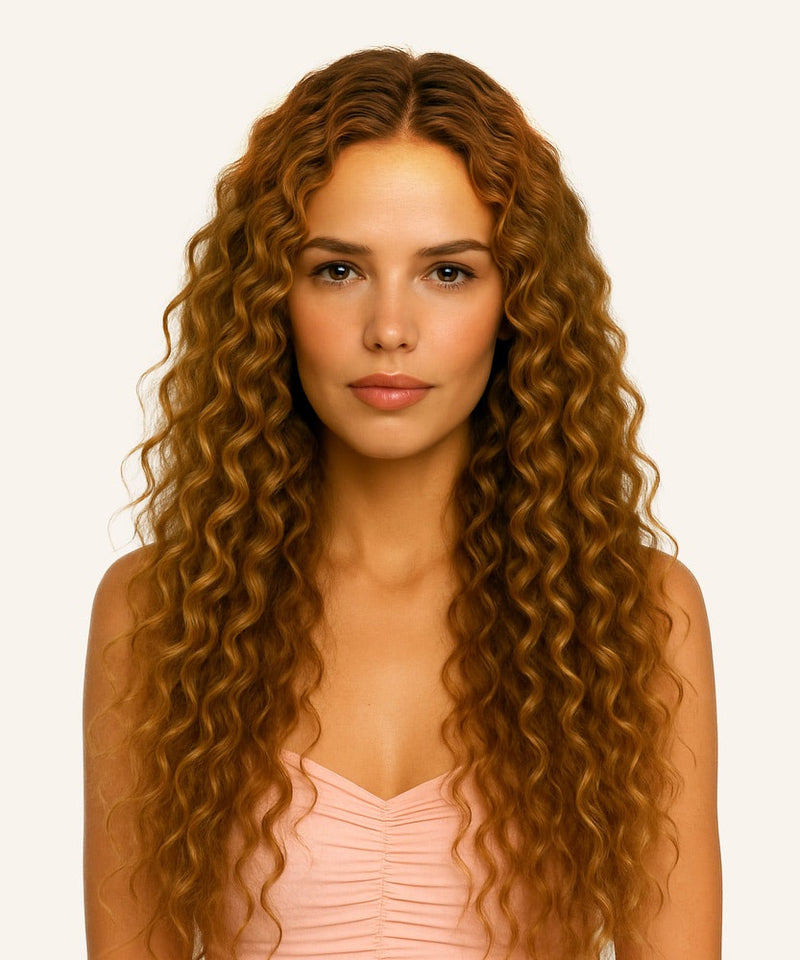
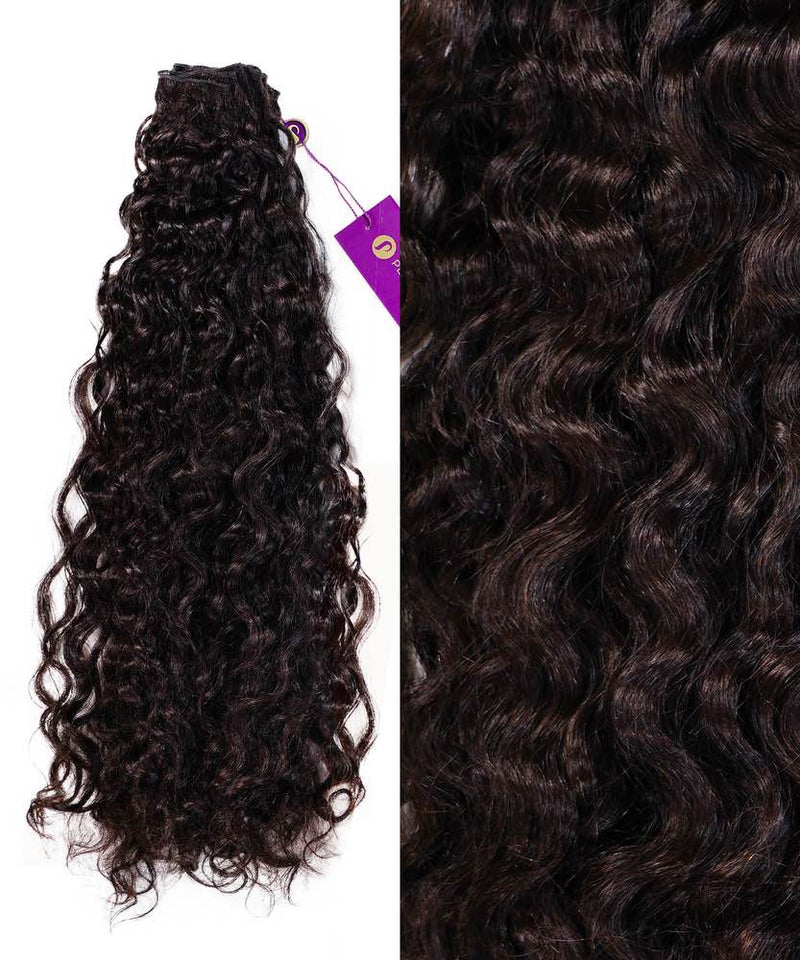
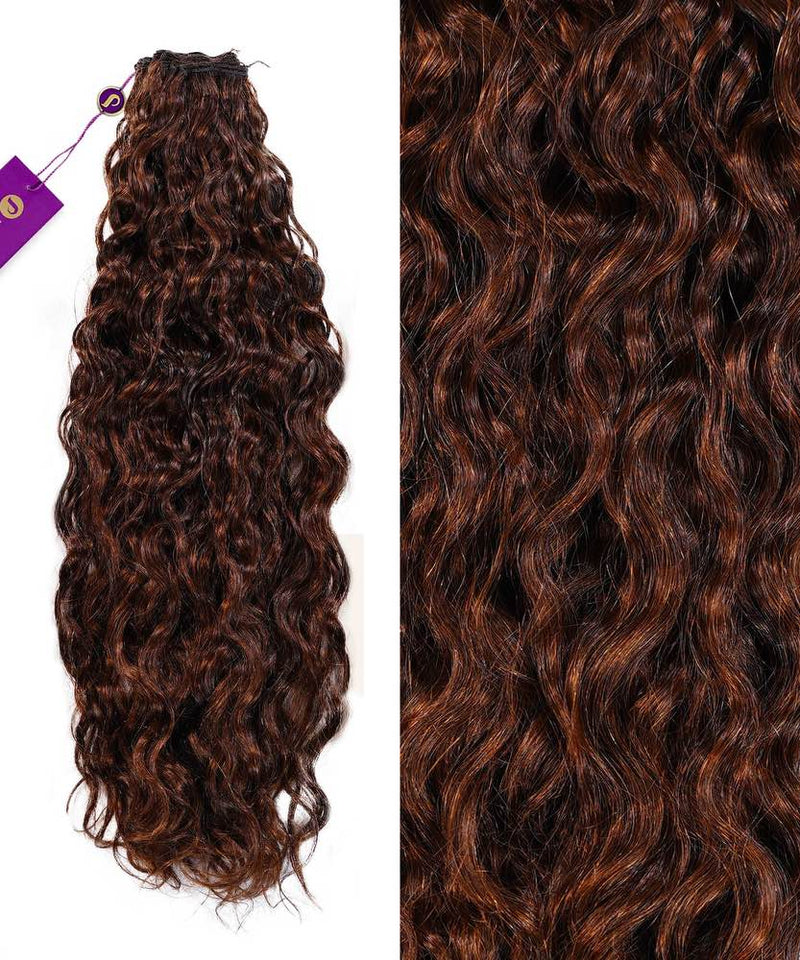
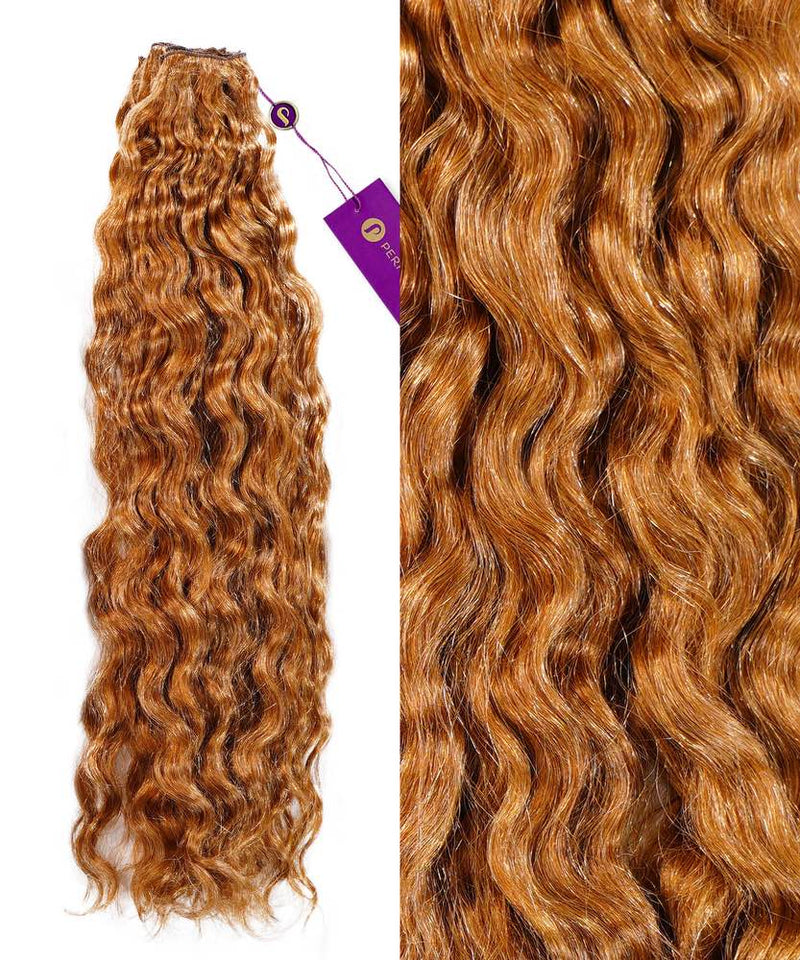
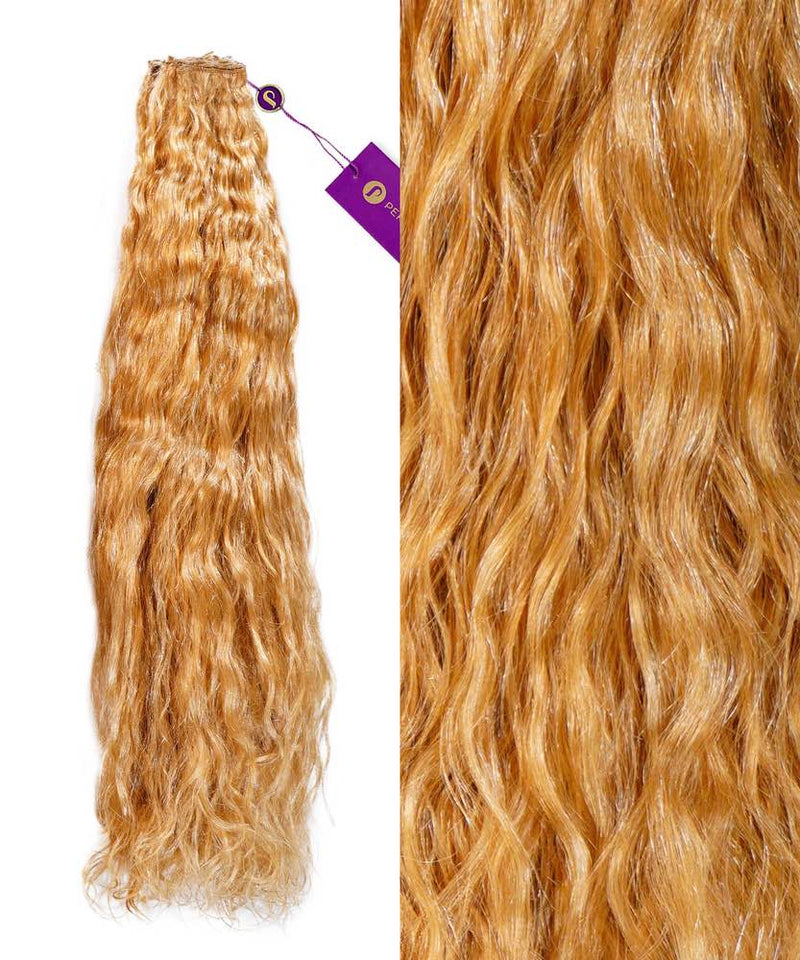
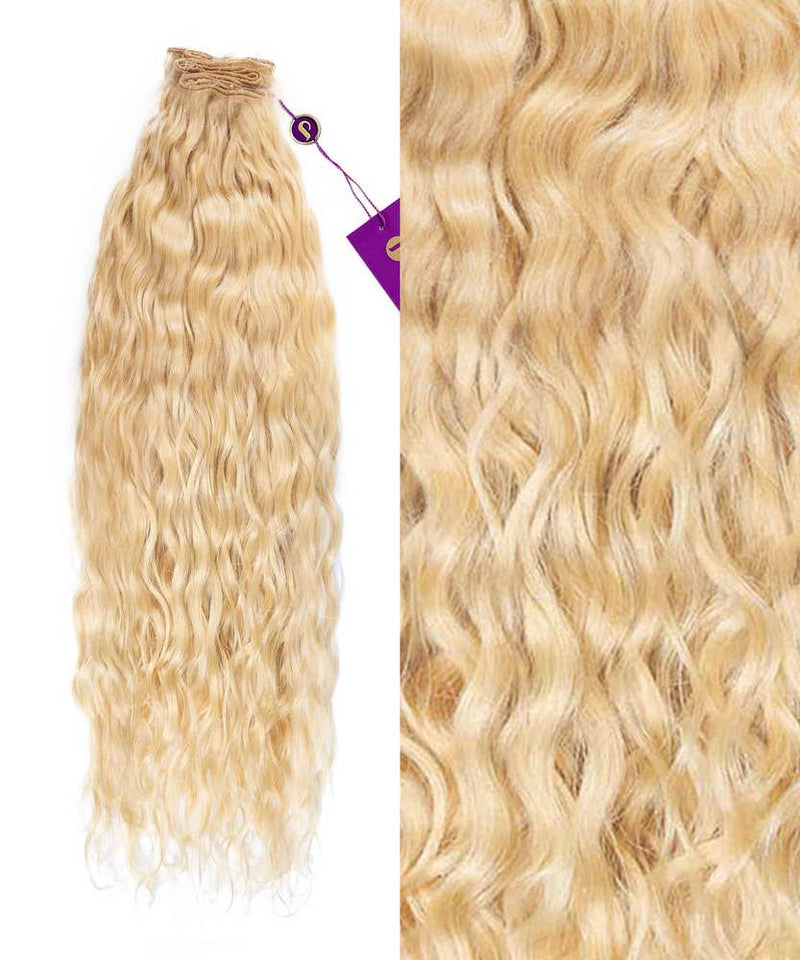
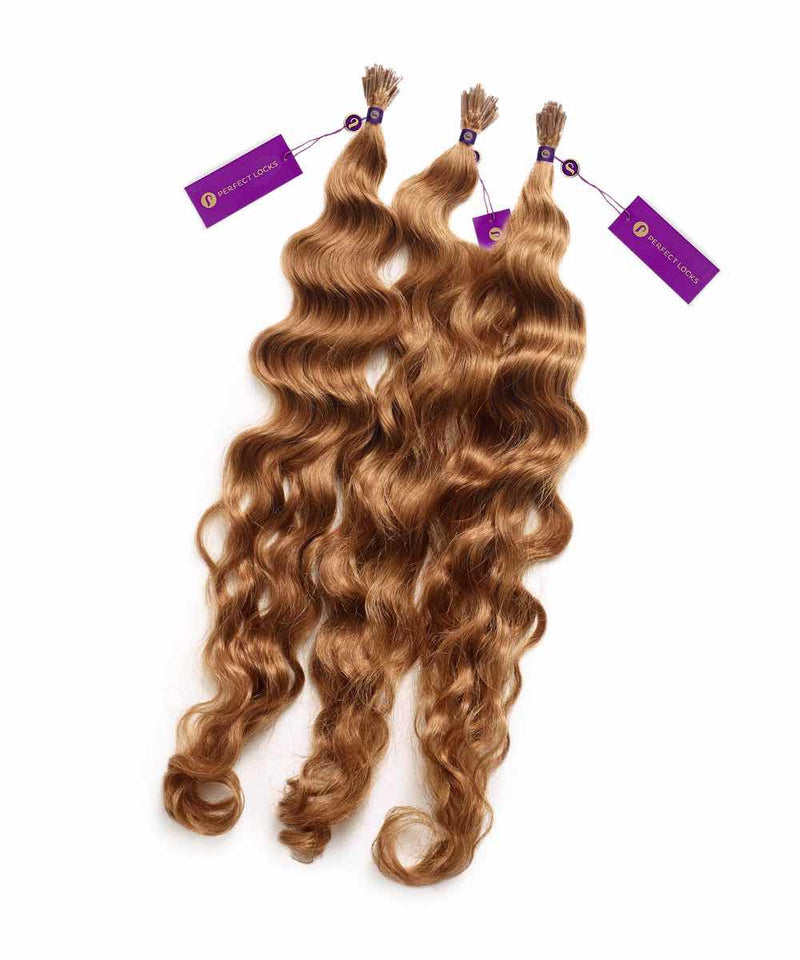
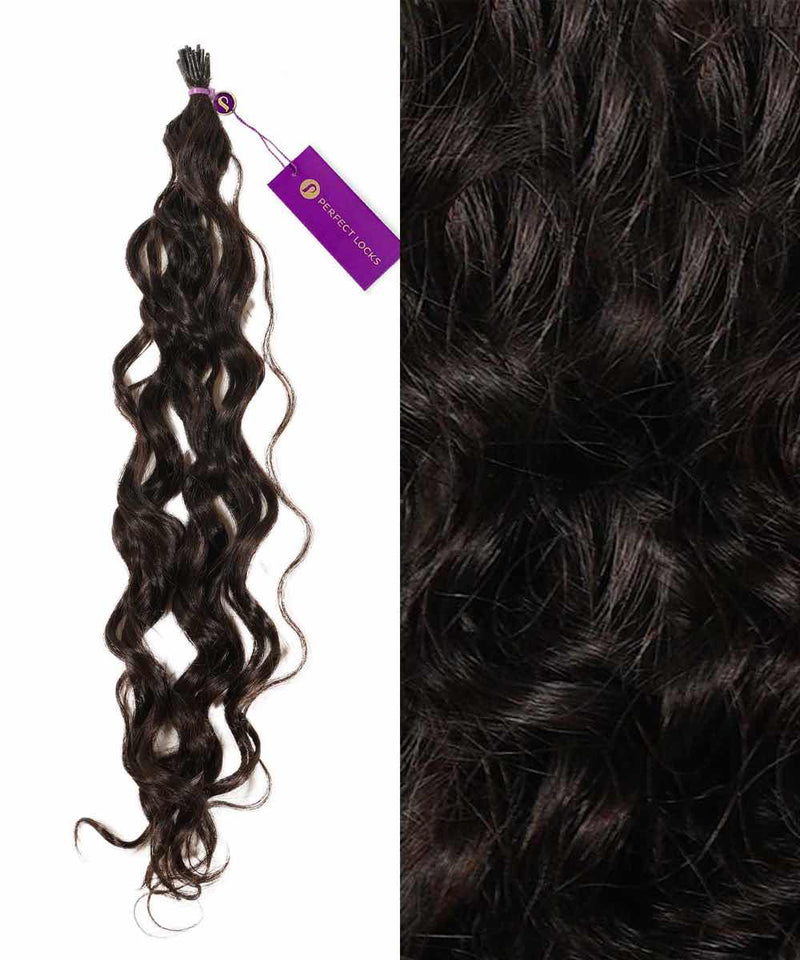
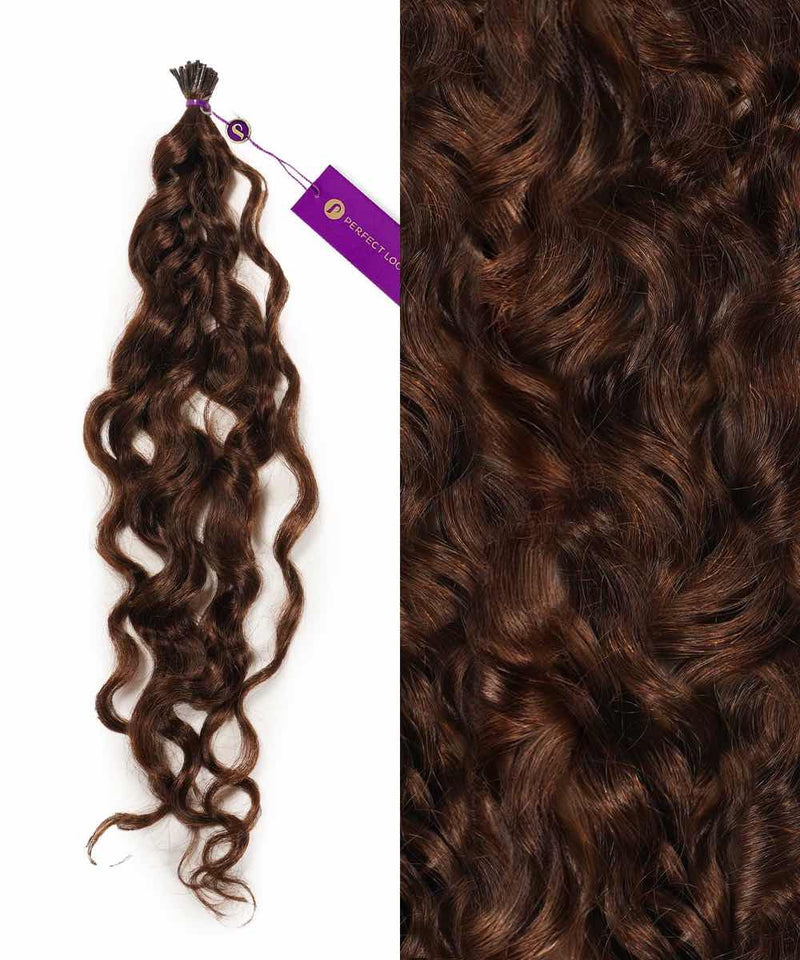
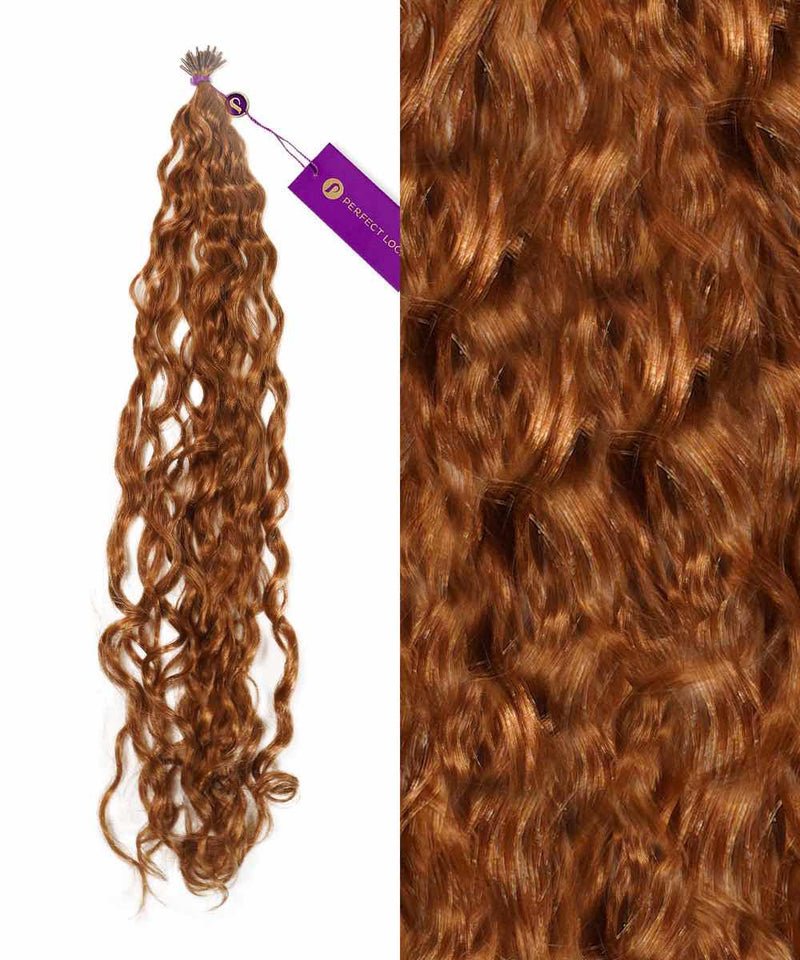
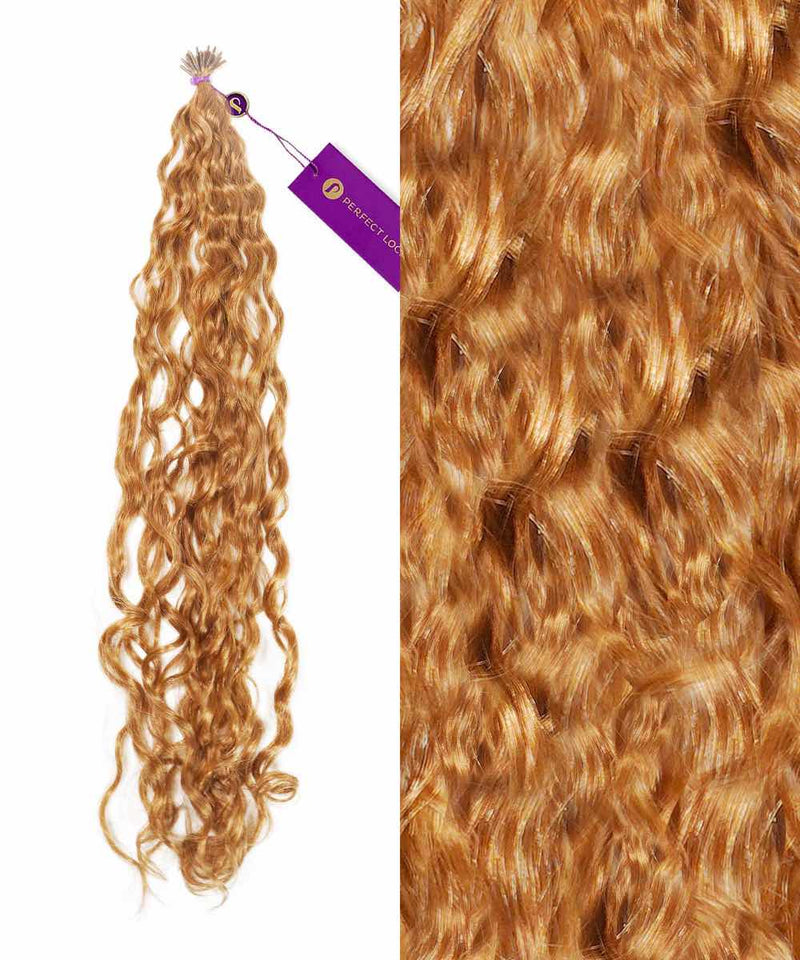
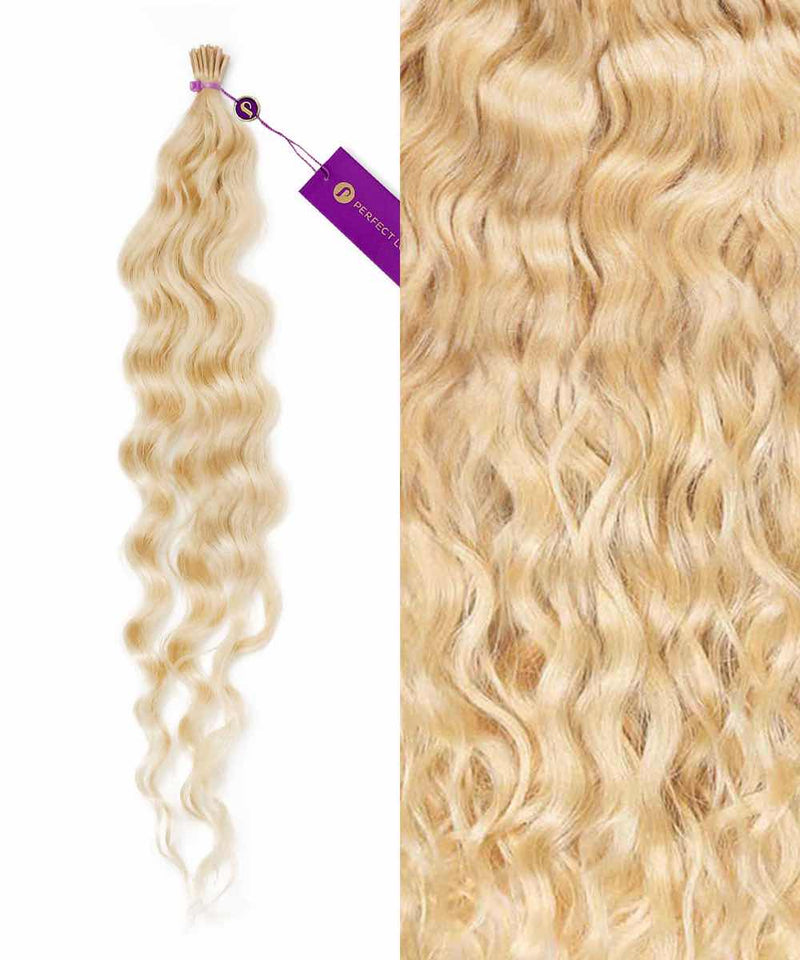
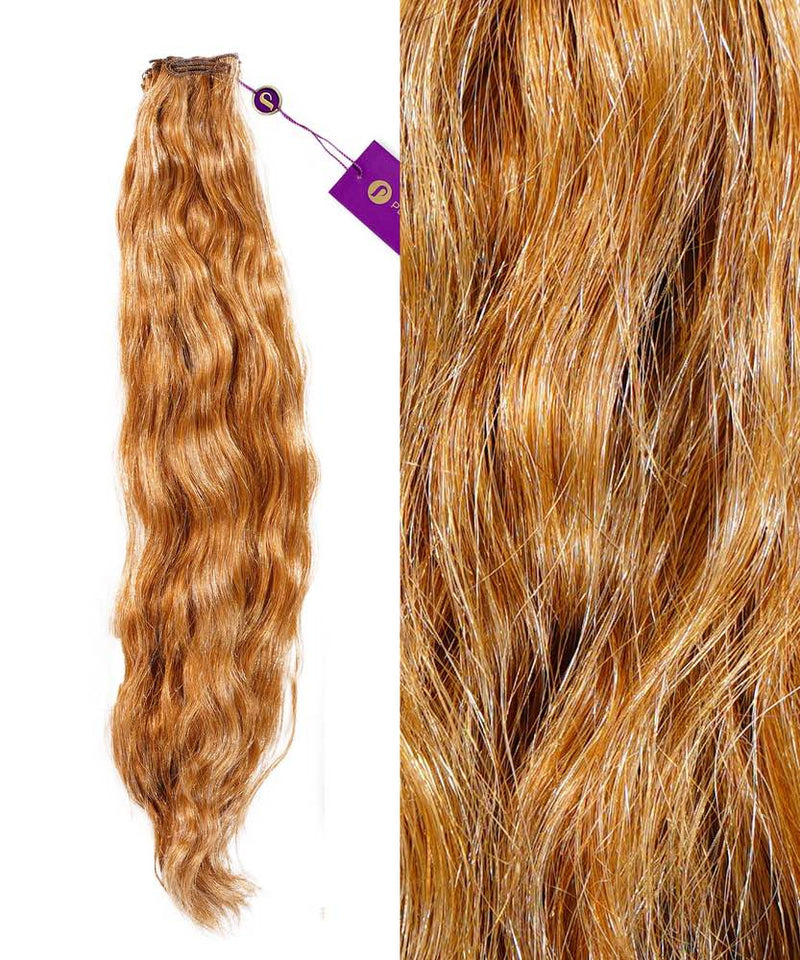
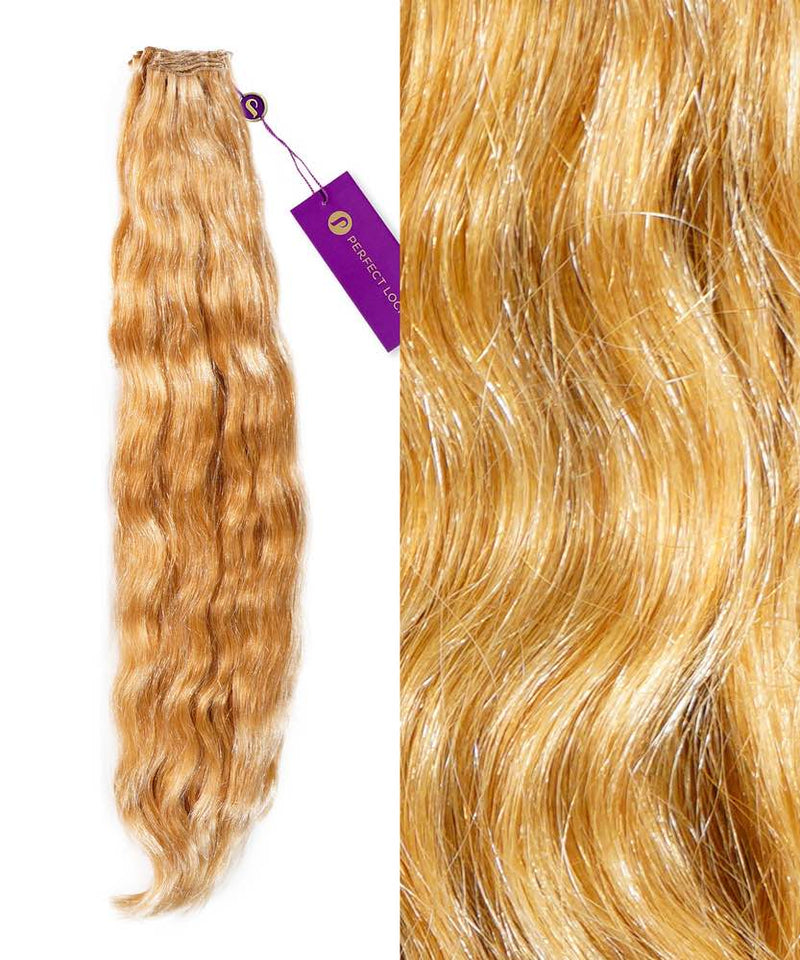
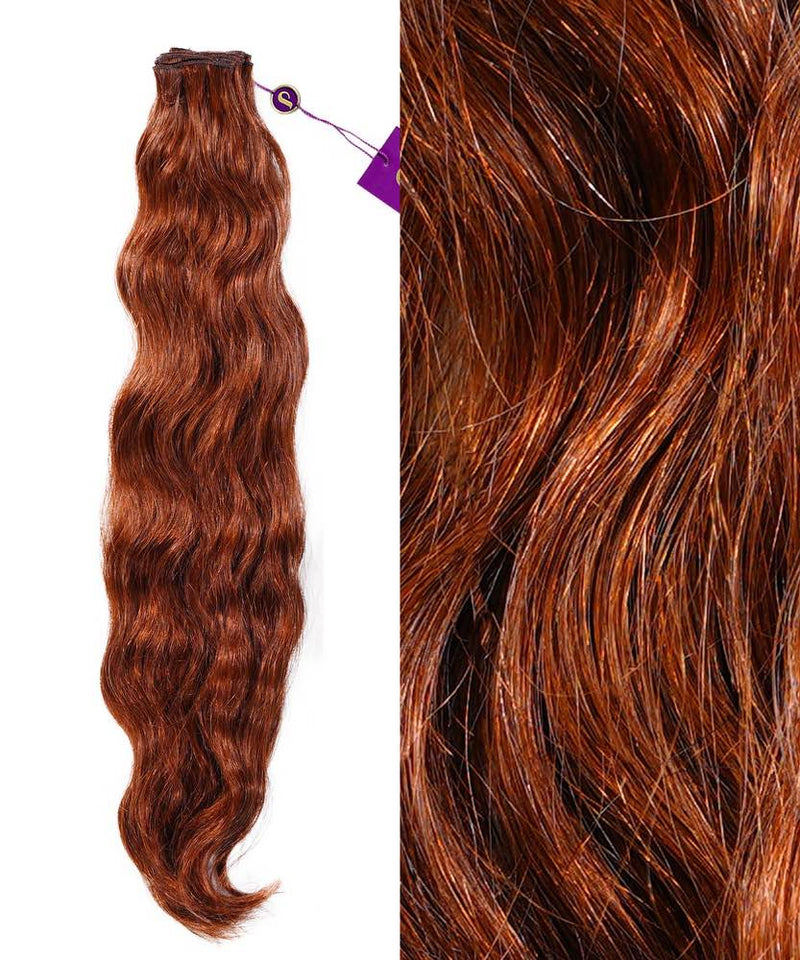
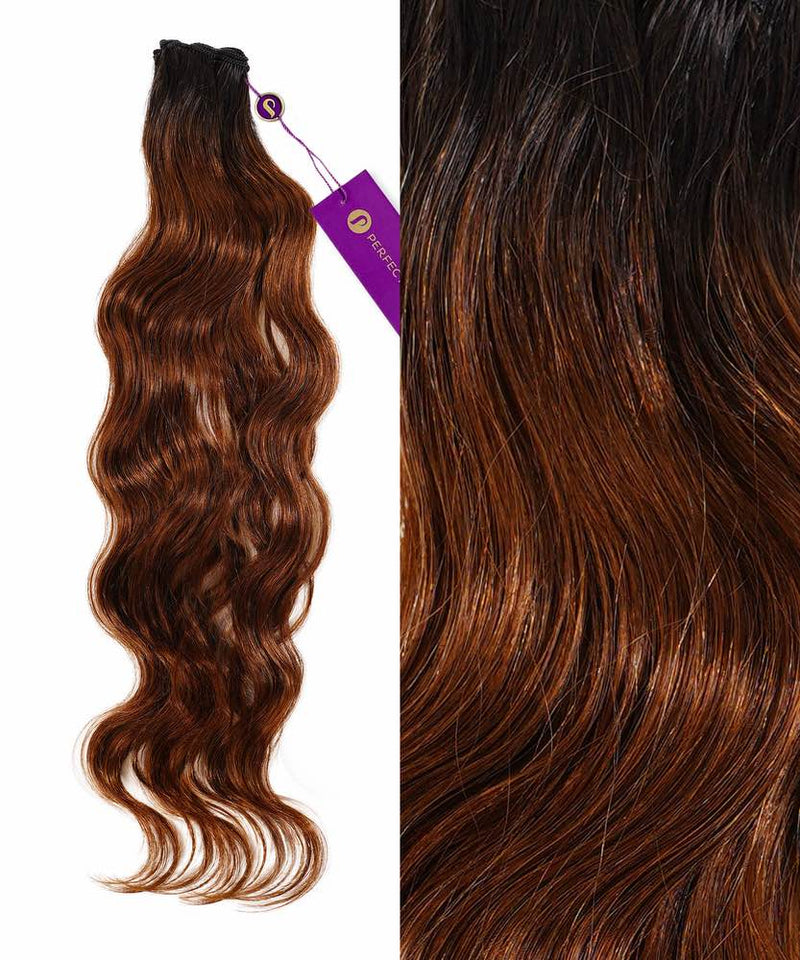
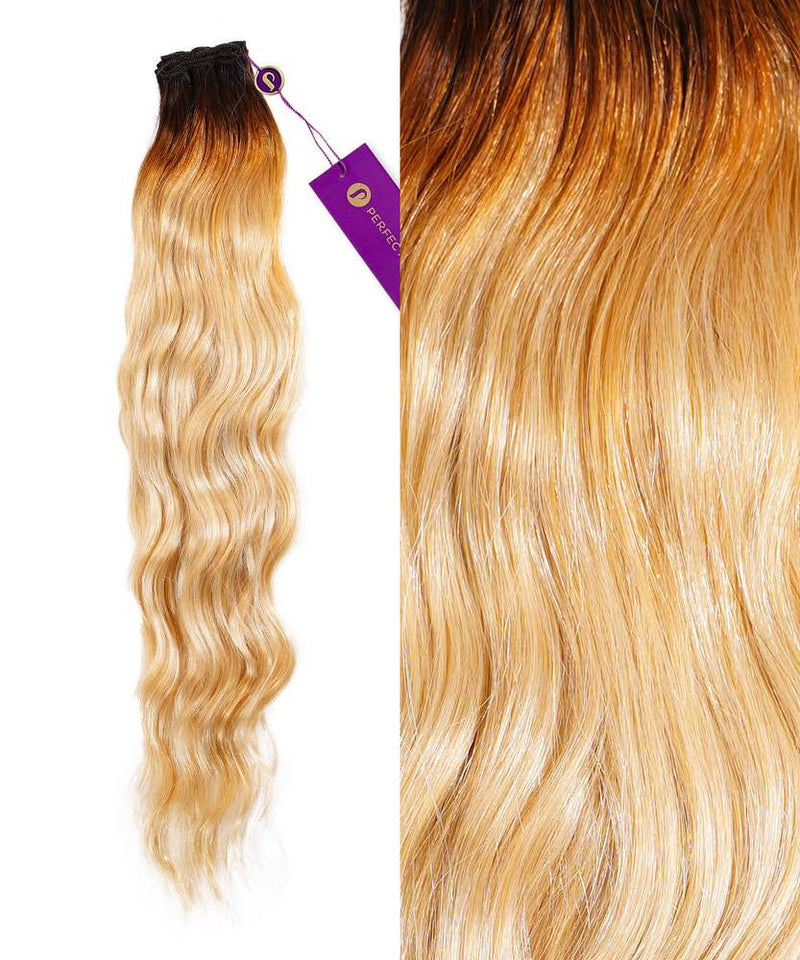
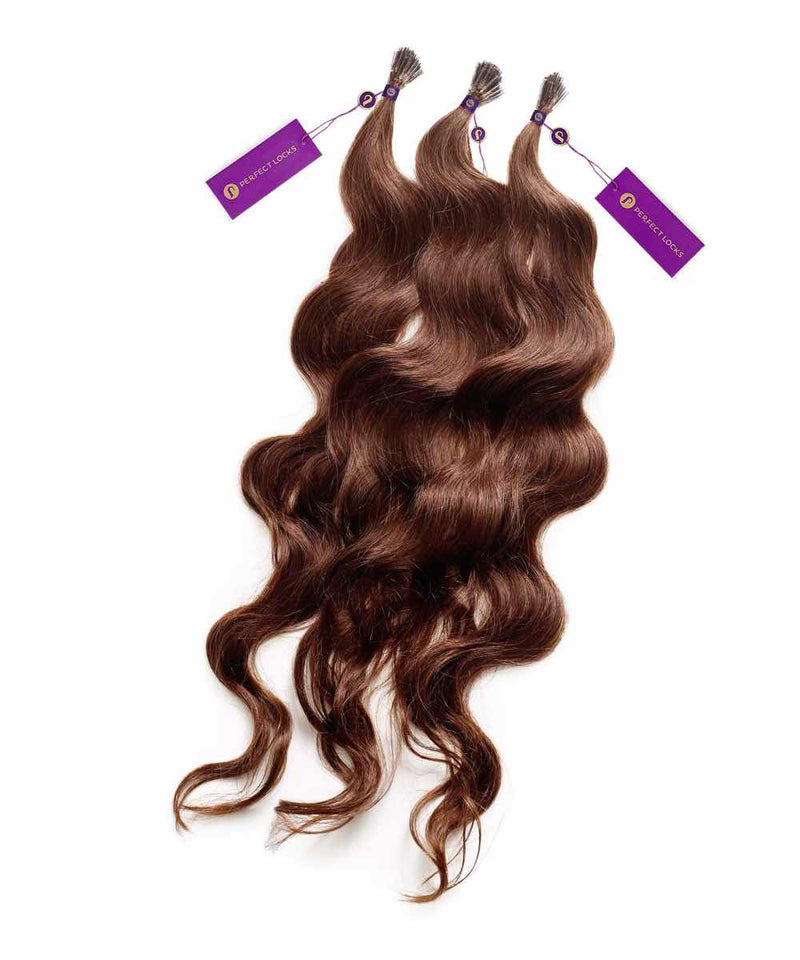
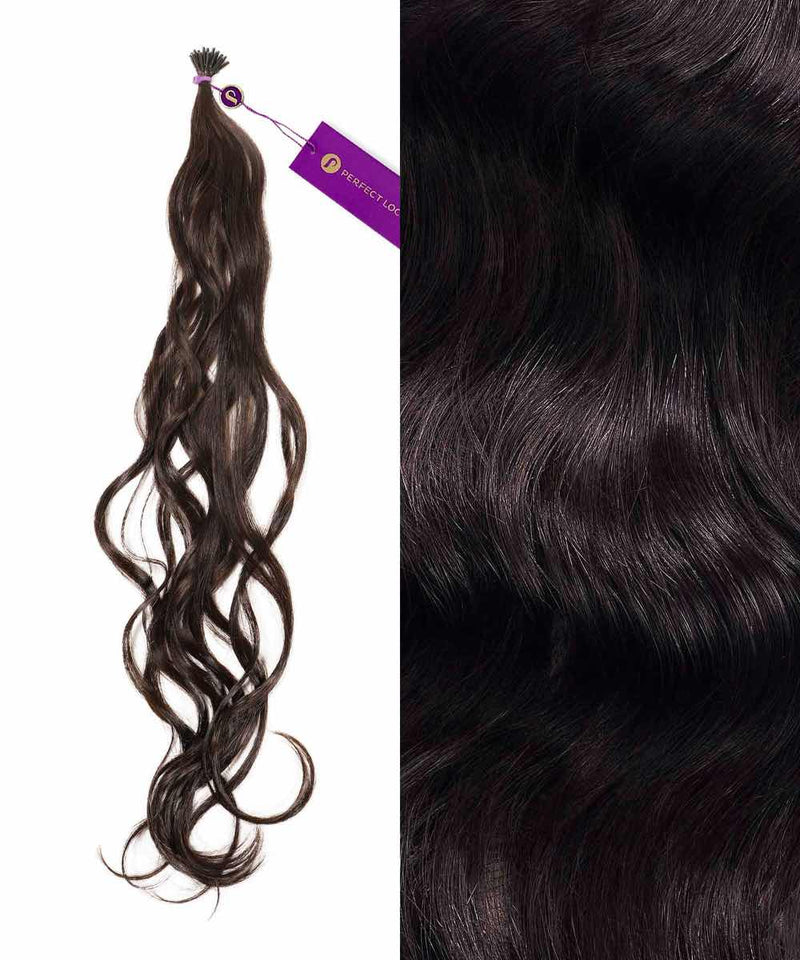
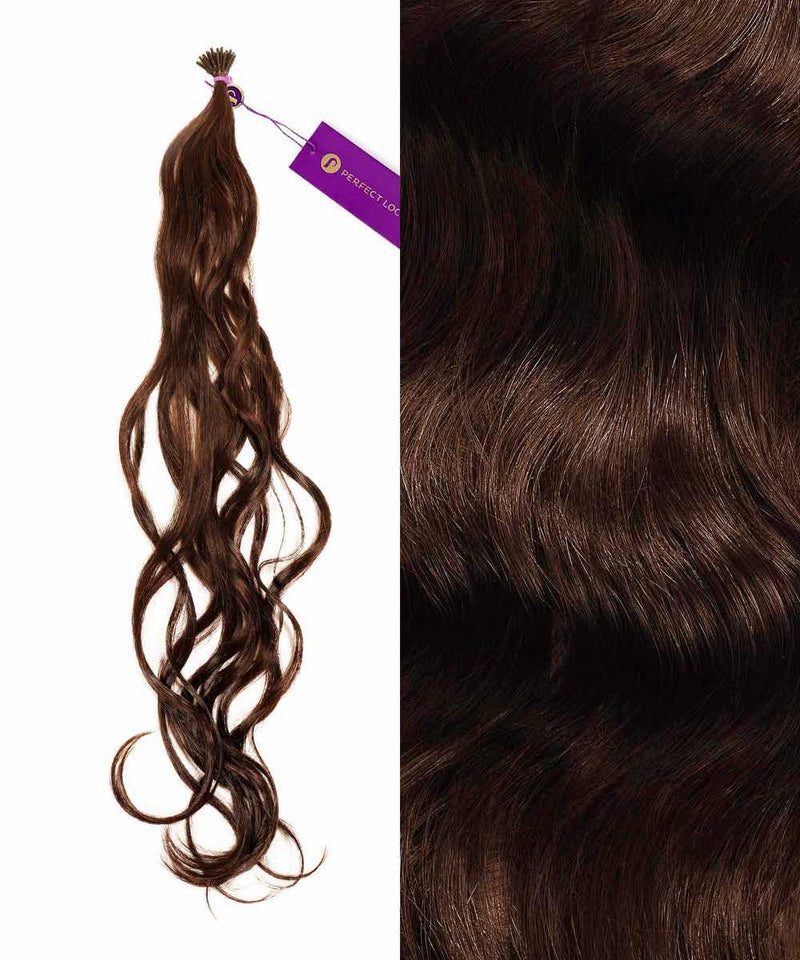
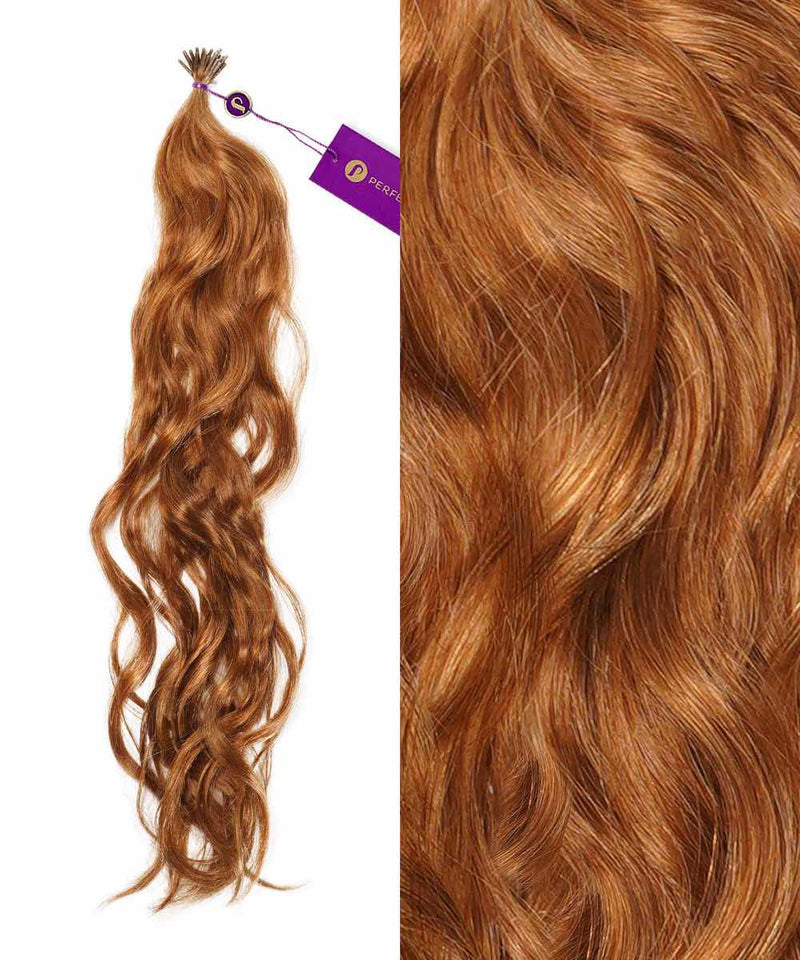
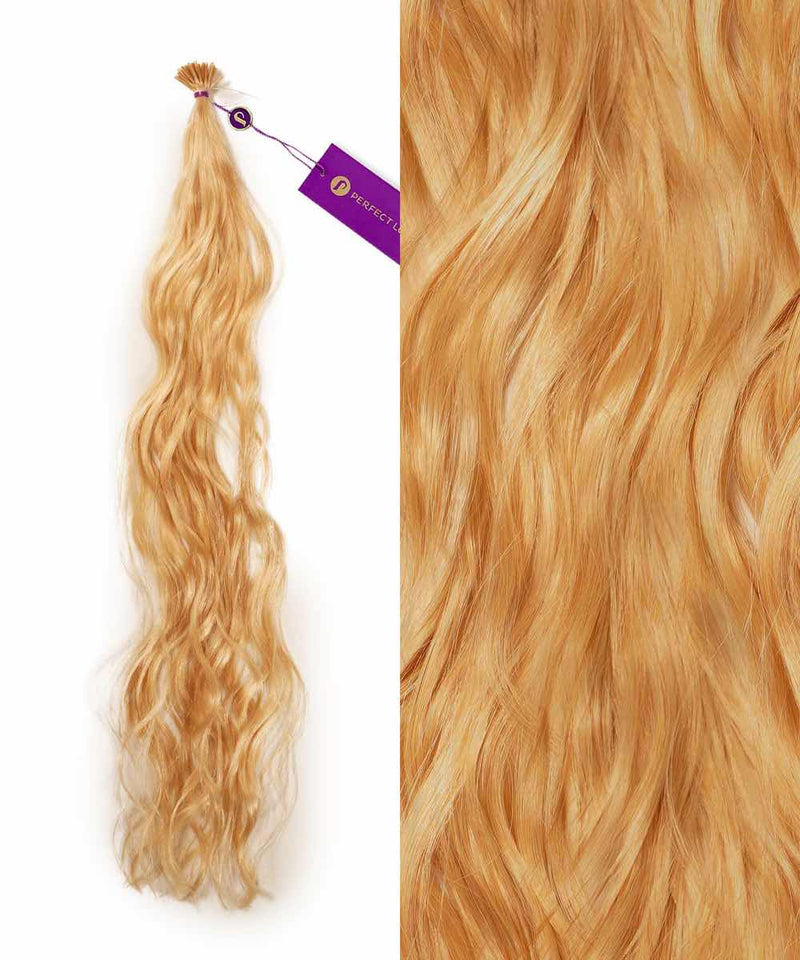
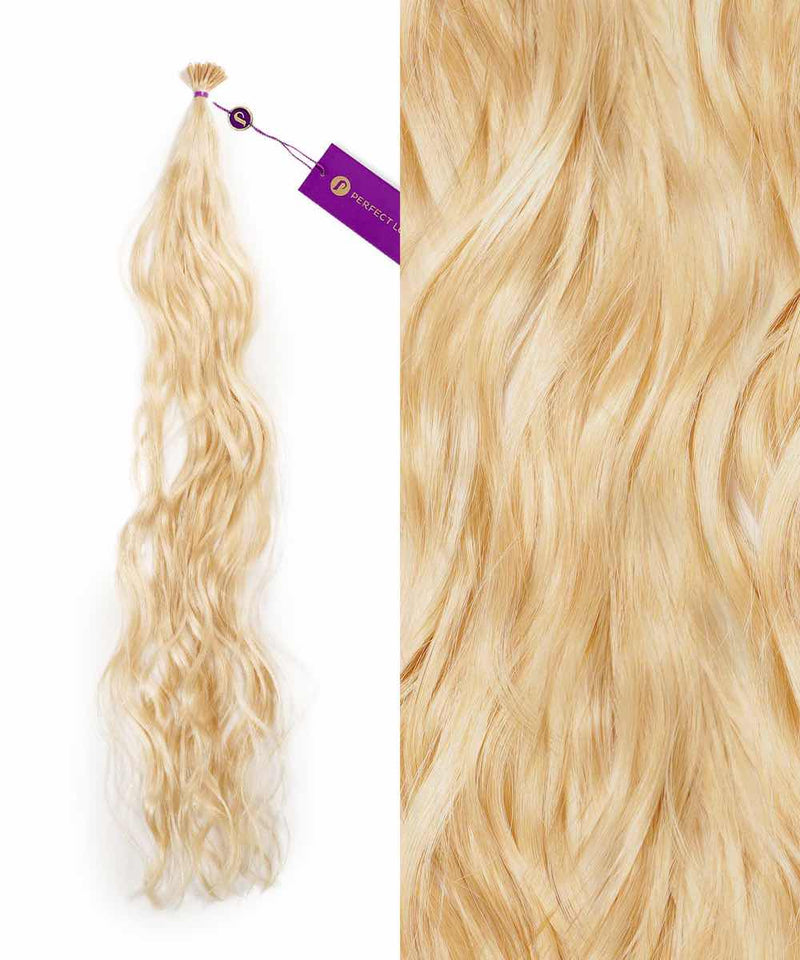
Choose a topper that matches your natural hair texture as closely as possible — straight, wavy, or curly. At Perfect Locks, we offer crown toppers in straight, wavy, and curly textures so you can find a match that blends without needing to constantly style the topper to match your natural hair. Our texture match guide can help if you're unsure which category your hair falls into.
Step 4 - Match Your Color
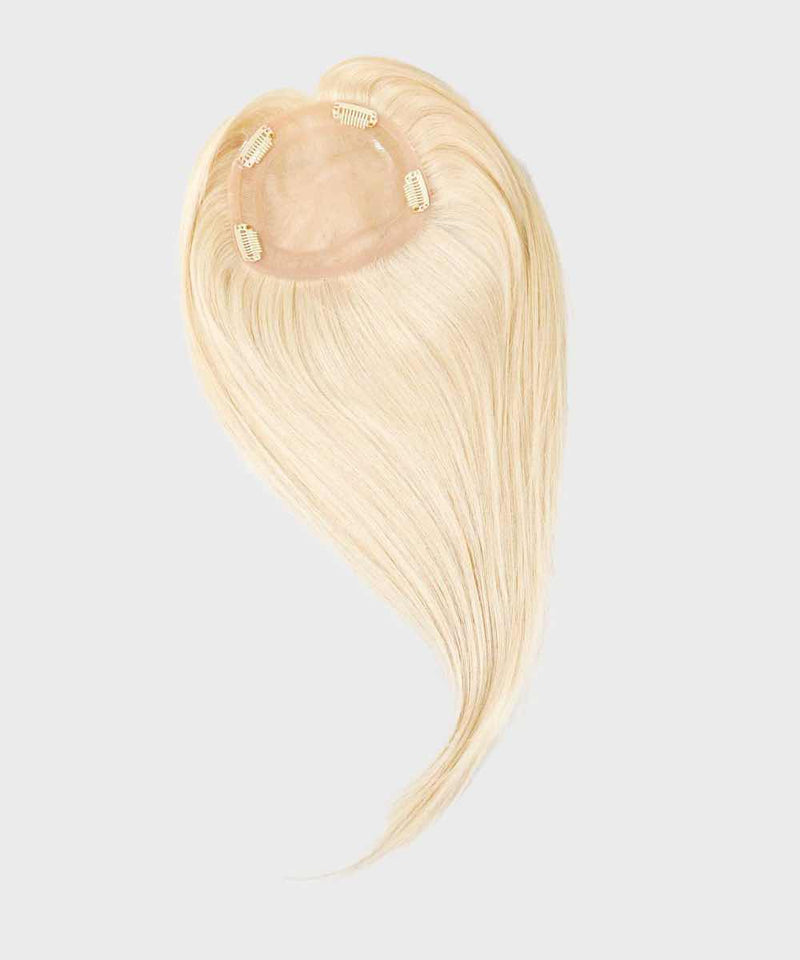
Color matching a topper is slightly different from matching extensions because the topper sits directly at the scalp where any mismatch is most visible. The base color of the topper should match your roots, not your ends. If you have highlights or balayage, look for a topper that has a similar dimension built in rather than trying to match a single flat color. Our color match guide walks through this in detail.
Step 5 - Choose Your Attachment Method
Most toppers clip into your natural hair using pressure-sensitive clips along the perimeter of the base. The number and placement of clips varies by base size. For smaller bases with only a few clips, make sure your natural hair is dense enough in the attachment area to hold the clips securely. If your natural hair is very fine or sparse even at the sides and back, look for toppers with more clips spread over a wider area for better security.
Shop Human Hair Toppers
Targeted coverage for thinning crowns and visible part lines. Lightweight clip-in toppers that blend naturally with y...
Hair Toppers for Specific Hair Loss Patterns
Toppers for Thinning at the Crown
Crown thinning — the gradual loss of density at the top of the head — is the most common pattern in women with androgenic alopecia. A medium to large base topper placed at the crown addresses this directly. Look for a topper with a monofilament base so the scalp appearance looks natural from above, where crown thinning is most visible.
Toppers for a Widening Part
A widening part is often the first visible sign of diffuse thinning. A small to medium base topper positioned along the part line can restore the density needed to make the part look full again. The topper hair should be parted in the same direction as your natural part for a seamless result.
Hairline Toppers
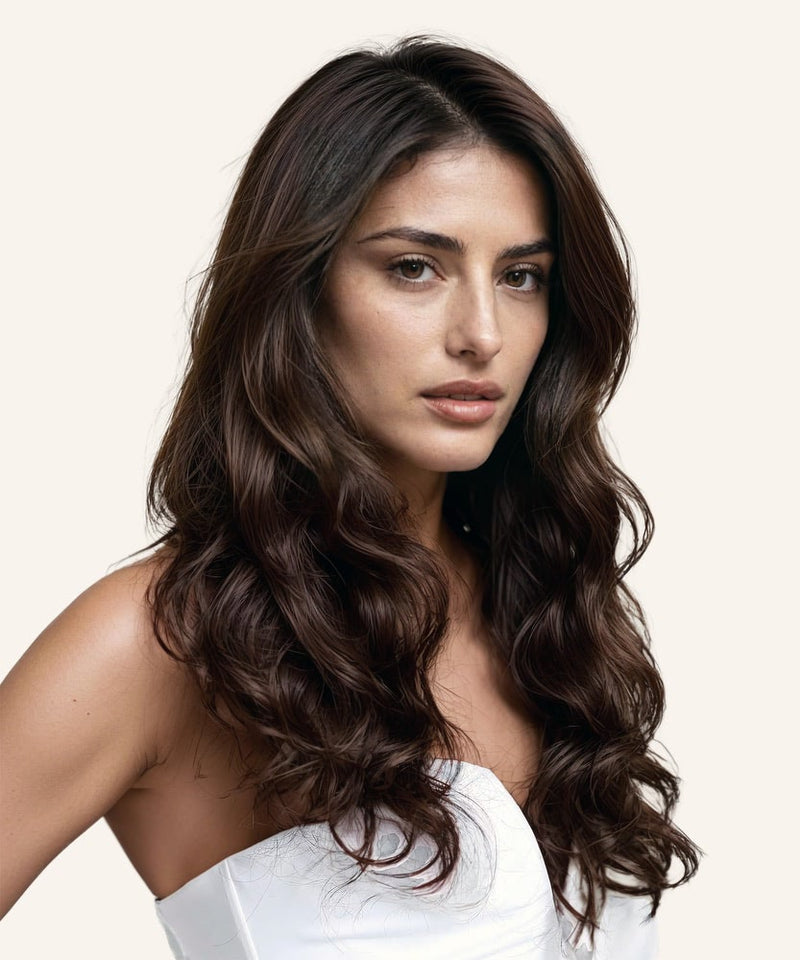
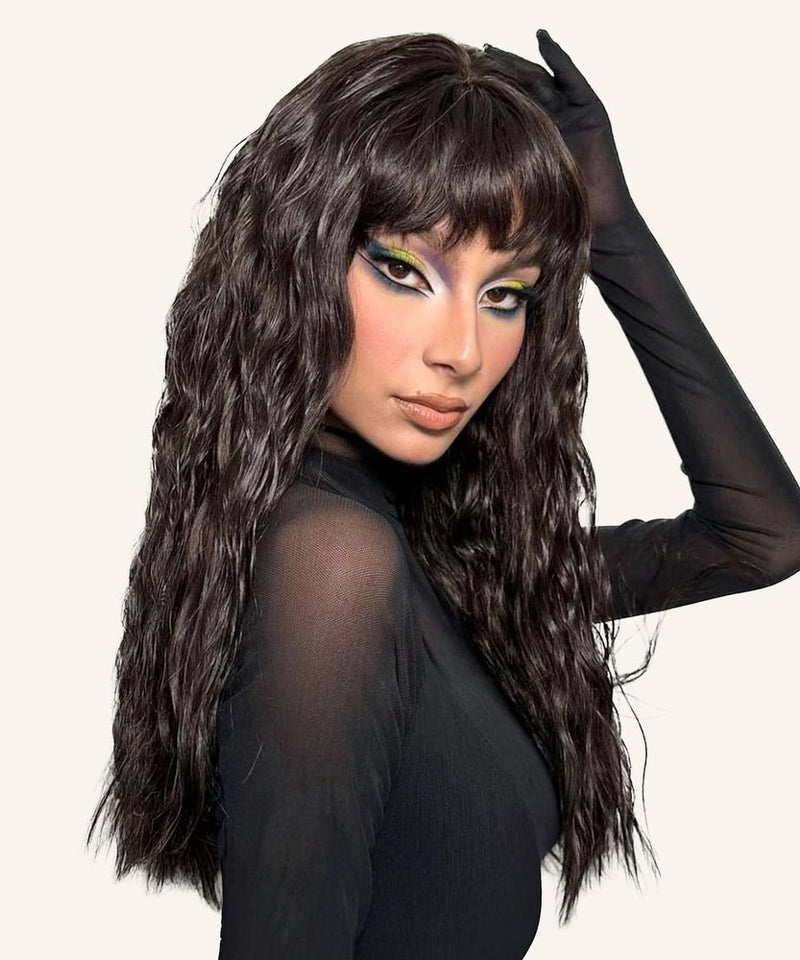
Hairline toppers are narrow pieces designed specifically for the front hairline — ideal for women experiencing recession at the temples or a thinning front edge. They can also be used to add bangs without cutting your natural hair. Our toppers with bangs are a popular option for this.
Shop Wigs with Bangs
A fresh, face-framing look without the commitment of cutting your own hair. Soft bangs, side bangs, and swooping styl...
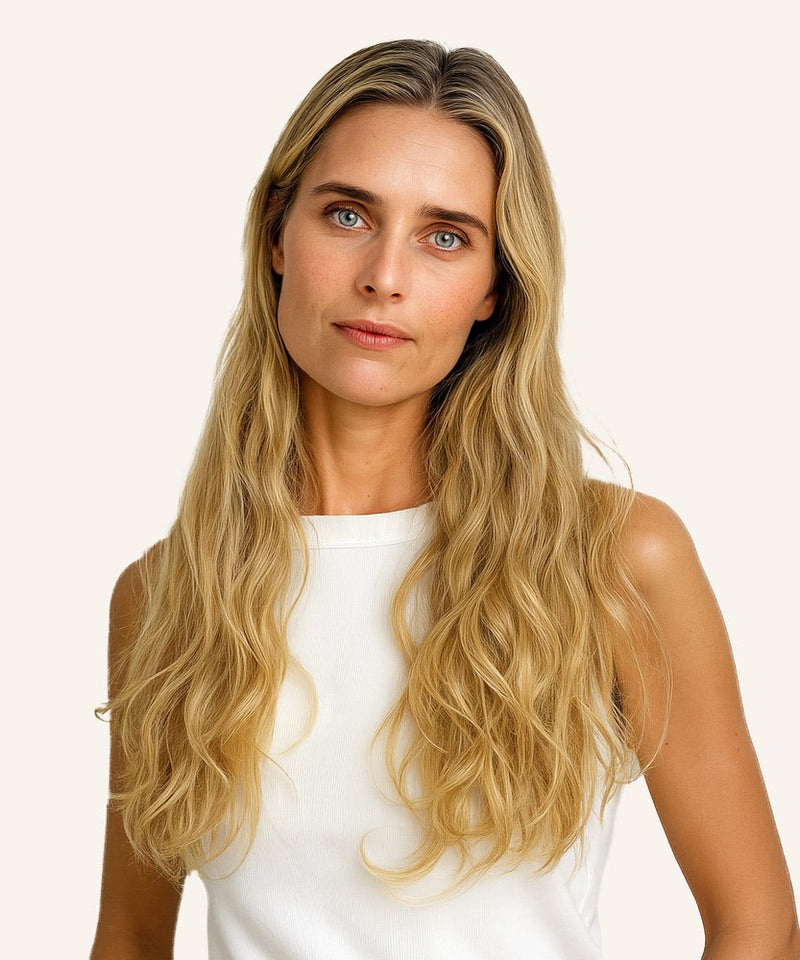
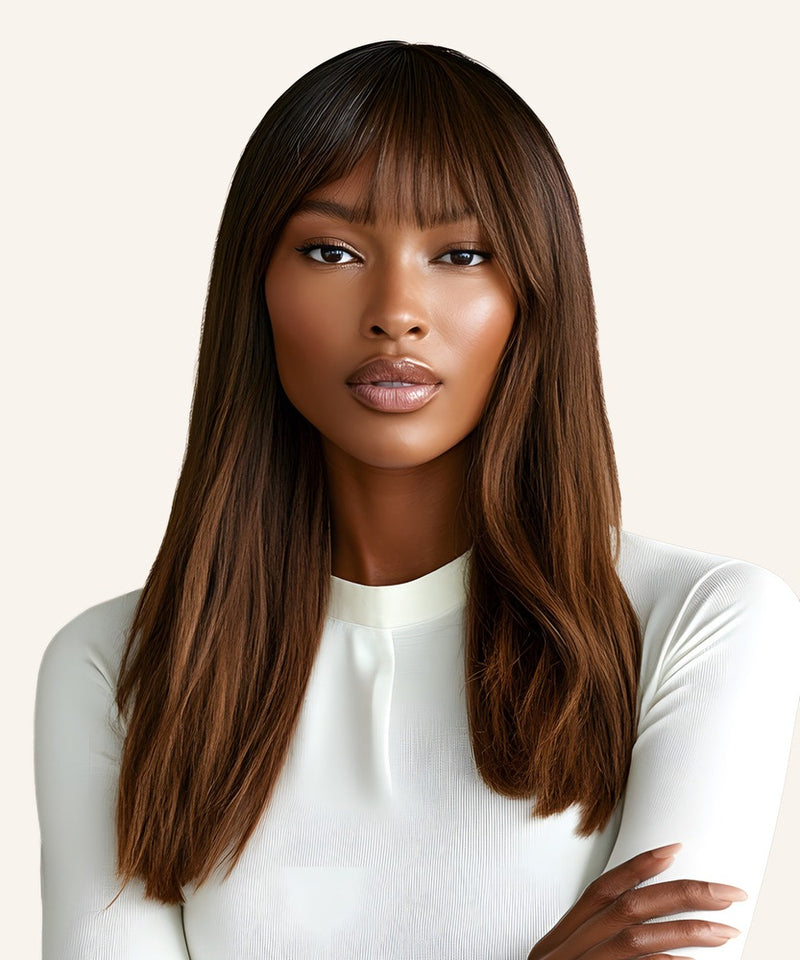
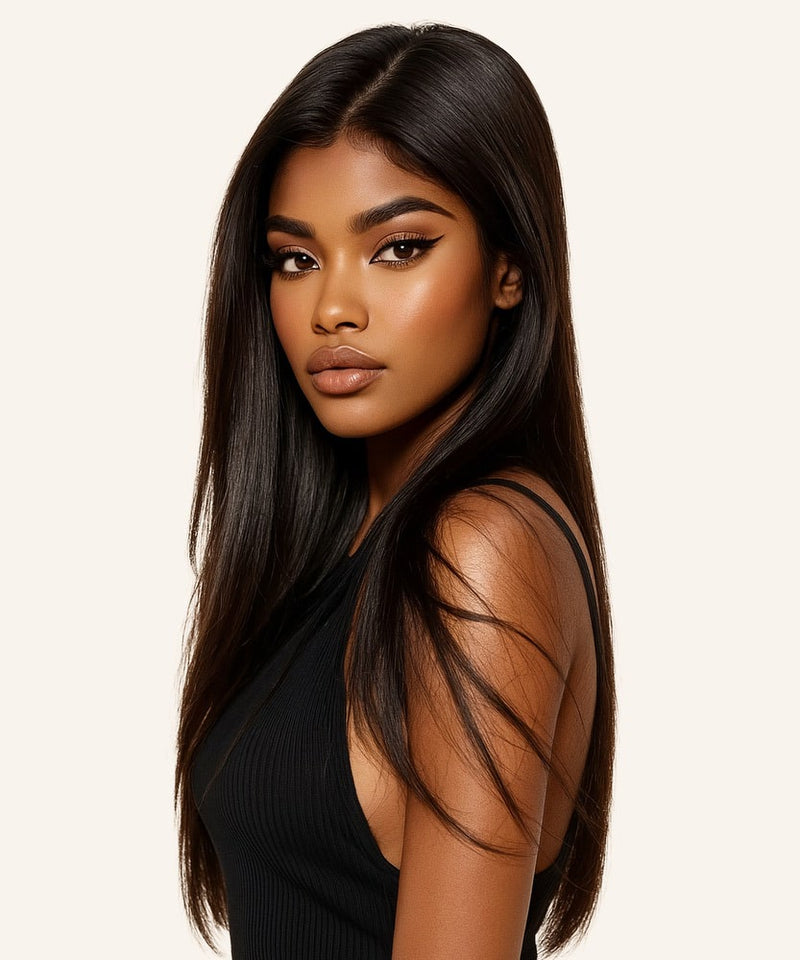
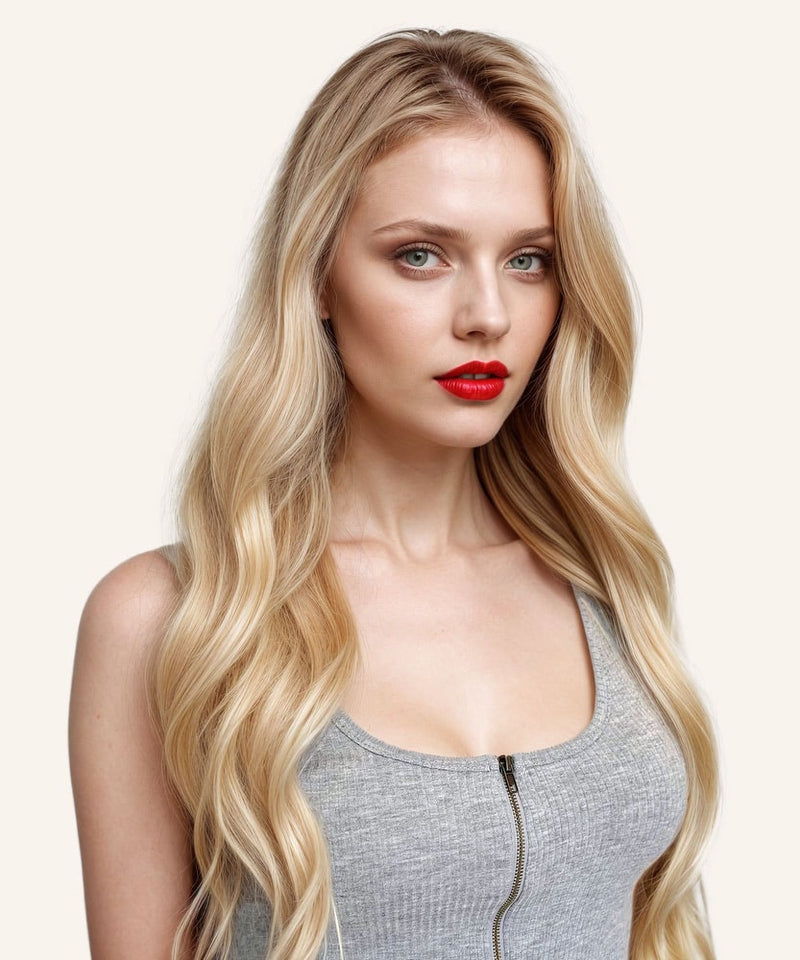
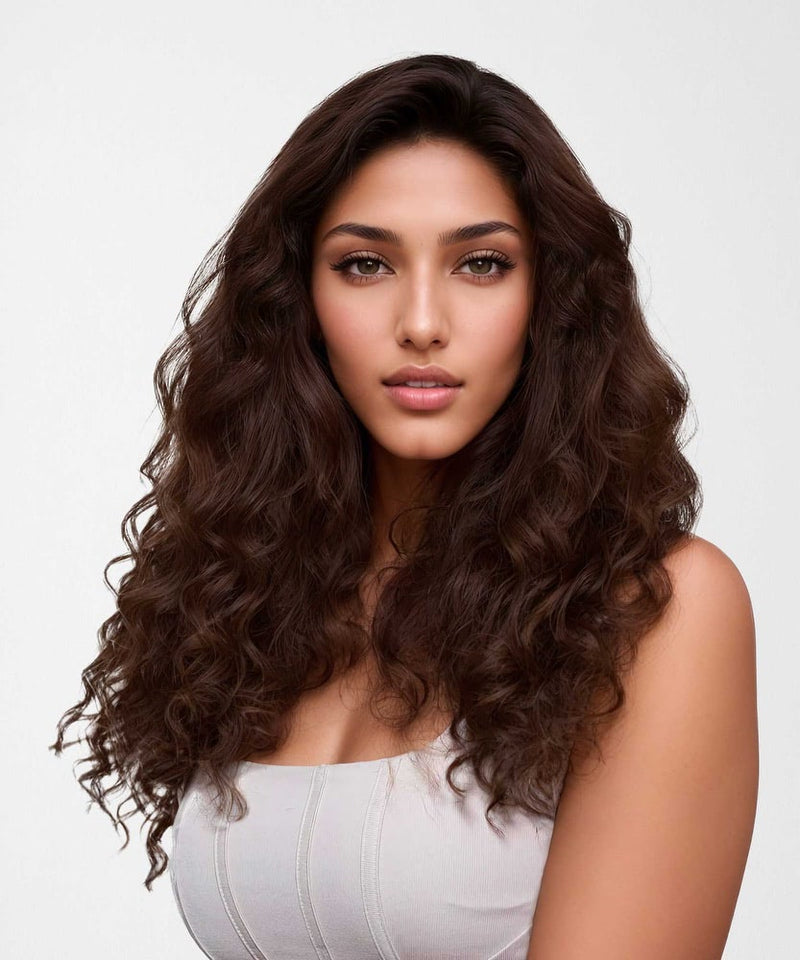
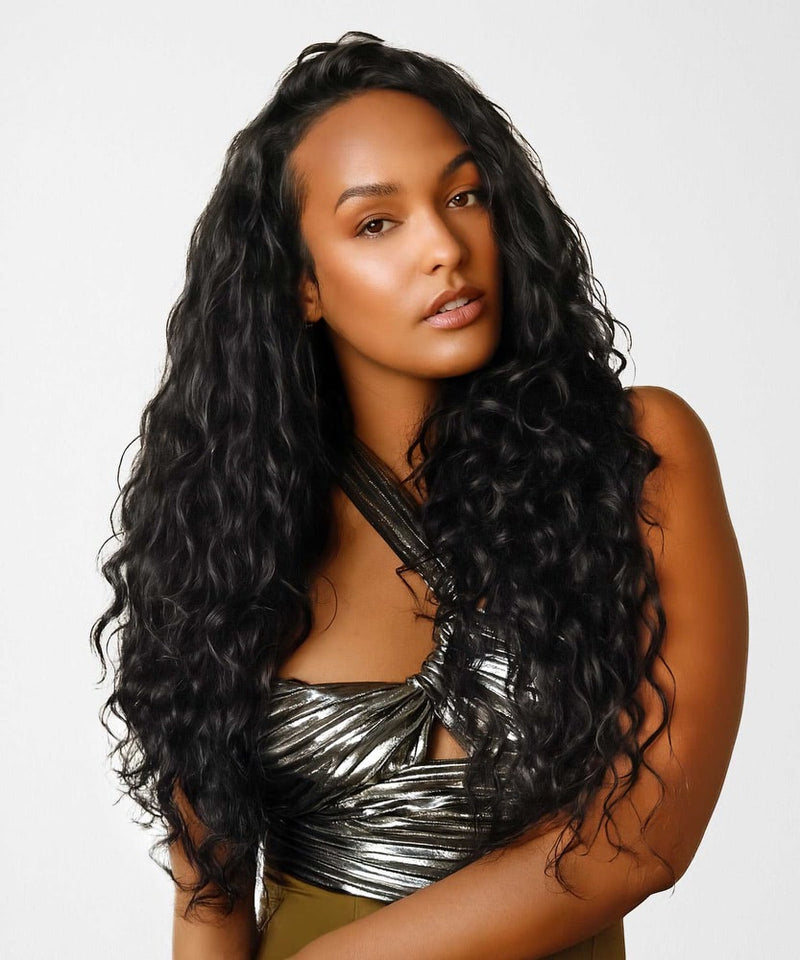
Toppers for Postpartum Hair Loss
Postpartum shedding typically peaks around three to four months after delivery and can be alarming in its severity, even though it's temporary. A lightweight topper during the regrowth phase can restore confidence while your natural hair recovers. Because the shedding is usually diffuse rather than concentrated, a medium-sized topper covering the top and crown tends to work well. Since postpartum loss is temporary, a lower price point topper is often a practical choice during this period.
Toppers for Alopecia
For women with alopecia areata (patchy loss) or more extensive androgenic alopecia, toppers offer coverage without the full commitment of a wig. The right base size depends entirely on the size and location of the affected area. For more extensive alopecia, a full wig may ultimately provide better coverage — see our wigs guide for more on that option. We also have a dedicated hair loss solutions guide covering all available options.
Solutions for Hair Loss
Volume that feels real, not heavy. Specifically designed for fine or thinning hair with lightweight construction that...
Crown Coverage for Textured Hair
Crown thinning from traction - years of tight styles, the weight of protective styling, or chemical relaxing - is one of the most common concerns we hear from customers with kinky, coily, and relaxed hair, and most of the hair loss industry treats it as an afterthought. Here's our honest guidance: our crown toppers currently come in straight, wavy, and curly. If your texture is kinky curly, tight curly, or relaxed, the better match today is our Perfect Crown halo - the first halo ever made for textured hair - which adds crown volume with no clips and no tension on edges or fragile roots. If you're not sure which route fits your texture and coverage needs, send us a photo and we'll tell you straight.
How to Wear and Style a Hair Topper
Applying Your Topper
- Prep your natural hair - Smooth your natural hair flat on top and tease it very lightly at the attachment points to give the clips something to grip.
- Open the clips - Open all clips on the topper base before placing it on your head.
- Position the topper - Place the front edge of the topper at your natural hairline or just behind it, centered over the thinning area.
- Secure the clips - Starting at the front, press each clip down and snap it closed. Work from front to back.
- Blend - Use a wide-tooth comb or your fingers to blend your natural hair over and around the edges of the topper base. A small amount of smoothing serum on the perimeter helps disguise the transition.
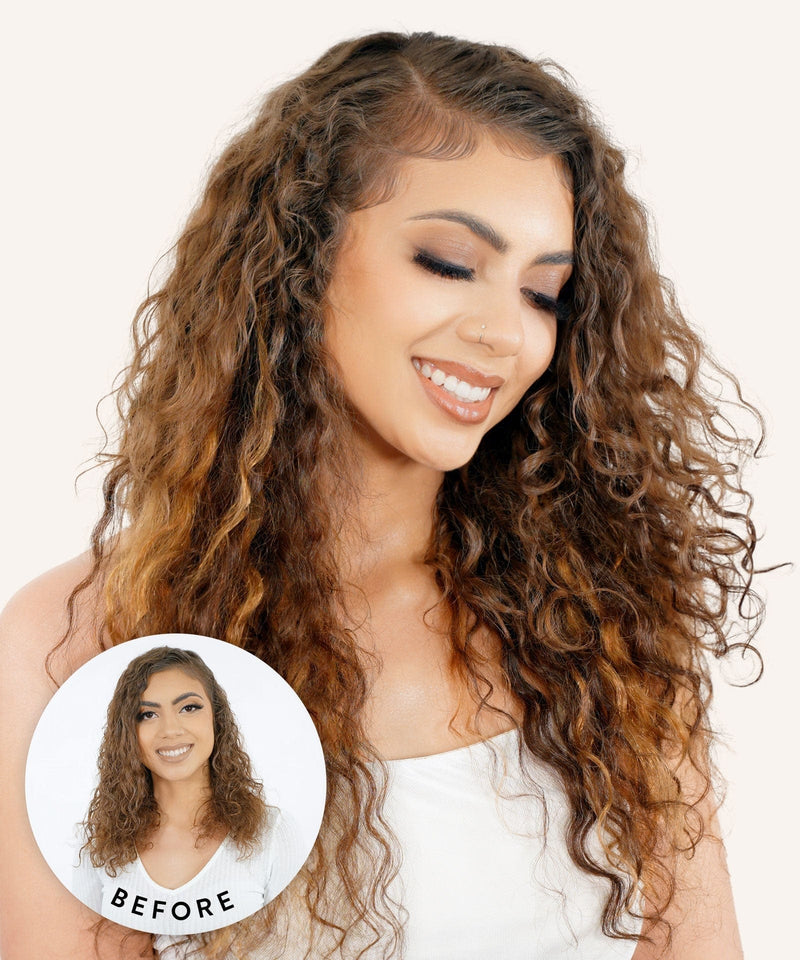
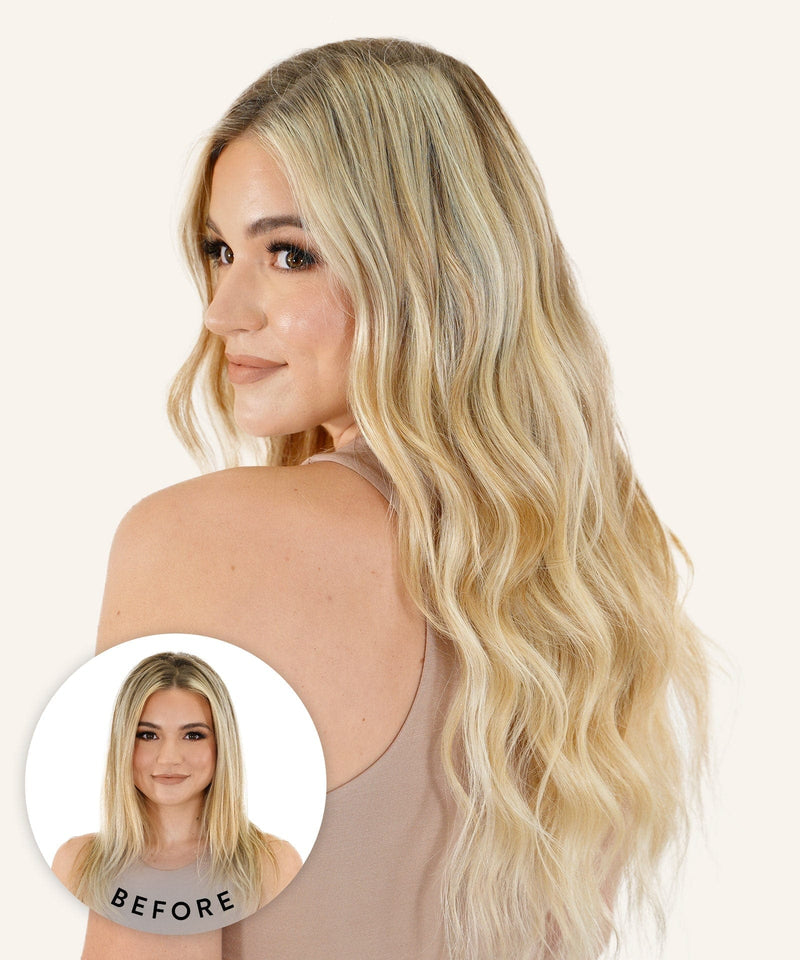
Hair Topper Transformation
See how a Perfect Locks crown topper covers thinning hair at the crown and part line for a completely natural result.
Styling Tips
Because Perfect Locks toppers are made from 100% Remy human hair, they can be curled, straightened, and blow-dried just like your natural hair. Always use a heat protectant before applying any heat. Style your topper to match your natural hair texture for the day rather than fighting against it — if you're wearing your natural hair wavy, style the topper wavy too.
Avoid applying dry shampoo or heavy products directly to the base of the topper as this can clog the base material and reduce longevity. Apply products to the hair only, not the roots.
How to Care for a Hair Topper
Human hair toppers require the same care as human hair extensions — gentle cleansing, conditioning, and proper storage between wears. Wash your topper every 10 to 15 wears, or when product buildup is visible at the base.
To wash: detangle gently with a wide-tooth comb before wetting, use a sulfate-free shampoo, condition from mid-length to ends (avoid the base), and allow to air dry on a wig stand or flat surface. Never sleep in a hair topper — remove it nightly and store it on a stand or in a breathable bag to maintain its shape and extend its lifespan.
Hair Topper Costs: What to Expect
Human hair toppers typically cost $200 to $600 depending on the base size, hair length, and quality. Longer and larger base toppers cost more because they use more hair. At Perfect Locks, our crown toppers are priced to reflect the quality of 100% Remy human hair without the salon markup — and because they're clip-in, there are no installation fees.
Compared to the ongoing cost of salon treatments or prescription topical treatments for thinning hair, a quality human hair topper is often one of the most cost-effective solutions available. For a full breakdown of hair piece and extension costs, visit our hair extension cost guide.
Insurance May Cover Your Hairpiece
Here's something most people don't know: if your hair loss is medical - alopecia, chemotherapy, thyroid conditions, and more - your topper or wig may qualify as a "cranial hair prosthesis" and be partially or fully reimbursable through your health insurance.
The process is simpler than it sounds: get a prescription or diagnosis letter from your doctor, tell us your diagnosis, and we'll prepare your invoice with the correct terminology for you to submit to your insurer. We've walked many customers through it. Full details, including what to ask your doctor for, are on our cranial hair prosthesis page.
Frequently Asked Questions
What is a hair topper?
A hair topper is a small hairpiece with a clip-in base that sits on top of the head to cover thinning or loss at the crown, part line, or hairline. Unlike a full wig, a topper blends with your natural hair on the sides and back — only covering the area that needs it. They're designed specifically for women experiencing thinning at the top of the head.
How do I know what size hair topper I need?
Measure the length and width of your thinning area using a soft tape measure, then add about half an inch on each side. That gives you the base size you need. A base that's too small won't cover the thinning area; one that's too large will sit unnaturally and cover hair that doesn't need covering. When in doubt, size up slightly — you can always position a larger base slightly off-center.
Are hair toppers noticeable?
A well-matched human hair topper in the right base size is virtually undetectable. The key factors are getting the base size right so it covers the thinning without overhanging onto thick hair, matching the color and texture accurately, and blending your natural hair around the perimeter. Monofilament bases are the most natural-looking because the mesh mimics the appearance of a real scalp.
Can I sleep in a hair topper?
No — hair toppers should be removed before sleeping. Sleeping in a topper causes unnecessary friction and tangling that significantly shortens the lifespan of the hairpiece. Remove it nightly and store it on a wig stand or in a satin bag to maintain its shape.
How long do human hair toppers last?
With proper care, a human hair topper from Perfect Locks lasts one to three years. Longevity depends on how often you wear it, how frequently you wash it, and how you store it when not in use. Avoiding excessive heat, using sulfate-free products, and storing it on a stand when not wearing it all extend the lifespan significantly.
Can I color or heat style a human hair topper?
Yes. Human hair toppers can be curled, straightened, blow-dried, and in most cases colored, just like natural hair. Always use a heat protectant before applying heat tools. If you want to color your topper, we recommend having it done professionally to avoid damage, and note that lightening (going blonder) is harder on the hair than going darker.
What's the difference between a hair topper and a wig?
A wig covers your entire head and replaces all of your visible hair. A topper covers only the top of the head and relies on your natural hair for the sides and back. If you have healthy hair everywhere except the crown or top, a topper is almost always the better option — it's lighter, more breathable, more natural-looking, and easier to style day-to-day.
Are hair toppers good for thinning hair?
Yes — hair toppers were specifically designed for thinning hair. They provide coverage exactly where most women experience loss (the crown and top of the head) without requiring any permanent commitment or salon installation. For mild to moderate thinning, a topper is often the most natural-looking and practical solution available.
Do hair toppers damage your natural hair?
When applied correctly and removed each night, hair toppers cause minimal stress to natural hair. The clips grip the hair gently without chemicals or heat. As with any clip-in hairpiece, wearing one every day without breaks can cause some tension at the clip attachment points over time. Rotating the clip placement slightly between wears and never sleeping in the topper are the best ways to protect your natural hair.
Can hair toppers be used for alopecia?
Yes — hair toppers work well for many forms of alopecia, particularly androgenic alopecia (female pattern hair loss) and alopecia areata when the patch is contained to the top of the head. The right base size depends on the extent of the affected area. For more widespread loss, a full wig may provide better coverage. Our hair loss solutions guide covers the full range of options.
What if I can't figure out my size, texture, or color on my own?
Then let us do it with you - that's what we're here for. Send a photo of your crown and part in natural light, and a real stylist (not a bot) will recommend your base size, texture, and color match, free, usually the same day. We look at every request personally. Start with our free consultation and we'll take it from there.
Not sure where to start? Talk to a stylist - it's free, real matches usually come back the same day, and every piece is backed by our 30-day return policy and a family team in Walnut Creek that has been doing this since 2007.