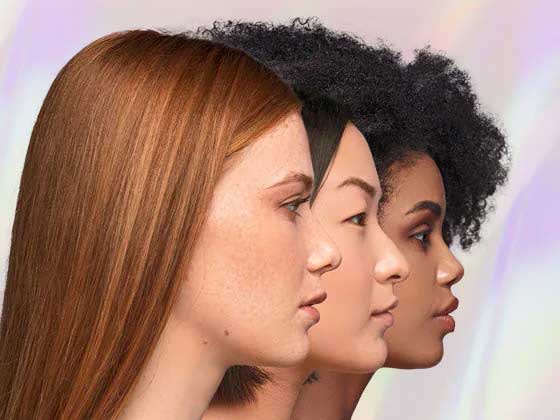
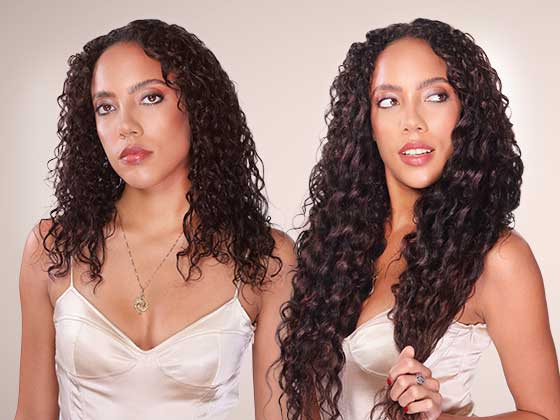
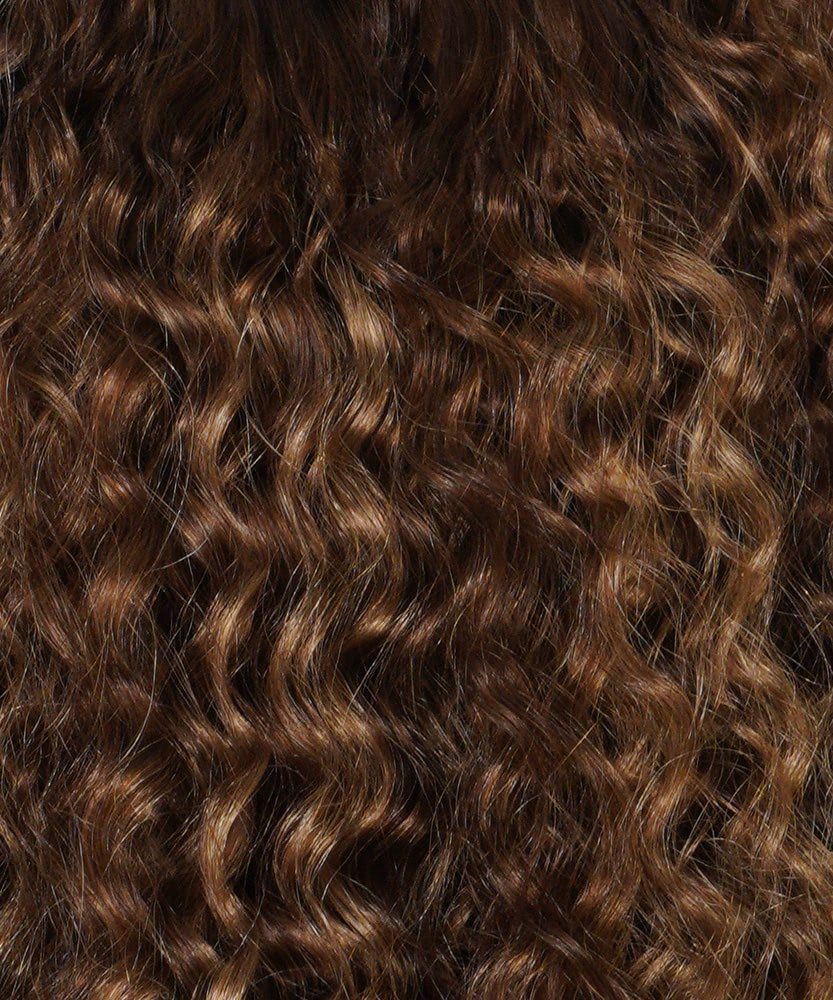
During the winter months, not only do we have to deal with the elements robbing our hair of its essential moisture, but we also are damaging with any of the other root causes of excessively dry hair. Because of all our offerings are made with premium quality human hair, it too is susceptible to the same kind of issues your natural hair deal with in colder, dryer seasons. We rounded up some of our best life hacks for two of the biggest challenges the change of seasons brings dry hair and frizz!

Dry Hair During the Winter Months
When your natural hair, your hair extensions, wig or unit is visibly dry and dull there always four common culprits:
Challenge #1Over-washing or using a harsh shampoo strips away your hair's natural oils or damages your add-on hair.
Life Hack: For everyday use you need a good sulfate free hair care products. If the damage has already happened, two times a week a you can a Deep Conditioning Mask to offer more in-depth repair. For curly hair, try products specially formulated to nourish and hydrate your curls.
Using heated hair straighteners or curling irons
Life Hack: Instead of using a hot tool, squeeze out excess water as soon as you’re out of the shower, then let your hair air-dry for five or ten minutes before blow drying. If you need to use a flat or curling iron, just make sure you are using the right temperature for your hair type or the hair type of your extensions or wig.
- Fine, chemically treated or damaged hair: should only be ironed at a low setting, below 300 degrees.
- Normal hair can be ironed at 300 to 380 degrees.
- Thick, coarse or extra curly hair can be ironed at 350 to 400 degrees.

Challenge #3
Exposing your hair to lots of sun, wind, or dry air
Life Hack: During the winter months, not only is the sun closer to the Earth, but UVA & UVB rays reflect off the snow causing sun burns and also photo-aging of hair color. Don’t be afraid to rock a fun hat in the winter and to minimize “hat hair” combine some of our leave-in conditioner with braids or a ponytail to keep your hair composed.
Frizz Got You Freaking Out?
There is nothing more frustrating than stepping out the door and watching your hair start to frizz up as the morning goes on. Static flyaway hair is caused by 1 of 3 causes: friction, low humidity and hair condition.

Unlike electric charges (which are moving), static charges are stuck in one spot on an insulated surface (like your hair or a balloon after you rub it on your sweater.) All these built-up charges repel each other and push your hair fibers apart.
- Cause #1 Friction: When you brush or comb your hair or pull on a sweater, you are rubbing material you’re creating friction that causes electron transfer
- Cause #2 Low humidity: Moisture in the hair helps to disperse electrical charges as water molecules themselves are conductive. In dry, winter weather the charges are stuck to your hair.
- Cause #3 Hair Condition: The drier and more damaged hair is, the more negative charge it has and more likely will be able to transfer electrons into itself from the environment.
What's a Woman to do?
Lock it in place with a styling product, lubricate it with an oil to reduce friction or simple get rid of the charge completely with a good leave in conditioner, or for curly textured extensions, wigs, systems or your own hair use our Curl Care Nourishing Spray.
Life Hack: Swap out your cotton pillowcases for silk! Because of the finery of silk, as you sleep the fibers won’t cause your hair extensions to mix, mingle and rough up. Here’s a bonus tip: avoid sleeping with wet hair…it’ll help but a crimp on tangling!
Winter Frizz Control for Extension Wearers
"Winter frizz has two causes: low humidity pulling moisture from the hair shaft, and static electricity from dry air and friction against hats and scarves. Both are solvable. The extension-specific consideration is that you're managing two textures - your natural hair and the extension hair - and they may respond slightly differently to the same conditions."
- Priyanka Swamy, Founder of Perfect Locks
Anti-Frizz Techniques That Work in Winter
The LOC method for extension hair: Apply a Liquid (leave-in spray), then an Oil (argan or jojoba), then a Cream (smoothing cream or styling product) to your extension hair before styling. This layering approach seals moisture progressively so it's less vulnerable to what dry winter air strips away.
Anti-humidity serum as a finisher: Apply a small amount of anti-humidity serum to the surface of your styled hair as the last step before going outside. This creates a barrier that resists moisture fluctuation - important not just in humid summer but in dry winter where air actively strips moisture.
Avoid touching throughout the day: Body heat and the oils from your hands warm and soften the styling product that's controlling frizz. Every touch disrupts this. Style once, apply your finishing serum, and leave it.
Cold rinse when washing: Finish every wash with a cold water rinse. Cold water closes the cuticle, creating a smoother surface that reflects light and resists frizz. Hot water keeps the cuticle open - a texture that catches moisture from the air and expands into frizz.
Microfiber towel only: Terry cloth towels rough up the cuticle during drying. A microfiber towel or cotton t-shirt absorbs excess water with friction that's significantly gentler on the cuticle surface.
Managing Static in Extension Hair
Static is more common in winter because dry air increases the electrical charge between hair strands. For extension wearers:
A few drops of argan oil smoothed over the hair surface neutralizes static immediately. Anti-static dryer sheets run lightly over the hair also work - this is a stylist trick that's unglamorous but genuinely effective. Silk and satin-lined accessories (hats, scarves) generate far less static than wool or synthetic alternatives against hair.
Frequently Asked Questions
Why is my hair so frizzy in winter?
Two main causes: cold, dry air pulls moisture from the hair shaft causing the cuticle to lift and create frizz texture, and static electricity from dry air and friction against winter accessories. Both are worsened in extension hair because extensions can't draw on scalp oils for any moisture recovery.
How do you get rid of winter frizz?
Apply a leave-in conditioner and seal with a lightweight oil after washing. Use an anti-humidity serum as your final styling step before going outside. Finish washing with a cold water rinse to close the cuticle. Use microfiber instead of terry cloth for drying. Avoid touching hair throughout the day. A bedroom humidifier reduces the dryness that causes frizz passively overnight.
How do you stop hair extensions from frizzing?
Moisture is the answer. Extensions frizz when they're dry - the cuticle lifts and catches humidity from the air. Consistent moisturizing (leave-in conditioner daily, deep condition weekly), sealing with a lightweight oil, and anti-humidity serum as a finisher address all three vectors of winter extension frizz. Silk-lined hats and pillowcases also reduce the friction that roughens the cuticle.