Kirin's story is one of strength and quiet determination. After being involved in a drunk driving accident, she underwent two brain surgeries to remove pieces of her fractured skull. The recovery left her with a large scar on her scalp and a complicated relationship with her hair.
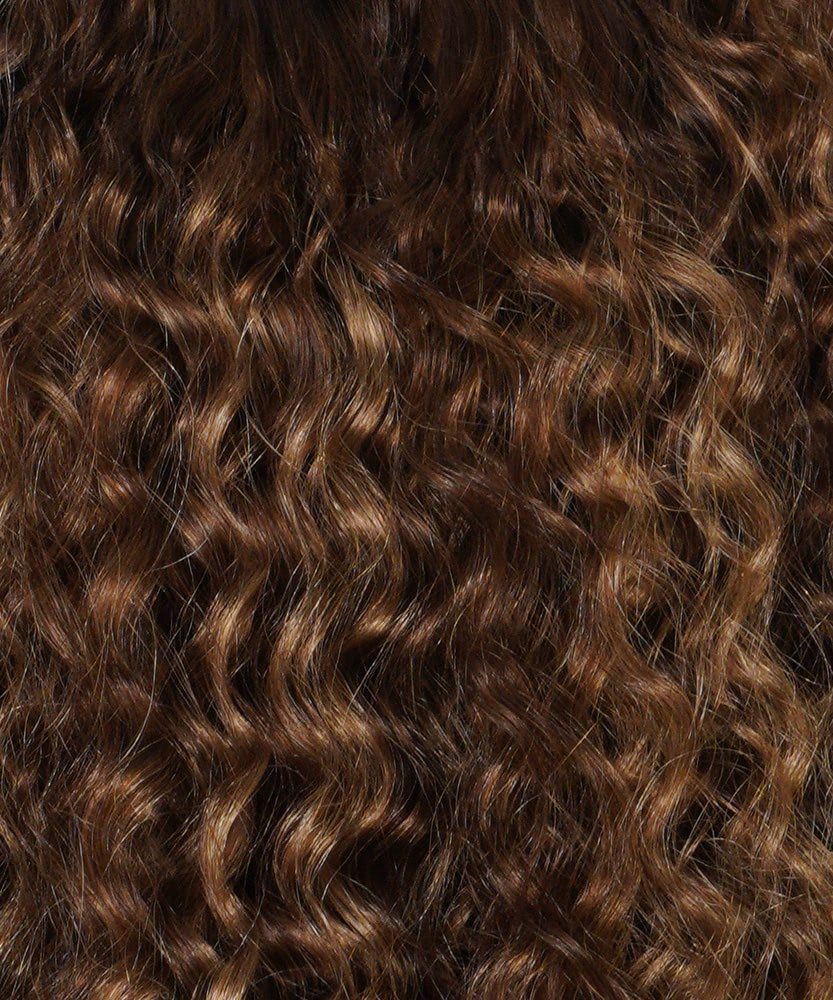
When Kirin came to Perfect Locks, she wasn't looking for transformation in the dramatic sense. She was looking for permission to feel like herself again. We worked with her on a 24" Wavy Lace Front Wig - 100% Remy human hair, with the lace customized to match her skin tone for a hairline that reads naturally even up close.
When she put it on for the first time, the change in the room was visible. The scarring she'd been carrying as a daily presence was hers alone again - covered, but more importantly, no longer in front of her every time she looked in the mirror. She was empowered by the knowledge that she'd triumphed over what life had thrown at her, and the wig gave her something to match the strength she already had.
Before she left, she said something that's stayed with our team since.
No matter the challenges life throws at you, always find your way to fight through them with courage and grace.
It's the kind of thing we hold onto. It's why we do this work.
If you have scalp scarring or significant hair loss
Scalp scarring from injury, surgery, or certain types of alopecia presents a different set of considerations than diffuse thinning or treatment-related loss. The follicles in scarred areas typically don't regrow hair, which means the cosmetic solution needs to provide reliable, full coverage in those specific areas.
Wigs are usually the most reliable choice for scarring. Toppers and clip-ins need existing hair to anchor to, which scarred areas can't always provide. A full wig sidesteps the issue entirely - the coverage is in the wig itself, not in your remaining hair.
Lace front matters when you wear your hair forward. If your hairline area is affected by scarring, a hand-tied lace front gives you a natural-looking forehead transition that a wefted cap doesn't. Our lace front wigs are tied by hand at the front and machine-wefted at the back for the right balance of natural look and durability.
Work with a dermatologist alongside the cosmetic solution. Some scarring conditions are progressive, and a dermatologist can confirm what to expect and rule out anything underlying. We work in parallel with medical providers regularly - reach out and we'll coordinate.
Frequently Asked Questions
Can hair extensions work with scalp scarring?
It depends on where the scarring is and how much remaining hair you have to anchor to. For localized scarring with healthy surrounding hair, clip-in extensions or hair toppers can provide coverage. For larger areas of scarring or when remaining hair is too sparse to anchor extensions safely, a full wig is usually the better solution. We can assess the right approach in a consultation.
What's the difference between a lace front wig and a full lace wig?
A lace front wig has hand-tied lace at the front hairline and machine-wefted hair at the back, giving you a natural-looking front while keeping the cap more affordable and durable. A full lace wig is hand-tied across the entire scalp and lets you part the hair anywhere or pull it up. Lace front works well when you wear your hair down or forward; full lace gives you maximum styling freedom.
Will a wig irritate scalp scarring?
Modern lace wigs are typically comfortable on scarred scalps because the lace is breathable and there's no adhesive directly on the scalp tissue. We recommend wigs with breathable cap construction (full lace or lace front with stretch panels) for sensitive or scarred scalps. Avoid adhesive-based attachment directly on scar tissue - use grip bands or wig tape on healthy skin instead.
How do I find the right length and style for my situation?
Send us photos of your hair history if you have them, your current state, and the look you're picturing. Our team does a real consultation - not a sales pitch. We'll talk through length, texture, color, and cap construction based on your specific situation. If you can come to our Walnut Creek showroom, we can fit you in person.