Bad Hair Extensions: How to Prevent a Hair Extension Fail
The short version: almost every hair extension fail traces back to one of four things - the color is off, the texture does not match, the install is wrong, or the aftercare is wrong. Each one is preventable, and most are fixable after the fact.
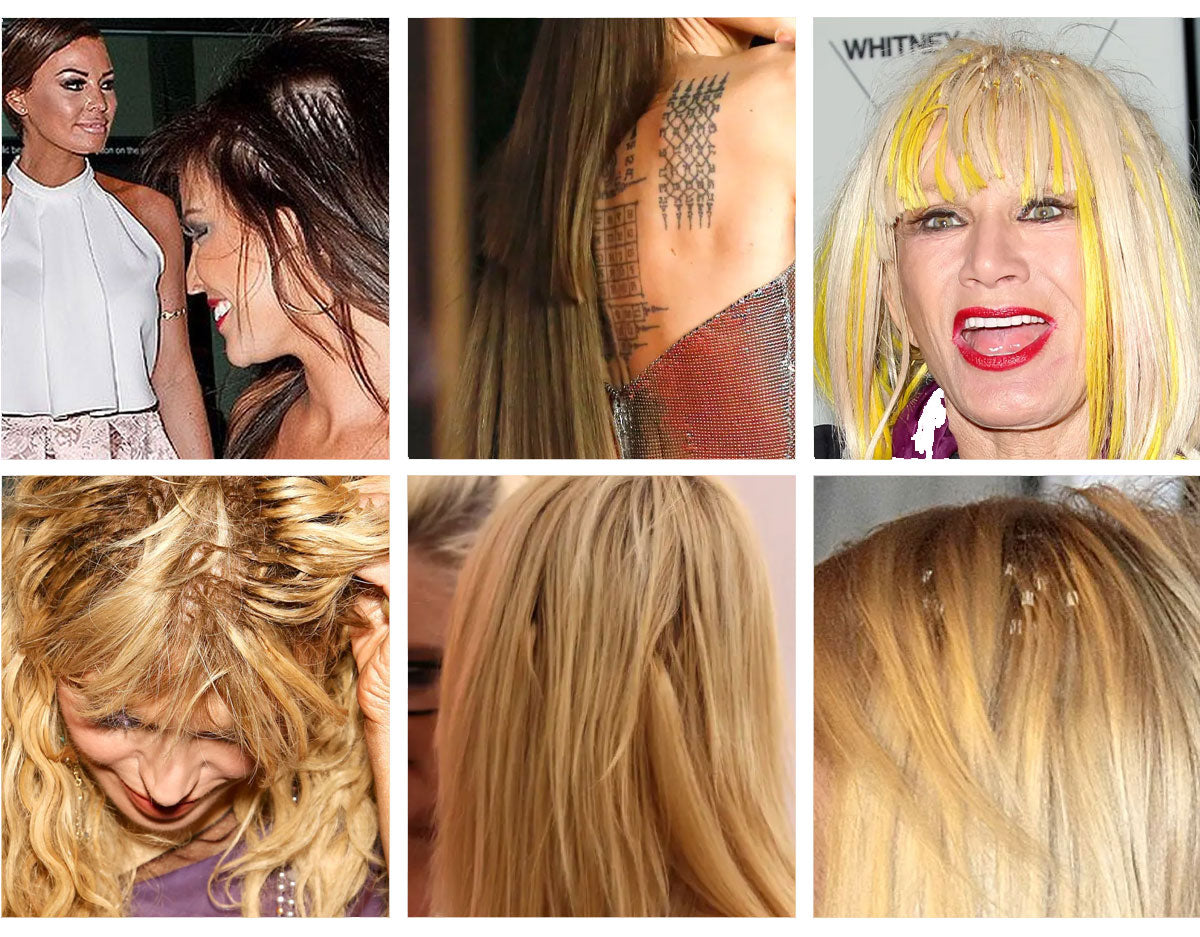
Bad hair extensions are easy to spot and hard to un-see. A visible line where the weft sits. Ends that look nothing like the hair above them. A shade that reads warm in daylight and grey under shop lighting. When paparazzi photos of a celebrity's tangled, over-long extensions do the rounds, the comments are never about the hair being long - they are about it being obvious.

We have been fitting and shipping extensions since 2007, and the failures we see repeat themselves. Below is what a bad set actually looks like, the four root causes, and what to do if yours has already gone wrong.
What Bad Hair Extensions Look Like
Before diagnosing the cause, it helps to name the symptom. These are the signs people are usually reacting to when they say extensions look bad or fake:
- A visible horizontal line or ridge where the weft sits under the top layer
- Ends that are noticeably thicker or thinner than the natural hair above them
- A color that matches indoors but separates in daylight
- Unnatural, plastic-looking shine, usually from silicone coating on cheap hair
- Matting and knotting at the attachment points
- Wefts that slide down through the day or peek out at the crown
- Two clearly different textures on one head, most obvious on wash day
"Most extension fails we see are preventable. The biggest one is buying online based on photos without getting a proper color match first. Hair color varies enormously depending on lighting, screen settings, and photography. A photo that looks like your exact shade can be completely wrong in person. This is why we offer free color matching consultations."
- Priyanka Swamy, Founder of Perfect Locks
Fail 1: The Color Is Off
Color is the fail that is hardest to recover from mid-wear, and the one most often caused by ordering from a product photo. Monitors and phone screens render color differently, and outdoor light exposes a mismatch that looked fine in a bathroom mirror.
The reliable method is to send a photo of your hair in natural outdoor light and let someone match it against real swatches. If you are between two shades, go slightly lighter - lighter hair can be toned down, and hair that is too dark is much harder to work with.
We cover the full process, including how to match roots and ends separately, in our hair extension color match guide, and the specific errors people make in 3 common mistakes when color matching extensions.
Fail 2: The Texture Does Not Match
A perfectly color-matched extension in the wrong texture still creates a visible line, and it shows up worst on wash day when nothing is heat styled.
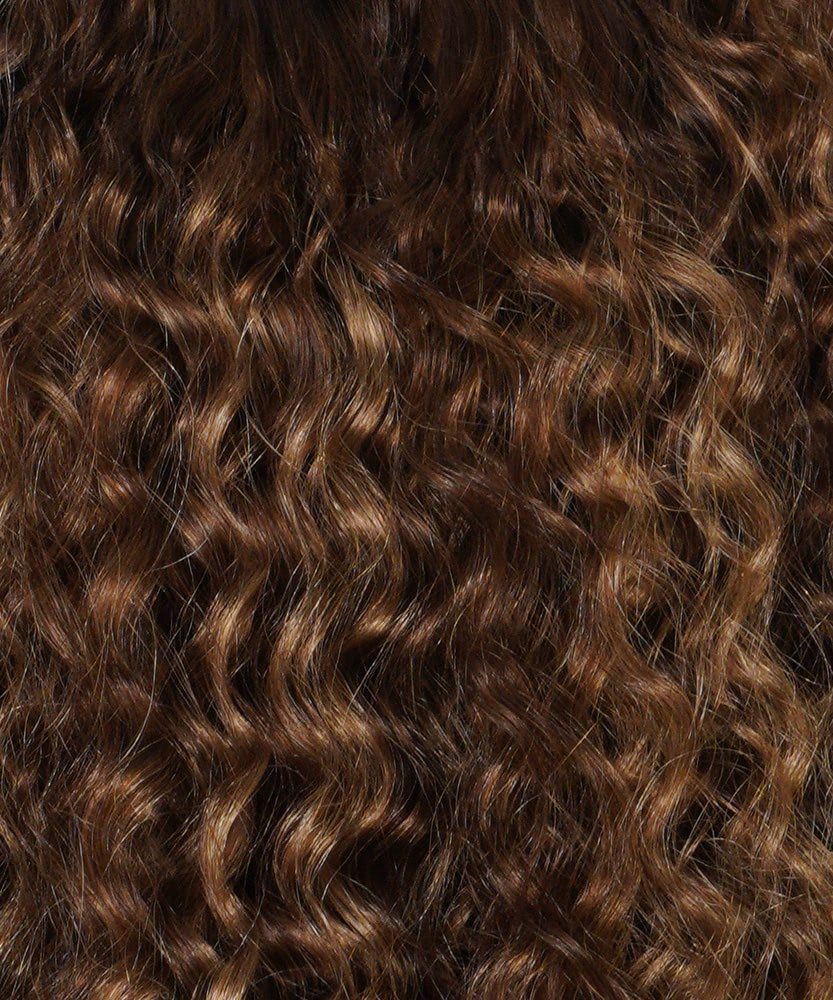
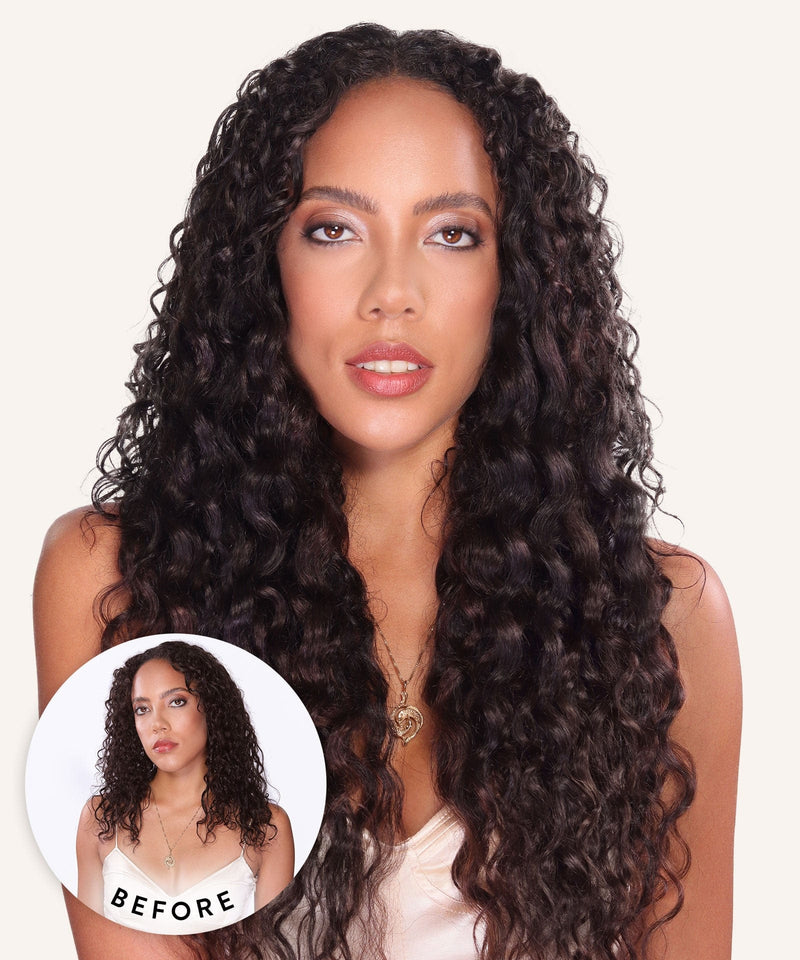
The two common versions: straight extensions on naturally curly hair, where the extension falls straight while your own hair curls, and overly silky extensions on coarser natural hair, where the difference in shine gives it away instantly. The fix in both cases is to match the pattern you wear day to day rather than the one you get after an hour with a straightener. Our curly and textured range runs from loose wave through kinky curly for exactly this reason.
Tip: if you are unsure how your natural pattern behaves unstyled, wash and air dry without product, then photograph it. That is the texture your extensions need to blend with.
Fail 3: The Install Is Wrong
Color and texture can both be right and the set can still read as fake if it is placed badly. This applies whether you are fitting clip-in hair extensions at home or having tape-in extensions fitted in a salon. Four install mistakes account for most of it.
Placed too high. Clips or wefts near the crown show through the top layer. They should sit below the natural part line, with enough hair above to cover the attachment.
Not enough clips engaged. Under-clipping is why wefts slip and shift through the day. Use every clip in the set, including the middle clips on wider wefts. If clip-ins consistently slide on fine or silky hair, seamless clip-ins are built differently and tend to grip better.
Skipping the backcomb. A light backcomb at the root before clipping gives the clip something to hold. Without it there is very little grip and the weft travels.
Too much weight in one row. Stacking several wefts in the same horizontal section creates a heavy, bumpy ridge that shows through. Spread the weight across multiple rows instead.
Careful: tension is not the same as security. A row that is painfully tight is not holding better, it is putting strain on the hairline. If it hurts, it is too tight.
Fail 4: The Aftercare Is Wrong
A well-chosen, well-installed set can still fail within weeks with the wrong routine. Extensions cannot replenish oil from your scalp, so everything they get, they get from you.
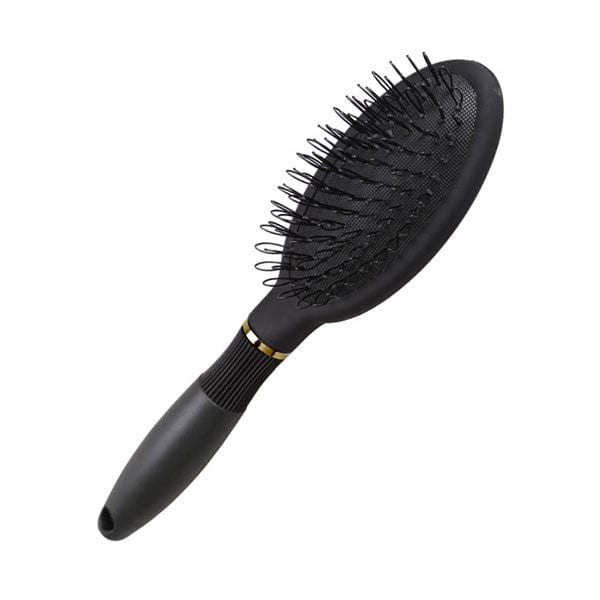
Brush from the ends up, never root to tip. Brushing downward from the root drags tension straight through the attachment points, which causes shedding and weakens the weft. Work upward in sections with a brush made for extensions, so it glides past the bonds instead of catching on them.
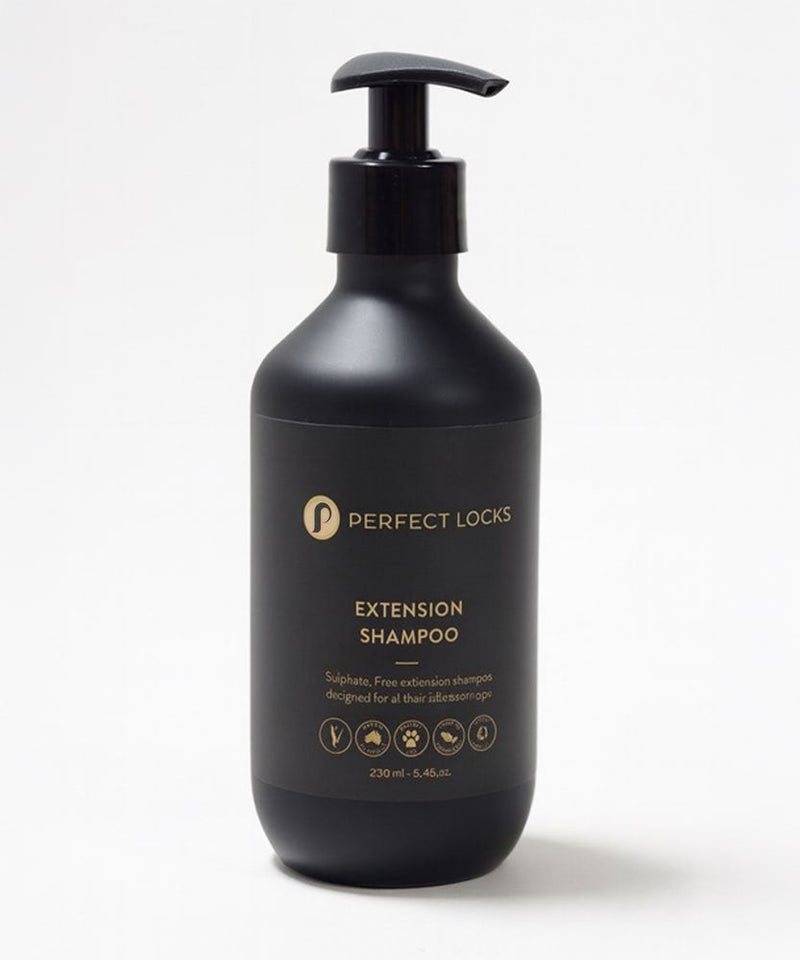
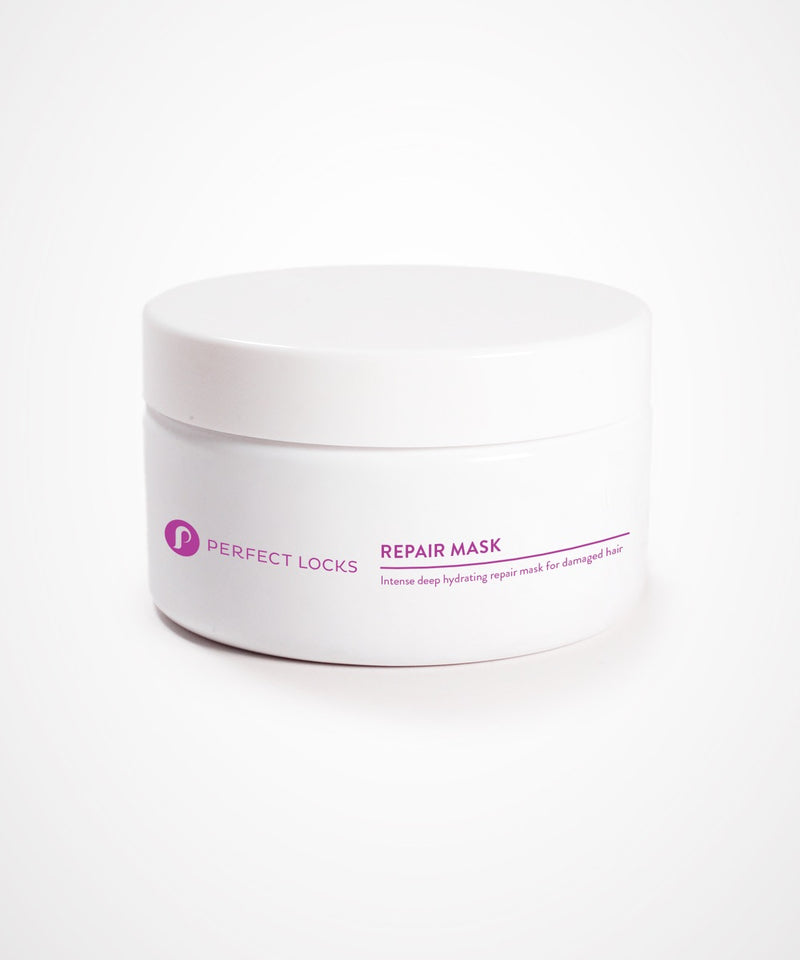
Wash less often, and never with sulfates. Sulfates strip the moisture extensions cannot replace, which is what turns a good set dry, brittle and frizzy. A gentle sulfate-free shampoo keeps the bonds intact, and a deep conditioning mask after washing keeps the mid-lengths and ends smooth.
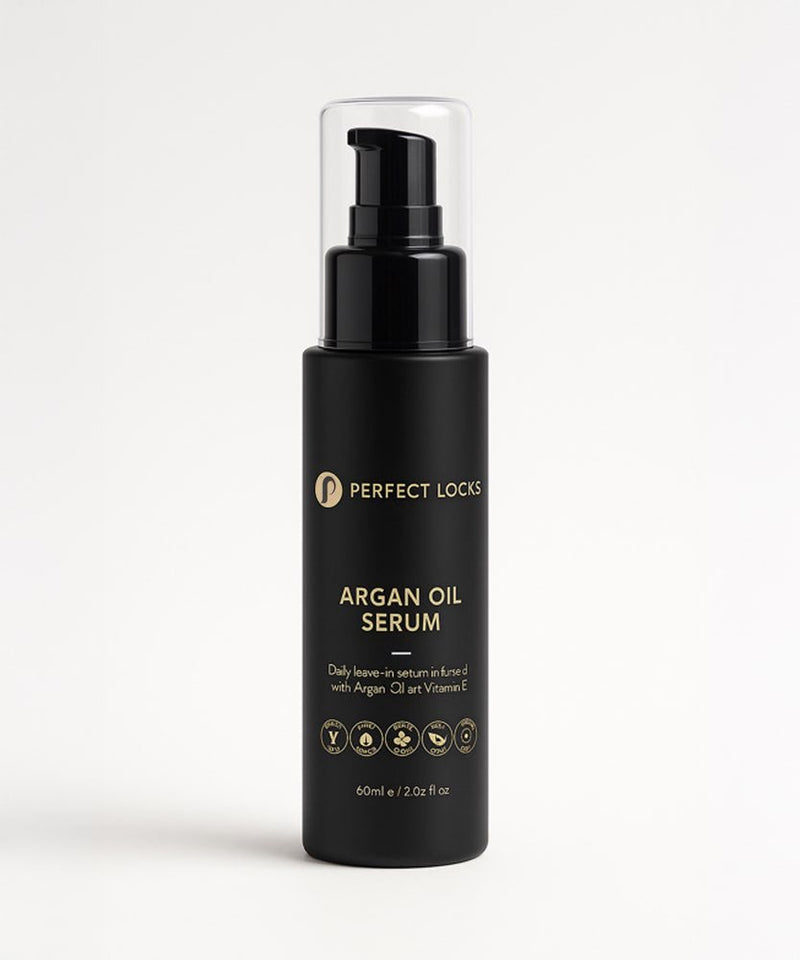
Protect them overnight. Friction against a pillowcase is what causes most overnight matting. Tie wefts or bonded extensions into a loose low ponytail or braid, or wrap in a silk scarf. A light oil through the ends before bed adds moisture back where it is lost fastest. Clip-ins should come out entirely before you sleep or shower.
How to Fix Extensions That Have Already Gone Wrong
If you are reading this after the fact rather than before, most fails are recoverable.
Matted or tangled. Do not pull. Work from the ends upward with conditioner and a wide-tooth comb, section by section. Our full method is in how to prevent extensions from matting.
Wrong color. Too dark can be lifted by a professional colorist. Too light can be toned or deposited down. A wrong tone, too warm or too cool, is usually correctable with toner alone. For a significant mismatch, exchanging for the correct shade is the better call than processing hair you have just bought.
Visible or unblended. This is a placement and cutting problem more often than a hair problem. Our guide to blending extensions with your own hair covers layering and placement, and if you are working with a shorter cut, blending extensions with short hair deals with that specific problem.
Damaged natural hair underneath. If your own hair is showing breakage at the attachment points, the method was wrong for your hair rather than the hair being wrong. Start with the least damaging extension methods before your next install.
Not Sure Which Extensions Are Right for You?
Take our quick quiz to get a personalized recommendation based on your hair type, lifestyle, and styling preferences.
Take the QuizClip-In Hair Extensions
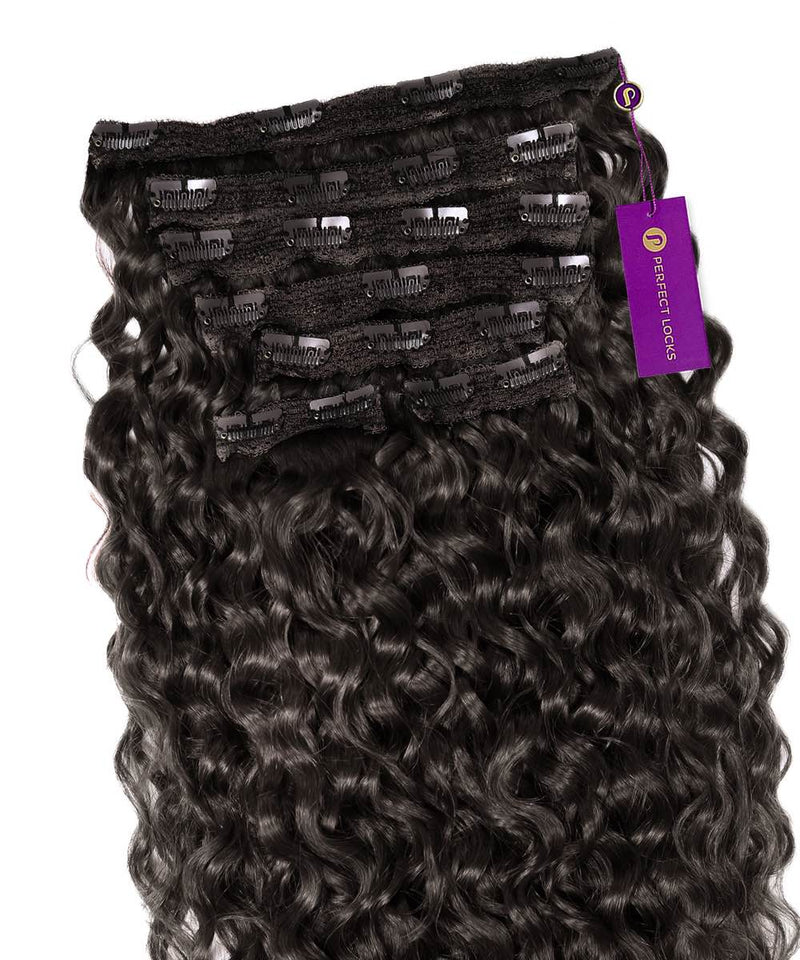
Your hair, but the version you've always wanted. Clip-in hair extensions snap in for instant length and volume and co...
Frequently Asked Questions
What do bad hair extensions look like?
The clearest signs are a visible line or ridge where the weft sits, ends that are noticeably thicker or thinner than the natural hair above, a color that separates in daylight, unnatural shine from silicone coating, and matting at the attachment points. Wefts that slide down through the day are usually an install problem rather than a hair quality problem.
Why do my hair extensions look fake?
Usually one of four things: the color is off by a shade or more, the texture does not match your natural pattern, the wefts sit too close to the crown where they show through the top layer, or the hair is coated in silicone that reads as plastic shine. A proper color match and genuine Remy human hair resolve most of it.
How do you keep hair extensions from slipping?
Backcomb lightly at the root before each clip to create grip, close every clip fully, use all the clips in the weft including middle clips on wider pieces, and avoid overloading a single section. If clip-ins still slip on fine or silky hair, seamless clip-ins have a different construction that grips better.
Can you fix hair extensions that have gone wrong?
In most cases yes. Matting can be worked out from the ends up with conditioner and patience. Color that is too dark can be lifted professionally, and too light can be toned down. Placement and blending problems are fixed by repositioning and cutting rather than replacing the hair. Damage to your own hair is the one that needs time rather than a fix.
Do bad hair extensions damage your hair?
Poorly fitted or overly heavy extensions can cause breakage and tension at the hairline, which is a fitting and weight problem rather than something inherent to extensions. Choosing a method suited to your hair density and keeping tension low is what prevents it.