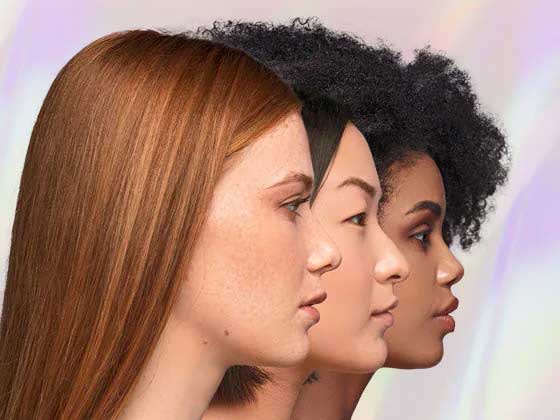
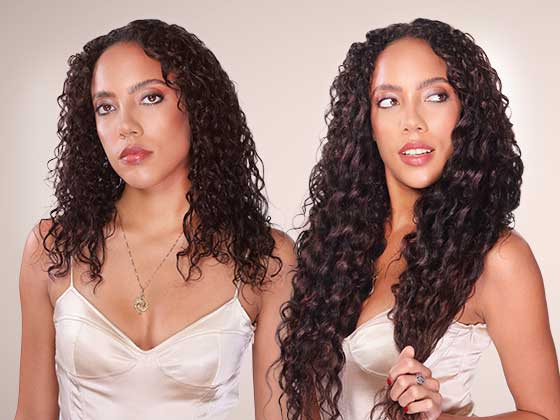
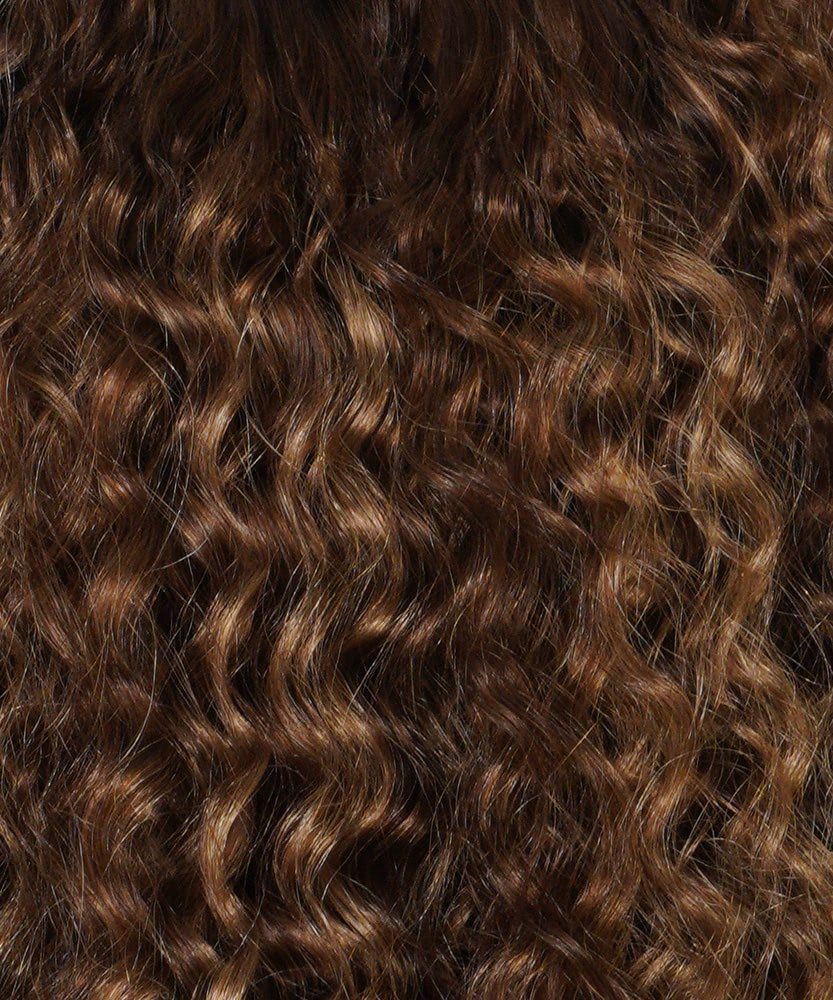
The rules to keep them from frizzing out, drying up and tangling.
Winter poses a number of challenges for your own natural hair. From the rapid temperature changes from frigid winter winds outdoors to moisture stealing baseboard heating…it’s a season VERY unfriendly to hair.
One of the biggest mistakes we’ve all made at one point or another is taking advantage of our hair extensions and add-on hair pieces, forgetting the fact that they are made off 100% human hair. Because of this, they are as prone to damage from the environment, thermal styling tools and product buildup as our own natural hair is.

Just like your natural hair, hair extensions need to be washed and conditioned regularly to keep them from tangling and looking worn in. Fusion hair extensions, and even tape-in extensions are the most durable, but they require brushing, sulfate free shampoo & conditioner and proper care to stay flawless. While clip-ins require the least amount of maintenance, they still require a little love. After each 6th to 8th time wearing them, they should gently washed, combed and conditioned and allowed to air dry on a towel to keep them looking their best. Fear not, below are a few key rules to keep your add-on hair looking as gorgeous as you are!
#1: When it comes time to wash them, what you use matter
Chemicals and caustic drying ingredients such as lather-creating sulfates commonly found in your typical shampoo strip natural oils and damage the cuticle layer. Since your add-on hair lacks the benefit of getting a top up dose of oils from your scalp that your natural hair does…it’s all the more important to use products specifically designed for them. For this reason alone we created a complete hair care collection that is sulfate-free and will never damage your extensions: INSPIRE.
2: Tangling will happen, the key is a brushing routine & the right tool
In the old days matting, tangling and shedding were on the biggest challenges with add-on hair. Hair technology has come a long way, but tangling is still a challenge if you scrimp on brushing your extensions or use coarse brushes that can cause damage. Specially designed loop brushes such as the Perfect Lock Hair Extension Loop Brush uses loops instead of bristles.
- To brush: hold your hair roots with one hand to support the bonds. With the other hand, brush gently by starting at the ends and working up toward the scalp. Always go in a downward direction to preserve the hair’s natural direction.
- It’s important to brush at least twice time a day. It’s one of the best ways you can get the most out of your hair extensions.
- A tool like a hair extension detangling caddy can assist you with this process.
#3: When you wash them, avoid the "ball and lather" mistake
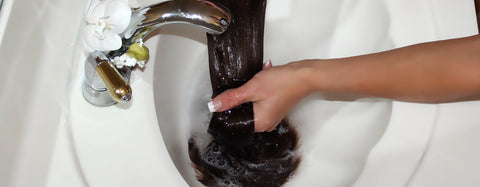
Extensions need to be treated gently…but still cleansed and conditioned from time to time. Shampoo and conditioner thoroughly and gently, comb your hands through your hair from weft to ends, keeping the hair as straight and smooth as possible. Never “ball and lather” the hair, as ultimately this puts strain on the bond and also leads to a tangled mess.
For more tips, tricks and trends…follow this blog! We’ll keep you in the know all winter long.
The Complete Winter Extension Protection System
"Winter protection for extensions comes down to three things: moisture, friction prevention, and heat protection. Cold air strips moisture. Hats and scarves create friction. Heating tools compensate for both - but add their own heat stress. Addressing all three systematically is how you get through winter with extensions that look as good in March as they did in November."
- Priyanka Swamy, Founder of Perfect Locks
Moisture Protection
The foundation of winter extension protection is consistent moisture. Deep condition twice weekly rather than weekly. Apply leave-in conditioner daily. Seal with argan or jojoba oil on the lengths. Run a bedroom humidifier to offset indoor heating dryness. These four habits directly combat the main way winter damages extension hair.
Friction Prevention
Winter accessories - wool hats, cashmere scarves, turtleneck collars - all create friction that roughens the extension hair cuticle, causes static, and promotes tangling. Solutions:
Wear silk or satin-lined hats rather than unlined wool. Tuck extension hair into your coat rather than leaving it over the top (collar friction on mid-length hair is particularly damaging). Apply anti-static serum before putting on hats and scarves. Secure hair in a loose braid before layering on winter accessories - a braid contains the hair and minimizes surface area exposed to friction.
Heat Protection
Winter often means more heat styling - compensating for frizz, refreshing styles that weather disrupted, and blowing out wet hair quickly in cold weather. Every heat styling session without protection adds cumulative damage. Apply heat protection spray before any hot tool every single time. Consider whether air drying is possible on more days (using a diffuser for curly textures) to reduce overall heat exposure.
The Nightly Winter Routine
Before bed: remove clip-ins and store on a hanger, apply a light oil to the extension lengths, store in a silk bag. Or for semi-permanent extensions: loose braid at the nape, satin bonnet, sleep on a silk pillowcase. This 3-minute nightly routine protects against the overnight dehydration that compounds through winter months.
Frequently Asked Questions
How do you protect hair extensions in winter?
Three priorities: moisture (deep condition twice weekly, leave-in daily, seal with lightweight oil), friction prevention (satin-lined hats, hair in braids under accessories, anti-static serum), and heat protection (apply protection spray before every hot tool, reduce heat styling frequency when possible). These three categories cover the main ways winter damages extension hair.
Why do extensions get dry in winter?
Cold outdoor air is low-humidity air, and indoor heating further lowers humidity. Both conditions pull moisture from the hair shaft. Extension hair has no scalp sebum to replenish this moisture - what you add externally is all it gets. This is why winter requires more frequent conditioning than other seasons: the environment is actively working against the moisture your extensions need.