How to Add Volume to Hair: 12 Proven Ways (Styling + Extensions)
If your hair falls flat by noon, refuses to hold a blowout, or looks thinner than it feels when you run your fingers through it, you're not alone. Volume is the single most common thing we hear from customers at Perfect Locks. The good news: you have a lot more options than the volumizing shampoo aisle suggests.
This is the complete guide to adding volume to your hair - the styling cheats that take 60 seconds, the blowout technique that actually lifts your roots, the extension methods that solve the problem at the source, and how to know which combination is right for your hair type.
"Volume is the most requested thing we hear from customers, and it's also the area where marketing makes the most promises that products alone can't keep. A volumizing shampoo helps at the margins. Extensions solve the problem directly. The combination of good technique and the right amount of extension hair gives you the volume that no single product can replicate."
- Priyanka Swamy, Founder of Perfect Locks
Quick Answer: How to Add Volume to Hair
The fastest routes to visible volume, in order of impact: clip-in hair extensions (adds actual hair mass), a halo extension for targeted crown volume, the upside-down blowout with root lift mousse, backcombing at the roots, and switching your natural part. Styling cheats maximize what's there; extensions solve a density deficit directly.
Why Hair Falls Flat (And What Actually Fixes It)
Before we get to techniques, it helps to understand why hair loses volume. A few of the most common reasons we see:
- Fine hair strands: Thinner individual hairs have less structure and fall flat under their own weight.
- Low density: Fewer hairs per square inch means less visible volume - no technique can fully compensate for hair that isn't there.
- Product buildup: Silicones and heavy conditioners coat the hair and weigh it down over time.
- The same part every day: Hair follicles develop memory and lie flattest where you train them to.
- Over-washing: Stripping the natural oils removes the texture and grip that volume needs to hold onto.
The solutions split into two categories: styling techniques that maximize the hair you have, and extensions that address density directly. Most people who want serious, day-long volume need both.
5 Cheats for More Voluminous Hair
These are the fastest, cheapest volume wins. They take seconds to minutes and they all work - we've been recommending them for 20 years.
Cheat #1: It's All in the Tease
One of the easiest methods to get 3 to 4 inches of volume is the classic technique of teasing hair. Done correctly, you can lift even the smoothest hair to new heights. Done poorly, you end up with a tangled, frizzy mess. The right way: work the roots only, using a large paddle brush (not a fine-toothed comb). After you've teased each section, lock it in place with a mist of hairspray before smoothing the surface layer over the top.

Cheat #2: Flip Your Part
Your hair has memory. Because we default to our favorite part when styling, the hair tends to lie flattest there - and you're training it to stay that way. To add instant volume, flip your part to the opposite side while your hair is still damp from the shower. This simple technique creates lift at the crown and requires little more than a deep part on the opposite side and a light mist of hairspray to hold the look.

Cheat #3: Crimp the Roots Only
Full-head crimping had its 90s moment and it may not be your thing - but crimping the roots only is a different story. This technique adds structure at the base of your hairstyle, giving you voluminous lift that simply needs hairspray to hold for the day. Lift the top layer of hair, crimp the section underneath near the roots, and let the smooth top layer fall over it.

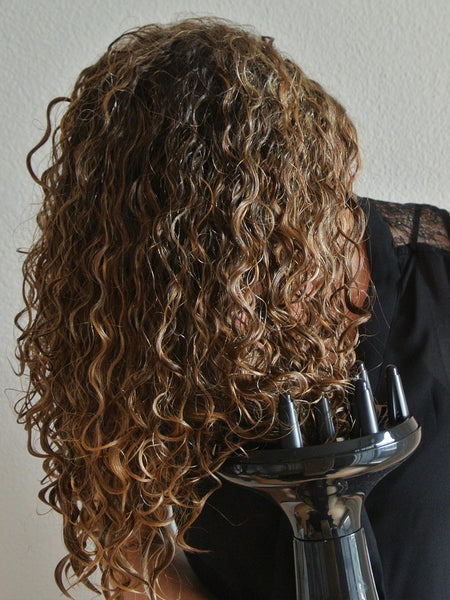
Cheat #4: Upside Down Blowout
Flipping your head upside down and blow drying is a trick that endures because it actually works. With your head down, your roots lift off your scalp, allowing you to dry and set them in a more vertical state. Blow dry to about 90% before flipping your hair back up to do final smoothing with a round brush. If you have bangs, dry those right-side up first so they don't end up going the wrong direction.
Cheat #5: Clip-Ins for Instant Volume
When the cheats above still leave you wanting more, this is the one that works every time. Our Perfect Locks clip-in hair extensions are one of the fastest and easiest ways to add fuller, bouncier hair in under a minute. For targeted volume exactly where you need it most - at the crown - a Crown Topper applies in about 30 seconds and blends seamlessly with your natural hair in multiple textures and natural colors. New to extensions? Our complete clip-in extensions guide walks through everything from choosing length to color matching.
4 Proven Ways to Add Volume AND Length
If you want volume and length at the same time, this is where extensions earn their place. Here are the four methods we recommend most often, and how to know which one is right for you.
How to Use Clip-Ins for Volume
1. Clip-in Extensions for Immediate Volume
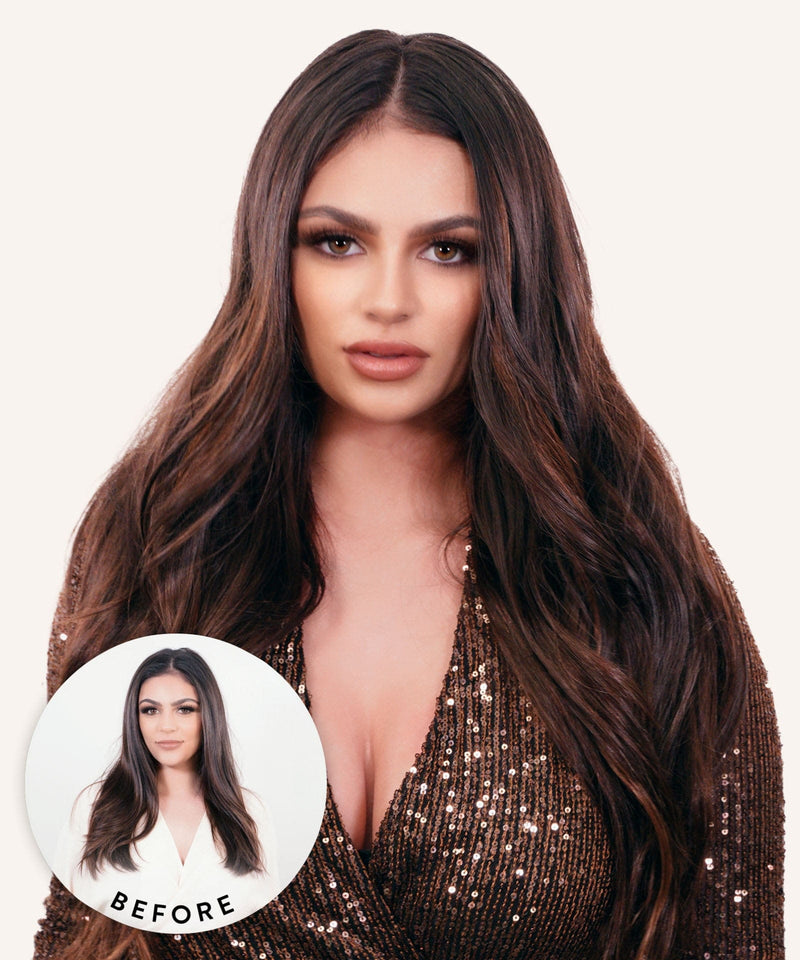
The fastest route to dramatic volume and length in one step. Seamless clip-ins are particularly effective for fine hair because the thin attachment weft is virtually undetectable through the natural hair - here's why seamless is different from standard clip-ins. Add a full set for a complete transformation, or just one or two wefts at the crown for targeted volume.
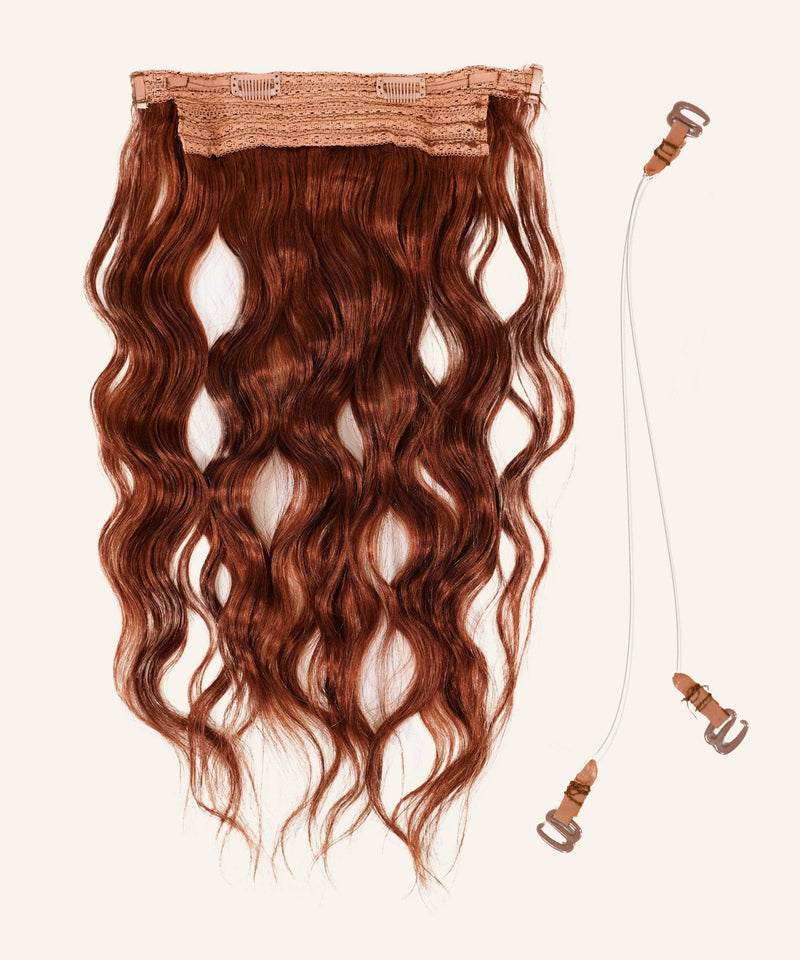
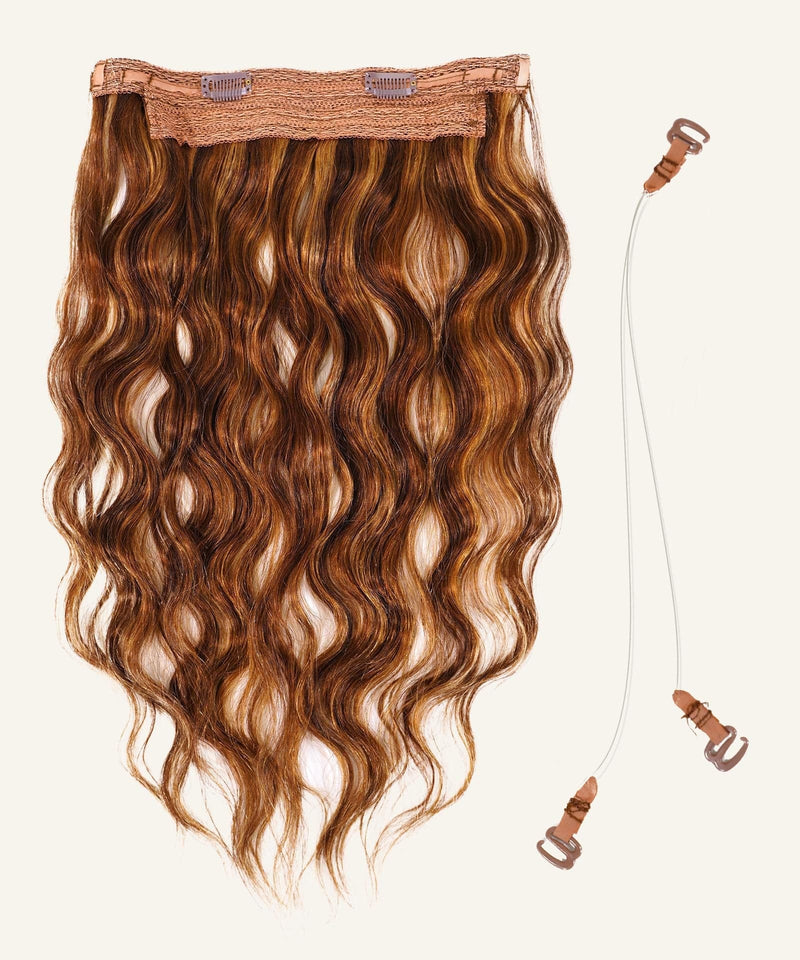
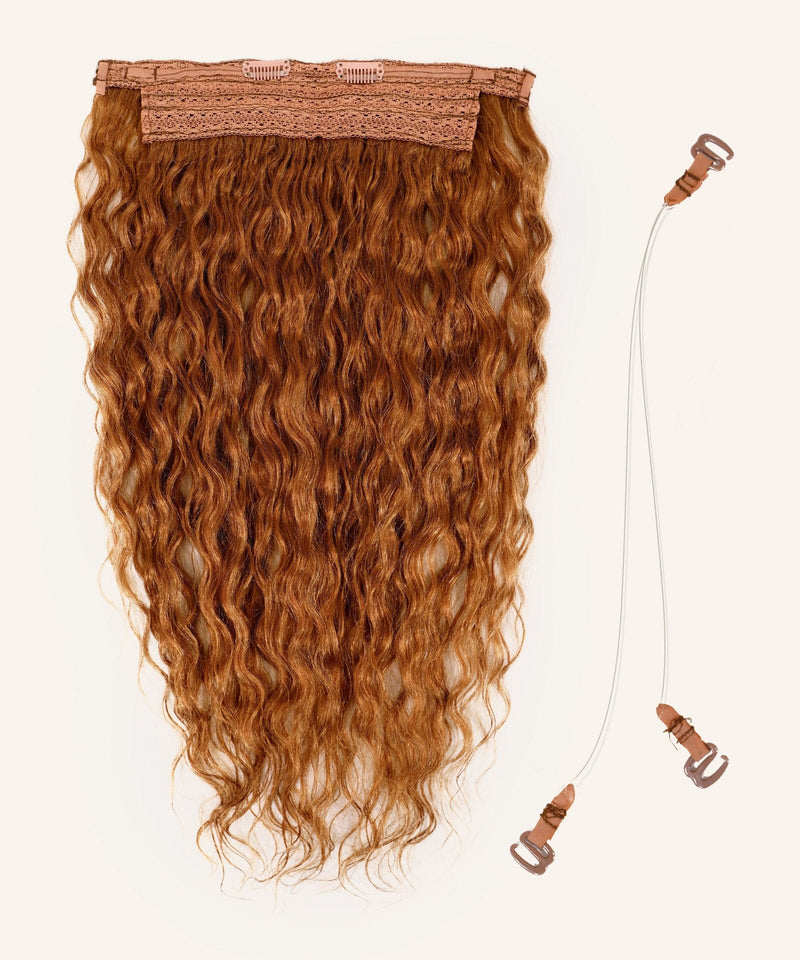
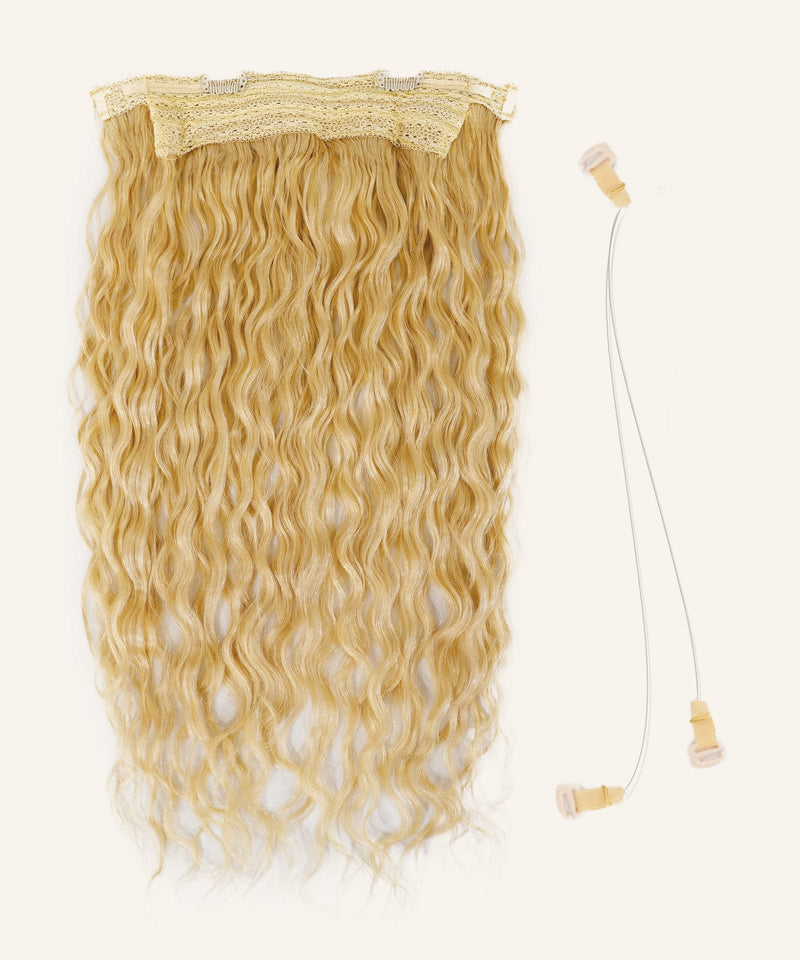
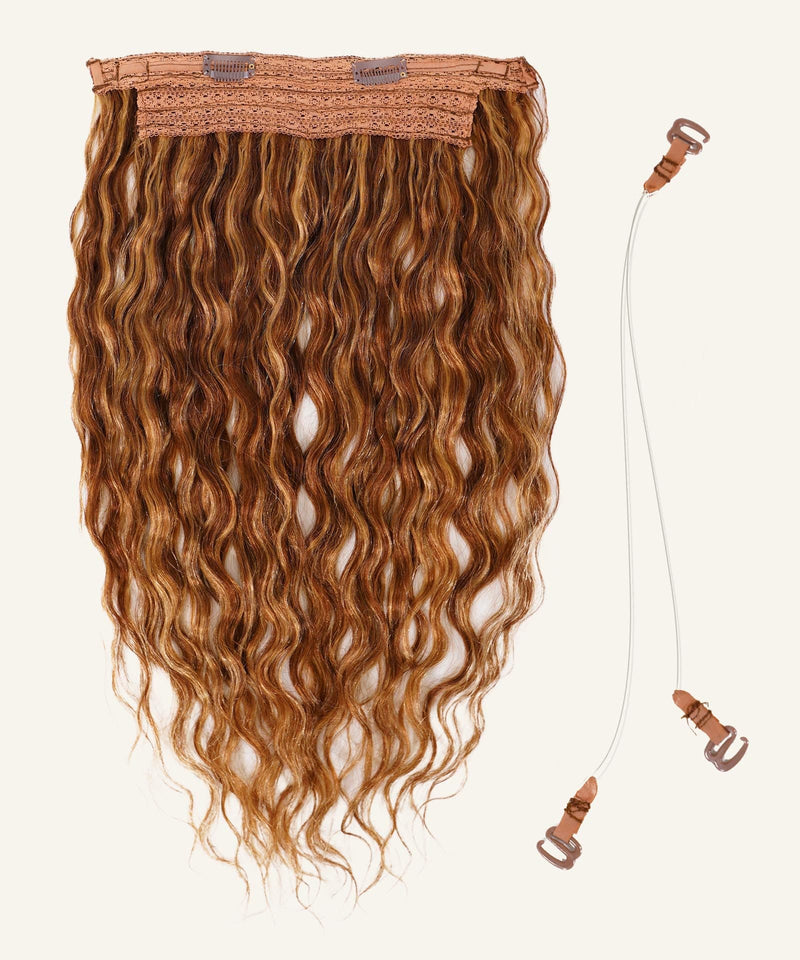
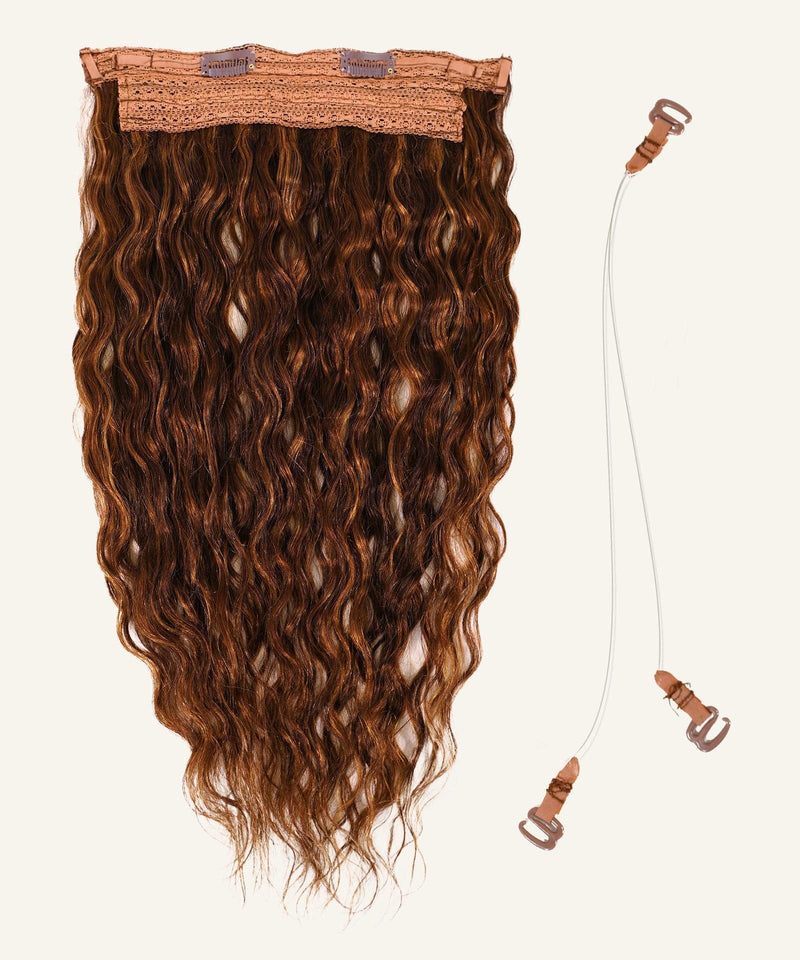
2. Halo Extensions for Crown Volume
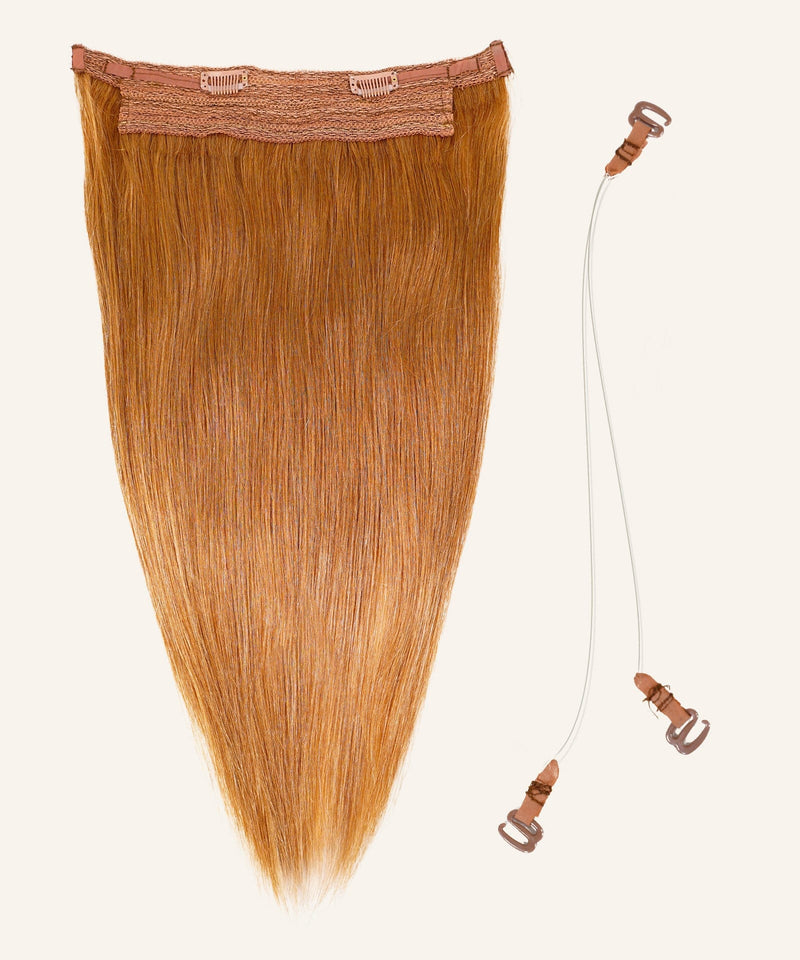
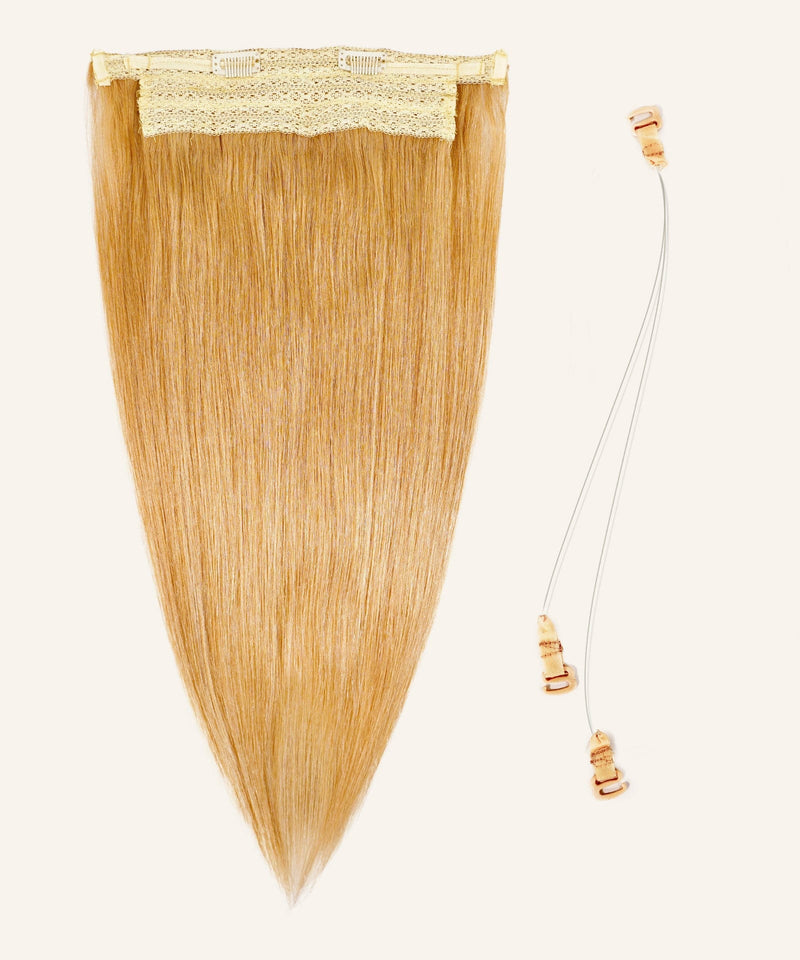
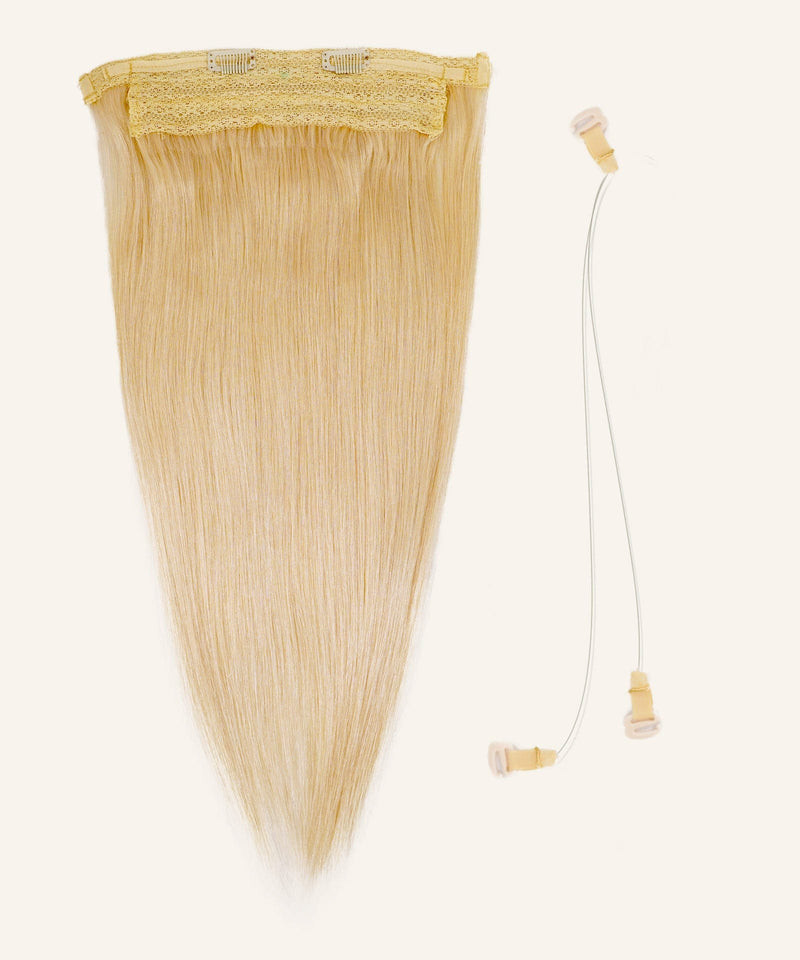
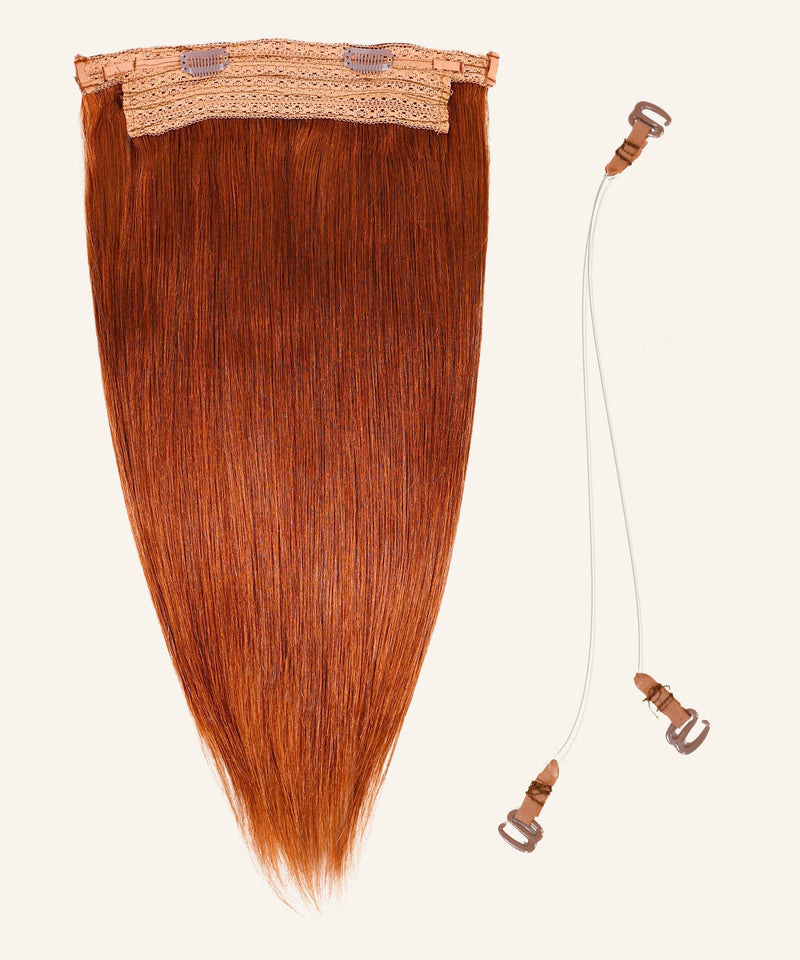
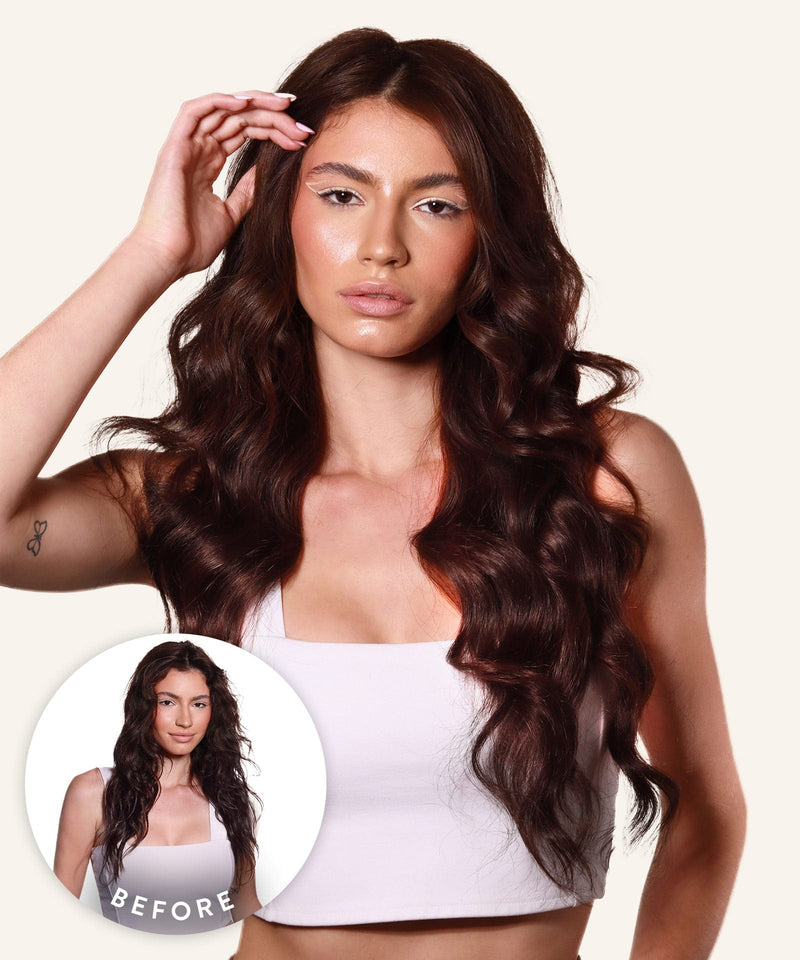
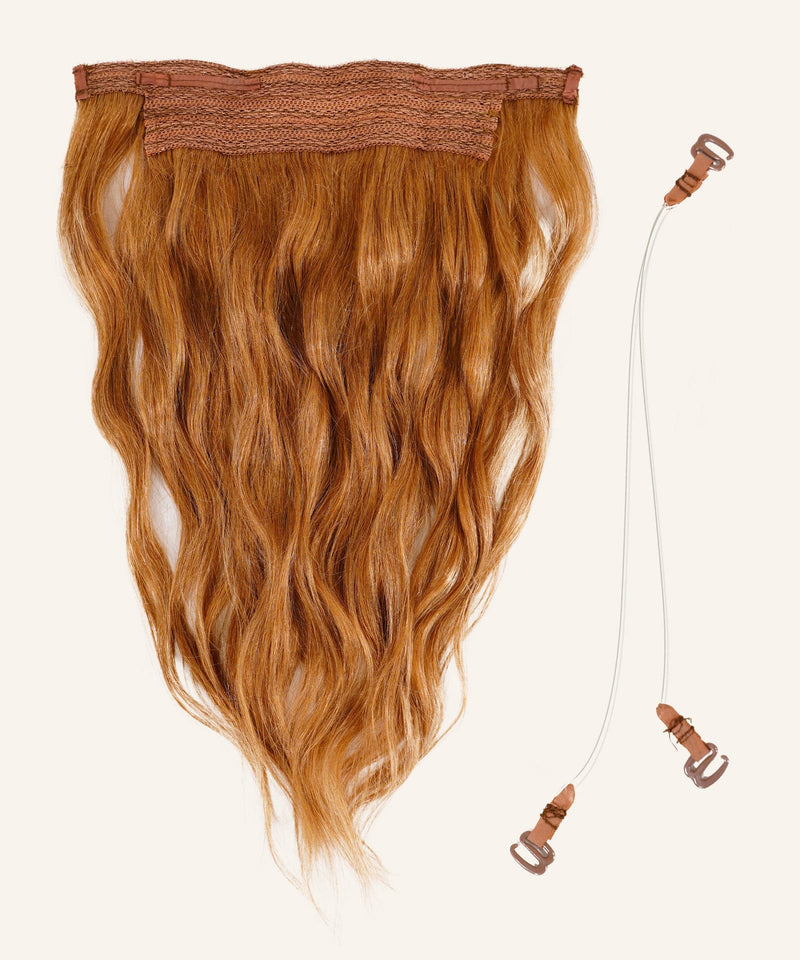
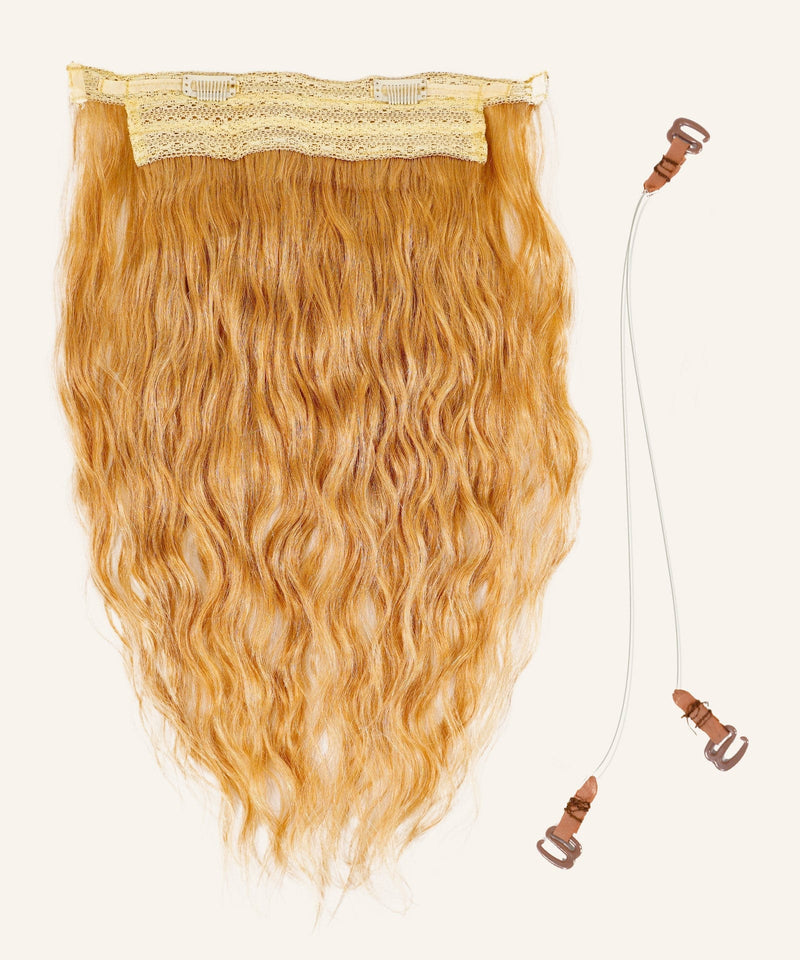
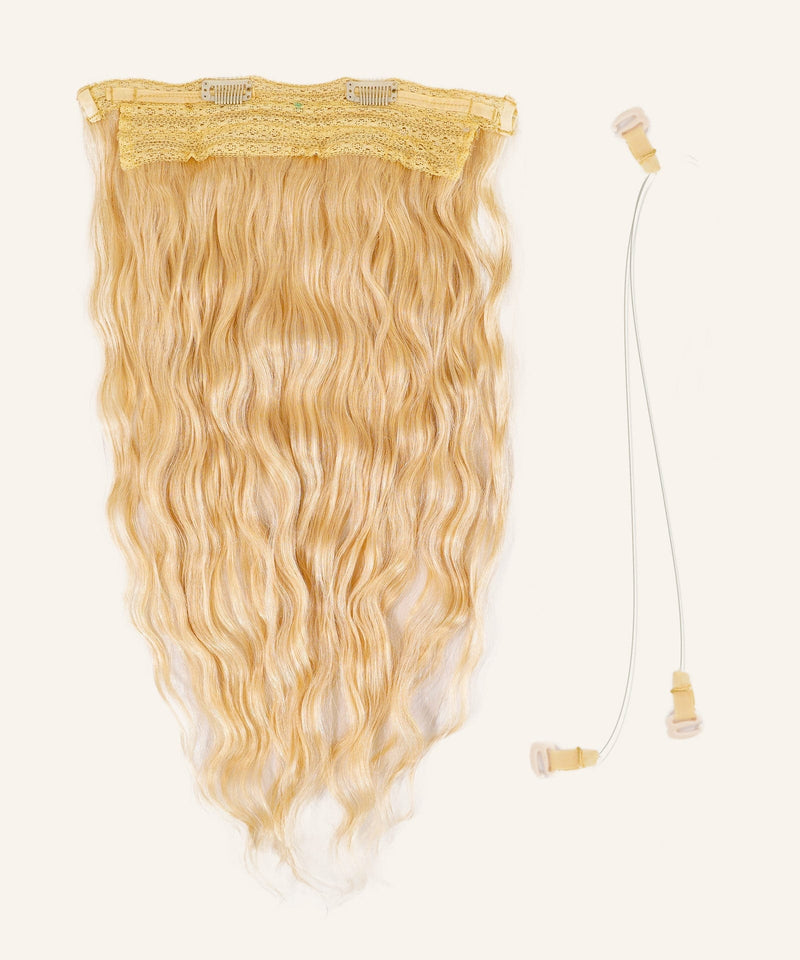
A halo extension sits at the crown via an invisible wire - no clips, no tension, no damage. The 60-second install and zero clip attachment make it ideal for fine hair where clips sometimes slip. This is also our most popular option for women who want daily volume without any commitment. For textured hair specifically, we cover the best halo options for curly hair in a separate guide.
Halo Hair Extensions
The easiest transformation in hair extensions - literally seconds to put on, seconds to take off, zero damage. Our Pe...
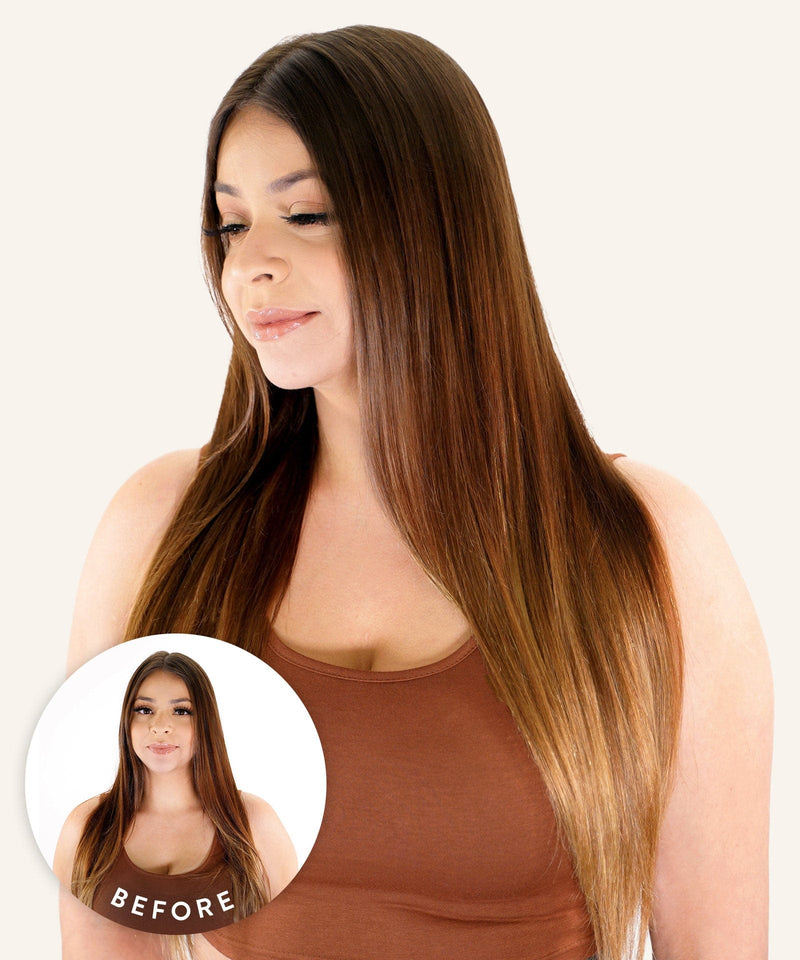



3. The Volumizing Blowout Technique
Extensions combined with the right blow dry technique create more volume than either alone. Rough dry upside down, use a large round brush directing airflow upward at the roots, and finish with a cool shot to lock in the lift. The extension hair amplifies the volume the technique creates because there's simply more hair being lifted.
4. Strategic Layering
A well-cut layered haircut creates movement that makes hair appear fuller. Face-framing layers in particular create the appearance of volume around the face where it's most visible. Extensions add density throughout the layers so the volume is consistent from roots to ends rather than concentrated only at the top. Talk to your stylist about cutting your extensions to blend with your existing layers, and reference our hair length guide to pick the right starting length.
See It in Action
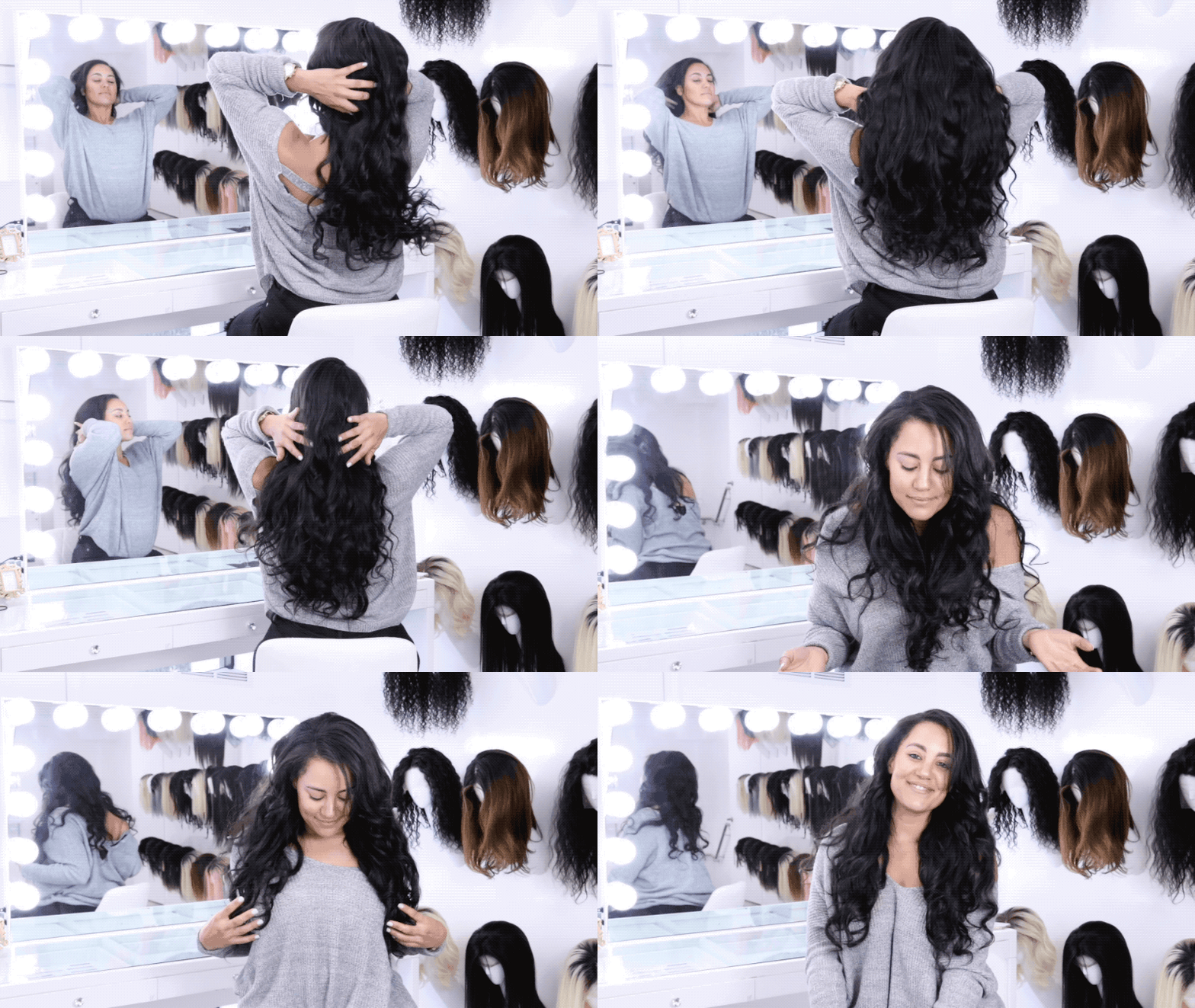
A few moments from our stylists and customers showing these volume techniques at work:
Extensions Pros
- Instant, dramatic volume you can see in photos
- Works when styling techniques alone can't
- Solves the underlying density issue
- Reusable for 6-12 months with proper care
- Adds length at the same time
Extensions Cons
- Higher upfront cost than styling products
- Learning curve for clip-in placement
- Color and texture matching matters
- Semi-permanent methods require a stylist
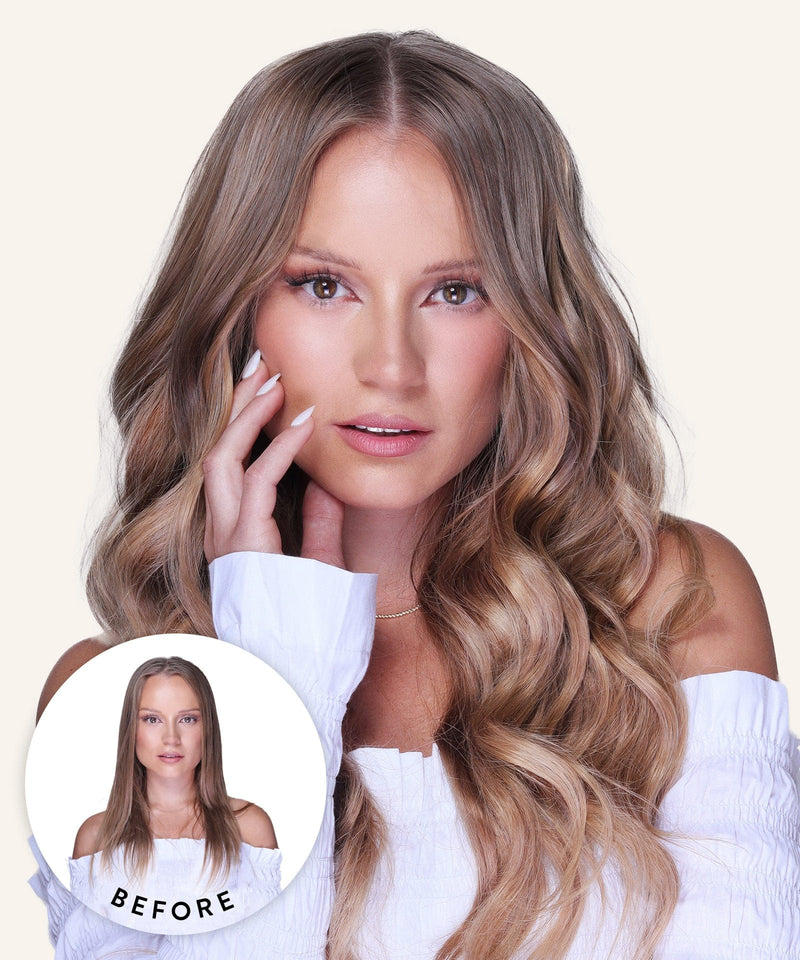
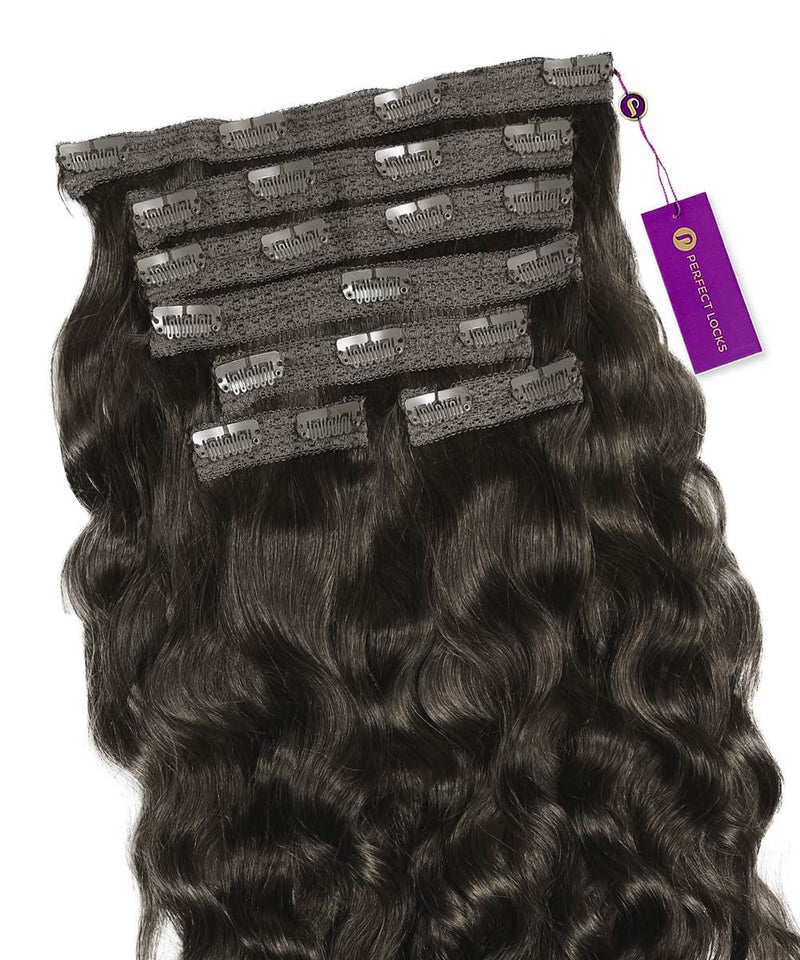
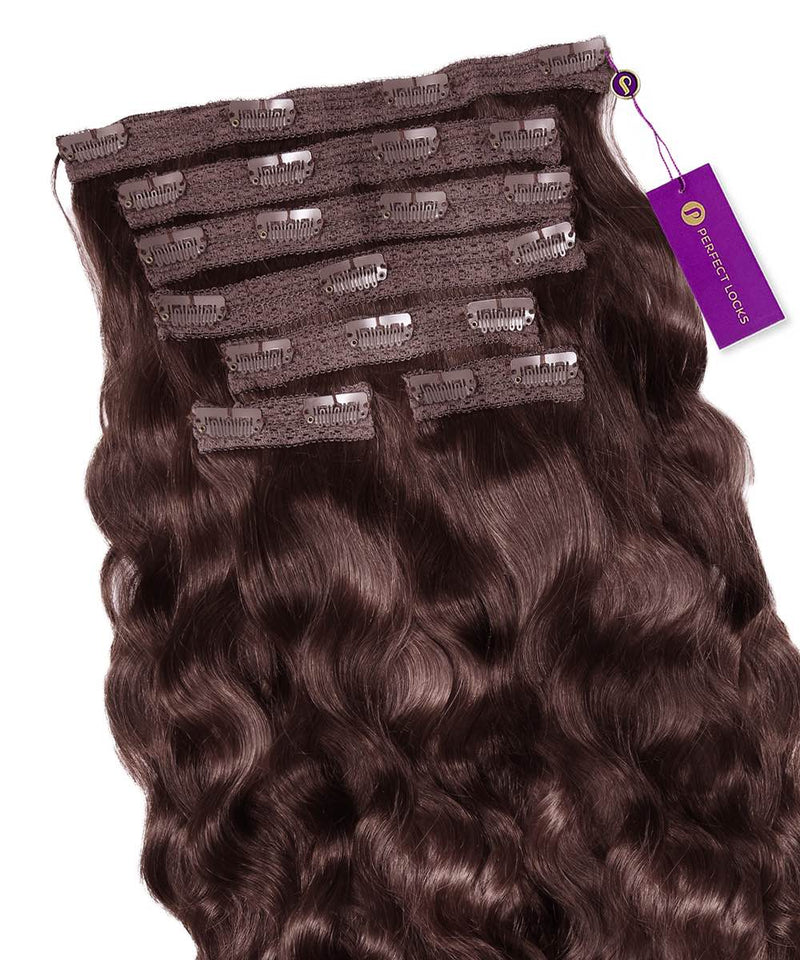
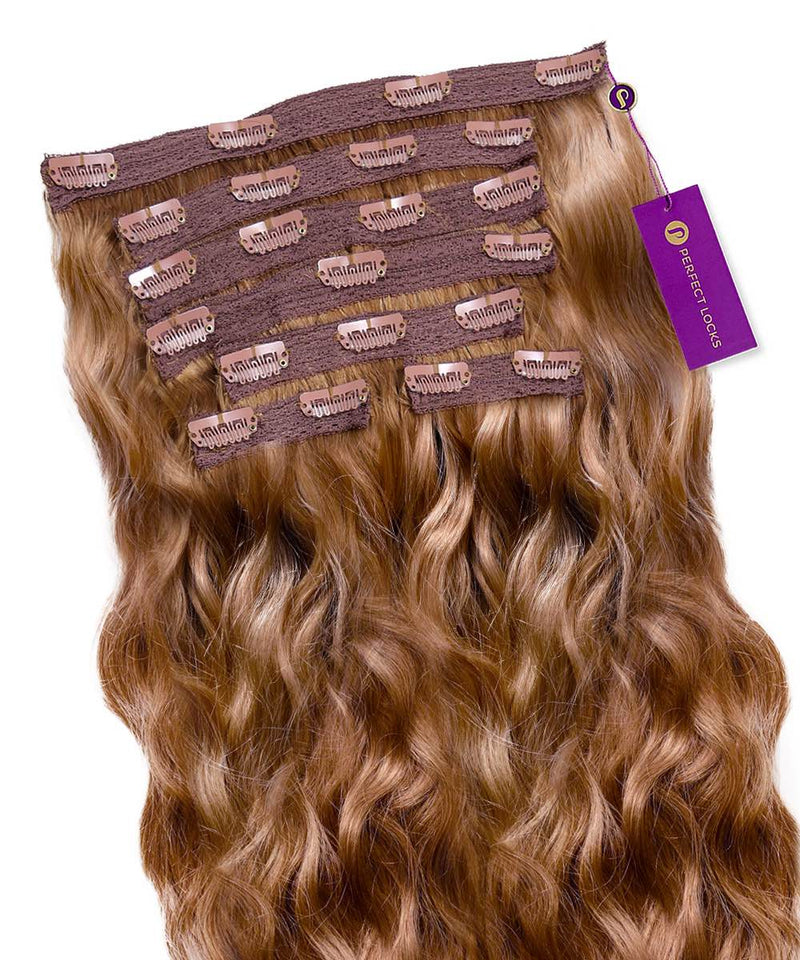
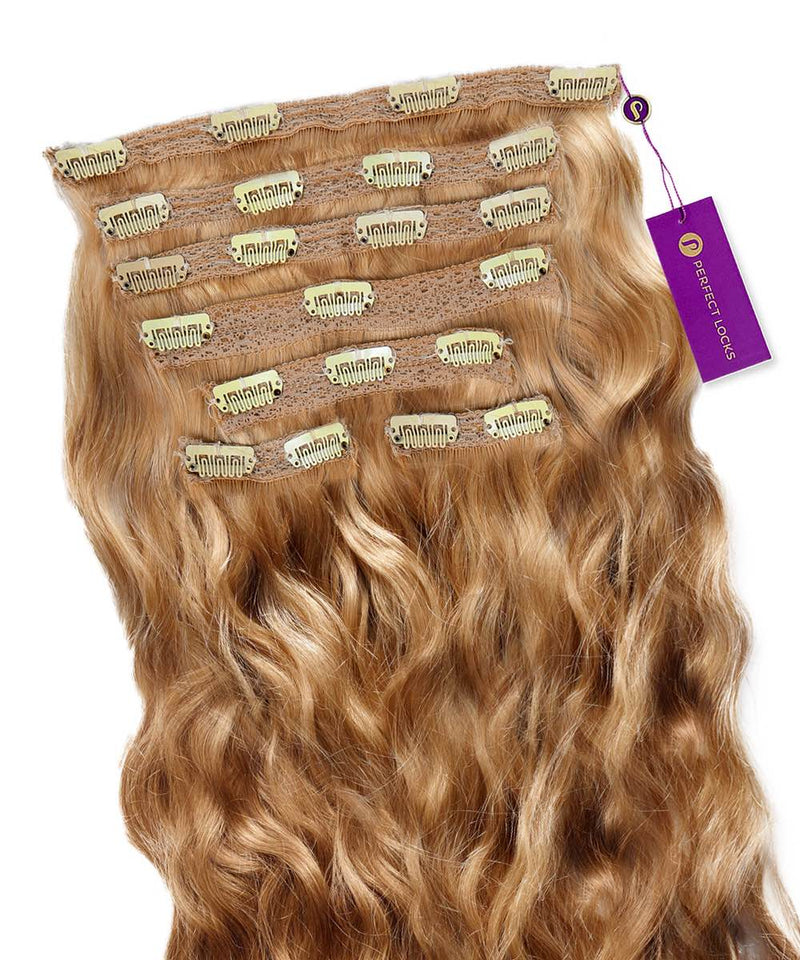
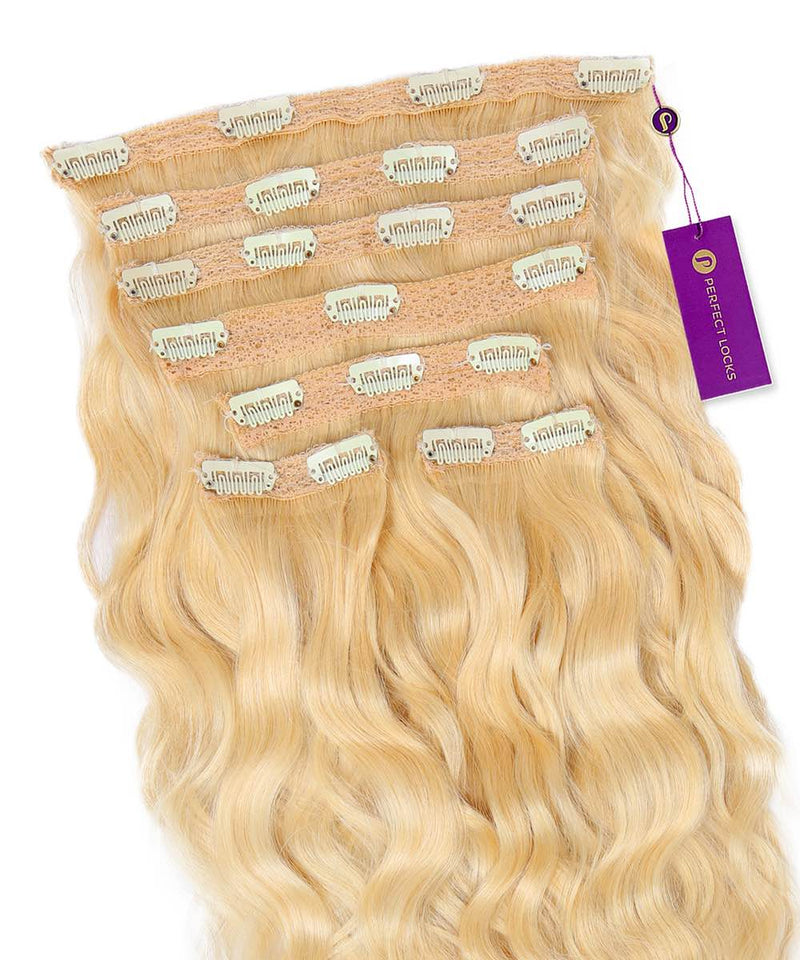
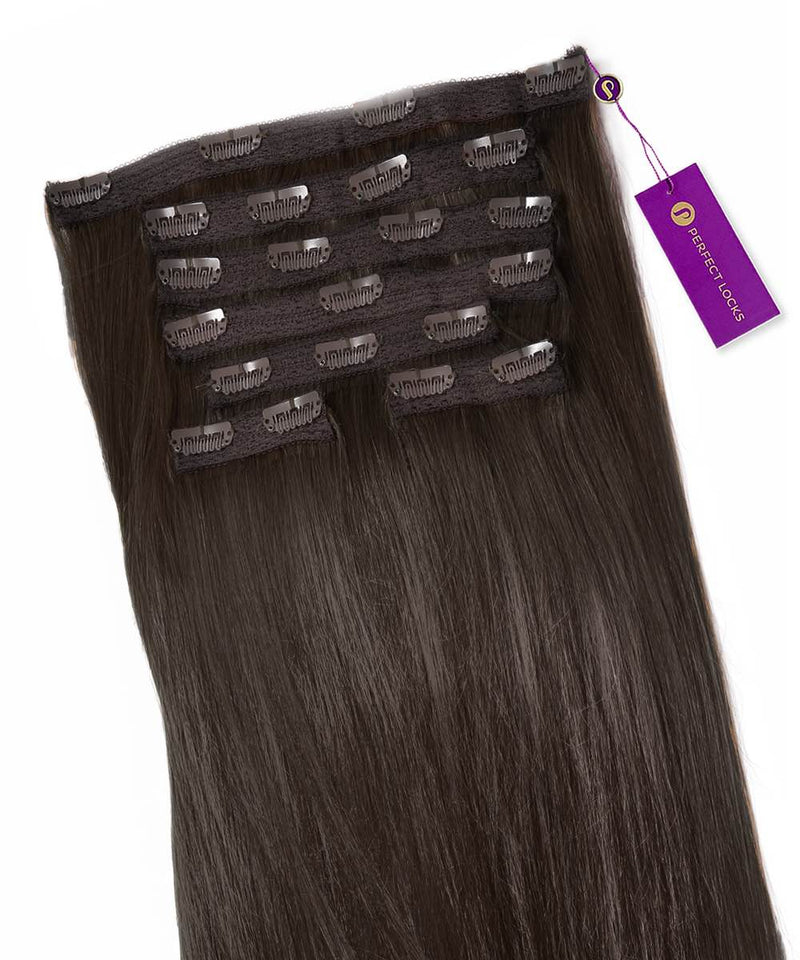
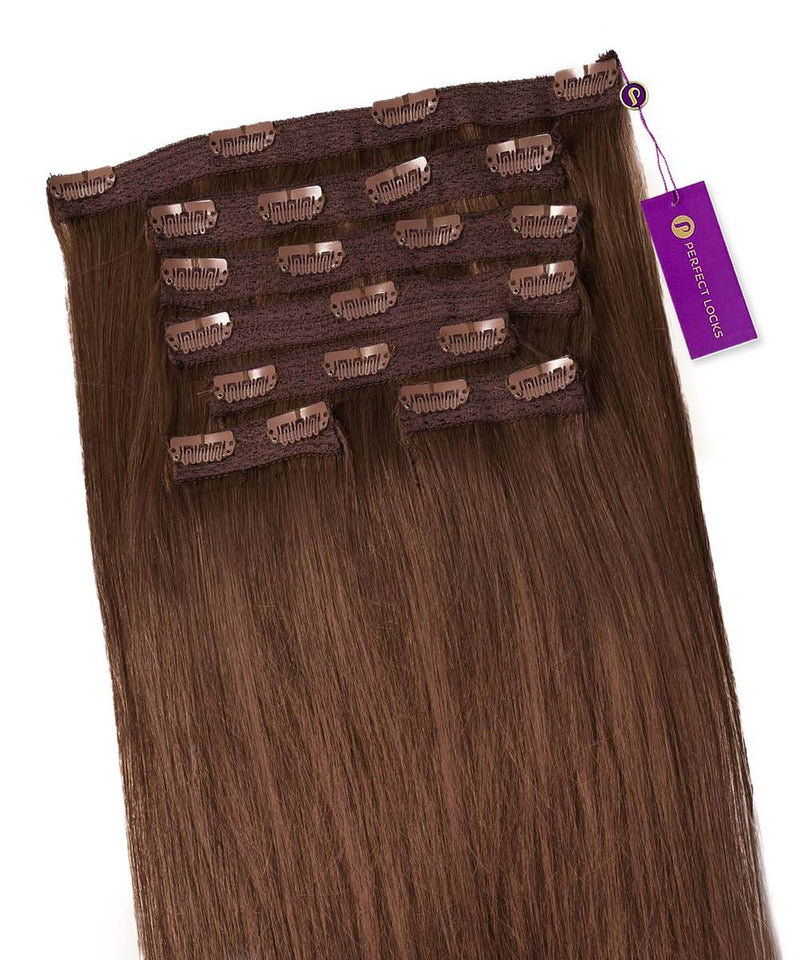
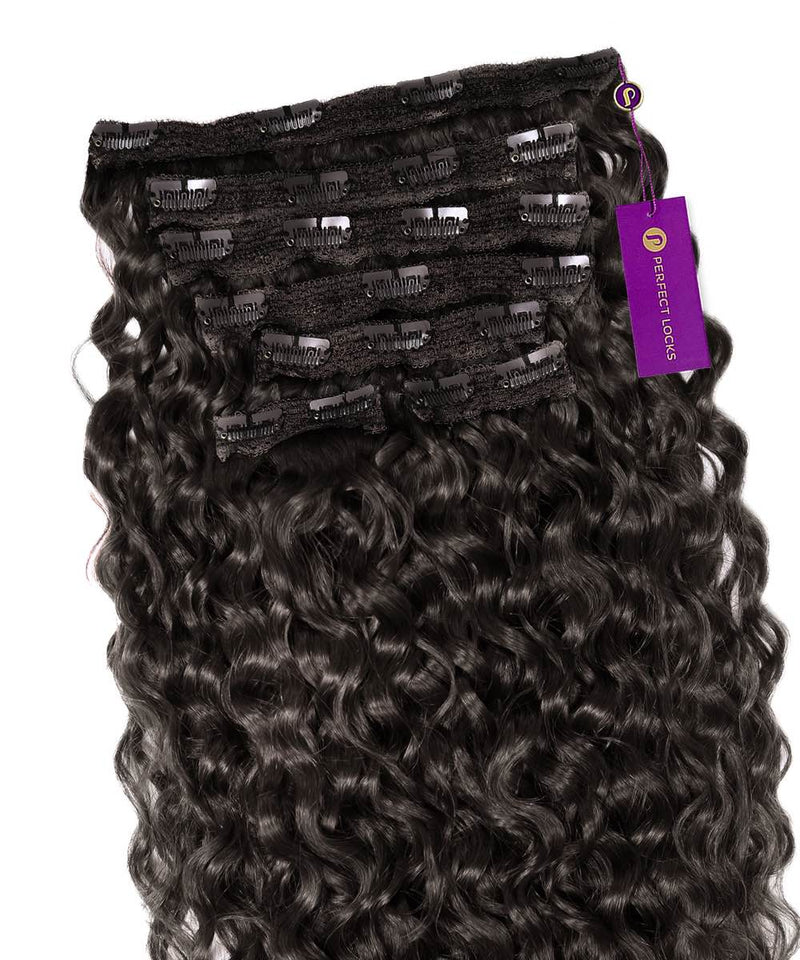
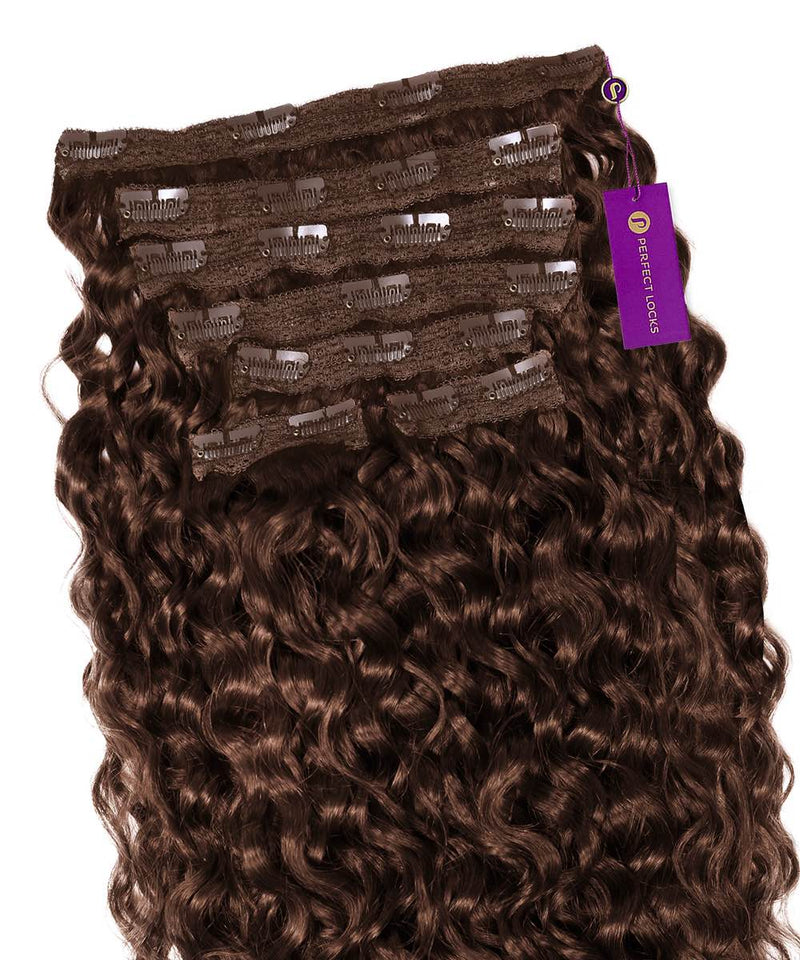
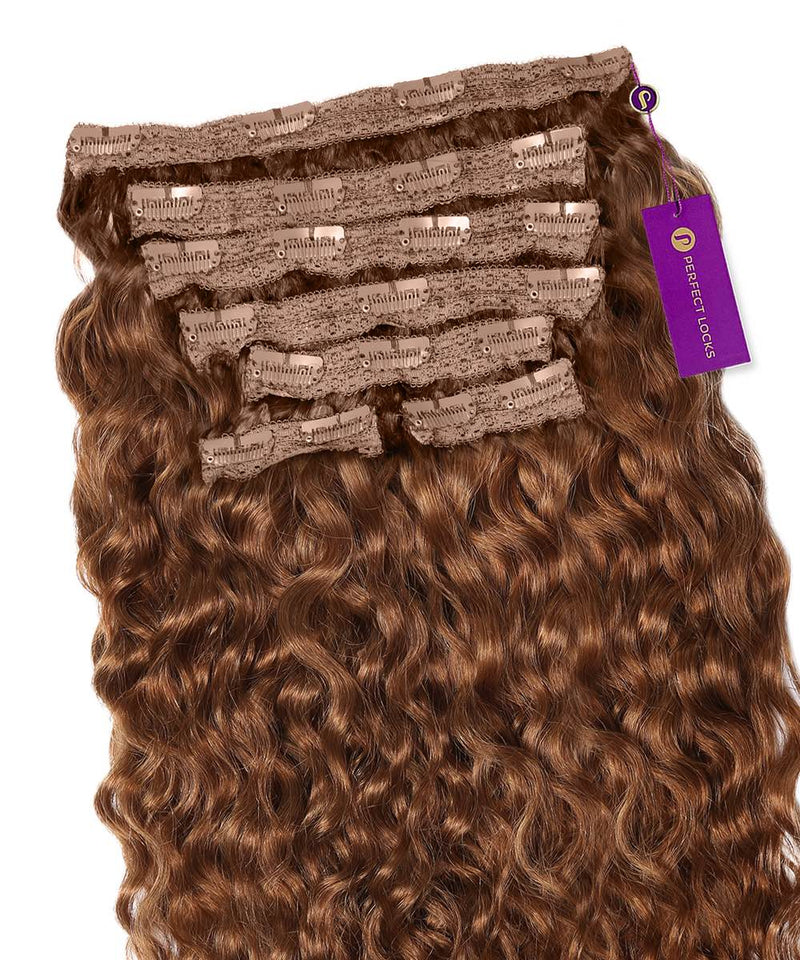
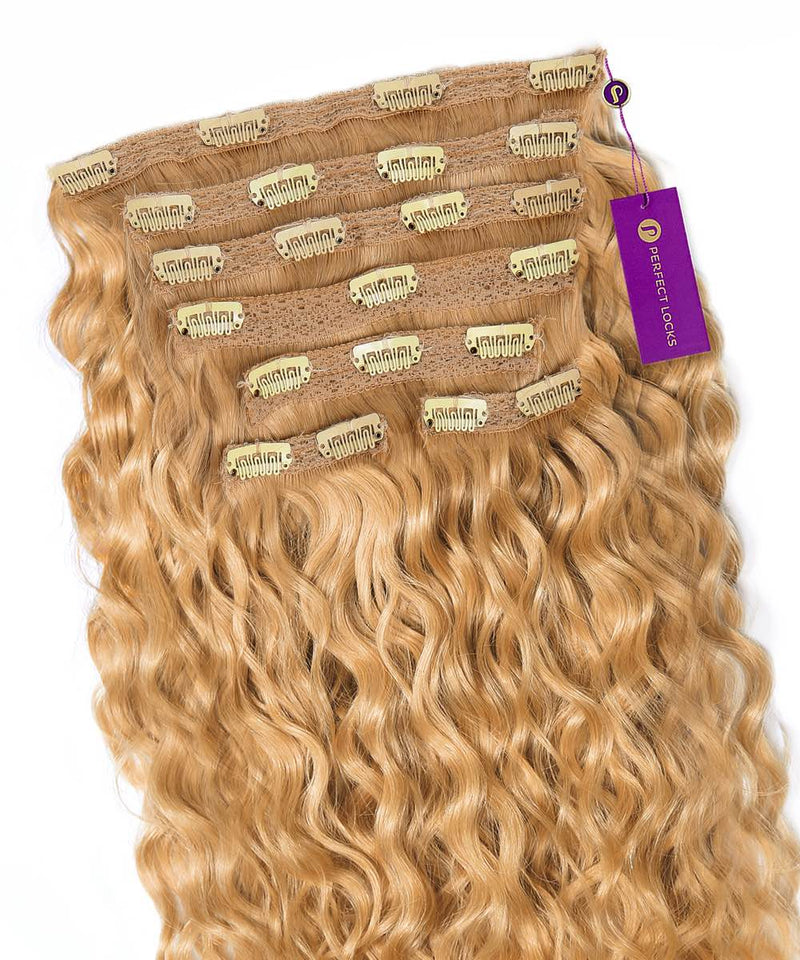
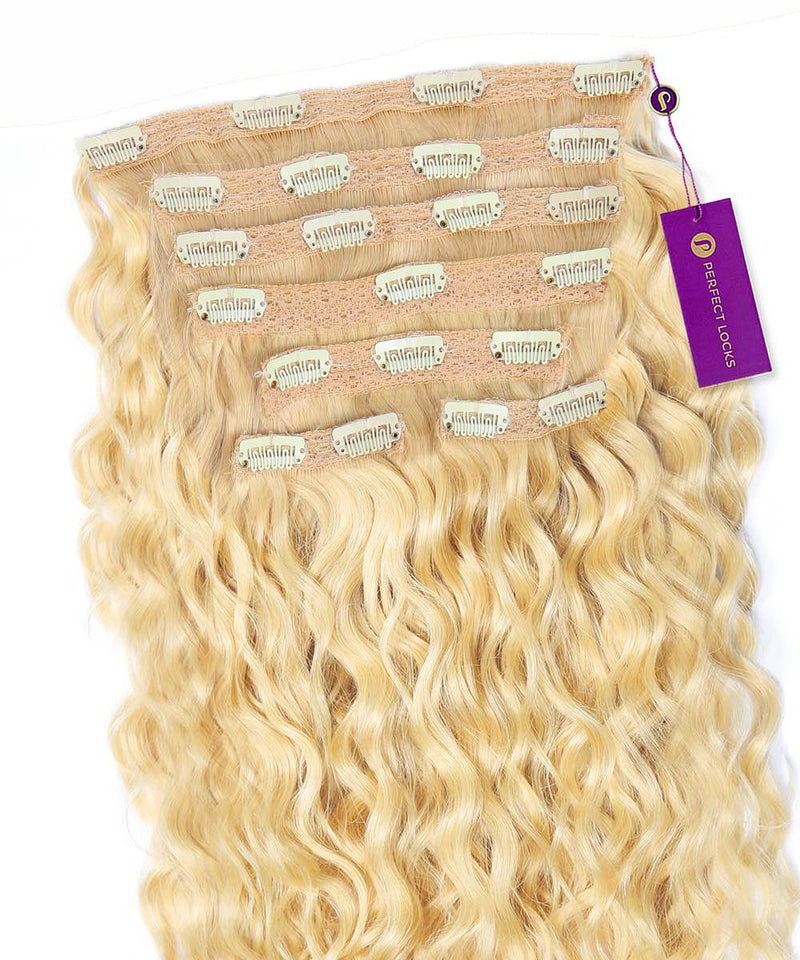
Lace Clip-In Hair Extensions
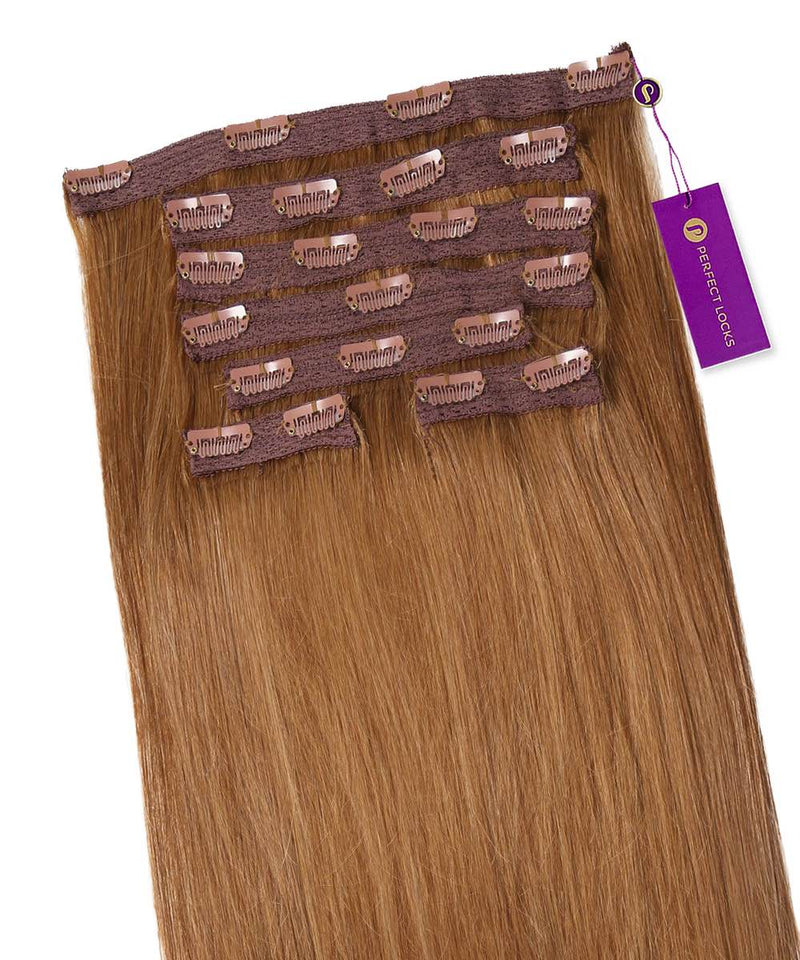
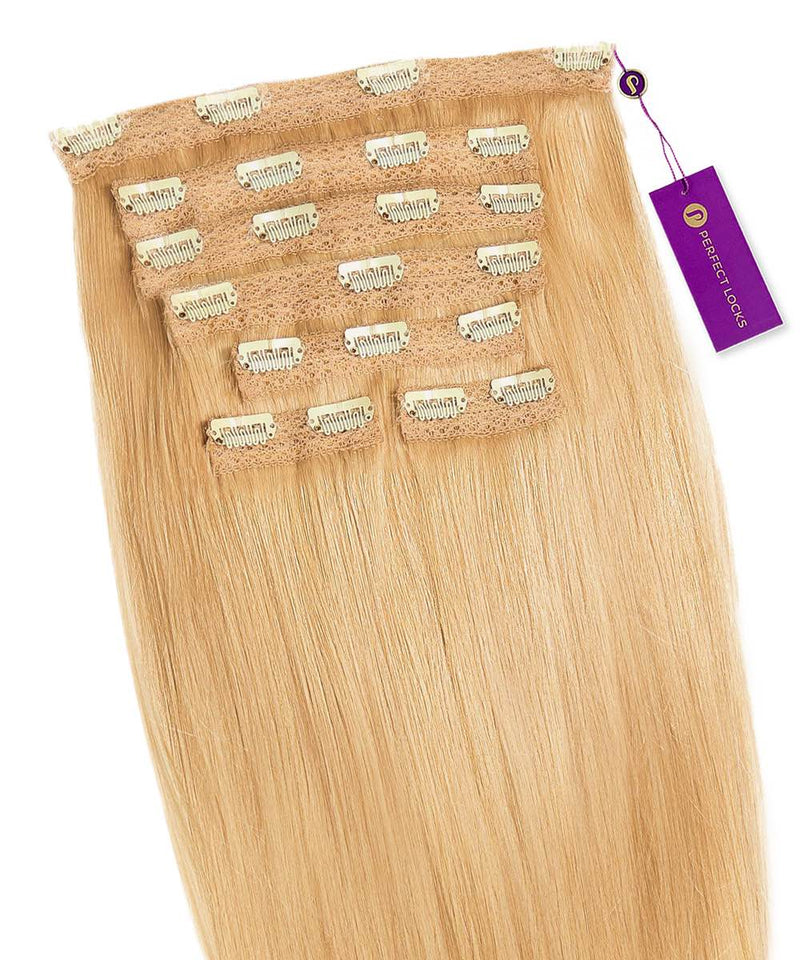
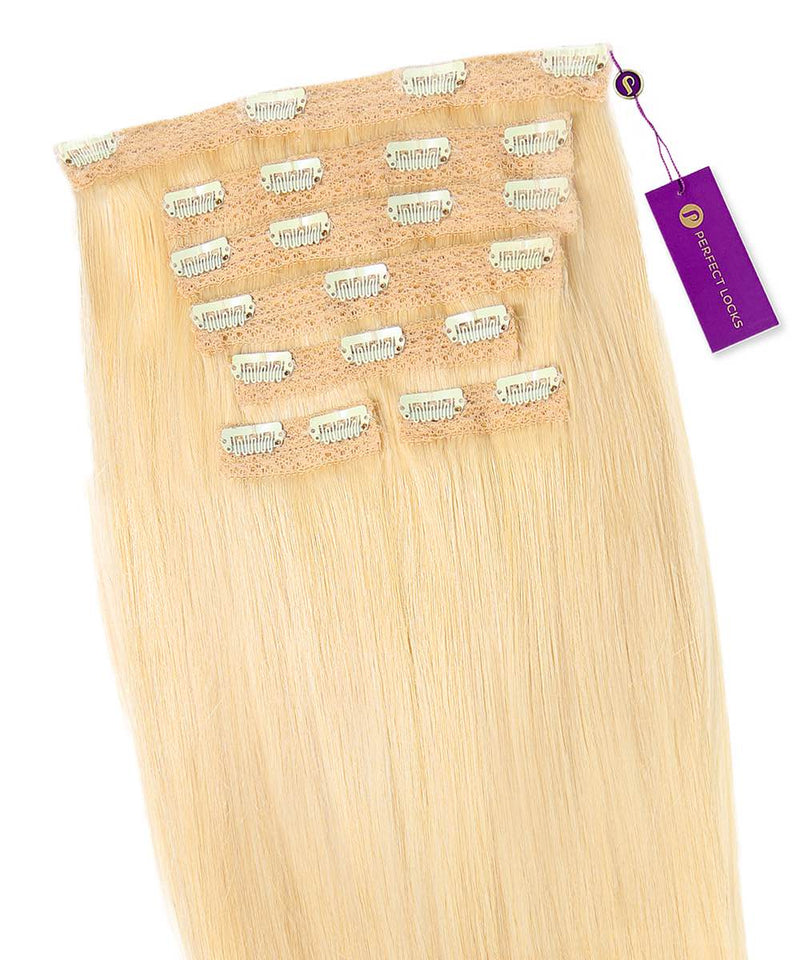
Our classic lace-weft clip-in set - and still the choice when you want serious volume. A breathable lace base holds s...
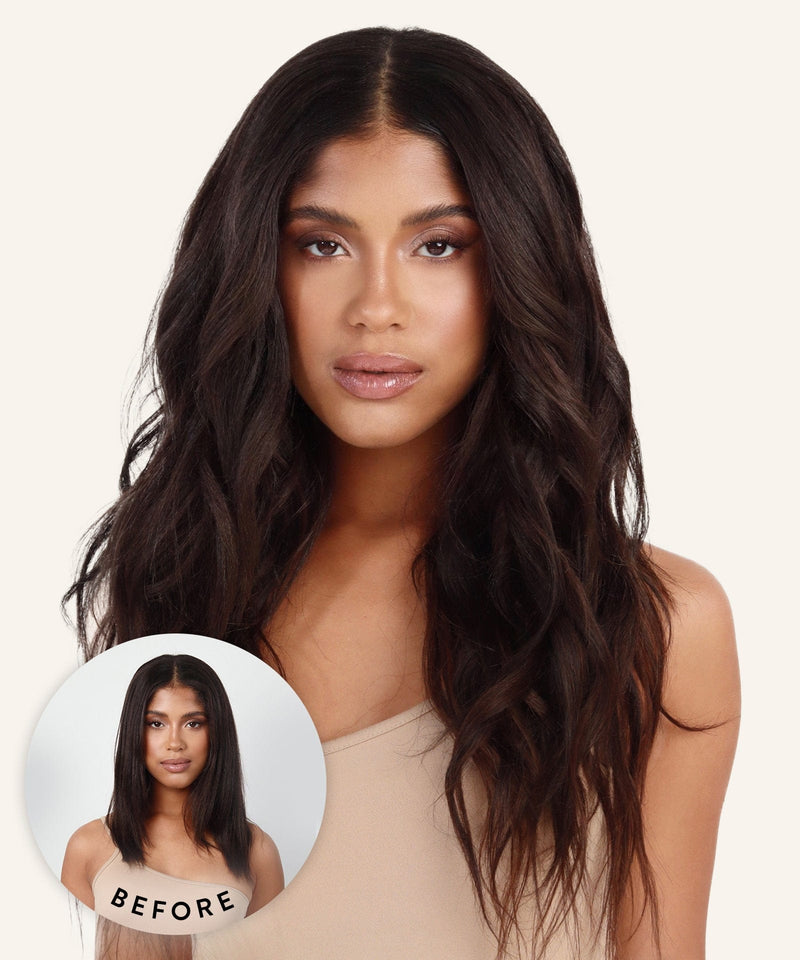
Creating Huge Volume with Extensions: Step-by-Step
If you're ready for dramatic volume, here's the exact method for layering clip-ins to create a seamless, full look. This is the technique our team walks customers through on their first install. If this is your first time working with extensions at all, read our beginner's guide to hair extensions first - this walkthrough assumes you have your set ready to go.
Clip-in installation for volume
Prep Your Hair
Wash and blow-dry with a light mousse at the roots to add texture and grip. Scrunch as you dry to add some natural wave - extensions blend better into textured hair than perfectly straight hair. If your hair is naturally straight, use a curling iron or flat iron to add subtle waves before you begin.
Open Your Extensions and Gather Tools
Open all the clips on your extensions before you start. You'll need a comb, at least four clip-in wefts, a clip to hold up your hair, and a light hairspray. Make sure your extensions match your natural hair using our texture matching guide and color matching guide - together, these are the single biggest factor in whether extensions look natural or obvious.
Section and Install the First Weft
With your hair down, pull up the top half and clip it out of the way so the lowest layer at the back of your head is exposed. The part should sit at about mid-ear. At this section line, insert your first weft, starting with the middle clips and working outward until it's completely secured to your head.
Layer Additional Wefts
Unclip your top hair and let down another layer, about a finger-length above the previous part. Repeat the process, inserting another weft. Naturally thick hair usually only needs this twice. If you have thin hair or want show-stopping volume, repeat up the head - but don't go higher than the top of your ear. The key is using your natural hair to layer over the extensions and hide the clips.
Add Volume to the Sides
Repeat the process with shorter wefts on either side of the head, covering the clips with your natural hair. Sculpt the final look with a comb, mist with light hairspray, and you're ready to go.
A Real Customer Story: Meet Breena Martinez
Perfect Locks brand ambassador, personal trainer, and competitive bodybuilder Breena Martinez has been wearing our straight 22" virgin 1B clip-in volumizer for 5 years. Whether she's training clients at the gym or competing (and winning) in bodybuilding contests, she's always rocking her volumizer.
"It's great because I can put it in quickly and wear it as is, or style it however I need to. I can wear it up in a ponytail, or down in a long and luxurious style."
- Breena Martinez, Perfect Locks Brand Ambassador
The flexibility of the weft allows for real versatility, which is exactly what Breena needs. The instant transformation gives her the confidence to walk on stage and compete. That's what extensions do at their best - they solve the volume problem so completely that you stop thinking about it.
Volume for Fine and Thin Hair Specifically
Fine hair needs more careful extension selection than other hair types. Here's what we tell customers with fine or thinning hair:
- Go lightweight. The extension attachment should be low-bulk. Clip-in wefts should be thin at the weft base, not thick.
- Seamless clip-ins are built for this. The ultra-thin attachment is specifically designed to disappear into fine hair.
- Halos win on fine hair. They distribute weight evenly rather than at clip points, which fine hair handles better than concentrated tension.
- Start with less. Use fewer wefts than you think you need and add more if needed. Too much weight on fine hair causes the natural hair to separate around the wefts and makes them visible.
For a deeper dive, we have a full guide to hair extensions for thin hair that walks through the specific products, weights, and techniques we recommend for fine and thinning hair. If you're dealing with hair loss specifically (not just fine hair), our hair loss and thinning solutions page covers options beyond extensions.
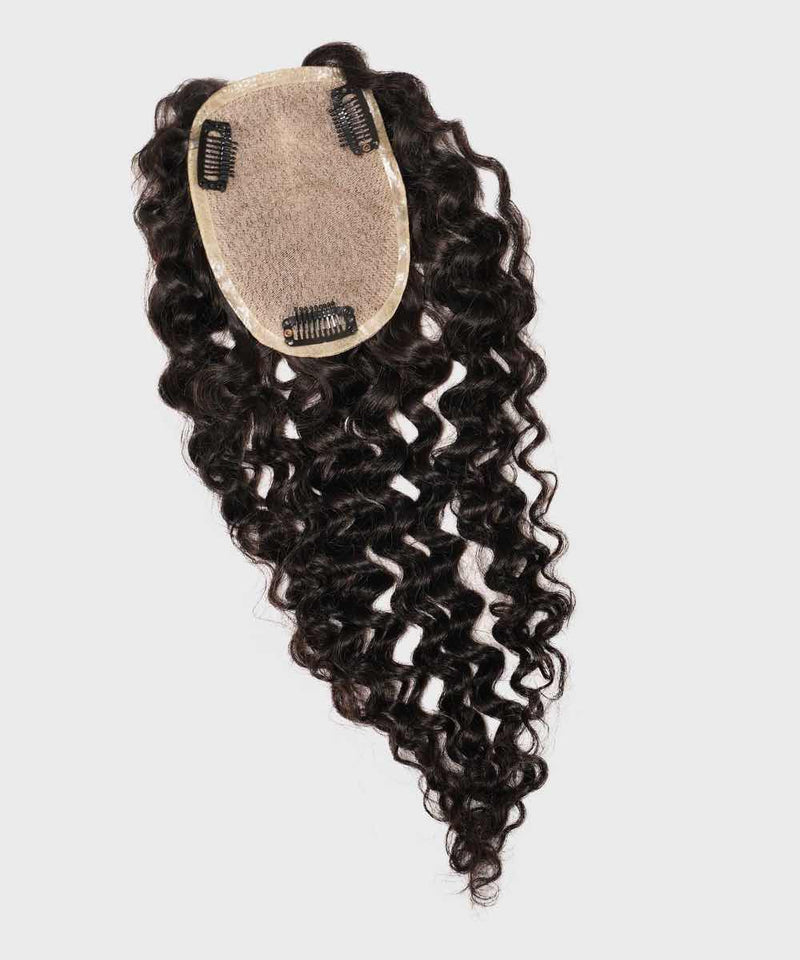
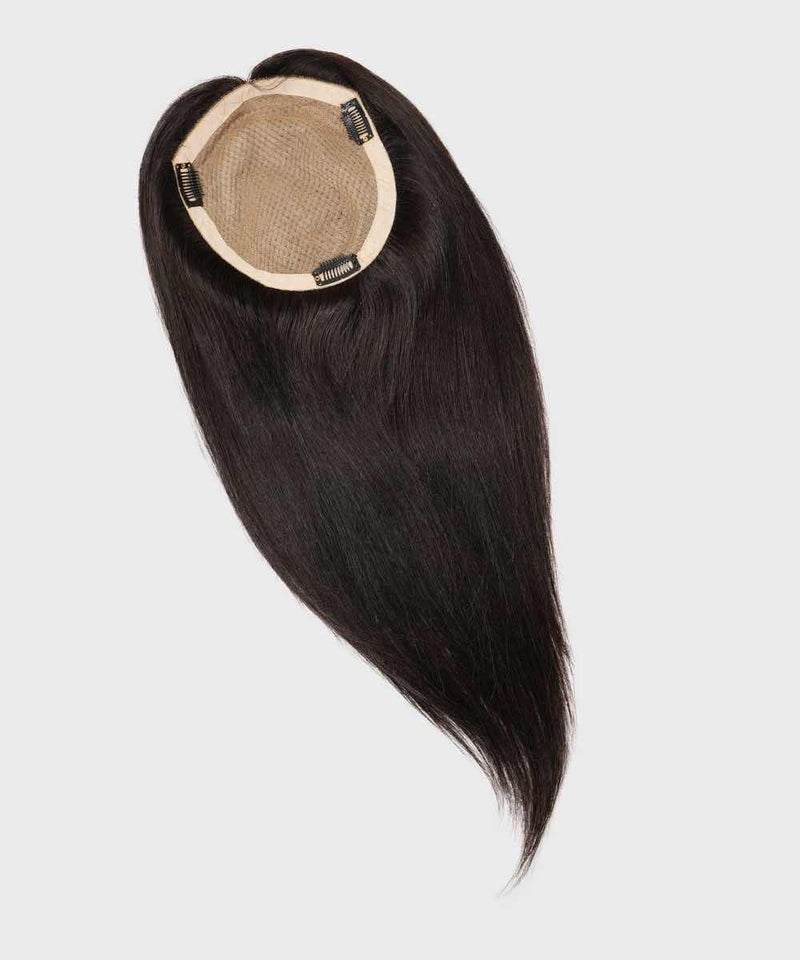
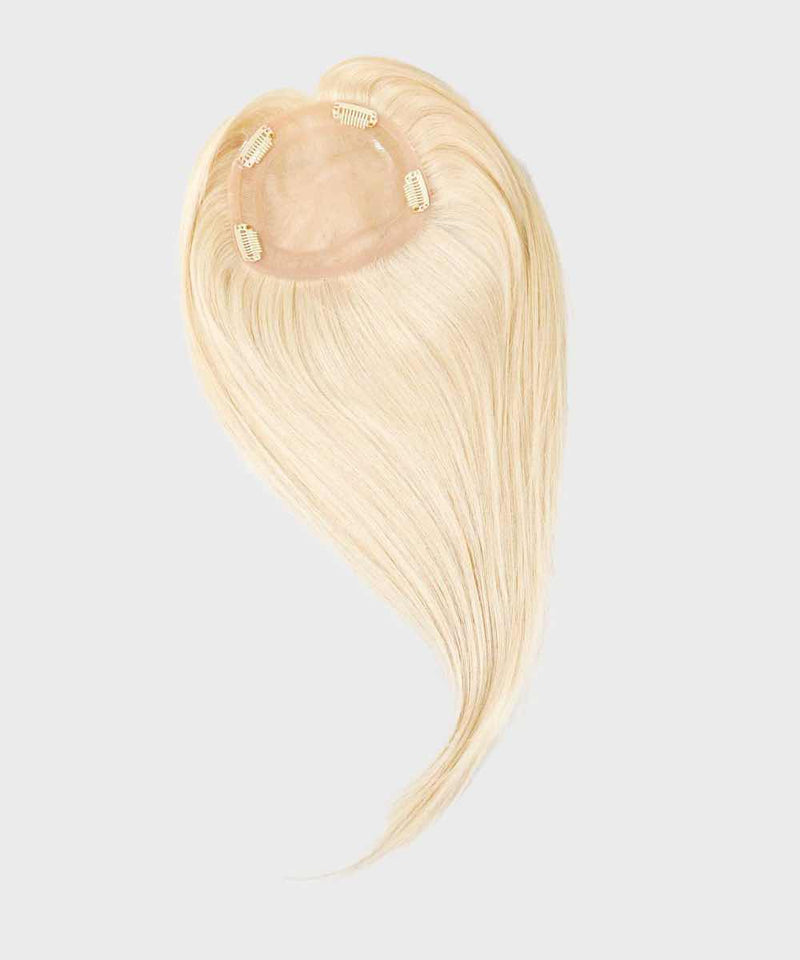
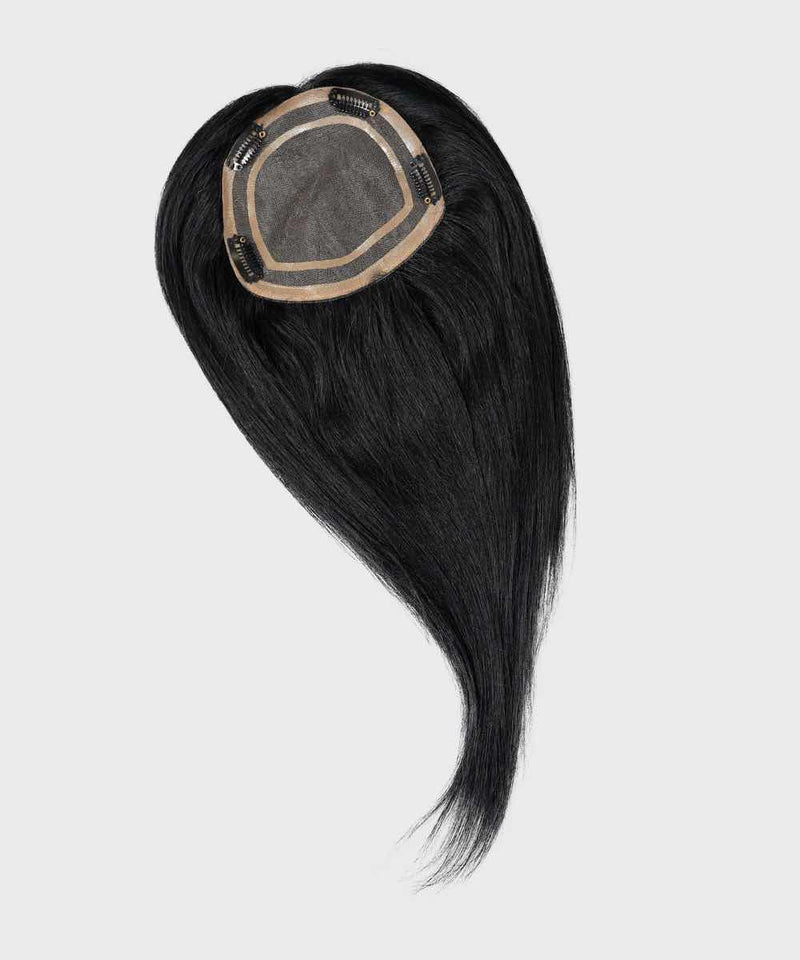
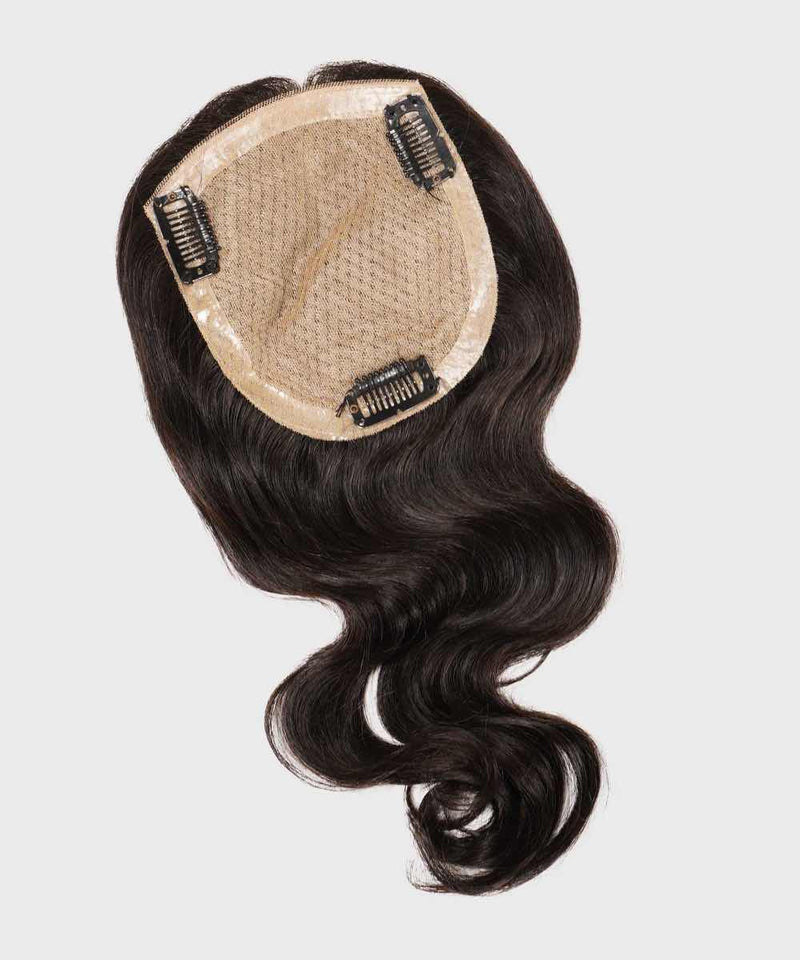
Human Hair Toppers
Targeted coverage for thinning crowns and visible part lines. Lightweight clip-in toppers that blend naturally with y...
Volume for Curly and Textured Hair
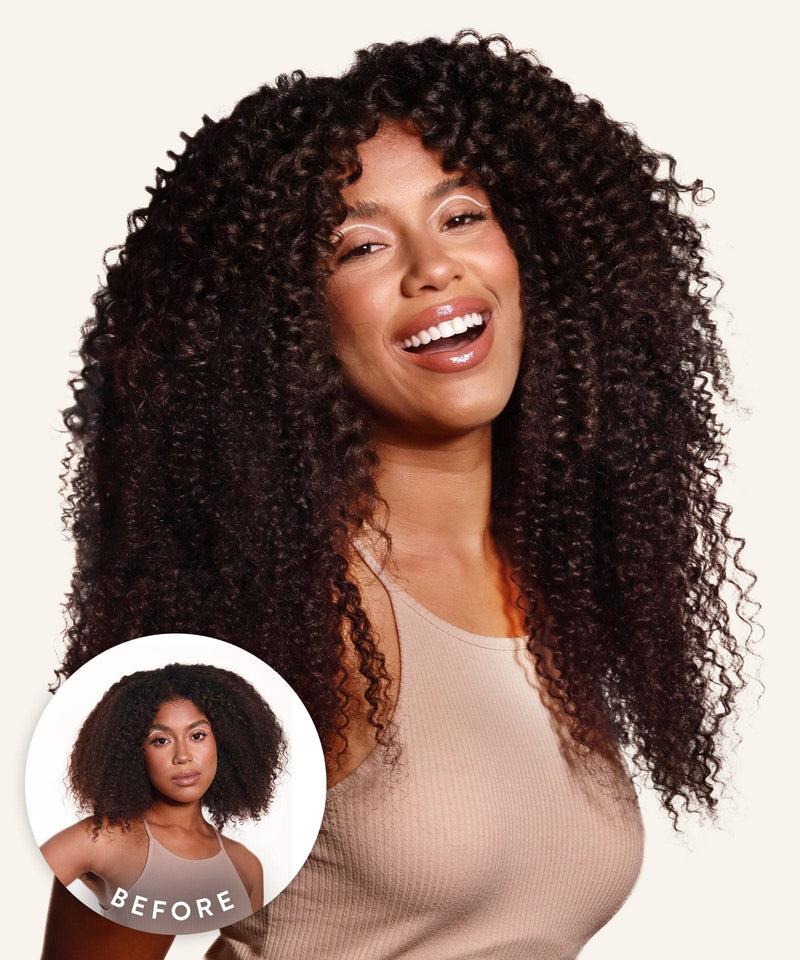
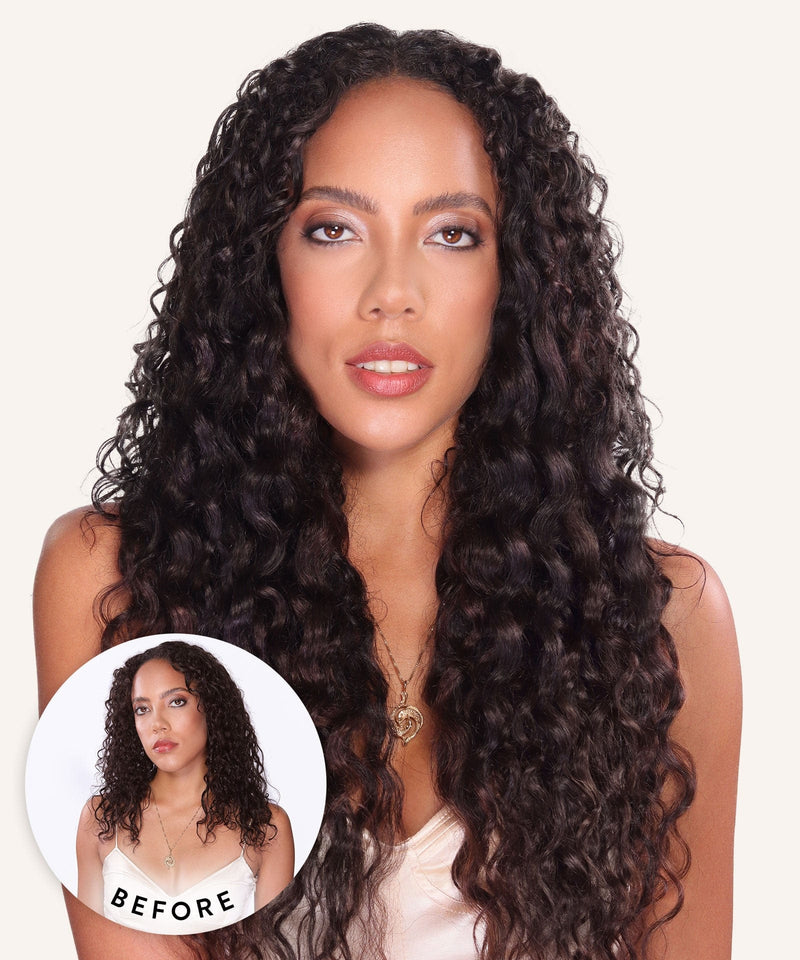
Curly hair has its own volume playbook. The techniques that work on straight hair - teasing, crimping at the roots - can disrupt curl patterns and cause frizz. For textured hair, diffusing upside down, scrunching with a lightweight mousse, and choosing curly-textured extensions are the better path. We cover this in depth in our guide to voluminous curly hair.
Products That Actually Help
A few products that earn their place in a volume-focused routine:
- Volumizing mousse at the roots: Apply a golf-ball amount to wet hair at the roots only (not the lengths) before blow drying. This creates a light scaffold that holds the lift.
- Dry shampoo before styling: Apply to the roots 10-15 minutes before you blow dry to create texture and grip that holds volume longer than freshly washed hair alone.
- Sulfate-free shampoo: Harsh cleansers strip the natural oils that provide texture for volume to hold onto. Sulfate-free formulas clean without stripping.
- Light-hold hairspray: Mist after each backcombed section rather than drowning your finished style at the end. A little at each step holds better than a lot at the finish.
For extension wearers, the products you use on your natural hair also affect your extensions - our extensions care guide covers what's safe to use on wefts and what will shorten their lifespan.
Frequently Asked Questions
How do you add volume to flat hair?
The most effective approaches in order of impact: clip-in extensions (adds actual hair mass), upside-down blowout (root lift through gravity), volumizing mousse at the roots (scaffolding for blow dry lift), strategic backcombing at the crown (structural lift), and dry shampoo before styling (grip and texture that holds volume). Extensions address the volume deficit directly; the other techniques maximize what's there.
Why does my hair lose volume so fast?
Several factors work against volume hold: fine hair with low density falls flat quickly under its own weight. Silicone-heavy products coat the hair and weigh it down over the course of the day. Washing too frequently removes the natural oils that provide texture for volume to hold onto. Extensions solve the underlying density issue; dry shampoo and volumizing mousses help with technique-based volume hold.
What are the best extensions for thin hair?
Seamless clip-in extensions with a thin weft base are the most recommended for fine or thin hair. They lie flat against the head with minimal bulk at the clip point, making them harder to detect through fine natural hair. Halo extensions are an excellent alternative - the wire distribution means no individual clips that can pull on fine hair or become visible through it.
Can extensions make thin hair look thicker?
Yes - this is one of the primary uses of hair extensions. Quality extensions matched in color and texture to natural hair add visual density that creates the appearance of thicker, fuller hair. The key is proper extension selection (lightweight, thin weft base for fine hair) and color matching that ensures the extension hair blends seamlessly rather than sitting visibly on top of the natural hair. Our free color matching consultations help with this - send us a photo and we'll help you find your match.
How can I get volume without damaging my hair?
Halo extensions are the lowest-damage option - no clips, no heat, no adhesive. Seamless clip-ins are a close second when used correctly. Avoid over-teasing (which fragments hair shafts over time), high-heat styling without protectant, and tight styles that pull at the roots. Upside-down blowouts and part-flipping are completely damage-free techniques that still deliver visible volume.
How do I add volume to fine hair without it looking obvious?
Three rules: choose extensions with a thin, low-bulk attachment (seamless clip-ins or halo). Match color and texture carefully - mismatched extensions are what makes volume look "fake." Use fewer wefts than you think you need and place them strategically at the crown and back of the head where volume has the most visual impact. Send us a photo for a free color consultation before you buy.
Not Sure Which Extensions Are Right for You?
Take our quick quiz to get a personalized recommendation based on your hair type, lifestyle, and styling preferences.
Take the Quiz