Weft Hair Extensions: The Complete Guide
What Are Weft Hair Extensions?
Quick Answer
Weft hair extensions are strands of hair sewn together along a horizontal track, creating a "curtain" of hair that attaches to your natural hair. They come in machine weft (affordable, durable), hand-tied (thin, flat), beaded weft (no braiding required), and hybrid options. Installation methods include sew-ins, beaded wefts, and micro-links. With professional installation and proper care, quality wefts last 6-12 months and can be reused for multiple installations.Weft hair extensions are strands of hair sewn or bonded together along a horizontal strip at the top, creating a "curtain" of hair that can be attached to your natural hair in various ways. If you've ever wondered how people achieve that seamless, voluminous look that lasts for weeks or months, wefts are often the answer.
The best weft hair extensions can truly transform your hairstyle, delivering a dramatic change in length, volume, and overall appearance. Whether you're looking at machine wefts for their durability, hand-tied wefts for their ultra-thin profile, or beaded weft extensions for a braid-free installation, there's a weft method for virtually every hair type and lifestyle.
Unlike individual strand methods like fusion extensions or micro-links, wefts allow you to add significant length and volume in less time because you're working with tracks of hair rather than tiny sections. This makes them a favorite among stylists and anyone looking for a semi-permanent solution that still offers flexibility.
"Weft extensions are incredibly versatile - they're the foundation for so many different installation methods. Whether you're getting a traditional sew-in, trying beaded wefts, or looking for something gentler like hand-tied, it all starts with a quality weft. We spend a lot of time perfecting how our wefts are constructed because that's what determines how flat they lay, how long they last, and how natural they look."
- Priyanka Swamy, Founder of Perfect Locks
In this guide, we'll walk you through everything you need to know about weft extensions - from the different types available to how to choose the right one for your hair, installation methods, and how to care for them so they last as long as possible.
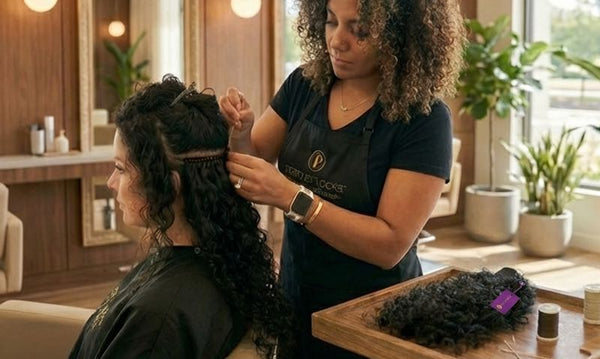
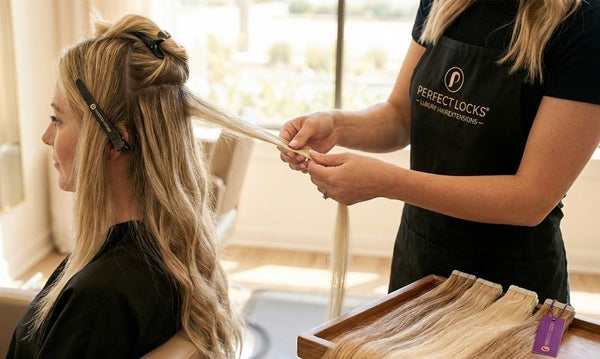
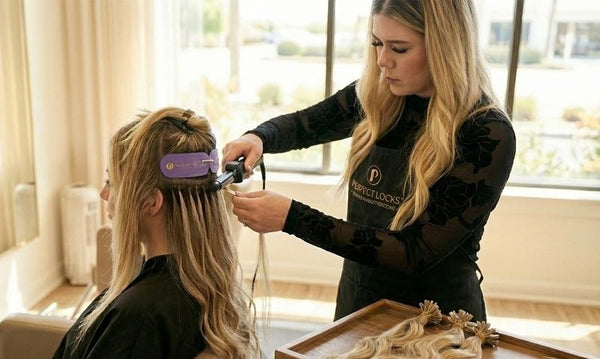
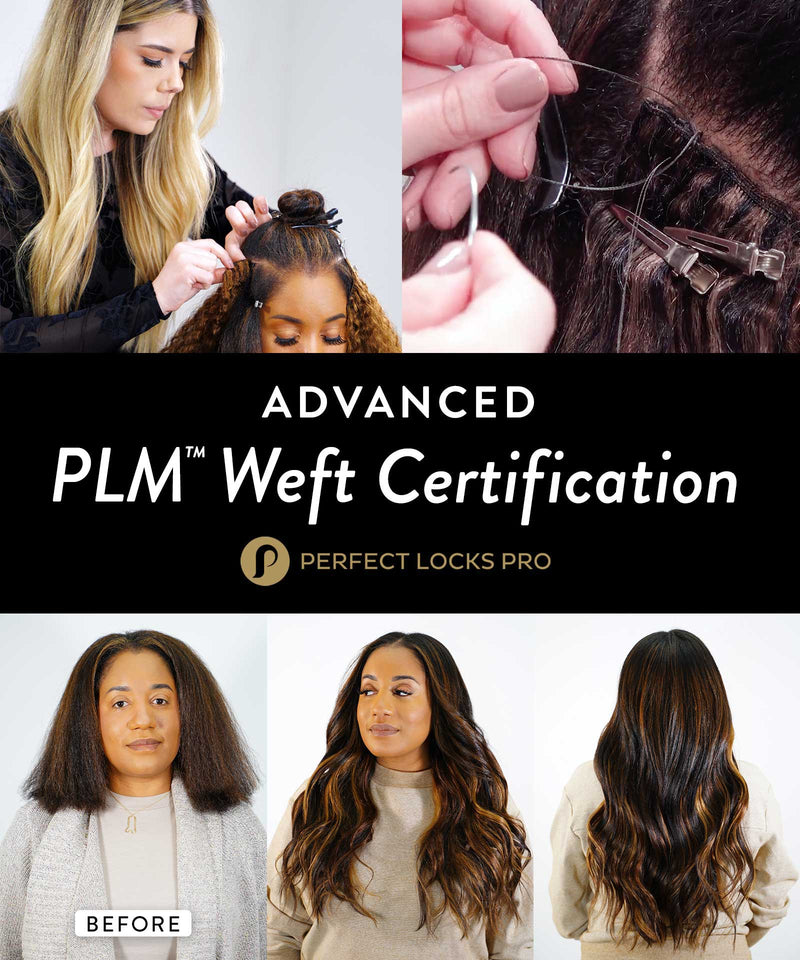
PLM™ Hand Tied & Machine Weft Installation Tutorial
Types of Weft Extensions
Not all wefts are created equal. Weft hair extensions are often sold as a set, providing multiple pieces that can be customized and combined for a full, natural look. The way the hair is attached to the weft track affects everything from how flat it lays against your head to how durable it is over time. Here are the main types you'll encounter:
Machine Weft Extensions
Machine wefts are the most common and affordable type. The hair is sewn onto a track using industrial sewing machines, creating a thicker, more durable weft. These are a great choice if you're on a budget or if you plan to cut your wefts to customize the width.
Machine wefts tend to be slightly thicker at the top where the hair is sewn, so they work best when you have enough natural hair to conceal them. They're also the most versatile - you can sew them in, use them with beads, or even convert them into clip-ins if you're crafty.
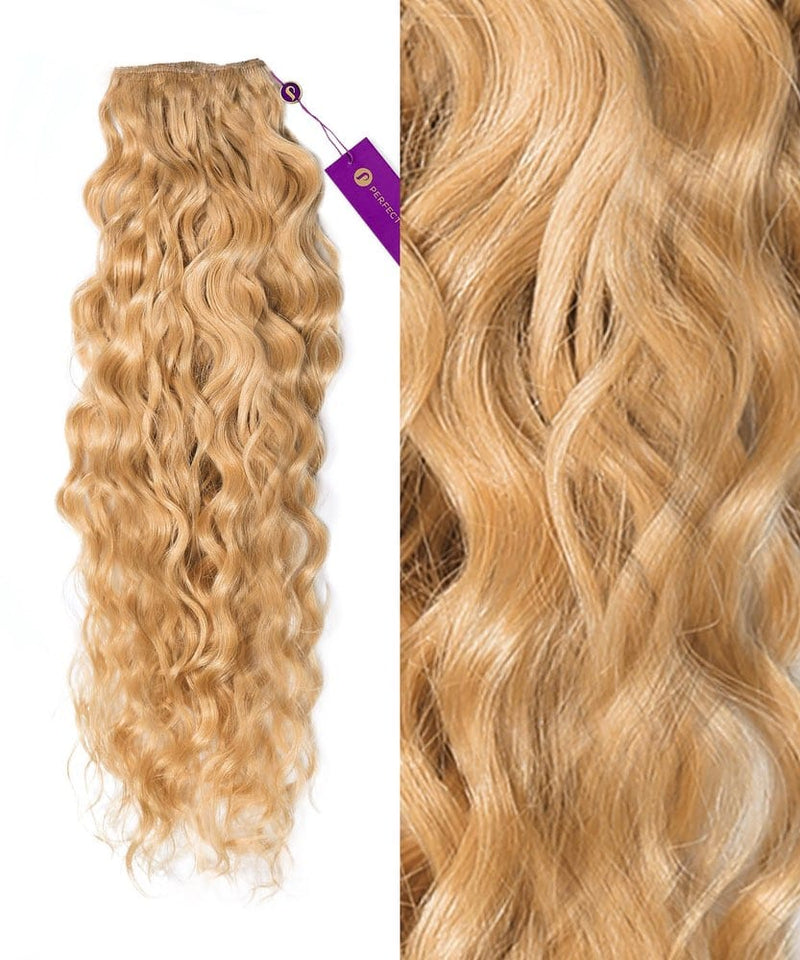
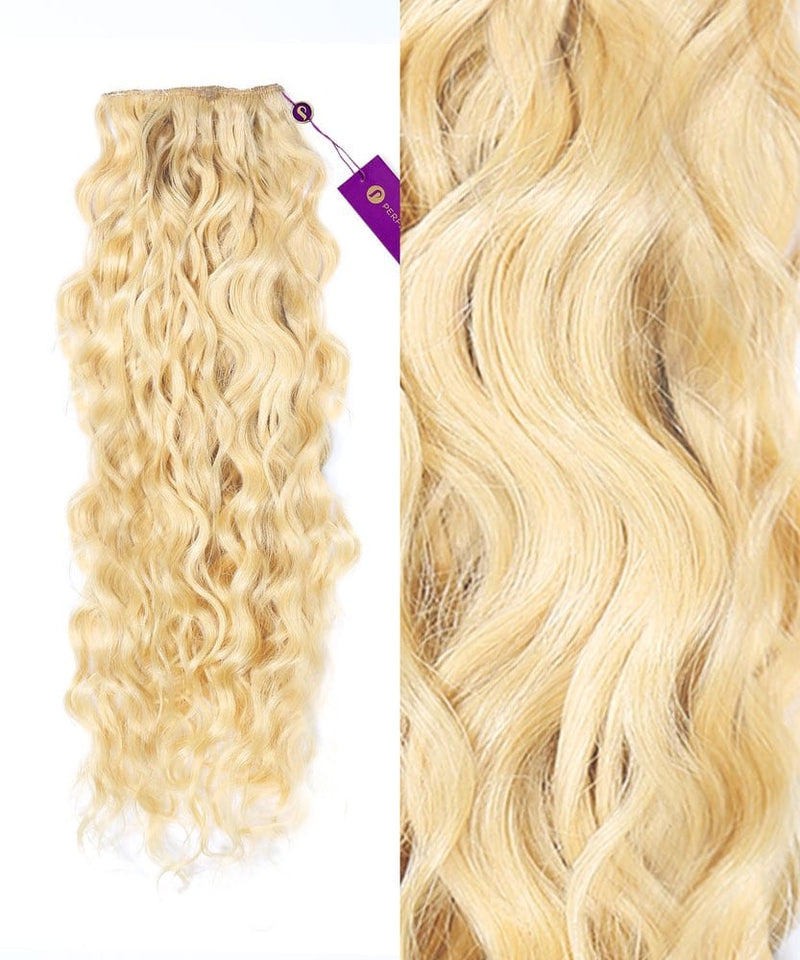
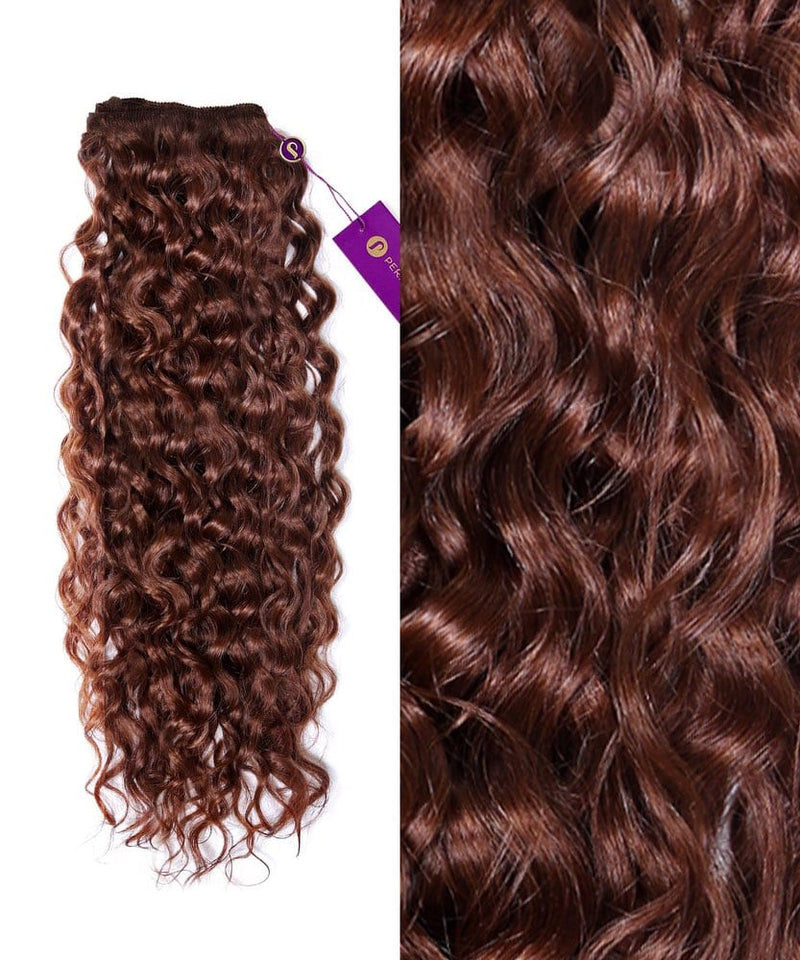
Hand-Tied Weft Extensions
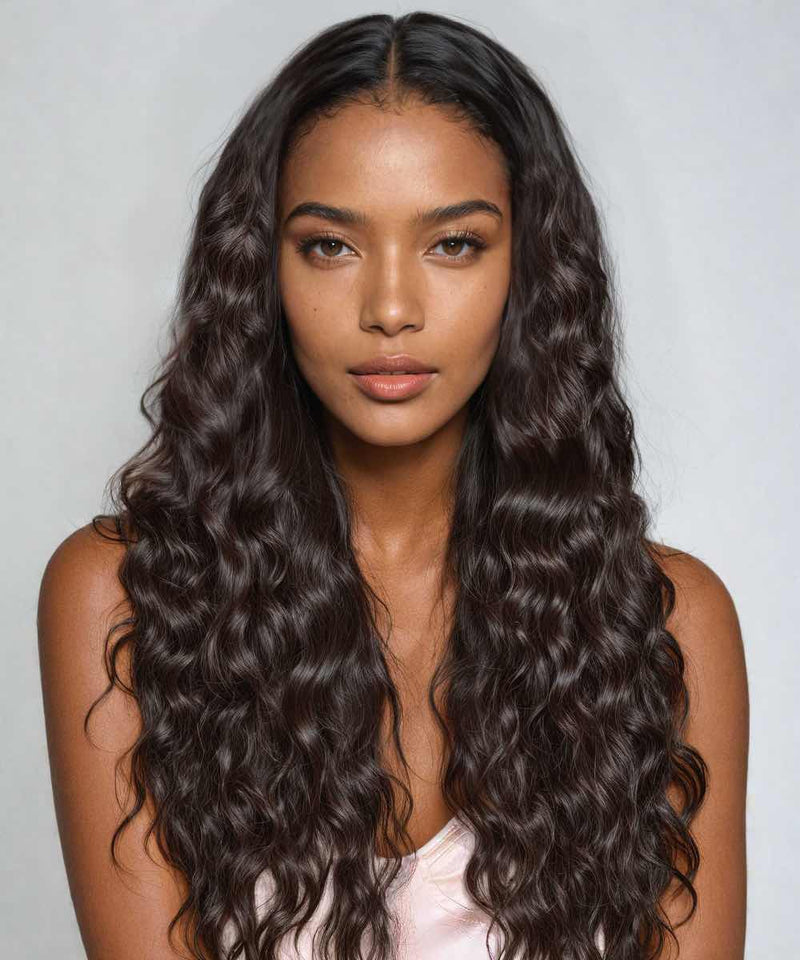
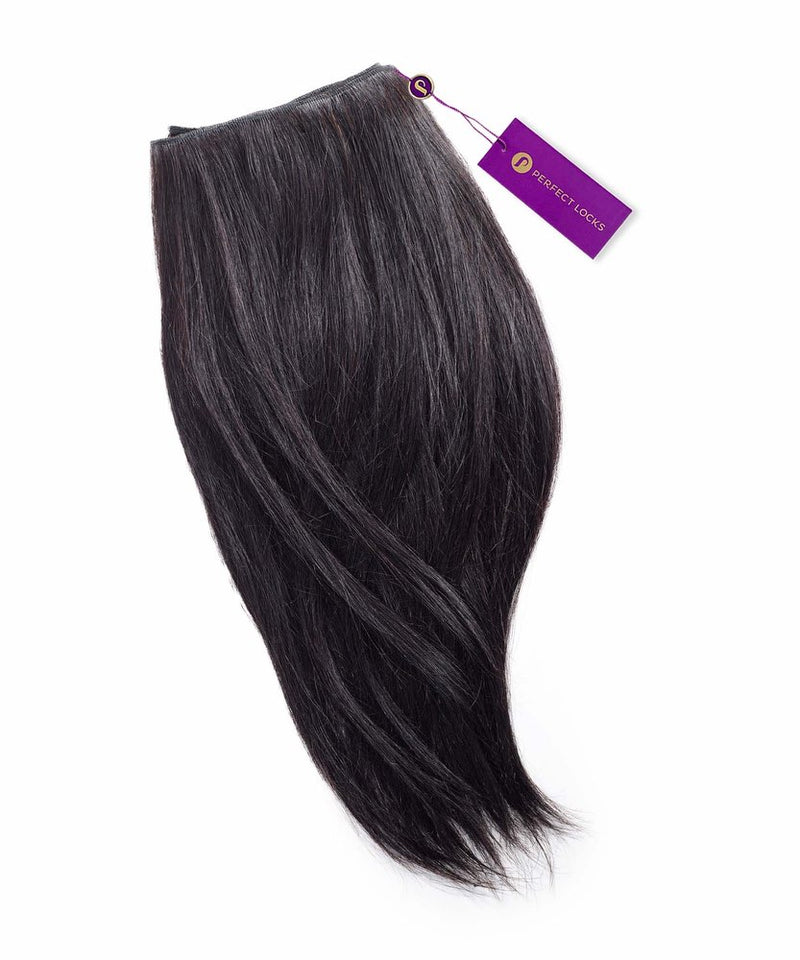
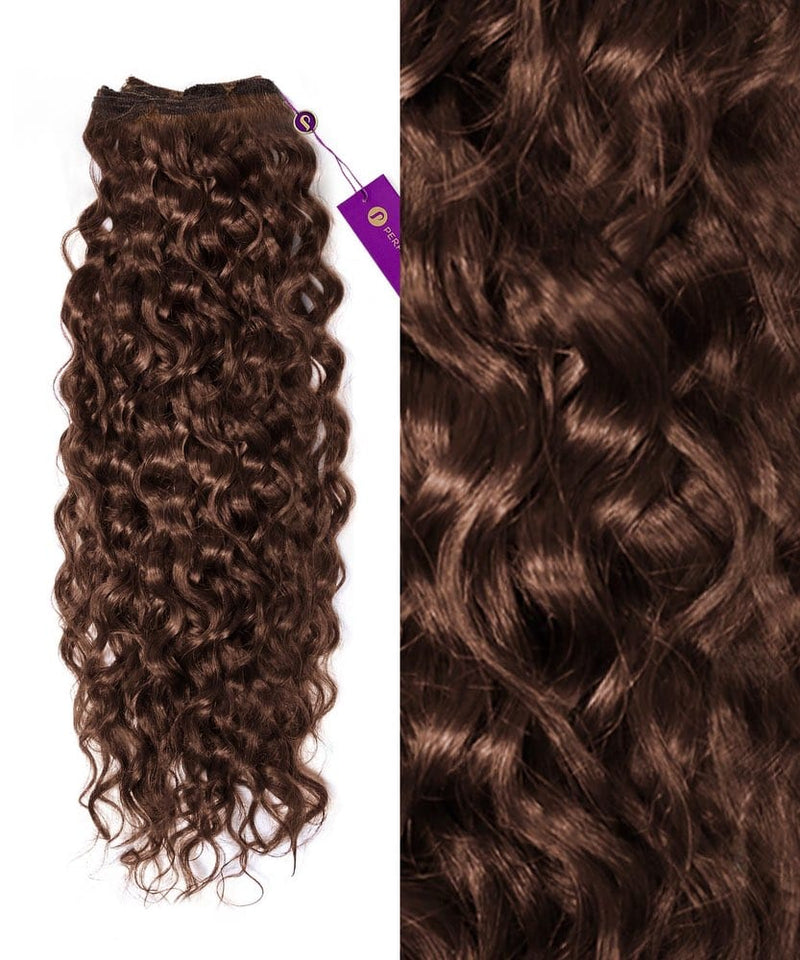
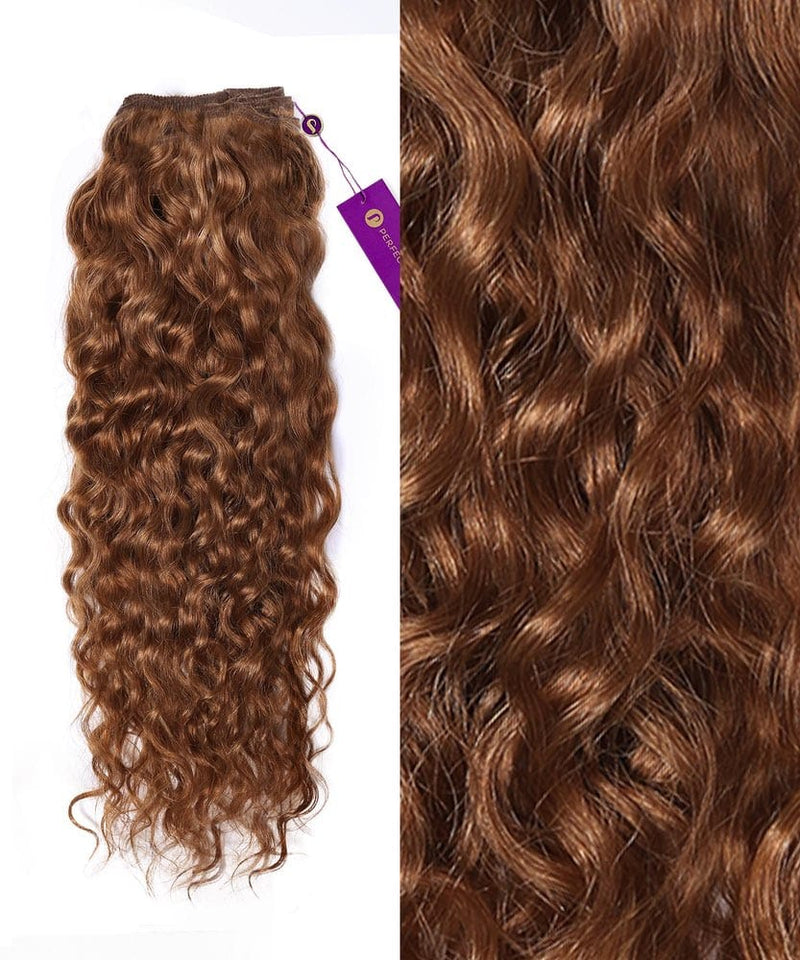
Hand-tied wefts are exactly what they sound like - each strand of hair is tied to a thin fabric track by hand. This creates an incredibly thin, flexible weft that lays virtually flat against your scalp. If you have fine or thin hair, hand-tied wefts are often the top recommendation because they're less likely to create bumps or show through.
Hand-tied extensions have become one of the most popular methods among salon professionals, and for good reason. The thin construction means your stylist can place them closer together without adding bulk, giving you a more natural-looking result even with multiple rows. Many of our customers with fine or thin hair tell us hand-tied wefts changed their experience with extensions entirely.
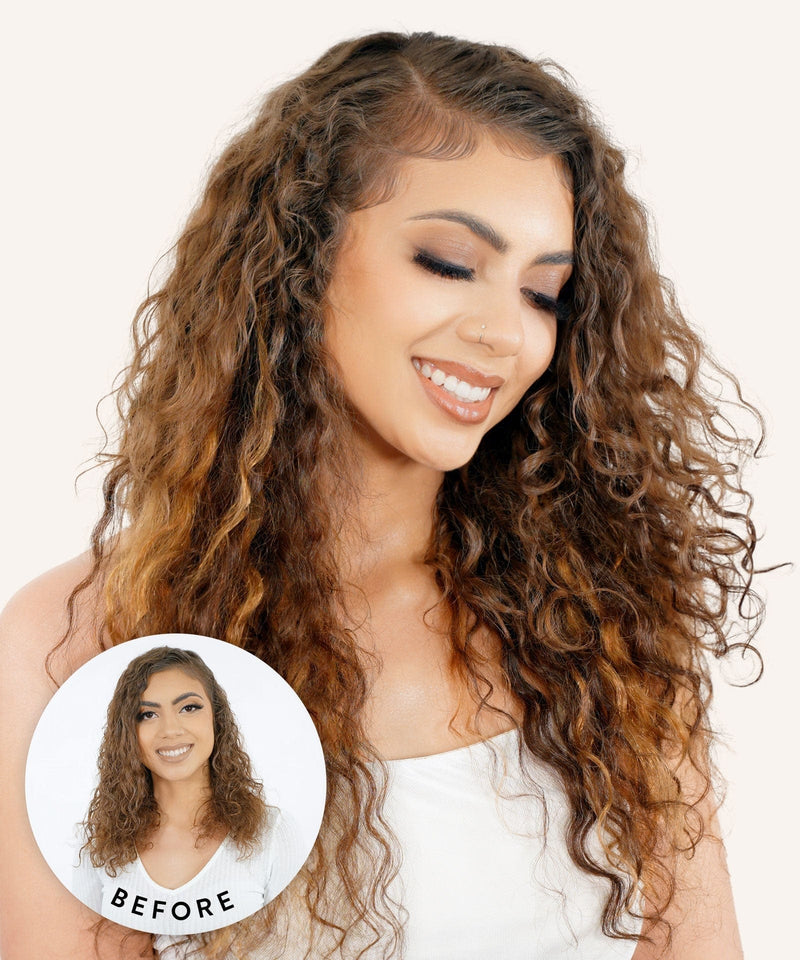
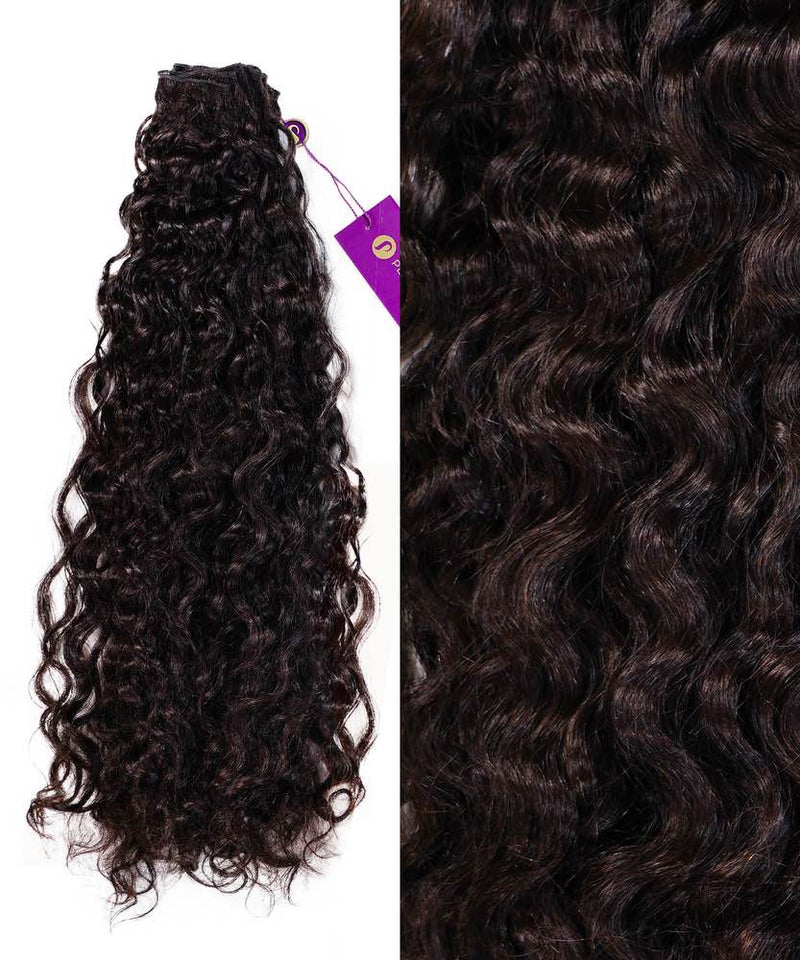
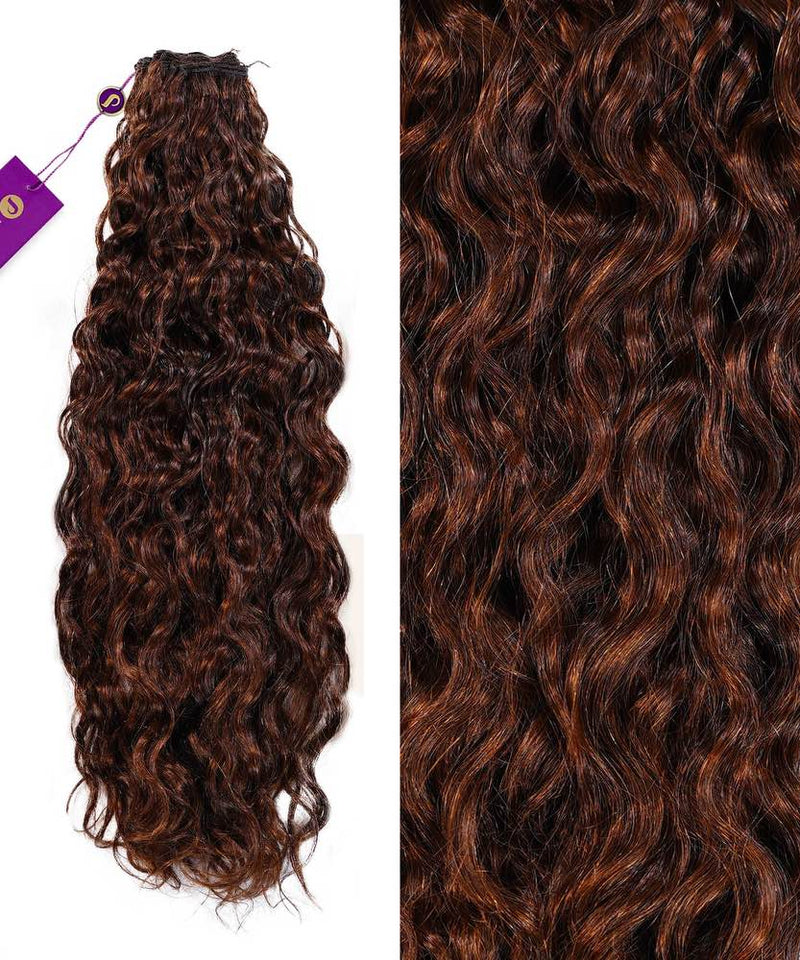
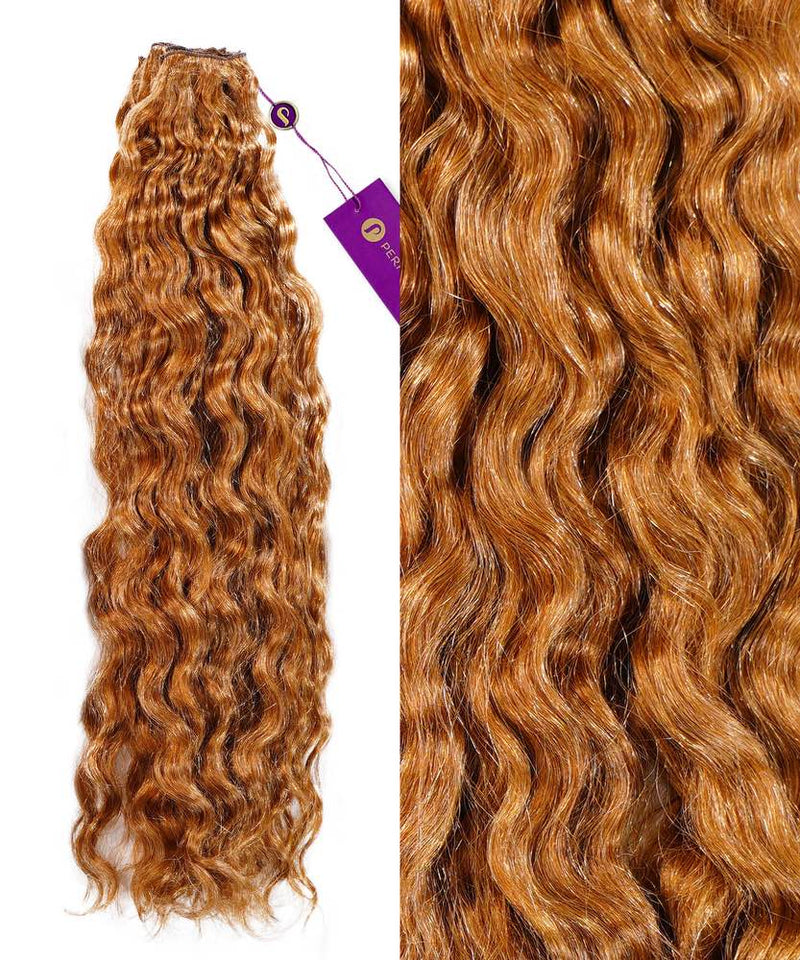
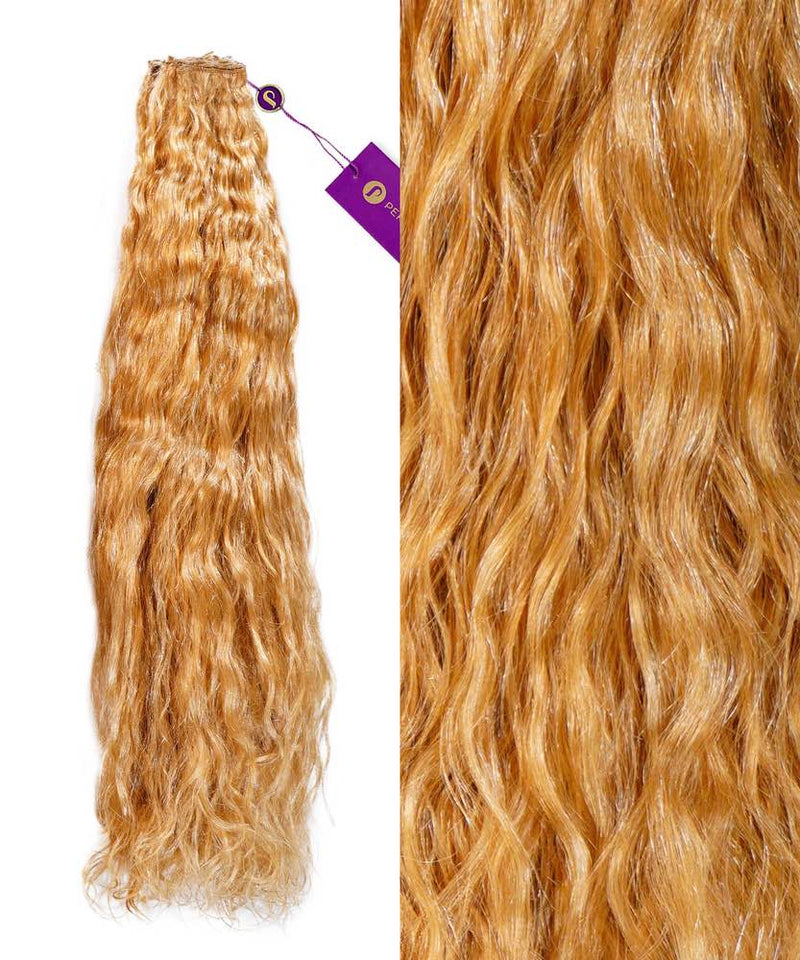
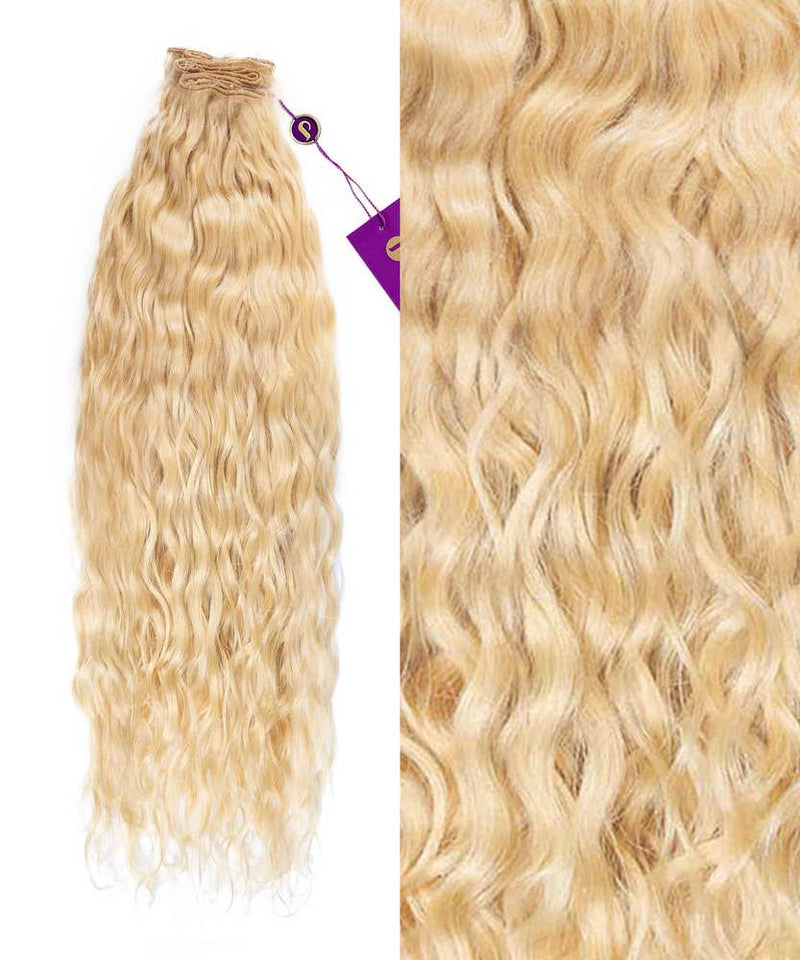
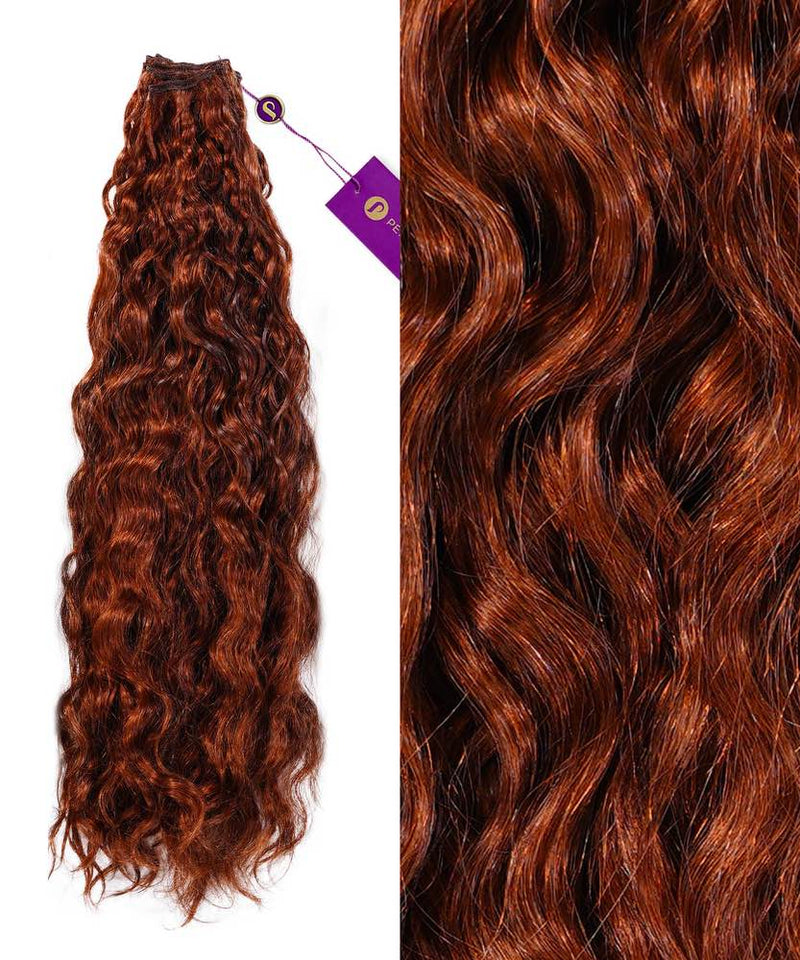
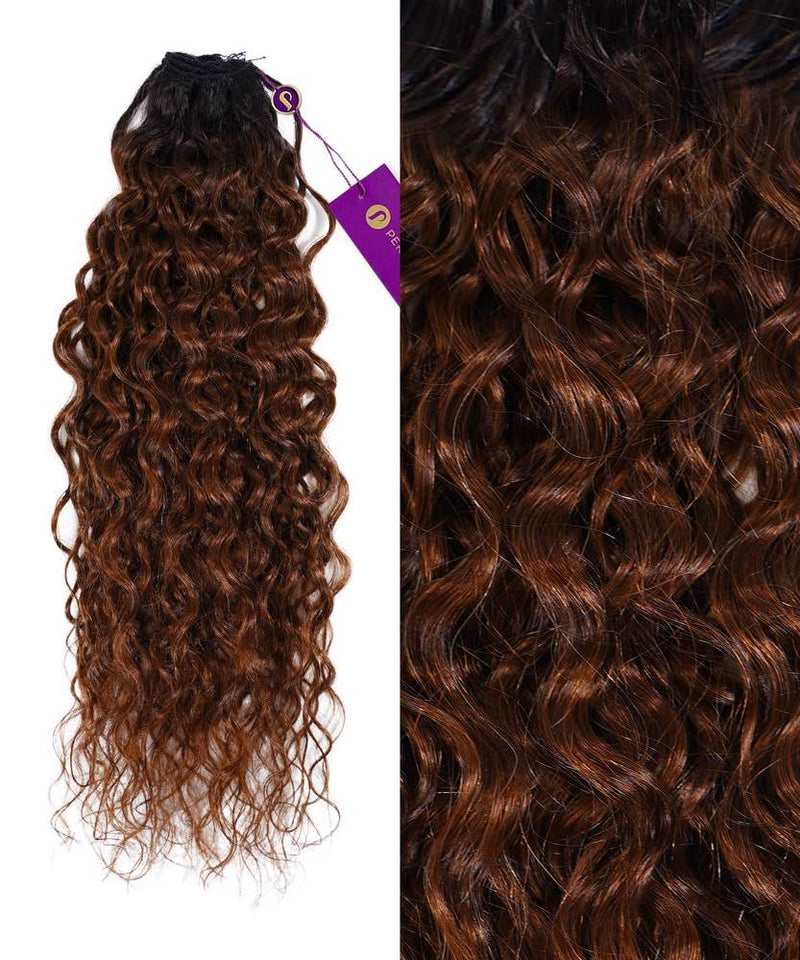
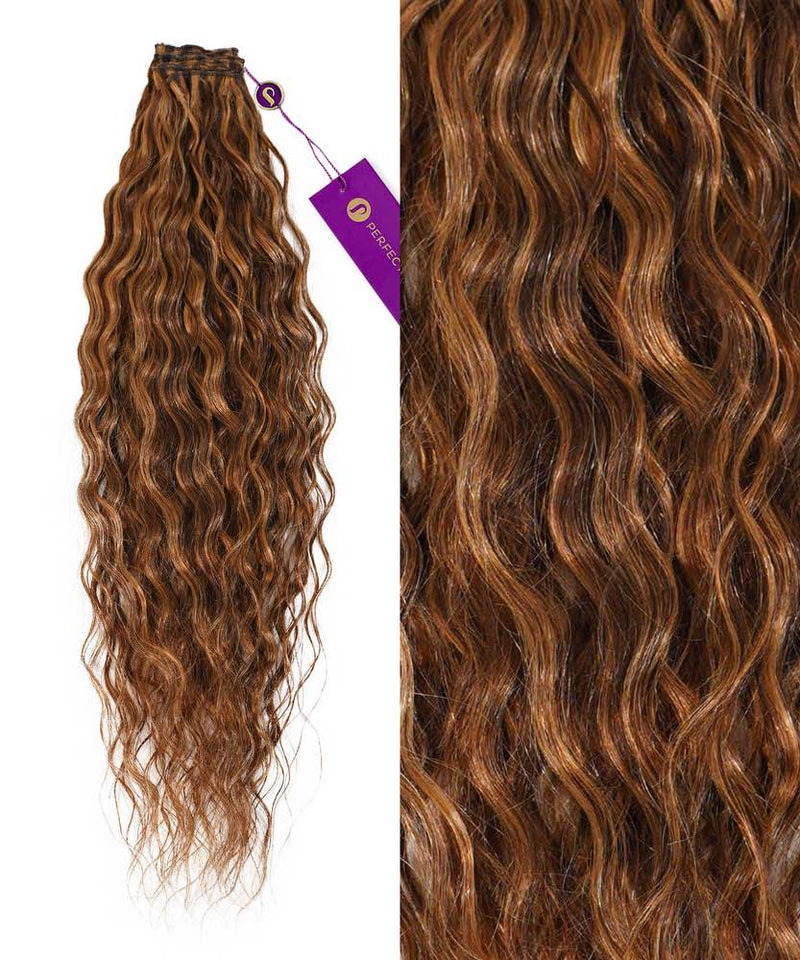
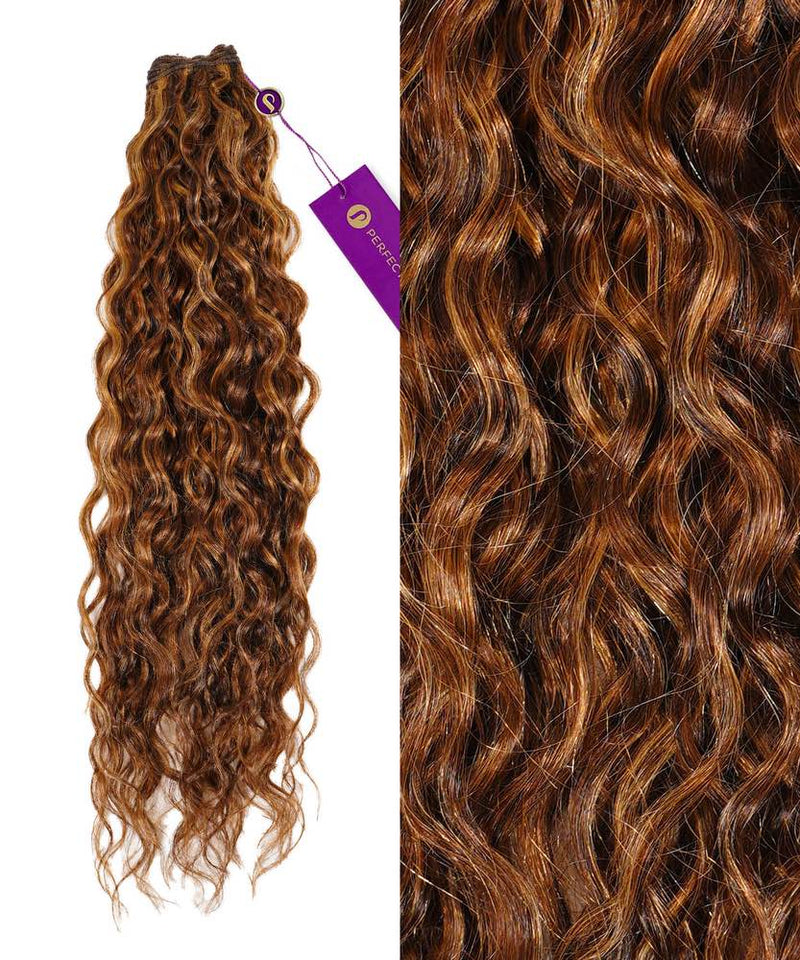
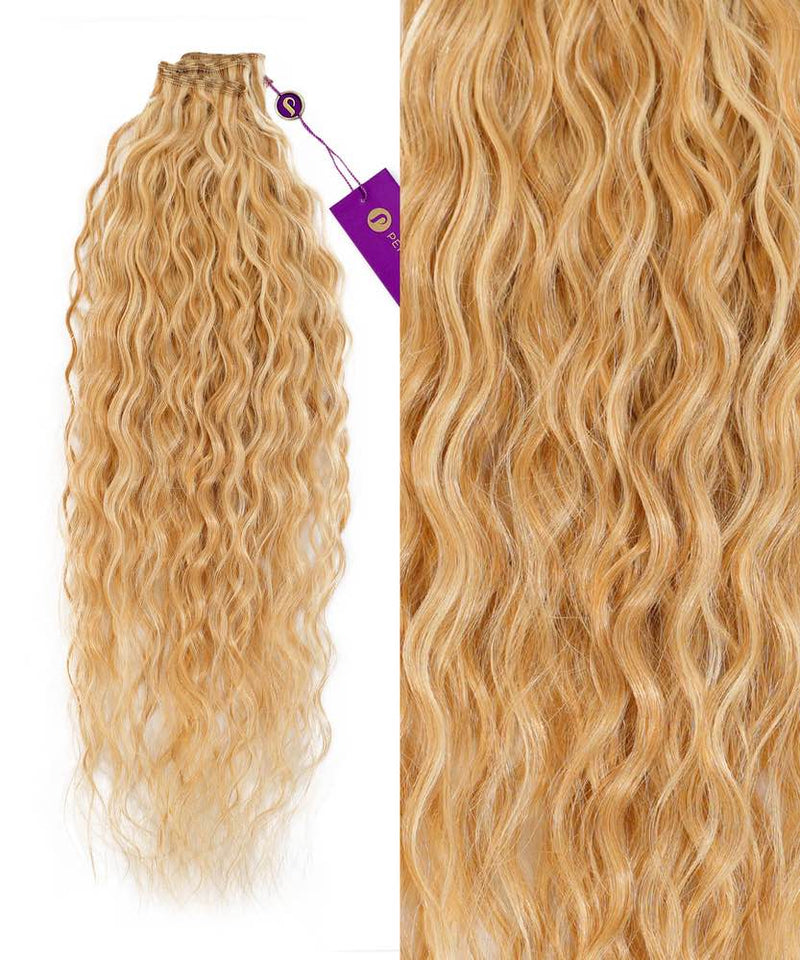
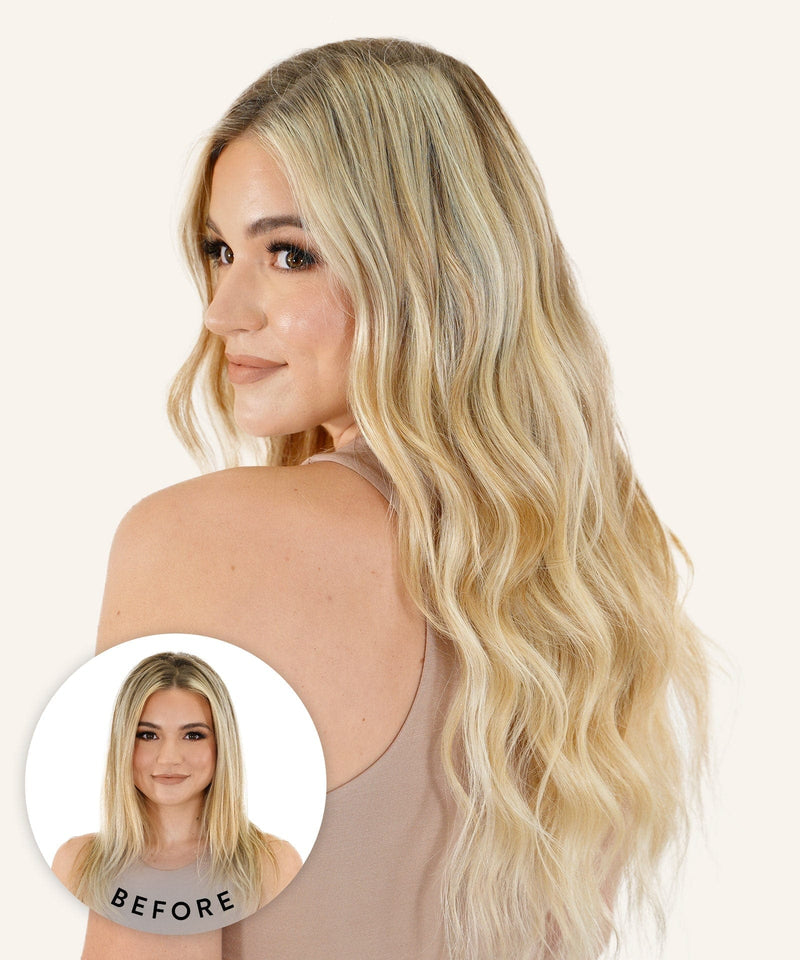
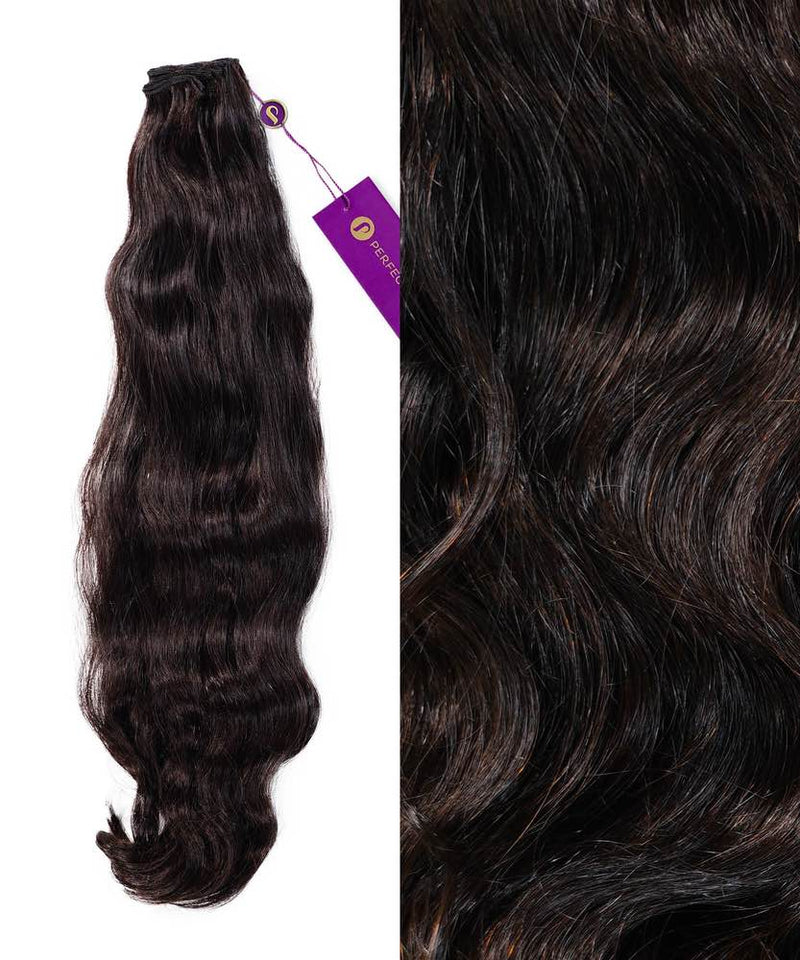
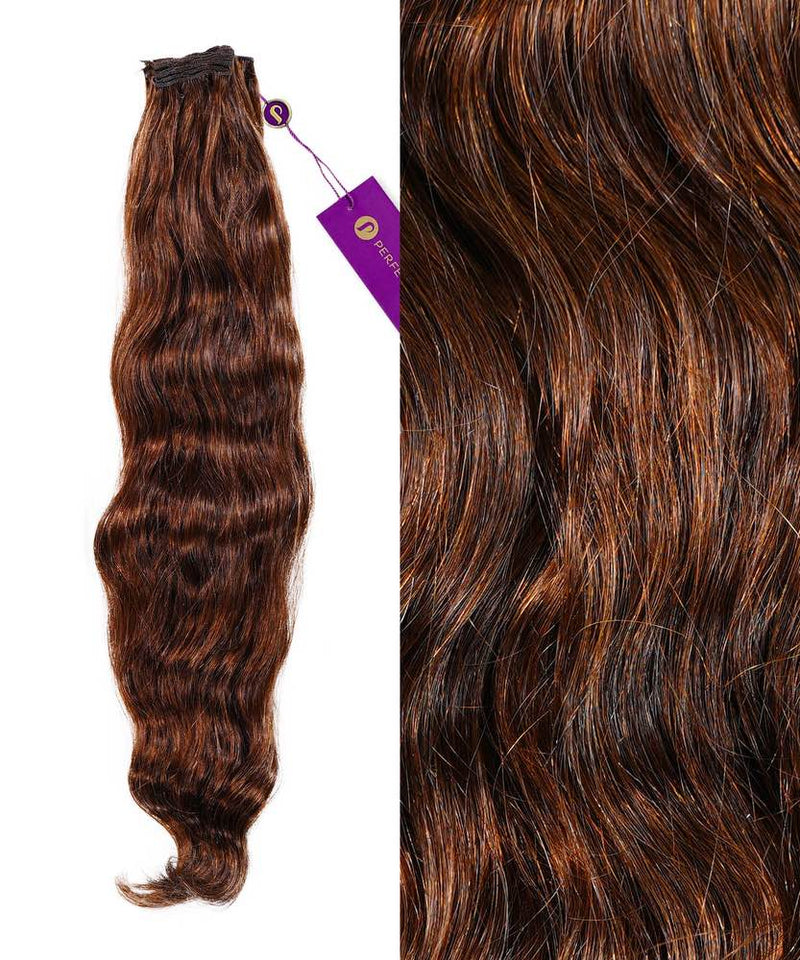
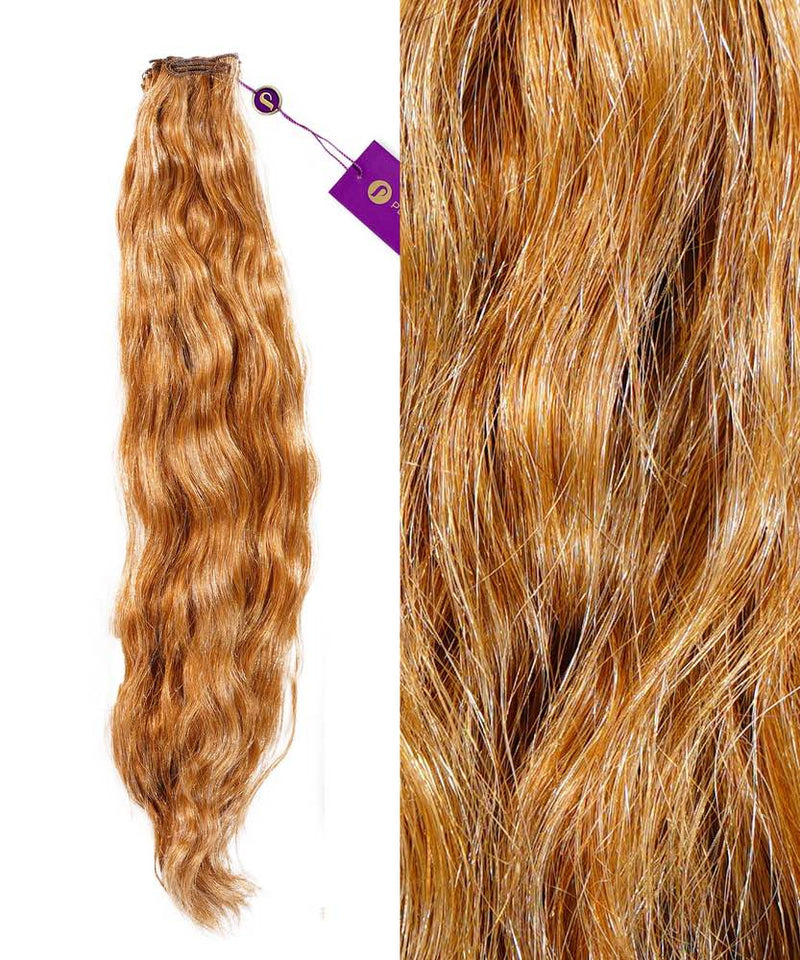
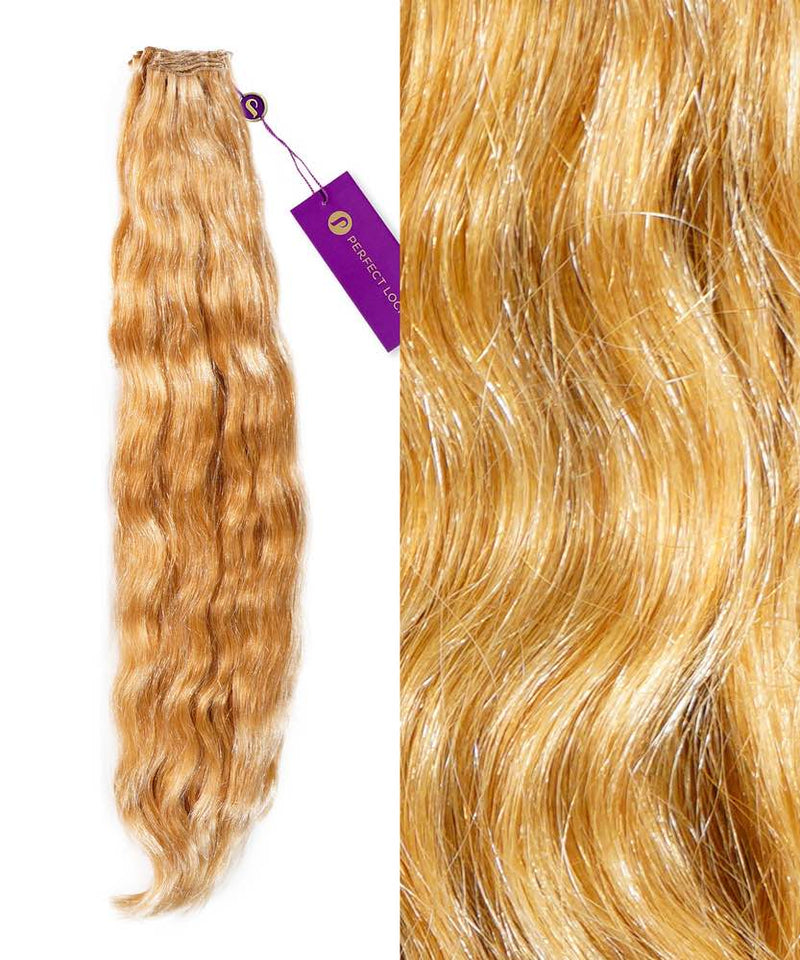
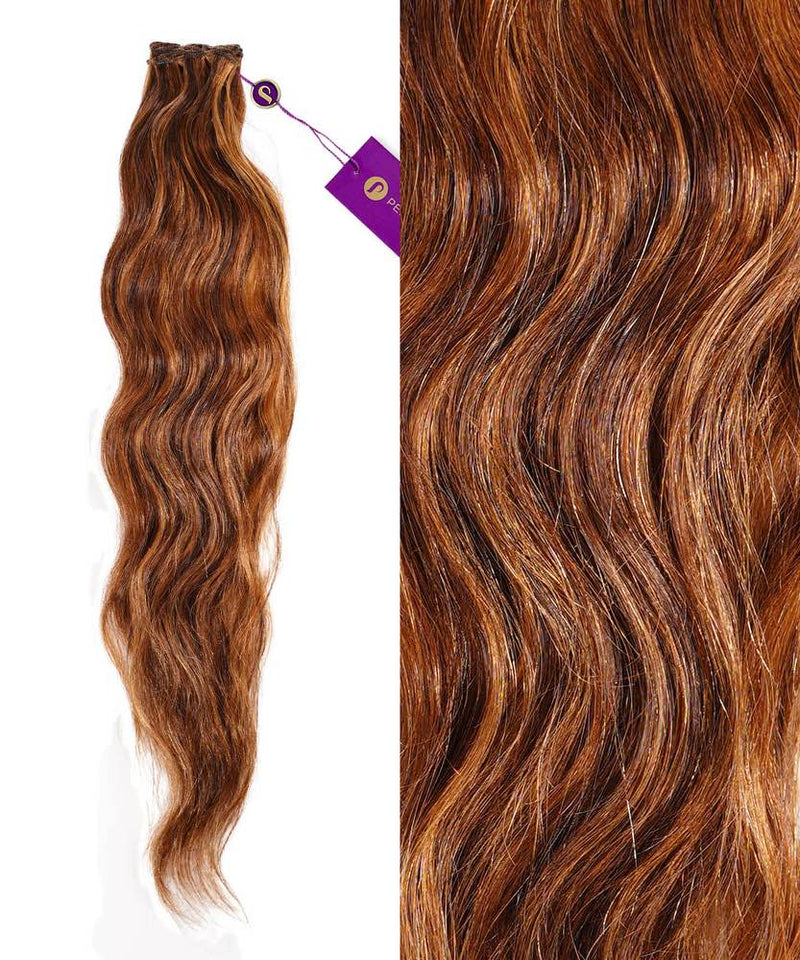
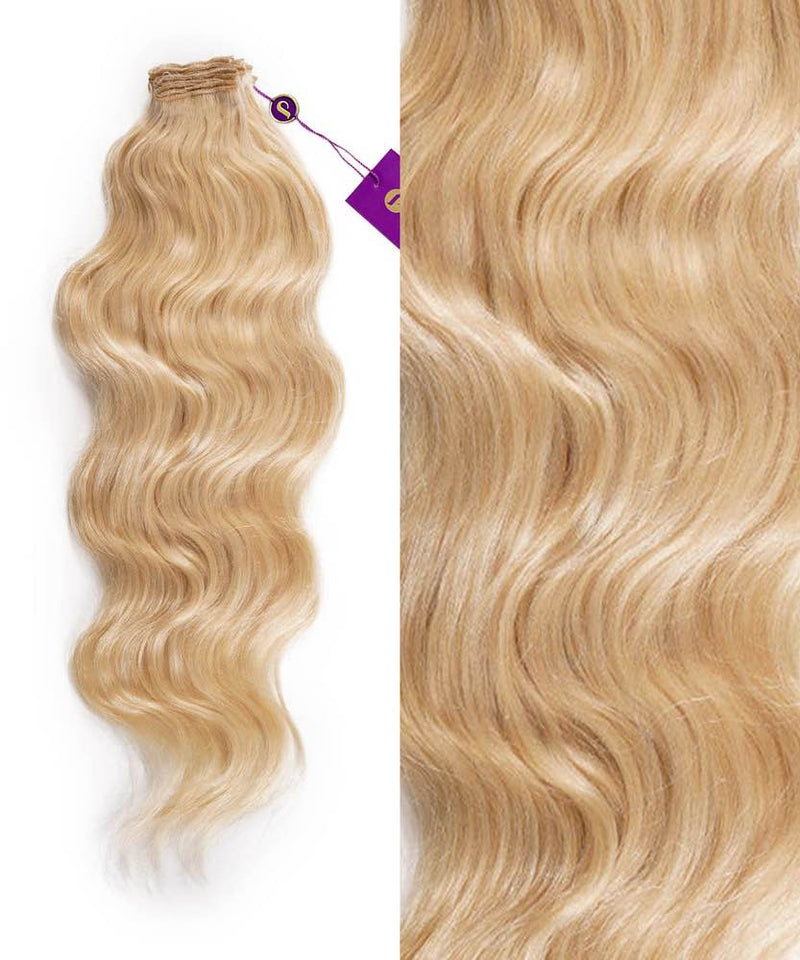
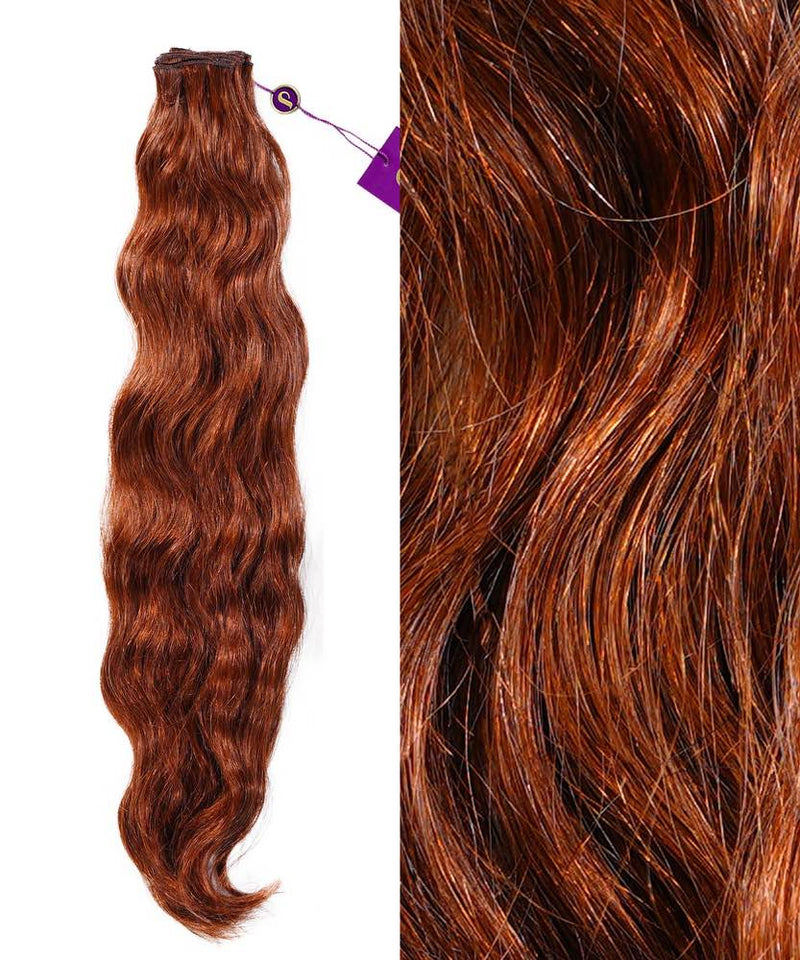
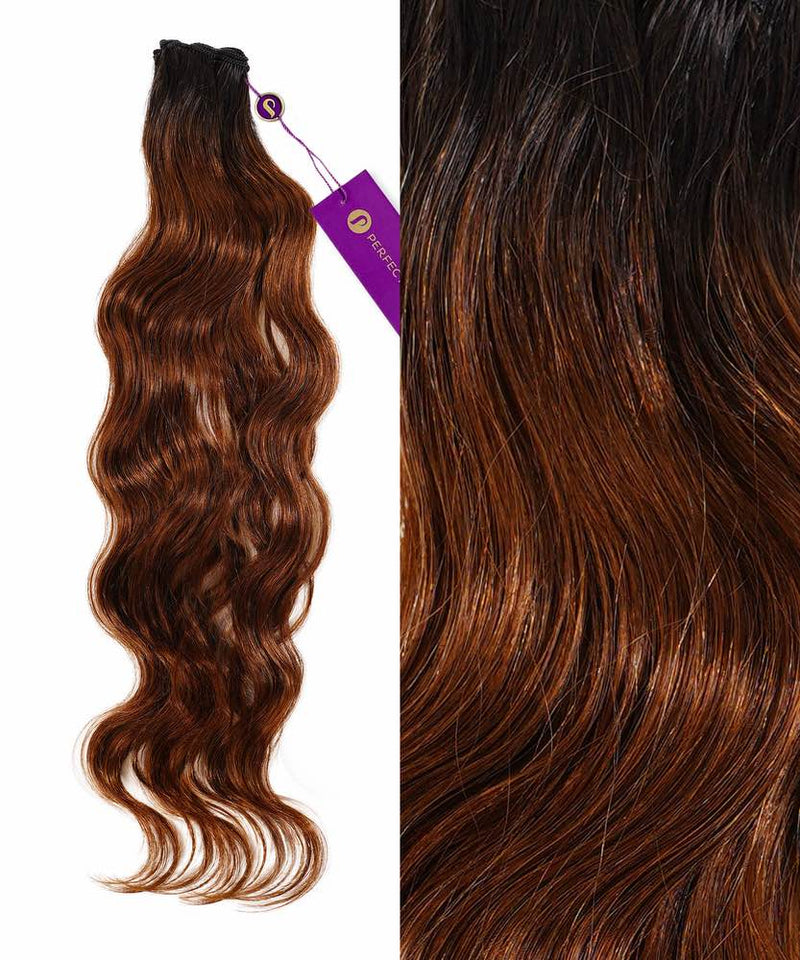
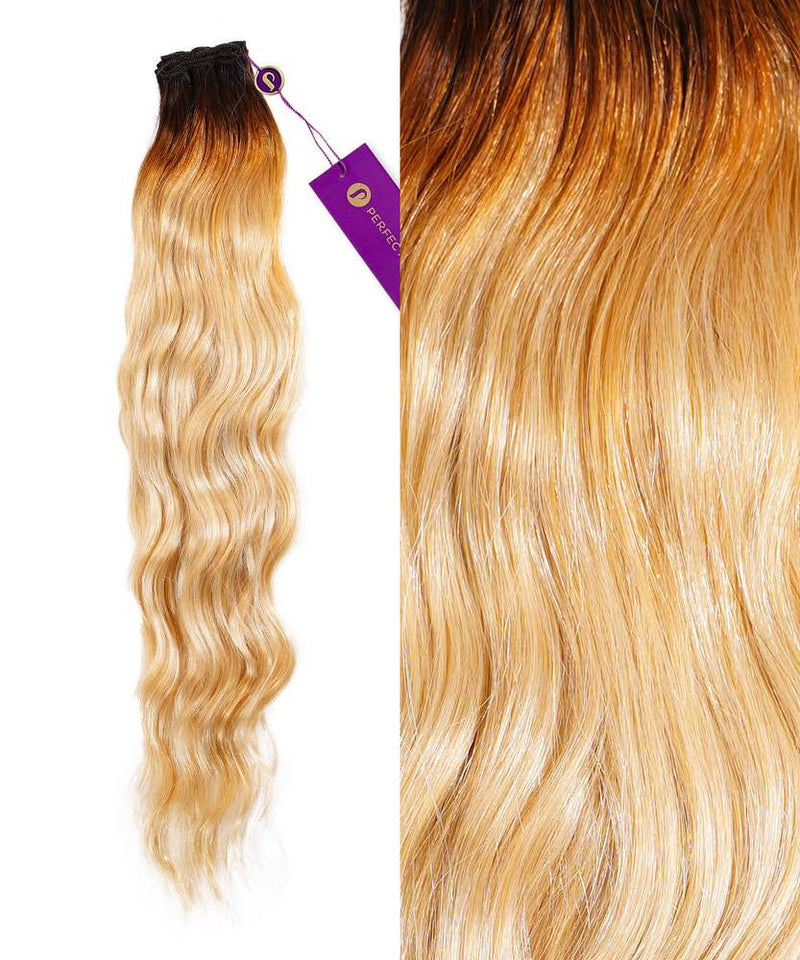
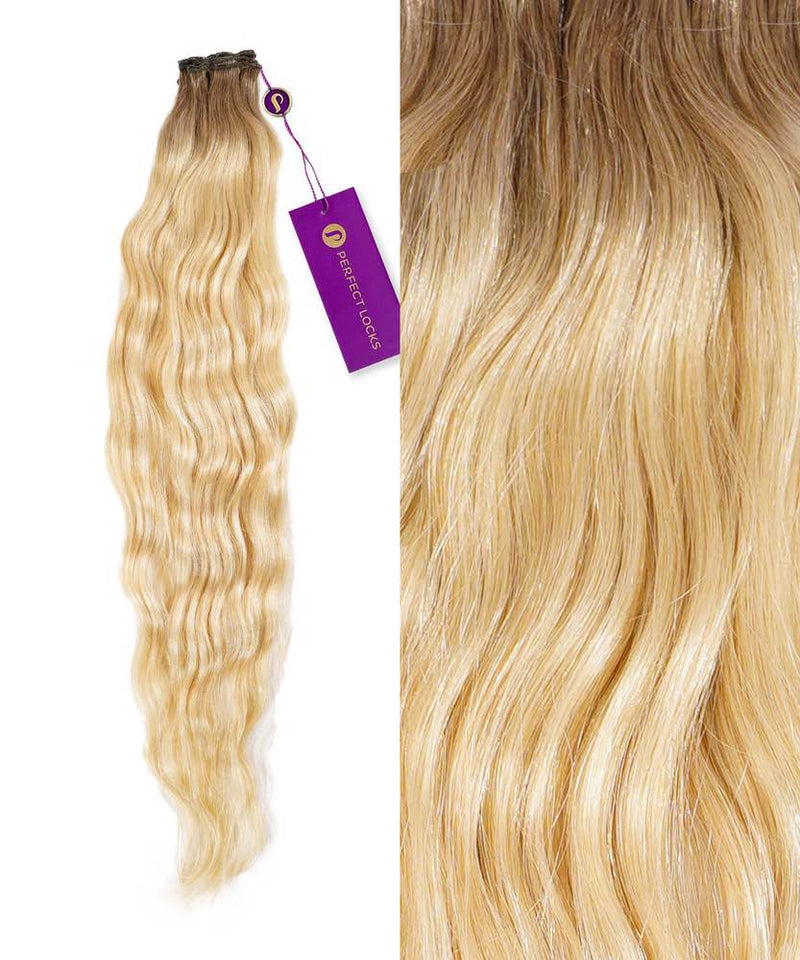
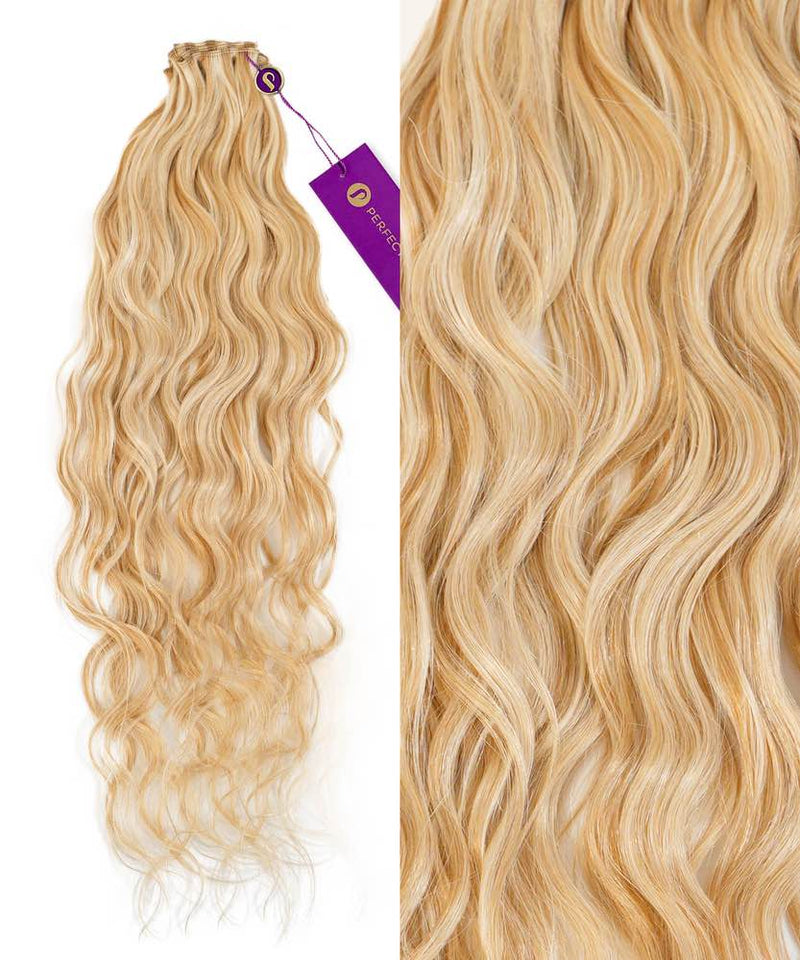
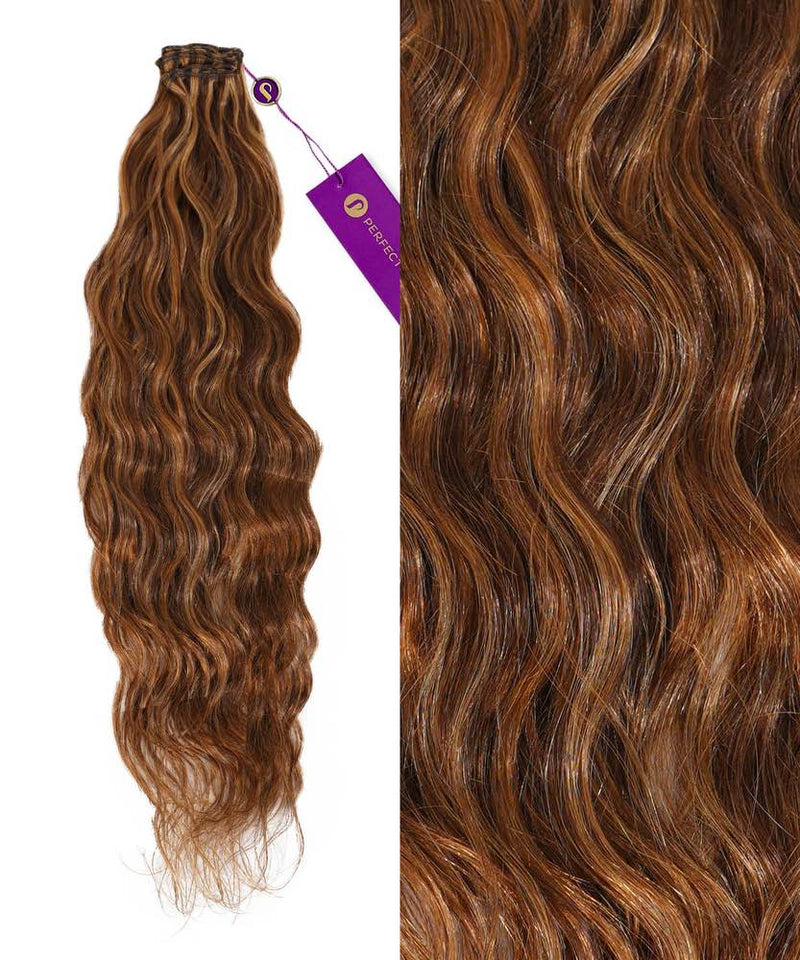
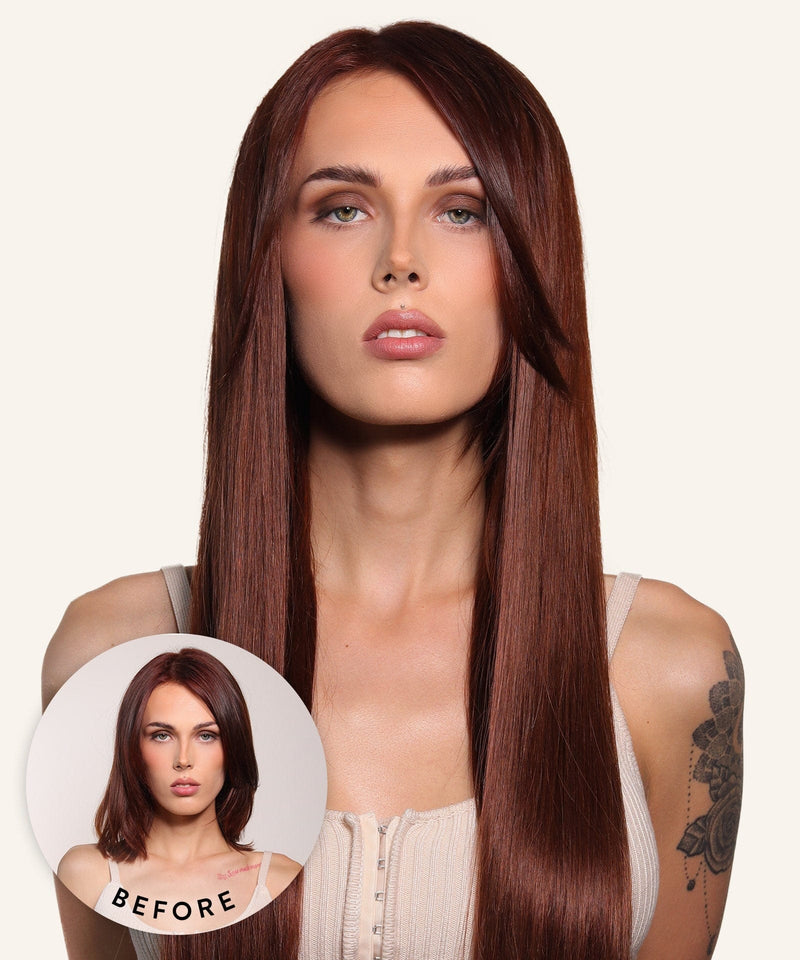
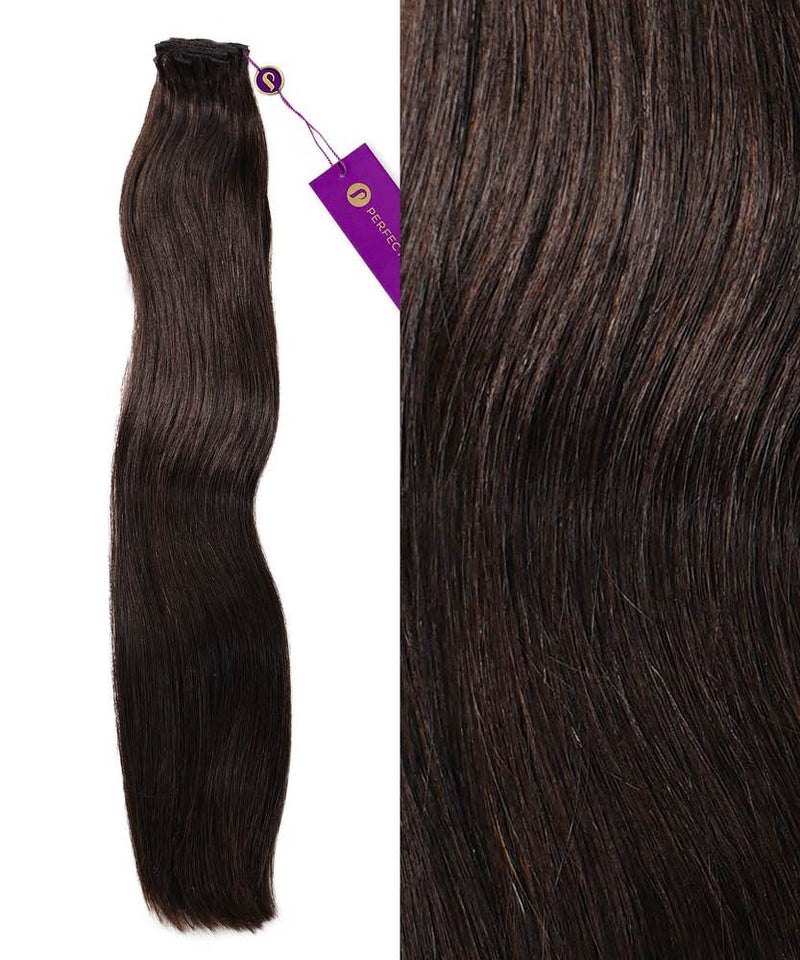
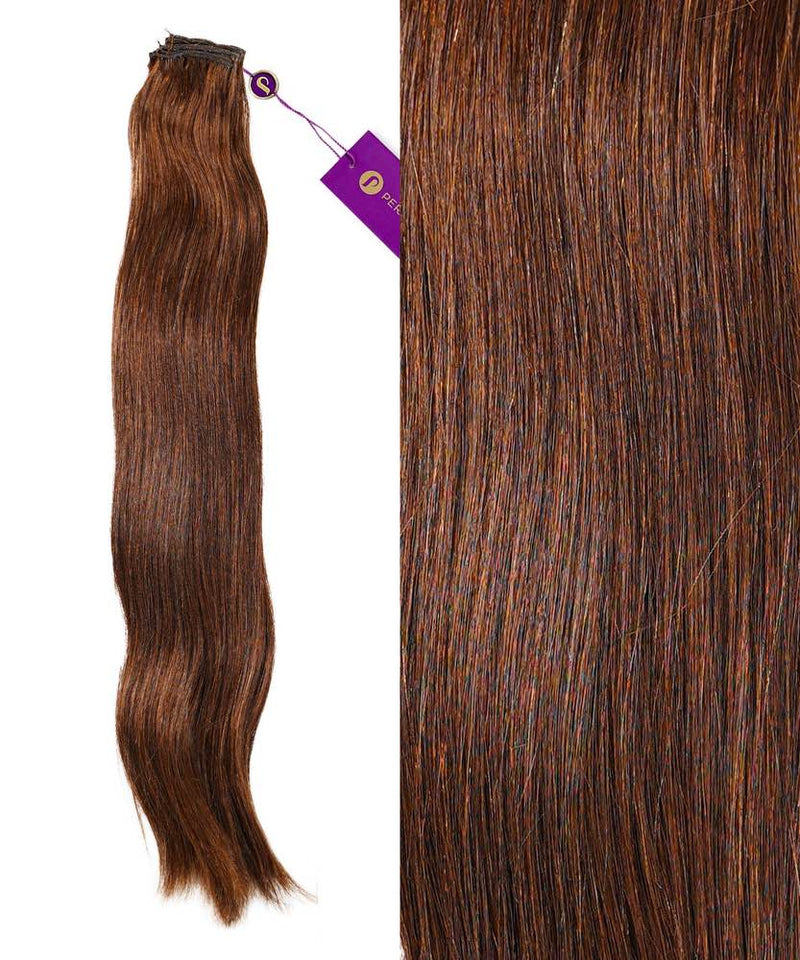
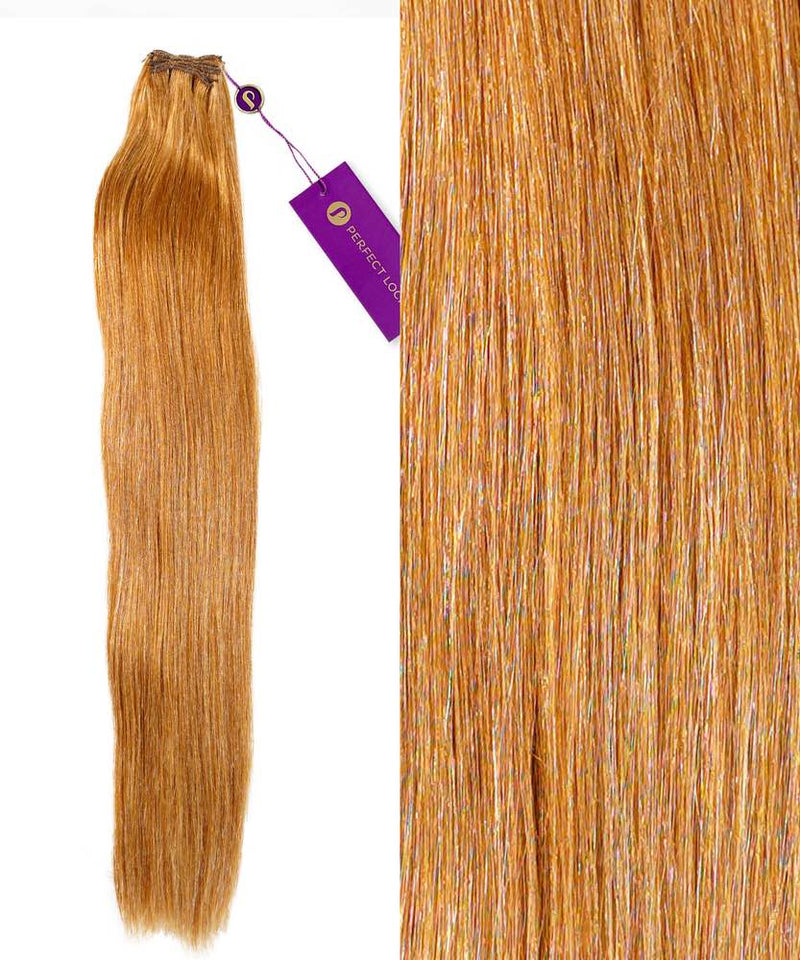
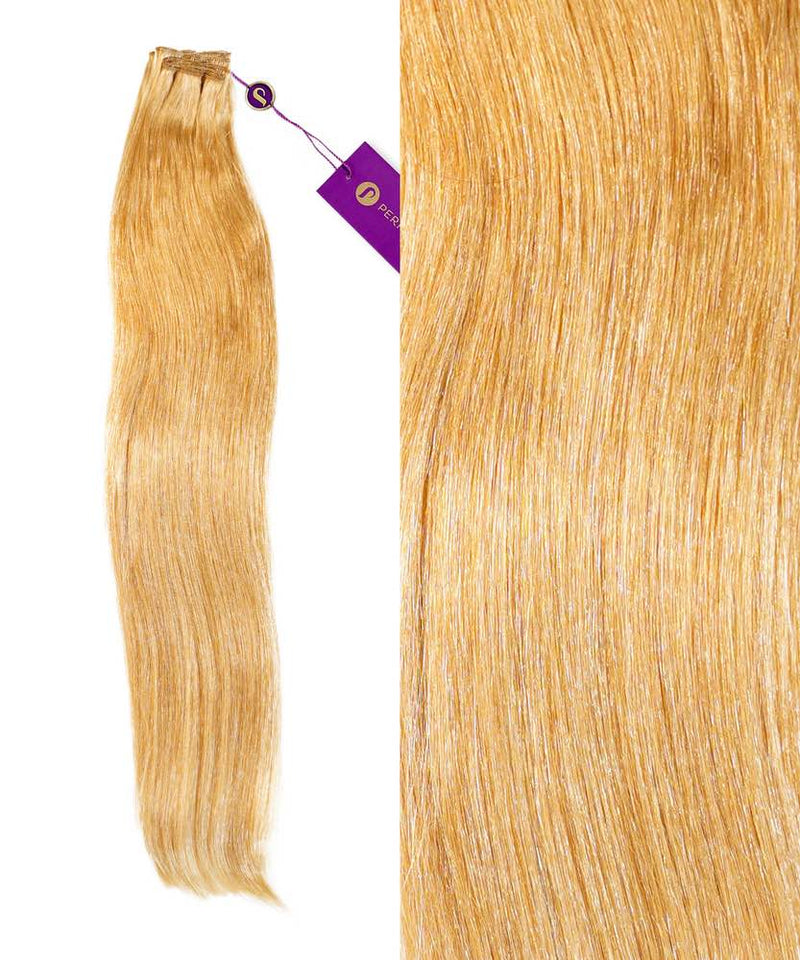
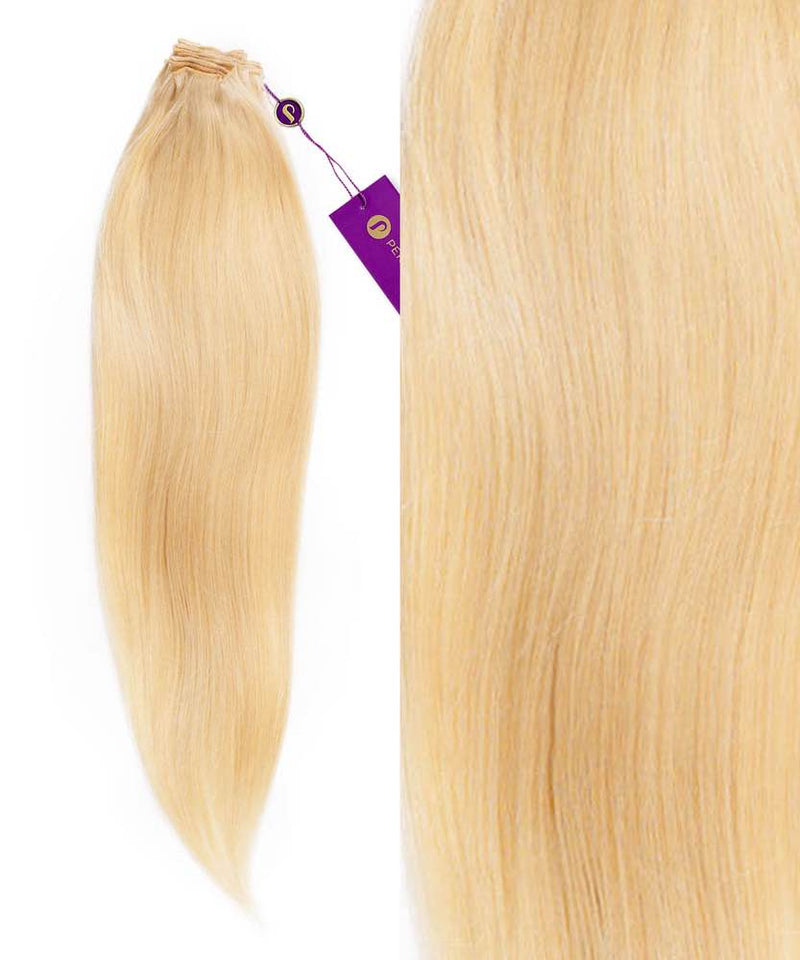
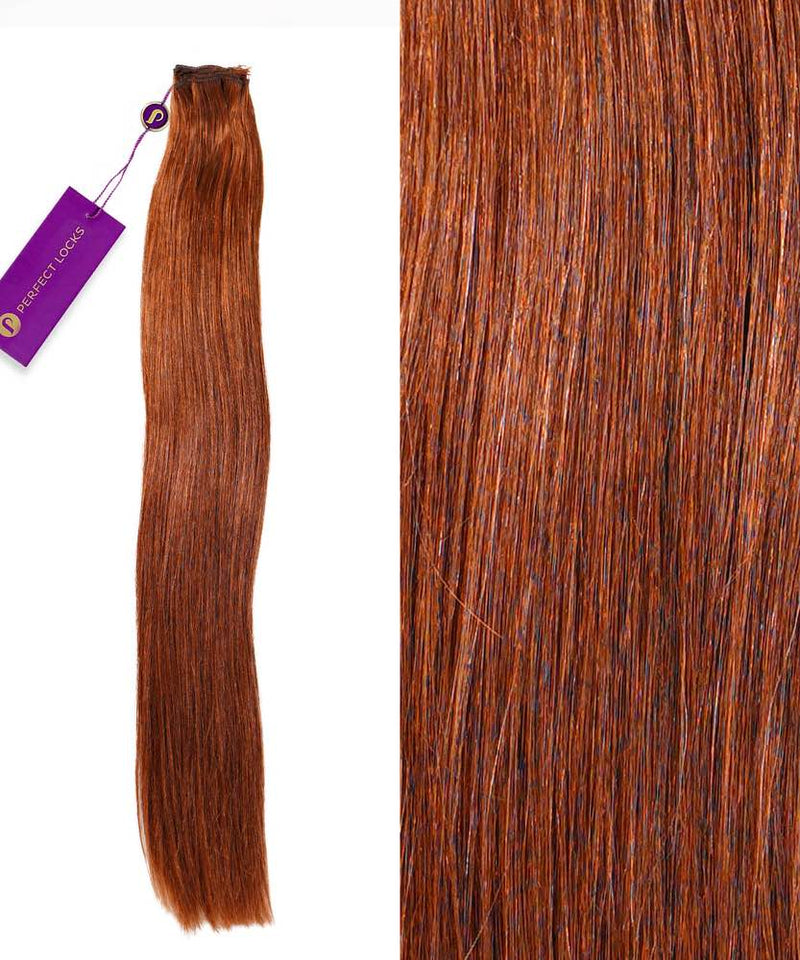
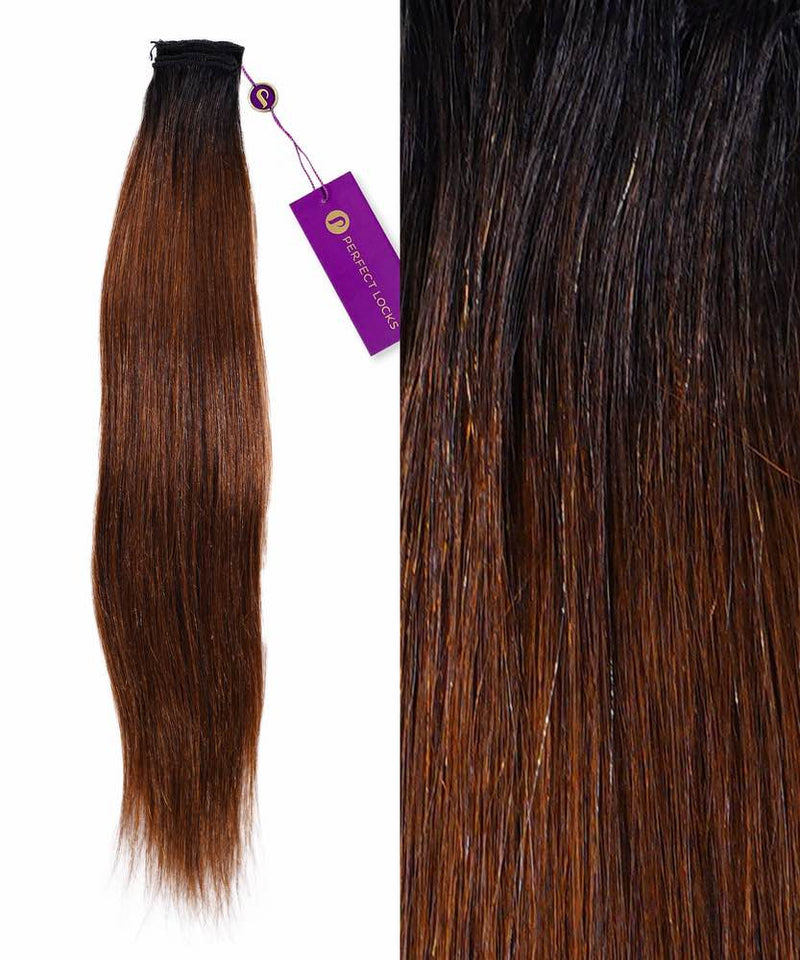
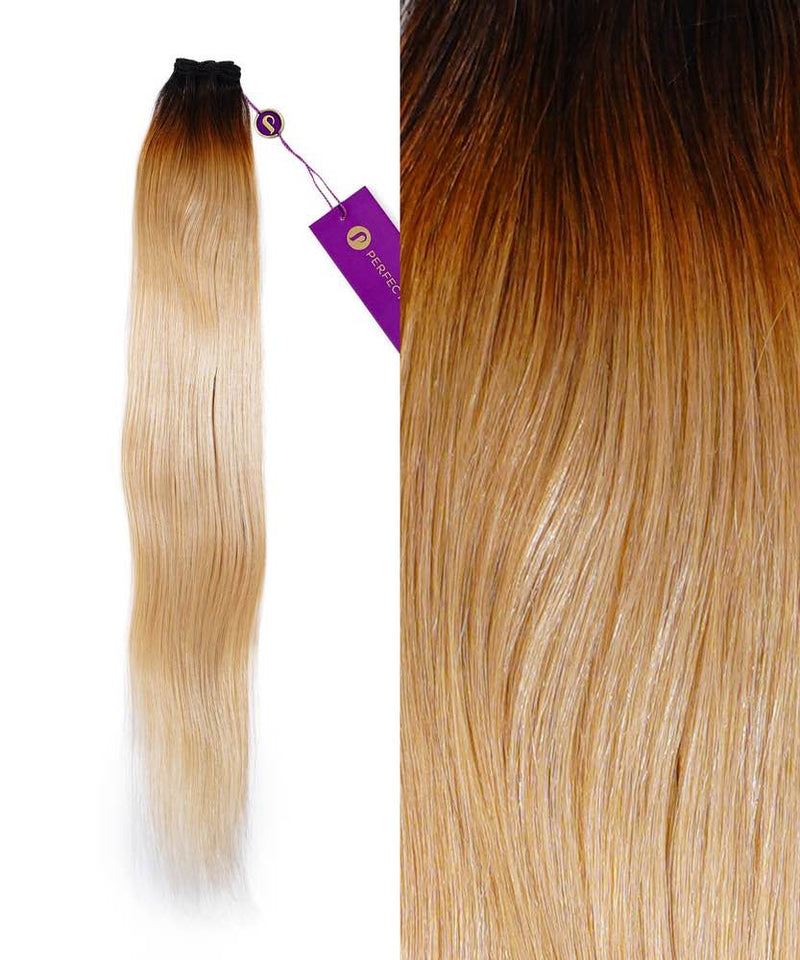
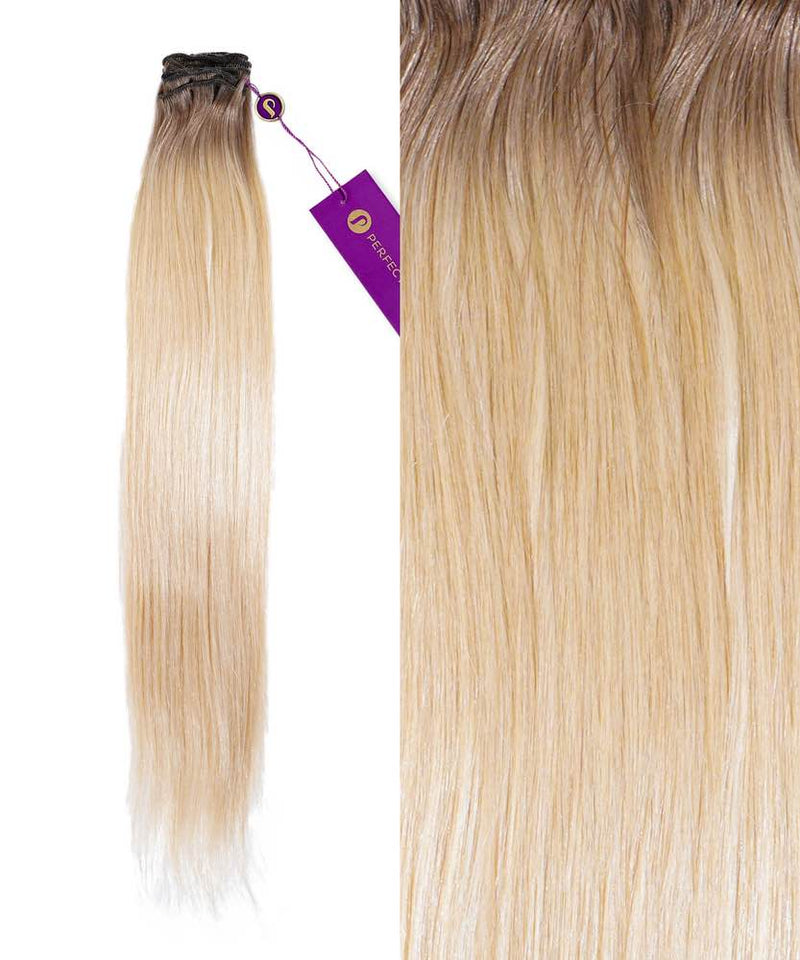
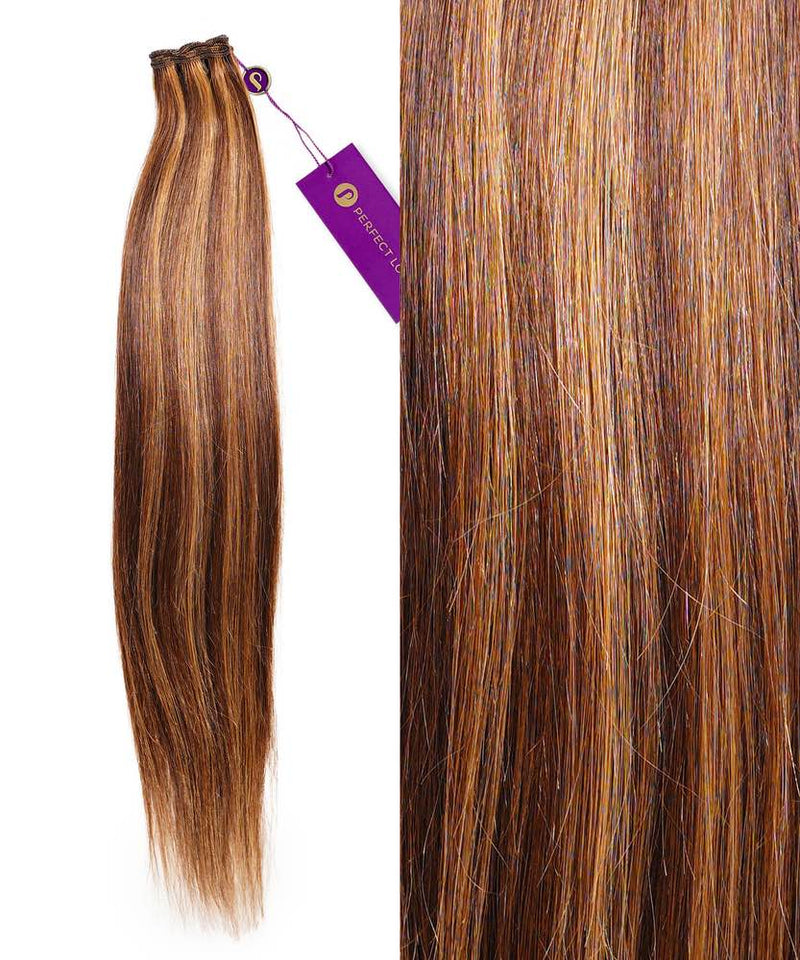
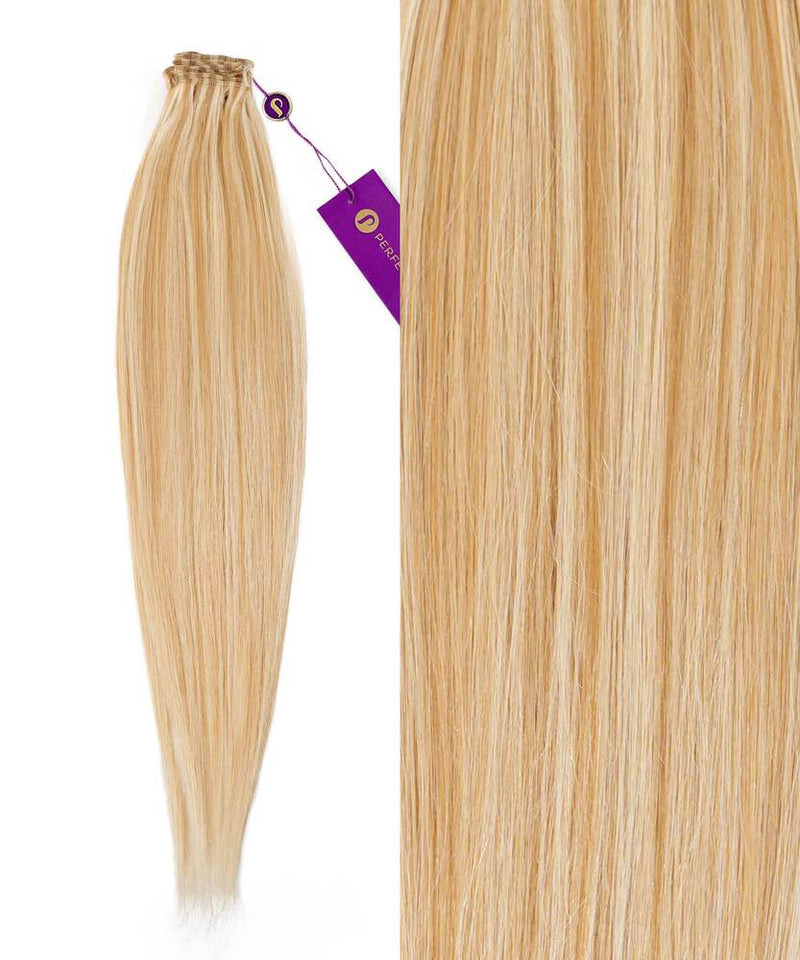
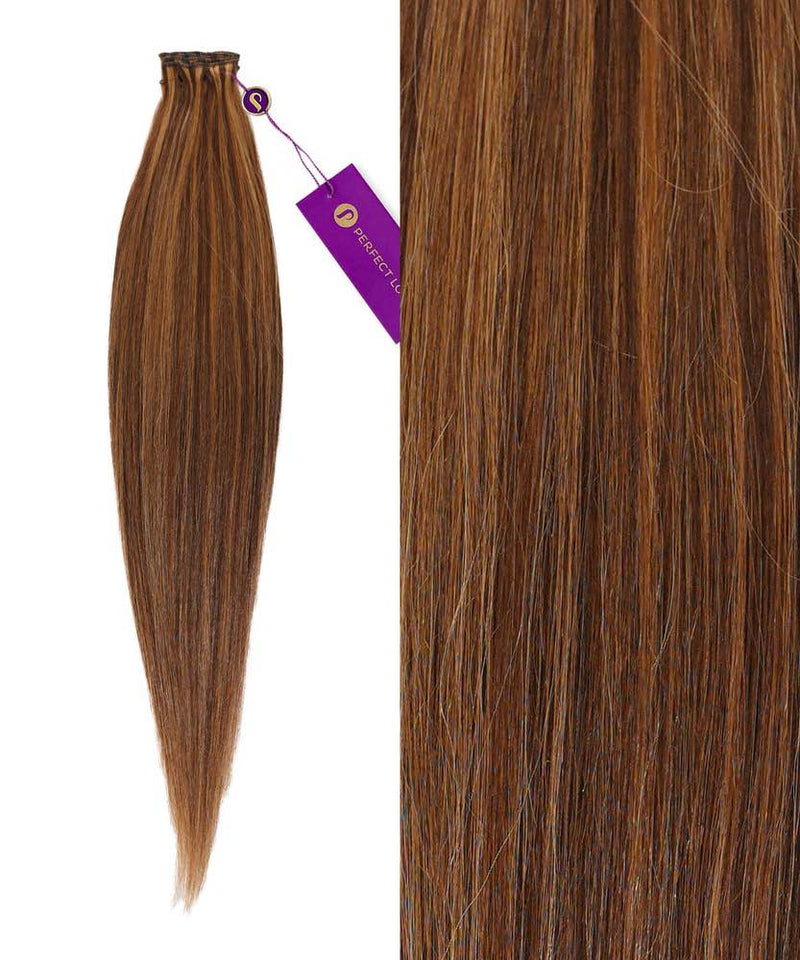
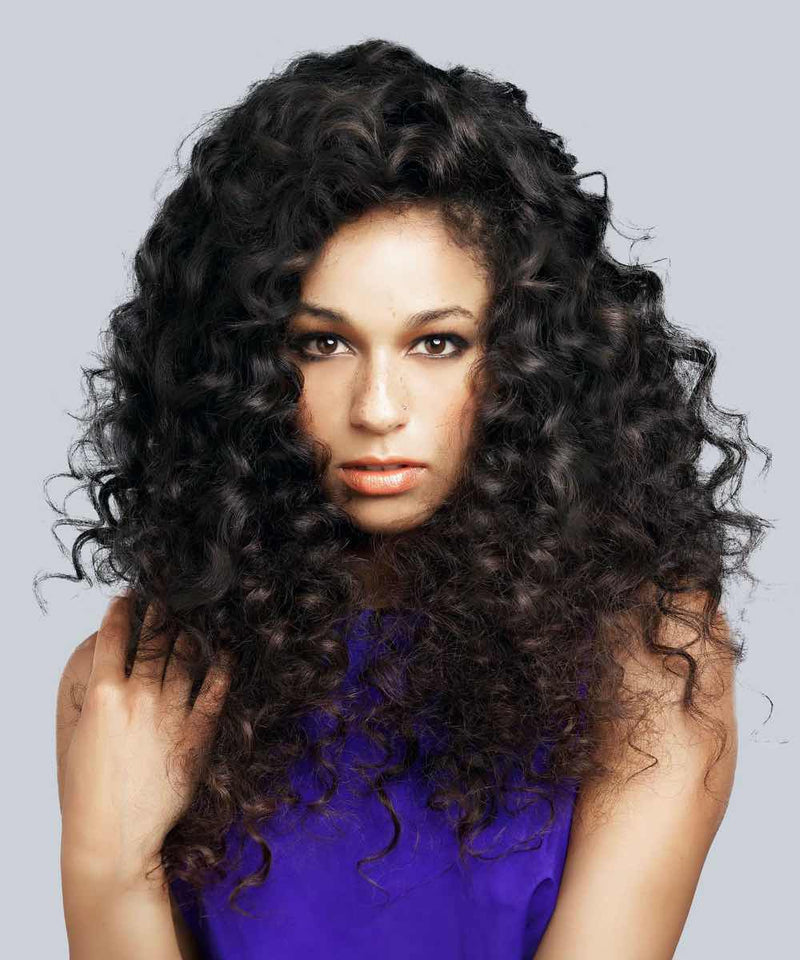
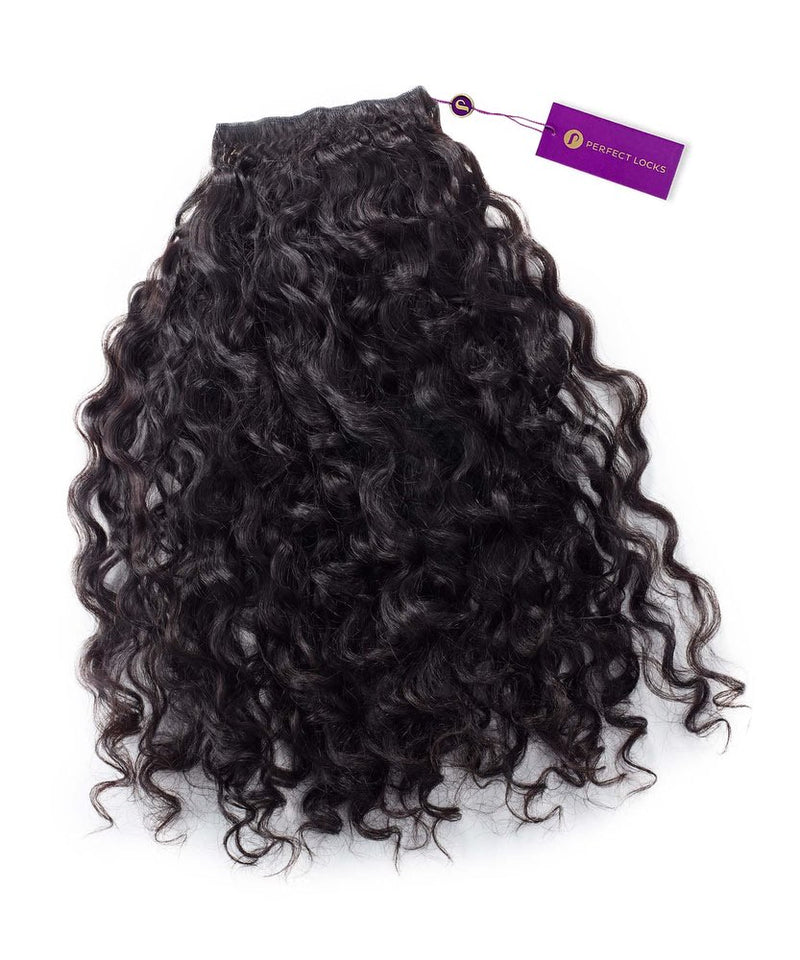
The trade-off is that hand-tied wefts are more delicate. You can't cut them (the weft will unravel), and they require more careful handling during installation and maintenance. They're also more expensive due to the labor-intensive construction process. If durability is your priority and you have thick hair, machine wefts may be a more practical choice.
Hybrid Weft Extensions
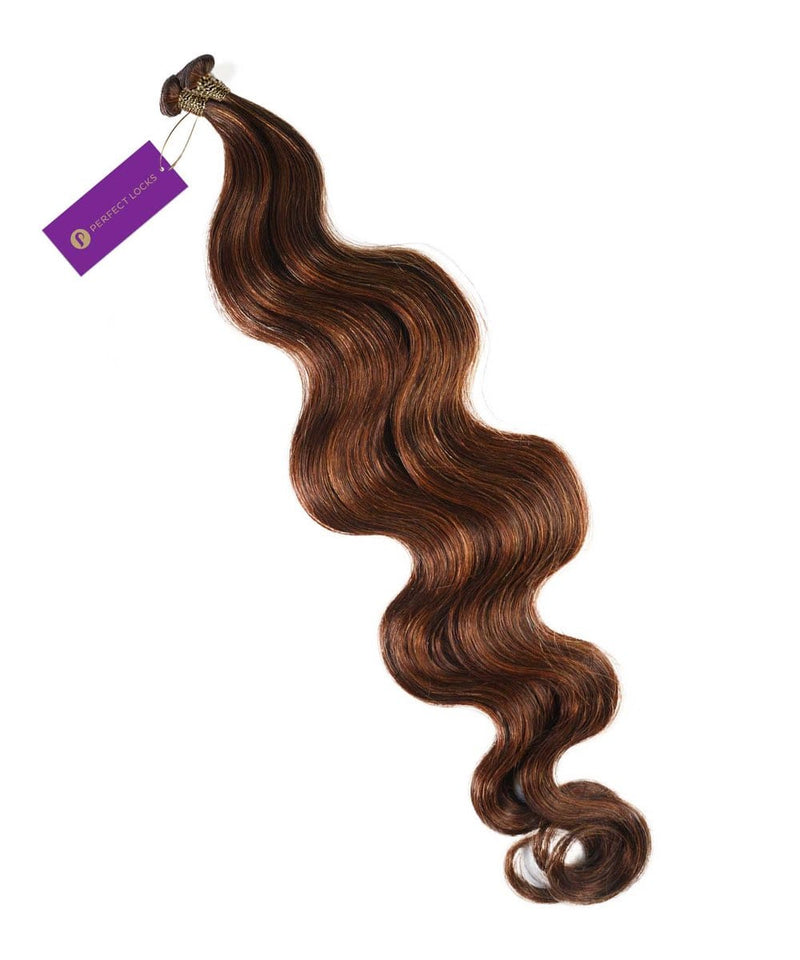
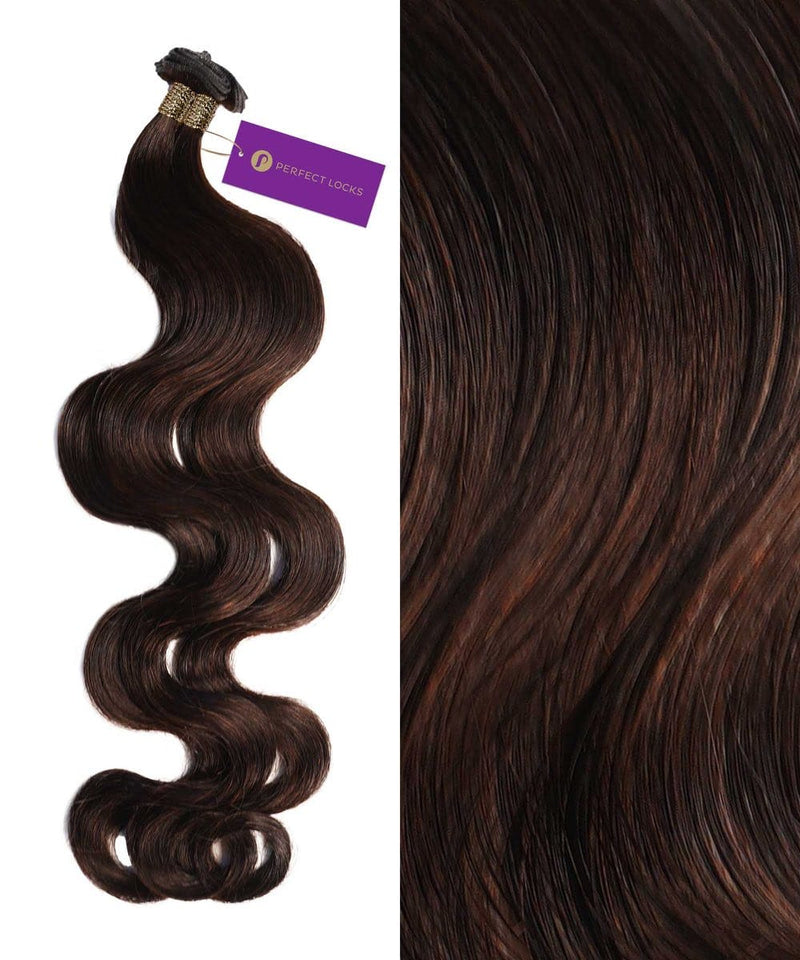
Hybrid wefts combine machine sewing with hand-tied techniques, offering a middle ground that many stylists prefer. The core of the weft is machine-sewn for structural durability, but the edges are hand-tied for a thinner profile. This means you get a weft that's noticeably flatter than a standard machine weft, but more forgiving than a pure hand-tied piece.
Hybrid weft hair extensions are a smart choice if you want the thin profile of hand-tied without the fragility. Unlike pure hand-tied wefts, some hybrid constructions can be carefully trimmed to adjust width, giving you more customization options. They're also typically priced between machine and hand-tied, making them a solid mid-range investment.

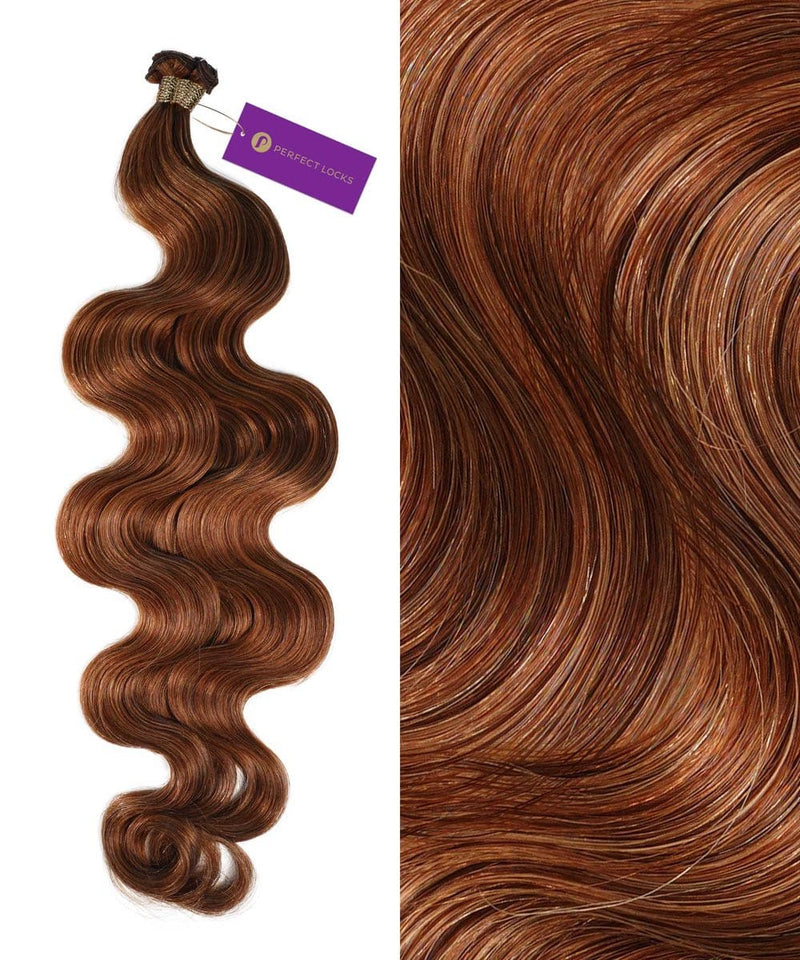
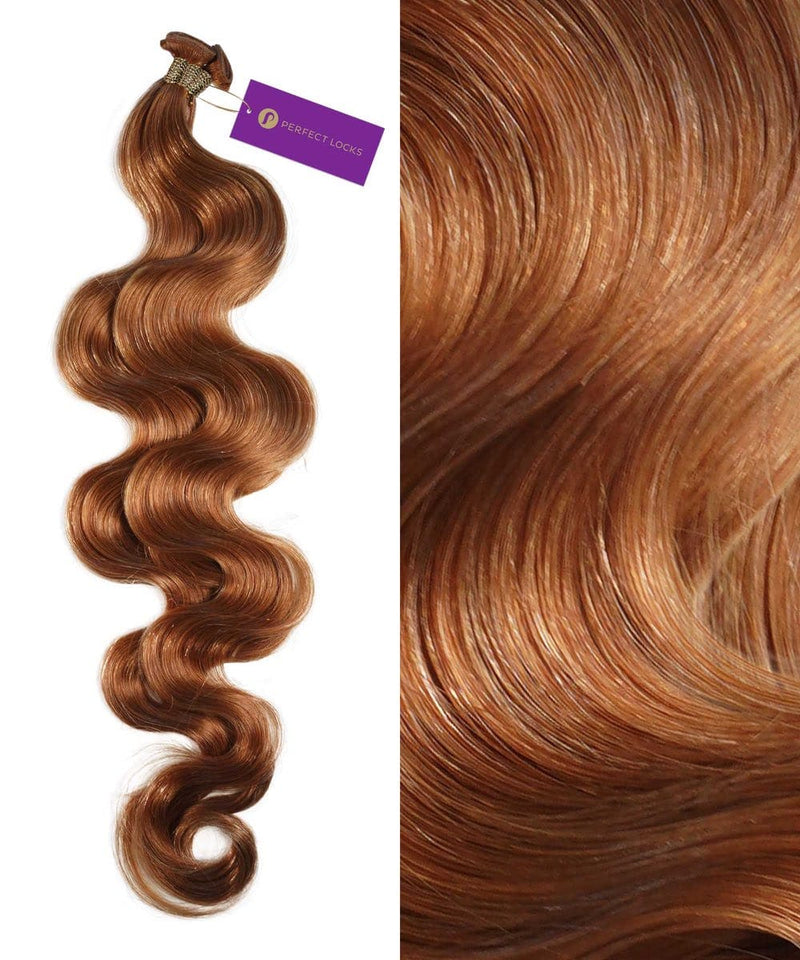
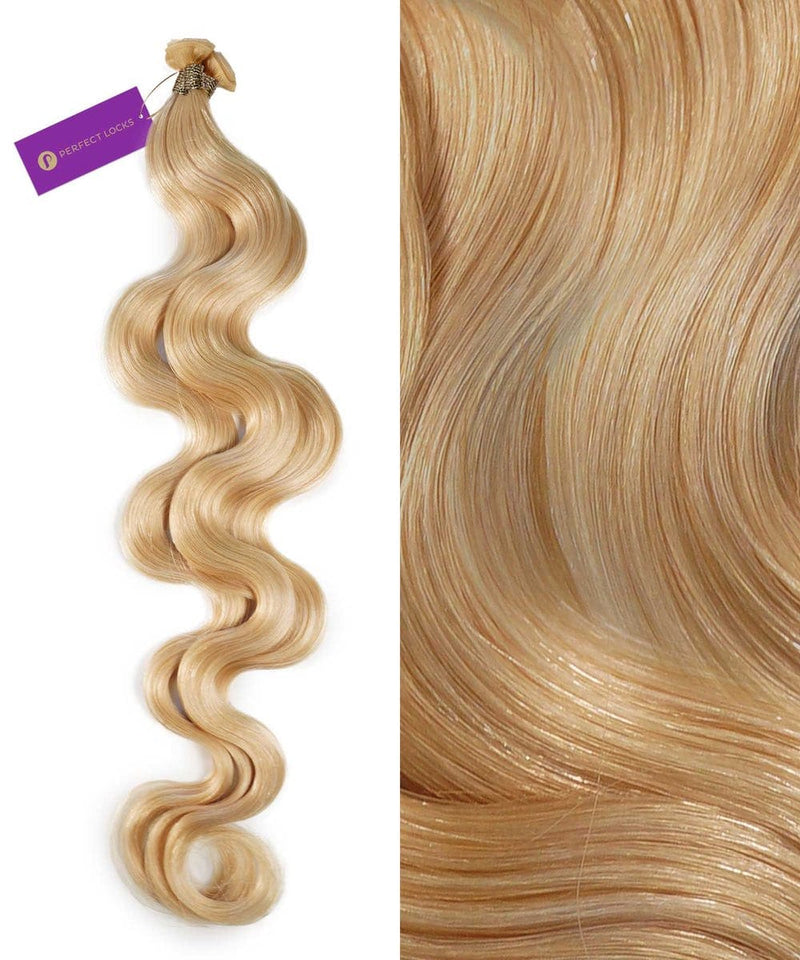
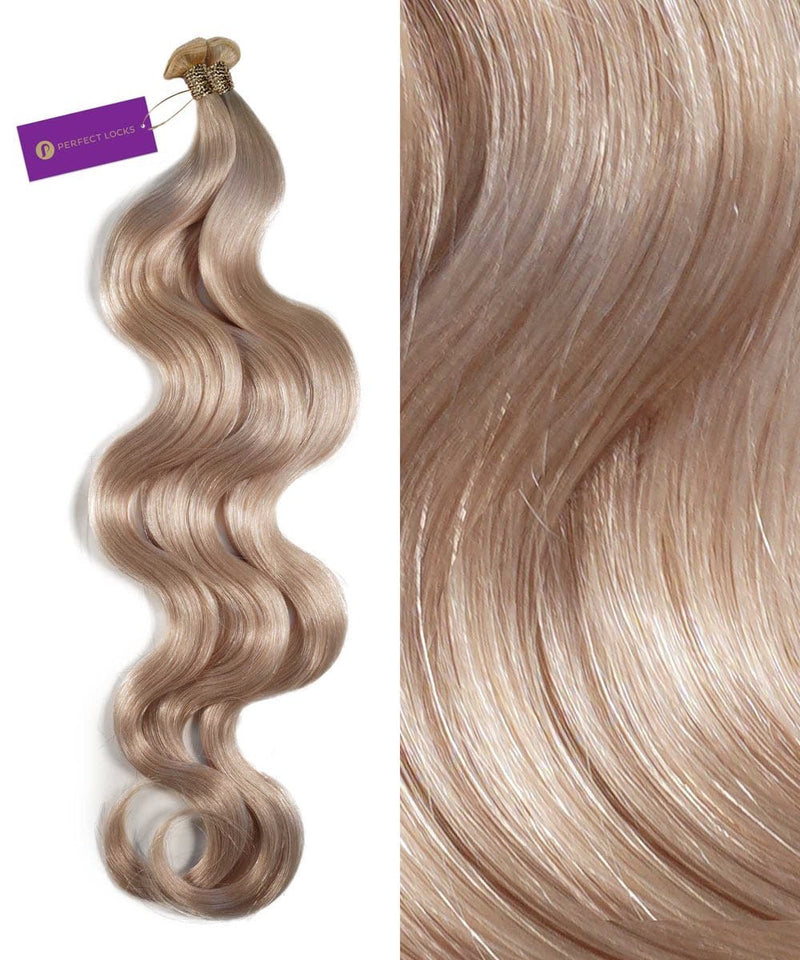





Skin Weft Extensions
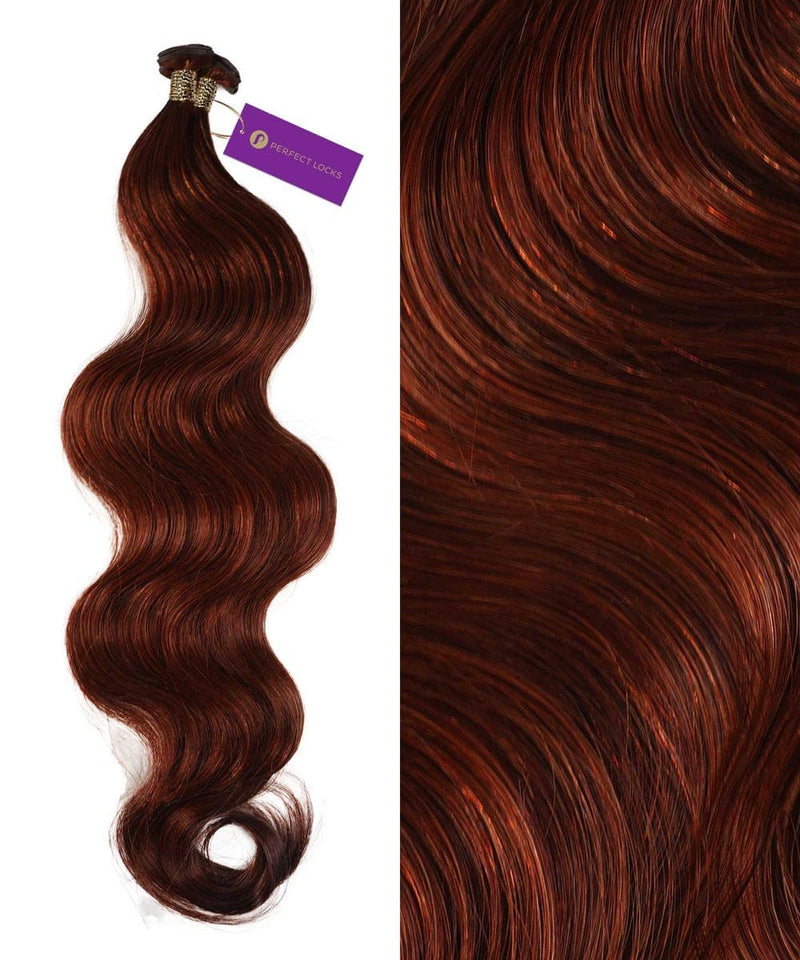
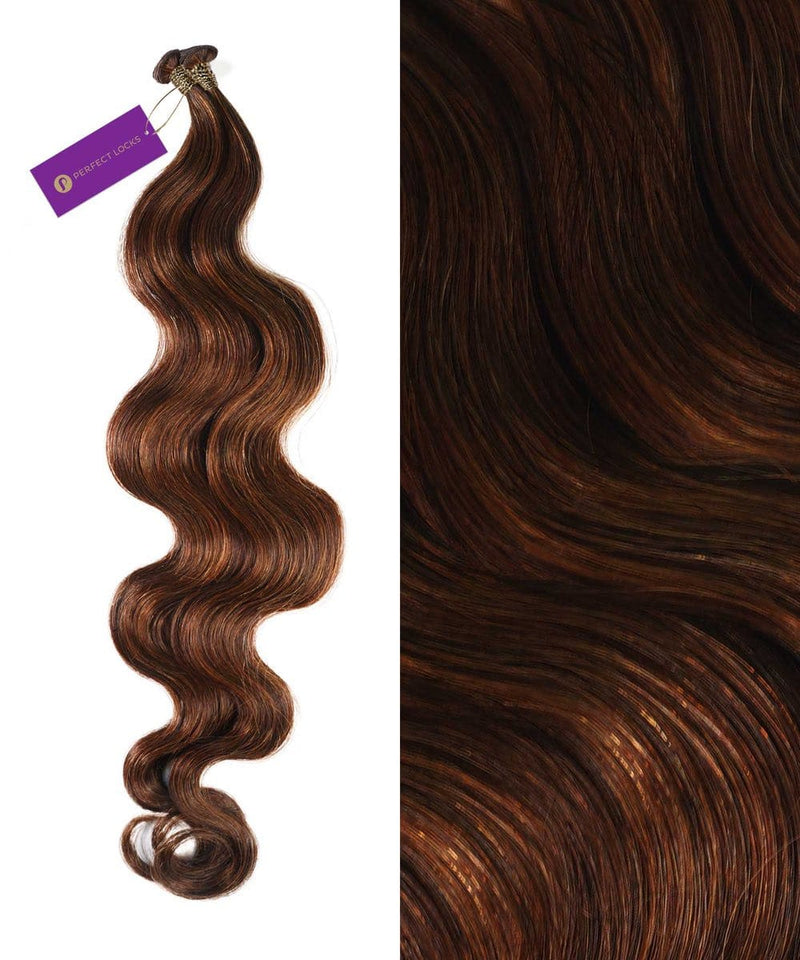
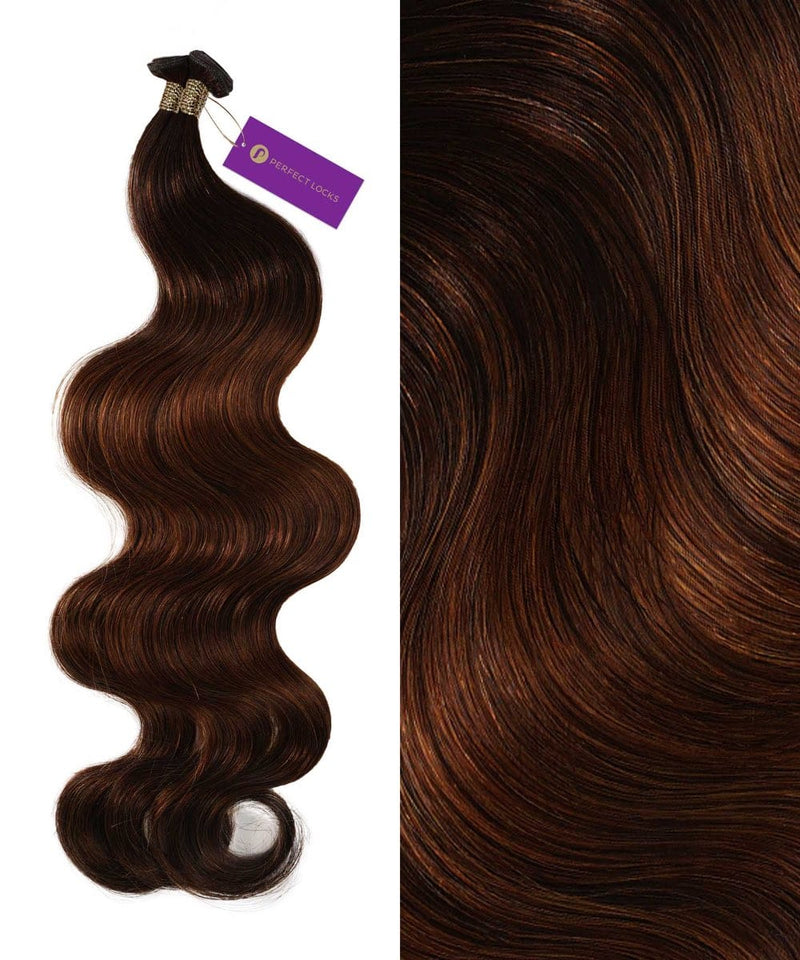
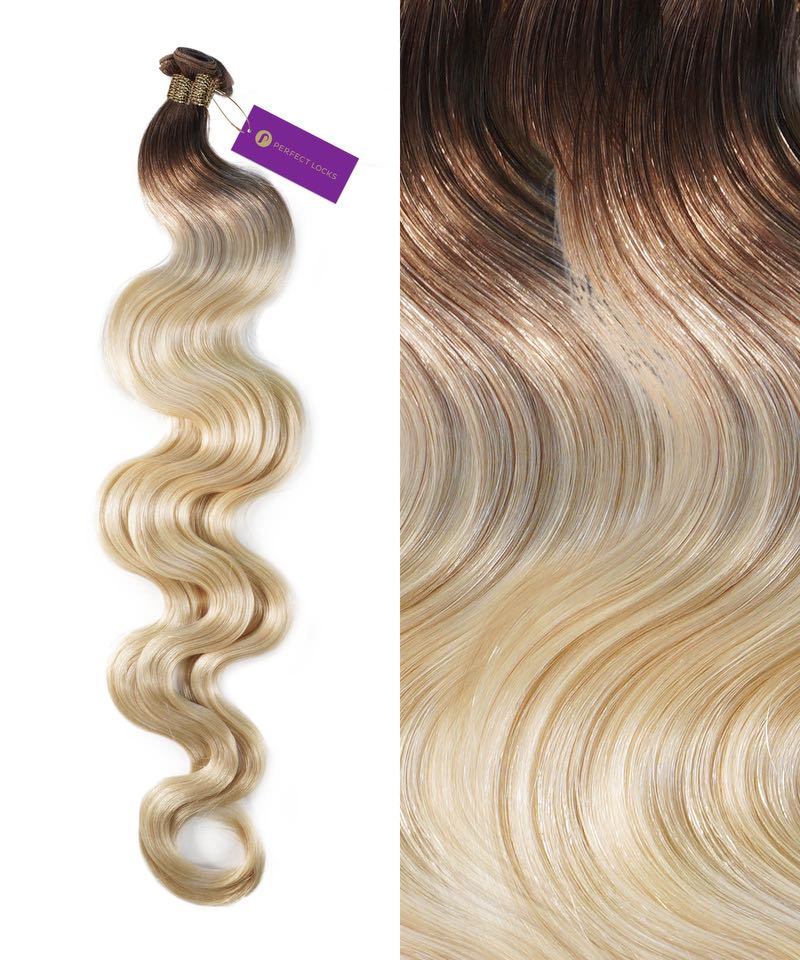
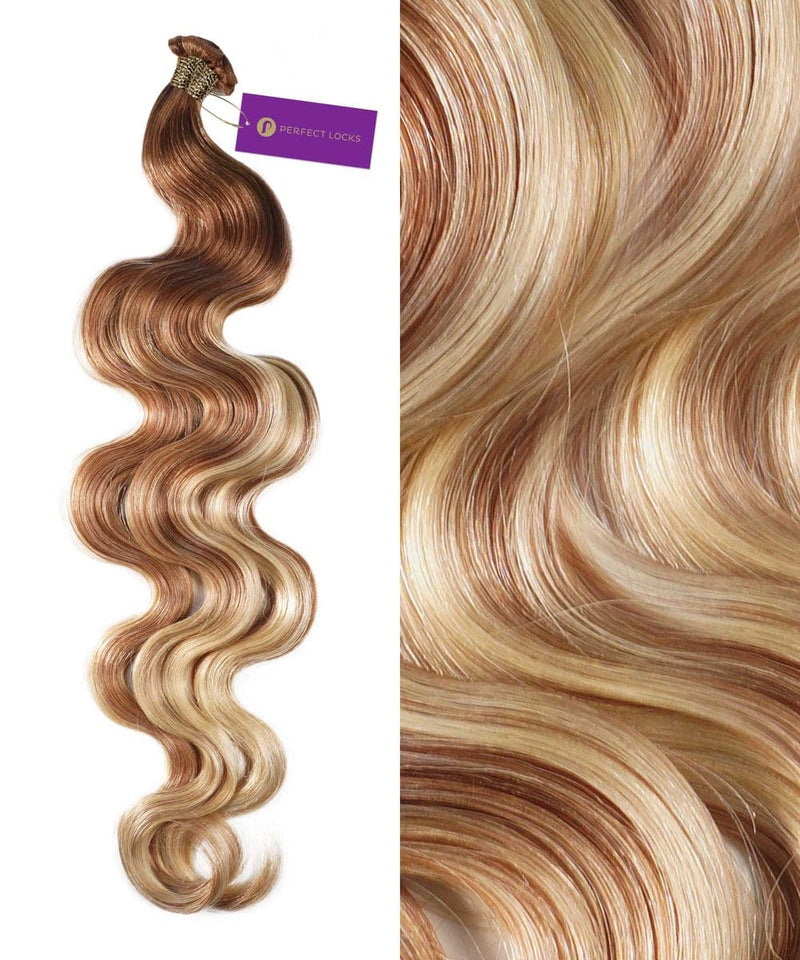
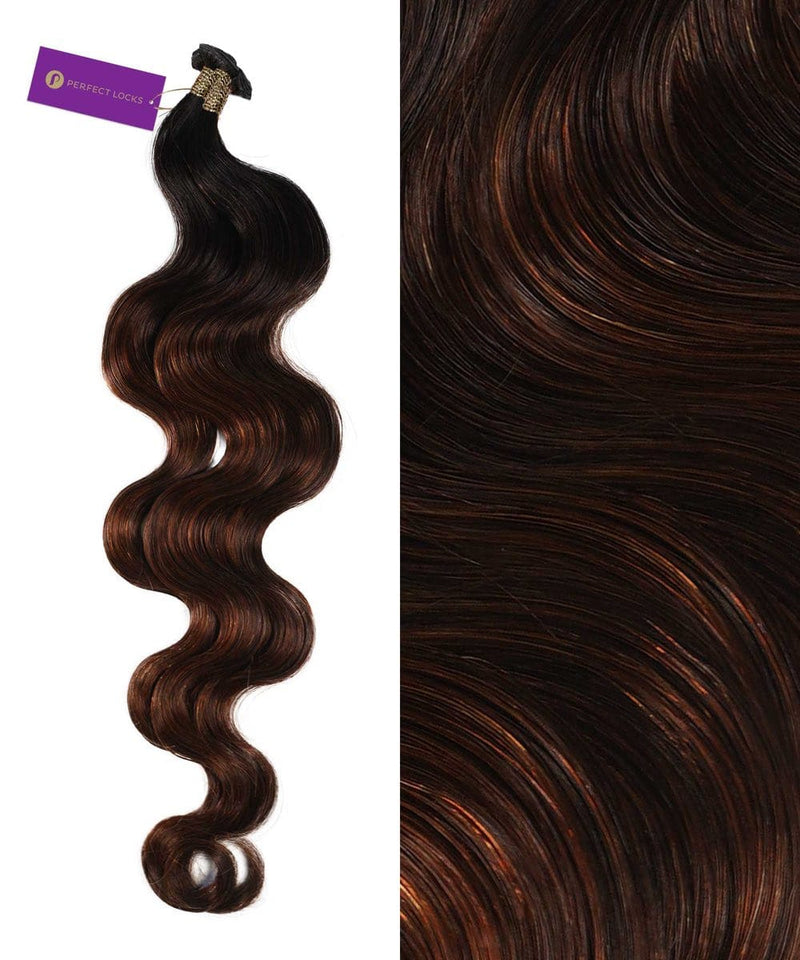
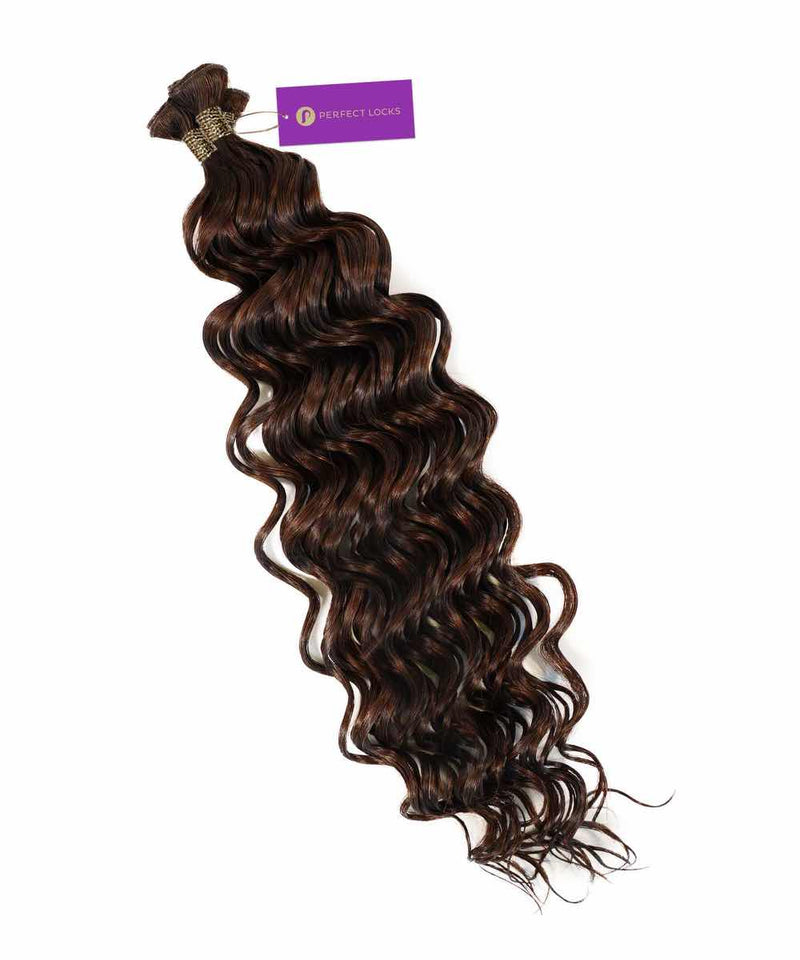
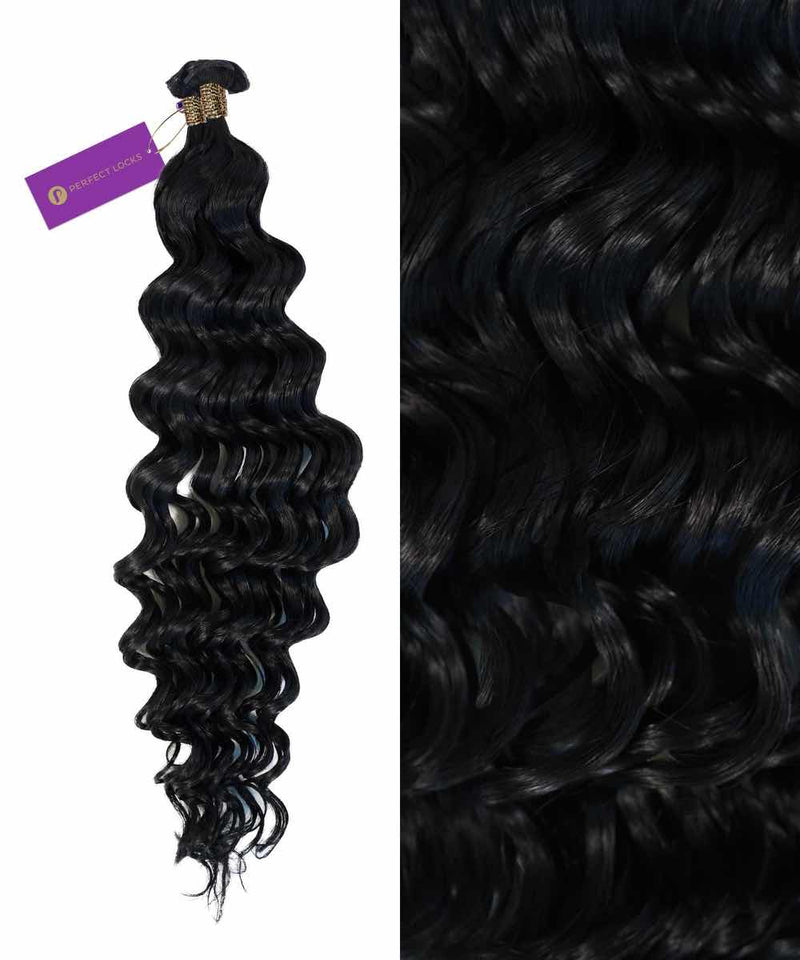
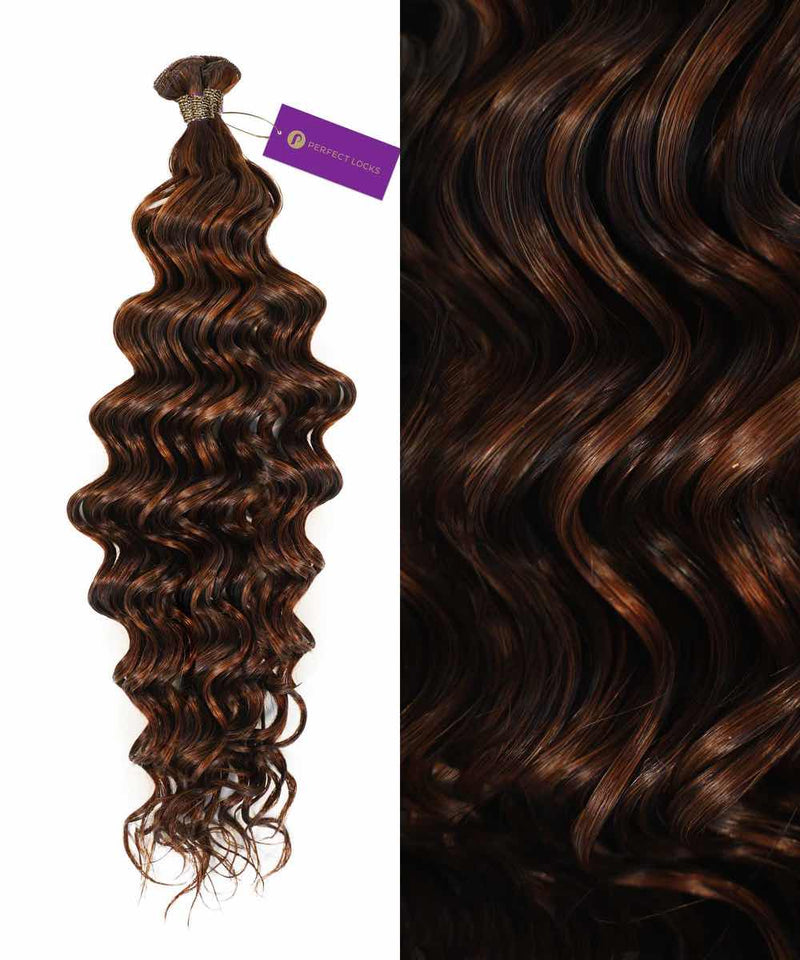
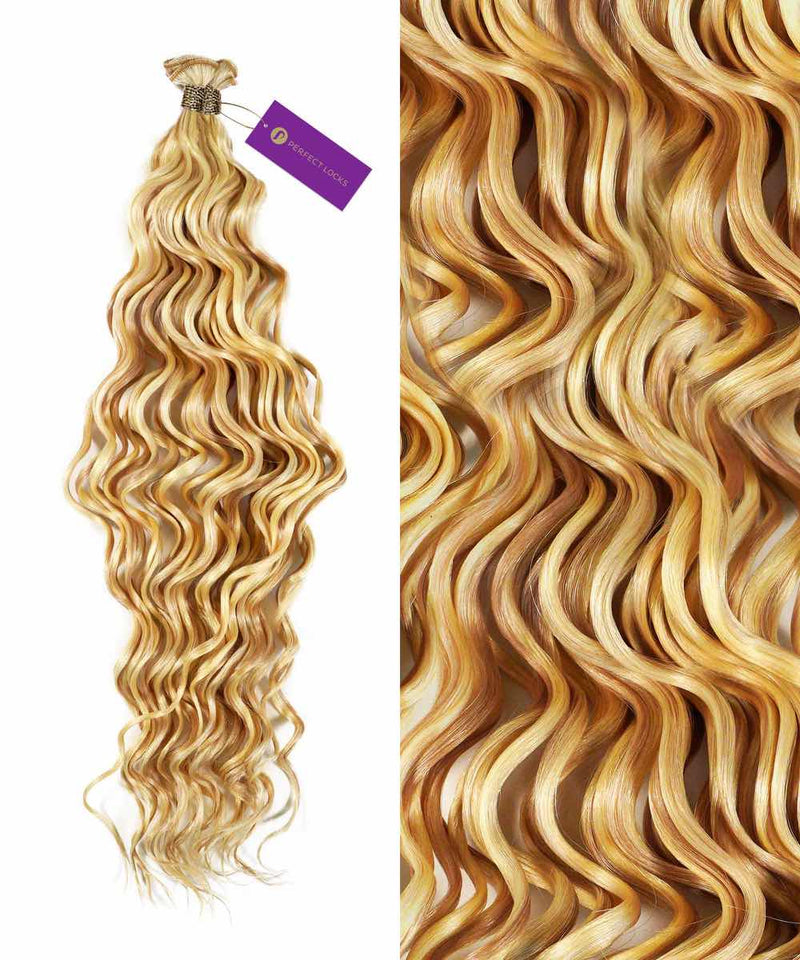
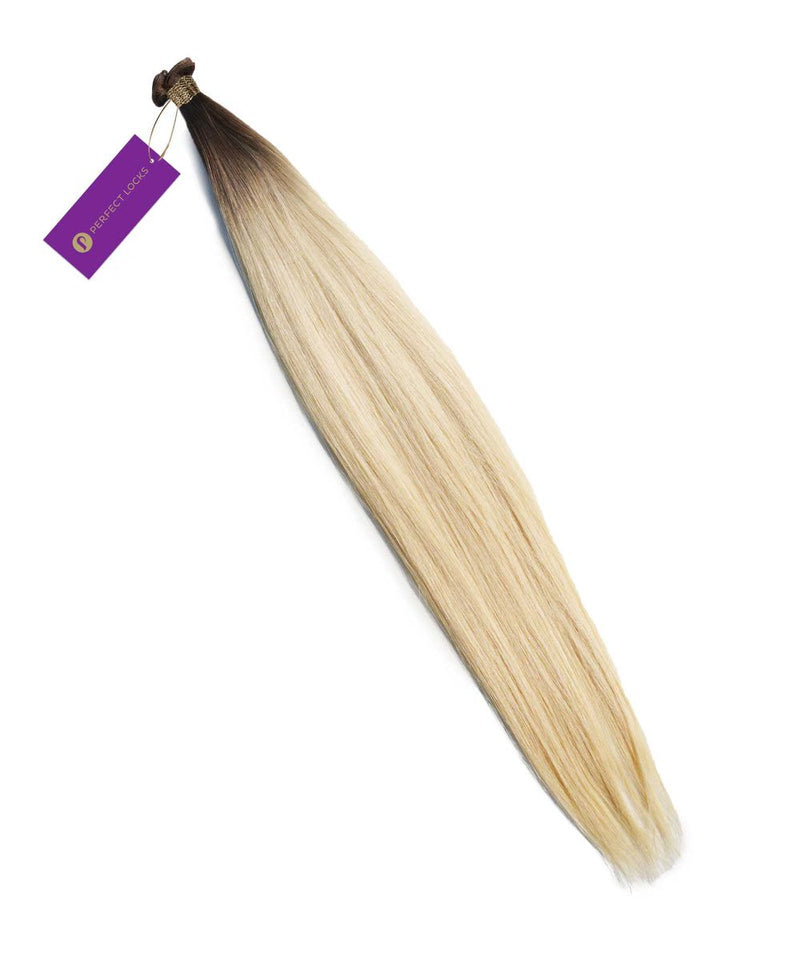
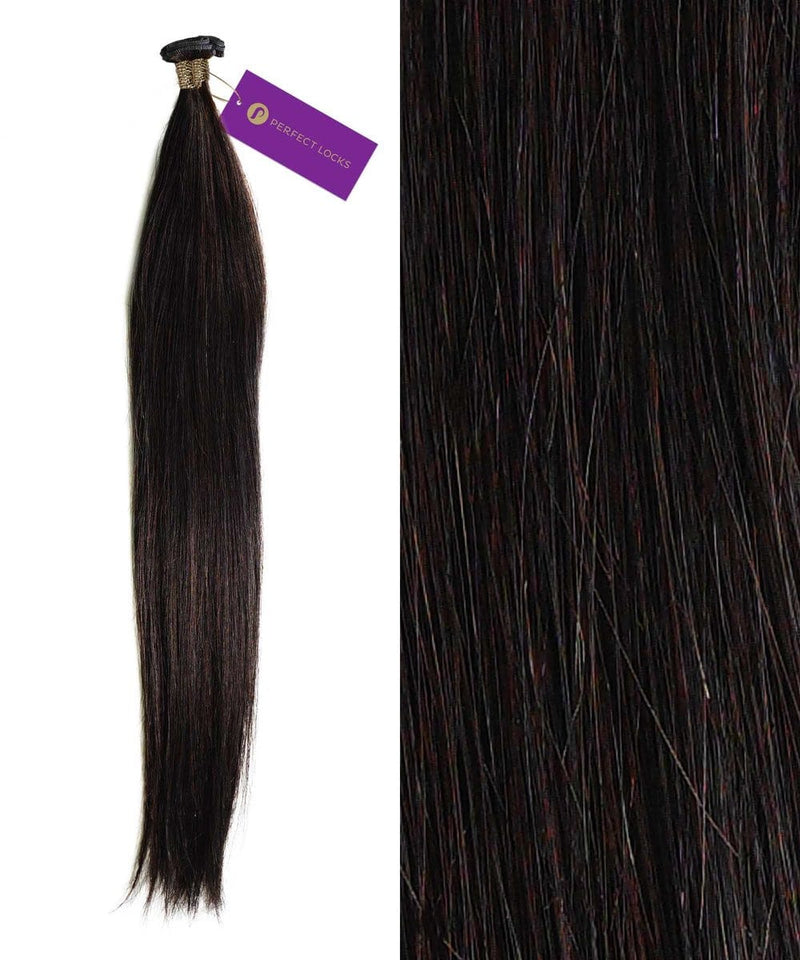
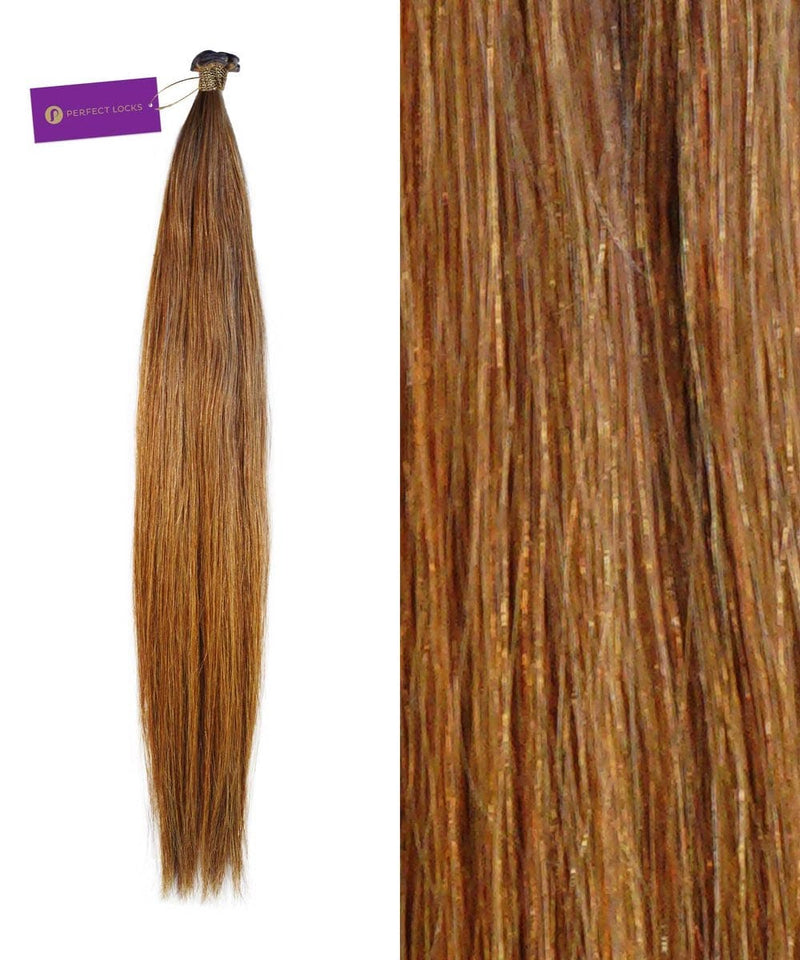
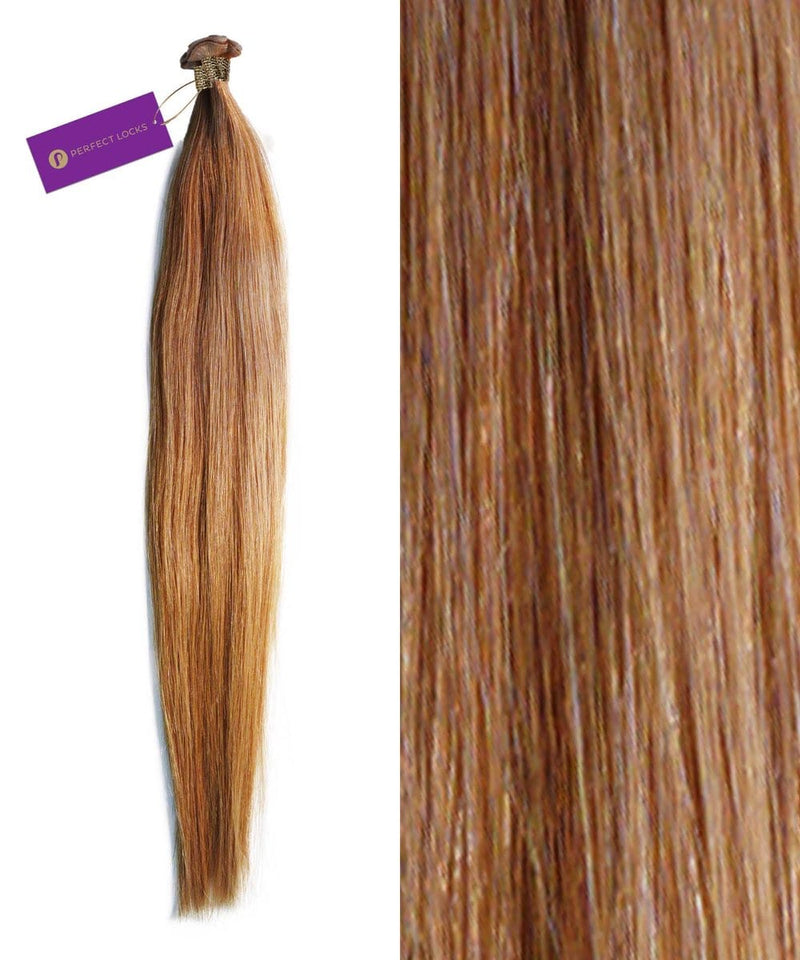
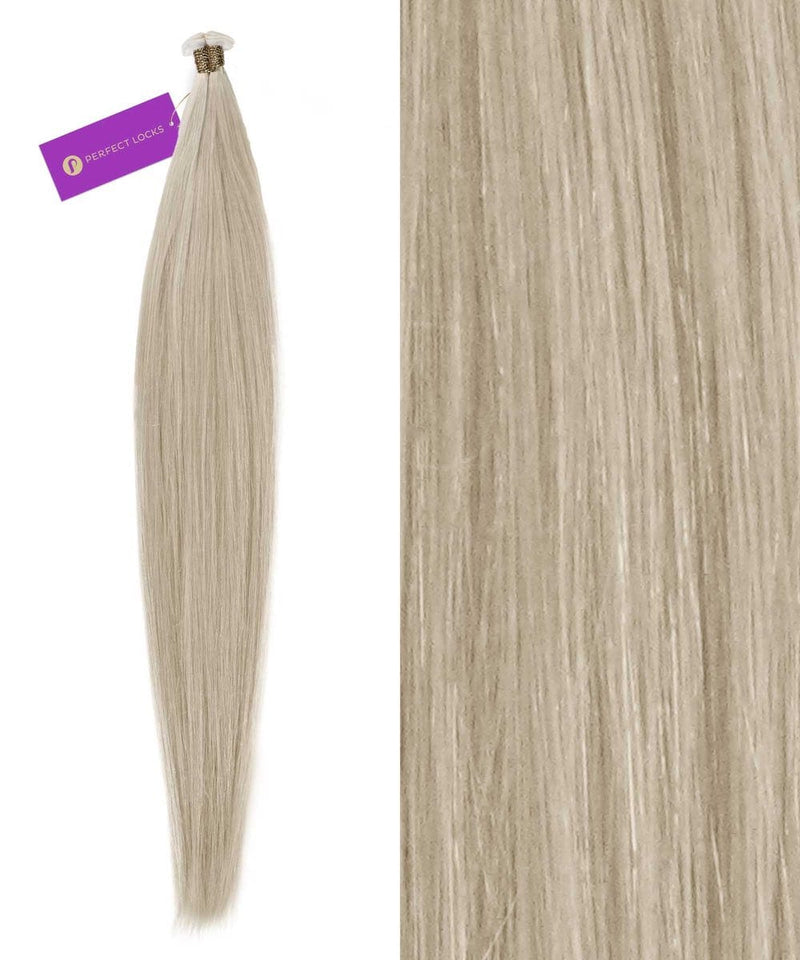
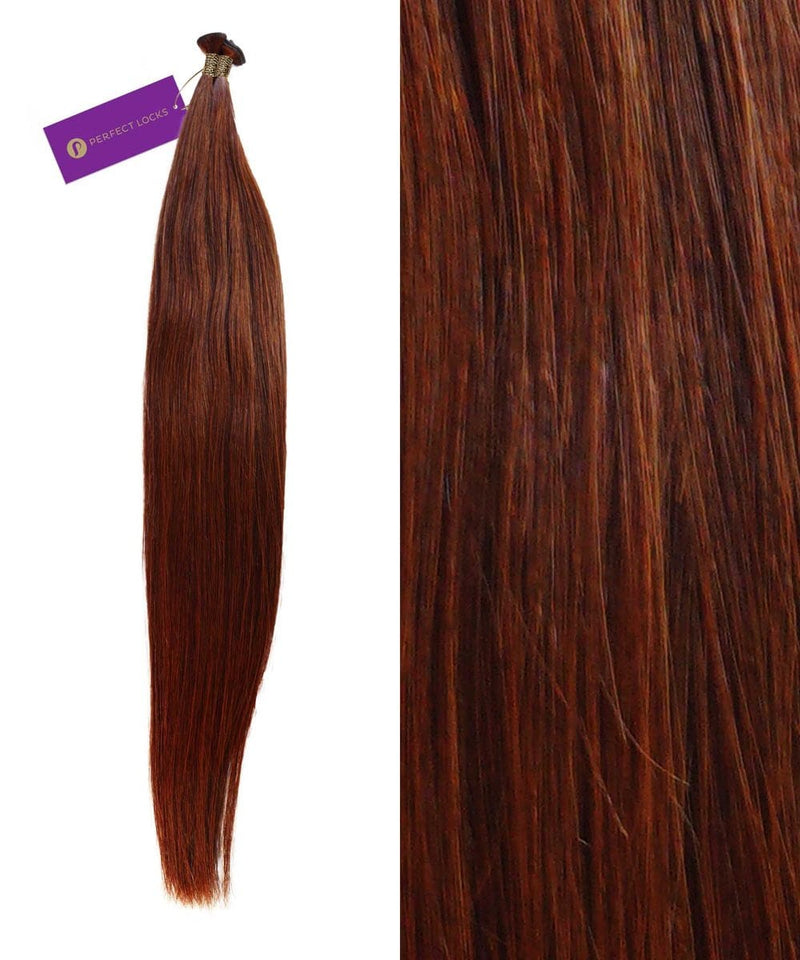
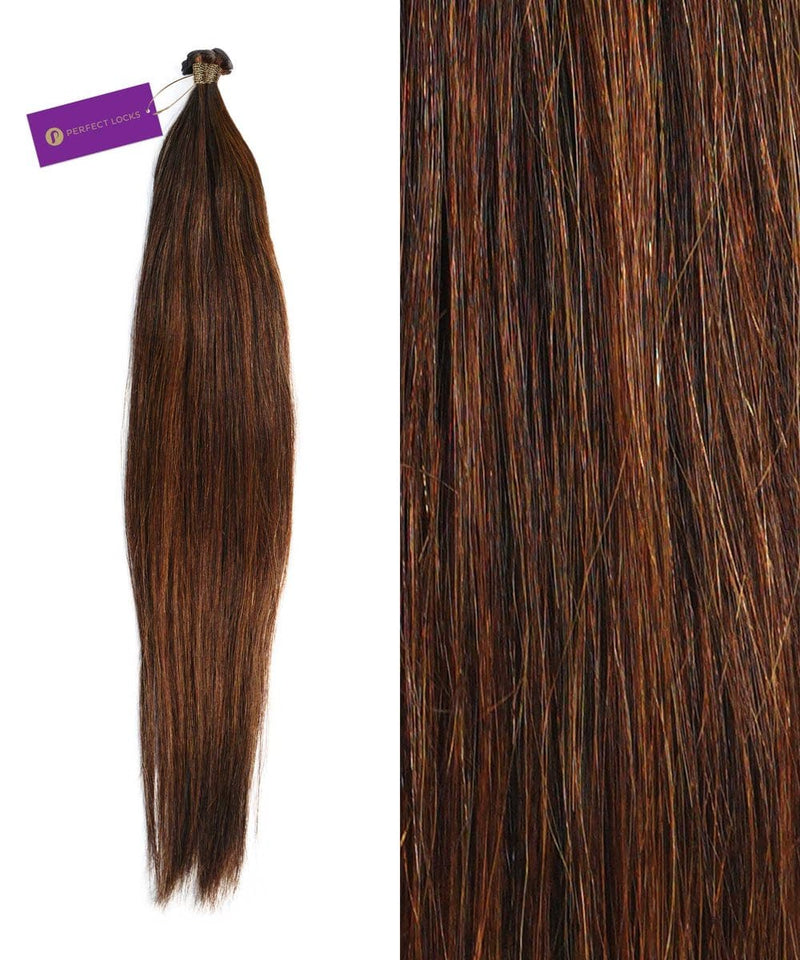
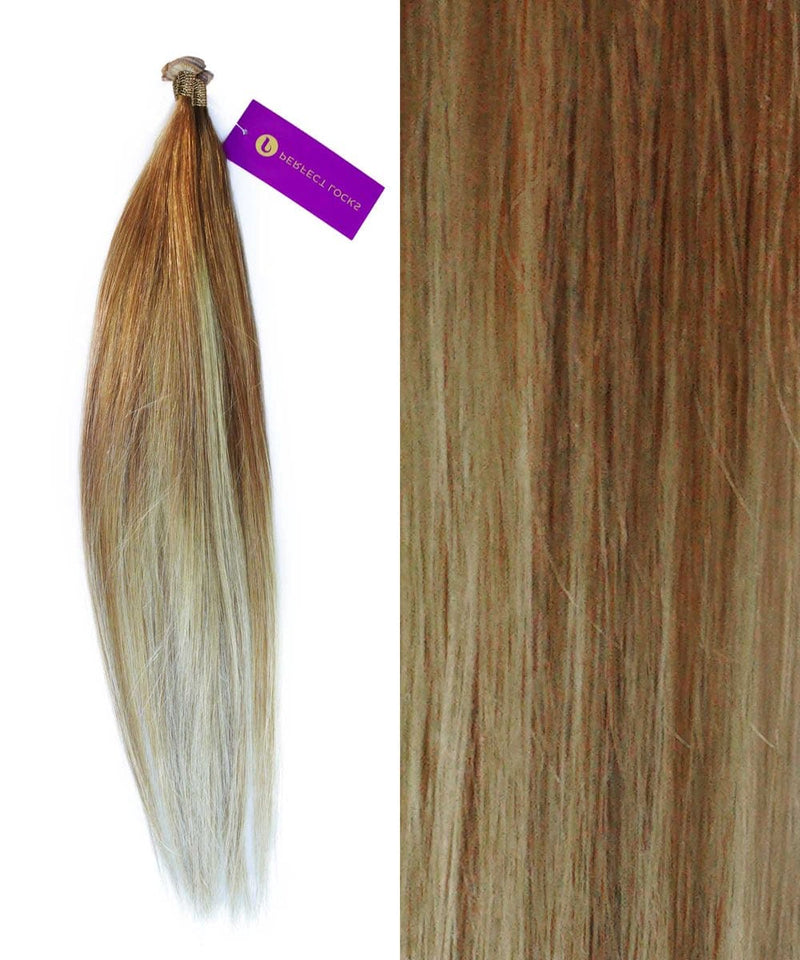
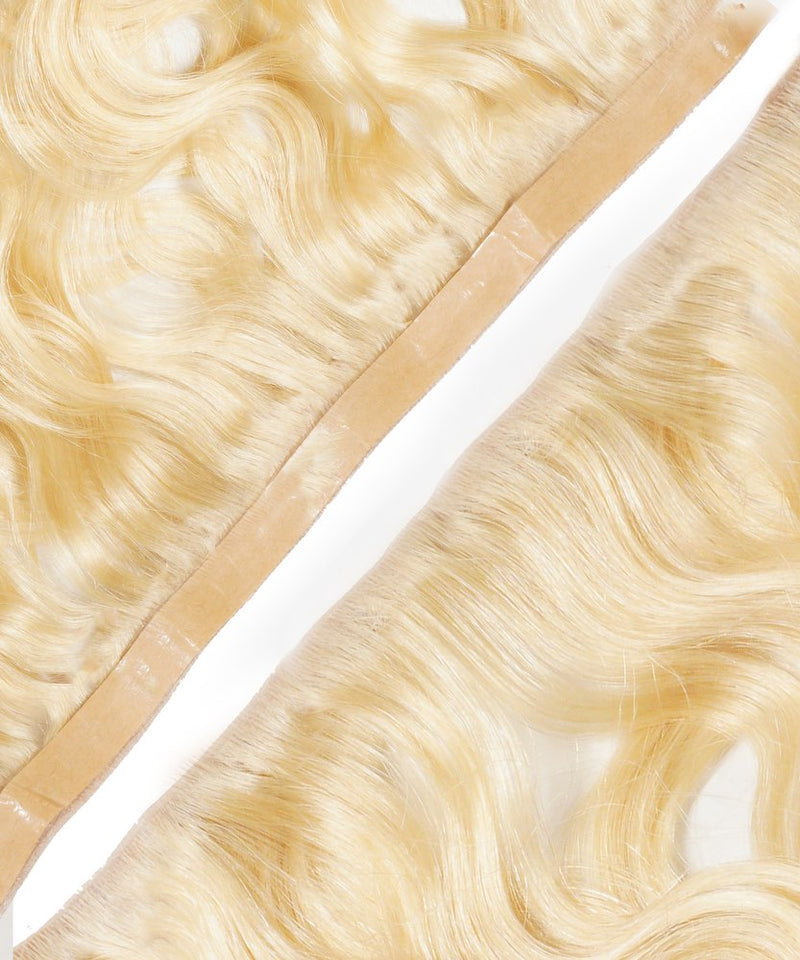
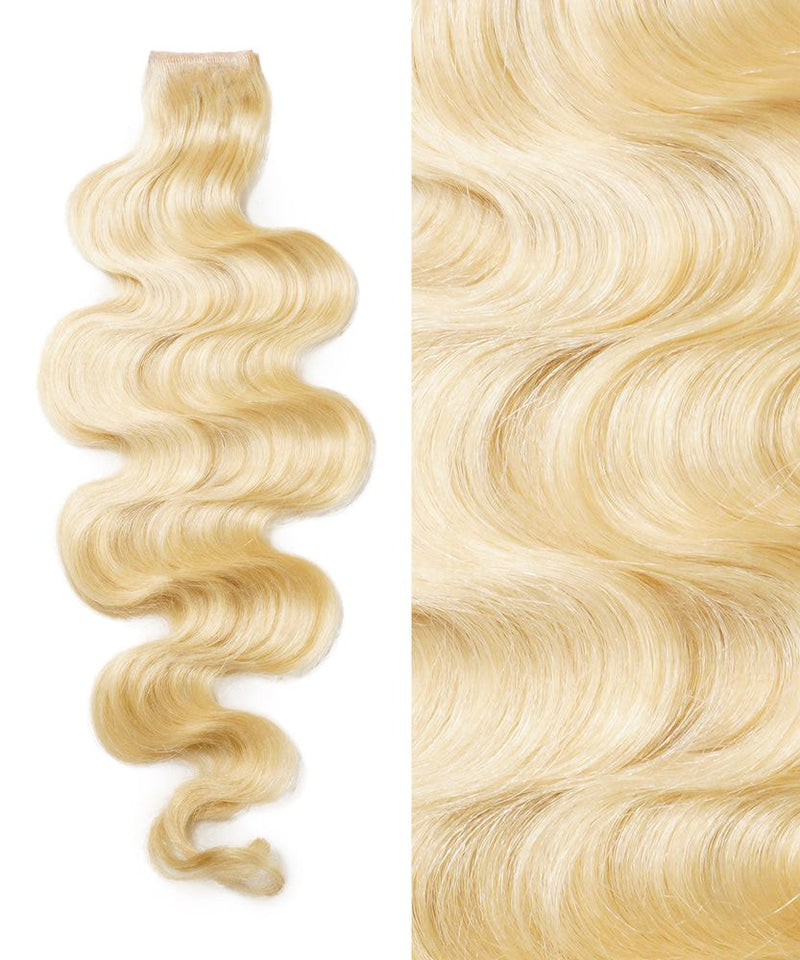
Skin wefts (sometimes called PU wefts or seamless weft hair extensions) have a thin polyurethane strip at the top instead of a fabric track. This creates an extremely flat profile and allows the weft to blend seamlessly with your scalp, especially along the hairline. Skin wefts can be sewn in or attached with tape, making them versatile for different installation methods.
If you've used tape-in extensions before and liked the flat, invisible look, skin wefts give you that same profile in a full weft format. They're especially popular for creating natural-looking hairlines and filling in around the face.




Beaded Weft Extensions
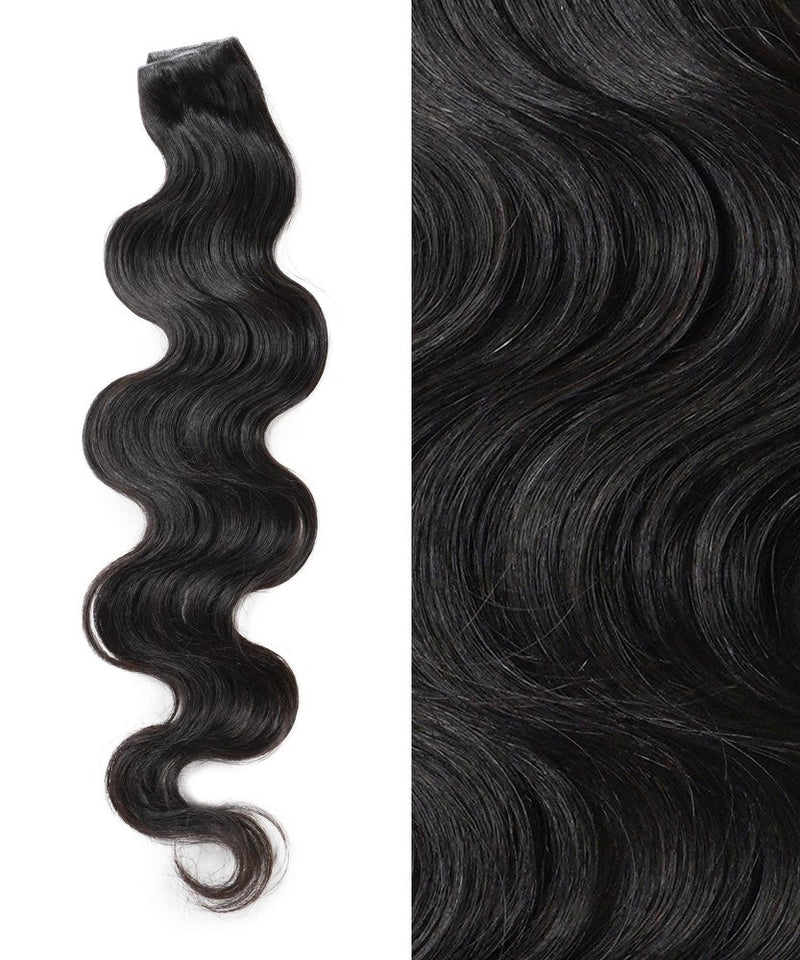
Beaded weft extensions have become one of the fastest-growing methods in the extensions world, and it's easy to see why. Instead of requiring cornrow braids like a traditional sew-in, beaded wefts use small silicone-lined beads threaded onto your natural hair to create a secure anchor row. The weft is then sewn onto that bead row.
The big advantage? No braiding, no glue, no heat - and because the beads distribute weight evenly along the row, there's minimal tension on any single point. This makes beaded wefts one of the gentlest semi-permanent options available, which is why they're increasingly recommended for people with finer hair who want the longevity of a sew-in without the stress of cornrows.
Beaded weft installations typically use hand-tied or hybrid wefts for the flattest result, though machine wefts work too if you have enough natural hair to conceal the slightly thicker track. Maintenance appointments are needed every 6-8 weeks to move the beads up as your hair grows.
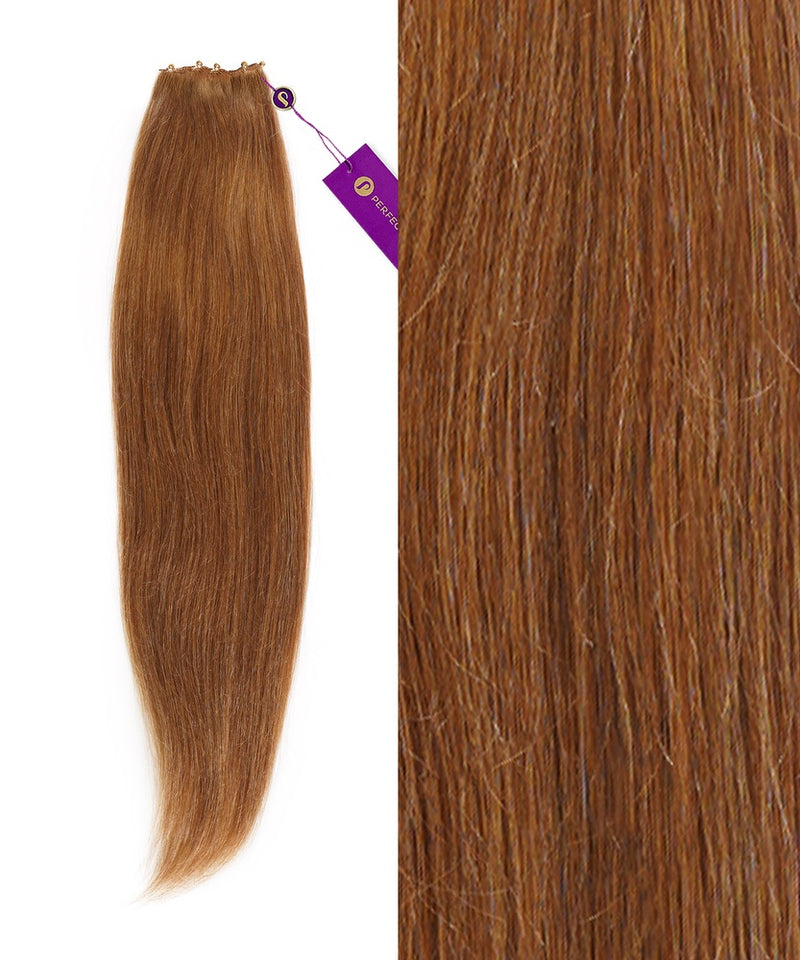
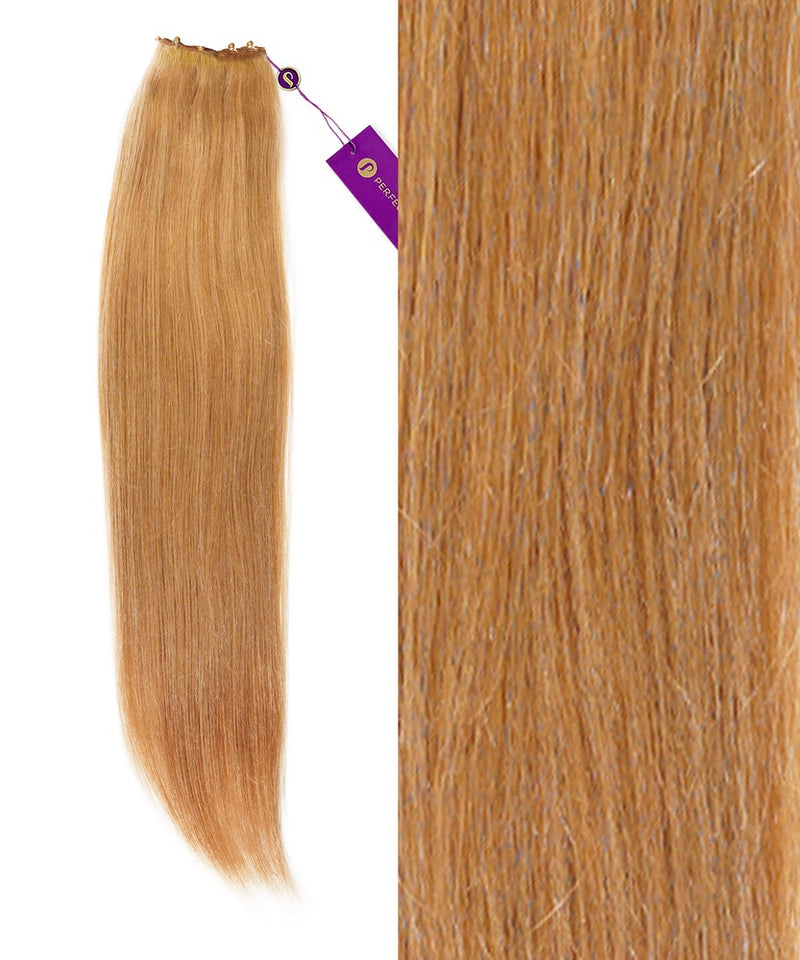
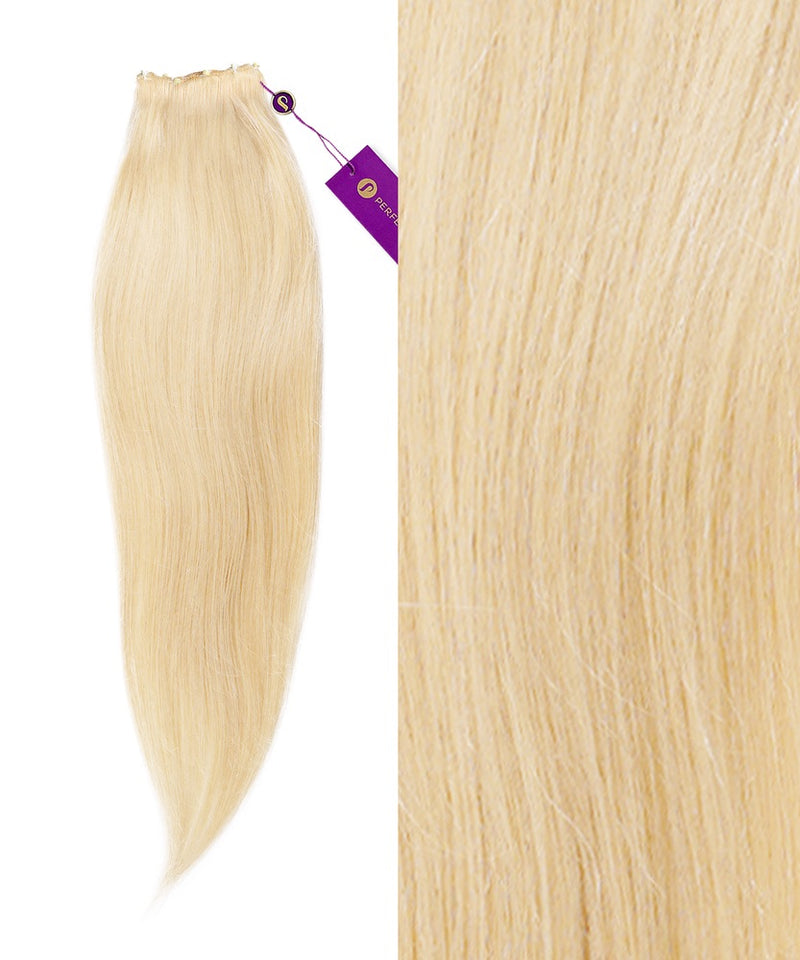
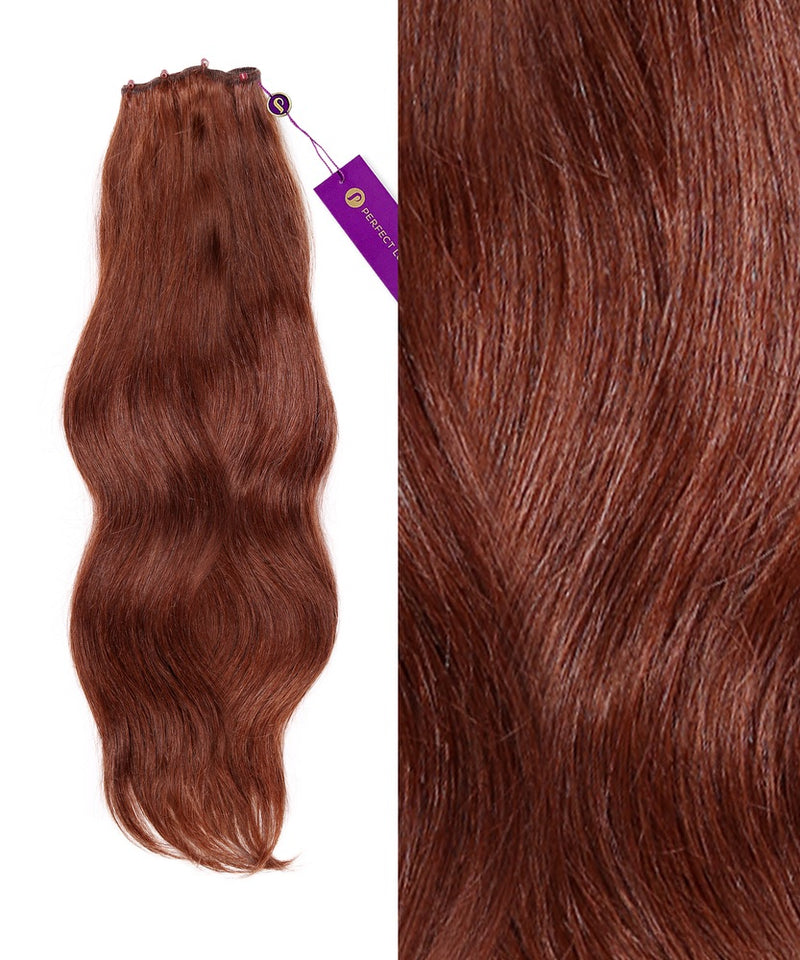
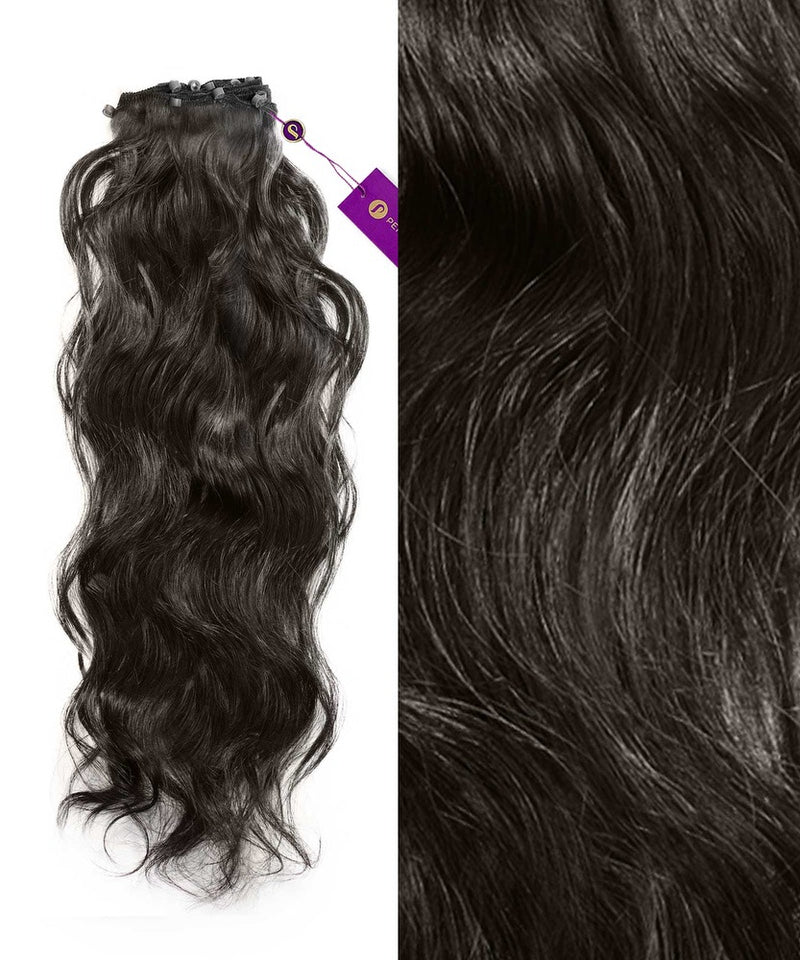
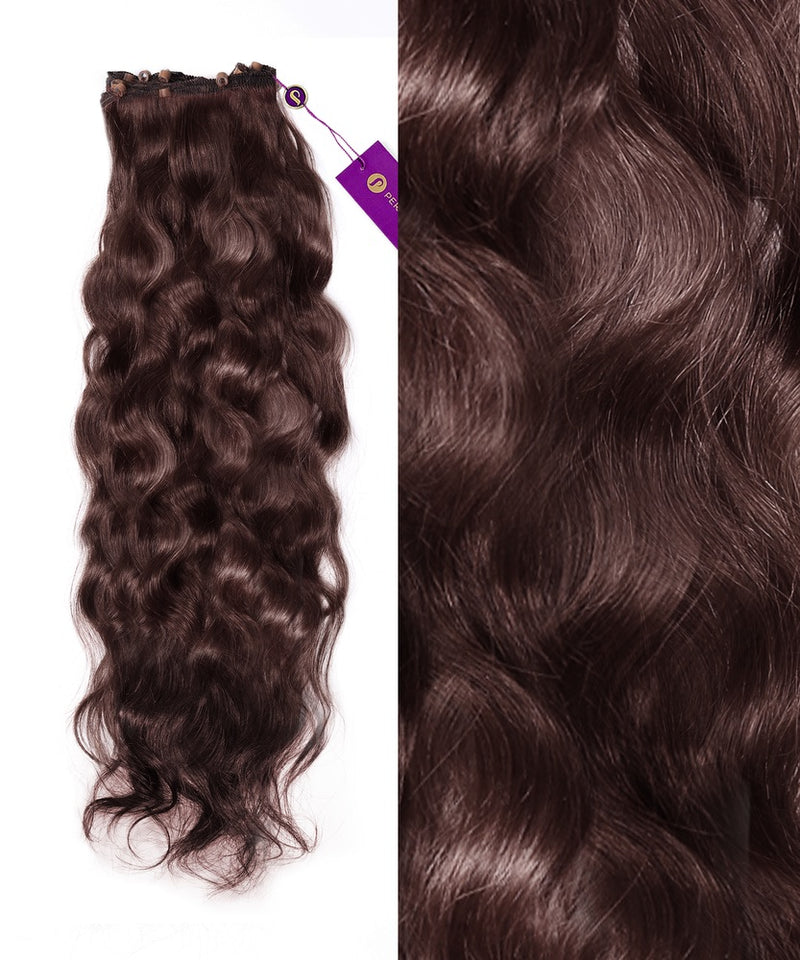
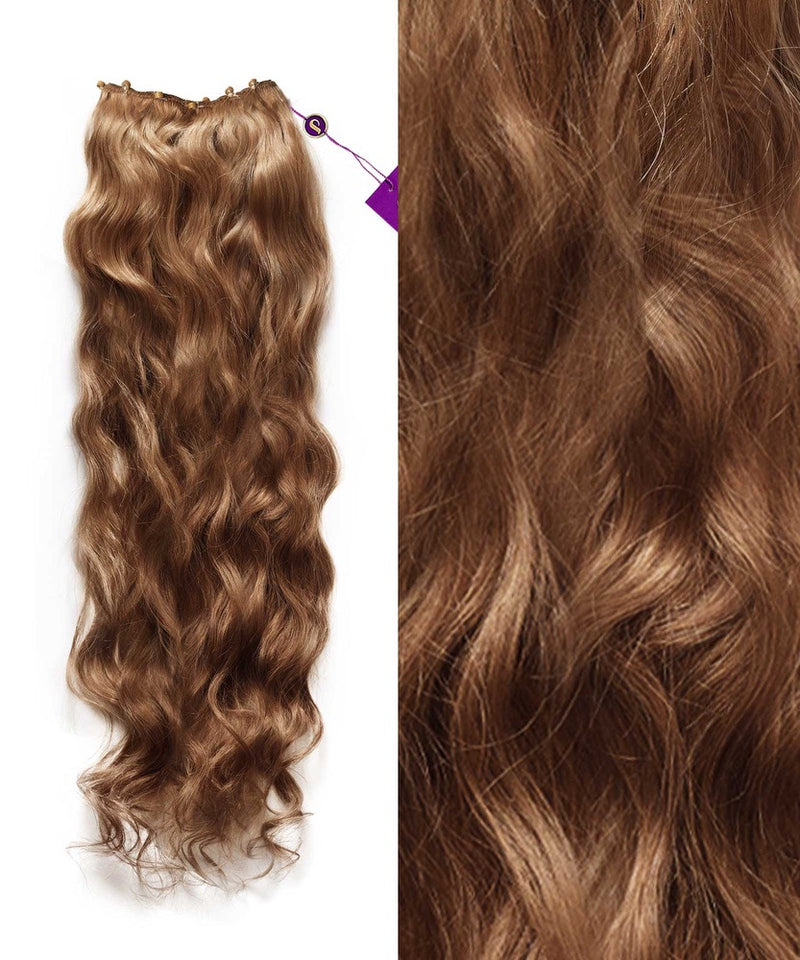
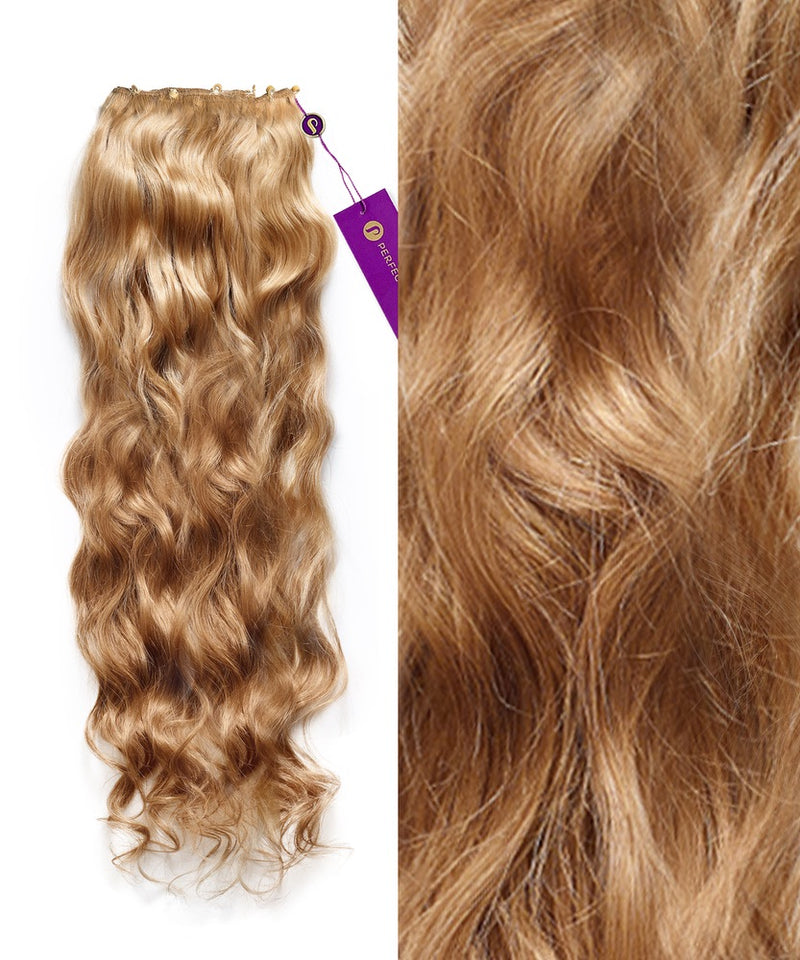
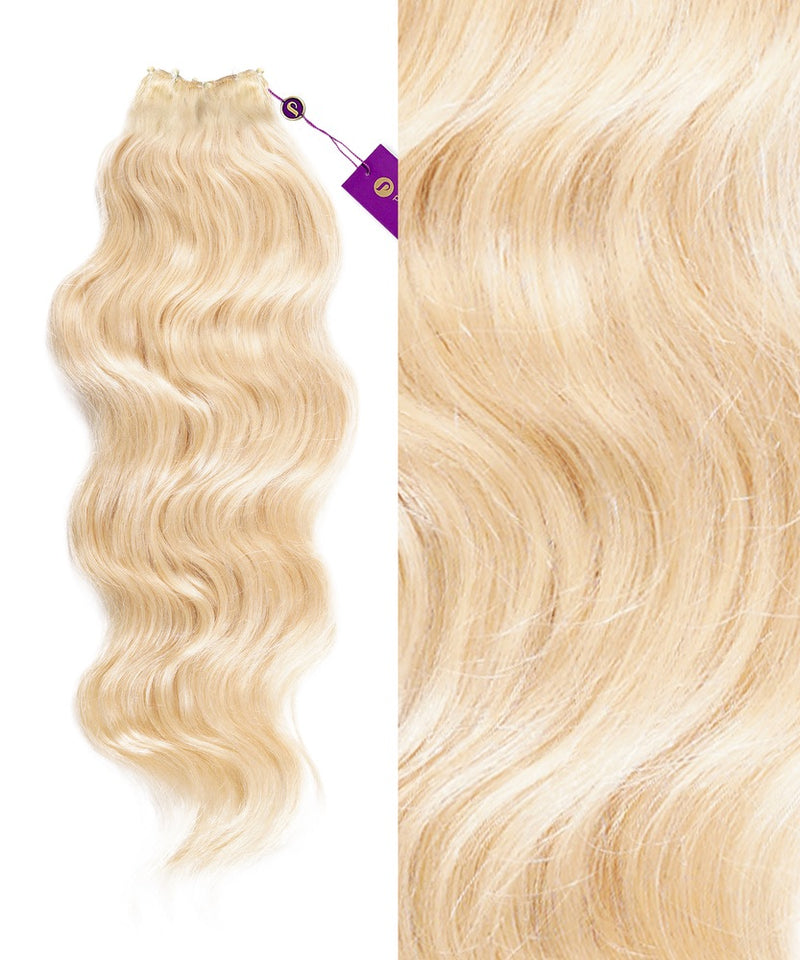
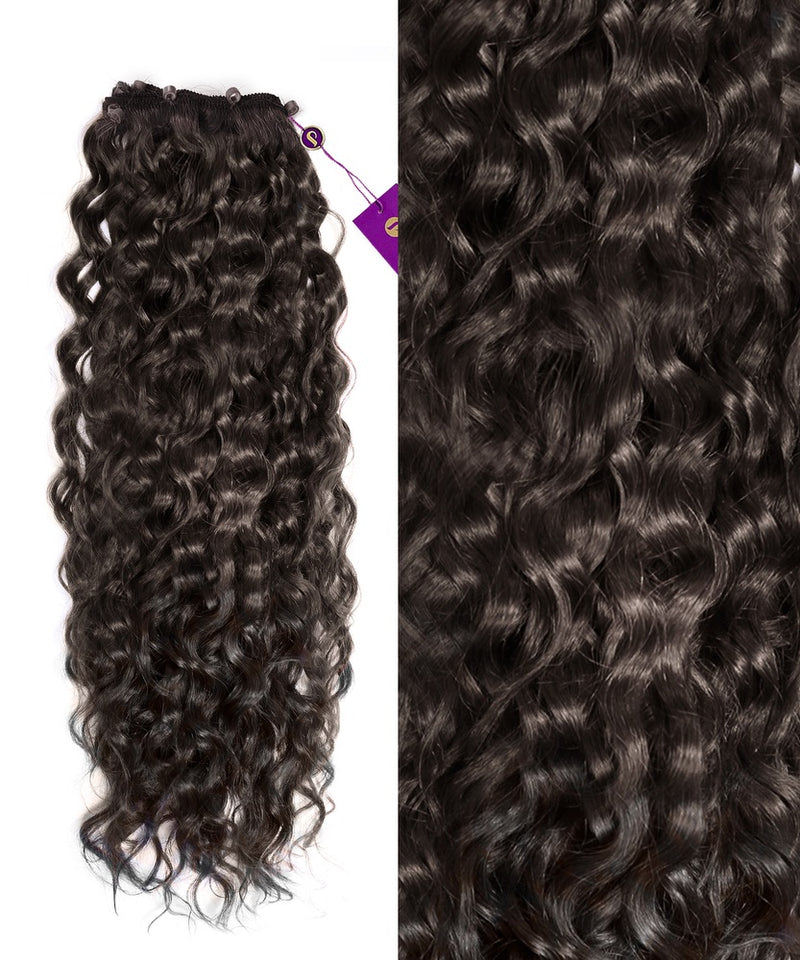
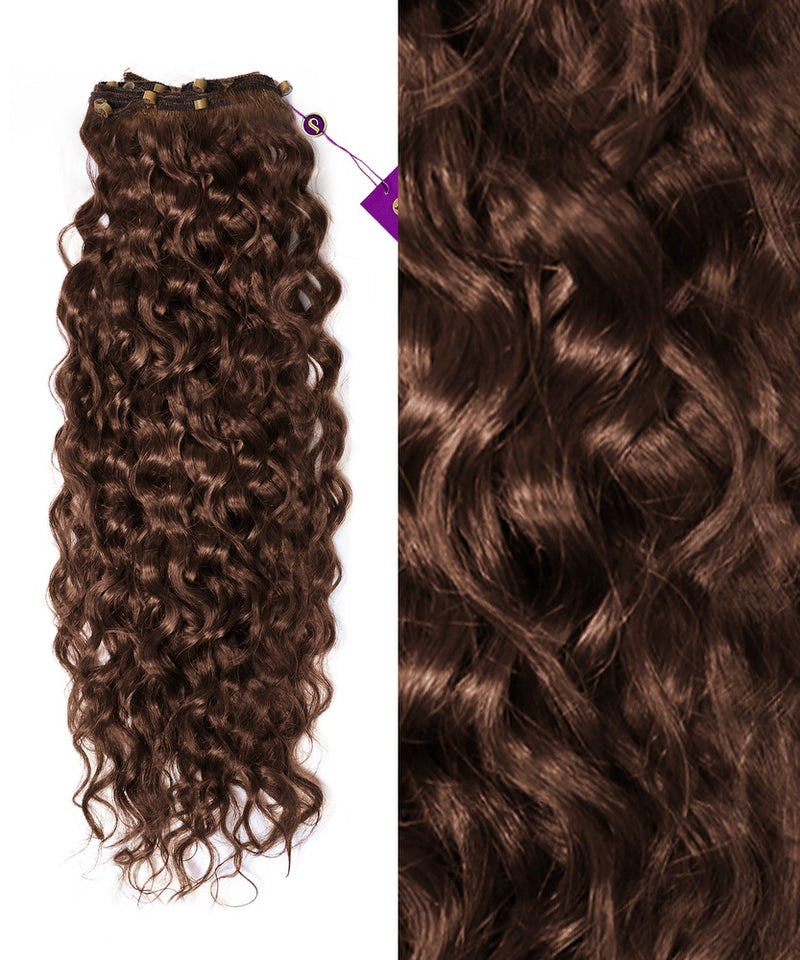
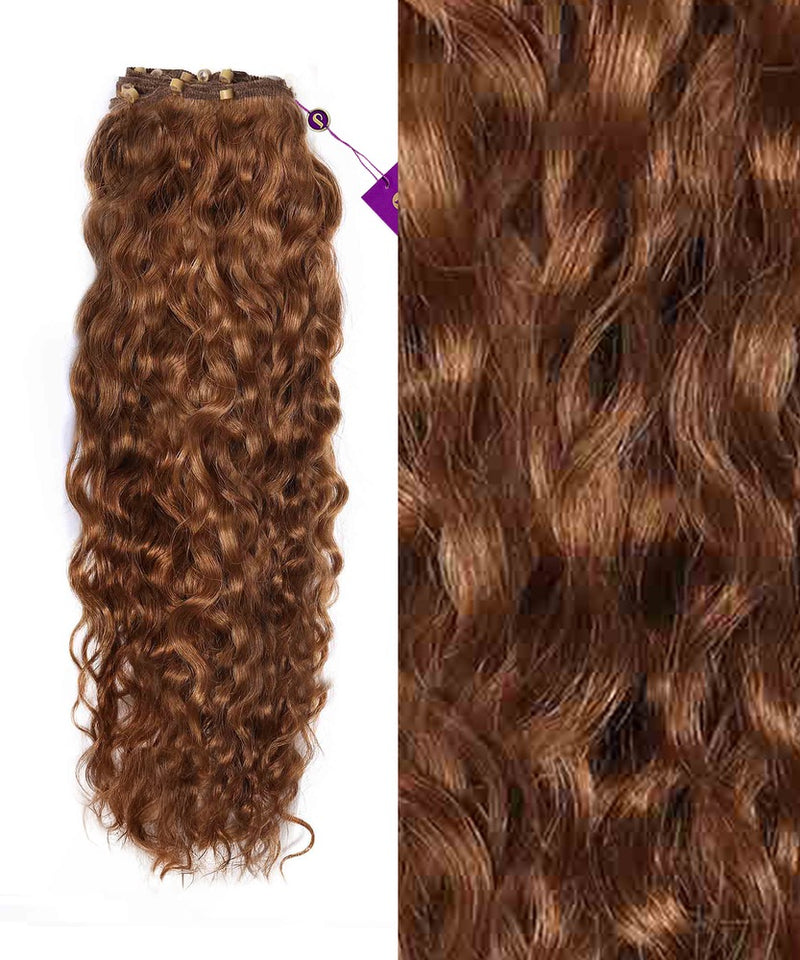
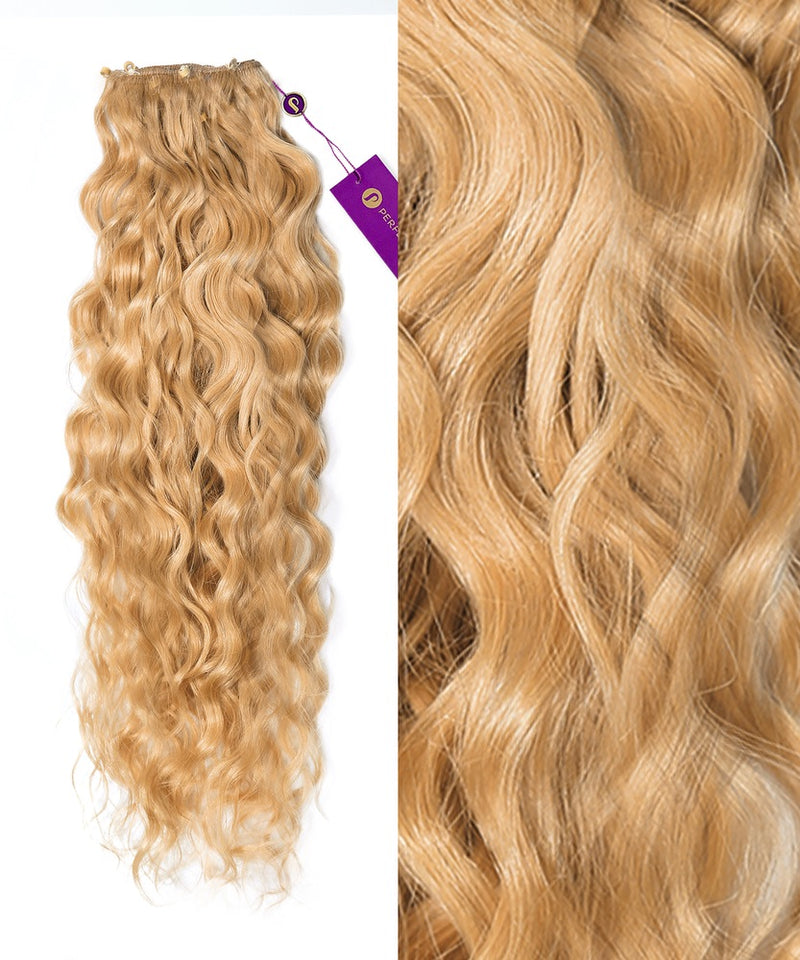
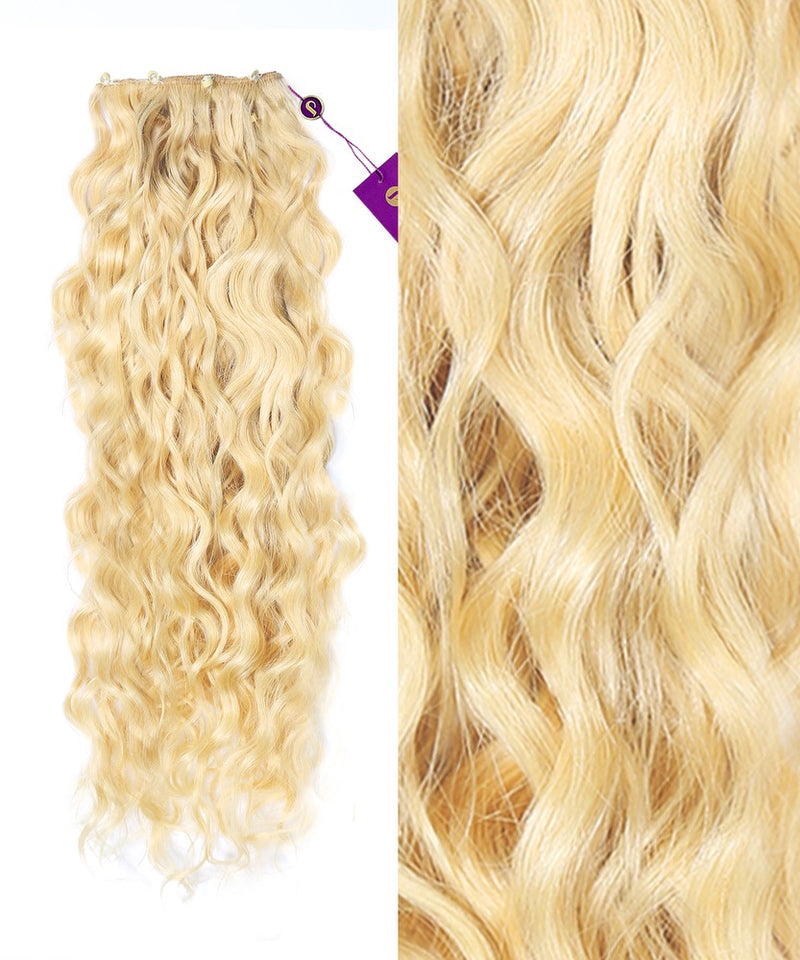
Beaded Weft Hair Extensions
No heat, no glue, no adhesive of any kind - just tiny silicone-lined beads for a hold that's gentle on your natural h...




Types to Consider

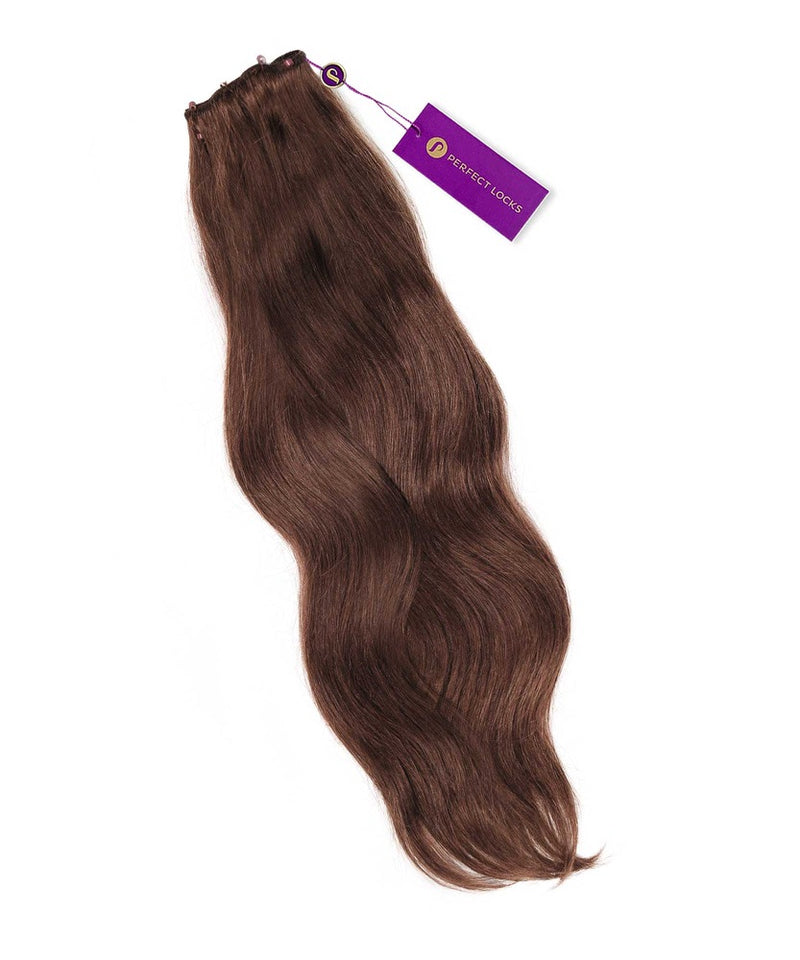
Hand-Tied Wefts Premium
Best for: Those with fine hair or sensitive scalps who prioritize comfort above all else.
- Wear Time
- 6-10 weeks between maintenance
- Application
- 2-4 hours
- Lightest weight option
- Most comfortable

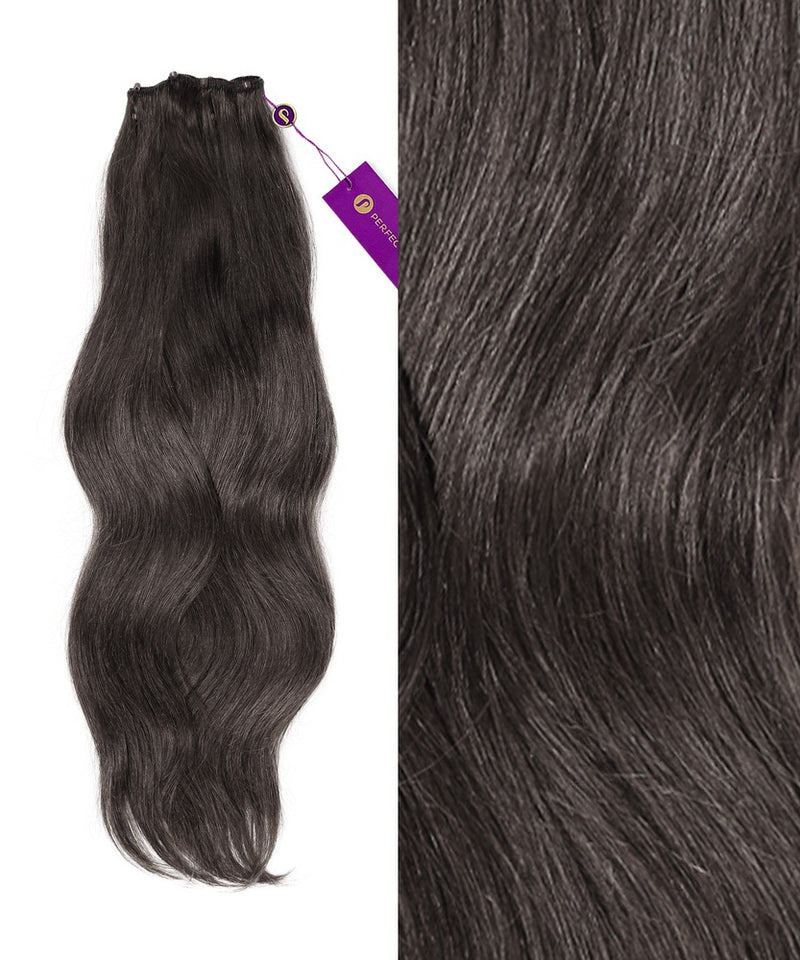
Machine Wefts
Best for: Active clients who need maximum durability and longevity from their extensions.
- Wear Time
- 6-10 weeks between maintenance
- Application
- 2-4 hours
- Most durable construction
- Affordable option

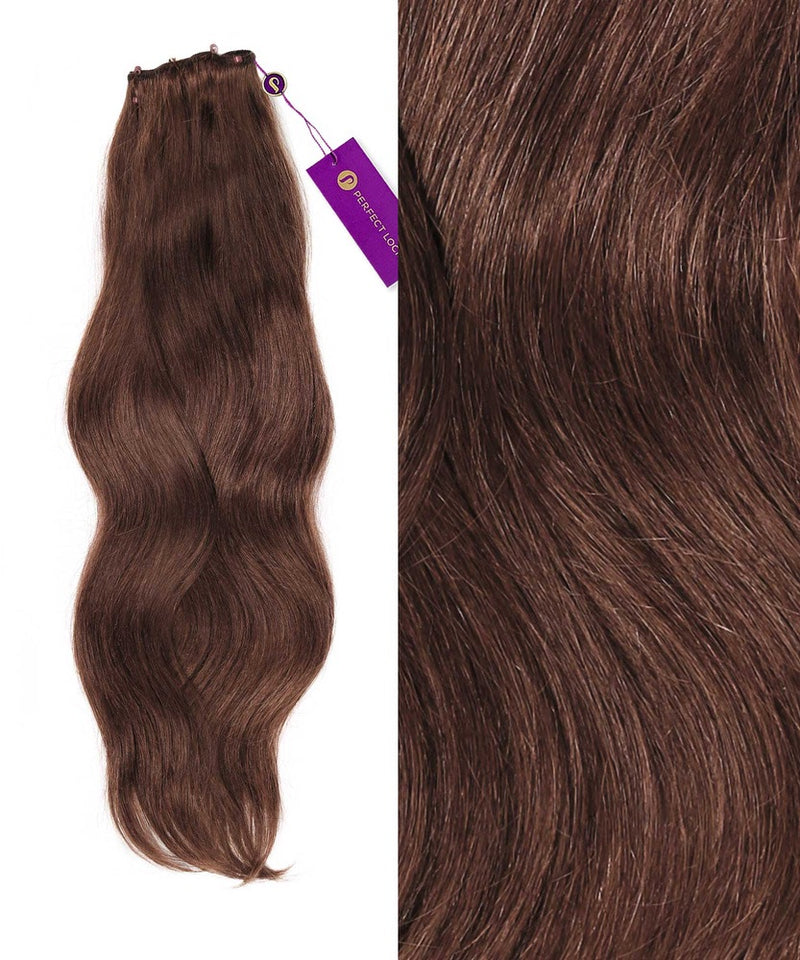
Hybrid Wefts
Best for: Those who want durability without sacrificing comfort or a thin profile.
- Wear Time
- 6-10 weeks between maintenance
- Application
- 2-4 hours
- Combines durability and comfort
- Thin profile

Beaded Wefts
Best for: Stylists specializing in beaded row installations who want to save time and ensure consistency.
- Wear Time
- 6-8 weeks between maintenance
- Application
- 2-3 hours
- Pre-looped saves time
- Consistent results

Tape-In Wefts
Best for: Professional stylists who want complete control over tape-in sizing and customization.
- Wear Time
- 6-8 weeks between maintenance
- Application
- 1-2 hours
- Complete customization
- Cut to any width
Benefits of Weft Hair Extensions
Pros
- Add significant volume and length in one session
- Multiple installation methods to fit your lifestyle
- Can be reused for multiple installations (6-12+ months with care)
- No heat or glue required for most methods
- Versatile styling - curl, straighten, color like your own hair
- More affordable per wear than many other methods
- Professional installation means less daily maintenance
- Light-weight weft extensions are available, offering comfortable and natural wear - especially ideal for those with fine or thin hair
Cons
- Requires professional installation for best results
- Maintenance appointments needed every 6-8 weeks
- Not ideal for very short hair (need 4+ inches minimum)
- Higher upfront cost than clip-ins
- Hand-tied wefts can't be cut to customize width
- Improper installation can cause damage or tension
Why we love wefts
Wefts give you the best of both worlds - the dramatic transformation of permanent extensions with the flexibility to switch things up. Unlike fusion or micro-link extensions where individual strands are bonded to your hair, wefts can be removed and reinstalled without losing hair in the process. This means your investment lasts longer, and your natural hair stays healthier.
They're also incredibly customizable. Want subtle volume? One or two rows of hand-tied wefts. Going for full glam? Multiple rows of machine wefts can give you that dramatic, head-turning look. Your stylist can place them exactly where you need the most help.
Who Are Weft Extensions Best For?
Weft extensions work beautifully for most people, but they're especially great if you:
- Want long-lasting results - You don't want to apply extensions daily like clip-ins, and you want something that stays put for weeks
- Have at least 4 inches of natural hair - Enough length to braid or anchor the wefts securely
- Commit to maintenance appointments - You'll need to see your stylist every 6-8 weeks
- Want significant volume - Wefts add more fullness per row than most other methods
- Prefer a heat-free and glue-free option - Beaded and sewn-in methods don't require any adhesives or heat
Wefts for fine or thin hair
If you have fine or thin hair, wefts can absolutely work - but the details matter. Hand-tied wefts are typically recommended because they lay flatter and put less stress on delicate strands. Beaded weft installations are also a strong option since they distribute weight evenly without the tension of tight braids. Your stylist will be strategic about placement, using fewer wefts and positioning them to avoid visible tracks.
We'd rather be honest: if your hair is extremely thin or fragile, wefts might not be the best choice. Too much weight can cause tension and breakage over time. In those cases, halo extensions or lightweight seamless clip-ins may be safer. Our complete guide to extensions for thin hair covers all your options and helps you choose what's safest for your situation.
Wefts for thick hair
Thick hair is ideal for weft extensions. You have plenty of natural hair to conceal the tracks, and your hair can easily support the weight of multiple weft rows. Machine wefts are usually the most economical choice since the slightly thicker track won't show through dense hair. Traditional sew-ins with cornrow braids work especially well for thick hair since the braids provide a strong, stable anchor.
Wefts for curly and textured hair
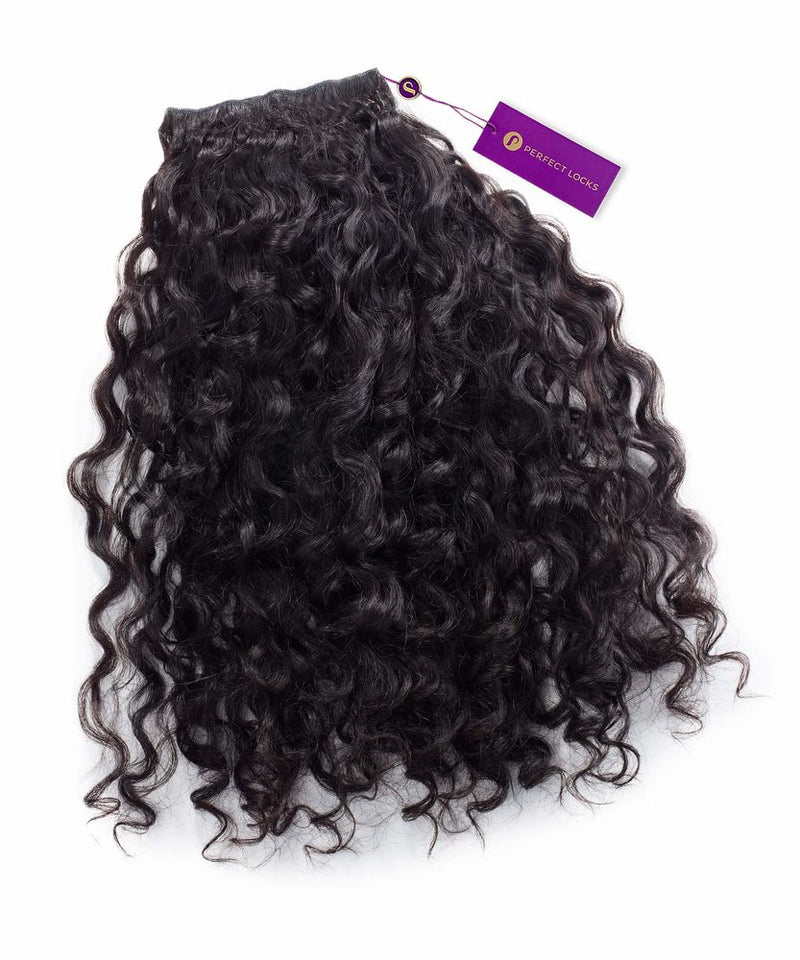
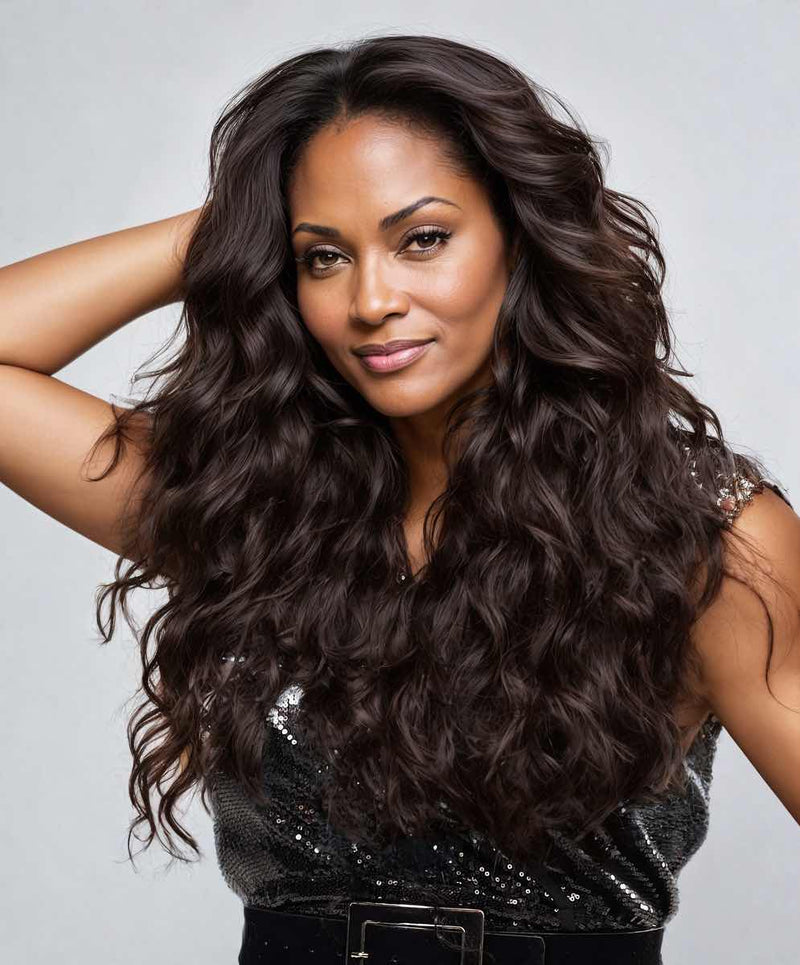
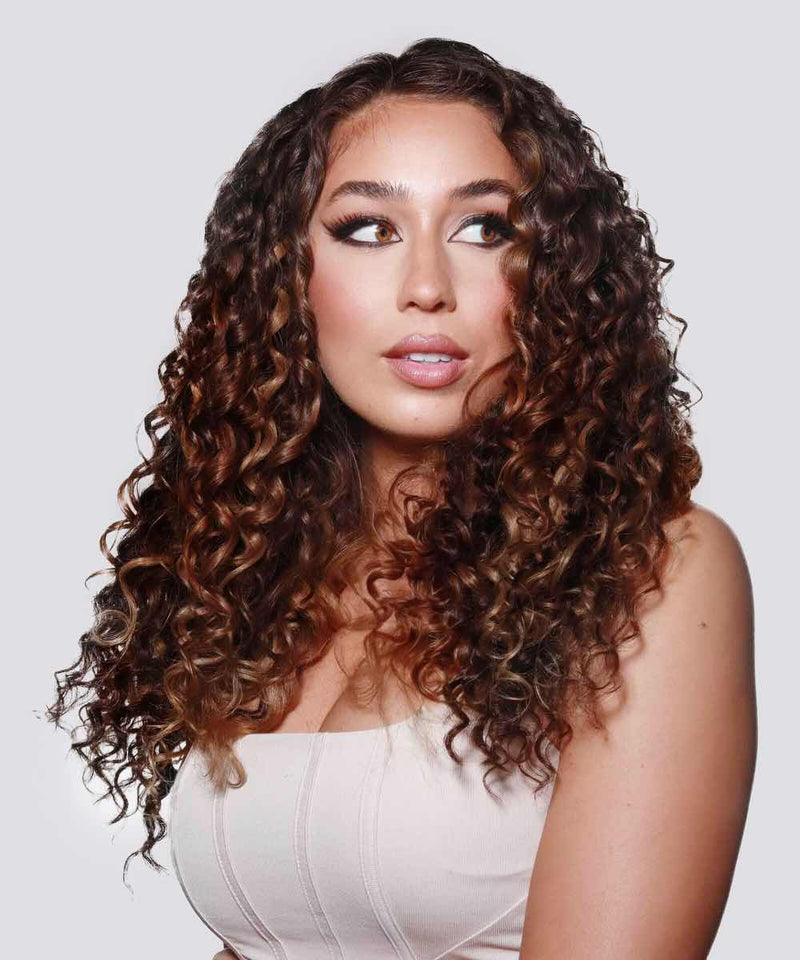
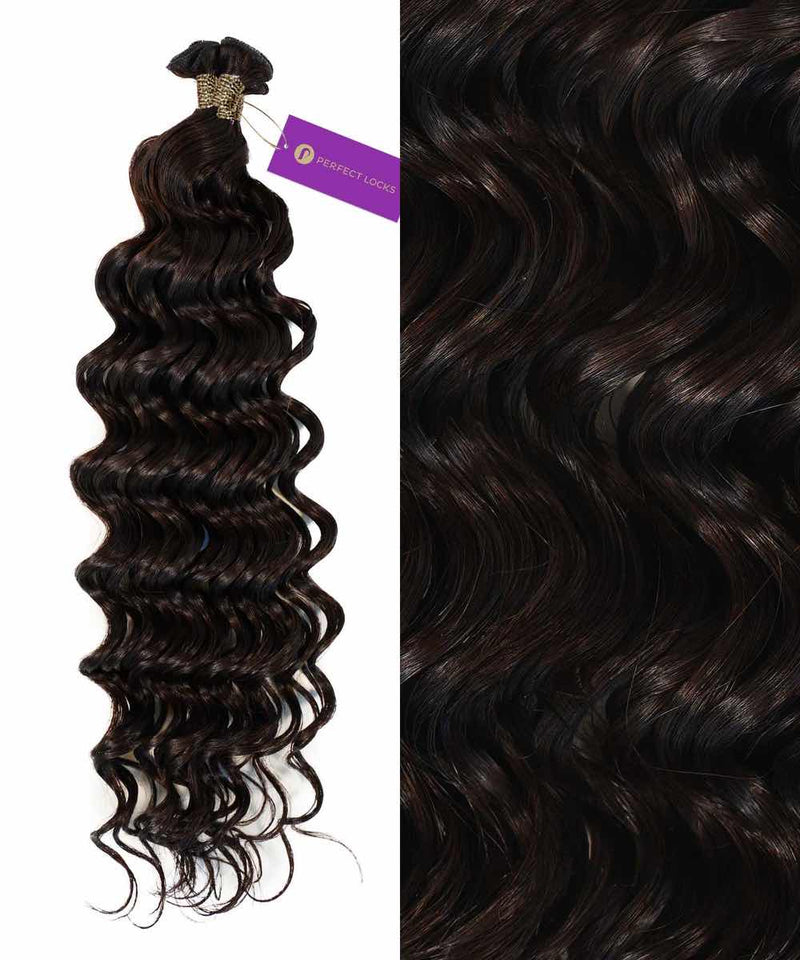
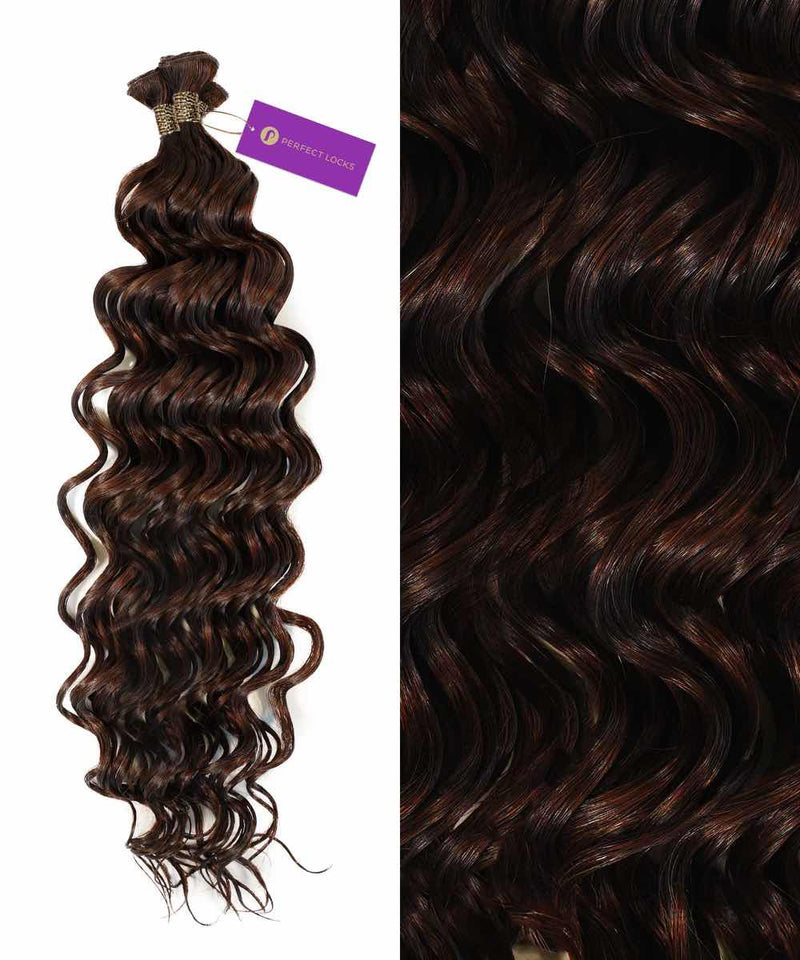
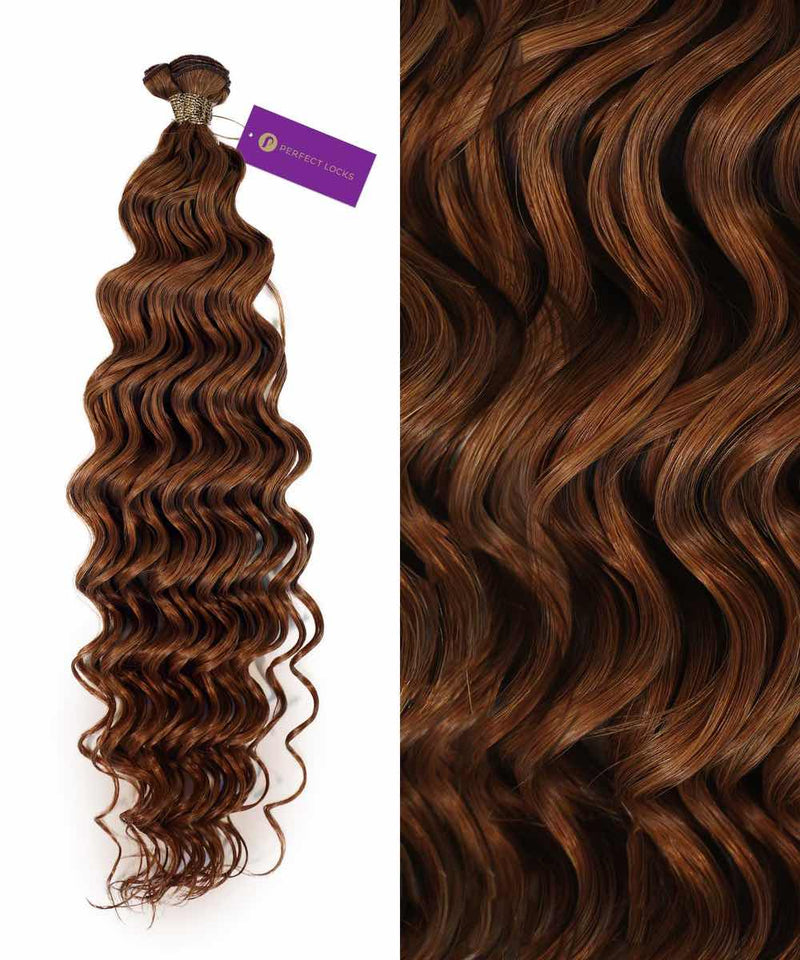
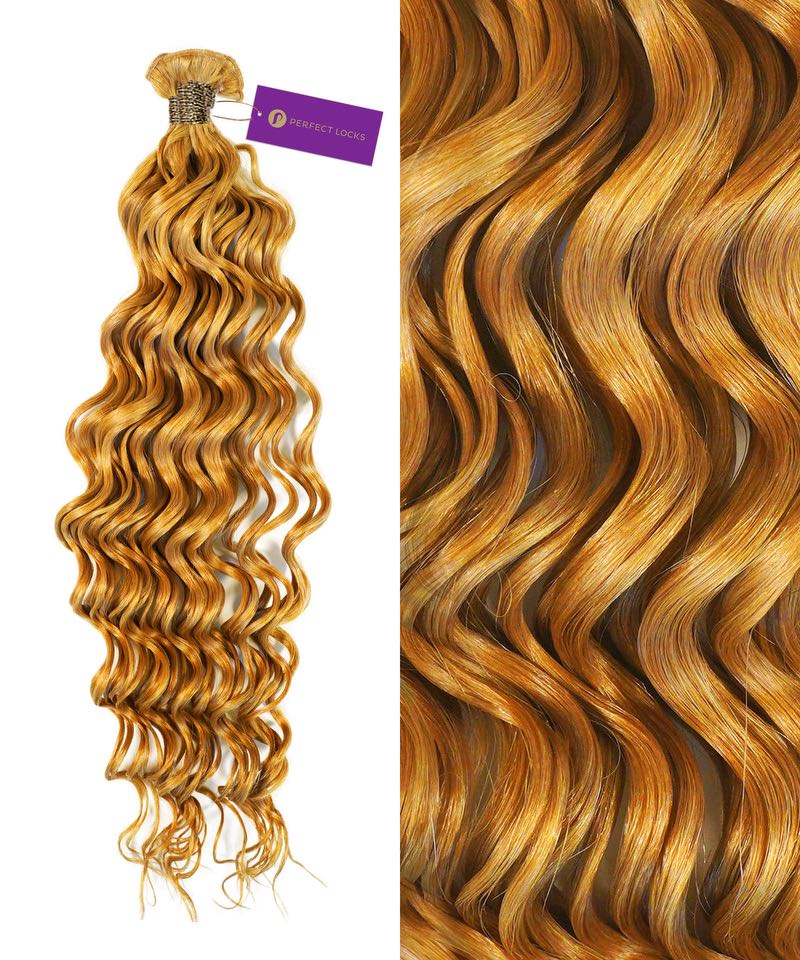
Weft extensions are a fantastic option for curly and textured hair, especially traditional sew-ins which have been a staple in the natural hair community for decades. The key is finding wefts that match your curl pattern - we offer textures ranging from loose wave to kinky coily to help you find your match.
Curly sew-ins are one of the most popular extension methods for 3A-4C hair types. The cornrow base works naturally with textured hair, and the volume of curly hair helps conceal weft tracks effortlessly. Whether you're looking for a curly weft for a full sew-in or curly clip-ins for temporary styling, texture matching is everything.
For detailed guidance on choosing extensions for your specific curl pattern, our 4B hair guide and textured hair guide to go deep on what works for coily and kinky hair types.
How to Choose the Best Weft Hair Extensions
1. Match your texture
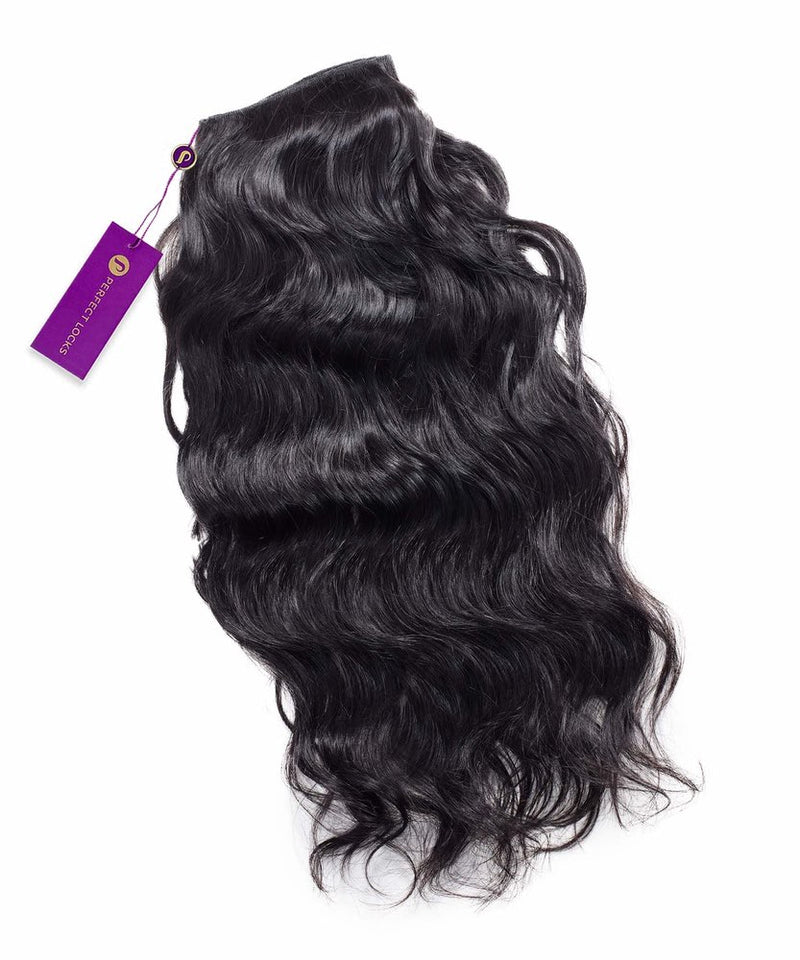
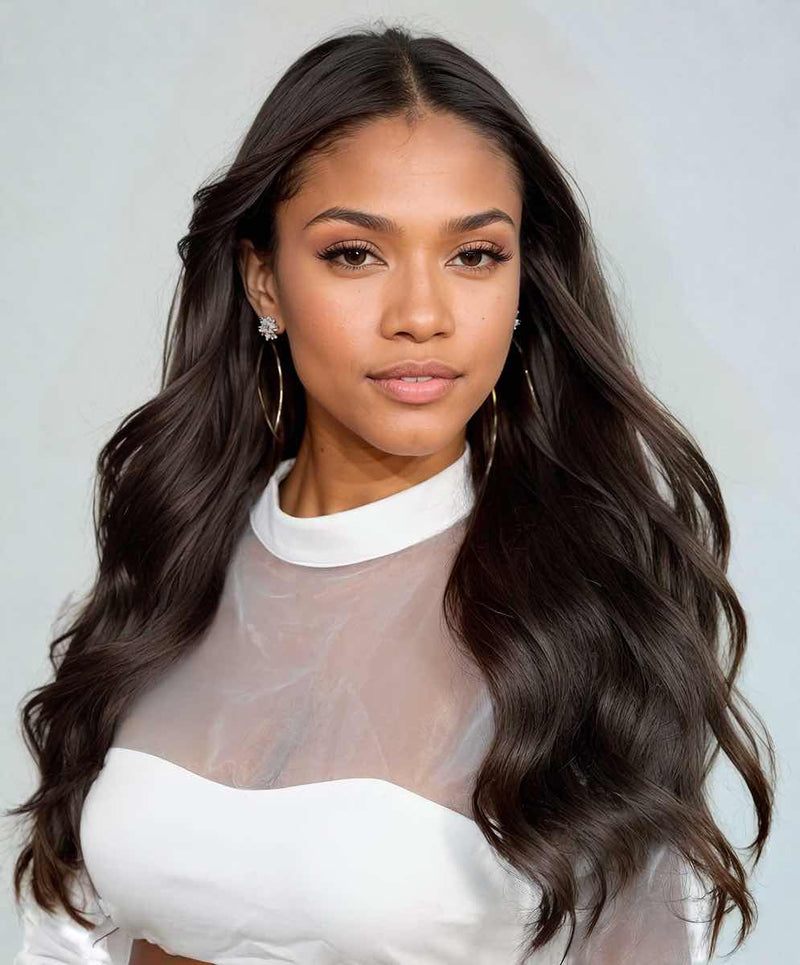
This is the most important factor for a natural look. Your extensions should blend seamlessly with your natural hair texture. If you have pin-straight hair, get straight wefts. If you have waves or curls, match that pattern as closely as possible. Our blending guide covers techniques for getting a seamless match.
2. Determine how much hair you need
The amount of weft hair you need depends on what you're trying to achieve:
- Volume only (1-2 rows): 50-100 grams
- Moderate length and volume (2-3 rows): 100-150 grams
- Full transformation (3-4+ rows): 150-200+ grams
Your stylist will give you a more precise recommendation based on your natural hair density and the look you want. When in doubt, it's better to have a little extra - unused wefts can be saved for fills or your next installation. Our gram weight guide breaks this down in detail.
3. Select your length
For the most natural look, choose extensions that are no more than 4-6 inches longer than your current length. Going dramatically longer can look amazing, but requires more blending work and adds more weight. Our length guide shows you exactly how different lengths will look.
4. Color matching
Match your extensions to the ends of your hair, not your roots - your ends are what the extensions blend with. If you're between shades, go slightly lighter since you can always darken extensions but can't lighten them without risking damage.
Not sure about your color? Send us a photo in natural lighting and we'll help you find your perfect match - it's a free service we've been offering since 2007, and we look at every single request personally. You can also browse our rooted and balayage options for multi-tonal looks.
5. Human hair vs. synthetic
We only sell 100% Remy human hair extensions, and there's a good reason for that. Human hair wefts can be washed, heat-styled, and colored just like your natural hair. They move naturally, blend seamlessly, and last significantly longer than synthetic alternatives.
Synthetic wefts are cheaper upfront, but they can't be heat-styled (they'll melt), tend to look shinier and less natural, and need replacing much sooner. For weft extensions that you'll wear for weeks at a time, human hair is the way to go. Learn more about the difference in our types of extensions guide.
How Weft Extensions Are Installed
There are several methods for attaching weft extensions, each with its own benefits. The right method depends on your hair type, lifestyle, and how much maintenance you're comfortable with.
Beaded weft installation (most popular)
Beaded weft installation has become the go-to method for many stylists because it's gentle, secure, and works across a wide range of hair types. Here's how it works:
Section and prepare your hair
Your stylist will section your hair horizontally, creating a clean row where the first weft will be placed. The placement is strategic - usually starting a few inches above the nape of your neck to allow room for multiple rows.
Create the bead row
Small silicone-lined beads are threaded onto individual sections of your natural hair. A thin string or wire is then threaded through all the beads, creating a secure horizontal anchor. The silicone lining protects your hair from friction.
Attach the weft
The weft track is sewn onto the string/wire anchor using a needle and thread. The beads clamp the string in place, which holds the weft securely without any attachment directly to your hair strands.
Repeat for additional rows
Most installations include 2-4 rows of wefts, depending on the fullness desired. Each row is placed strategically to blend naturally and distribute weight evenly.
Blend and style
Once all wefts are in place, your stylist will blend your natural hair over the top and cut or layer the extensions to seamlessly match your style.
Traditional sew-in installation
The traditional sew-in has been a cornerstone of hair extensions for decades, particularly in the Black hair community. Your natural hair is braided into flat cornrows, and wefts are sewn directly onto the braids using a curved needle and thread. This classic method provides an incredibly secure hold and works especially well for thick and textured hair.
Sew-ins are ideal if you want a full head of extensions with your natural hair completely protected underneath. They can be done as a full sew-in (leaving out only a small section at the top for blending) or a partial sew-in that leaves more of your natural hair out. Installation takes 2-3 hours, and they last 6-8 weeks before needing maintenance.
The main consideration with sew-ins is tension. The cornrow braids need to be snug enough to hold the wefts but not so tight that they pull on your hairline or cause discomfort. A skilled stylist knows exactly how to balance this - if your braids feel painful during installation, speak up.
Other installation methods
Micro-link wefts: Similar to beaded wefts, but uses tiny metal rings to attach the weft directly to small sections of hair. No braiding required, and offers precise placement control.
Tape-in wefts: Skin wefts can be applied using the same technique as tape-in extensions - sandwiching thin sections of your hair between adhesive strips. This is the fastest installation method but requires reinstallation every 6-8 weeks.
See It In Action
Seeing how weft extensions install makes all the difference. Here are real installations showing different weft types and techniques:
Caring for Your Weft Extensions
Proper care is the difference between extensions that last one installation and extensions you can reuse for a year or more. Whether you have a sew-in, beaded wefts, or any other method, these fundamentals apply. For a deeper dive, check our extension washing guide.
Washing
Wait at least 48 hours after installation before your first wash. When washing:
- Use a sulfate-free, extension-safe shampoo
- Focus shampoo on your scalp and let it rinse through the lengths
- Apply conditioner from mid-shaft to ends only - never on the weft tracks or bonds
- Wash no more than 2-3 times per week to prevent drying out the hair
- Always wash in a downward motion, not scrunching or piling hair on top of your head
Brushing
Use a loop brush or extension-safe detangling brush. Start at the ends and work your way up, holding the hair at the roots to avoid pulling on the weft attachments. Brush gently at least twice a day - morning and night - to prevent matting and tangling.
Heat styling
Human hair wefts can be heat-styled just like your natural hair. Always use a heat protectant, and try to keep temperatures below 350 degrees to maximize the lifespan of your extensions. The cuticle on human hair can be damaged by excessive heat over time, leading to dryness and frizz.
Sleeping
Always brush your hair before bed, then secure it in a loose braid or low ponytail. Sleep on a silk or satin pillowcase, or wear a silk bonnet. Think of it like taking off your jewelry before bed - it takes less than a minute and saves you hours of detangling later.
What to avoid
- Products with alcohol (they dry out the hair)
- Heavy oils or serums near the attachment points
- Chlorine and saltwater without protection (rinse immediately after swimming)
- Sleeping with wet hair
- Skipping or delaying maintenance appointments
How Long Do Weft Extensions Last?
With proper care, quality human hair wefts can last 6-12 months or even longer. The hair itself can often be reused for multiple installations - you're really just paying for the reinstallation service each time.
Factors that affect lifespan:
- Hair quality: 100% Remy human hair (like ours) lasts longest because the cuticles are intact and aligned
- How often you wash: Less frequent washing extends the life of your extensions
- Heat styling: Excessive heat degrades the hair over time
- Product buildup: Heavy products can weigh down and damage the hair
- Maintenance consistency: Regular appointments keep everything in good condition
Signs it's time for new wefts: excessive shedding, hair that won't hold a style, visible dryness or damage, or tracks that are starting to come apart.
Weft Extensions vs. Other Methods
Wondering how wefts compare to other popular extension methods? Here's a quick comparison to help you decide:
Weft vs. tape-in extensions
Both are semi-permanent options, but they differ in several ways:
- Installation time: Tape-ins are faster to install (30-60 minutes vs. 1-2 hours for wefts)
- Volume: Wefts add more volume per section
- Maintenance: Both need appointments every 6-8 weeks
- Best for: Tape-ins for subtle enhancement, wefts for dramatic volume
Read our full tape-in vs. sew-in comparison for a deeper breakdown.
Weft vs. fusion/keratin bond extensions
- Installation time: Fusion takes 3-4+ hours vs. 1-2 hours for wefts
- Natural movement: Fusion bonds move more naturally as individual strands
- Removal: Wefts are easier and less damaging to remove
- Best for: Fusion for seamless blending in fine hair, wefts for volume and versatility
Weft vs. clip-in extensions
- Commitment: Clip-ins remove daily; wefts stay in for weeks
- Convenience: Wefts are always in place; clip-ins need daily application
- Damage potential: Both are low-damage when used correctly
- Best for: Clip-ins for flexibility, wefts for everyday convenience
Beaded weft vs. traditional sew-in
This is one of the most common questions we hear. Both methods use weft tracks, but the attachment is completely different:
- Braiding required: Sew-ins need cornrows; beaded wefts don't
- Tension: Beaded wefts distribute weight more evenly, less stress on any single point
- Hair types: Sew-ins excel with thick/textured hair; beaded wefts work across all hair types
- Maintenance: Both need 6-8 week appointments
- Best for: Beaded wefts if you want gentle installation; sew-ins for maximum security with thick hair
Still not sure which method is right for you? Our complete guide to extension types breaks down every method in detail, or take our quiz for a personalized recommendation.
Frequently Asked Questions
How much do weft extensions cost?
The cost of weft extensions includes the hair itself and installation. Quality human hair wefts range from $150-$500+ depending on length, weight, and quality. Professional installation typically costs $150-$400, with maintenance appointments running $75-$150 every 6-8 weeks. While the upfront cost is higher than clip-ins, wefts can be reused for multiple installations, making the cost per wear quite reasonable.
Can I install weft extensions myself?
For semi-permanent methods like sew-ins or beaded wefts, we strongly recommend professional installation. DIY attempts often result in improper weight distribution, visible tracks, or damage to your natural hair. However, if you want a DIY option, you can convert wefts into clip-ins by sewing clips onto the track - this gives you weft-level volume with removable convenience.
Do weft extensions damage your hair?
When installed correctly and maintained properly, weft extensions cause minimal to no damage. The key factors are proper weight distribution, not over-tightening during installation, and regular maintenance to adjust placement as your hair grows. Damage typically occurs from leaving extensions in too long, improper installation, or neglecting maintenance appointments.
How do I sleep with weft extensions?
Always brush your hair before bed, then secure it in a loose braid or low ponytail. Sleep on a silk or satin pillowcase, or wear a silk bonnet. This prevents friction that causes tangling and matting. It takes less than a minute and makes a huge difference in how your extensions look and last.
Can I color or bleach weft extensions?
Human hair weft extensions can be colored, but with caution. Going darker is generally safe. Lightening or bleaching is riskier and can damage the hair or alter its texture. We recommend having a professional colorist handle any chemical processing, and always do a strand test first. Better yet, choose the right color from the start - our free color matching service helps you avoid the need for processing.
What's the difference between machine weft and hand-tied weft?
Machine wefts are sewn together by machine, creating a thicker, more durable track that can be cut to customize width. Hand-tied wefts have each strand tied individually to a thin fabric base, creating a much thinner, more flexible track that lays flatter. Machine wefts are more affordable and versatile; hand-tied wefts are better for fine hair but more delicate and expensive. Hybrid wefts split the difference with machine-sewn centers and hand-tied edges.
How often do weft extensions need to be moved up?
Most weft installations need maintenance every 6-8 weeks. During this appointment, the wefts are removed, your natural hair is washed and conditioned, and the wefts are reinstalled higher up to account for hair growth. Skipping or delaying maintenance can cause matting, tangling, and stress on your natural hair.
Can I swim with weft extensions?
Yes, but take precautions. Wet your hair with clean water before swimming to reduce chlorine or saltwater absorption. Wear a swim cap in pools when possible. After swimming, rinse your hair immediately and apply conditioner. Braid your hair while swimming to minimize tangling. With these steps, your extensions will handle an active lifestyle without issue.
How much natural hair do I need for weft extensions?
You need at least 4 inches of natural hair for most weft installation methods. Shorter than that, and there isn't enough hair to braid or secure beads effectively. If your hair is very short, tape-in extensions or clip-in extensions may be better options while you grow your hair out.
What's the difference between a beaded weft and a sew-in?
Both use weft tracks, but the attachment method is different. A traditional sew-in requires your natural hair to be braided into cornrows, with wefts sewn onto the braids. A beaded weft uses silicone-lined beads threaded onto your hair to create an anchor row - no braiding needed. Beaded wefts tend to be gentler and work for more hair types, while traditional sew-ins provide maximum security for thick and textured hair.
Are beaded weft extensions worth the cost?
For most people, yes. Beaded weft installations typically cost $300-$600 for hair and installation combined, with maintenance visits around $100-$200. The gentler attachment method means less risk of damage to your natural hair, the wefts can be reused for multiple installations, and the no-braid approach works for hair types that can't handle cornrows. If you're investing in semi-permanent extensions, beaded wefts offer some of the best value for the long term.
Ready to Try Weft Extensions?
Weft extensions offer an incredible combination of volume, longevity, and versatility that's hard to match with other methods. Whether you're looking for a dramatic transformation with a full sew-in, a gentle beaded weft installation, or just want to add some fullness with hand-tied wefts, there's an option that can work for your hair type and lifestyle.
At Perfect Locks, we've been helping people find their perfect extensions since 2007. Our weft extensions are made from 100% ethically sourced Remy human hair - we only sell hair we'd wear ourselves. Every piece is quality-checked, and we stand behind our products with a 30-day return policy.
Not sure where to start? We're here to help:
- Take our extension quiz for personalized recommendations
- Send us a photo for a free color match consultation
- Browse our full weft extensions collection
- Reach out with any questions - we look at every request personally
Weft Hair Extensions