With spring just around the corner, many women are looking to change up their hair color. After all, why should Mother Nature have all the fun? If the leaves get to change, why shouldn’t your hair, too? Yet picking the right shade can be an agonizing decision, with all the options available. So here are a few surefire tips to set you on the right path…even if you still can’t decide in the end!
Consider your lifestyle
Got a high-profile corporate or office job? Green tips, skunk stripes, and pink Mohawks will likely not go over well with the boss. On the other hand, a glam rocker with bland, one-dimensional hair color likely won’t get much love, either. Choose a hair dye that fits your individual personality, current job, and aspirations.
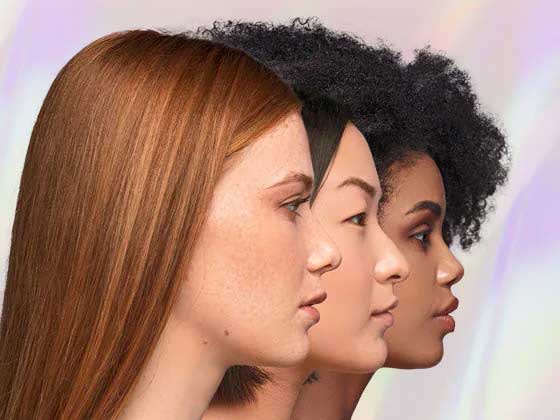
Go darker than your skin tone
unless you’re going for a special, haute-couture effect. Almost all people naturally have hair darker than their skin color, from the palest redheads to the darkest ebonies. Of course, this doesn’t mean you don’t have room to play; this simply means that your most natural-looking hues will contrast with your skin to make your face glow. Pale skin may look better with blonds and light reds, while inky blacks and deep browns can make darker complexions look radiant-think of Kelly Rowland’s transformation with her new raven locks. Try not to match your skin and hair colors exactly, though, as this can make you look washed out.

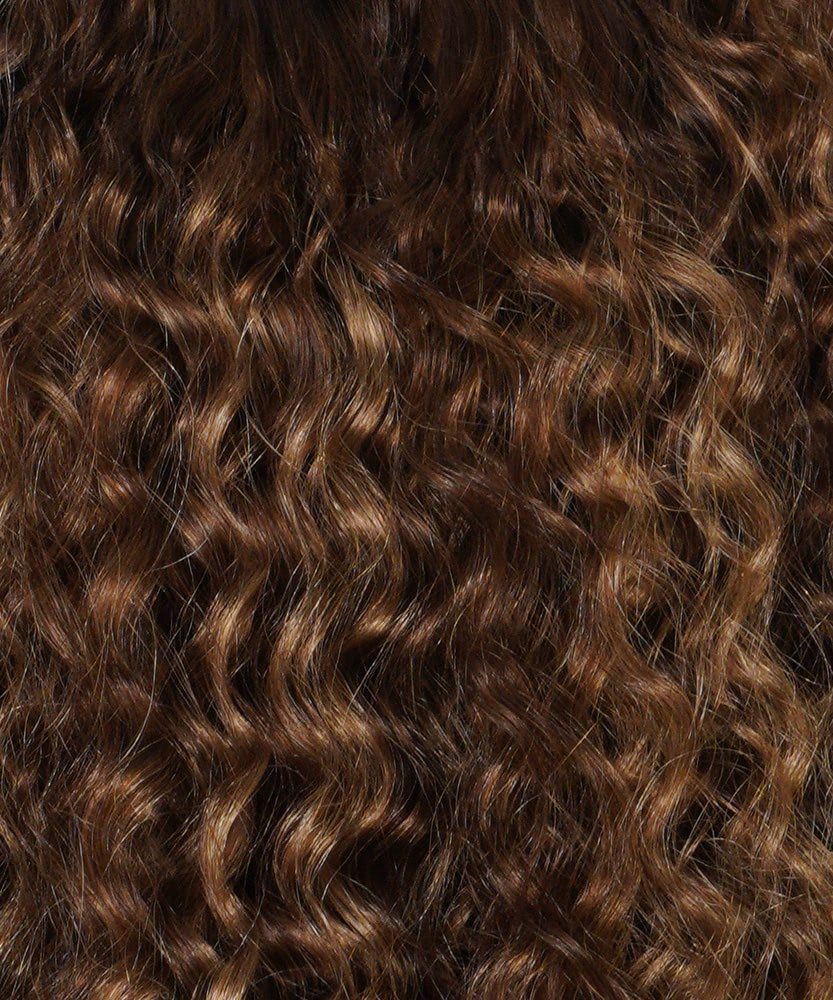
Color Chart for human hair extensions
Match your undertones
Besides the basic pigment, every human has a warm, neutral, or cool undertone to their skin. Your best hair color will match that undertone for a natural feel. Women with warm golden or red undertones should go for equally toasty hair colors, such as copper, honey, or strawberry blond. On the other hand, cooler undertones call for chilled-out hues like natural black, burgundy, or espresso. Neutral girls, that’s right-you can pretty much pull off any tint.
Think of your roots
Lightening your locks several levels can be a dramatic shock on your follicles and scalp. If you’d like to go several shades lighter than your natural color, try to do so gradually, to prevent damage, dryness, breakage, and even hair loss. Also, make sure you can keep up the scheduled maintenance, to avoid drastically contrasting roots; not only can this look tacky, but, in the case of very light-blond hair that has been darkened, your new growth can actually resemble a bald spot!
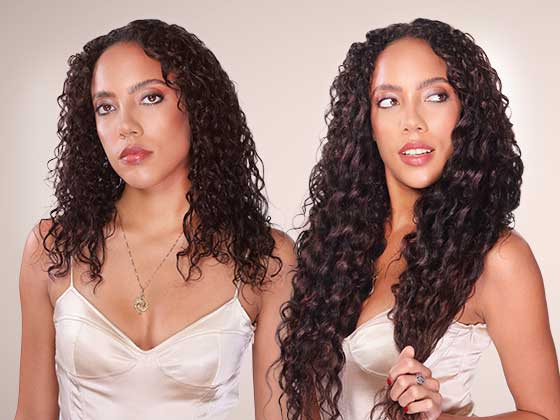
Don't want to think about how you're going to find the right color? Don't fret, Perfect Locks carries many colored hair extensions for you making it easy to find your perfect match. Natural tones that complement your complexion and personality. We take our best quality Virgin Indian hair and color it using a proven and proprietary coloring process.
Sounds simple, right? Well, every woman knows choosing a hair color is hard. But hopefully, these hair color ideas, along with upcoming articles on hair coloring methods and products, will help make your next hue decision just a bit easier.
Finding Your Best Hair Color: The Complete Guide
"The best hair color isn't the one that's trending - it's the one that makes your skin look alive and your eyes stand out. That's always going to be something in your skin tone's color family. Once you know your undertone, color selection becomes much simpler."
- Priyanka Swamy, Founder of Perfect Locks
Understanding Skin Undertones for Hair Color
Warm undertones (golden, yellow, peachy): Warm hair colors - golden blonde, honey, copper, auburn, warm brown - enhance warm skin. Cool ashy tones can make warm skin look washed out. If your veins appear greenish and gold jewelry flatters you more than silver, you likely have warm undertones.
Cool undertones (pink, red, blue): Cool hair colors - ash blonde, platinum, cool brown, blue-black - complement cool skin. Warm colors can clash against cool undertones. Blue veins and silver jewelry flattering you more than gold suggest cool undertones.
Neutral undertones: Neither strongly warm nor cool - the most flexible undertone for hair color. Most shades work, making this an ideal position for experimenting with different tones.
Testing Extensions Colors Before Committing
One significant advantage of clip-in extensions for color exploration: you can try a shade on for a day before committing to a permanent color treatment. Our extensions in balayage and highlighted options let you see how a different color dimension looks against your skin tone without any chemical commitment. If the color doesn't work, it comes out. If it works beautifully, you have valuable information for your next salon visit.
Hair Color and Eye Color
Eye color is the third variable after skin and undertone. As a general guide: cool blue and gray eyes are enhanced by cool hair colors and cooled by warm tones. Green eyes pop with warm hair colors - auburn and copper in particular. Brown eyes are the most flexible and suit both warm and cool tones.
Frequently Asked Questions
How do I find my best hair color?
Identify your skin's undertone (warm, cool, or neutral) by looking at the color of your veins and which jewelry metal flatters you more. Match your hair color temperature to your skin undertone: warm tones for warm skin, cool tones for cool skin. Test with clip-in extensions in different color families before committing to permanent color.
What hair color makes you look younger?
Colors closest to your natural hair color from your 20s tend to be the most rejuvenating because they're already proven to work with your skin tone. Adding dimension (highlights or balayage) around the face creates brightness. Avoiding very dark all-over color that can create stark contrast and very light platinum that can wash out skin are both good general principles.