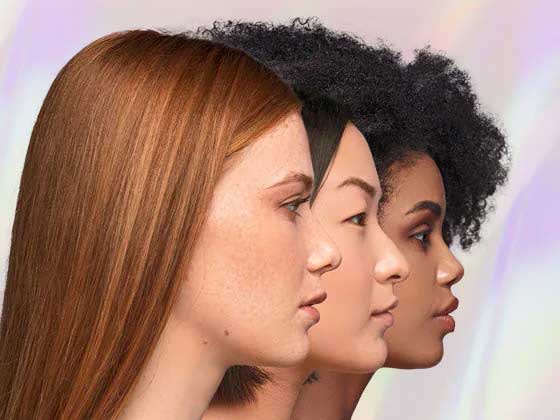
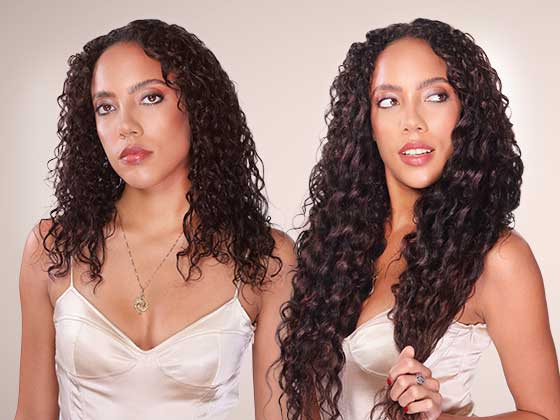
In the midst of back-to-back snow and ice events across most of the United States, it’s also a reminder that in addition to the beating roads and homes take in January and February…your curls do as well! While all hair is susceptible to damage in the winter months from rapid transitions from the hot indoors and frigid outdoors, curly hair has a naturally open cuticle from which all that essential moisture wicks away into the dry atmosphere. We rounded up our best pro tips to winterproof your curls and keep them protected (while we all wish for spring).
Change that shower routine for co-washing and oil shampooing!
In the summer months, pollutants and sweat require you to frequently shampoo, but in the winter months, neither of those things are a problem. Introducing co-washing, so-called because every other day you use conditioner only instead of shampoo to prevent stripping too much moisture out of your hair and scalp.

However, remember that where naturally textured hair is concerned, your scalp can get buildup…clogging your pores and leading to conditions like dandruff, hair loss or dermatitis. So you CAN’T swear off the shampoo completely.
Another option if you don't want to go the co-washing route is to pre-treat your hair with a healing hair oil like our Perfect Locks Argan Oil BEFORE shampooing as it’ll prevent too much moisture from being stripped away by the shampoo on a daily basis.
You also need to make sure that WHAT you are using for shampoo, conditioner, and even styling products doesn’t have harsh ingredients in them that cause damage, dryness or even aren’t designed for the needs of curly hair. Our Perfect Locks Curl Collection is loaded with healthy curl ingredients AND doesn’t contain sulfates that will cause issues.
Find a good balance that works for you as you’ll be able to feel when your hair is too dry or lacking shine.
After the shower, the damage REALLY begins. Here’s what to do and NOT do.
Hair is most prone to damage when it’s wet, so what you do after exiting the shower really matters in preventing your beautiful curls from getting frizzed out or with split ends.
Firstly, stop using cotton towels!
The fibers on your average bath towel are rough and coarse and all that friction of already coarse fibers up against your hair will cause the cuticles of your hair to lift further or simply break and come off. Instead, start drying your hair with microfiber towels or even a t-shirt that has a smoother, more refined fiber that will be non-damaging.

Ditch the air drying and thermal styling tools!
There’s no faster way to frizz than heading out the door with still wet hair into cold terms or winds. The flash freeze that occurs forces up the cuticles of your hair even more, and they hook on each other, leading to a hot frizzy mess. Air drying is great in summer, but in the winter, dry your hair via a microfiber towel or t-shirt as described above OR use a blow dryer with a diffuser on cool (never, ever hot). Don’t rush your morning routine or your hair will pay the price.
The second biggest cause of damage to curls in winter will surprise you: sleeping.
During the winter months when hair is prone to damage, pillowcases just like bath towels can rough up the cuticle, tangle the hair and before you know it you wake up with “frizz head”. There are two tools that you can deploy at home to keep that textured tamed:
- Silk Hair Bonnets: are made with the fine silk fibers that premium quality sheets and pillowcases are made of. These bonnets wrap your hair is silky silk, acting as a physical barrier to moisture absorbing rough materials like cotton pillowcases.
- Silk Pillowcases: As mentioned above, cotton is super absorbent…which is great for things like spills, but terrible in winter months when your hair needs that essential moisture. Cotton pillowcases not only put your curls through a rough-and-tumble during the night but also drinks in moisture as you sleep. Silk pillowcases however are made with the gentleness of silk, a friction-free fiber that will cushion your hair as you sleep and won’t rob it of moisture.
Remember, cold makes things fragile…so take it on those beautiful curls girl!
Curly Hair Extension Care in Winter
"Winter is particularly challenging for curly hair - natural or extension - because curly textures are inherently drier than straight textures and winter air accelerates that dryness significantly. The curl pattern also changes with humidity fluctuation. The good news is that most of what works for natural curly hair in winter works equally well for curly extensions."
- Priyanka Swamy, Founder of Perfect Locks
Winterproofing Curly Extension Hair
Increase your deep conditioning: Move from weekly to twice-weekly deep conditioning for curly extensions during winter months. Apply a moisture-rich mask, cover with a plastic cap, sit under a gentle heat source for 20 minutes, and rinse with cool water. The difference in curl definition and moisture retention is significant within 2-3 weeks of consistent twice-weekly conditioning.
The LOC method in winter: Liquid (leave-in conditioner spray), Oil (lightweight oil like argan or jojoba), Cream (curl cream) - applied in this sequence while hair is damp after washing. Each layer seals the previous one, creating a moisture barrier that holds up better through dry winter air than any single product alone.
Pineapple at night: Gather curly extension hair loosely at the top of the head in a loose bun (the "pineapple") before sleeping. This contains the curls without compressing them, reducing friction and allowing the curl pattern to remain intact. A satin bonnet over the pineapple offers maximum protection.
Diffuse instead of air drying: In winter, air drying takes longer in cold air and can chill the scalp. Diffuse on low heat instead - it's faster and the gentle heat helps set the curl pattern more reliably than cold air drying.
Anti-humidity sealant: Winter doesn't mean low humidity everywhere - indoor heating creates fluctuating humidity conditions that can cause curly hair to expand and contract, losing definition. An anti-humidity serum applied after styling helps stabilize the curl pattern through indoor-outdoor humidity shifts.
Frequently Asked Questions
How do you keep curly hair moisturized in winter?
Increase deep conditioning to twice weekly, use the LOC method (liquid, oil, cream layered in sequence) on damp hair after washing, apply a daily leave-in conditioner spray, use a bedroom humidifier to offset indoor heating dryness, and seal with a lightweight oil before going outside. These practices directly offset the moisture loss that cold dry air causes in curly hair.
How do you keep curls defined in winter?
Apply curl cream to soaking wet hair immediately after washing and scrunch upward. Diffuse on low heat rather than air drying in cold air. Use an anti-humidity sealant as your final styling step. Sleep with hair in a loose pineapple under a satin bonnet. Refresh the next day with a light water mist and scrunch - only re-wash when necessary rather than daily, which strips moisture.
Does cold weather affect curly hair extensions?
Yes - cold, dry air pulls moisture from curly extension hair just as it does from natural curly hair. The curl pattern can loosen or become frizzy when the hair is dry. Extension hair also can't draw on scalp oils for any recovery, making the moisture loss more significant than on natural curly hair. Consistent moisturizing practices are more important in winter than any other season for curly extension wearers.